Cold Chain Logistics Management for Food and Pharmaceutical Goods
1. Introduction to Cold Chain Logistics
1.1 Understanding Cold Chain Logistics: Definition and Importance
Definition: Cold chain logistics refers to the management and transportation of temperature-sensitive products through a supply chain that maintains a specific temperature range from origin to destination. This ensures product integrity, safety, and efficacy, especially for perishable food items and pharmaceutical goods.
Cold chain logistics is a specialized branch of supply chain management focused on maintaining controlled environments during storage, handling, and transportation.
Mind Map: Core Components of Cold Chain Logistics
Why is Cold Chain Logistics Important?
-
Preservation of Product Quality:
- Food products like dairy, seafood, and fresh produce require constant low temperatures to prevent spoilage.
- Pharmaceuticals such as vaccines and biologics lose potency if exposed to temperature fluctuations.
-
Safety and Compliance:
- Maintaining cold chain integrity ensures products meet safety standards and regulatory compliance, reducing risks of contamination or degradation.
-
Economic Impact:
- Spoiled goods lead to financial losses and damage brand reputation.
- Efficient cold chains reduce waste and improve customer satisfaction.
-
Public Health:
- Especially critical for vaccines and medicines, where efficacy directly impacts health outcomes.
Mind Map: Importance of Cold Chain Logistics
Examples to Illustrate Importance:
-
Food Industry Example: A dairy company ships milk products from a processing plant to retail stores. If the milk is exposed to temperatures above 4°C for extended periods during transport, bacterial growth accelerates, causing spoilage and potential foodborne illness. By using refrigerated trucks and continuous temperature monitoring, the company ensures milk freshness and safety upon delivery.
-
Pharmaceutical Industry Example: The Pfizer-BioNTech COVID-19 vaccine requires storage at ultra-low temperatures (-70°C). Specialized freezers and dry ice shipments were used globally to maintain the cold chain. Any temperature deviation risked reducing vaccine efficacy, highlighting the critical role of cold chain logistics in pandemic response.
Summary
Cold chain logistics is essential for maintaining the quality, safety, and effectiveness of temperature-sensitive products. It involves a complex network of temperature-controlled storage, transportation, monitoring, and compliance measures. Understanding its definition and importance lays the foundation for mastering best practices in cold chain management.
1.2 Key Differences Between Food and Pharmaceutical Cold Chains
Cold chain logistics is critical for both food and pharmaceutical products, but the requirements, risks, and management practices differ significantly due to the nature of the products involved. Understanding these differences helps supply chain managers and quality controllers tailor their strategies effectively.
Overview Mind Map
Temperature Sensitivity and Range
- Food Cold Chain: Typically requires refrigeration between 0°C to 8°C for perishables like dairy, meat, and fresh produce. Frozen foods require -18°C or below.
- Pharmaceutical Cold Chain: Temperature requirements are often more stringent and varied, e.g., vaccines may require storage at 2°C to 8°C, while some biologics need ultra-cold storage at -70°C.
Example:
- Fresh salmon is stored around 0°C to maintain freshness.
- Pfizer-BioNTech COVID-19 vaccine requires ultra-cold storage at around -70°C to maintain efficacy.
Product Stability and Shelf Life
- Food: Generally has a shorter shelf life; spoilage leads to quality degradation and food safety risks.
- Pharmaceuticals: Stability affects potency and safety; degradation can lead to ineffective or harmful products.
Example:
- Fresh milk may last 7-10 days refrigerated.
- Insulin must maintain potency over months; improper temperature can render it useless.
Regulatory Requirements
- Food Cold Chain: Governed by food safety standards such as HACCP, FSMA, and ISO 22000.
- Pharmaceutical Cold Chain: Subject to stricter regulations like FDA’s Current Good Manufacturing Practice (cGMP), EMA guidelines, and WHO standards.
Example:
- Food distributors must document temperature logs to comply with FSMA.
- Pharmaceutical companies must validate cold chain processes and maintain audit trails for regulatory inspections.
Packaging and Handling
- Food: Packaging focuses on preserving freshness, preventing contamination, and maintaining temperature (e.g., insulated boxes, gel packs).
- Pharmaceuticals: Packaging must ensure sterility, protect from light, and maintain precise temperature control (e.g., thermal shippers with phase change materials).
Example:
- Ice cream is packed with dry ice or gel packs to maintain frozen state.
- Vaccines are shipped in validated thermal containers with temperature indicators.
Risk Factors and Impact of Failure
- Food: Temperature excursions can cause spoilage, leading to foodborne illnesses and financial losses.
- Pharmaceuticals: Temperature deviations can cause loss of potency, risking patient health and regulatory non-compliance.
Example:
- A refrigerated truck delay causing milk spoilage results in product waste.
- A vaccine exposed to higher temperatures may lose efficacy, requiring costly recalls.
Integrated Example: Cold Chain Management for a Fresh Food Item vs. a Vaccine
| Aspect | Fresh Strawberries (Food) | COVID-19 Vaccine (Pharmaceutical) |
|---|---|---|
| Temperature Range | 0°C to 4°C | -70°C (Pfizer) or 2°C to 8°C (Moderna) |
| Packaging | Insulated boxes with gel packs | Validated thermal shippers with dry ice |
| Shelf Life | 5-7 days refrigerated | Several months if stored properly |
| Regulatory Focus | Food safety compliance (HACCP) | cGMP, WHO, FDA regulations |
| Risk of Failure | Spoilage, mold growth, food poisoning | Loss of vaccine potency, ineffective immunization |
| Monitoring | Temperature loggers, manual checks | Real-time IoT sensors, data loggers with alerts |
Summary
While both food and pharmaceutical cold chains share the goal of maintaining product quality through temperature control, the pharmaceutical cold chain demands higher precision, stricter regulatory compliance, and more sophisticated packaging and monitoring due to the critical nature of the products. Food cold chains focus more on preventing spoilage and contamination within a generally wider temperature range.
Understanding these differences enables supply chain managers and quality controllers to implement tailored best practices that ensure safety, compliance, and efficiency.
1.3 Overview of Temperature-Sensitive Products and Their Requirements
Temperature-sensitive products require strict control of environmental conditions throughout the supply chain to maintain their quality, safety, and efficacy. These products primarily include food items and pharmaceutical goods, each with unique temperature requirements and handling protocols.
Categories of Temperature-Sensitive Products
-
Perishable Food Items
- Fresh produce (fruits, vegetables)
- Dairy products (milk, cheese, yogurt)
- Meat, poultry, and seafood
- Frozen foods (ice cream, frozen vegetables)
-
Pharmaceutical Products
- Vaccines
- Biologics and biosimilars
- Insulin and other temperature-sensitive drugs
- Diagnostic reagents and blood products
Temperature Requirements Overview
| Product Category | Typical Temperature Range | Example Product | Handling Notes |
|---|---|---|---|
| Fresh Produce | 0°C to 4°C | Leafy greens | Avoid freezing; maintain high humidity |
| Dairy Products | 1°C to 4°C | Milk | Prevent temperature fluctuations |
| Meat & Seafood | -1°C to 4°C | Fresh fish | Rapid cooling after harvest |
| Frozen Foods | -18°C or below | Ice cream | Maintain continuous freezing |
| Vaccines | 2°C to 8°C | Influenza vaccine | Avoid freezing; monitor temperature closely |
| Biologics | 2°C to 8°C or -20°C to -80°C | Monoclonal antibodies | Ultra-cold storage for some products |
| Insulin | 2°C to 8°C | Insulin vials | Protect from heat and freezing |
Mind Map: Temperature-Sensitive Products and Their Requirements
Examples of Temperature Requirements in Practice
-
Example 1: Fresh Salmon Distribution
- Temperature Range: -1°C to 2°C
- Practice: Salmon is packed in insulated containers with gel packs and transported in refrigerated trucks. Temperature data loggers monitor conditions continuously to avoid spoilage.
-
Example 2: COVID-19 Vaccine Cold Chain
- Temperature Range: 2°C to 8°C (some require -70°C)
- Practice: Ultra-cold freezers and dry ice shipments are used. Real-time temperature monitoring with alerts ensures immediate action if temperatures deviate.
-
Example 3: Ice Cream Retail Supply
- Temperature Range: -18°C or below
- Practice: Frozen storage at warehouses and refrigerated transport with minimal door openings to maintain consistent freezing.
Key Considerations for Managing Temperature-Sensitive Products
- Temperature Stability: Avoid temperature fluctuations that can degrade product quality.
- Humidity Control: Especially important for fresh produce to prevent wilting or mold.
- Packaging: Use insulated and temperature-controlled packaging tailored to product needs.
- Monitoring: Employ continuous temperature monitoring devices with alert systems.
- Training: Ensure handlers understand specific product requirements.
Understanding these requirements is fundamental for supply chain managers and quality controllers to design and implement effective cold chain logistics that preserve product integrity from origin to end-user.
1.4 Common Challenges in Cold Chain Logistics
Cold chain logistics is a highly specialized segment of the supply chain that involves maintaining temperature-sensitive products within strict temperature ranges throughout storage, transportation, and handling. Despite advances in technology and infrastructure, several challenges persist that can impact product quality, safety, and compliance.
Key Challenges Overview
Temperature Control Issues
Maintaining the required temperature range is the cornerstone of cold chain logistics. Any deviation can lead to product spoilage or reduced efficacy.
- Equipment Failures: Refrigeration units or temperature control devices may malfunction during transit or storage.
- Example: A refrigerated truck transporting vaccines experiences compressor failure, causing temperatures to rise above the required 2-8°C range.
- Human Error: Incorrect temperature settings or mishandling during loading/unloading.
- Example: A warehouse worker accidentally stores frozen seafood at 5°C instead of -18°C, leading to product degradation.
- Temperature Excursions: Unexpected delays or exposure to ambient conditions.
- Example: A shipment of insulin is delayed at customs for several hours without proper refrigeration.
Regulatory Compliance
Cold chain logistics must comply with strict regulations that vary by region and product type.
- Documentation: Incomplete or inaccurate records can lead to shipment rejection.
- Example: A pharmaceutical shipment lacks temperature logs, causing customs to hold the shipment.
- Varying Regional Standards: Different countries may have conflicting requirements.
- Example: A food exporter struggles to meet both EU and US cold chain packaging regulations simultaneously.
Infrastructure Limitations
Cold chain infrastructure is capital intensive and not uniformly available worldwide.
- Insufficient Cold Storage: Limited availability of temperature-controlled warehouses, especially in remote areas.
- Example: A fresh produce supplier in a developing country lacks access to adequate cold storage, leading to high spoilage rates.
- Inadequate Transport Options: Lack of refrigerated vehicles or containers for certain routes.
- Example: A pharmaceutical company struggles to find refrigerated air freight options for tropical regions.
Monitoring and Visibility
Real-time monitoring is critical but often challenging to implement effectively.
- Lack of Real-Time Data: Many shipments still rely on manual temperature checks.
- Example: A food distributor discovers temperature excursions only after delivery due to lack of continuous monitoring.
- Data Integrity Issues: Inaccurate or tampered data can mislead decision-making.
- Example: Temperature loggers are removed or reset to hide excursions.
Handling and Training
Proper handling and knowledgeable personnel are essential to maintain cold chain integrity.
- Improper Packaging: Using inadequate insulation or cooling materials.
- Example: A shipment of vaccines packed without sufficient gel packs warms up during transit.
- Inadequate Staff Training: Workers unaware of cold chain protocols.
- Example: A logistics team fails to prioritize cold chain shipments during loading, causing delays.
Cost Management
Cold chain logistics involves high operational costs that can impact profitability.
- High Energy Consumption: Refrigeration units consume significant power.
- Example: A cold storage warehouse faces soaring electricity bills during summer months.
- Expensive Equipment and Maintenance: Specialized equipment requires regular upkeep.
- Example: Frequent repairs of refrigerated trucks increase operational downtime and costs.
Summary
Cold chain logistics faces multifaceted challenges spanning technical, regulatory, infrastructural, and human factors. Addressing these requires a combination of robust infrastructure, advanced monitoring technology, comprehensive training, and strict adherence to regulations. Understanding these challenges through real-world examples helps supply chain managers and quality controllers anticipate risks and implement effective mitigation strategies.
1.5 Best Practice: Case Study on Maintaining Integrity in Vaccine Distribution
Maintaining the integrity of vaccines during distribution is critical due to their extreme sensitivity to temperature fluctuations. This case study explores best practices implemented by a global pharmaceutical company to ensure vaccine potency from manufacturing to administration.
Background
Vaccines typically require storage between 2°C and 8°C. Any deviation can reduce efficacy or render the vaccine unusable. The company faced challenges in maintaining this cold chain across diverse geographies, including remote and underserved areas.
Key Strategies Implemented
- Robust Temperature Monitoring: Use of IoT-enabled data loggers and RFID tags to provide real-time temperature tracking.
- Specialized Packaging: Deployment of insulated containers with phase change materials (PCMs) to maintain stable temperatures during transit.
- Training and SOPs: Comprehensive training programs for logistics personnel on handling and emergency procedures.
- Multi-modal Transport Coordination: Seamless integration of air, road, and last-mile delivery with contingency plans.
- Data-Driven Decision Making: Centralized dashboard for monitoring shipments and triggering alerts.
Mind Map: Vaccine Distribution Integrity
Example 1: Real-Time Temperature Monitoring
During a shipment from the manufacturing plant to a regional hub, IoT sensors detected a temperature rise above 8°C due to a refrigeration unit failure in the truck. The system immediately sent alerts to the logistics team, who rerouted the shipment to a nearby cold storage facility, preventing vaccine spoilage.
Example 2: Specialized Packaging
Vaccines destined for remote areas were packed in insulated containers with PCMs that maintain temperature for up to 72 hours without external power. This ensured vaccine integrity despite delays and lack of continuous refrigeration.
Example 3: Training Impact
After implementing a training program focused on cold chain handling, the company saw a 30% reduction in temperature excursions caused by human error, such as improper loading or door openings.
Lessons Learned
- Investing in technology for continuous monitoring significantly reduces risk.
- Packaging solutions must be tailored to specific transit conditions.
- Well-trained personnel are essential for maintaining cold chain integrity.
- Proactive contingency planning enables rapid response to disruptions.
Summary
This case study demonstrates that maintaining vaccine integrity requires a holistic approach combining technology, infrastructure, personnel training, and process management. Supply chain managers and quality controllers can adopt these best practices to safeguard temperature-sensitive pharmaceutical products effectively.
2. Regulatory Framework and Compliance
2.1 Global and Regional Regulations Governing Cold Chain Logistics
Cold chain logistics, especially for food and pharmaceutical goods, is governed by a complex web of global and regional regulations designed to ensure product safety, efficacy, and quality. Understanding these regulations is crucial for supply chain managers and quality controllers to maintain compliance and avoid costly penalties or product recalls.
Overview of Regulatory Landscape
Regulations in cold chain logistics focus on maintaining temperature control, traceability, documentation, and handling practices. They vary by region but share common goals: protecting public health and ensuring product integrity.
Mind Map: Regulatory Frameworks in Cold Chain Logistics
Global Regulations
WHO Guidelines
The World Health Organization provides international guidelines for the storage and transportation of vaccines and pharmaceuticals, emphasizing cold chain integrity from manufacturer to end-user.
Example: The WHO’s “Temperature Sensitivity of Vaccines” document outlines strict temperature ranges and monitoring requirements, which many countries adopt as a baseline.
Codex Alimentarius
Developed by FAO and WHO, Codex sets international food standards, including guidelines for refrigerated and frozen food transport.
Example: Codex’s General Principles of Food Hygiene include temperature control requirements during transport to prevent microbial growth.
ICH Guidelines
The International Council for Harmonisation provides guidelines such as Q1A (Stability Testing) that impact cold chain requirements for pharmaceuticals.
Example: ICH Q1A requires stability data at specified temperatures, influencing how cold chain logistics are managed.
Regional Regulations
North America
- FDA: Regulates pharmaceuticals and food safety, enforcing Current Good Manufacturing Practices (cGMP) and Good Distribution Practices (GDP).
- USDA: Oversees meat, poultry, and egg products, with strict cold chain requirements.
- CFIA: Canadian agency ensuring food safety and compliance with cold chain standards.
Example: The FDA’s Food Safety Modernization Act (FSMA) mandates preventive controls including temperature monitoring during transport.
Europe
- EMA: Regulates medicinal products, enforcing GDP guidelines for pharmaceuticals.
- EFSA: Provides scientific advice on food safety, including cold chain aspects.
- EU GDP Guidelines: Set detailed requirements for storage, transportation, and documentation.
Example: The EU GDP guidelines require temperature mapping and validation of transport routes to ensure compliance.
Asia-Pacific
- PMDA (Japan): Enforces pharmaceutical cold chain standards aligned with ICH.
- CDSCO (India): Regulates drug distribution with cold chain compliance requirements.
- China NMPA: Oversees pharmaceutical logistics with increasing emphasis on cold chain integrity.
Example: India’s CDSCO mandates temperature-controlled storage and transport for vaccines, with strict documentation.
Practical Example: Compliance in Action
A pharmaceutical company exporting vaccines from Europe to Asia must comply with EU GDP guidelines during storage and transport, WHO recommendations for vaccine handling, and local regulations such as CDSCO in India. This involves:
- Validating refrigerated trucks and warehouses
- Using calibrated temperature monitoring devices
- Maintaining detailed shipment records
- Training personnel on handling procedures
Failure to comply can result in shipment rejection or product spoilage.
Summary
Understanding and navigating the global and regional regulatory frameworks is essential for effective cold chain logistics management. Integrating these regulations into daily operations ensures product quality, regulatory compliance, and ultimately, consumer safety.
2.2 FDA, EMA, and WHO Guidelines for Pharmaceutical Cold Chains
Pharmaceutical cold chain logistics are governed by stringent guidelines set forth by global regulatory bodies such as the FDA (Food and Drug Administration), EMA (European Medicines Agency), and WHO (World Health Organization). These guidelines ensure that temperature-sensitive pharmaceutical products maintain their efficacy, safety, and quality throughout storage and transportation.
Overview of Regulatory Bodies
- FDA: Oversees pharmaceutical products in the United States, emphasizing Good Distribution Practices (GDP) and Good Manufacturing Practices (GMP).
- EMA: Regulates pharmaceutical products in the European Union, focusing on GDP guidelines and quality assurance.
- WHO: Provides international standards and guidance, especially for vaccines and medicines distributed globally.
Key Requirements Across FDA, EMA, and WHO Guidelines
Temperature Control and Monitoring
- FDA: Requires continuous temperature monitoring with validated devices during storage and transport. For example, vaccines must be stored between 2°C and 8°C, with any excursions documented and investigated.
- EMA: Emphasizes risk-based approaches to temperature control, including real-time monitoring and alarm systems.
- WHO: Provides the Vaccine Management Handbook detailing cold chain equipment standards and temperature monitoring protocols.
Example: A pharmaceutical company shipping insulin must use calibrated data loggers inside refrigerated trucks to record temperature every 15 minutes. If temperature deviates outside 2-8°C, alerts trigger immediate corrective actions.
Documentation and Traceability
- FDA: Mandates comprehensive documentation for every stage, including shipment records, temperature logs, and corrective actions.
- EMA: Requires traceability of products through batch numbers and shipment tracking to ensure accountability.
- WHO: Stresses documentation for vaccine distribution, including cold chain equipment maintenance logs.
Example: A pharmaceutical distributor maintains a digital record system that logs every shipment’s temperature data, driver details, and delivery timestamps, enabling quick audits and recalls if necessary.
Validation and Qualification
- FDA: Cold chain processes must be validated to demonstrate consistent maintenance of required conditions.
- EMA: Requires qualification of storage facilities and transport vehicles, including temperature mapping.
- WHO: Recommends periodic validation of cold chain equipment and processes to ensure compliance.
Example: Before launching a new refrigerated warehouse, a company performs temperature mapping over several days to confirm uniform temperature distribution, documenting results as part of the qualification process.
Risk Management and Corrective Actions
- FDA: Encourages proactive risk assessments to identify vulnerabilities in the cold chain.
- EMA: Requires documented procedures for handling temperature excursions and product recalls.
- WHO: Provides guidelines for emergency response plans in case of cold chain failures.
Example: A shipment of vaccines experiences a refrigeration failure during transit. The logistics team immediately initiates a contingency plan, transferring products to an alternative refrigerated vehicle and documenting the incident per regulatory requirements.
Personnel Training and Competency
- FDA: Stresses training for all personnel involved in cold chain handling.
- EMA: Requires documented training programs and competency assessments.
- WHO: Provides training materials focused on vaccine cold chain management.
Example: A pharmaceutical company conducts quarterly training sessions for warehouse staff on proper handling of temperature-sensitive medicines, including emergency procedures and use of monitoring devices.
Summary Mind Map
By adhering to FDA, EMA, and WHO guidelines, supply chain managers and quality controllers can ensure pharmaceutical products maintain their integrity from production to patient delivery. Implementing these best practices reduces risks of product spoilage, regulatory non-compliance, and ultimately protects patient health.
2.3 Food Safety Standards: HACCP, FSMA, and ISO 22000
Ensuring food safety is paramount in cold chain logistics, as temperature-sensitive food products are highly susceptible to contamination and spoilage. To maintain product integrity and protect consumer health, several internationally recognized food safety standards guide supply chain managers and quality controllers. This section explores three critical standards: HACCP, FSMA, and ISO 22000, illustrating their principles and practical applications with examples.
Hazard Analysis and Critical Control Points (HACCP)
HACCP is a systematic preventive approach to food safety that identifies physical, chemical, and biological hazards in production processes and designs measurements to reduce these risks to safe levels.
Key Principles of HACCP:
- Conduct a hazard analysis
- Determine critical control points (CCPs)
- Establish critical limits for each CCP
- Establish monitoring procedures
- Establish corrective actions
- Establish verification procedures
- Establish record-keeping and documentation
Mind Map: HACCP Framework
Example: A cold chain manager overseeing frozen seafood identifies temperature abuse during transport as a biological hazard. They set a CCP at the refrigerated truck’s temperature control system, establishing a critical limit of -18°C. Temperature sensors monitor this continuously, and if temperatures rise above this limit, corrective actions such as rerouting or product quarantine are triggered.
Food Safety Modernization Act (FSMA)
FSMA is a U.S. regulation aimed at shifting the focus from responding to contamination to preventing it. It applies to all entities involved in food production and distribution, including cold chain logistics providers.
Key FSMA Requirements Relevant to Cold Chain:
- Preventive Controls: Implement risk-based controls for hazards.
- Supply Chain Program: Ensure suppliers meet safety standards.
- Sanitary Transportation: Maintain sanitary conditions during transport.
- Record-Keeping: Document safety practices and incidents.
Mind Map: FSMA Components for Cold Chain
Example: A pharmaceutical cold chain company implements FSMA-compliant sanitary transportation by training drivers on hygiene protocols and regularly sanitizing refrigerated trucks. They maintain detailed temperature logs and supplier verification records to ensure compliance and product safety.
ISO 22000: Food Safety Management System
ISO 22000 is an international standard that specifies requirements for a food safety management system (FSMS). It integrates principles of HACCP with prerequisite programs (PRPs) and emphasizes communication and system management.
Core Elements of ISO 22000:
- Interactive communication along the food chain
- System management
- Prerequisite programs (PRPs)
- HACCP principles
Mind Map: ISO 22000 Structure
Example: A cold storage facility adopts ISO 22000 by establishing a comprehensive FSMS that includes regular communication with suppliers about temperature requirements, implementing sanitation PRPs, and conducting internal audits. This leads to improved product safety and customer confidence.
Integrated Best Practice Example
Scenario: A cold chain logistics provider handling fresh produce integrates HACCP, FSMA, and ISO 22000 standards to optimize food safety.
- They conduct a hazard analysis (HACCP) identifying temperature abuse and contamination risks.
- Implement preventive controls and sanitary transportation protocols per FSMA.
- Establish an FSMS aligned with ISO 22000, ensuring communication between growers, transporters, and retailers.
- Use temperature data loggers and maintain detailed records for verification.
This integrated approach minimizes spoilage, ensures regulatory compliance, and enhances customer trust.
Summary
Understanding and implementing food safety standards such as HACCP, FSMA, and ISO 22000 is critical for effective cold chain logistics management. These standards provide frameworks to identify hazards, control risks, ensure sanitary transportation, and maintain continuous improvement, all supported by real-world examples and practical tools like temperature monitoring and documentation.
2.4 Documentation and Traceability Requirements
In cold chain logistics, documentation and traceability are critical components to ensure product integrity, regulatory compliance, and quality assurance. Proper documentation provides a verifiable record of every step in the supply chain, while traceability enables quick identification and resolution of issues such as temperature excursions or product recalls.
Importance of Documentation and Traceability
- Regulatory Compliance: Authorities such as FDA, EMA, and local food safety agencies require detailed records for audits and inspections.
- Quality Assurance: Documentation verifies that products have been handled according to required standards.
- Risk Mitigation: Traceability helps isolate and address problems quickly, minimizing impact.
- Customer Confidence: Transparent records build trust with clients and consumers.
Key Documentation in Cold Chain Logistics
- Temperature Logs: Continuous records from data loggers or monitoring systems.
- Shipment Manifests: Details of products, quantities, and handling instructions.
- Calibration Certificates: Proof that monitoring devices are regularly calibrated.
- Compliance Checklists: Verification that procedures and standards are met.
- Incident Reports: Documentation of any deviations or temperature excursions and corrective actions.
Traceability Components
- Batch/Lot Numbers: Unique identifiers for product batches.
- Supplier and Manufacturer Information: Source details.
- Transport and Storage Records: Dates, times, and conditions.
- Chain of Custody: Documentation of every handler and location.
Mind Map: Documentation and Traceability in Cold Chain Logistics
Best Practice Example: Implementing a Traceability System in Pharmaceutical Cold Chain
Scenario: A pharmaceutical company distributes vaccines requiring storage between 2°C and 8°C. To ensure compliance and product safety, they implement an integrated traceability system.
Steps Taken:
- Assign Unique Batch Numbers: Each vaccine batch is assigned a unique lot number.
- Use Electronic Temperature Monitoring: Data loggers record temperature continuously during storage and transport.
- Digital Shipment Manifests: All shipment details are recorded electronically and linked to batch numbers.
- Chain of Custody Records: Every handler scans the product barcode upon receipt and dispatch, creating a digital log.
- Incident Reporting Protocol: If temperature excursions occur, alerts are generated and corrective actions documented.
Outcome: The company can quickly trace any vaccine batch through the entire supply chain, verify temperature compliance, and provide documentation for regulatory audits. This reduces risk of compromised products and enhances customer trust.
Mind Map: Traceability Workflow Example
Example: Documentation for Food Cold Chain
A fresh seafood distributor maintains detailed documentation to ensure freshness and safety:
- Temperature Logs: Recorded every 15 minutes during transport.
- Shipment Manifests: Include species, weight, catch date, and supplier.
- Quality Inspection Reports: At each transfer point, quality controllers record sensory checks.
- Traceability Tags: RFID tags attached to pallets link to digital records.
This documentation allows rapid identification of any product affected by temperature deviations or delays, enabling timely corrective actions and minimizing waste.
Tips for Effective Documentation and Traceability
- Digitize Records: Use electronic systems to reduce errors and enable real-time access.
- Standardize Formats: Consistent templates simplify audits and data analysis.
- Train Staff: Ensure all personnel understand documentation importance and procedures.
- Regular Audits: Periodically review documentation for completeness and accuracy.
- Integrate Systems: Connect temperature monitoring, inventory, and shipment data for seamless traceability.
By embedding robust documentation and traceability practices into cold chain logistics, supply chain managers and quality controllers can safeguard product quality, comply with regulations, and respond swiftly to any issues.
2.5 Best Practice: Implementing a Compliance Checklist for Cold Chain Shipments
Ensuring compliance in cold chain shipments is critical to maintaining product integrity, meeting regulatory requirements, and avoiding costly recalls or penalties. A well-structured compliance checklist acts as a practical tool for supply chain managers and quality controllers to systematically verify that every shipment adheres to the necessary standards.
Why Use a Compliance Checklist?
- Consistency: Standardizes processes across shipments.
- Accountability: Assigns clear responsibilities.
- Risk Mitigation: Identifies potential non-compliance early.
- Documentation: Provides auditable records for regulators.
Key Components of a Cold Chain Shipment Compliance Checklist
Compliance Checklist Mind Map
Step-by-Step Example: Implementing the Checklist
-
Pre-Shipment Preparation:
- Verify that all required documentation (e.g., Certificates of Analysis, temperature requirements) is complete.
- Confirm packaging materials meet product-specific standards.
- Ensure temperature monitoring devices are calibrated and activated.
-
During Shipment:
- Monitor temperature data remotely if IoT devices are used.
- Communicate with carriers to confirm adherence to route and timing.
-
Post-Shipment Verification:
- Review temperature logs for any excursions.
- Inspect packaging integrity upon arrival.
- Document any deviations and initiate corrective actions if needed.
Real-World Example: Pharmaceutical Cold Chain Shipment
A pharmaceutical company shipping vaccines internationally implemented a compliance checklist integrated into their shipment management system. Before dispatch, the logistics team verified:
- Vaccine batch numbers matched documentation.
- Temperature loggers were set to record at 5-minute intervals.
- Packaging included validated insulated boxes with dry ice.
During transit, the temperature data was monitored via a cloud platform. Upon arrival, the receiving team used the checklist to inspect seals and review temperature data. This process prevented a potential spoilage incident when a temperature spike was detected early, enabling immediate corrective action.
Tips for Creating an Effective Compliance Checklist
- Customize: Tailor the checklist to specific product types and regulatory regions.
- Digital Tools: Use mobile apps or software to facilitate real-time data entry and sharing.
- Training: Regularly train staff on checklist usage and importance.
- Review & Update: Periodically revise the checklist to incorporate new regulations or lessons learned.
Summary Mind Map: Benefits and Implementation
By embedding a compliance checklist into cold chain logistics workflows, supply chain managers and quality controllers can significantly reduce risks, improve transparency, and uphold the highest standards of product quality.
3. Cold Chain Infrastructure and Technology
3.1 Cold Storage Facilities: Design and Temperature Zoning
Cold storage facilities are the backbone of an effective cold chain logistics system, especially for food and pharmaceutical goods that require strict temperature control to maintain quality and safety. Proper design and temperature zoning within these facilities ensure that products are stored under optimal conditions, minimizing spoilage and compliance risks.
Key Considerations in Cold Storage Facility Design
- Temperature Requirements: Different products require different temperature ranges (e.g., frozen foods at -18°C, fresh produce at 0-4°C, vaccines at 2-8°C).
- Capacity Planning: Facility size must accommodate current and projected inventory volumes without overcrowding.
- Energy Efficiency: Insulation, door design, and HVAC systems should minimize energy consumption.
- Airflow Management: Proper circulation prevents temperature stratification and hotspots.
- Accessibility & Workflow: Layout should facilitate efficient loading/unloading and minimize exposure to ambient temperatures.
Temperature Zoning Explained
Temperature zoning involves dividing the cold storage facility into distinct areas, each maintained at specific temperature ranges tailored to the stored products. This approach prevents cross-contamination, reduces energy waste, and optimizes storage conditions.
Common Temperature Zones:
- Frozen Zone (-25°C to -18°C): For long-term storage of frozen foods and certain pharmaceuticals.
- Chilled Zone (0°C to 4°C): For fresh produce, dairy, and many vaccines.
- Cool Zone (8°C to 15°C): For products like some fruits and pharmaceuticals that require less stringent cooling.
- Ambient Zone (15°C to 25°C): For packaging materials or non-temperature-sensitive goods.
Mind Map: Cold Storage Facility Design and Temperature Zoning
Example 1: Pharmaceutical Cold Storage Facility
A vaccine distribution center in Europe designed separate temperature zones for different vaccine types:
- Ultra-Cold Zone (-70°C): For mRNA vaccines requiring ultra-low temperatures.
- Chilled Zone (2-8°C): For traditional vaccines.
The facility used advanced insulation panels and installed automated sliding doors to reduce temperature fluctuations during loading. Real-time temperature monitoring was integrated into each zone, triggering alerts if temperatures deviated.
This zoning allowed the center to store multiple vaccine types safely and efficiently, reducing spoilage and ensuring compliance with regulatory standards.
Example 2: Food Cold Storage Warehouse
A large food distributor in the US implemented a multi-zone cold storage warehouse:
- Frozen foods stored at -18°C in a dedicated frozen zone.
- Fresh fruits and vegetables stored at 1-4°C in a chilled zone.
- Packaging materials and non-perishables kept in an ambient zone.
The zones were physically separated by insulated walls and had independent refrigeration units. This separation prevented temperature cross-contamination and optimized energy use by only cooling zones as needed.
The facility also designed the workflow so that frozen goods were loaded/unloaded through a separate dock to minimize temperature exposure to chilled goods.
Best Practices Summary
- Design cold storage with clearly defined temperature zones based on product requirements.
- Use physical barriers and independent refrigeration systems to maintain zone integrity.
- Incorporate energy-efficient insulation and door systems to reduce temperature fluctuations.
- Plan facility layout to optimize workflow and minimize product exposure to ambient temperatures.
- Implement continuous temperature monitoring with alert systems for each zone.
By integrating these design principles and zoning strategies, supply chain managers and quality controllers can ensure the integrity of temperature-sensitive products throughout storage, reducing waste and maintaining compliance.
3.2 Refrigerated Transport Options: Trucks, Air Freight, and Sea Containers
Cold chain logistics relies heavily on refrigerated transport options to maintain the integrity of temperature-sensitive food and pharmaceutical goods throughout the supply chain. Selecting the right mode of refrigerated transport depends on factors such as product type, transit time, cost, and geographic reach. This section explores the primary refrigerated transport options — trucks, air freight, and sea containers — with practical examples and mind maps to illustrate their roles and best practices.
Refrigerated Trucks (Reefers)
Refrigerated trucks, commonly known as reefers, are the backbone of cold chain transport for short to medium distances. They are equipped with built-in refrigeration units that maintain precise temperature control throughout transit.
Key Features:
- Temperature ranges typically from -25°C to +25°C
- Real-time temperature monitoring systems
- Insulated walls to reduce temperature fluctuations
- GPS tracking for route optimization
Example: A dairy company transporting fresh milk from a processing plant to regional supermarkets uses refrigerated trucks to ensure the milk stays between 1°C and 4°C. The trucks are equipped with temperature sensors that alert drivers and the control center if temperatures deviate.
Mind Map: Refrigerated Trucks
Air Freight with Temperature-Controlled Containers
Air freight is the fastest mode of transport for long-distance cold chain shipments, especially critical for pharmaceuticals like vaccines and perishable foods requiring rapid delivery.
Key Features:
- Temperature-controlled Unit Load Devices (ULDs) or containers
- Strict handling procedures to minimize exposure
- Temperature ranges customizable based on product needs
- High cost but minimal transit time
Example: A pharmaceutical company shipping COVID-19 vaccines internationally uses specialized air freight containers capable of maintaining ultra-low temperatures (-70°C). The containers are equipped with GPS and temperature loggers to ensure compliance throughout the flight.
Mind Map: Air Freight Refrigerated Transport
Refrigerated Sea Containers
Sea freight is ideal for large-volume shipments where transit time is less critical but cost-efficiency is important. Refrigerated sea containers, or “reefers,” are insulated containers with built-in refrigeration units.
Key Features:
- Temperature ranges from -30°C to +30°C
- Suitable for bulk shipments of frozen or chilled goods
- Requires power supply at ports and on vessels
- Longer transit times compared to air freight
Example: A seafood exporter shipping frozen fish from Alaska to Asia uses refrigerated sea containers to maintain -18°C throughout the 20-day voyage. The containers are monitored remotely, and contingency plans are in place for power failures.
Mind Map: Refrigerated Sea Containers
Integrated Best Practices Across Transport Modes
- Pre-cooling: Always pre-cool the transport vehicle/container and the product to the required temperature before loading.
- Real-time Monitoring: Use IoT-enabled sensors to track temperature and location continuously.
- Training: Ensure drivers and handlers are trained in cold chain protocols.
- Contingency Plans: Have backup refrigeration and rapid response plans for equipment failure.
Summary Table
| Transport Mode | Temperature Range | Transit Time | Typical Use Cases | Key Advantages | Challenges |
|---|---|---|---|---|---|
| Refrigerated Trucks | -25°C to +25°C | Hours to days | Regional food/pharma distribution | Flexibility, door-to-door | Limited range, traffic delays |
| Air Freight | Ultra-low to +25°C | Hours | Urgent pharma, perishable foods | Speed, global reach | High cost, limited capacity |
| Refrigerated Sea Containers | -30°C to +30°C | Days to weeks | Bulk frozen foods, pharma | Large volume, cost-effective | Longer transit, power dependency |
By understanding the strengths and limitations of each refrigerated transport option, supply chain managers and quality controllers can design cold chain logistics that optimize product integrity, cost, and delivery timelines.
3.3 Packaging Solutions for Temperature Control: Insulated Boxes and Gel Packs
Effective packaging is a cornerstone of cold chain logistics, especially for temperature-sensitive food and pharmaceutical goods. Proper packaging ensures that products remain within their required temperature range throughout transit, storage, and handling.
Insulated Boxes
Insulated boxes are specially designed containers that provide thermal resistance to external temperature changes. They are widely used to protect perishable goods during transportation.
Key Features:
- Constructed from materials like expanded polystyrene (EPS), polyurethane foam, or vacuum insulated panels (VIPs).
- Lightweight yet durable.
- Available in various sizes to accommodate different product volumes.
Example: A pharmaceutical company shipping vaccines uses EPS insulated boxes combined with gel packs to maintain the 2°C to 8°C temperature range during last-mile delivery. The EPS box reduces heat transfer, while gel packs absorb heat if the external temperature rises.
Gel Packs
Gel packs are phase change materials (PCMs) that absorb or release heat to maintain a stable temperature inside the packaging.
Types of Gel Packs:
- Refrigerant gel packs (maintain 0°C to 8°C)
- Frozen gel packs (maintain sub-zero temperatures)
- Dry ice alternatives (for ultra-cold shipments)
Example: A food distributor shipping fresh seafood uses frozen gel packs inside insulated boxes to keep the product at around 0°C, preventing spoilage during a 24-hour transit.
Mind Map: Packaging Solutions for Temperature Control
Best Practice Example: Combining Insulated Boxes and Gel Packs for Vaccine Distribution
A global health organization needed to ship COVID-19 vaccines to remote clinics with limited refrigeration. They utilized VIP insulated boxes paired with refrigerated gel packs. The VIP panels minimized heat ingress, while the gel packs maintained the temperature for up to 72 hours. Temperature sensors inside the packaging provided real-time monitoring, ensuring vaccines remained potent upon arrival.
Additional Considerations
- Packaging Size and Product Volume: Oversized packaging can lead to unnecessary air space, reducing cooling efficiency. Custom-sized insulated boxes improve temperature control.
- Pre-conditioning Gel Packs: Gel packs should be conditioned (frozen or refrigerated) before packing to ensure optimal performance.
- Reusability and Sustainability: Some insulated boxes and gel packs are designed for multiple uses, reducing waste and cost.
Mind Map: Factors Influencing Packaging Effectiveness
By integrating insulated boxes with appropriate gel packs and monitoring technologies, supply chain managers and quality controllers can significantly reduce the risk of temperature excursions, ensuring the safety and efficacy of food and pharmaceutical products throughout the cold chain.
3.4 IoT and Real-Time Temperature Monitoring Technologies
In the cold chain logistics industry, maintaining precise temperature control is critical to preserving the quality and safety of food and pharmaceutical goods. The advent of Internet of Things (IoT) technologies has revolutionized temperature monitoring by enabling real-time data collection, analysis, and alerts, significantly reducing risks associated with temperature excursions.
What is IoT in Cold Chain Monitoring?
IoT refers to interconnected devices embedded with sensors, software, and network connectivity that collect and exchange data. In cold chain logistics, IoT devices monitor temperature, humidity, location, and other environmental parameters throughout the supply chain.
Key Components of IoT Temperature Monitoring Systems
Mind Map: IoT Temperature Monitoring Technologies
Benefits of IoT and Real-Time Monitoring
- Continuous Visibility: Real-time tracking of temperature and location throughout transit.
- Proactive Alerts: Instant notifications when temperature deviates from preset thresholds.
- Data-Driven Decisions: Historical data helps optimize routes, packaging, and storage.
- Reduced Losses: Early detection of issues prevents spoilage and product recalls.
- Regulatory Compliance: Automated records support audits and compliance reporting.
Example 1: Wireless Data Loggers in Pharmaceutical Shipments
A pharmaceutical company uses Bluetooth-enabled temperature sensors inside vaccine shipments. These sensors transmit temperature data every 5 minutes to a mobile app used by drivers and warehouse staff. If temperature rises above 8°C, an instant alert is sent, allowing immediate corrective action such as switching to backup refrigeration.
Example 2: GPS-Enabled IoT Devices for Food Delivery
A fresh seafood distributor equips refrigerated trucks with IoT devices that monitor temperature and GPS location simultaneously. The system alerts the control center if the truck deviates from the planned route or if the temperature exceeds the safe range of -1°C to 4°C. This ensures timely intervention and maintains product freshness.
Mind Map: Real-Time Monitoring Workflow
Best Practice: Integrating IoT with Supply Chain Management Systems
To maximize the benefits of IoT monitoring, cold chain managers should integrate IoT data streams with existing Warehouse Management Systems (WMS) and Transportation Management Systems (TMS). This integration enables seamless data flow, automated reporting, and enhanced decision-making.
For example, a food distribution company integrated IoT temperature data with their ERP system, allowing automatic hold or release of inventory based on temperature compliance, reducing manual checks and errors.
Challenges and Considerations
- Connectivity Limitations: Remote or rural areas may have weak network coverage.
- Device Calibration: Sensors must be regularly calibrated to ensure accuracy.
- Data Security: Protecting sensitive shipment data from cyber threats.
- Cost: Initial investment in IoT infrastructure can be significant.
Conclusion
IoT and real-time temperature monitoring technologies are indispensable tools in modern cold chain logistics. They provide supply chain managers and quality controllers with the visibility and control needed to safeguard temperature-sensitive products, reduce losses, and comply with stringent regulations. By adopting these technologies and integrating them into broader supply chain systems, organizations can enhance efficiency, transparency, and product quality.
3.5 Best Practice: Using RFID and Data Loggers to Prevent Temperature Excursions
Maintaining the integrity of temperature-sensitive products during cold chain logistics is critical. Temperature excursions—periods when the product is exposed to temperatures outside the recommended range—can compromise product quality, safety, and efficacy. To mitigate this risk, many cold chain managers employ advanced monitoring technologies such as RFID (Radio Frequency Identification) and data loggers. These tools provide real-time visibility and actionable data to prevent temperature excursions.
What Are RFID and Data Loggers?
- RFID: A wireless technology that uses electromagnetic fields to automatically identify and track tags attached to objects. In cold chain logistics, RFID tags can be embedded with temperature sensors.
- Data Loggers: Electronic devices that record temperature data over time. They can be standalone or integrated with communication technologies to transmit data remotely.
How RFID and Data Loggers Work Together
Benefits of Using RFID and Data Loggers
- Continuous Monitoring: Constant temperature tracking throughout the supply chain.
- Real-Time Alerts: Immediate notification if temperatures deviate from set thresholds.
- Improved Traceability: Detailed logs for audits and compliance.
- Reduced Manual Errors: Automated data capture minimizes human error.
- Enhanced Decision Making: Data analytics help optimize routes and storage.
Practical Example: Pharmaceutical Vaccine Shipment
A pharmaceutical company shipping vaccines from a manufacturing plant to remote clinics implemented RFID-enabled data loggers in their packaging. Each shipment container was equipped with an RFID tag that continuously recorded temperature and location data.
- Scenario: During transit, a refrigerated truck experienced a cooling system failure.
- Detection: The RFID system immediately detected a temperature rise above 8°C and sent an alert to the logistics control center.
- Response: The shipment was rerouted to the nearest cold storage facility within 30 minutes, preventing spoilage.
- Outcome: The vaccines maintained their efficacy, and the company avoided costly product loss.
Implementation Steps for Supply Chain Managers
Example: Cold Food Distribution Center
A cold food distributor integrated RFID tags with data loggers on pallets of fresh seafood. The system monitored temperature and humidity in real time.
- Challenge: Seafood is highly perishable and sensitive to even slight temperature changes.
- Solution: RFID data loggers sent alerts when temperature neared the upper limit of 0°C.
- Result: Warehouse staff adjusted cooling systems proactively, reducing spoilage by 15% over six months.
Tips for Effective Use
- Ensure RFID tags and data loggers are certified for the required temperature ranges.
- Use devices with GPS capabilities for enhanced location tracking.
- Establish clear SOPs (Standard Operating Procedures) for responding to alerts.
- Regularly audit data to identify patterns and improve processes.
Summary
Utilizing RFID and data loggers in cold chain logistics provides a powerful, proactive approach to preventing temperature excursions. By enabling continuous monitoring, real-time alerts, and comprehensive data collection, these technologies help supply chain managers and quality controllers safeguard product quality, comply with regulations, and reduce losses.
4. Temperature Control and Monitoring
4.1 Defining Temperature Ranges for Different Products
Maintaining the correct temperature range is fundamental in cold chain logistics to ensure the safety, efficacy, and quality of temperature-sensitive products. Different food and pharmaceutical goods require specific temperature conditions to prevent spoilage, degradation, or loss of potency.
Why Defining Temperature Ranges Matters
- Prevents microbial growth and spoilage in food products
- Maintains chemical stability and efficacy of pharmaceuticals
- Complies with regulatory standards
- Minimizes financial losses due to product rejection or recalls
Common Temperature Ranges for Cold Chain Products
| Product Category | Typical Temperature Range | Example Products |
|---|---|---|
| Frozen Foods | -18°C (0°F) or below | Frozen vegetables, ice cream |
| Refrigerated Foods | 0°C to 4°C (32°F to 39.2°F) | Dairy, fresh meat, seafood |
| Fresh Produce | 1°C to 10°C (33.8°F to 50°F) | Fruits, leafy greens |
| Pharmaceuticals (Cold) | 2°C to 8°C (35.6°F to 46.4°F) | Vaccines, insulin |
| Pharmaceuticals (Frozen) | -20°C or below | Certain biologics, some vaccines |
Mind Map: Temperature Ranges by Product Type
Examples of Defining Temperature Ranges
-
Vaccines (Pharmaceuticals): Most vaccines require storage between 2°C and 8°C to maintain potency. For example, the influenza vaccine must be kept within this range; exposure to temperatures outside this can reduce effectiveness.
-
Fresh Salmon (Food): Fresh salmon is best stored at 0°C to 2°C to prevent bacterial growth while preserving texture and flavor.
-
Frozen Peas (Food): Frozen peas must be kept at or below -18°C to prevent thawing and refreezing cycles that degrade quality.
-
Insulin (Pharmaceuticals): Insulin requires refrigeration between 2°C and 8°C; freezing insulin can destroy its efficacy.
Mind Map: Example - Vaccine Cold Chain Temperature Control
Best Practice Tip:
Always consult product-specific guidelines from manufacturers and regulatory bodies to define precise temperature ranges. For example, the WHO provides detailed temperature requirements for various vaccines, while the FDA offers guidance for food products.
Summary
Defining and strictly maintaining the correct temperature ranges for different products is critical in cold chain logistics. Using clear temperature bands tailored to product types, supported by real-time monitoring and validated equipment, helps ensure product safety and quality throughout the supply chain.
4.2 Continuous Temperature Monitoring Systems and Alerts
Maintaining the integrity of temperature-sensitive products in cold chain logistics is critical to ensuring product quality and safety. Continuous temperature monitoring systems (CTMS) play a pivotal role by providing real-time data, enabling immediate corrective actions, and preventing costly spoilage or compliance violations.
What is Continuous Temperature Monitoring?
Continuous temperature monitoring involves the use of electronic devices that track and record temperature data throughout the storage and transportation process without interruption. This data is often transmitted in real-time to centralized systems for analysis and alerting.
Key Components of Continuous Temperature Monitoring Systems
Benefits of Continuous Temperature Monitoring
- Real-time Visibility: Immediate awareness of temperature deviations.
- Compliance: Meets regulatory requirements for traceability.
- Risk Reduction: Early detection prevents product spoilage.
- Data-Driven Decisions: Historical data helps optimize cold chain processes.
Examples of Continuous Temperature Monitoring in Practice
Example 1: Pharmaceutical Vaccine Shipment
A pharmaceutical company uses IoT-enabled temperature sensors inside vaccine shipments. These sensors transmit data every 5 minutes via cellular networks to a cloud platform. If the temperature rises above 8°C, an automatic SMS alert is sent to the logistics manager, who can then coordinate an emergency intervention, such as rerouting the shipment or adjusting refrigeration.
Example 2: Food Cold Storage Warehouse
A food distributor installs RFID temperature sensors throughout its refrigerated warehouse. The sensors continuously monitor temperature zones and feed data to a centralized dashboard. When a sensor detects a temperature drop below -18°C, an alert triggers maintenance to check refrigeration units, preventing frozen goods from thawing.
Designing an Effective Alert System
Best Practice: Setting Product-Specific Thresholds
Different products require different temperature ranges. For example, frozen foods typically need to be kept below -18°C, while certain pharmaceuticals like insulin require 2°C to 8°C. Setting precise alert thresholds tailored to each product category ensures relevant and actionable notifications.
Integration with Supply Chain Management
Continuous temperature monitoring systems are most effective when integrated with broader supply chain management tools. This integration allows for:
- Automated documentation for audits
- Real-time visibility across all cold chain stages
- Coordinated responses between warehouse, transport, and quality teams
Summary
Continuous temperature monitoring systems and alerts are indispensable tools in cold chain logistics management. By leveraging advanced sensors, reliable data transmission, and well-designed alert protocols, supply chain managers and quality controllers can safeguard product quality, ensure compliance, and optimize operational efficiency.
Further Reading & Tools
- IoT Sensor Providers: Sensitech, TempTale
- Regulatory Guidelines: WHO Technical Report Series on Vaccine Storage
- Software Platforms: Cold Chain Technologies, Controlant
4.3 Handling Temperature Excursions: Detection and Response
Temperature excursions occur when the temperature of a product deviates from its specified range during storage or transportation. These deviations can compromise product quality, safety, and efficacy, especially for sensitive food items and pharmaceutical goods. Effective handling of temperature excursions involves prompt detection, accurate assessment, and swift response to mitigate risks.
Detection of Temperature Excursions
Detection is the first and most critical step. Modern cold chain logistics rely heavily on technology to monitor temperature continuously and alert stakeholders immediately when excursions occur.
Key Detection Methods:
- Real-Time Temperature Monitoring Systems: IoT-enabled sensors and data loggers continuously track temperature and send alerts via SMS, email, or dashboard notifications.
- Manual Checks: Periodic manual temperature readings using calibrated thermometers, especially during loading/unloading.
- Visual Indicators: Temperature-sensitive labels or indicators that change color when exposed to temperatures outside the acceptable range.
Example: A pharmaceutical distributor uses RFID-enabled temperature sensors inside vaccine shipments. When a truck’s refrigeration unit fails, the system immediately alerts the control center, enabling quick intervention.
Response to Temperature Excursions
Once an excursion is detected, the response should be systematic and documented to ensure product safety and regulatory compliance.
Step 1: Immediate Action
- Isolate the affected shipment to prevent further distribution.
- Assess the duration and degree of the temperature deviation.
- Notify relevant stakeholders (quality control, supply chain managers, clients).
Step 2: Product Evaluation
- Review product-specific stability data to determine if the excursion compromises quality.
- Perform laboratory testing if necessary.
Step 3: Documentation and Reporting
- Record the incident details: time, temperature range, duration, and corrective actions taken.
- Report to regulatory bodies if required.
Step 4: Corrective Measures
- Repair or replace faulty equipment.
- Retrain personnel if human error contributed.
- Review and update SOPs to prevent recurrence.
Example: During a shipment of frozen berries, a temperature sensor alerts the logistics team of a rise above -18°C for 45 minutes. The shipment is quarantined upon arrival, and a quality test confirms no microbial growth. The shipment is cleared for distribution, but the refrigeration unit is serviced immediately to prevent future failures.
Mind Map: Handling Temperature Excursions
Best Practice Example: Proactive Excursion Management in a Cold Chain
A global pharmaceutical company implemented a centralized temperature monitoring platform that integrates data from all shipments worldwide. When a temperature excursion occurs, the system triggers an automated workflow:
- Alert sent to the logistics and quality teams.
- Shipment is flagged in the system and quarantined.
- An immediate investigation is launched to determine cause and impact.
- Corrective actions are documented and shared with regulatory authorities.
This approach reduced product losses by 30% and improved compliance with regulatory standards.
Summary
Handling temperature excursions effectively requires a combination of technology, clear protocols, and trained personnel. Early detection through continuous monitoring paired with a structured response plan minimizes product risk and ensures compliance, ultimately safeguarding consumer health and company reputation.
4.4 Calibration and Validation of Monitoring Devices
Calibration and validation of temperature monitoring devices are critical steps in ensuring the accuracy and reliability of data collected throughout the cold chain. These processes help maintain product integrity by confirming that devices measure temperature within specified tolerances, preventing spoilage or loss.
What is Calibration?
Calibration is the process of comparing a device’s measurements against a known standard or reference to identify and correct any deviations.
What is Validation?
Validation confirms that the monitoring device consistently performs according to the intended use and meets regulatory requirements.
Why Calibration and Validation Matter in Cold Chain Logistics
- Ensures compliance with regulatory standards (e.g., FDA, WHO)
- Prevents temperature excursions that can compromise product quality
- Builds trust with stakeholders by providing reliable data
- Minimizes financial losses due to spoiled goods
Mind Map: Calibration and Validation Process
Step-by-Step Example: Calibrating a Data Logger for Vaccine Transport
- Select Reference Standard: Use a NIST-traceable mercury thermometer with ±0.1°C accuracy.
- Prepare Calibration Environment: Place both the data logger and reference thermometer in a temperature-controlled chamber set at 2°C (typical vaccine storage temperature).
- Record Readings: Allow devices to stabilize for 30 minutes, then record temperature readings from both.
- Compare Results: Calculate the difference between the data logger and reference thermometer.
- Adjust Device: If the difference exceeds the acceptable tolerance (e.g., ±0.5°C), adjust the data logger settings or flag it for repair.
- Document: Complete a calibration certificate detailing the date, personnel, equipment used, and results.
- Validation: Perform repeated tests over several days to ensure consistent performance.
Mind Map: Common Calibration Methods
Best Practice Example: Validation Protocol for IoT Temperature Sensors
Scenario: A pharmaceutical company implements IoT sensors in refrigerated trucks.
- Validation Steps:
- Define acceptance criteria: ±0.5°C accuracy over -20°C to 8°C range.
- Conduct environmental stress tests simulating transport conditions.
- Test sensor response time to temperature changes.
- Verify data transmission integrity and alarm triggers.
- Document all findings and obtain regulatory approval.
Outcome: The company reduces temperature excursions by 30% and improves regulatory audit readiness.
Tips for Effective Calibration and Validation
- Schedule calibrations regularly and after any device repair or suspected malfunction.
- Use accredited laboratories or certified personnel for calibration.
- Maintain detailed records for audits and traceability.
- Train staff on the importance and procedures of calibration.
- Incorporate calibration status into inventory management systems.
Summary
Calibration and validation are foundational to reliable cold chain monitoring. By systematically verifying device accuracy and performance, supply chain managers and quality controllers can safeguard product quality, comply with regulations, and optimize logistics operations.
4.5 Best Practice: Real-Life Example of Preventing Spoilage Through Proactive Monitoring
Proactive temperature monitoring is a cornerstone of effective cold chain logistics management. It ensures that perishable goods—whether food or pharmaceuticals—remain within their required temperature ranges throughout storage and transit, preventing spoilage and maintaining product efficacy.
Real-Life Example: Pharmaceutical Vaccine Distribution
A leading pharmaceutical company implemented an advanced real-time temperature monitoring system during the distribution of temperature-sensitive vaccines. The vaccines required storage between 2°C and 8°C. Any deviation outside this range could compromise vaccine potency.
Scenario:
- During transit, a refrigerated truck’s cooling system began to malfunction.
- The real-time monitoring system immediately detected a temperature rise above 8°C.
- Automated alerts were sent to the logistics manager and driver.
- The driver pulled over at the nearest service station and switched to a backup refrigeration unit.
- The temperature was restored within the acceptable range within 15 minutes.
- The vaccines were delivered without any loss of efficacy.
This proactive approach prevented spoilage, saved costs, and ensured patient safety.
Mind Map: Proactive Temperature Monitoring Workflow
Example: Food Cold Chain - Fresh Seafood Distribution
A seafood distributor used continuous temperature monitoring during shipment from the port to retail stores. Fresh seafood requires storage at -1°C to 2°C.
- Temperature sensors were placed inside containers.
- Alerts were configured for any temperature deviations beyond ±1°C.
- One shipment experienced a brief power outage at the warehouse.
- The monitoring system alerted the warehouse manager immediately.
- Emergency generators were activated, restoring power and temperature control within 10 minutes.
- The seafood remained fresh, avoiding a costly loss.
This example highlights how proactive monitoring combined with quick response can protect highly perishable food items.
Mind Map: Benefits of Proactive Monitoring in Cold Chain
Key Takeaways
- Implementing real-time temperature monitoring technologies is critical for cold chain integrity.
- Automated alerts enable immediate corrective actions, minimizing product loss.
- Combining monitoring with contingency plans (e.g., backup refrigeration) enhances resilience.
- Both pharmaceutical and food industries benefit significantly from proactive monitoring.
- Data collected supports compliance and continuous improvement initiatives.
By integrating these best practices, supply chain managers and quality controllers can significantly reduce spoilage risks and ensure safe delivery of temperature-sensitive goods.
5. Inventory Management in Cold Chain Logistics
5.1 First Expiry First Out (FEFO) vs. First In First Out (FIFO) in Cold Storage
In cold chain logistics, managing inventory effectively is critical to maintaining product quality and minimizing waste. Two widely used inventory management techniques are First Expiry First Out (FEFO) and First In First Out (FIFO). Both methods help ensure that products are used or shipped in an order that preserves their integrity, but they differ in focus and application.
What is FIFO?
FIFO stands for First In First Out. This method prioritizes the dispatch or usage of products based on their arrival date in the inventory. The oldest stock (first received) is used or shipped first.
Example: A cold storage facility receives three batches of frozen berries on January 1st, January 10th, and January 20th. Using FIFO, the batch from January 1st is shipped first, followed by the January 10th batch, then January 20th.
When to use FIFO:
- Products with relatively stable shelf lives.
- Situations where expiry dates are uniform or less critical.
What is FEFO?
FEFO stands for First Expiry First Out. This method prioritizes the dispatch or usage of products based on their expiration dates, regardless of when they arrived in inventory. The product closest to expiry is used or shipped first.
Example: A pharmaceutical cold storage holds vaccines with different expiry dates:
- Batch A: Received Jan 5, expires Feb 10
- Batch B: Received Jan 15, expires Feb 5
- Batch C: Received Jan 20, expires Feb 20
Using FEFO, Batch B (expiring Feb 5) is shipped first, even though it arrived after Batch A.
When to use FEFO:
- Products with varying shelf lives or critical expiration dates.
- Pharmaceuticals and perishable foods where expiry is paramount.
Mind Map: Key Differences Between FIFO and FEFO
Why FEFO is Often Preferred in Cold Chain Logistics
- Minimizes Waste: By shipping products closest to expiry first, FEFO reduces the risk of spoilage and disposal.
- Ensures Compliance: Many regulatory bodies require strict adherence to expiry dates, especially for pharmaceuticals.
- Maintains Product Quality: Using products before expiry ensures efficacy and safety.
Practical Example: Implementing FEFO in a Cold Storage Facility
Scenario: A cold storage warehouse manages both food and pharmaceutical products. They receive shipments daily with varying expiry dates.
Steps to Implement FEFO:
- Labeling: Each product batch is labeled clearly with manufacturing and expiry dates.
- Inventory System: Use a digital inventory management system that tracks expiry dates.
- Storage Arrangement: Arrange products physically so those with earliest expiry are most accessible.
- Training: Staff are trained to pick and ship based on expiry dates, not just arrival dates.
Outcome:
- Reduced product loss by 15% in six months.
- Improved compliance with regulatory audits.
Mind Map: FEFO Implementation Steps
Combining FIFO and FEFO
In some cold chain operations, a hybrid approach is used:
- Primary FEFO: For products with critical expiry dates (e.g., vaccines).
- Secondary FIFO: For products with uniform expiry dates or less critical perishability.
Example: A food distributor uses FEFO for dairy products with short shelf lives but FIFO for frozen vegetables with longer, consistent shelf lives.
Summary Table
| Aspect | FIFO | FEFO |
|---|---|---|
| Basis | Arrival Date | Expiry Date |
| Priority | Oldest stock first | Closest expiry first |
| Best For | Stable shelf life products | Perishables, pharmaceuticals |
| Risk | Possible expiry waste | Requires accurate expiry data |
| Example | Frozen berries shipped by date | Vaccines shipped by expiry |
Final Best Practice Tip
Always integrate a robust inventory management system that supports expiry date tracking and automated alerts. This system should be complemented by clear labeling and staff training to ensure FEFO is effectively implemented, reducing waste and maintaining product quality throughout the cold chain.
5.2 Stock Rotation Techniques to Minimize Waste
Effective stock rotation is a critical practice in cold chain logistics to ensure product freshness, maintain quality, and minimize waste. This section explores key stock rotation techniques, their implementation in cold storage environments, and practical examples to help supply chain managers and quality controllers optimize inventory management.
What is Stock Rotation?
Stock rotation is the process of organizing inventory so that older stock is used or shipped before newer stock, reducing the risk of spoilage or expiration.
Common Stock Rotation Techniques
-
First In, First Out (FIFO)
- The oldest inventory (first in) is used or shipped first (first out).
- Widely used in both food and pharmaceutical cold chains.
-
First Expiry, First Out (FEFO)
- Prioritizes products based on expiration dates rather than arrival dates.
- Essential for products with varying shelf lives.
-
Last In, First Out (LIFO)
- Newest stock is used first.
- Rarely used in cold chain due to risk of older stock expiring.
-
Batch Rotation
- Managing inventory in batches or lots to track expiry and quality.
Mind Map: Stock Rotation Techniques Overview
Implementing FIFO in Cold Chain
Example: A cold storage facility managing frozen seafood uses FIFO by labeling pallets with arrival dates and organizing shelves so that older pallets are more accessible. This ensures that fish caught earlier is shipped before newer arrivals, reducing spoilage.
Best Practice: Use clear labeling and physical shelf arrangement to support FIFO. Automated warehouse management systems (WMS) can also flag items based on arrival dates.
Implementing FEFO in Pharmaceutical Cold Chain
Example: A pharmaceutical distributor handling temperature-sensitive vaccines uses FEFO by scanning product barcodes that contain expiry information. The system alerts staff to prioritize shipments of vaccines nearing expiration.
Best Practice: Integrate barcode scanning and inventory software that tracks expiration dates in real-time. This prevents dispatching expired or near-expiry products.
Mind Map: FEFO Implementation Steps
Combining Techniques for Optimal Results
In many cold chain environments, a hybrid approach is used:
- Use FEFO for pharmaceuticals with strict expiry requirements.
- Use FIFO for food products with consistent shelf lives.
Example: A cold chain logistics company handling both frozen fruits and injectable drugs uses FIFO for the fruits and FEFO for the drugs, supported by an integrated WMS.
Practical Tips to Minimize Waste Through Stock Rotation
- Clear Labeling: Use color-coded labels indicating arrival and expiry dates.
- Physical Arrangement: Design storage layouts that facilitate easy access to older stock.
- Regular Audits: Conduct frequent inventory checks to identify slow-moving or near-expiry items.
- Training: Educate warehouse staff on the importance and methods of stock rotation.
- Technology: Employ temperature-controlled inventory management systems with expiry tracking.
Mind Map: Tips for Effective Stock Rotation
Real-World Example: Minimizing Waste in a Cold Storage Facility
A large cold storage operator serving grocery chains implemented an automated FIFO system with barcode scanning. They arranged shelves so that older stock was at the front, and new deliveries were placed behind. This simple change reduced product spoilage by 15% within six months, saving thousands of dollars and improving customer satisfaction.
Summary
Stock rotation is a foundational practice in cold chain logistics to maintain product quality and minimize waste. By understanding and applying techniques like FIFO and FEFO, supported by clear labeling, physical organization, staff training, and technology, supply chain managers and quality controllers can significantly enhance cold chain efficiency and reduce losses.
5.3 Automated Inventory Tracking Systems
Automated inventory tracking systems are revolutionizing cold chain logistics by providing real-time visibility, accuracy, and efficiency in managing temperature-sensitive products. These systems leverage technologies such as barcode scanning, RFID (Radio Frequency Identification), IoT sensors, and cloud-based software to track inventory movement, monitor storage conditions, and optimize stock levels.
Why Automated Inventory Tracking is Crucial in Cold Chain
- Accuracy: Minimizes human errors common in manual inventory logging.
- Real-Time Monitoring: Enables instant updates on stock status and location.
- Traceability: Ensures full product traceability, critical for compliance and recalls.
- Efficiency: Speeds up stock management processes, reducing delays.
- Temperature Integrity: Integrates with temperature monitoring to ensure product safety.
Mind Map: Components of Automated Inventory Tracking Systems
Example 1: Barcode Scanning in a Food Cold Storage Warehouse
A large frozen seafood distributor implemented barcode scanning to track incoming and outgoing shipments. Each pallet and carton was labeled with a unique barcode encoding product type, batch number, and expiry date. Warehouse staff used handheld scanners to update inventory records instantly upon receipt and dispatch.
Outcome: The company reduced stock discrepancies by 90%, improved order accuracy, and could quickly identify and remove expired products, minimizing waste.
Mind Map: Barcode Scanning Workflow
Example 2: RFID for Pharmaceutical Cold Chain
A pharmaceutical company distributing vaccines used RFID tags embedded with temperature sensors on each shipment box. Fixed RFID readers at warehouse doors and loading docks automatically recorded the movement of goods, while IoT sensors continuously logged temperature data.
Outcome: This automation enabled seamless tracking of vaccine batches, ensured compliance with regulatory temperature requirements, and provided audit-ready reports. In one instance, a temperature excursion alert allowed the company to quarantine affected stock before distribution.
Mind Map: RFID & IoT Integration in Cold Chain
Best Practices for Implementing Automated Inventory Tracking
- Choose the Right Technology: Match identification tech (barcode vs. RFID) to product type, volume, and budget.
- Integrate Systems: Ensure inventory tracking integrates with temperature monitoring and ERP for holistic visibility.
- Train Staff Thoroughly: Proper training reduces errors and maximizes technology benefits.
- Regularly Audit and Calibrate: Maintain accuracy by auditing inventory and calibrating devices.
- Leverage Data Analytics: Use collected data to optimize inventory levels, reduce waste, and improve forecasting.
Summary
Automated inventory tracking systems are indispensable tools in cold chain logistics, particularly for food and pharmaceutical goods where temperature control and traceability are paramount. By adopting technologies like barcode scanning and RFID integrated with IoT sensors, companies can achieve higher accuracy, compliance, and operational efficiency.
These systems not only safeguard product quality but also empower supply chain managers and quality controllers with actionable insights, enabling proactive decision-making and continuous improvement.
5.4 Managing Seasonal Demand and Supply Fluctuations
Managing seasonal demand and supply fluctuations is a critical aspect of cold chain logistics, especially for food and pharmaceutical goods where temperature sensitivity and product integrity are paramount. Effective management ensures product availability, reduces waste, and maintains quality throughout peak and off-peak seasons.
Understanding Seasonal Demand and Supply Fluctuations
Seasonal demand refers to predictable changes in customer demand during certain times of the year, such as increased demand for flu vaccines in winter or fresh produce during harvest seasons. Supply fluctuations may occur due to seasonal harvesting, production cycles, or disruptions caused by weather.
Example:
- During winter months, demand for certain pharmaceutical products like influenza vaccines spikes.
- Fresh berries have a short harvest season, causing supply surges followed by scarcity.
Strategies to Manage Seasonal Demand and Supply Fluctuations
-
Demand Forecasting and Planning
- Use historical sales data, market trends, and external factors (weather, holidays) to predict demand.
- Collaborate with suppliers and customers for better visibility.
-
Flexible Inventory Management
- Maintain buffer stock during low-demand periods.
- Use First Expiry First Out (FEFO) to manage perishable inventory.
-
Capacity Planning and Resource Allocation
- Scale cold storage capacity temporarily using mobile or rented units.
- Adjust workforce schedules to handle peak periods.
-
Supplier and Transport Coordination
- Work with multiple suppliers to diversify risk.
- Plan transportation routes and schedules to accommodate fluctuating volumes.
-
Use of Technology
- Implement advanced analytics and AI for more accurate forecasting.
- Real-time monitoring to adjust operations dynamically.
Mind Map: Managing Seasonal Demand and Supply Fluctuations
Example: Seasonal Flu Vaccine Distribution
Challenge: Demand for flu vaccines surges during fall and winter, requiring cold chain logistics to scale rapidly.
Solution:
- Forecast demand using previous years’ data and public health alerts.
- Increase cold storage capacity by renting refrigerated containers.
- Coordinate with multiple vaccine manufacturers to ensure steady supply.
- Schedule additional refrigerated transport vehicles.
- Use IoT sensors to monitor temperature during transit and storage.
Outcome: Efficient distribution with minimal vaccine spoilage and timely availability at clinics.
Example: Fresh Produce Cold Chain During Harvest Season
Challenge: Short harvest window causes a sudden spike in supply, risking storage overflow and product spoilage.
Solution:
- Plan inventory space ahead by analyzing harvest forecasts.
- Use rapid turnover strategies with FEFO to minimize waste.
- Employ flexible workforce shifts to handle increased packing and loading.
- Coordinate with logistics partners for expedited transport.
Outcome: Reduced spoilage, optimized storage utilization, and sustained product freshness.
Tips for Supply Chain Managers and Quality Controllers
- Regularly update forecasting models with latest data.
- Establish communication channels with suppliers and transporters.
- Invest in scalable cold storage solutions.
- Train staff to handle peak season operational changes.
- Monitor KPIs like spoilage rates, delivery times, and inventory turnover closely.
Managing seasonal demand and supply fluctuations effectively ensures cold chain integrity, minimizes losses, and improves customer satisfaction. Integrating forecasting, flexible operations, and technology forms the backbone of a resilient cold chain logistics system.
5.5 Best Practice: Implementing Barcode Scanning for Accurate Cold Chain Inventory
Maintaining an accurate inventory in cold chain logistics is critical to ensure product integrity, minimize waste, and comply with regulatory standards. Implementing barcode scanning technology is a proven best practice that enhances inventory accuracy, streamlines operations, and provides real-time visibility into stock levels.
Why Barcode Scanning is Essential in Cold Chain Inventory Management
- Accuracy: Manual entry errors are minimized, ensuring precise tracking of temperature-sensitive goods.
- Speed: Scanning barcodes accelerates check-in, check-out, and stock-taking processes.
- Traceability: Each product’s movement is recorded, aiding in audits and recalls.
- Real-Time Updates: Inventory systems update instantly, allowing proactive decision-making.
Mind Map: Benefits of Barcode Scanning in Cold Chain Inventory
How to Implement Barcode Scanning in Cold Chain Inventory
-
Select Appropriate Barcode Types:
- Use 1D barcodes (e.g., Code 128) for simple numeric data.
- Use 2D barcodes (e.g., QR codes, Data Matrix) for encoding more information such as batch number, expiry date, and storage conditions.
-
Integrate with Inventory Management System:
- Ensure barcode scanners are compatible with your warehouse management software (WMS).
- Enable real-time synchronization for instant updates.
-
Labeling Products and Packaging:
- Print durable, temperature-resistant barcode labels.
- Place labels on visible, accessible areas of packages.
-
Train Staff:
- Conduct training sessions to familiarize staff with scanning devices and procedures.
- Emphasize importance of scanning at every inventory movement.
-
Regular Audits and Maintenance:
- Periodically verify barcode readability.
- Maintain scanners and replace damaged labels.
Mind Map: Steps to Implement Barcode Scanning
Real-World Example: FreshFoods Cold Storage Warehouse
Scenario: FreshFoods, a large cold storage provider for perishable foods, struggled with frequent inventory discrepancies leading to product spoilage and shipment delays.
Solution: They implemented a barcode scanning system integrated with their WMS.
Outcome:
- Inventory accuracy improved from 85% to 98% within three months.
- Reduced product loss by 20% due to better stock rotation.
- Staff reported faster receiving and dispatch processes.
Key Takeaway: Barcode scanning enabled FreshFoods to maintain precise control over temperature-sensitive inventory, directly impacting product quality and customer satisfaction.
Example: Pharmaceutical Cold Chain - Vaccine Distribution
PharmaCo distributes vaccines requiring strict temperature control and traceability. They use 2D barcodes encoding batch number, expiry date, and storage temperature.
Process:
- Upon receipt, each vaccine batch is scanned and logged.
- During storage, periodic scans confirm location and condition.
- Before dispatch, scanning ensures correct batch and quantity.
Benefits:
- Enables rapid recall if a batch is compromised.
- Ensures compliance with regulatory traceability requirements.
- Minimizes human errors in handling sensitive products.
Tips for Maximizing Barcode Scanning Effectiveness
- Use high-quality, weatherproof labels suitable for cold environments.
- Implement handheld or wearable scanners for ease of use.
- Combine barcode scanning with temperature monitoring devices for holistic tracking.
- Regularly update software to support new barcode standards.
Summary
Implementing barcode scanning in cold chain inventory management is a transformative best practice that improves accuracy, efficiency, and traceability. By carefully selecting barcode types, integrating with inventory systems, training staff, and maintaining equipment, supply chain managers and quality controllers can significantly reduce errors and enhance product safety.
For more detailed guidance, consider exploring software solutions tailored for cold chain logistics and conducting pilot programs to adapt the technology to your specific operational needs.
6. Transportation and Distribution Strategies
6.1 Route Planning for Minimizing Transit Time and Temperature Risk
Effective route planning is a critical component in cold chain logistics, especially for food and pharmaceutical goods that require strict temperature control. Minimizing transit time reduces the risk of temperature excursions, product spoilage, and ensures compliance with quality standards.
Key Considerations in Route Planning
- Temperature Sensitivity of Products: Different products have varying temperature requirements (e.g., vaccines require 2-8°C, frozen foods require -18°C or below).
- Transit Time: Shorter transit times reduce exposure to temperature fluctuations.
- Transport Mode Availability: Choosing between road, air, or sea depending on urgency and cost.
- Infrastructure Quality: Road conditions, availability of cold storage hubs, and handling facilities.
- Regulatory Checkpoints: Customs and inspection points that may cause delays.
- Weather Conditions: Extreme temperatures or storms can impact transit time and temperature control.
Mind Map: Factors Influencing Route Planning
Step-by-Step Route Planning Process
- Identify Product Temperature Requirements: Understand the exact temperature range and maximum allowable time outside this range.
- Map Possible Routes: Use logistics software or mapping tools to identify all viable routes from origin to destination.
- Evaluate Transit Times: Consider average traffic, road conditions, and transport mode speeds.
- Assess Cold Chain Infrastructure: Check availability of refrigerated warehouses or transfer points along the route.
- Analyze Risk Points: Identify potential delays such as border crossings or congested hubs.
- Select Optimal Route: Choose the route balancing shortest transit time and best temperature control.
- Plan Contingencies: Prepare alternate routes and emergency protocols in case of delays.
Example 1: Route Planning for Pharmaceutical Vaccines
A pharmaceutical company needs to ship vaccines from a manufacturing plant in Germany to a remote clinic in Kenya. The vaccines require 2-8°C and must arrive within 72 hours.
-
Route Options:
- Air freight from Germany to Nairobi, then refrigerated truck to clinic.
- Sea freight to Mombasa, then refrigerated truck to clinic.
-
Analysis:
- Air freight is faster (~24 hours total transit) but more expensive.
- Sea freight is slower (~10 days) and risks temperature excursions.
-
Decision: Air freight selected to minimize transit time and temperature risk.
-
Best Practice: Use real-time temperature monitoring devices during air and road transport to ensure vaccine integrity.
Mind Map: Route Planning Example - Vaccine Shipment
Example 2: Route Planning for Frozen Food Distribution
A frozen seafood distributor in Alaska needs to deliver products to multiple grocery stores in the Pacific Northwest within 48 hours.
-
Route Planning Considerations:
- Multiple drop-off points increase handling time.
- Use of refrigerated trucks with multi-zone temperature control.
- Avoid routes with known traffic congestion during peak hours.
-
Best Practice: Plan a loop route starting from the warehouse, delivering to stores in order of proximity to minimize backtracking and time.
-
Outcome: Reduced total transit time by 15%, maintained product temperature at -18°C, and minimized spoilage.
Mind Map: Frozen Food Distribution Route Planning
Best Practices Summary
- Use advanced route optimization software that integrates traffic, weather, and infrastructure data.
- Incorporate real-time temperature and location monitoring devices to track shipments continuously.
- Plan for contingencies with alternate routes and emergency cold storage options.
- Train drivers and handlers on the importance of maintaining cold chain integrity during transit.
- Collaborate with local partners for last-mile delivery to ensure temperature control.
By carefully planning routes with these factors in mind, supply chain managers and quality controllers can significantly reduce transit time and temperature risks, ensuring the safe delivery of sensitive food and pharmaceutical products.
6.2 Multi-Modal Transport Coordination
Multi-modal transport coordination refers to the strategic integration and management of different transportation modes—such as road, air, sea, and rail—to ensure the seamless, temperature-controlled delivery of cold chain products. This approach optimizes transit times, cost, and temperature integrity, which is crucial for sensitive food and pharmaceutical goods.
Why Multi-Modal Transport is Essential in Cold Chain Logistics
- Flexibility: Different regions and routes may require switching between transport modes.
- Cost Efficiency: Combining modes can reduce overall transportation costs.
- Speed and Reliability: Air freight may be used for urgent shipments, while sea freight is cost-effective for bulk shipments.
- Temperature Control: Each mode has specific temperature control capabilities and limitations.
Key Components of Multi-Modal Transport Coordination
Step-by-Step Process for Effective Multi-Modal Coordination
-
Assessment of Product Requirements:
- Determine temperature ranges and transit time limits.
- Example: A pharmaceutical vaccine requiring -70°C must use ultra-cold containers.
-
Route and Mode Selection:
- Combine air for long-distance urgency and refrigerated trucks for last-mile delivery.
- Example: Frozen seafood shipped by sea from Asia to Europe, then by refrigerated truck to retail outlets.
-
Packaging and Equipment Selection:
- Use insulated packaging compatible with all transport modes.
- Example: Gel packs for short road trips combined with dry ice for air freight.
-
Coordination Among Stakeholders:
- Synchronize schedules between carriers, warehouses, and customs.
- Example: Coordinating arrival times to avoid delays that could cause temperature excursions.
-
Real-Time Monitoring and Communication:
- Use IoT sensors and GPS tracking to monitor temperature and location.
- Example: Alerts sent to quality controllers if temperature deviates during sea transit.
-
Documentation and Compliance:
- Ensure all transport documents reflect temperature control measures.
- Example: Temperature logs accompany shipments for customs inspection.
-
Contingency Planning:
- Prepare alternative routes or transport modes in case of delays or failures.
- Example: Switching from sea to air freight if a port closure occurs.
Example: Multi-Modal Transport Coordination for a COVID-19 Vaccine Shipment
- Origin: Manufacturing plant in Europe
- Modes: Air freight to North America, then refrigerated truck to distribution centers
- Temperature Requirement: -70°C throughout transit
- Coordination Highlights:
- Ultra-cold dry ice containers used for air transport
- Temperature sensors monitored in real-time with alerts to logistics managers
- Customs pre-clearance arranged to minimize delays
- Backup refrigerated trucks on standby in case of air freight delays
Outcome: The vaccine arrived within the required temperature range and on schedule, enabling timely distribution.
Best Practices for Multi-Modal Transport Coordination
- Integrated IT Systems: Use platforms that provide end-to-end visibility across all transport modes.
- Regular Training: Ensure all personnel understand the requirements and handling procedures for each mode.
- Collaborative Partnerships: Work closely with carriers and third-party logistics providers to align processes.
- Continuous Improvement: Analyze transport data to identify bottlenecks and improve coordination.
Additional Mind Map: Challenges and Solutions in Multi-Modal Coordination
By carefully coordinating multiple transport modes with a focus on temperature control, communication, and contingency planning, cold chain managers can significantly reduce risks and ensure product integrity from origin to destination.
6.3 Handling and Loading Procedures to Maintain Temperature Integrity
Maintaining temperature integrity during handling and loading is critical in cold chain logistics to ensure that food and pharmaceutical goods remain safe, effective, and compliant with regulations. Improper handling or loading can cause temperature excursions that compromise product quality, leading to spoilage, reduced efficacy, or regulatory non-compliance.
Key Principles of Handling and Loading
- Minimize exposure to ambient temperatures: Limit the time products spend outside controlled environments.
- Use appropriate equipment: Utilize refrigerated forklifts, insulated pallets, and temperature-controlled docks.
- Ensure proper stacking and spacing: Avoid overloading and allow air circulation.
- Follow product-specific protocols: Different products require different temperature ranges and handling methods.
Mind Map: Handling and Loading Procedures
Step-by-Step Handling and Loading Best Practices
-
Pre-Loading Inspection:
- Check that the refrigerated truck or container is pre-cooled to the required temperature.
- Inspect packaging for damage or compromised seals.
- Confirm that temperature monitoring devices are functional and activated.
-
Loading Sequence:
- Load products with the earliest delivery stops last to minimize unloading time.
- Place heavier items at the bottom and lighter, more fragile items on top.
- Maintain recommended spacing to allow cold air circulation.
-
Use of Equipment:
- Employ refrigerated forklifts or pallet jacks to prevent temperature spikes.
- Use insulated blankets or covers during loading if ambient temperatures are high.
-
Minimize Exposure Time:
- Organize loading to be as swift as possible, ideally under 30 minutes.
- Avoid leaving doors open longer than necessary.
-
Post-Loading Checks:
- Seal the vehicle and verify door seals.
- Record initial temperature readings.
- Communicate any anomalies to the logistics coordinator.
Example 1: Pharmaceutical Vaccine Shipment
A pharmaceutical company shipping vaccines to rural clinics implemented a strict loading protocol:
- The refrigerated truck was pre-cooled to 2-8°C.
- Vaccines were packed in validated insulated containers with gel packs.
- Loading was done using refrigerated forklifts within 20 minutes.
- Temperature data loggers were activated before loading and checked post-loading.
- Result: Zero temperature excursions during transit, ensuring vaccine potency.
Example 2: Fresh Seafood Distribution
A seafood distributor handling fresh fish followed these procedures:
- Fish packed in ice-packed insulated boxes.
- Loading dock equipped with cooling fans to reduce ambient temperature.
- Workers wore insulated gloves and used insulated pallets.
- Loading sequence prioritized stores closest to the warehouse.
- Doors remained open for less than 10 minutes.
- Result: Fish arrived fresh with no spoilage reported.
Mind Map: Common Temperature Risks During Handling and Loading
Summary
Handling and loading procedures are pivotal to maintaining the cold chain. By preparing equipment and personnel, following a structured loading sequence, minimizing exposure time, and using appropriate technology, supply chain managers and quality controllers can significantly reduce the risk of temperature excursions. Real-world examples from pharmaceutical and food sectors demonstrate how these best practices translate into successful cold chain integrity.
6.4 Last-Mile Delivery Challenges and Solutions
Last-mile delivery in cold chain logistics is the final and often most critical step in ensuring temperature-sensitive food and pharmaceutical goods reach their destination in optimal condition. This phase faces unique challenges due to the need for strict temperature control, time sensitivity, and complex delivery environments.
Key Challenges in Last-Mile Delivery
-
Temperature Integrity Maintenance
- Risk of temperature excursions due to delays or improper handling
- Limited temperature-controlled transport options for short distances
-
Time Sensitivity
- Perishable goods require rapid delivery to prevent spoilage
- Pharmaceuticals like vaccines have strict delivery windows
-
Complex Delivery Environments
- Urban congestion causing delays
- Remote or hard-to-reach locations lacking cold chain infrastructure
-
Handling and Transfer Risks
- Multiple handoffs increase risk of temperature breaches
- Inadequate training of last-mile delivery personnel
-
Cost Constraints
- High costs associated with specialized refrigerated vehicles
- Balancing cost-efficiency with quality assurance
Mind Map: Last-Mile Delivery Challenges
Solutions and Best Practices
-
Use of Portable Refrigerated Containers and Insulated Packaging
- Employ validated insulated boxes with phase change materials (PCMs) to maintain temperature during transit.
- Example: A pharmaceutical company uses insulated vaccine carriers with PCM packs that maintain 2-8°C for up to 24 hours, ensuring potency during last-mile delivery in rural areas.
-
Real-Time Temperature Monitoring and Alerts
- Equip shipments with IoT-enabled temperature sensors that send alerts if temperature deviates from the acceptable range.
- Example: A food delivery service uses GPS-enabled temperature loggers that notify dispatchers immediately if ice cream shipments exceed -18°C, allowing quick corrective action.
-
Optimized Route Planning and Scheduling
- Use route optimization software to avoid traffic congestion and reduce delivery times.
- Example: A cold chain logistics provider integrates traffic data and delivery time windows to schedule refrigerated truck routes, reducing delays in urban centers.
-
Specialized Training for Last-Mile Personnel
- Train delivery staff on handling temperature-sensitive goods, proper loading/unloading, and emergency protocols.
- Example: A pharmaceutical distributor conducts quarterly workshops for couriers on cold chain compliance and temperature monitoring device usage.
-
Collaboration with Local Partners
- Partner with local cold storage facilities or pharmacies to create decentralized hubs closer to end customers.
- Example: A fresh food supplier collaborates with neighborhood grocery stores that have cold storage to act as pickup points, reducing delivery distances.
-
Use of Electric Refrigerated Vehicles and Green Solutions
- Deploy electric or hybrid refrigerated vans to reduce emissions and operate efficiently in urban areas.
- Example: A pharmaceutical logistics company pilots electric refrigerated vans for last-mile delivery in city centers, improving sustainability and reducing noise pollution.
Mind Map: Last-Mile Delivery Solutions
Integrated Example: Cold Chain Last-Mile Delivery for Vaccines in Rural Areas
A global health organization needed to deliver vaccines to remote villages with limited infrastructure. They implemented the following:
- Used validated insulated carriers with PCM packs to maintain 2-8°C for 24 hours.
- Equipped shipments with GPS-enabled temperature loggers that sent real-time alerts.
- Trained local health workers on proper handling and temperature monitoring.
- Partnered with local clinics as decentralized hubs for last-mile distribution.
- Scheduled deliveries using route optimization software to avoid delays.
Result: Vaccine potency was maintained throughout delivery, reducing spoilage rates by 30% and increasing immunization coverage.
Summary
Last-mile delivery in cold chain logistics demands meticulous planning and execution to overcome temperature control, time, and environmental challenges. By leveraging advanced packaging, real-time monitoring, optimized routing, skilled personnel, local partnerships, and sustainable transport, supply chain managers and quality controllers can ensure product integrity and customer satisfaction.
6.5 Best Practice: Case Study on Efficient Cold Chain Distribution for Perishable Foods
Efficient cold chain distribution is critical to preserving the quality and safety of perishable foods such as dairy, seafood, fruits, and vegetables. This case study explores how a leading fresh produce distributor optimized their cold chain logistics to reduce spoilage, improve delivery times, and enhance customer satisfaction.
Background
FreshFarm Logistics, a regional distributor of perishable fruits and vegetables, faced challenges with frequent temperature excursions during transport, delayed deliveries, and high product spoilage rates. Their goal was to implement an end-to-end cold chain solution that ensured product freshness from farm to retail stores.
Strategy and Implementation
-
Route Optimization and Scheduling
- Utilized advanced route planning software to minimize transit times and avoid traffic congestion.
- Scheduled deliveries during off-peak hours to reduce delays.
-
Temperature-Controlled Vehicles
- Upgraded fleet to include refrigerated trucks with multi-zone temperature control.
- Installed real-time temperature monitoring sensors connected to a centralized dashboard.
-
Packaging Innovations
- Adopted insulated packaging materials combined with phase change materials (PCMs) to maintain stable temperatures during loading and unloading.
-
Training and SOPs
- Conducted training sessions for drivers and warehouse staff on proper handling and loading techniques to prevent temperature fluctuations.
- Established Standard Operating Procedures (SOPs) for cold chain management.
-
Data-Driven Monitoring and Alerts
- Implemented IoT-enabled sensors that send instant alerts if temperatures deviate from the acceptable range.
- Used data analytics to identify patterns and proactively address potential risks.
Results
- Reduction in spoilage rates by 30% within six months.
- Improved on-time delivery performance by 25%.
- Enhanced customer satisfaction scores due to fresher products.
- Lowered operational costs by reducing waste and improving fuel efficiency through optimized routes.
Mind Maps
Mind Map 1: Components of Efficient Cold Chain Distribution
Mind Map 2: Benefits of Optimized Cold Chain Distribution
Practical Example: Real-Time Temperature Alert
During one delivery, a sensor detected a temperature rise above 8°C in the truck carrying leafy greens. An instant alert was sent to the logistics manager who contacted the driver to check the refrigeration unit. The driver quickly adjusted the settings, preventing product spoilage. This proactive response was only possible due to the integrated monitoring system.
Key Takeaways
- Integrating technology such as IoT sensors and route optimization software is vital.
- Employee training ensures proper handling and quick response to issues.
- Packaging plays a crucial role in maintaining temperature during transitions.
- Continuous data monitoring enables proactive management and reduces losses.
This case study exemplifies how combining technology, process improvements, and workforce training can create a robust cold chain distribution system for perishable foods, ultimately safeguarding product quality and enhancing operational efficiency.
7. Risk Management and Contingency Planning
7.1 Identifying Risks in Cold Chain Logistics
Cold chain logistics involves the transportation and storage of temperature-sensitive products such as food and pharmaceuticals. Identifying risks early is crucial to maintaining product integrity, ensuring compliance, and avoiding costly losses. This section explores the various types of risks inherent in cold chain logistics, supported by mind maps and practical examples.
Types of Risks in Cold Chain Logistics
-
Temperature-Related Risks
- Temperature excursions (deviations from required temperature ranges)
- Inadequate temperature monitoring
- Equipment failure (refrigeration units, sensors)
-
Operational Risks
- Human error in handling and loading
- Inadequate training of personnel
- Poor packaging or insulation
-
Transportation Risks
- Delays due to traffic, customs, or weather
- Improper vehicle maintenance
- Route planning inefficiencies
-
Regulatory and Compliance Risks
- Non-adherence to local and international regulations
- Incomplete or inaccurate documentation
-
Security Risks
- Theft or tampering
- Counterfeit products entering the supply chain
-
Environmental Risks
- Power outages affecting cold storage
- Natural disasters impacting distribution routes
Mind Map: Overview of Cold Chain Risks
Detailed Examples of Risks
Example 1: Temperature Excursion During Transit
A pharmaceutical company shipping vaccines experienced a refrigeration unit failure during air transport. The temperature rose above the required 2-8°C range for several hours, risking vaccine potency. Because the monitoring system was not set to alert in real-time, the issue was detected only upon arrival, resulting in product rejection and financial loss.
Example 2: Human Error in Packaging
In a food cold chain scenario, a warehouse worker mistakenly loaded frozen seafood with chilled vegetables in the same container without proper separation or insulation. This caused temperature fluctuations that led to partial thawing of the seafood, resulting in spoilage and customer complaints.
Example 3: Regulatory Non-Compliance
A logistics provider failed to maintain proper documentation for a shipment of temperature-sensitive insulin during cross-border transport. Customs delayed clearance due to missing certificates, causing extended transit time and temperature exposure beyond acceptable limits.
Example 4: Environmental Risk - Power Outage
A cold storage facility experienced a prolonged power outage during a storm. Backup generators failed to start, and the temperature inside the warehouse rose above the safe threshold. Without a contingency plan, thousands of dollars worth of perishable food products were lost.
Mind Map: Risk Identification Process
Best Practice Example: Proactive Risk Identification
A multinational cold chain logistics company implemented an integrated risk management system combining IoT sensors, real-time alerts, and employee training. They conducted regular risk identification workshops involving cross-functional teams to review data and incidents. This proactive approach helped them reduce temperature excursions by 40% within one year and improved overall supply chain reliability.
Summary
Identifying risks in cold chain logistics requires a comprehensive understanding of temperature control challenges, operational procedures, transportation complexities, regulatory requirements, security concerns, and environmental factors. Using structured approaches like mind maps and real-world examples helps supply chain managers and quality controllers anticipate potential failures and implement effective mitigation strategies.
7.2 Developing Contingency Plans for Equipment Failures and Delays
In cold chain logistics, equipment failures and transportation delays can critically impact the integrity of temperature-sensitive food and pharmaceutical products. Developing robust contingency plans is essential to mitigate risks, ensure product quality, and maintain regulatory compliance.
Why Contingency Planning is Crucial
- Cold storage units, refrigerated trucks, and monitoring devices are prone to malfunction.
- Delays in transit due to weather, customs, or operational issues can extend exposure times.
- Without plans, temperature excursions can lead to spoilage, product recalls, and financial losses.
Key Components of a Contingency Plan
Mind Map: Contingency Plan Components
Step 1: Risk Identification
- Equipment Failures: Refrigeration unit breakdown, temperature monitoring device malfunction, power loss.
- Delays: Traffic congestion, customs clearance delays, extreme weather.
Example: A refrigerated truck transporting vaccines experiences a refrigeration unit failure midway. Without a plan, vaccines risk spoilage.
Step 2: Preventive Measures
- Schedule routine maintenance for refrigeration and monitoring equipment.
- Maintain backup power sources like generators or UPS systems.
- Pre-arrange contracts with alternative transport providers.
- Identify and map alternative routes to avoid delays.
Example: A cold storage facility installs a backup generator and performs quarterly maintenance checks, reducing downtime risk.
Step 3: Detection & Monitoring
- Implement IoT-enabled temperature sensors with real-time alerts.
- Use GPS tracking to monitor shipment location and estimated arrival times.
Mind Map: Monitoring & Detection
Example: A logistics company uses data loggers that send immediate alerts if temperature rises above 2°C during transport of frozen foods.
Step 4: Response Procedures
- Immediate Actions: Transfer products to backup refrigeration or alternate transport.
- Communication: Notify all stakeholders including quality controllers, supply chain managers, and customers.
- Escalation: Follow a predefined escalation matrix to involve senior management if needed.
Example: Upon refrigeration failure, a pharmaceutical distributor immediately transfers vaccines to a nearby cold storage facility and informs regulatory bodies.
Step 5: Recovery & Documentation
- Assess product integrity to determine if items remain usable.
- Document the incident thoroughly for compliance and future improvement.
- Implement corrective actions to prevent recurrence.
Example: After a delay caused by customs, a food distributor documents the event, reviews procedures, and trains staff to expedite future clearances.
Integrated Example: Cold Chain Contingency in Action
Mind Map: Real-World Contingency Scenario
This example highlights how real-time monitoring combined with pre-planned procedures minimizes product loss and maintains customer trust.
Summary of Best Practices
- Develop detailed contingency plans covering all risk scenarios.
- Use technology for early detection and real-time monitoring.
- Train staff regularly on emergency procedures.
- Maintain communication channels for swift coordination.
- Document and analyze incidents to improve future responses.
By embedding these practices, supply chain managers and quality controllers can safeguard the cold chain against equipment failures and delays, ensuring product safety and compliance.
7.3 Insurance and Liability Considerations
In cold chain logistics, insurance and liability considerations are critical to protect businesses from financial losses due to product spoilage, damage, or delays caused by temperature excursions or logistical failures. Understanding the types of insurance available, the scope of liability, and how to mitigate risks through contractual agreements is essential for supply chain managers and quality controllers.
Key Insurance Types in Cold Chain Logistics
- Cargo Insurance: Covers loss or damage to goods during transit, including temperature-related spoilage.
- Storage Insurance: Protects inventory stored in cold storage facilities against risks like equipment failure, fire, or theft.
- Liability Insurance: Covers legal liabilities arising from product damage, contamination, or harm caused by defective goods.
- Business Interruption Insurance: Compensates for lost income due to disruptions in cold chain operations.
Liability in Cold Chain Logistics
- Carrier Liability: Responsibility of transport providers for goods under their custody; often limited by contracts or law.
- Supplier and Manufacturer Liability: Ensuring products meet quality standards before entering the cold chain.
- Third-Party Logistics (3PL) Liability: Accountability of outsourced logistics providers for maintaining temperature integrity.
Mind Map: Insurance and Liability Overview
Risk Mitigation Strategies
- Clear Contractual Agreements: Define responsibilities, liability limits, and insurance requirements between all parties.
- Temperature Monitoring and Documentation: Use real-time tracking and maintain detailed logs to provide evidence in case of claims.
- Regular Equipment Maintenance: Prevent failures that could lead to product loss.
- Training and SOPs: Ensure staff understand procedures to minimize errors.
Mind Map: Risk Mitigation in Cold Chain
Example 1: Pharmaceutical Cold Chain Insurance Claim
A pharmaceutical company shipped temperature-sensitive vaccines via a 3PL provider. During transit, a refrigeration unit malfunctioned, causing the temperature to rise above the required range for several hours. Thanks to real-time temperature monitoring, the issue was detected immediately. The company filed a cargo insurance claim supported by temperature logs and maintenance records. The insurer covered the cost of the spoiled vaccines, minimizing financial loss.
Example 2: Liability Dispute in Food Cold Chain
A fresh seafood supplier experienced spoilage during storage at a third-party cold storage facility. The supplier claimed the facility was liable due to improper temperature control. However, the contract specified that the supplier was responsible for verifying temperature compliance upon delivery and maintaining proper packaging. Because the supplier failed to perform the required checks, liability was shared, highlighting the importance of clear contractual terms and adherence to responsibilities.
Claims Process Best Practices
- Immediate Incident Reporting: Notify insurers and stakeholders as soon as a temperature excursion or damage is detected.
- Comprehensive Evidence Collection: Gather temperature logs, inspection reports, photos, and maintenance records.
- Clear Communication: Maintain transparent dialogue between all parties to facilitate claim resolution.
- Documentation of Corrective Actions: Show steps taken to prevent recurrence, which can influence claim outcomes and premiums.
Summary
Insurance and liability considerations form the backbone of risk management in cold chain logistics. By understanding insurance types, clarifying liability, implementing robust risk mitigation strategies, and managing claims effectively, supply chain managers and quality controllers can safeguard their operations against costly disruptions.
For further reading, consider exploring resources on cold chain insurance policies, legal frameworks governing liability, and case studies on successful claims management.
7.4 Crisis Management: Communication and Documentation
Effective crisis management in cold chain logistics hinges on clear communication and meticulous documentation. When temperature-sensitive goods are at risk—whether due to equipment failure, transport delays, or external factors—swift, coordinated action is essential to preserve product integrity and maintain regulatory compliance.
Key Components of Crisis Communication in Cold Chain Logistics
Step 1: Preparation - Establishing a Crisis Communication Framework
- Develop a Crisis Communication Plan: Define roles, responsibilities, and communication channels before a crisis occurs.
- Identify Stakeholders: Include internal teams (logistics, quality control, management), external partners (carriers, suppliers), and regulatory bodies.
- Maintain Updated Contact Lists: Ensure quick access to key contacts for immediate communication.
Example: A pharmaceutical company maintains a dedicated crisis response team with a 24/7 hotline and predefined escalation protocols, ensuring rapid response when a refrigerated truck’s temperature rises unexpectedly.
Step 2: Real-Time Communication During a Crisis
- Incident Reporting: Use digital platforms or mobile apps to report temperature excursions or delays instantly.
- Alerts and Notifications: Automated alerts via SMS or email to notify relevant parties immediately.
- Coordination with Partners: Share real-time data with carriers, warehouses, and quality controllers to coordinate corrective actions.
Example: A cold storage facility detects a freezer malfunction. The monitoring system triggers an alert to the logistics manager and the transport team, who then reroute shipments to an alternative facility, minimizing product loss.
Step 3: Transparency and Regulatory Communication
- Honest Updates: Provide accurate and timely information to all stakeholders, avoiding misinformation.
- Regulatory Reporting: Document and report incidents as required by authorities such as the FDA or local food safety agencies.
- Customer Communication: Inform customers proactively about potential delays or product quality concerns.
Example: After a temperature excursion during transport, a food distributor promptly notifies the retailer and regulatory bodies, providing detailed incident logs and corrective measures taken.
Step 4: Documentation for Accountability and Continuous Improvement
- Maintain detailed incident logs capturing all relevant data points.
- Document corrective actions taken and follow-up measures.
- Keep records of all communications related to the crisis.
- Ensure compliance documentation is complete for audits.
Example: A cold chain operator uses a centralized digital platform to log every temperature excursion, actions taken, and communications exchanged. This documentation supports regulatory audits and helps refine future crisis responses.
Practical Example: Managing a Cold Chain Crisis in Pharmaceutical Distribution
Scenario: During the transport of vaccines, a refrigerated truck experiences a refrigeration unit failure, causing temperatures to rise above the acceptable range.
Communication & Documentation Flow:
- Detection: IoT sensors detect temperature rise and send an automated alert to the logistics control center.
- Immediate Communication: Logistics manager contacts the driver and nearby cold storage facilities to arrange emergency unloading.
- Stakeholder Notification: Quality controllers, regulatory affairs, and the vaccine manufacturer are informed via email and phone.
- Documentation: Incident logged with timestamps, temperature data, and actions taken.
- Regulatory Reporting: Incident report submitted to health authorities within required timelines.
- Customer Update: Vaccine recipients and healthcare providers are notified about potential delays.
- Post-Crisis Review: Team conducts root cause analysis and updates protocols to include backup refrigeration units.
Summary
Effective crisis management in cold chain logistics requires:
- A well-prepared communication plan.
- Real-time, transparent communication with all stakeholders.
- Thorough documentation of incidents and responses.
- Continuous improvement based on lessons learned.
By integrating these practices, supply chain managers and quality controllers can minimize product loss, maintain compliance, and uphold customer trust during cold chain disruptions.
7.5 Best Practice: Example of Rapid Response to Cold Chain Disruption in Pharmaceutical Supply
Cold chain disruptions in pharmaceutical logistics can have severe consequences, including compromised drug efficacy, regulatory non-compliance, and potential health risks to patients. Rapid and effective response strategies are critical to mitigate these risks. This section explores a detailed example of a rapid response to a cold chain disruption, highlighting best practices, decision-making processes, and tools used.
Case Scenario: Temperature Excursion During Vaccine Transport
A pharmaceutical company was transporting a batch of temperature-sensitive vaccines from a manufacturing site to a regional distribution center. Midway through transit, the refrigerated truck experienced a refrigeration system failure, causing the internal temperature to rise above the acceptable range for over 2 hours.
Immediate Response Steps Taken
- Real-Time Monitoring Alert: The IoT-enabled temperature monitoring system sent an immediate alert to the logistics control center.
- Activation of Contingency Plan: The logistics manager initiated the predefined contingency protocol for temperature excursions.
- Communication: All stakeholders, including the quality control team, regulatory affairs, and the receiving warehouse, were informed.
- Alternative Transport Arranged: A backup refrigerated vehicle was dispatched to the truck’s location.
- Product Assessment: Upon arrival at the distribution center, the quality control team performed a risk assessment based on temperature data logs.
- Decision Making: Based on the excursion duration and temperature, the batch was quarantined pending further stability testing.
Mind Map: Rapid Response Workflow
Best Practices Illustrated
-
Real-Time Monitoring and Alerts: Utilizing IoT sensors enabled immediate detection, minimizing the time the product was exposed to unsafe temperatures.
-
Predefined Contingency Plans: Having a clear, practiced protocol allowed the team to act swiftly without confusion.
-
Cross-Functional Communication: Rapid information sharing ensured all relevant teams could coordinate effectively.
-
Backup Resources: Availability of backup refrigerated transport reduced downtime and risk.
-
Data-Driven Product Assessment: Using precise temperature logs allowed for informed decisions about product safety.
-
Regulatory Compliance: Proper documentation and notification ensured adherence to regulatory requirements.
Additional Example: Cold Chain Disruption in Pharmaceutical Warehouse
During a power outage at a pharmaceutical warehouse storing insulin, the backup generator failed to start immediately. The quality control team:
- Activated emergency protocols to transfer insulin to an alternate storage facility.
- Used portable refrigerated units to maintain temperature during transfer.
- Logged all temperature data and actions taken.
- Coordinated with suppliers to expedite replacement stock.
This rapid response prevented product spoilage and ensured continuous supply.
Mind Map: Warehouse Power Failure Response
Summary
Rapid response to cold chain disruptions hinges on preparedness, technology, and communication. By integrating real-time monitoring, clear contingency plans, and cross-team coordination, pharmaceutical supply chains can effectively manage unexpected events, safeguarding product quality and patient safety.
8. Quality Control and Assurance in Cold Chain
8.1 Establishing Quality Standards for Cold Chain Products
Establishing robust quality standards for cold chain products is essential to ensure the safety, efficacy, and integrity of temperature-sensitive goods throughout the supply chain. Quality standards serve as a benchmark for all stakeholders — from manufacturers and logistics providers to quality controllers and end recipients — to maintain consistent product conditions and comply with regulatory requirements.
Why Establish Quality Standards?
- Product Integrity: Prevent spoilage, contamination, or degradation.
- Regulatory Compliance: Meet guidelines from FDA, EMA, WHO, HACCP, etc.
- Customer Confidence: Ensure end-users receive safe and effective products.
- Operational Efficiency: Reduce waste, recalls, and financial losses.
Core Components of Quality Standards in Cold Chain Products
Detailed Explanation of Key Elements
-
Product Specifications
- Define exact temperature ranges (e.g., 2°C to 8°C for many vaccines).
- Specify humidity levels if applicable (e.g., some fresh produce).
- Establish shelf life under recommended storage conditions.
Example: Pfizer-BioNTech COVID-19 vaccine requires ultra-cold storage at -70°C. Quality standards specify strict temperature limits and handling times to maintain potency.
-
Packaging Requirements
- Use insulated containers with validated thermal performance.
- Ensure packaging seals prevent contamination and temperature fluctuations.
- Label packages clearly with handling instructions and temperature requirements.
Example: Fresh seafood shipments use gel packs and insulated boxes to maintain 0-4°C, with “Keep Refrigerated” labels prominently displayed.
-
Storage Conditions
- Cold storage facilities must have temperature zoning and backup power.
- Continuous temperature monitoring with alarms for excursions.
- Standard operating procedures (SOPs) for handling and storage.
Example: A pharmaceutical warehouse uses automated temperature sensors linked to a central monitoring system that triggers alerts if temperatures deviate beyond set limits.
-
Transportation Protocols
- Use refrigerated trucks or containers with temperature control.
- Train personnel on proper loading/unloading to avoid exposure.
- Define maximum transit times to prevent product degradation.
Example: A dairy company schedules milk deliveries within 24 hours using refrigerated trucks, ensuring temperature remains below 4°C throughout transit.
-
Documentation & Traceability
- Maintain detailed batch records, temperature logs, and shipment reports.
- Use digital tools for real-time tracking and audit trails.
- Ensure documentation supports regulatory inspections.
Example: A pharmaceutical distributor uses blockchain technology to create immutable records of temperature data and shipment history.
-
Training & Personnel
- Regular training on cold chain handling and emergency response.
- Quality audits to verify adherence to standards.
- Clear communication channels for reporting issues.
Example: A food logistics company conducts quarterly training sessions on cold chain protocols, reducing temperature excursions by 30%.
Mind Map: Example of a Quality Standard Framework
Integrated Example: Applying Quality Standards in Practice
Scenario: A pharmaceutical company shipping insulin pens internationally.
- Product Specs: Insulin must be stored between 2°C and 8°C.
- Packaging: Insulated boxes with gel packs and temperature indicators.
- Storage: Warehouse equipped with temperature-controlled zones and backup generators.
- Transport: Refrigerated air freight with continuous temperature monitoring.
- Documentation: Digital temperature logs accessible to quality controllers.
- Training: Staff trained on handling insulin and emergency protocols.
Outcome: The insulin arrives at the destination with no temperature excursions, maintaining efficacy and patient safety.
Summary
Establishing quality standards for cold chain products involves defining clear, measurable criteria for temperature control, packaging, storage, transportation, documentation, and personnel training. By integrating these elements into a cohesive framework, supply chain managers and quality controllers can ensure product integrity, regulatory compliance, and customer satisfaction.
Further Reading
- WHO Guidelines on Good Distribution Practices for Pharmaceutical Products
- FDA Cold Chain Management Guidance
- HACCP Principles for Food Cold Chain
- Case Studies on Cold Chain Failures and Mitigation Strategies
8.2 Inspection and Auditing Procedures
Inspection and auditing are critical components in ensuring the integrity and quality of cold chain logistics operations. They help identify potential risks, verify compliance with regulatory standards, and ensure that temperature-sensitive products such as food and pharmaceuticals maintain their required conditions throughout the supply chain.
Key Objectives of Inspection and Auditing
- Verify adherence to temperature control protocols
- Ensure compliance with regulatory and internal standards
- Detect equipment malfunctions or process deviations
- Identify training gaps among personnel
- Improve overall cold chain performance through corrective actions
Types of Inspections and Audits
- Routine Inspections: Regular checks of storage facilities, transport vehicles, and packaging.
- Internal Audits: Conducted by the organization’s quality control team to ensure internal standards.
- External Audits: Performed by third-party agencies or regulatory bodies for certification and compliance.
- Spot Checks: Unscheduled inspections to verify ongoing compliance.
Inspection and Auditing Process Mind Map
Detailed Steps with Examples
-
Planning the Audit
- Develop a comprehensive checklist covering all critical control points.
- Example: For a pharmaceutical cold storage, checklist items include temperature calibration records, alarm system functionality, and packaging integrity.
-
Facility and Equipment Inspection
- Physically inspect refrigeration units, cold rooms, and transport vehicles.
- Example: Checking if refrigerated trucks maintain 2-8°C during transit by reviewing temperature logger data.
-
Review of Temperature Logs and Monitoring Data
- Analyze continuous temperature monitoring reports for excursions.
- Example: Identifying a 30-minute temperature spike during loading and investigating the cause.
-
Personnel Interviews and Training Verification
- Confirm staff understand SOPs and emergency procedures.
- Example: Asking warehouse staff to explain steps taken during a power outage.
-
Product Sampling and Quality Checks
- Randomly sample products to verify physical condition and packaging.
- Example: Inspecting vaccine vials for any signs of freezing damage.
-
Reporting and Documentation
- Prepare detailed audit reports highlighting compliance and non-conformities.
- Example: Documenting a missing calibration certificate for a temperature monitoring device.
-
Corrective Actions and Follow-up
- Implement corrective measures and schedule re-inspections.
- Example: After discovering a faulty temperature sensor, replacing it and verifying accuracy within 24 hours.
Best Practice Example: Implementing a Digital Audit System
A leading cold chain logistics company integrated a digital auditing platform that allows real-time data capture during inspections. Inspectors use tablets to complete checklists, upload photos, and instantly flag issues. This system automatically schedules follow-ups and tracks corrective actions, reducing audit cycle time by 30% and improving compliance rates.
Mind Map: Common Non-Conformities in Cold Chain Audits
Example Scenario: Audit Finding and Resolution
Finding: During an internal audit at a food cold storage facility, auditors discovered that temperature logs for one cold room were missing for a 12-hour period.
Resolution: Investigation revealed a malfunctioning data logger. The facility immediately replaced the device, restored continuous monitoring, and retrained staff on manual temperature recording procedures during equipment failures. Follow-up audits confirmed full compliance.
Inspection and auditing procedures, when executed systematically and supported by technology, empower supply chain managers and quality controllers to maintain the highest standards in cold chain logistics, safeguarding product quality and consumer safety.
8.3 Role of Quality Controllers in Cold Chain Management
Quality Controllers (QCs) play a pivotal role in ensuring that cold chain logistics maintain the integrity, safety, and efficacy of temperature-sensitive products such as food and pharmaceuticals. Their responsibilities span from monitoring compliance to implementing corrective actions and continuous improvement.
Key Responsibilities of Quality Controllers
- Monitoring and Verification: Ensuring all cold chain processes comply with regulatory standards and internal protocols.
- Inspection and Auditing: Conducting routine inspections of storage facilities, transport vehicles, and packaging.
- Data Analysis: Reviewing temperature logs, shipment records, and quality reports to detect deviations.
- Corrective Actions: Identifying root causes of non-compliance and implementing solutions.
- Training and Awareness: Educating staff on best practices and compliance requirements.
Mind Map: Role of Quality Controllers in Cold Chain Management
Example 1: Preventing Temperature Excursions in Pharmaceutical Shipments
A QC at a pharmaceutical distribution center noticed irregular temperature spikes in shipment logs during routine data analysis. Upon inspection, they discovered a malfunctioning refrigeration unit in one of the trucks. The QC immediately initiated corrective action by switching to a backup vehicle and alerted the maintenance team to repair the unit. This proactive approach prevented potential spoilage of vaccines valued at millions of dollars.
Example 2: Ensuring Food Safety in Cold Storage
In a large food processing plant, the QC conducted an audit and found that the insulated packaging used for frozen seafood was insufficient for long-distance transport in hot climates. They recommended upgrading to advanced insulated containers with phase change materials (PCMs). After implementation, the company saw a significant reduction in product spoilage and customer complaints.
Mind Map: QC Workflow in Cold Chain Management
Best Practices for Quality Controllers
- Use Real-Time Monitoring Tools: Leverage IoT devices and data loggers to get instant alerts on temperature deviations.
- Maintain Detailed Documentation: Accurate records help in audits and regulatory compliance.
- Regular Training: Stay updated with the latest regulations and cold chain technologies.
- Collaborate Across Departments: Work closely with logistics, warehouse, and transport teams for seamless operations.
Example 3: Training Program Led by Quality Controllers
A QC team developed a quarterly training program for warehouse staff focusing on proper handling of temperature-sensitive goods. The program included hands-on demonstrations and quizzes. Post-training assessments showed a 30% decrease in handling errors, directly improving product quality and reducing waste.
In summary, Quality Controllers are the guardians of cold chain integrity. Their vigilant oversight, combined with proactive measures and continuous education, ensures that both food and pharmaceutical products reach end-users safely and effectively.
8.4 Continuous Improvement Through Data Analysis
Continuous improvement in cold chain logistics is essential to maintain product quality, reduce losses, and optimize operational efficiency. Data analysis plays a pivotal role in identifying inefficiencies, predicting potential failures, and enabling informed decision-making. This section explores how supply chain managers and quality controllers can leverage data analytics to drive continuous improvement.
The Role of Data in Cold Chain Continuous Improvement
- Monitoring Performance Metrics: Temperature deviations, transit times, inventory turnover, and spoilage rates.
- Identifying Patterns and Trends: Seasonal demand changes, recurring equipment failures, or frequent temperature excursions.
- Root Cause Analysis: Using data to pinpoint causes of quality issues or delays.
- Predictive Analytics: Forecasting risks and maintenance needs before failures occur.
Mind Map: Key Areas for Data-Driven Continuous Improvement
Best Practices for Data Collection and Management
- Automated Data Logging: Use IoT sensors and data loggers to continuously record temperature and humidity.
- Centralized Data Platforms: Integrate data from multiple sources (warehouses, transport vehicles, monitoring devices) into a single dashboard.
- Data Accuracy and Validation: Regularly calibrate sensors and validate data to ensure reliability.
Example 1: Using Data to Reduce Temperature Excursions
A pharmaceutical distributor noticed frequent temperature excursions during last-mile delivery. By analyzing temperature logs alongside GPS data, they identified that delays at certain checkpoints caused prolonged exposure to ambient temperatures.
Action Taken: Adjusted delivery routes and schedules, introduced insulated packaging enhancements, and implemented real-time alerts for drivers.
Result: Temperature excursions dropped by 40% within three months, significantly reducing product spoilage.
Mind Map: Data Analysis Process for Temperature Excursion Reduction
Example 2: Inventory Optimization Through Data Analytics
A cold storage facility managing perishable food products used historical sales and inventory data to optimize stock levels. By applying predictive analytics, they forecasted demand spikes and adjusted procurement accordingly.
Action Taken: Implemented an automated reorder system based on forecasted demand and shelf-life data.
Result: Reduced waste by 25% and improved product availability during peak seasons.
Mind Map: Inventory Management Improvement via Data Analytics
Implementing a Continuous Improvement Cycle
- Plan: Define key performance indicators (KPIs) and data collection methods.
- Do: Collect and analyze data regularly.
- Check: Review findings to identify gaps and opportunities.
- Act: Implement changes and monitor their impact.
This PDCA (Plan-Do-Check-Act) cycle ensures ongoing refinement of cold chain processes.
Final Thoughts
Leveraging data analysis for continuous improvement empowers supply chain managers and quality controllers to proactively address cold chain challenges. By integrating technology, fostering a data-driven culture, and learning from real-world examples, organizations can enhance product quality, reduce costs, and strengthen customer trust.
8.5 Best Practice: Implementing a Quality Management System (QMS) for Cold Chain Operations
Implementing a robust Quality Management System (QMS) is critical for ensuring the integrity, safety, and compliance of cold chain operations, especially when handling temperature-sensitive food and pharmaceutical goods. A well-structured QMS helps organizations systematically control processes, reduce risks, and continuously improve their cold chain logistics.
What is a Quality Management System (QMS)?
A QMS is a formalized system that documents processes, procedures, and responsibilities for achieving quality policies and objectives. In cold chain logistics, it ensures that every step—from storage to transportation—meets strict quality standards to maintain product efficacy and safety.
Key Components of a Cold Chain QMS
Step-by-Step Implementation Guide
Define Quality Policy and Objectives
- Establish clear quality goals aligned with regulatory requirements and customer expectations.
- Example: A pharmaceutical cold chain company sets a policy to maintain product temperature within ±2°C at all times.
Develop Documentation
- Create Standard Operating Procedures (SOPs) for all cold chain activities including packaging, storage, transport, and handling.
- Example: SOP for refrigerated truck loading that includes pre-cooling vehicles and verifying temperature logs.
Staff Training and Competency
- Train employees on SOPs, temperature monitoring tools, and emergency procedures.
- Example: Conduct quarterly workshops demonstrating how to use data loggers and respond to temperature excursions.
Implement Monitoring and Control Systems
- Deploy real-time temperature monitoring devices with alert systems.
- Example: Use IoT-enabled sensors that send SMS alerts if temperature deviates beyond set limits.
Establish Corrective and Preventive Actions (CAPA)
- Define procedures for investigating deviations and implementing corrective measures.
- Example: If a temperature excursion occurs during transit, initiate root cause analysis and retrain staff if needed.
Conduct Audits and Management Reviews
- Perform regular internal audits to verify compliance and effectiveness.
- Example: Monthly audit of cold storage temperature logs and equipment calibration records.
Continuous Improvement
- Use data collected to identify trends and optimize processes.
- Example: Analyze temperature excursion incidents quarterly to improve packaging methods.
Mind Map: QMS Implementation Workflow
Real-World Example: Cold Chain QMS in Action
Company: FreshPharma Logistics
Challenge: Ensuring vaccine potency during multi-modal transport across varying climates.
Solution:
- Developed a QMS with detailed SOPs for packaging, transport, and storage.
- Implemented IoT temperature sensors with real-time alerts.
- Trained all staff on emergency protocols.
- Established CAPA procedures to investigate any temperature deviations.
- Conducted monthly audits and quarterly management reviews.
Outcome: Reduced temperature excursions by 85% within the first year, improved customer confidence, and achieved full regulatory compliance.
Tips for Success
- Engage all stakeholders early to foster ownership.
- Leverage technology for accurate monitoring and data management.
- Keep documentation clear, concise, and accessible.
- Regularly update training to reflect new regulations and technologies.
- Use audit findings as opportunities for improvement, not just compliance checks.
Implementing a QMS tailored for cold chain logistics is not just about compliance; it is a strategic approach to safeguard product quality, enhance operational efficiency, and build trust with customers and regulators alike.
9. Sustainability and Environmental Considerations
9.1 Energy-Efficient Cold Storage and Transportation Solutions
Energy efficiency in cold chain logistics is critical not only for reducing operational costs but also for minimizing environmental impact. This section explores practical solutions and best practices to optimize energy use in cold storage facilities and transportation modes, with real-world examples and mind maps to illustrate key concepts.
Key Components of Energy-Efficient Cold Storage
- Insulation Quality
- Refrigeration Systems
- Lighting and Controls
- Facility Design and Layout
- Renewable Energy Integration
Mind Map: Energy-Efficient Cold Storage Components
Example: A leading food distributor in California retrofitted their cold storage warehouses with high-performance polyurethane foam insulation and installed LED lighting with motion sensors. This resulted in a 25% reduction in energy consumption within the first year.
Energy-Efficient Refrigeration Technologies
- Use of Variable Frequency Drives (VFDs) to optimize compressor speed
- Adoption of natural refrigerants (e.g., CO2, ammonia) with lower Global Warming Potential (GWP)
- Heat recovery systems to reuse waste heat for facility heating or water warming
Example: A pharmaceutical cold storage facility in Germany implemented CO2-based refrigeration with VFD compressors and heat recovery. This innovation reduced their energy use by 30%, while also lowering their carbon footprint.
Transportation Solutions for Energy Efficiency
- Route Optimization to minimize distance and idle time
- Use of electric or hybrid refrigerated trucks
- Aerodynamic trailer designs to reduce drag
- Temperature-controlled packaging to reduce refrigeration load
Mind Map: Energy-Efficient Cold Chain Transportation
Example: A European fresh produce supplier switched to electric refrigerated trucks for last-mile delivery in urban areas. Coupled with advanced route planning software, they cut fuel consumption by 40% and reduced noise pollution.
Facility Design and Operational Best Practices
- Temperature zoning to avoid overcooling
- Use of air curtains and vestibules to reduce cold air loss
- Scheduled maintenance to ensure refrigeration efficiency
- Employee training on energy-saving practices
Example: A pharmaceutical logistics company in Japan redesigned their cold storage with multiple temperature zones and installed air curtains at loading docks. This reduced energy waste and improved product quality by maintaining stable temperatures.
Renewable Energy Integration
- Solar photovoltaic panels on warehouse roofs
- Geothermal cooling systems
- Battery storage for load leveling
Example: A large cold storage operator in Australia installed rooftop solar panels supplying 40% of their electricity needs. Combined with battery storage, they achieved significant energy cost savings and enhanced sustainability.
Summary
Energy-efficient cold storage and transportation solutions are essential for sustainable cold chain logistics. By combining advanced technologies, smart facility design, and operational best practices, companies can reduce energy consumption, lower costs, and minimize environmental impact.
For supply chain managers and quality controllers, adopting these solutions not only ensures compliance with evolving regulations but also strengthens brand reputation through demonstrated commitment to sustainability.
9.2 Reducing Carbon Footprint in Cold Chain Logistics
Reducing the carbon footprint in cold chain logistics is essential not only for environmental sustainability but also for cost efficiency and regulatory compliance. The cold chain industry, responsible for maintaining temperature-sensitive products like food and pharmaceuticals, traditionally consumes significant energy due to refrigeration, transportation, and packaging needs. This section explores actionable strategies and best practices to minimize greenhouse gas emissions while maintaining product integrity.
Key Areas to Target for Carbon Footprint Reduction
Energy Efficiency Improvements
Cold Storage Facilities:
- Upgrade to energy-efficient refrigeration systems such as variable speed compressors and advanced heat exchangers.
- Implement smart HVAC controls that adjust cooling based on real-time demand.
- Example: A large food distributor reduced energy consumption by 25% after retrofitting their warehouses with LED lighting and smart temperature controls.
Refrigerated Vehicles:
- Use electric or hybrid refrigerated trucks to reduce fossil fuel consumption.
- Regular maintenance to ensure optimal engine and refrigeration unit performance.
- Example: A pharmaceutical logistics company transitioned 30% of its fleet to electric refrigerated vans, cutting carbon emissions by 40% on urban routes.
Renewable Energy Integration:
- Install solar panels on warehouse roofs to power refrigeration units.
- Use biofuels or renewable natural gas for transport vehicles.
- Example: A cold storage facility in California powers 60% of its energy needs through onsite solar, significantly lowering its carbon footprint.
Transportation Optimization
Route Planning:
- Use advanced route optimization software to minimize distance and idle time.
- Example: A fresh produce supplier implemented dynamic routing, reducing delivery miles by 15% and cutting emissions accordingly.
Modal Shift:
- Shift from road to rail or sea freight where feasible, as these modes generally have lower emissions per ton-km.
- Example: A pharmaceutical company shifted long-haul shipments from trucks to refrigerated rail containers, reducing carbon emissions by 30%.
Load Optimization:
- Maximize vehicle load capacity to reduce the number of trips.
- Use pallet configurations that optimize space and airflow.
- Example: A dairy distributor improved pallet stacking and vehicle loading, increasing load efficiency by 20%, resulting in fewer trips and lower emissions.
Packaging Innovations
Sustainable Materials:
- Use biodegradable or recyclable insulation materials instead of traditional polystyrene.
- Example: A cold chain food supplier switched to mushroom-based packaging, reducing plastic waste and carbon footprint.
Insulation Efficiency:
- Improve packaging insulation to reduce refrigeration energy needs during transport.
- Example: Pharmaceutical shipments using vacuum insulated panels (VIPs) maintained temperature longer, reducing the need for active cooling.
Reusability:
- Implement reusable packaging systems to cut down on single-use waste.
- Example: A logistics provider introduced reusable insulated containers for vaccine distribution, cutting packaging waste by 70%.
Technology and Monitoring
IoT Sensors:
- Deploy temperature and energy consumption sensors to monitor and optimize refrigeration usage.
- Example: Real-time data allowed a cold storage operator to detect and fix inefficient cooling cycles, saving energy.
Data Analytics:
- Analyze historical data to identify inefficiencies and predict maintenance needs.
- Example: Predictive analytics helped a logistics firm schedule refrigeration unit maintenance before failures, avoiding energy waste.
Predictive Maintenance:
- Regularly service refrigeration equipment to maintain optimal efficiency and prevent leaks.
- Example: A pharmaceutical cold chain provider reduced refrigerant leaks by 50% through a predictive maintenance program.
Collaboration and Policy
Supplier Engagement:
- Work with suppliers and carriers committed to sustainability.
- Example: A food retailer partnered only with carriers using low-emission vehicles.
Regulatory Compliance:
- Align operations with carbon reduction targets and reporting standards.
- Example: A cold chain company adopted ISO 14001 environmental management standards to systematically reduce emissions.
Carbon Offsetting:
- Invest in carbon offset projects to compensate for unavoidable emissions.
- Example: A pharmaceutical distributor offsets emissions from air freight by funding reforestation projects.
Summary Mind Map
Final Thoughts
Reducing the carbon footprint in cold chain logistics requires a holistic approach combining technology, process optimization, and collaboration. By adopting energy-efficient infrastructure, optimizing transportation, innovating packaging, leveraging data-driven technologies, and engaging stakeholders, supply chain managers and quality controllers can significantly lower environmental impact while ensuring product safety and quality.
These best practices not only contribute to sustainability goals but also often lead to cost savings and improved operational resilience, making them essential for the future of cold chain logistics.
9.3 Sustainable Packaging Alternatives
Sustainable packaging alternatives in cold chain logistics are crucial for reducing environmental impact while maintaining the integrity and safety of temperature-sensitive food and pharmaceutical products. This section explores various eco-friendly packaging solutions, their benefits, and practical examples to help supply chain managers and quality controllers implement greener practices.
Why Sustainable Packaging Matters in Cold Chain
- Reduces carbon footprint and waste generation
- Minimizes use of non-renewable resources
- Supports regulatory compliance and corporate social responsibility
- Enhances brand image and customer trust
Key Sustainable Packaging Alternatives
-
Biodegradable and Compostable Materials
- Made from natural polymers such as cornstarch, cellulose, or sugarcane bagasse
- Break down naturally without leaving harmful residues
- Example: Using compostable insulated boxes made from molded fiber for transporting fresh produce
-
Recycled and Recyclable Packaging
- Incorporates recycled content to reduce virgin material use
- Designed for easy recycling post-use
- Example: Corrugated cardboard with recycled content used as outer packaging combined with recyclable gel packs
-
Reusable Packaging Systems
- Durable containers designed for multiple trips
- Reduces single-use waste and overall packaging demand
- Example: Reusable insulated totes with temperature control liners used in pharmaceutical deliveries
-
Innovative Insulation Materials
- Alternatives to traditional expanded polystyrene (EPS) foam
- Examples include mushroom-based packaging, mycelium insulation, and aerogels
- Example: Mycelium-based protective packaging used for cold chain transport of delicate vaccine vials
-
Minimalist and Right-Sizing Packaging
- Reducing excess packaging volume and materials
- Optimizes space and reduces energy consumption during transport
- Example: Custom-sized insulated containers tailored to product dimensions, minimizing air gaps and insulation needs
Mind Map: Sustainable Packaging Alternatives in Cold Chain
Practical Examples
-
Food Industry: A fresh seafood distributor switched from EPS foam boxes to molded fiber compostable containers lined with recyclable thermal liners. This change reduced landfill waste by 70% and improved customer perception of sustainability.
-
Pharmaceutical Industry: A vaccine manufacturer implemented reusable insulated containers with temperature data loggers. These containers are returned, sanitized, and reused up to 50 times, significantly cutting down on single-use packaging waste.
-
Cold Chain Courier Service: A logistics provider adopted mushroom-based mycelium packaging for fragile cold chain shipments. This packaging offers excellent insulation and biodegrades within weeks, replacing plastic foam inserts.
Best Practices for Implementing Sustainable Packaging
- Conduct lifecycle assessments to choose the most environmentally friendly options without compromising product safety.
- Collaborate with packaging suppliers to customize solutions that fit specific temperature and handling requirements.
- Train staff on proper use, handling, and disposal of sustainable packaging materials.
- Monitor and measure waste reduction and environmental impact regularly.
Sustainable packaging alternatives are not only environmentally responsible but can also enhance operational efficiency and brand reputation. By integrating these solutions thoughtfully, cold chain logistics can achieve a balance between product safety and sustainability.
9.4 Waste Management and Recycling Practices
Effective waste management and recycling are critical components of sustainable cold chain logistics, particularly in the food and pharmaceutical sectors where temperature-sensitive materials often lead to specific types of waste. Proper handling not only reduces environmental impact but also enhances operational efficiency and compliance with regulations.
Key Areas of Waste in Cold Chain Logistics
- Packaging materials (insulated boxes, gel packs, plastic wraps)
- Expired or spoiled products
- Refrigerants and cooling agents
- Electronic waste from monitoring devices
Mind Map: Waste Management in Cold Chain Logistics
Packaging Waste Management
Best Practice: Implement reusable and recyclable packaging solutions. For example, some cold chain companies use insulated containers made from recyclable materials or returnable containers that can be sanitized and reused multiple times.
Example: A pharmaceutical distributor switched from single-use Styrofoam boxes to reusable thermal containers with phase change materials (PCMs). This reduced packaging waste by 70% annually and cut costs related to disposal.
Product Waste Reduction
Minimizing product waste is crucial. This involves strict inventory management, temperature monitoring, and timely distribution.
Example: A food cold chain operator uses real-time temperature monitoring combined with FEFO (First Expiry First Out) inventory management to reduce spoilage. They reported a 25% decrease in expired product waste within six months.
Refrigerant Recovery and Recycling
Refrigerants used in cold storage and transport can be harmful to the environment if released.
Best Practice: Use refrigerant recovery systems to capture and recycle refrigerants during maintenance or disposal.
Example: A cold storage facility implemented a refrigerant recovery program that captured 95% of refrigerants during equipment servicing, complying with environmental regulations and reducing greenhouse gas emissions.
Electronic Waste Handling
Cold chain logistics rely heavily on electronic monitoring devices, which generate e-waste.
Best Practice: Partner with certified e-waste recyclers to ensure proper disposal of sensors, data loggers, and batteries.
Example: A logistics company established a take-back program for expired temperature sensors, ensuring 100% of devices are recycled responsibly.
Recycling Programs and Partnerships
Developing internal recycling programs and collaborating with specialized recycling firms can enhance waste management.
Example: A multinational food distributor partnered with a recycling company to collect and recycle all packaging materials from their warehouses, achieving zero landfill waste in those locations.
Training and Awareness
Educating employees on waste segregation, recycling protocols, and environmental impact fosters a culture of sustainability.
Example: A cold chain pharmaceutical company conducts quarterly training sessions on waste management best practices, resulting in improved compliance and reduced contamination of recyclable materials.
Mind Map: Recycling Practices
Summary
Waste management and recycling in cold chain logistics require a multi-faceted approach involving innovative packaging, strict product handling, refrigerant recovery, responsible e-waste disposal, and ongoing employee engagement. Applying these best practices not only supports environmental sustainability but also enhances operational resilience and regulatory compliance.
9.5 Best Practice: Case Study on Green Cold Chain Initiatives in Food Distribution
Introduction
Sustainability in cold chain logistics is becoming a critical focus area as companies strive to reduce their environmental footprint while maintaining product quality. This case study explores how a leading food distribution company implemented green cold chain initiatives to improve energy efficiency, reduce waste, and lower carbon emissions.
Company Background
FreshFoods Logistics, a major distributor of perishable food items across North America, faced increasing pressure to adopt sustainable practices. Their cold chain operations involved refrigerated warehouses, transport fleets, and packaging systems.
Objectives
- Reduce energy consumption in cold storage facilities by 20% within 2 years.
- Cut carbon emissions from refrigerated transport by 15%.
- Implement sustainable packaging to minimize waste.
- Maintain strict temperature control to ensure food safety.
Initiatives Implemented
-
Energy-Efficient Cold Storage Design
- Installed LED lighting with motion sensors.
- Upgraded to high-efficiency refrigeration units using natural refrigerants (e.g., ammonia).
- Improved insulation with vacuum insulated panels (VIPs).
-
Optimized Transport Fleet
- Transitioned to electric and hybrid refrigerated trucks.
- Implemented route optimization software to reduce mileage.
- Used solar panels on truck roofs to power auxiliary cooling systems.
-
Sustainable Packaging Solutions
- Switched to biodegradable insulated liners and gel packs.
- Reduced single-use plastics by adopting reusable containers.
-
Waste Reduction and Recycling
- Established a recycling program for packaging materials.
- Partnered with local farms to compost organic waste.
-
Real-Time Monitoring and Analytics
- Deployed IoT sensors to monitor temperature and energy use.
- Used data analytics to identify inefficiencies and predict maintenance needs.
Results
- Energy consumption in warehouses dropped by 22% within 18 months.
- Carbon emissions from transport reduced by 18%.
- Packaging waste decreased by 30%.
- Food spoilage rates remained below 1%, ensuring quality.
Mind Maps
Mind Map 1: Green Cold Chain Components
Mind Map 2: Benefits of Green Cold Chain
Mind Map 3: Challenges and Solutions
Examples
-
Example 1: LED Lighting Retrofit FreshFoods replaced traditional fluorescent lights with LED fixtures equipped with motion sensors in their cold storage. This simple change reduced lighting energy use by 40%, with sensors ensuring lights were off when areas were unoccupied.
-
Example 2: Electric Refrigerated Trucks The company introduced a fleet of electric refrigerated trucks for urban deliveries. These trucks emitted zero tailpipe emissions and reduced noise pollution, improving urban air quality.
-
Example 3: Biodegradable Packaging Switching from polystyrene foam coolers to biodegradable insulated liners made from plant-based materials reduced plastic waste significantly, aligning with customer demand for eco-friendly packaging.
-
Example 4: IoT Temperature Monitoring IoT sensors installed in transport containers provided real-time temperature data, allowing immediate corrective action if deviations occurred, preventing spoilage and reducing waste.
Conclusion
FreshFoods Logistics’ green cold chain initiatives demonstrate that sustainability and operational excellence can coexist. By investing in energy-efficient infrastructure, sustainable transport, and packaging, combined with advanced monitoring technologies, they achieved significant environmental benefits without compromising product quality.
This case study serves as a practical example for supply chain managers and quality controllers aiming to implement green practices in cold chain logistics.
References and Further Reading
- “Sustainable Cold Chain Management,” Journal of Supply Chain Management, 2022.
- EPA Guidelines on Refrigerated Transport.
- Case Studies on Green Packaging Solutions, GreenBiz, 2023.
- IoT Applications in Cold Chain Logistics, TechLogistics Review, 2023.
10. Training and Workforce Management
10.1 Importance of Skilled Personnel in Cold Chain Logistics
Cold chain logistics is a highly specialized field that demands precision, vigilance, and expertise to ensure temperature-sensitive products such as food and pharmaceuticals maintain their quality and safety throughout the supply chain. Skilled personnel form the backbone of this system, playing critical roles in handling, monitoring, and managing cold chain processes.
Why Skilled Personnel Matter
- Maintaining Product Integrity: Proper handling and monitoring prevent temperature excursions that can spoil food or degrade pharmaceuticals.
- Regulatory Compliance: Skilled workers understand and implement regulatory requirements, avoiding costly penalties and recalls.
- Efficient Problem Solving: Experienced staff can quickly identify and respond to issues such as equipment failure or temperature deviations.
- Optimized Operations: Skilled personnel improve efficiency through best practices in inventory management, packaging, and transportation.
Key Roles and Responsibilities
Example: Preventing Vaccine Spoilage Through Skilled Handling
In a pharmaceutical cold chain, vaccines must be stored between 2°C and 8°C. A warehouse operator trained in temperature monitoring notices a slight temperature rise due to a malfunctioning refrigeration unit. Because of their expertise, they immediately escalate the issue, enabling rapid repair and preventing spoilage of thousands of doses.
Example: Food Cold Chain Efficiency with Skilled Drivers
A refrigerated transport driver trained in cold chain protocols ensures that doors remain closed during stops, monitors temperature logs, and follows optimized routes to minimize transit time. This reduces the risk of temperature excursions and ensures fresh produce arrives at supermarkets in optimal condition.
Mind Map: Skills Development Pathway
Best Practice: Cross-Functional Training
Encouraging cross-training among warehouse staff, transport operators, and quality controllers enhances communication and understanding across the cold chain. For example, when a quality controller understands transport challenges, they can design better inspection protocols that consider real-world conditions.
Summary
Skilled personnel are indispensable in cold chain logistics. Their expertise ensures product safety, regulatory compliance, and operational efficiency. Investing in comprehensive training and continuous development not only safeguards sensitive goods but also strengthens the entire supply chain.
For supply chain managers and quality controllers, prioritizing workforce skill development is a strategic imperative to maintain cold chain integrity and customer trust.
10.2 Training Programs for Handling Temperature-Sensitive Goods
Effective training programs are essential for ensuring that personnel involved in cold chain logistics understand the critical nature of handling temperature-sensitive goods. Proper training minimizes risks of temperature excursions, product spoilage, and regulatory non-compliance.
Key Components of Training Programs
- Understanding Product Sensitivity: Educate staff on why certain products require strict temperature control, including biological and chemical stability.
- Temperature Monitoring and Control Procedures: Teach how to use temperature monitoring devices, interpret data, and respond to alerts.
- Packaging and Handling Techniques: Demonstrate correct packaging methods, loading/unloading procedures, and storage practices.
- Regulatory Compliance and Documentation: Train on relevant regulations, record-keeping, and traceability requirements.
- Emergency Response and Contingency Plans: Prepare staff to act swiftly in case of equipment failure or temperature excursions.
Mind Map: Training Program Structure
Example 1: Onboarding New Warehouse Staff
A cold storage facility for vaccines implemented a week-long onboarding training for new hires. It included:
- Classroom sessions explaining vaccine sensitivity to temperature fluctuations.
- Hands-on workshops with temperature data loggers and insulated packaging.
- Role-playing exercises simulating temperature excursion scenarios.
- Quizzes to assess understanding of SOPs and compliance requirements.
This program reduced handling errors by 30% within the first three months.
Mind Map: Onboarding Training Flow
Example 2: Refresher Training for Transport Drivers
A pharmaceutical distributor conducts quarterly refresher courses for refrigerated truck drivers, covering:
- Proper pre-trip inspections of refrigeration units.
- Real-time temperature monitoring apps and alert protocols.
- Handling procedures during loading and unloading to prevent temperature spikes.
- Documentation and communication protocols in case of delays or equipment issues.
Drivers reported increased confidence and a 25% decrease in temperature excursions over six months.
Mind Map: Refresher Training Topics
Best Practices for Training Program Implementation
- Blended Learning Approaches: Combine e-learning modules, in-person workshops, and hands-on practice.
- Regular Assessments: Use quizzes, practical tests, and scenario-based evaluations to ensure knowledge retention.
- Customized Content: Tailor training to specific roles, products, and operational contexts.
- Continuous Improvement: Collect feedback and update training materials based on new technologies and regulatory changes.
Example 3: E-Learning Module for Quality Controllers
A logistics company developed an interactive e-learning course for quality controllers focusing on:
- Regulatory standards for cold chain compliance.
- Data analysis of temperature logs.
- Audit preparation and reporting.
The module included videos, quizzes, and case studies, enabling remote learning and flexible schedules.
Mind Map: E-Learning Module Structure
By integrating comprehensive training programs with practical examples and interactive learning tools, cold chain logistics operations can significantly reduce risks and enhance product quality assurance.
10.3 Safety Protocols and Compliance Training
Ensuring safety and regulatory compliance is paramount in cold chain logistics, especially when handling temperature-sensitive food and pharmaceutical goods. Safety protocols protect personnel, maintain product integrity, and ensure adherence to legal requirements. Compliance training equips staff with the knowledge and skills needed to follow these protocols effectively.
Key Components of Safety Protocols in Cold Chain Logistics
- Personal Protective Equipment (PPE): Proper use of gloves, insulated clothing, and safety shoes to protect against cold exposure and handling hazards.
- Handling Procedures: Safe methods for loading, unloading, and transporting temperature-sensitive goods to prevent damage and contamination.
- Equipment Safety: Regular inspection and maintenance of refrigeration units, forklifts, and monitoring devices.
- Emergency Procedures: Steps to take in case of temperature excursions, equipment failure, or accidents.
- Hygiene Standards: Cleanliness protocols to prevent microbial contamination, especially in food and pharmaceutical environments.
Mind Map: Safety Protocols Overview
Compliance Training Essentials
- Regulatory Awareness: Training on FDA, EMA, WHO, HACCP, and other relevant regulations.
- Standard Operating Procedures (SOPs): Detailed walkthroughs of company-specific SOPs for cold chain handling.
- Temperature Monitoring: Instruction on using data loggers, RFID, and alert systems.
- Incident Reporting: How to document and escalate deviations or safety incidents.
- Continuous Education: Regular refresher courses and updates on new regulations or technologies.
Mind Map: Compliance Training Topics
Practical Example: Training Program for Cold Chain Warehouse Staff
Scenario: A cold storage facility handling vaccines implements a comprehensive safety and compliance training program.
- Step 1: Staff receive PPE training, including correct glove usage and insulated clothing protocols.
- Step 2: Hands-on workshops demonstrate proper loading/unloading techniques to avoid temperature breaches.
- Step 3: Employees learn to operate temperature monitoring devices and respond to alerts immediately.
- Step 4: Simulated emergency drills prepare staff for equipment failure scenarios.
- Step 5: Regular assessments ensure understanding and adherence to SOPs and regulatory requirements.
Outcome: Reduced temperature excursions by 30%, improved incident reporting accuracy, and enhanced overall safety culture.
Mind Map: Example Training Program Flow
Additional Example: Compliance Training for Pharmaceutical Transport Drivers
- Drivers are trained on the importance of maintaining temperature integrity during transit.
- Instruction on vehicle pre-trip inspections focusing on refrigeration units.
- Procedures for documenting temperature data and reporting anomalies.
- Safety protocols for handling hazardous materials and biohazards.
This training ensures drivers are not only transporters but active guardians of product quality.
Summary
Safety protocols and compliance training form the backbone of effective cold chain logistics management. By integrating clear procedures, regulatory knowledge, and practical training exercises, organizations can safeguard product quality, protect their workforce, and meet stringent industry standards.
10.4 Performance Monitoring and Incentives
Performance monitoring and incentives play a crucial role in ensuring that cold chain logistics operations run smoothly and maintain the highest standards of quality and compliance. For supply chain managers and quality controllers, establishing a robust system to track employee and process performance, coupled with motivating incentives, can significantly reduce errors, improve efficiency, and uphold product integrity.
Key Components of Performance Monitoring in Cold Chain Logistics
- KPIs (Key Performance Indicators): Metrics that measure critical aspects such as temperature compliance, on-time deliveries, handling errors, and inventory accuracy.
- Real-Time Data Tracking: Using IoT devices and software dashboards to monitor performance continuously.
- Regular Audits and Inspections: Scheduled checks to verify adherence to protocols.
- Feedback Mechanisms: Channels for employees to report issues and receive performance reviews.
Mind Map: Performance Monitoring Framework
Examples of Performance Monitoring in Practice
-
Temperature Compliance Tracking: A pharmaceutical cold chain company uses RFID-enabled temperature sensors on shipments. The system flags any temperature excursions immediately, allowing quality controllers to intervene before product spoilage occurs.
-
On-Time Delivery Metrics: A food distribution firm tracks delivery times against scheduled windows. Drivers with consistent on-time records are recognized monthly, encouraging punctuality.
Designing Effective Incentive Programs
Incentives should be aligned with organizational goals and encourage behaviors that maintain cold chain integrity. Incentives can be monetary, recognition-based, or developmental.
- Monetary Incentives: Bonuses for teams that maintain zero temperature excursions over a quarter.
- Recognition Programs: Employee of the Month awards highlighting outstanding cold chain handling.
- Training Opportunities: Access to advanced cold chain management courses for high performers.
Mind Map: Incentive Program Structure
Real-World Example: Incentive Success Story
A leading cold chain logistics provider implemented a quarterly bonus system tied to temperature compliance and handling accuracy. Within six months, temperature excursions dropped by 40%, and employee engagement scores rose significantly. The company also introduced a “Cold Chain Champion” award, fostering a culture of accountability and pride.
Best Practices for Performance Monitoring and Incentives
- Set Clear, Measurable Goals: Define KPIs that are specific, measurable, achievable, relevant, and time-bound (SMART).
- Leverage Technology: Use automated monitoring tools to reduce manual errors.
- Communicate Transparently: Share performance data regularly with teams.
- Tailor Incentives: Understand what motivates your workforce and customize rewards accordingly.
- Encourage Teamwork: Incentivize collaborative efforts, not just individual achievements.
By integrating comprehensive performance monitoring with well-designed incentive programs, cold chain logistics operations can achieve higher reliability, better compliance, and a motivated workforce dedicated to maintaining product quality from origin to destination.
10.5 Best Practice: Example of a Successful Training Program Reducing Cold Chain Failures
Cold chain logistics is highly dependent on the knowledge and skills of the workforce handling temperature-sensitive products. A well-structured training program can significantly reduce cold chain failures by empowering employees with the right expertise and awareness. Below is a detailed example of a successful training program implemented by a leading pharmaceutical logistics company, demonstrating how targeted education and practical training improved cold chain integrity.
Program Overview
Objective: To reduce temperature excursions and handling errors by enhancing employee competency in cold chain protocols.
Target Audience: Warehouse staff, transport drivers, quality controllers, and supply chain managers.
Duration: 4 weeks (combination of classroom, hands-on, and e-learning modules).
Outcome: 40% reduction in cold chain failures within 6 months post-training.
Training Program Components
Mind Map: Training Program Structure
Detailed Breakdown
-
Theoretical Learning:
- Employees learned about the importance of maintaining specific temperature ranges for different products (e.g., vaccines require 2-8°C, frozen foods require -18°C or below).
- Regulatory frameworks such as FDA and WHO guidelines were covered to emphasize compliance.
- Example: Explaining how a lapse in temperature control can degrade vaccine efficacy using a simple analogy of food spoilage.
-
Practical Sessions:
- Hands-on training with temperature data loggers and RFID sensors.
- Packaging demonstrations showing correct use of insulated containers and gel packs.
- Emergency response drills simulated scenarios such as refrigeration unit failure, teaching immediate corrective actions.
-
Assessment & Feedback:
- Quizzes tested knowledge retention.
- Practical evaluations ensured employees could correctly operate monitoring devices and handle products.
- Feedback sessions encouraged sharing of challenges and suggestions.
-
Refresher Courses:
- Quarterly sessions updated staff on new regulations and technologies.
- Reinforced best practices to maintain high standards.
Example Scenario: Preventing a Temperature Excursion
Mind Map: Handling a Refrigeration Failure
In one instance, a temperature sensor alerted warehouse staff of rising temperatures in a vaccine storage unit. Thanks to their training, the team immediately transferred the vaccines to a backup cold room, preventing spoilage and product loss.
Key Success Factors
- Engagement: Interactive sessions kept employees motivated.
- Realism: Practical drills mirrored real-life challenges.
- Continuous Improvement: Regular refresher courses ensured knowledge stayed current.
- Management Support: Leadership commitment reinforced the importance of training.
Conclusion
This training program exemplifies how investing in workforce education directly contributes to reducing cold chain failures. By combining theoretical knowledge with practical skills and continuous learning, organizations can safeguard product quality and compliance.
Additional Resources
- WHO Vaccine Management Training: https://www.who.int/immunization/documents/training
- FDA Cold Chain Guidance: https://www.fda.gov/media/86336/download
- Cold Chain Temperature Monitoring Best Practices: https://www.coldchaintech.com/best-practices
11. Emerging Trends and Innovations in Cold Chain Logistics
11.1 Advances in Smart Packaging and Sensors
In the cold chain logistics industry, maintaining product integrity through precise temperature control is paramount, especially for food and pharmaceutical goods. Advances in smart packaging and sensor technologies have revolutionized how supply chain managers and quality controllers monitor and ensure product safety throughout the distribution process.
What is Smart Packaging?
Smart packaging integrates technology such as sensors, indicators, and communication devices directly into packaging materials to provide real-time information about the condition of the product inside.
Key Benefits:
- Real-time monitoring of temperature, humidity, and shock
- Enhanced traceability and transparency
- Early detection of potential quality issues
- Improved compliance with regulatory standards
Types of Sensors Used in Cold Chain Packaging
- Temperature Sensors: Continuously track temperature to ensure products remain within specified ranges.
- Humidity Sensors: Monitor moisture levels, critical for products sensitive to humidity.
- Shock and Vibration Sensors: Detect rough handling or impacts that could damage fragile goods.
- Time-Temperature Indicators (TTIs): Provide a visual cue if the product has been exposed to unacceptable temperature conditions over time.
- Gas Sensors: Detect gases like ethylene for fresh produce to monitor ripening.
Mind Map: Components of Smart Packaging in Cold Chain
Examples of Smart Packaging Applications
-
Temperature-Sensitive Vaccine Shipments
- Use of RFID-enabled temperature sensors embedded in packaging to continuously monitor vaccine temperature.
- Real-time alerts sent to supply chain managers if temperature deviates from 2-8°C.
- Example: Pfizer’s COVID-19 vaccine shipments utilized advanced thermal sensors and GPS tracking to maintain cold chain integrity globally.
-
Fresh Seafood Distribution
- Packaging with integrated TTIs that change color if temperature rises above 0°C for more than 2 hours.
- Helps retailers quickly identify compromised shipments before reaching consumers.
-
Pharmaceutical Cold Chain with Shock Sensors
- Sensors detect drops or impacts during transit.
- If shock thresholds are exceeded, quality controllers can inspect products for damage before distribution.
Mind Map: Benefits of Smart Packaging for Supply Chain Managers and Quality Controllers
Integration with IoT and Data Analytics
Smart packaging devices often connect to IoT platforms, enabling centralized monitoring and data analytics.
- Example: A cold chain logistics company uses IoT-enabled smart packaging combined with cloud analytics to predict temperature excursions and optimize routes.
- Data collected helps identify patterns, such as frequent temperature spikes at specific transit points, enabling targeted improvements.
Best Practice Example: Implementing Smart Packaging in a Pharmaceutical Cold Chain
A multinational pharmaceutical company integrated RFID temperature sensors and TTIs into their insulin shipments. The system:
- Provided continuous temperature data accessible via mobile apps.
- Triggered alerts when temperature thresholds were breached.
- Allowed quality controllers to quarantine affected batches immediately.
Result: Reduction in product spoilage by 30% and improved compliance with FDA cold chain regulations.
Challenges and Considerations
- Cost: Initial investment in smart packaging can be high but is offset by reduced waste.
- Data Security: Ensuring secure transmission and storage of sensitive data.
- Standardization: Need for industry-wide standards to ensure interoperability.
Summary
Advances in smart packaging and sensors provide supply chain managers and quality controllers with powerful tools to maintain cold chain integrity. By leveraging real-time data, enhanced traceability, and automated alerts, organizations can significantly reduce spoilage, improve compliance, and ensure the safety of temperature-sensitive food and pharmaceutical products.
11.2 Blockchain for Cold Chain Transparency and Traceability
Introduction
Blockchain technology is revolutionizing cold chain logistics by providing an immutable, transparent, and decentralized ledger for recording every transaction and event in the supply chain. This ensures enhanced traceability and transparency, which are critical for temperature-sensitive products like food and pharmaceuticals.
Why Blockchain Matters in Cold Chain Logistics
- Immutable Records: Once data is recorded, it cannot be altered, ensuring trustworthiness.
- Decentralization: No single point of failure; multiple stakeholders can access and verify data.
- Real-Time Tracking: Integration with IoT devices allows real-time updates on temperature and location.
- Enhanced Compliance: Simplifies audits and regulatory compliance by providing verifiable data.
Mind Map: Blockchain Benefits in Cold Chain
How Blockchain Integrates with Cold Chain Processes
- Data Capture: IoT sensors record temperature, humidity, and location.
- Data Upload: Sensor data is automatically uploaded to the blockchain in real-time.
- Verification: Each stakeholder (manufacturer, transporter, warehouse, retailer) verifies and adds relevant information.
- Smart Contracts: Automated triggers for actions, e.g., alerts if temperature thresholds are breached.
Example: Pharmaceutical Vaccine Distribution
A pharmaceutical company distributes vaccines requiring strict temperature control (-70°C). Using blockchain:
- IoT sensors monitor temperature continuously.
- Data is uploaded to the blockchain, accessible by manufacturer, logistics provider, and healthcare facilities.
- If temperature rises above threshold, smart contract triggers an alert and halts further distribution.
- All parties can audit the shipment history to ensure compliance.
This reduces risk of compromised vaccines and builds trust among stakeholders.
Mind Map: Blockchain Workflow in Cold Chain
Example: Food Supply Chain Transparency
A fresh seafood supplier uses blockchain to assure customers of product freshness:
- Fishermen record catch time and location on blockchain.
- Cold storage facilities log temperature and handling.
- Transporters upload real-time temperature data.
- Retailers and consumers scan QR codes to view the full product journey.
This transparency enhances brand reputation and consumer confidence.
Challenges and Considerations
- Integration Complexity: Aligning blockchain with existing systems and IoT devices.
- Data Privacy: Balancing transparency with sensitive business information.
- Cost: Initial investment in technology and training.
- Scalability: Handling large volumes of data efficiently.
Best Practice: Pilot Project Using Blockchain
A mid-sized pharmaceutical distributor launched a pilot blockchain project to track insulin shipments:
- Implemented IoT sensors with blockchain integration.
- Trained staff on data input and monitoring.
- Reduced temperature excursions by 30% due to real-time alerts.
- Improved audit readiness and regulatory compliance.
This example demonstrates blockchain’s practical benefits when combined with proper training and technology.
Conclusion
Blockchain technology offers transformative potential for cold chain logistics by enhancing transparency, traceability, and trust. When combined with IoT and smart contracts, it enables proactive management of temperature-sensitive goods, reducing waste and ensuring product quality.
Supply chain managers and quality controllers should consider phased blockchain adoption, starting with pilot projects to realize these benefits effectively.
11.3 Automation and Robotics in Cold Storage Facilities
Automation and robotics have revolutionized cold storage facilities by enhancing efficiency, accuracy, and safety while maintaining strict temperature controls essential for food and pharmaceutical goods. This section explores how these technologies are integrated into cold chain logistics, with practical examples and mind maps to illustrate key concepts.
Benefits of Automation and Robotics in Cold Storage
- Improved Operational Efficiency: Automated systems speed up processes such as picking, packing, and sorting, reducing human error and labor costs.
- Enhanced Temperature Control: Robotics operate reliably in extreme cold environments, minimizing temperature fluctuations caused by human entry.
- Increased Safety: Reduced human presence lowers risk of accidents and contamination.
- Real-Time Data Collection: Automated systems provide continuous monitoring and data for quality control.
Key Automation Technologies in Cold Storage
- Automated Storage and Retrieval Systems (AS/RS)
- Automated Guided Vehicles (AGVs) and Autonomous Mobile Robots (AMRs)
- Robotic Picking and Packing Systems
- Conveyor Systems with Temperature Control
- Warehouse Management Systems (WMS) integrated with robotics
Mind Map: Automation Components in Cold Storage Facilities
Example 1: Automated Storage and Retrieval System (AS/RS) in a Pharmaceutical Warehouse
A global pharmaceutical company implemented AS/RS in their cold storage warehouse to handle vaccines requiring strict temperature control (-70°C). The system uses robotic cranes to retrieve pallets, minimizing human exposure to cold and reducing temperature fluctuations. This automation improved order accuracy by 99.9% and reduced retrieval time by 40%.
Mind Map: AS/RS Workflow
Example 2: Autonomous Mobile Robots (AMRs) in Food Cold Storage
A large frozen food distributor deployed AMRs to transport products within their cold storage facility. These robots navigate autonomously, avoiding obstacles and optimizing routes. The system operates 24/7, increasing throughput by 30% and reducing worker fatigue and errors.
Mind Map: AMRs in Cold Storage
Best Practice: Integrating Robotics with Warehouse Management Systems (WMS)
For maximum efficiency, robotics should be integrated with WMS to synchronize inventory data, automate task assignments, and provide real-time visibility. For example, a cold chain logistics provider integrated robotic picking arms with their WMS, enabling dynamic task allocation based on order priority and temperature sensitivity, resulting in a 25% reduction in order processing time.
Challenges and Considerations
- Initial Capital Investment: Automation requires significant upfront costs.
- Maintenance in Low Temperatures: Robotics must be designed or adapted for cold environments.
- Workforce Adaptation: Training staff to operate and maintain automated systems.
- System Integration: Ensuring seamless communication between robotics, sensors, and WMS.
Summary
Automation and robotics in cold storage facilities offer transformative benefits for cold chain logistics, including improved efficiency, accuracy, and product integrity. By leveraging technologies such as AS/RS, AMRs, and robotic picking systems integrated with advanced WMS, supply chain managers and quality controllers can better meet the stringent demands of food and pharmaceutical cold chains.
For further reading, explore case studies on robotic implementations in cold chain warehouses and technology provider whitepapers on cold environment automation.
11.4 AI and Predictive Analytics for Demand Forecasting
In cold chain logistics, accurate demand forecasting is critical to maintaining product quality, minimizing waste, and optimizing inventory levels. Artificial Intelligence (AI) and predictive analytics have revolutionized how supply chain managers anticipate demand, especially for temperature-sensitive food and pharmaceutical goods.
Understanding AI and Predictive Analytics in Demand Forecasting
AI leverages machine learning algorithms to analyze vast datasets, identifying patterns and trends that traditional forecasting methods might miss. Predictive analytics uses historical data combined with real-time inputs to forecast future demand with higher accuracy.
Why Demand Forecasting Matters in Cold Chain Logistics
- Minimize Spoilage: Overestimating demand leads to excess stock that may expire.
- Reduce Stockouts: Underestimating demand risks product shortages, affecting customer satisfaction and health outcomes.
- Optimize Resource Allocation: Efficient use of refrigerated storage and transport capacity.
Mind Map: Components of AI-Driven Demand Forecasting
Example 1: AI Forecasting in Pharmaceutical Vaccine Distribution
A pharmaceutical company uses AI to forecast vaccine demand across different regions. By analyzing historical vaccination rates, seasonal illness trends, and demographic data, the AI model predicts demand spikes ahead of flu season. This enables the company to pre-position vaccines in cold storage warehouses closer to high-demand areas, reducing transit times and preventing temperature excursions.
Mind Map: AI Workflow in Vaccine Demand Forecasting
Example 2: Predictive Analytics for Fresh Food Supply Chain
A cold chain logistics provider for fresh produce integrates predictive analytics to forecast demand fluctuations based on weather forecasts and local events. For instance, a heatwave increases demand for chilled beverages and fresh fruits. The system alerts supply chain managers to increase refrigerated transport capacity and adjust inventory accordingly, preventing stockouts and spoilage.
Mind Map: Predictive Analytics for Fresh Food Demand
Best Practices for Implementing AI and Predictive Analytics in Cold Chain Demand Forecasting
- Data Quality and Integration: Ensure comprehensive, clean, and real-time data from multiple sources (sales, weather, market trends).
- Model Selection and Validation: Use a combination of models and validate forecasts regularly to improve accuracy.
- Cross-Functional Collaboration: Involve supply chain managers, quality controllers, and IT teams to align forecasts with operational capabilities.
- Continuous Learning: Update models with new data and feedback to adapt to changing market conditions.
- Scenario Planning: Use AI to simulate different demand scenarios and prepare contingency plans.
Summary
AI and predictive analytics empower cold chain logistics managers to anticipate demand more accurately, reducing waste and ensuring product quality. By integrating these technologies, companies can respond proactively to market dynamics, optimize resource use, and maintain compliance with stringent temperature control requirements.
For further reading, explore tools like IBM Watson Supply Chain, Microsoft Azure AI for Supply Chain, and case studies from leading cold chain providers leveraging AI.
11.5 Best Practice: Pilot Project Using Blockchain to Track Pharmaceutical Shipments
Introduction
Blockchain technology is revolutionizing cold chain logistics by providing unparalleled transparency, security, and traceability. In pharmaceutical shipments, where product integrity and regulatory compliance are critical, blockchain offers a decentralized ledger that ensures data immutability and real-time visibility.
This section explores a detailed pilot project that implemented blockchain to track pharmaceutical shipments, highlighting best practices, challenges, and tangible benefits.
Pilot Project Overview
Objective: To enhance traceability and reduce counterfeit risks in the distribution of temperature-sensitive pharmaceuticals using blockchain.
Stakeholders:
- Pharmaceutical Manufacturer
- Cold Chain Logistics Provider
- Quality Controllers
- Regulatory Authorities
Scope: Tracking vaccine shipments from manufacturing facility to regional distribution centers.
Key Components of the Blockchain Pilot
Step-by-Step Implementation
-
Integration of IoT Sensors:
- Temperature and humidity sensors embedded in shipment packages.
- Sensors transmit real-time data to the blockchain network.
-
Blockchain Platform Setup:
- Permissioned blockchain to ensure data privacy.
- Smart contracts define rules for data validation and alerts.
-
Data Recording:
- Each shipment event (loading, transit checkpoints, unloading) recorded as a blockchain transaction.
- Immutable timestamped records enable auditability.
-
Stakeholder Access:
- Authorized users access shipment data via secure mobile and web applications.
- Quality controllers receive automated alerts on temperature excursions.
-
Regulatory Reporting:
- Blockchain data used to generate compliance reports.
- Facilitates faster regulatory inspections and approvals.
Example: Real-Time Temperature Monitoring
Scenario: During transit, a sensor detects a temperature spike above the acceptable range. The blockchain records this event instantly, triggering an alert to the quality controller who initiates corrective action, such as rerouting or refrigeration adjustment, preventing product spoilage.
Benefits Realized
- Enhanced Transparency: All stakeholders have access to a single source of truth.
- Improved Security: Data tampering is virtually impossible due to blockchain’s cryptographic features.
- Regulatory Compliance: Simplified reporting and audit trails reduce administrative burden.
- Reduced Counterfeiting: Immutable records deter fraudulent activities.
- Operational Efficiency: Automated alerts and real-time monitoring enable proactive issue resolution.
Lessons Learned and Best Practices
- Start Small: Pilot projects should focus on a specific product line or route to manage complexity.
- Stakeholder Collaboration: Early involvement of all parties ensures smooth integration.
- Data Accuracy: Reliable IoT sensors are critical for trustworthy blockchain records.
- User Training: Equip users with knowledge on blockchain interfaces and alert handling.
- Scalability Planning: Design the system to accommodate future expansion and integration.
Summary Mindmap
Conclusion
The pilot project demonstrated that blockchain technology, combined with IoT and smart contracts, can significantly enhance cold chain logistics for pharmaceuticals. By ensuring data integrity and enabling real-time visibility, blockchain supports supply chain managers and quality controllers in safeguarding product quality and meeting stringent regulatory demands.
This best practice serves as a blueprint for organizations aiming to leverage blockchain for secure, transparent, and efficient cold chain management.
12. Case Studies and Real-World Applications
12.1 Successful Cold Chain Management in Food Retail Chains
Cold chain management in food retail chains is critical to ensure product freshness, safety, and compliance with regulatory standards. Effective management reduces spoilage, maintains quality, and enhances customer satisfaction. This section explores best practices, real-world examples, and mind maps to illustrate successful cold chain management in food retail.
Key Components of Cold Chain Management in Food Retail
Best Practices with Examples
-
Robust Temperature Monitoring Systems
- Example: A leading supermarket chain implemented IoT-enabled temperature sensors across their refrigerated trucks and storage facilities. These sensors provided real-time alerts when temperatures deviated from the safe range, allowing immediate corrective action. This reduced spoilage rates by 15% within the first year.
-
Optimized Inventory Management Using FEFO
- Example: A grocery retailer adopted a First Expiry First Out (FEFO) system integrated with barcode scanning. This ensured that products nearing expiration were prioritized for sale or discounting, minimizing waste and improving turnover.
-
Employee Training and Standard Operating Procedures (SOPs)
- Example: A food retail chain developed comprehensive training modules for staff on handling temperature-sensitive products, including proper loading/unloading and emergency protocols. This led to a 20% reduction in temperature excursions caused by human error.
-
Multi-Modal Refrigerated Transport Coordination
- Example: A national food retailer coordinated refrigerated trucking with air freight for perishable imports, ensuring minimal transit time and consistent temperature control. This approach maintained product freshness and expanded their product range.
-
Sustainable Cold Chain Practices
- Example: A retailer introduced energy-efficient refrigeration units and reusable insulated packaging, reducing energy consumption by 10% and packaging waste by 25%, aligning with sustainability goals.
Mind Map: Inventory Management Process in Food Retail Cold Chain
Real-World Case Study: Walmart’s Cold Chain Excellence
Walmart, one of the largest food retailers globally, has invested heavily in cold chain logistics to maintain product quality. Their approach includes:
- Advanced Temperature Monitoring: Use of wireless sensors and cloud-based dashboards to monitor temperatures across the supply chain.
- Integrated IT Systems: Linking inventory management with logistics to optimize stock levels and reduce waste.
- Employee Training: Regular training sessions on cold chain protocols.
Outcome: Walmart reported significant reductions in spoilage and improved customer satisfaction scores related to fresh produce and chilled products.
Summary
Successful cold chain management in food retail chains hinges on integrating technology, robust processes, and trained personnel. By implementing continuous temperature monitoring, optimized inventory practices like FEFO, and sustainable operations, retailers can ensure product quality and safety while minimizing losses.
For supply chain managers and quality controllers, adopting these best practices and learning from industry leaders like Walmart can drive operational excellence and competitive advantage in the food retail sector.
12.2 Pharmaceutical Cold Chain: Ensuring Vaccine Potency in Remote Areas
Maintaining vaccine potency during transportation and storage in remote areas is one of the most critical challenges in pharmaceutical cold chain logistics. Vaccines are highly sensitive biological products that require strict temperature control, typically between 2°C and 8°C, to remain effective. Any deviation can lead to reduced efficacy or complete loss of potency, which can have serious public health consequences.
Key Challenges in Remote Vaccine Cold Chain
- Limited infrastructure: Many remote areas lack reliable electricity and cold storage facilities.
- Harsh environmental conditions: High ambient temperatures and humidity can accelerate vaccine degradation.
- Transportation difficulties: Poor road conditions and long transit times increase risk.
- Monitoring limitations: Lack of real-time temperature monitoring and data logging.
Best Practices for Ensuring Vaccine Potency
Use of Passive Cooling Technologies
Passive cooling devices such as insulated vaccine carriers, cold boxes, and phase change material (PCM) packs are essential for last-mile delivery where electricity is unavailable.
Example: In rural sub-Saharan Africa, health workers use WHO-prequalified cold boxes with PCM packs to maintain vaccines at the required temperature during outreach immunization campaigns.
Solar-Powered Refrigeration Units
Solar direct-drive refrigerators provide reliable cold storage without dependence on grid electricity, ideal for off-grid clinics.
Example: The SolarChill project implemented solar-powered refrigerators in remote clinics in India, reducing vaccine spoilage by 40%.
Real-Time Temperature Monitoring and Alerts
Deploying IoT-enabled temperature data loggers with GSM or satellite connectivity allows remote monitoring and immediate alerts if temperature excursions occur.
Example: A pilot program in the Amazon basin used temperature sensors connected via satellite to alert central control when vaccines were exposed to temperatures outside the safe range.
Training and Capacity Building
Training local healthcare workers on cold chain handling, temperature monitoring, and emergency protocols ensures proper vaccine management.
Example: UNICEF’s cold chain training modules have been successfully adapted for community health workers in Southeast Asia, improving vaccine handling compliance by 30%.
Robust Transportation Planning
Optimizing routes, using multi-modal transport, and scheduling deliveries during cooler parts of the day reduce temperature risks.
Example: In remote mountainous regions of Nepal, vaccines are transported using a combination of refrigerated trucks and porters with insulated carriers, ensuring timely delivery without temperature breaches.
Mind Map: Vaccine Cold Chain Challenges and Solutions in Remote Areas
Mind Map: Components of an Effective Remote Vaccine Cold Chain
Real-World Example: The ColdTrace Initiative
ColdTrace is a cold chain monitoring system deployed in remote regions of Kenya. It uses GPS-enabled temperature loggers that transmit data via cellular networks to a central dashboard. Health officials receive instant alerts if vaccines are exposed to unsafe temperatures, enabling rapid corrective action.
Outcome: Since implementation, vaccine wastage due to temperature excursions dropped by 25%, and immunization coverage improved due to increased confidence in vaccine quality.
Summary
Ensuring vaccine potency in remote areas requires a multi-faceted approach combining technology, infrastructure, training, and logistics planning. By leveraging passive cooling, renewable energy, real-time monitoring, and skilled personnel, supply chain managers and quality controllers can significantly reduce vaccine spoilage and improve public health outcomes.
Further Reading and Resources
- WHO Vaccine Management Handbook
- UNICEF Cold Chain and Logistics Guidance
- PATH SolarChill Project Reports
- Gavi Cold Chain Equipment Optimization Platform (CCEOP)
12.3 Cold Chain Logistics in Emergency Relief Operations
Emergency relief operations present unique and critical challenges for cold chain logistics, especially when delivering temperature-sensitive food and pharmaceutical goods to disaster-affected or remote areas. Maintaining the integrity of these products can be lifesaving, making efficient cold chain management an essential component of humanitarian aid.
Key Challenges in Emergency Relief Cold Chain Logistics
- Unpredictable environments: Natural disasters often disrupt infrastructure, making transport and storage difficult.
- Limited resources: Power outages and lack of refrigeration equipment hinder temperature control.
- Time sensitivity: Rapid deployment is crucial to prevent spoilage and ensure timely aid.
- Remote locations: Difficult terrain and poor road conditions complicate distribution.
Mind Map: Components of Cold Chain Logistics in Emergency Relief
Best Practices with Examples
1. Mobile Cold Storage Deployment
In the aftermath of the 2010 Haiti earthquake, relief organizations deployed mobile cold storage containers powered by generators and solar panels. These units preserved vaccines and perishable food items despite widespread power outages.
Example: The WHO used solar-powered refrigerators to maintain vaccine potency in remote clinics, ensuring immunization campaigns continued uninterrupted.
2. Multi-Modal Transport Coordination
During the 2014 Ebola outbreak in West Africa, cold chain logistics combined air transport, refrigerated trucks, and motorbikes to deliver temperature-sensitive medicines to remote villages.
Example: Vaccines were flown into regional hubs, then transported via refrigerated trucks to district centers, and finally delivered by motorbikes equipped with insulated boxes for last-mile distribution.
3. Real-Time Temperature Monitoring
In Typhoon Haiyan relief efforts in the Philippines (2013), organizations used portable data loggers with GSM connectivity to monitor temperatures of pharmaceutical shipments. Alerts were sent to logistics managers if temperatures deviated from safe ranges.
Example: This proactive monitoring enabled immediate corrective actions, such as switching to backup refrigeration units, preventing spoilage of critical medicines.
4. Training Emergency Personnel
Relief agencies conduct specialized training for personnel on cold chain handling under emergency conditions, emphasizing rapid unpacking, temperature checks, and documentation.
Example: The Red Cross developed quick-reference guides and hands-on workshops for volunteers to ensure compliance with cold chain protocols during disaster response.
Mind Map: Emergency Relief Cold Chain Workflow
Additional Example: Cold Chain in COVID-19 Vaccine Distribution
The global COVID-19 vaccine rollout highlighted the importance of cold chain logistics in emergency relief. Ultra-cold freezers and dry ice shipments were coordinated worldwide to maintain vaccine efficacy.
Example: Pfizer-BioNTech vaccines required -70°C storage; specialized thermal shippers with temperature tracking were used to transport doses to vaccination sites, including remote clinics.
Summary
Cold chain logistics in emergency relief operations demand flexibility, innovation, and coordination. By leveraging mobile infrastructure, multi-modal transport, real-time monitoring, and trained personnel, supply chain managers and quality controllers can ensure that temperature-sensitive food and pharmaceutical goods reach those in need safely and effectively.
12.4 Lessons Learned from Cold Chain Failures and Recalls
Cold chain failures and product recalls can have severe consequences, including financial losses, damage to brand reputation, and most importantly, risks to consumer health and safety. Understanding the root causes and lessons learned from past failures is critical for supply chain managers and quality controllers to strengthen cold chain logistics.
Common Causes of Cold Chain Failures
- Temperature Excursions: Deviations outside the required temperature range during storage or transit.
- Equipment Malfunction: Failure of refrigeration units, temperature monitoring devices, or insulated packaging.
- Human Error: Improper handling, incorrect loading, or failure to follow protocols.
- Poor Packaging: Inadequate insulation or packaging materials that fail to maintain temperature.
- Lack of Real-Time Monitoring: Delayed detection of temperature deviations.
- Inadequate Training: Staff unaware of cold chain critical points and corrective actions.
Mind Map: Root Causes of Cold Chain Failures
Real-World Examples and Lessons Learned
Example 1: Vaccine Cold Chain Failure Leading to Recall
A pharmaceutical company experienced a temperature excursion during vaccine transport due to a refrigeration unit failure in a refrigerated truck. The temperature rose above the required 2-8°C range for several hours, compromising vaccine potency.
Lessons Learned:
- Importance of redundant refrigeration systems.
- Necessity of real-time temperature monitoring with automated alerts.
- Having contingency plans for equipment failure, including backup transport options.
Example 2: Frozen Seafood Spoilage Due to Packaging Failure
A seafood distributor used inadequate insulated packaging during air freight. The packaging failed to maintain the required -18°C temperature, resulting in spoilage and a costly product recall.
Lessons Learned:
- Selecting packaging materials tested for specific temperature ranges.
- Conducting pre-shipment validation tests on packaging.
- Training logistics personnel on packaging requirements.
Example 3: Human Error in Cold Storage Handling
A food warehouse worker mistakenly stored temperature-sensitive dairy products in a non-refrigerated area overnight. The error was detected only after distribution, leading to a recall.
Lessons Learned:
- Implementing strict access controls and clear labeling in storage areas.
- Using automated inventory management systems with alerts for incorrect storage.
- Regular staff training and audits to reinforce protocols.
Mind Map: Preventative Measures from Lessons Learned
Best Practice Integration
- Proactive Monitoring: Implement IoT-enabled temperature sensors that provide continuous data and instant alerts to prevent unnoticed excursions.
- Robust Packaging Validation: Before scaling shipments, conduct pilot runs to validate packaging performance under expected transit conditions.
- Comprehensive Training Programs: Regularly update training materials and conduct drills simulating cold chain disruptions.
- Incident Response Plans: Develop clear SOPs for immediate action when a temperature excursion or failure is detected.
- Post-Incident Analysis: After any failure, perform root cause analysis and share findings across teams to prevent recurrence.
Summary
Learning from cold chain failures and recalls is essential to build a resilient cold chain system. By analyzing past incidents, supply chain managers and quality controllers can implement targeted improvements in equipment, monitoring, packaging, training, and contingency planning. These lessons not only minimize risk but also ensure product integrity, regulatory compliance, and consumer safety.
12.5 Best Practice: Integrated Cold Chain Solutions for Global Supply Networks
In today’s interconnected world, cold chain logistics for food and pharmaceutical goods often span multiple countries and continents. Managing such complex global supply networks requires integrated solutions that ensure temperature integrity, regulatory compliance, and efficient coordination across all stakeholders.
What is an Integrated Cold Chain Solution?
An integrated cold chain solution combines technology, processes, and collaboration tools to provide end-to-end visibility and control over temperature-sensitive shipments from origin to destination.
Key Components of Integrated Cold Chain Solutions:
Example: Global Pharmaceutical Vaccine Distribution
A multinational pharmaceutical company needed to ship vaccines requiring storage at -70°C across multiple continents. They implemented an integrated cold chain solution that included:
- IoT-enabled temperature sensors in every shipment container providing real-time data.
- Blockchain technology to create an immutable ledger of shipment conditions and handoffs.
- Centralized dashboard accessible by supply chain managers, quality controllers, and regulatory bodies.
- Predefined SOPs for handling temperature excursions and emergency rerouting.
This approach ensured vaccine potency was maintained, regulatory audits were simplified, and delivery times optimized.
Mind Map: Benefits of Integration in Global Cold Chains
Best Practices for Implementing Integrated Cold Chain Solutions
-
Standardize Data Across Partners: Use common data formats and protocols to ensure seamless information flow.
-
Leverage Cloud-Based Platforms: Centralize data storage and analytics for accessibility and scalability.
-
Implement End-to-End Monitoring: From manufacturing to last-mile delivery, monitor temperature, humidity, and location.
-
Train All Stakeholders: Ensure suppliers, carriers, and warehouse staff understand and follow integrated processes.
-
Use Predictive Analytics: Anticipate risks such as delays or equipment failures and proactively mitigate them.
-
Maintain Regulatory Alignment: Continuously update systems to comply with evolving global standards.
Example: Food Retailer’s Integrated Cold Chain Network
A global food retailer integrated its cold chain by:
- Deploying RFID tags on pallets to track inventory movement.
- Using AI-powered route optimization software to reduce transit times.
- Coordinating with local cold storage providers through a shared digital platform.
- Conducting joint training sessions with logistics partners to harmonize handling procedures.
This integration reduced spoilage rates by 15% and improved delivery reliability.
Mind Map: Steps to Build an Integrated Cold Chain Solution
Summary
Integrated cold chain solutions are essential for managing the complexity of global supply networks in food and pharmaceutical logistics. By combining advanced technologies, standardized processes, and strong collaboration, organizations can ensure product quality, regulatory compliance, and operational efficiency across borders.
This best practice not only safeguards sensitive goods but also builds trust with customers and regulators, ultimately supporting business growth in a competitive global marketplace.
13. Conclusion and Future Outlook
13.1 Summary of Key Best Practices in Cold Chain Logistics
Cold chain logistics is a critical component in ensuring the quality, safety, and efficacy of temperature-sensitive products such as food and pharmaceuticals. This section summarizes the essential best practices that supply chain managers and quality controllers should implement to maintain an unbroken cold chain.
Mind Map: Key Best Practices in Cold Chain Logistics
Temperature Control
Maintaining precise temperature ranges is fundamental. Continuous temperature monitoring using IoT-enabled sensors and data loggers helps detect deviations early.
Example: A pharmaceutical distributor uses RFID temperature sensors inside vaccine shipments. When a temperature excursion occurs during transit, an automated alert triggers immediate corrective action, preventing product spoilage.
Infrastructure & Technology
Investing in well-designed cold storage facilities and reliable refrigerated transport ensures product integrity.
Example: A food retailer employs insulated packaging combined with refrigerated trucks equipped with GPS tracking and temperature monitoring, ensuring fresh produce arrives within required temperature ranges.
Regulatory Compliance
Adhering to regulations such as FDA, EMA, HACCP, and ISO standards is non-negotiable.
Example: A pharmaceutical company implements a compliance checklist that includes documentation of temperature logs, calibration records, and audit trails, ensuring readiness for regulatory inspections.
Inventory Management
Using FEFO (First Expiry First Out) and automated barcode scanning reduces waste and improves stock accuracy.
Example: A cold storage warehouse uses barcode scanning integrated with inventory software to rotate stock efficiently, minimizing expired product disposal.
Transportation & Distribution
Optimizing routes and coordinating multi-modal transport reduces transit time and temperature risk.
Example: A fresh seafood exporter uses route planning software to select the fastest path and coordinates air and refrigerated truck transport to maintain freshness.
Risk Management
Developing contingency plans for equipment failures and delays mitigates risks.
Example: A pharmaceutical logistics provider maintains backup refrigeration units and has predefined protocols to reroute shipments during unexpected delays.
Quality Assurance
Implementing Quality Management Systems (QMS) and conducting regular audits ensures continuous improvement.
Example: A cold chain operator analyzes temperature data trends quarterly to identify weak points and implements corrective actions.
Sustainability
Adopting energy-efficient equipment and sustainable packaging reduces environmental impact.
Example: A food distribution company switches to biodegradable insulated packaging and solar-powered cold storage units.
Workforce Training
Regular training on handling protocols and safety ensures personnel competency.
Example: A logistics firm conducts quarterly workshops for drivers and warehouse staff on cold chain best practices, resulting in fewer temperature excursions.
Emerging Technologies
Leveraging blockchain for traceability and AI for demand forecasting enhances transparency and efficiency.
Example: A pharmaceutical supply chain pilot project uses blockchain to provide immutable shipment records, increasing trust among stakeholders.
By integrating these best practices, supply chain managers and quality controllers can significantly reduce product losses, ensure compliance, and enhance customer satisfaction in cold chain logistics.
13.2 Challenges Ahead and Opportunities for Improvement
Cold chain logistics for food and pharmaceutical goods faces a dynamic landscape filled with evolving challenges and promising opportunities. Understanding these challenges and leveraging opportunities is critical for supply chain managers and quality controllers to maintain product integrity, reduce waste, and improve efficiency.
Key Challenges Ahead
Example: A pharmaceutical company faced repeated temperature excursions during last-mile delivery due to inadequate refrigerated vehicles and poorly trained drivers. This led to product spoilage and regulatory penalties.
Opportunities for Improvement
Example: A global food distributor implemented IoT sensors combined with AI analytics to monitor temperature in real-time and predict potential failures. This proactive approach reduced spoilage by 30% and improved customer satisfaction.
Detailed Discussion
Temperature Control Challenges and Solutions
Maintaining a stable temperature throughout the cold chain is paramount. Equipment failures or human errors can cause temperature excursions, risking product quality.
- Opportunity: Deploying IoT-enabled temperature sensors with automated alerts allows immediate corrective actions.
- Example: A vaccine distributor uses cloud-based monitoring dashboards to track shipments in real-time, enabling rerouting if temperature thresholds are breached.
Regulatory Compliance
Regulations are becoming more complex, requiring detailed documentation and traceability.
- Opportunity: Blockchain technology can provide immutable records of temperature and handling data.
- Example: A pharmaceutical company piloted blockchain to track cold chain conditions, simplifying audits and ensuring compliance.
Infrastructure Limitations
Many regions suffer from inadequate cold storage and outdated transport fleets.
- Opportunity: Investing in energy-efficient cold storage and modern refrigerated vehicles reduces risk and operational costs.
- Example: A food logistics firm upgraded to solar-powered cold warehouses, cutting energy costs by 40%.
Cost Management
Cold chain logistics is capital and energy intensive.
- Opportunity: Process automation and route optimization software reduce fuel consumption and labor costs.
- Example: A logistics provider implemented route planning software, reducing delivery times and fuel usage.
Workforce Training
Lack of skilled personnel can lead to mishandling and compliance failures.
- Opportunity: Regular training and certification programs improve handling standards.
- Example: A pharmaceutical distributor introduced quarterly training sessions, resulting in a 25% drop in handling errors.
Environmental Impact
The cold chain contributes significantly to carbon emissions and packaging waste.
- Opportunity: Adopting sustainable packaging and renewable energy sources can mitigate environmental impact.
- Example: A food company switched to biodegradable insulated packaging, reducing landfill waste.
Summary
By addressing these challenges through technology adoption, infrastructure upgrades, workforce development, and sustainability initiatives, cold chain logistics can become more resilient, efficient, and environmentally friendly. Supply chain managers and quality controllers play a pivotal role in driving these improvements.
Additional Mind Map: Integrated Approach to Overcoming Challenges
This integrated approach ensures that challenges are tackled holistically, leveraging synergies between different improvement areas for maximum impact.
13.3 The Role of Technology and Collaboration in Future Cold Chains
The future of cold chain logistics is being shaped significantly by rapid advancements in technology and the increasing importance of collaboration among stakeholders. These two pillars—technology and collaboration—are crucial for enhancing efficiency, ensuring product integrity, and meeting the growing demands of the food and pharmaceutical industries.
Technology in Future Cold Chains
Technology is revolutionizing cold chain management by providing real-time visibility, predictive analytics, automation, and enhanced traceability. Here’s a mind map illustrating key technological components:
Example: A pharmaceutical company implemented IoT sensors combined with AI analytics to monitor vaccine shipments globally. When temperature deviations were detected, alerts were instantly sent to logistics managers, allowing immediate corrective actions that prevented spoilage and ensured compliance with regulatory standards.
Collaboration in Future Cold Chains
Collaboration among manufacturers, logistics providers, regulators, and technology vendors is essential to build resilient and transparent cold chains. Effective collaboration enables data sharing, joint problem-solving, and innovation.
Example: A global food retailer partnered with cold storage providers and technology firms to create a shared digital platform. This platform allowed all parties to access real-time inventory and temperature data, improving coordination and reducing product waste by 15% within the first year.
Integrated Technology and Collaboration: The Future Blueprint
The most successful cold chains will integrate advanced technologies with strong collaborative frameworks. Below is a combined mind map showing this integration:
Example: In a pilot project, a pharmaceutical cold chain consortium used blockchain technology to create a tamper-proof ledger of temperature data shared across manufacturers, distributors, and regulators. This collaboration enhanced trust, reduced audit times by 30%, and ensured faster product release.
Summary
Technology provides the tools for precise control and transparency, while collaboration ensures these tools are leveraged effectively across the supply chain. Together, they form the backbone of future cold chains that are resilient, efficient, and capable of meeting the stringent demands of food and pharmaceutical logistics.
Supply chain managers and quality controllers should prioritize investments in emerging technologies and foster strong partnerships with all stakeholders to stay ahead in the evolving cold chain landscape.
13.4 Final Recommendations for Supply Chain Managers and Quality Controllers
Cold chain logistics is a complex, high-stakes operation that demands meticulous attention to detail, proactive management, and continuous improvement. To ensure the integrity, safety, and quality of temperature-sensitive food and pharmaceutical goods, supply chain managers and quality controllers must adopt a holistic approach. Below are comprehensive final recommendations, supported by mind maps and practical examples, to guide professionals in optimizing cold chain operations.
Prioritize End-to-End Temperature Control
Maintaining the required temperature throughout the supply chain is paramount. This involves:
- Using validated temperature-controlled packaging.
- Employing real-time temperature monitoring devices.
- Establishing clear protocols for handling temperature excursions.
Example: A pharmaceutical distributor implemented IoT-enabled data loggers that send instant alerts when temperatures deviate beyond acceptable ranges, enabling immediate corrective action and preventing vaccine spoilage.
Mind Map: End-to-End Temperature Control
Implement Robust Documentation and Traceability Systems
Accurate records and traceability are essential for compliance and quality assurance.
- Maintain digital logs of temperature data.
- Use barcode or RFID scanning for inventory tracking.
- Ensure documentation accompanies shipments for audits.
Example: A food cold chain operator integrated RFID tagging with their warehouse management system, allowing real-time tracking of perishable inventory and reducing expired stock by 15%.
Mind Map: Documentation & Traceability

Foster Cross-Functional Collaboration
Cold chain success depends on coordination between procurement, logistics, quality control, and customer service teams.
- Regular communication channels.
- Joint training sessions.
- Shared KPIs focused on product integrity.
Example: A multinational pharmaceutical company created a cross-departmental cold chain task force that reduced temperature excursion incidents by 20% within one year.
Mind Map: Cross-Functional Collaboration
Invest in Continuous Training and Workforce Development
Well-trained personnel reduce errors and improve cold chain reliability.
- Conduct regular training on handling, monitoring, and emergency procedures.
- Use simulations and real-life scenario drills.
- Encourage certification in cold chain logistics.
Example: A food distributor introduced quarterly hands-on training sessions for warehouse staff, resulting in a 30% reduction in cold storage handling errors.
Mind Map: Training & Workforce Development
Leverage Technology and Data Analytics
Technology enables proactive management and continuous improvement.
- Use predictive analytics for demand forecasting.
- Implement blockchain for secure, transparent traceability.
- Automate alerts and reporting.
Example: A pharmaceutical cold chain provider piloted blockchain to track vaccine shipments, enhancing transparency and reducing counterfeit risks.
Mind Map: Technology & Analytics
Develop and Test Contingency Plans
Prepare for disruptions such as equipment failure, transport delays, or power outages.
- Identify critical risk points.
- Establish backup systems (e.g., generators, alternative routes).
- Conduct regular drills and update plans.
Example: A cold chain logistics company developed a contingency plan including backup refrigerated trucks and alternate warehouse locations, successfully mitigating losses during a regional power outage.
Mind Map: Contingency Planning
Emphasize Sustainability in Cold Chain Operations
Balancing product integrity with environmental responsibility is increasingly important.
- Use energy-efficient refrigeration.
- Opt for sustainable packaging materials.
- Implement waste reduction programs.
Example: A food cold chain operator switched to solar-powered cold storage units, reducing energy costs by 25% and carbon footprint significantly.
Mind Map: Sustainability

Summary Table of Final Recommendations
| Recommendation | Key Actions | Example Outcome |
|---|---|---|
| End-to-End Temperature Control | Real-time monitoring, validated packaging | Prevented vaccine spoilage via IoT alerts |
| Documentation & Traceability | RFID tracking, digital logs | Reduced expired stock by 15% |
| Cross-Functional Collaboration | Joint KPIs, regular communication | 20% reduction in temperature excursions |
| Training & Workforce Development | Hands-on training, certifications | 30% fewer handling errors |
| Technology & Data Analytics | Blockchain, AI forecasting | Enhanced transparency, reduced counterfeit |
| Contingency Planning | Backup systems, drills | Mitigated losses during power outage |
| Sustainability | Energy-efficient refrigeration, eco-packaging | 25% energy cost reduction |
By integrating these recommendations, supply chain managers and quality controllers can significantly enhance cold chain reliability, product quality, and regulatory compliance, ultimately safeguarding consumer health and brand reputation.
13.5 Resources and Further Reading
To deepen your understanding of cold chain logistics management for food and pharmaceutical goods, the following resources provide comprehensive insights, practical tools, and industry updates. These materials include books, websites, standards, and interactive mind maps to help visualize key concepts.
Recommended Books
- Cold Chain Management: A Complete Guide by John Smith
- Covers fundamentals, technology, and case studies.
- Pharmaceutical Supply Chains: Medicines Shortages, Cold Chain and Serialization by Michael H. Hugos
- Focuses on pharmaceutical cold chain challenges and solutions.
- Food Cold Chain Management: Safety and Quality Assurance by Maria Lopez
- Explores food safety, temperature control, and logistics best practices.
Key Industry Standards and Guidelines
- WHO Good Distribution Practices (GDP) for Pharmaceutical Products
- FDA Guidance for Industry: Cold Chain Management
- HACCP Principles and Application Guidelines
- ISO 22000: Food Safety Management Systems
Useful Websites and Online Platforms
- Global Cold Chain Alliance (GCCA) – https://www.gcca.org
- Industry news, training, and certification programs.
- Pharmaceutical Cold Chain Group (PCCG) – https://www.pharmaceuticalcoldchaingroup.com
- Whitepapers and webinars on pharma cold chain.
- Cold Chain IQ – https://www.coldchainiq.com
- Market insights and technology trends.
Mind Maps to Visualize Cold Chain Concepts
Mind Map 1: Cold Chain Logistics Overview
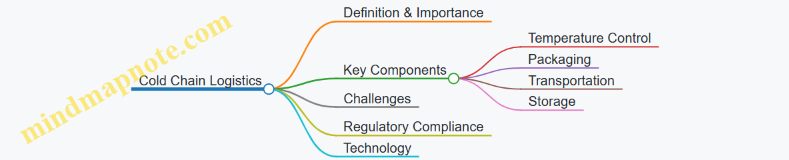
Mind Map 2: Temperature Monitoring and Control
Mind Map 3: Risk Management in Cold Chain
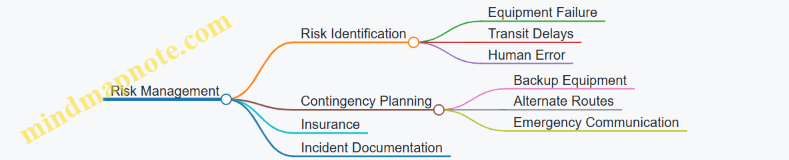
Practical Examples and Tools
-
Example: Using RFID Tags for Real-Time Monitoring
- A pharmaceutical distributor implemented RFID tags on vaccine shipments, enabling real-time temperature tracking and immediate alerts for deviations, reducing spoilage by 30%.
-
Example: Barcode Scanning for Inventory Accuracy
- A food cold storage facility adopted barcode scanning to track incoming and outgoing products, improving stock rotation and reducing waste by 15%.
-
Tool: Open-Source Temperature Logger Software
- Software like “TempTrack” allows integration of multiple sensor data streams, providing dashboards and automated reports.
Additional Learning Resources
- Coursera: Supply Chain Management Specialization
- LinkedIn Learning: Cold Chain Logistics Fundamentals
- Webinars from GCCA and PCCG
By leveraging these resources and visual tools, supply chain managers and quality controllers can enhance their cold chain logistics expertise, ensuring product integrity and regulatory compliance across food and pharmaceutical sectors.