Climate Action for Urban Dwellers: Micro-Scale Solutions
1. Understanding Urban Climate Challenges
1.1 The Urban Heat Island Effect: Causes and Consequences
The Urban Heat Island (UHI) effect refers to the phenomenon where urban areas experience significantly higher temperatures than their surrounding rural areas. This temperature difference arises primarily due to human activities and the unique characteristics of urban environments.
Causes of the Urban Heat Island Effect
-
Reduced Vegetation and Green Spaces
- Trees and plants provide shade and cool the air through evapotranspiration.
- Urban areas often replace natural landscapes with concrete, asphalt, and buildings, which absorb and retain heat.
-
Impervious Surfaces
- Materials like asphalt and concrete have high heat capacities and low albedo (reflectivity), absorbing more solar radiation.
- These surfaces release stored heat slowly, keeping cities warmer especially at night.
-
Waste Heat from Human Activities
- Vehicles, industrial processes, air conditioners, and other machinery emit heat into the environment.
-
Building Geometry and Urban Canyon Effect
- Tall buildings and narrow streets trap heat and reduce airflow, limiting cooling.
-
Air Pollution
- Pollutants can absorb and re-emit infrared radiation, contributing to warming.
Mind Map: Causes of Urban Heat Island Effect
Consequences of the Urban Heat Island Effect
-
Increased Energy Consumption
- Higher temperatures lead to increased use of air conditioning, raising electricity demand.
-
Elevated Air Pollution and Health Risks
- Heat accelerates the formation of ground-level ozone, worsening air quality.
- Heat stress can cause heat exhaustion, heatstroke, and exacerbate cardiovascular and respiratory diseases.
-
Water Quality Degradation
- Warmer runoff from heated surfaces can harm aquatic ecosystems.
-
Reduced Comfort and Livability
- Higher nighttime temperatures reduce relief from daytime heat, impacting sleep and well-being.
-
Impact on Urban Ecosystems
- Altered habitats and stress on urban flora and fauna.
Mind Map: Consequences of Urban Heat Island Effect
Examples of the Urban Heat Island Effect
-
New York City, USA
- Studies show urban areas can be up to 7°F (4°C) warmer than nearby rural zones.
- The city has implemented green roofs and expanded tree planting to mitigate UHI.
-
Tokyo, Japan
- Experiences significant UHI effects, especially in summer.
- The government promotes “cool biz” campaigns encouraging lighter clothing to reduce AC use.
-
Delhi, India
- Dense construction and limited green spaces exacerbate UHI.
- Community tree-planting drives and rooftop gardens are emerging solutions.
Practical Example for Urban Residents
-
Balcony and Window Plants
- Placing potted plants and vertical gardens on balconies can provide shade and cooling through evapotranspiration.
- Example: Mrs. Sharma in Delhi reduced her apartment temperature by placing hanging plants and using reflective curtains.
-
Using Reflective or Light-Colored Surfaces
- Painting rooftops or walls with reflective paint can reduce heat absorption.
- Example: A community center in New York painted its roof white, lowering indoor temperatures and cutting AC costs.
-
Community Tree Planting
- Organizing neighborhood tree planting events increases shade and reduces ambient temperatures.
- Example: In Tokyo, local groups plant street trees that have lowered summer temperatures in their blocks.
Summary
The Urban Heat Island effect is a critical urban climate challenge that directly impacts energy use, health, and overall quality of life. Understanding its causes helps urban residents and community organizers implement micro-scale solutions such as increasing greenery, using reflective materials, and advocating for urban design changes that promote cooling. These small actions collectively contribute to more sustainable and comfortable urban living environments.
1.2 Air Quality Issues in Cities: Sources and Health Impacts
Urban air quality is a critical concern for city residents, community organizers, and environmental volunteers alike. Poor air quality arises from multiple sources and has profound health and environmental impacts. Understanding these sources and their effects empowers urban dwellers to take informed micro-scale actions.
Major Sources of Urban Air Pollution
-
Transportation Emissions
- Cars, buses, trucks burning fossil fuels release nitrogen oxides (NOx), carbon monoxide (CO), particulate matter (PM), and volatile organic compounds (VOCs).
- Example: In many cities, rush hour traffic causes spikes in PM2.5 levels, which are tiny particles that penetrate deep into lungs.
-
Industrial Activities
- Factories and power plants emit sulfur dioxide (SO2), NOx, PM, and other pollutants.
- Example: Urban areas near manufacturing zones often experience smog and acid rain.
-
Construction and Road Dust
- Dust from construction sites and unpaved roads contributes to particulate pollution.
- Example: During building booms, residents near sites report increased respiratory issues.
-
Residential Heating and Cooking
- Use of wood, coal, or kerosene stoves releases PM and carbon monoxide indoors and outdoors.
- Example: In colder months, neighborhoods relying on wood stoves see elevated indoor and outdoor pollution.
-
Waste Burning
- Open burning of garbage releases toxic chemicals and particulate matter.
- Example: Some informal settlements burn waste, causing localized air quality deterioration.
Mind Map: Sources of Urban Air Pollution
Health Impacts of Poor Air Quality
-
Respiratory Diseases
- Asthma exacerbation, chronic bronchitis, and reduced lung function.
- Example: Children living near busy roads have higher asthma rates.
-
Cardiovascular Problems
- Increased risk of heart attacks, strokes, and hypertension.
- Example: Studies link long-term exposure to PM2.5 with higher heart disease mortality.
-
Allergies and Eye Irritation
- Pollutants can trigger allergic reactions and cause eye discomfort.
- Example: Urban residents often report itchy eyes during high pollution days.
-
Vulnerable Populations
- Elderly, children, and people with pre-existing conditions are more affected.
- Example: Hospitals report spikes in admissions during smog episodes.
-
Mental Health Effects
- Emerging research suggests links between pollution and anxiety, depression.
Mind Map: Health Impacts of Urban Air Pollution
Practical Examples and Best Practices
-
Example 1: Community Air Quality Monitoring
- Residents in a metropolitan neighborhood used low-cost sensors to track PM2.5 levels near a busy highway.
- Outcome: Data helped advocate for traffic calming measures and increased green buffers.
-
Example 2: Promoting Clean Cooking Solutions
- A community organization distributed electric induction cooktops to reduce indoor smoke from charcoal stoves.
- Outcome: Improved indoor air quality and reduced respiratory complaints.
-
Example 3: Tree Planting to Improve Air Quality
- Urban volunteers planted native trees along sidewalks to absorb pollutants and provide shade.
- Outcome: Measurable reductions in local air temperature and particulate matter.
-
Example 4: Anti-Idling Campaigns
- Volunteers educated drivers to turn off engines when parked, reducing unnecessary emissions.
- Outcome: Noticeable drop in CO and NOx levels near schools.
Summary
Urban air pollution stems from diverse sources including transportation, industry, and residential activities. Its health impacts range from respiratory diseases to cardiovascular and mental health issues, disproportionately affecting vulnerable groups. By understanding these dynamics, urban residents and community organizers can implement micro-scale solutions such as air quality monitoring, clean cooking adoption, greening efforts, and behavioral campaigns to improve local air quality and public health.
1.3 Waste Management Challenges in Dense Urban Areas
Dense urban areas face unique and complex waste management challenges due to high population density, limited space, and diverse waste streams. Understanding these challenges is crucial for urban residents, community organizers, and environmental volunteers to develop effective micro-scale solutions.
Key Challenges in Urban Waste Management
-
Limited Space for Waste Storage and Processing
- Apartments and high-rise buildings often lack sufficient space for sorting and storing waste.
- Public bins can overflow quickly, leading to litter and pest problems.
-
High Volume and Diversity of Waste
- Urban areas generate large quantities of mixed waste: organic, recyclable, hazardous, and electronic.
- Managing this diversity requires tailored collection and processing systems.
-
Inadequate Infrastructure and Services
- Some neighborhoods may have irregular or insufficient waste collection services.
- Informal waste pickers often fill gaps but lack formal recognition and support.
-
Low Awareness and Participation
- Residents may lack knowledge about proper waste segregation or composting.
- Cultural habits and convenience often lead to improper disposal.
-
Environmental and Health Impacts
- Accumulated waste can cause pollution, foul odors, and breeding grounds for disease vectors.
- Landfills near urban areas contribute to greenhouse gas emissions and groundwater contamination.
Mind Map: Waste Management Challenges in Dense Urban Areas
Practical Examples and Best Practices
-
Community-Led Waste Segregation Programs
- Example: In Mumbai, India, local resident groups organize door-to-door awareness campaigns encouraging households to separate organic waste from recyclables. This has improved recycling rates and reduced landfill waste.
-
Micro-Composting Initiatives in Apartment Complexes
- Example: A residential building in New York City installed a small-scale composting unit in their basement, allowing residents to deposit food scraps. The compost is then used in community gardens nearby.
-
Public Bin Optimization and Smart Waste Bins
- Example: Seoul, South Korea, uses smart bins equipped with sensors that notify waste collectors when full, preventing overflow and optimizing collection routes.
-
Supporting Informal Waste Pickers
- Example: In Bogotá, Colombia, the city government partnered with informal recyclers by providing protective gear and integrating them into formal waste management systems, improving efficiency and livelihoods.
-
Educational Campaigns and Incentives
- Example: San Francisco’s “Zero Waste” campaign includes workshops, school programs, and incentives like discounts for residents who reduce waste, leading to one of the highest recycling rates in the US.
Mind Map: Micro-Scale Solutions to Urban Waste Challenges
Summary
Waste management in dense urban areas is a multifaceted challenge that requires coordinated efforts from residents, community groups, and local authorities. By adopting micro-scale solutions such as home composting, community education, and supporting informal recyclers, urban dwellers can significantly reduce waste-related problems and contribute to a cleaner, healthier city environment.
1.4 Water Scarcity and Pollution in Urban Settings
Water scarcity and pollution are critical challenges faced by urban areas worldwide. Rapid urbanization, population growth, and industrial activities put immense pressure on limited freshwater resources, leading to shortages and degradation of water quality. Understanding these issues helps urban residents, community organizers, and environmental volunteers take effective micro-scale actions to mitigate impacts.
Understanding Water Scarcity in Cities
Water scarcity in urban settings occurs when the demand for water exceeds the available supply. Factors contributing to scarcity include:
- Over-extraction of groundwater
- Inefficient water use and wastage
- Aging and leaky infrastructure
- Climate change impacts such as droughts
Example: In Cape Town, South Africa, the 2017-2018 drought led to ‘Day Zero’—a point when municipal water supply was nearly exhausted, highlighting urban vulnerability to water scarcity.
Sources and Types of Urban Water Pollution
Urban water pollution arises from multiple sources:
- Industrial discharge releasing heavy metals and chemicals
- Domestic sewage and greywater contamination
- Stormwater runoff carrying oils, plastics, and nutrients
- Improper disposal of hazardous waste
Polluted water harms aquatic ecosystems, poses health risks, and reduces availability of clean water.
Example: The Ganges River in India suffers from severe pollution due to untreated sewage and industrial effluents from urban centers along its course.
Mind Map: Causes of Urban Water Scarcity and Pollution
Impact of Water Scarcity and Pollution
- Reduced availability of potable water
- Increased waterborne diseases (e.g., cholera, dysentery)
- Economic costs for water treatment and health care
- Loss of biodiversity in urban water bodies
Example: In Flint, Michigan, USA, lead contamination in the water supply caused a public health crisis, emphasizing the consequences of pollution and infrastructure neglect.
Micro-Scale Solutions for Urban Residents
-
Water Conservation at Home: Fix leaks, use water-efficient fixtures, and practice mindful water use (e.g., shorter showers).
-
Rainwater Harvesting: Collect rainwater from rooftops for non-potable uses like gardening and cleaning.
-
Proper Waste Disposal: Avoid dumping oils, chemicals, and plastics into drains.
-
Community Clean-Up Drives: Organize neighborhood efforts to clean local water bodies and reduce pollution.
-
Advocacy: Engage with local authorities to improve water infrastructure and pollution controls.
Example: In Bangalore, India, residents of certain neighborhoods have installed rainwater harvesting systems that have significantly reduced dependence on municipal water.
Mind Map: Micro-Scale Actions to Combat Water Scarcity and Pollution
Case Study: Community-Led Water Protection in Manila, Philippines
In Manila, community groups have partnered with local governments to monitor water quality in urban rivers. They conduct regular clean-ups, promote rainwater harvesting, and educate residents on reducing pollution. These efforts have improved water clarity and reduced contamination levels, demonstrating the power of grassroots action.
Summary
Water scarcity and pollution in urban settings are intertwined challenges that require awareness and action at multiple levels. Urban dwellers can contribute significantly through conservation, pollution prevention, and community engagement. By adopting simple practices and collaborating locally, cities can move toward sustainable water management and healthier environments.
1.5 The Role of Urban Residents in Climate Mitigation
Urban residents are at the frontline of climate change impacts and also hold immense power to drive meaningful climate action. Their daily choices, community involvement, and advocacy can collectively reduce greenhouse gas emissions and enhance urban sustainability. This section explores the diverse roles urban dwellers can play, supported by practical examples and mind maps to visualize key concepts.
Why Urban Residents Matter
- Cities generate over 70% of global CO2 emissions.
- Urban lifestyles influence energy use, waste generation, transportation, and consumption patterns.
- Collective small actions can lead to significant cumulative impacts.
Key Roles of Urban Residents in Climate Mitigation
Lifestyle Choices
Urban residents can reduce their carbon footprint by adopting sustainable habits.
- Energy Use: Switching to LED bulbs, unplugging devices when not in use, and installing smart thermostats help reduce energy consumption.
- Renewable Energy: Participating in community solar programs or installing rooftop solar panels where possible.
- Transportation: Choosing to walk, bike, or use public transit reduces emissions from private vehicles.
- Consumption: Buying locally produced goods, reducing meat consumption, and minimizing single-use plastics.
Example: In Portland, Oregon, a community campaign encouraged residents to replace incandescent bulbs with LEDs, resulting in a neighborhood-wide energy saving of over 15% in six months.
Community Engagement
Joining or forming local groups amplifies impact through collective action.
- Organizing neighborhood clean-ups and tree planting drives.
- Hosting workshops on composting and waste reduction.
- Creating community gardens to promote local food production.
Example: The “Green Streets” initiative in Melbourne mobilized residents to plant native trees along sidewalks, improving urban canopy cover and reducing heat.
Advocacy & Policy Influence
Urban residents can influence policies that shape sustainable urban development.
- Attending city council meetings to voice support for green infrastructure.
- Engaging in public consultations on urban planning.
- Voting for candidates prioritizing climate action.
Example: In Amsterdam, citizen advocacy led to the expansion of bike lanes and stricter emissions standards for vehicles.
Resilience Building
Preparing for climate impacts strengthens community capacity.
- Developing neighborhood emergency plans for heatwaves or floods.
- Sharing resources like water and cooling centers during extreme events.
- Supporting elderly or vulnerable neighbors.
Example: After severe flooding, a community in Bangkok established a volunteer network to assist with evacuation and resource distribution.
Integrated Mind Map: Urban Residents as Climate Agents
Summary
Urban residents are pivotal in climate mitigation through everyday actions, community collaboration, policy advocacy, and resilience building. By understanding and embracing these roles, urban dwellers can transform their cities into healthier, more sustainable places.
Reflective Exercise
- What small lifestyle change can you start today to reduce your carbon footprint?
- Is there a local group or initiative you can join or start?
- How can you engage with your city’s climate policies?
Taking these steps empowers urban residents to be active agents of climate change mitigation.
2. Energy Efficiency at Home and Neighborhood Level
2.1 Simple Home Energy Audits: Identifying Waste
Performing a home energy audit is an essential first step for urban dwellers aiming to reduce their carbon footprint and save on energy bills. It involves systematically examining your living space to identify where energy is being wasted and what simple changes can improve efficiency.
What is a Home Energy Audit?
A home energy audit is a thorough assessment of your home’s energy use. It helps pinpoint inefficiencies such as drafts, outdated appliances, or unnecessary energy consumption.
Mind Map: Components of a Home Energy Audit
Step-by-Step Guide to Conducting a Simple Home Energy Audit
-
Inspect Heating and Cooling Systems
- Check if your thermostat is programmable and set to energy-saving temperatures.
- Look for drafts around windows and doors using a candle or incense stick to detect airflow.
- Examine insulation in walls, attic, and floors if accessible.
-
Evaluate Lighting
- Identify all light bulbs and replace incandescent bulbs with LED alternatives.
- Note rooms where lights are often left on unnecessarily.
-
Assess Appliances
- List major appliances and check their energy ratings.
- Unplug devices that consume standby power, such as chargers and entertainment systems.
-
Check Water Heating
- Lower water heater temperature to 120°F (49°C) to save energy.
- Insulate the water heater tank and pipes if possible.
-
Observe Daily Habits
- Track when and how energy is used throughout the day.
- Identify opportunities to turn off devices or use energy during off-peak hours.
Example: Energy Audit in a Typical Urban Apartment
Scenario: Maria lives in a 2-bedroom apartment in a city. She notices her electricity bills have been rising.
- Heating & Cooling: She finds cold drafts near the windows and realizes the thermostat is set to 75°F (24°C) all day.
- Lighting: Most bulbs are incandescent, and some lights are left on in unused rooms.
- Appliances: The refrigerator is over 10 years old, and the TV is plugged in all the time.
- Water Heating: The water heater is set to 140°F (60°C), higher than necessary.
Actions Taken:
- Sealed window drafts with weatherstripping.
- Replaced all bulbs with LEDs.
- Set thermostat to 68°F (20°C) during the day and lower at night.
- Unplugged TV and other devices when not in use.
- Lowered water heater temperature and insulated the tank.
Result: Maria reduced her monthly energy consumption by 20%, saving money and reducing her carbon footprint.
Mind Map: Common Energy Waste Sources and Solutions
Tips for Urban Residents
- Use a simple checklist during your audit to stay organized.
- Engage family members or roommates to increase awareness and share responsibility.
- Consider using smartphone apps designed to help track and analyze home energy use.
- Reach out to local community groups or environmental volunteers for support or group audits.
By taking these small but impactful steps, urban residents can significantly reduce energy waste, lower utility bills, and contribute to broader climate action efforts right from their homes.
2.2 Installing Energy-Efficient Lighting and Appliances: LED and Beyond
Urban dwellers can make a significant impact on their energy consumption and carbon footprint by upgrading to energy-efficient lighting and appliances. This section explores practical steps, benefits, and real-world examples to help you make informed choices.
Why Energy-Efficient Lighting and Appliances?
- Reduce electricity bills
- Lower greenhouse gas emissions
- Increase appliance lifespan
- Improve indoor lighting quality
Energy-Efficient Lighting: LED and Beyond
LED (Light Emitting Diode) bulbs are the most popular energy-efficient lighting option today. They use up to 80% less energy than traditional incandescent bulbs and last 15-25 times longer.
Mind Map: Energy-Efficient Lighting Options
Example:
- A family in a dense urban apartment replaced all incandescent bulbs with LEDs, reducing their lighting energy consumption by 75%. Their monthly electricity bill dropped by 10%, demonstrating immediate savings.
Energy-Efficient Appliances
Upgrading to appliances with high energy-efficiency ratings (such as ENERGY STAR certified) can drastically reduce energy use.
Key Appliance Categories to Consider:
- Refrigerators
- Washing machines
- Air conditioners
- Water heaters
- Televisions
Mind Map: Choosing Energy-Efficient Appliances
Example:
- A community center in an urban neighborhood upgraded their old refrigerator and air conditioner to ENERGY STAR models. This change cut their electricity consumption by 30%, freeing budget for other community programs.
Beyond LEDs and Appliances: Additional Tips
- Smart Power Strips: Prevent phantom loads by cutting power to devices when not in use.
- Timers and Motion Sensors: Automatically turn off lights in unused rooms.
- Regular Maintenance: Clean filters and coils to keep appliances running efficiently.
Real-World Integrated Example
In a city-wide initiative, a residential building installed LED lighting in all common areas, replaced old appliances in shared laundry rooms with energy-efficient models, and equipped hallways with motion sensor lighting. Residents reported a 20% decrease in their building’s overall energy consumption within six months.
Summary
Upgrading to energy-efficient lighting and appliances is a straightforward, cost-effective micro-scale solution for urban residents to reduce energy consumption and contribute to climate action. Combining product upgrades with smart usage habits maximizes benefits.
References & Resources
- ENERGY STAR: https://www.energystar.gov/
- How to Choose LED Bulbs: https://www.energy.gov/energysaver/save-electricity-and-fuel/lighting-choices-save-you-money
- Local utility rebate programs for energy-efficient upgrades
2.3 Passive Cooling and Heating Techniques for Urban Apartments
Urban apartments often face unique challenges when it comes to maintaining comfortable indoor temperatures without relying heavily on energy-consuming HVAC systems. Passive cooling and heating techniques leverage natural elements and smart design to regulate temperature, reduce energy bills, and lower carbon footprints. Below, we explore effective strategies, supported by practical examples and mind maps to help urban residents implement these solutions.
What is Passive Cooling and Heating?
Passive cooling and heating involve designing or modifying living spaces to naturally maintain comfortable temperatures by harnessing sunlight, shade, ventilation, insulation, and thermal mass without mechanical systems.
Key Passive Cooling Techniques for Urban Apartments
Example: Cross Ventilation in a City Apartment
A resident in a 3-bedroom apartment in New York City installed operable windows on opposite sides of the unit. By opening these windows during cooler evenings, they created a natural airflow that significantly reduced the need for air conditioning during spring and fall.
Example: Using Balcony Plants as Natural Shade
In Mumbai, an apartment dweller planted fast-growing vines on a trellis outside their balcony windows. This green screen reduced direct sunlight penetration, lowering indoor temperatures by up to 3°C during peak summer.
Key Passive Heating Techniques for Urban Apartments
Example: Maximizing Solar Gain in a Berlin Apartment
A resident used thermal curtains and kept south-facing windows unobstructed during winter. This allowed sunlight to naturally warm the apartment, reducing heating costs by 15%.
Example: DIY Window Insulation for Cold Months
In Toronto, a community volunteer group organized workshops teaching residents how to apply clear plastic window insulation kits. This simple step helped reduce heat loss and improved comfort during harsh winters.
Integrated Mind Map: Passive Cooling & Heating Techniques
Practical Tips for Urban Residents
- Assess your apartment’s orientation: Identify which windows receive the most sun and plan shading or solar gain accordingly.
- Use multi-functional items: Thermal curtains can help both in cooling by blocking heat and in heating by retaining warmth.
- Leverage plants: Indoor and balcony plants not only provide shade but improve air quality.
- Seal leaks: Prevent unwanted heat loss or gain by sealing gaps around windows and doors.
- Community action: Organize neighborhood workshops to share knowledge and resources for passive design improvements.
Summary
By adopting passive cooling and heating techniques, urban apartment dwellers can significantly reduce their reliance on energy-intensive systems, lower utility bills, and contribute to climate action. Simple modifications like strategic ventilation, shading, insulation, and use of thermal mass can transform living spaces into comfortable, sustainable environments.
Additional Resources
- Local community centers often provide workshops on home energy efficiency.
- Online platforms like YouTube have tutorials on DIY window insulation and plant-based shading.
- Urban sustainability groups can offer support for neighborhood-scale initiatives.
Embracing these micro-scale solutions empowers urban residents to take meaningful climate action right from their homes.
2.4 Community Solar Initiatives: Sharing Renewable Energy
Community solar initiatives empower urban residents to access and benefit from solar energy without needing to install panels on their own properties. This approach is especially valuable in dense urban environments where rooftop space is limited or where residents rent rather than own their homes.
What is a Community Solar Initiative?
Community solar projects involve a shared solar power plant whose electricity is distributed to multiple subscribers. Participants buy or lease a portion of the solar array and receive credits on their electricity bills for the power generated.
Benefits of Community Solar for Urban Dwellers
- Accessibility: Enables renters and apartment dwellers to participate in solar energy.
- Cost Savings: Reduces electricity bills through shared solar credits.
- Environmental Impact: Increases renewable energy adoption, reducing carbon footprints.
- Community Engagement: Fosters local collaboration and awareness around clean energy.
How Community Solar Works
Steps to Join or Start a Community Solar Project
- Research Local Options: Many cities and utilities offer community solar programs. Check availability and eligibility.
- Understand Subscription Models: Options include upfront purchase, monthly fees, or leasing.
- Evaluate Financial Benefits: Calculate potential savings and payback periods.
- Engage with Community Groups: Join local environmental organizations or neighborhood associations to learn about ongoing projects.
- Advocate for Policy Support: Work with community organizers to promote supportive legislation.
Examples of Community Solar Initiatives
Example 1: Brooklyn Community Solar in New York City
- Overview: A rooftop solar project on a Brooklyn school shared by local residents.
- Impact: Over 100 subscribers, including renters, receive solar credits.
- Best Practice: Partnering with schools and nonprofits to host solar arrays.
Example 2: Solar Gardens in Minneapolis, Minnesota
- Overview: Minnesota’s Solar Gardens program allows residents to subscribe to off-site solar farms.
- Impact: Thousands of participants reduce their carbon footprint without installing panels.
- Best Practice: Utility-backed programs that simplify billing and subscription.
Example 3: Clean Energy Collective (CEC) Model
- Overview: A company that develops community solar projects across multiple states.
- Impact: Offers flexible subscription sizes and easy online management.
- Best Practice: Leveraging technology platforms for participant engagement.
Mind Map: Starting a Community Solar Initiative
Tips for Urban Residents to Engage with Community Solar
- Join local environmental or sustainability groups to stay informed.
- Advocate for community solar policies with city councils.
- Share success stories to encourage neighbors to participate.
- Explore virtual net metering options if available.
Conclusion
Community solar initiatives represent a powerful micro-scale solution for urban dwellers to access renewable energy, reduce their carbon footprint, and foster community resilience. By understanding how these projects work and actively participating or advocating for them, urban residents can play a pivotal role in accelerating the transition to a sustainable energy future.
2.5 Case Study: Neighborhood-Led Energy Saving Campaigns
Neighborhood-led energy saving campaigns demonstrate the power of collective action in reducing urban energy consumption and mitigating climate change. These grassroots initiatives empower residents to identify energy waste, adopt efficient practices, and foster a culture of sustainability within their communities.
Why Neighborhood Campaigns Matter
- Collective Impact: Small changes by many households add up to significant energy savings.
- Peer Influence: Residents are more likely to adopt new habits when encouraged by neighbors.
- Resource Sharing: Communities can pool knowledge, tools, and resources for greater efficiency.
Example 1: The GreenBlock Initiative, Philadelphia, USA
Overview: GreenBlock is a community-driven program where neighbors collaborate to reduce energy use through education, home energy audits, and group purchasing of energy-efficient products.
Key Practices:
- Organizing block parties to share energy-saving tips.
- Conducting free home energy assessments with volunteer experts.
- Bulk buying LED bulbs and smart thermostats at discounted prices.
- Tracking neighborhood-wide energy consumption reductions.
Results:
- Average household energy use dropped by 15% within one year.
- Increased awareness and engagement in sustainable living.
Example 2: The Solarize Campaign, Portland, Oregon, USA
Overview: Solarize campaigns mobilize neighborhoods to collectively purchase solar panel installations, reducing costs and simplifying the process.
Key Practices:
- Hosting informational workshops to educate residents about solar benefits.
- Partnering with vetted solar installers for group discounts.
- Creating neighborhood solar ambassadors to encourage participation.
Results:
- Hundreds of homes installed solar panels, significantly cutting grid electricity use.
- Strengthened community bonds through shared environmental goals.
Mind Map: Components of a Successful Neighborhood Energy Saving Campaign
Example 3: The EcoBlock Project, Melbourne, Australia
Overview: EcoBlock focuses on reducing energy consumption through behavioral change and small-scale infrastructure upgrades.
Key Practices:
- Establishing a neighborhood energy challenge with friendly competition.
- Installing shared solar-powered street lighting.
- Creating a lending library for energy-efficient appliances and tools.
Results:
- 20% reduction in neighborhood energy consumption over 18 months.
- Increased community cohesion and environmental awareness.
Tips for Starting Your Own Neighborhood Energy Campaign
- Build a Core Team: Identify motivated residents to lead the effort.
- Assess Community Needs: Conduct surveys or informal discussions to understand energy challenges.
- Engage Local Experts: Partner with energy auditors, NGOs, or utility providers.
- Plan Inclusive Events: Host accessible workshops and social gatherings.
- Leverage Group Buying Power: Negotiate discounts for energy-efficient products.
- Track Progress: Use simple tools or apps to monitor energy savings.
- Celebrate Success: Recognize participants and share stories to maintain momentum.
Mind Map: Steps to Launch a Neighborhood Energy Saving Campaign
Neighborhood-led energy saving campaigns are a powerful micro-scale solution for urban dwellers to contribute meaningfully to climate action. By combining education, community spirit, and practical interventions, these campaigns create lasting change that benefits both people and the planet.
3. Sustainable Urban Mobility Solutions
3.1 Promoting Walking and Cycling: Infrastructure and Safety Tips
Urban walking and cycling are among the most effective micro-scale solutions for reducing carbon emissions, improving public health, and enhancing community connectivity. This section explores practical infrastructure improvements and safety tips that urban residents, community organizers, and environmental volunteers can advocate for or implement to encourage active transportation.
Why Promote Walking and Cycling?
- Environmental Benefits: Reduces greenhouse gas emissions and air pollution.
- Health Benefits: Increases physical activity, reducing risks of chronic diseases.
- Economic Benefits: Lowers transportation costs for individuals and cities.
- Social Benefits: Enhances community interaction and accessibility.
Key Infrastructure Elements to Support Walking and Cycling
Practical Infrastructure Improvements
-
Dedicated Bike Lanes: Clearly marked lanes separated from motor traffic increase cyclist safety and encourage more people to ride.
- Example: Copenhagen’s extensive separated bike lane network has led to over 60% of residents commuting by bike daily.
-
Improved Sidewalks and Pedestrian Zones: Wide, well-maintained sidewalks and car-free zones make walking safer and more pleasant.
- Example: New York City’s pedestrian plazas have increased foot traffic and local business revenue.
-
Traffic Calming Measures: Speed bumps, curb extensions, and narrowed roads slow down vehicles, reducing accidents.
- Example: Bogotá’s implementation of “Superblocks” reduces car traffic and creates pedestrian-friendly spaces.
-
Crosswalks with Signals: Well-timed pedestrian signals and zebra crossings improve safety at intersections.
- Example: Tokyo’s pedestrian scramble crossings allow all-direction crossing, reducing conflicts.
-
Lighting and Visibility: Adequate street lighting enhances safety during early mornings and evenings.
-
Bike Parking and Amenities: Secure bike racks and repair stations encourage cycling by addressing practical needs.
Safety Tips for Urban Walkers and Cyclists
- Walkers: Always use designated crosswalks, avoid jaywalking, and stay attentive to traffic signals.
- Cyclists: Wear helmets and reflective gear, use front and rear lights especially at night, obey traffic laws, and signal intentions clearly.
Community-Led Initiatives to Promote Walking and Cycling
-
Organize “Open Streets” Events: Temporarily close streets to cars to encourage walking, cycling, and community activities.
- Example: Bogotá’s Ciclovía, where over 70 miles of streets are closed to cars every Sunday.
-
Advocate for Infrastructure Improvements: Partner with local government to identify and prioritize areas needing safer pedestrian and cycling infrastructure.
-
Host Safety Workshops: Educate residents on safe walking and cycling practices.
-
Create Walking and Cycling Maps: Highlight safe routes, bike racks, and amenities.
Example: Amsterdam’s Integrated Approach
Amsterdam combines extensive cycling infrastructure, traffic calming, and public education to maintain one of the highest cycling rates worldwide. Their approach includes:
- Over 500 km of dedicated bike lanes.
- Traffic signals optimized for cyclists.
- Bike parking facilities at transit hubs.
- Community campaigns promoting cycling safety.
This integrated model demonstrates how infrastructure and safety awareness together foster a cycling culture.
By focusing on these infrastructure improvements and safety practices, urban dwellers and community organizers can make walking and cycling more attractive, safe, and accessible, contributing significantly to urban climate action.
3.2 Carpooling and Ride-Sharing: Reducing Emissions Together
Carpooling and ride-sharing are powerful micro-scale solutions that urban residents can adopt to reduce greenhouse gas emissions, lower traffic congestion, and save money. By sharing rides, individuals contribute to fewer vehicles on the road, which directly decreases air pollution and urban carbon footprints.
What is Carpooling and Ride-Sharing?
- Carpooling: A group of people traveling together in one vehicle, usually commuting to work or school.
- Ride-Sharing: Using digital platforms or apps to share rides with others going in the same direction, often including commercial services like UberPool or Lyft Shared.
Benefits of Carpooling and Ride-Sharing
- Environmental: Reduces CO2 emissions per passenger.
- Economic: Saves fuel and parking costs.
- Social: Builds community connections.
- Traffic: Decreases congestion and demand for parking.
Mind Map: Benefits of Carpooling and Ride-Sharing
How to Start Carpooling in Your Urban Community
- Identify Potential Riders: Neighbors, coworkers, or friends with similar routes and schedules.
- Choose a Communication Platform: WhatsApp groups, Facebook groups, or dedicated carpool apps.
- Set Clear Guidelines: Pick-up points, timings, cost-sharing, and safety rules.
- Pilot a Trial Period: Test the arrangement and adjust as needed.
- Promote and Expand: Encourage more participants and share success stories.
Mind Map: Starting a Carpool Group
Examples of Successful Carpooling Initiatives
-
Example 1: “GreenCommute” in San Francisco
- A community-led carpool program connecting residents working in the downtown area.
- Uses a dedicated app to match riders.
- Resulted in a 25% reduction in solo car trips among participants.
-
Example 2: Workplace Carpool Program in New York City
- A large corporation incentivized employees to carpool by offering preferred parking spots.
- Monthly rewards for consistent carpoolers.
- Reduced parking demand and improved employee satisfaction.
-
Example 3: Neighborhood Ride-Share Group in Berlin
- Informal Facebook group where residents coordinate rides to local markets and events.
- Emphasizes social bonding alongside emission reduction.
Ride-Sharing Apps and Platforms to Consider
- BlaBlaCar: Popular for longer-distance shared rides.
- Waze Carpool: Matches drivers and riders with similar commutes.
- UberPool / Lyft Shared: Commercial ride-sharing options in many cities.
- Local Community Apps: Many cities have their own platforms or Facebook groups.
Tips for Safe and Effective Ride-Sharing
- Always agree on pick-up and drop-off points in advance.
- Share contact information for communication.
- Follow local COVID-19 safety guidelines (mask-wearing, ventilation).
- Be punctual and respectful of others’ time.
- Rotate driving responsibilities if possible.
Mind Map: Tips for Safe Ride-Sharing
By embracing carpooling and ride-sharing, urban dwellers can make a tangible impact on reducing emissions while fostering stronger community ties. Small changes in daily commuting habits, when multiplied across neighborhoods, can lead to significant environmental benefits.
3.3 Electric Vehicles and Charging Stations: What Urban Dwellers Need to Know
Electric vehicles (EVs) are rapidly becoming a cornerstone of sustainable urban mobility. For urban residents, understanding how EVs work, the infrastructure needed, and practical considerations can empower more informed choices and foster community support for greener transportation.
What Are Electric Vehicles?
Electric vehicles use electric motors powered by rechargeable batteries instead of internal combustion engines. They produce zero tailpipe emissions, helping reduce urban air pollution and greenhouse gas emissions.
Types of EVs:
- Battery Electric Vehicles (BEVs): Fully electric, no gasoline engine.
- Plug-in Hybrid Electric Vehicles (PHEVs): Combine electric motor with gasoline engine.
Benefits of EVs for Urban Dwellers
- Reduced Air Pollution: No exhaust emissions improve city air quality.
- Lower Operating Costs: Electricity is cheaper than gasoline; less maintenance.
- Quieter Streets: EVs operate more quietly, reducing noise pollution.
- Incentives: Many cities offer tax credits, rebates, or parking benefits.
Charging Stations: The Backbone of EV Adoption
Urban EV use depends heavily on accessible, reliable charging infrastructure. Charging stations vary by speed and location:
- Level 1 Charging: Uses a standard household outlet (~3-5 miles of range per hour). Best for overnight home charging.
- Level 2 Charging: Requires a dedicated 240V outlet (~15-30 miles of range per hour). Common in homes, workplaces, and public spaces.
- DC Fast Charging: Provides rapid charging (~60-80 miles of range in 20 minutes). Found in public charging hubs.
Mind Map: EV Charging Infrastructure Overview
Challenges for Urban Residents
- Limited Parking: Many urban dwellers lack private parking spots to install home chargers.
- Access to Public Chargers: Availability and reliability can vary.
- Charging Costs: Can fluctuate depending on location and time.
- Grid Capacity: Increased EV adoption requires grid upgrades.
Practical Tips for Urban EV Users
- Explore Workplace Charging: Many employers offer EV charging.
- Use Public Charging Apps: Apps like PlugShare or ChargePoint help locate nearby stations.
- Plan Charging Times: Charge during off-peak hours to save money and reduce grid strain.
- Advocate for Infrastructure: Join community groups to push for more public chargers.
Example: Community-Led EV Charging Initiative
In Portland, Oregon, a neighborhood association partnered with the city to install Level 2 chargers in public parking lots. They organized workshops educating residents about EV benefits and charging etiquette. As a result, EV adoption in the area increased by 25% within two years, and local air quality improved measurably.
Mind Map: Urban EV Adoption Strategies
Additional Examples
- Amsterdam’s EV-Friendly Streets: The city has integrated EV charging points into street lamps and parking spots, making charging accessible without private garages.
- New York City’s EV Carshare Program: Provides residents access to EVs without ownership, supported by strategically placed charging hubs.
Conclusion
For urban residents, embracing EVs involves understanding vehicle types, charging options, and infrastructure challenges. By leveraging available resources, advocating for improved facilities, and adopting smart charging habits, urban dwellers can contribute significantly to reducing transportation emissions and creating healthier cities.
3.4 Public Transit Optimization: How Communities Can Advocate
Public transit is a backbone of sustainable urban mobility, reducing reliance on private vehicles, cutting emissions, and easing traffic congestion. However, many urban areas face challenges like infrequent service, overcrowding, and limited routes. Communities can play a vital role in advocating for optimized public transit systems that better serve their needs.
Understanding Public Transit Challenges
- Limited coverage areas leaving some neighborhoods underserved
- Infrequent or unreliable service discouraging ridership
- Accessibility issues for elderly and disabled passengers
- Insufficient integration between different transit modes (bus, metro, trams)
- Lack of real-time information and user-friendly payment systems
How Communities Can Advocate: A Mind Map
Practical Examples of Community Advocacy
-
The Los Angeles Transit Riders Union (TRU)
- TRU organizes riders to demand better service and affordability.
- They successfully campaigned for increased bus frequencies and fare reductions.
- They use rider surveys and social media to amplify voices.
-
Bogotá, Colombia – TransMilenio User Groups
- Community groups provide feedback on bus rapid transit (BRT) system performance.
- Their input led to improved scheduling and expanded routes.
-
Portland, Oregon – Community Transit Coalitions
- Local coalitions work with TriMet (transit agency) to improve accessibility.
- Advocated for low-floor buses and better stop amenities.
Steps for Urban Residents and Community Organizers
-
Conduct a Transit Needs Assessment
- Use simple surveys or informal interviews to gather resident experiences.
- Example: A neighborhood group in Chicago mapped bus stop distances and found many seniors walking over 1 km to reach transit.
-
Build a Coalition
- Bring together residents, local businesses, schools, and environmental groups.
- Example: In Toronto, a coalition formed to advocate for weekend transit service expansions.
-
Engage with Transit Authorities
- Attend public meetings and submit written feedback.
- Example: New York City’s Riders Alliance regularly meets with the Metropolitan Transportation Authority (MTA) to discuss service improvements.
-
Leverage Digital Tools
- Use apps and social media to report issues and mobilize support.
- Example: The app “Transit” allows users to rate and comment on services, providing data that community groups can use.
-
Organize Awareness Campaigns
- Host events like “Transit Days” to encourage ridership and gather feedback.
- Example: Seattle’s Transit Riders Union organizes annual events highlighting transit benefits and challenges.
Mind Map: Example Advocacy Campaign Workflow
Tips for Effective Advocacy
- Be persistent but constructive; build relationships with transit officials.
- Use clear, data-backed arguments.
- Highlight benefits such as reduced emissions, improved equity, and economic gains.
- Engage diverse community voices, including marginalized groups.
- Celebrate small wins to maintain momentum.
By actively participating in public transit optimization advocacy, urban residents and community organizers can help shape transit systems that are more efficient, equitable, and sustainable — creating healthier cities for all.
3.5 Example: Successful Urban Bike-Sharing Programs
Bike-sharing programs have become a cornerstone of sustainable urban mobility, offering residents an affordable, healthy, and low-emission transportation option. Below, we explore successful examples from around the world, highlighting best practices and lessons learned that urban dwellers and community organizers can apply.
What Makes a Bike-Sharing Program Successful?
- Accessibility: Bikes available at convenient locations and affordable pricing.
- Integration: Seamless connection with public transit and other mobility options.
- Maintenance: Regular upkeep to ensure safety and usability.
- Community Engagement: Involving residents in planning and promotion.
- Technology: User-friendly apps and smart locking systems.
Mind Map: Key Components of Successful Bike-Sharing Programs
Case Study 1: Citi Bike – New York City, USA
- Overview: Launched in 2013, Citi Bike is one of the largest bike-sharing programs in the U.S., with thousands of bikes and hundreds of stations across NYC.
- Best Practices:
- Extensive docking network covering multiple boroughs.
- Integration with MetroCard and contactless payments.
- E-bikes introduced to tackle hilly areas.
- Partnerships with local businesses and community groups.
- Impact: Over 100 million rides since inception, reducing car trips and emissions.
Mind Map: Citi Bike Highlights
Case Study 2: Vélib’ Métropole – Paris, France
- Overview: One of the oldest and most iconic programs, Vélib’ has evolved since 2007 to include electric bikes and a vast network.
- Best Practices:
- Large-scale deployment with over 20,000 bikes.
- Dynamic pricing encouraging short trips.
- Integration with public transit passes.
- Focus on sustainability with solar-powered stations.
- Impact: Significant modal shift from cars to bikes, improving air quality.
Mind Map: Vélib’ Métropole Features
Case Study 3: Mobike – Shanghai, China
- Overview: Mobike pioneered dockless bike-sharing, allowing users to pick up and drop off bikes anywhere.
- Best Practices:
- GPS-enabled bikes for easy location.
- App-based unlocking and payment.
- Data-driven redistribution to balance bike availability.
- Community education to reduce improper parking.
- Impact: Rapid adoption with millions of rides daily, though challenges with bike clutter have led to improved regulation.
Mind Map: Mobike Innovations
Tips for Urban Residents and Community Organizers
- Advocate for bike-sharing stations near transit hubs and popular destinations.
- Promote safety training and helmet use.
- Organize community rides to raise awareness.
- Collaborate with local government to ensure maintenance and regulation.
- Encourage inclusion by supporting adaptive bikes and affordable pricing.
By learning from these successful programs, urban communities can tailor bike-sharing initiatives that fit their unique needs, fostering healthier, greener, and more connected cities.
4. Waste Reduction and Circular Practices
4.1 Reducing Single-Use Plastics: Practical Alternatives
Single-use plastics are one of the most pervasive environmental problems in urban areas. These plastics, used once and discarded, contribute significantly to pollution, clog waterways, and harm wildlife. For urban residents, community organizers, and environmental volunteers, reducing single-use plastics is a tangible and impactful step toward sustainability.
Why Reduce Single-Use Plastics?
- Environmental Impact: Plastics take hundreds of years to decompose, releasing toxins and microplastics into ecosystems.
- Waste Management Burden: Cities struggle with managing plastic waste, often leading to overflow in landfills and litter in streets.
- Health Concerns: Chemicals from plastics can leach into food and water, posing health risks.
Practical Alternatives to Single-Use Plastics
Mind Map: Alternatives to Single-Use Plastics
Examples of Practical Alternatives in Urban Settings
-
Reusable Shopping Bags:
- Many urban residents carry cloth tote bags instead of plastic bags. For example, a community in New York City organized a “Bag Swap Day” where residents exchanged plastic bags for reusable ones.
-
Water Bottles and Drinkware:
- Environmental volunteers in San Francisco launched a campaign distributing stainless steel water bottles to reduce reliance on plastic bottles. Local cafes also offer discounts to customers who bring their own cups.
-
Food Storage Solutions:
- In Berlin, a neighborhood group promotes beeswax wraps as an alternative to cling film. Workshops teach residents how to make and use these wraps effectively.
-
Reusable Cutlery and Straws:
- Community organizers in Tokyo provide bamboo cutlery sets to office workers, reducing plastic utensil waste from takeout meals.
-
Bulk Buying and Packaging:
- Urban cooperatives in Melbourne encourage bulk buying using personal containers, minimizing plastic packaging waste.
How to Implement These Alternatives in Daily Life
- Start Small: Carry a reusable bag and water bottle daily.
- Educate and Share: Host community workshops demonstrating alternatives like beeswax wraps or DIY reusable bags.
- Advocate Locally: Work with local shops to reduce plastic packaging or offer incentives for reusable containers.
- Organize Swap Events: Facilitate swap meets for reusable items to encourage sharing and reduce waste.
Mind Map: Steps to Reduce Single-Use Plastics
Case Study: Community-Led Plastic Reduction in Amsterdam
A local environmental volunteer group in Amsterdam launched the “Plastic-Free Fridays” initiative. Every Friday, residents commit to avoiding single-use plastics entirely. The group provides starter kits including reusable bags, bamboo cutlery, and metal straws. Over six months, participating households reduced their plastic waste by 40%. The initiative also partnered with local markets to offer discounts for customers using reusable containers.
Reducing single-use plastics is a manageable and effective way for urban dwellers to contribute to climate action. By adopting practical alternatives and engaging communities, we can collectively reduce plastic pollution and foster a more sustainable urban environment.
4.2 Composting at Home and Community Levels: Step-by-Step Guide
Composting is one of the most effective micro-scale solutions urban dwellers can adopt to reduce waste, enrich soil, and lower greenhouse gas emissions. Whether you have a small balcony or access to a community garden, composting can be tailored to fit your space and lifestyle.
What is Composting?
Composting is the natural process of recycling organic matter, such as food scraps and yard waste, into a valuable fertilizer that can enrich soil and plants.
Benefits of Composting for Urban Residents
- Reduces landfill waste and methane emissions
- Produces nutrient-rich soil amendment
- Encourages sustainable gardening
- Saves money on fertilizers
- Builds community through shared projects
Step-by-Step Guide to Home Composting
Step 1: Choose Your Composting Method
- Traditional Bin Composting: Use a compost bin or pile in your backyard or balcony.
- Worm Composting (Vermicomposting): Use worms to break down organic waste indoors.
- Bokashi Composting: Fermentation process suitable for small indoor spaces.
Step 2: Select a Compost Bin
- For balconies or small spaces: compact bins, worm bins, or bokashi buckets.
- For community gardens or yards: larger tumblers or open bins.
Step 3: Gather Compostable Materials
- Greens (Nitrogen-rich): Fruit and vegetable scraps, coffee grounds, tea bags, fresh grass clippings.
- Browns (Carbon-rich): Dry leaves, shredded paper, cardboard, small branches.
Avoid: Meat, dairy, oily foods, diseased plants, pet waste.
Step 4: Layer Your Compost
- Alternate layers of greens and browns.
- Maintain a ratio of roughly 2:1 browns to greens.
Step 5: Maintain Your Compost
- Turn or aerate the pile every 1-2 weeks to speed decomposition.
- Keep the compost moist, like a damp sponge.
Step 6: Harvest Your Compost
- After 2-6 months, the compost should be dark, crumbly, and smell earthy.
- Use it to enrich potted plants, garden beds, or community green spaces.
Step-by-Step Guide to Community Composting
- Identify a Suitable Site: Community gardens, parks, or unused urban lots.
- Engage Stakeholders: Local residents, environmental volunteers, and municipal authorities.
- Set Up Composting Infrastructure: Large bins, tumblers, or windrows.
- Organize Collection: Schedule food scrap drop-offs or door-to-door collection.
- Educate Participants: Workshops on what can be composted and how.
- Manage and Monitor: Regular turning, moisture checks, and pest control.
- Distribute Finished Compost: Share among community gardeners or local green projects.
Mind Map: Home Composting Process
Mind Map: Community Composting Workflow
Real-World Examples
Example 1: Balcony Vermicomposting in New York City Maria, an apartment resident, uses a small worm bin on her balcony. She collects her kitchen scraps daily and feeds them to red wiggler worms. Within 3 months, she harvests nutrient-rich worm castings to fertilize her potted herbs, reducing her food waste by 30%.
Example 2: Community Composting in Portland, Oregon A neighborhood group partnered with the local government to set up a community compost site in a vacant lot. Volunteers collect food scraps weekly from participating households. The finished compost is used to enrich a community garden that supplies fresh produce to local food banks.
Example 3: Bokashi Composting in Tokyo, Japan Due to limited space, many urban residents use bokashi bins indoors. This fermentation method allows composting of all food scraps, including meat and dairy, which are then buried in soil or added to traditional compost piles.
Tips for Success
- Start small and scale up gradually.
- Educate household members or community participants.
- Use compostable bags or containers to collect scraps.
- Monitor moisture and temperature regularly.
- Share successes and challenges with your community to inspire others.
By integrating composting into daily routines and community efforts, urban residents can make a significant impact on waste reduction and soil health, contributing to a more sustainable and climate-resilient city.
4.3 Upcycling and Repair Cafés: Extending Product Life Cycles
Urban living often means limited space and resources, making it crucial to rethink how we handle our possessions. Upcycling and repair cafés offer practical, community-driven solutions that reduce waste, save money, and foster social connections. This section explores how urban residents can embrace these micro-scale actions to extend the life cycles of products.
What is Upcycling?
Upcycling is the creative process of transforming old or discarded items into new products of higher value or quality. Unlike recycling, which breaks materials down, upcycling retains the original material, reducing the need for new resources.
Mind Map: Upcycling Basics
Example:
- Old T-shirts turned into reusable shopping bags.
- Wooden pallets transformed into garden planters or coffee tables.
What are Repair Cafés?
Repair cafés are community events where volunteers with repair skills help people fix broken items for free or a small donation. These gatherings empower residents to keep products in use longer, reduce landfill waste, and build community bonds.
Mind Map: Repair Cafés Overview
Example:
- A local library hosts monthly repair cafés where residents bring broken lamps, clothes, or small appliances to be fixed by volunteer technicians.
How to Start Upcycling at Home
- Identify Items: Look for things you no longer use or that are damaged but repairable.
- Gather Inspiration: Browse online platforms like Pinterest or Instagram for creative ideas.
- Basic Skills: Learn simple techniques such as sewing patches, painting, or assembling.
- Use Available Materials: Repurpose materials you already have to minimize costs.
- Share Your Creations: Gift or sell upcycled products to encourage others.
Example:
- Turning glass jars into decorative candle holders by painting and adding twine.
Organizing or Participating in Repair Cafés
- Find Local Events: Check community boards, social media groups, or environmental organizations.
- Volunteer Your Skills: If you have repair knowledge, offer to help others.
- Host a Repair Café: Partner with local NGOs or community centers.
- Promote Widely: Use flyers, social media, and word of mouth to attract participants.
Example:
- A neighborhood group organizes a quarterly repair café, attracting 50+ residents each time, fixing over 100 items and diverting significant waste from landfills.
Benefits of Upcycling and Repair Cafés
- Environmental: Reduces landfill waste, lowers demand for new products, and conserves resources.
- Economic: Saves money by repairing instead of replacing.
- Social: Builds community ties, shares knowledge, and fosters a culture of sustainability.
Mind Map: Benefits Summary
Inspiring Urban Examples
- Berlin Repair Café: Monthly events where residents bring electronics, clothes, and furniture. The café has repaired over 2,000 items, saving an estimated 3 tons of waste.
- New York Upcycling Workshops: Community centers offer classes teaching residents how to upcycle old clothing into fashionable accessories.
- Tokyo’s “Reuse Festa”: A city-wide event promoting repair and upcycling with workshops, swap meets, and repair stations.
By embracing upcycling and repair cafés, urban residents can take meaningful climate action at the micro-scale, transforming wasteful habits into creative, sustainable practices that benefit both people and the planet.
4.4 Organizing Neighborhood Swap Meets and Zero-Waste Events
Organizing neighborhood swap meets and zero-waste events is a powerful way to foster community spirit while significantly reducing waste. These events encourage residents to exchange items they no longer need, share resources, and learn sustainable habits—all of which contribute to lowering the urban carbon footprint.
Why Organize Swap Meets and Zero-Waste Events?
- Waste Reduction: Diverts usable goods from landfills.
- Community Building: Strengthens neighborhood ties.
- Cost Savings: Enables access to items without purchasing new.
- Awareness Raising: Educates about sustainable consumption.
Planning Your Neighborhood Swap Meet
Mind Map: Planning a Swap Meet
Zero-Waste Event Essentials
Mind Map: Zero-Waste Event Components
Step-by-Step Guide to Organize a Swap Meet & Zero-Waste Event
- Form a Planning Committee: Gather interested neighbors and volunteers.
- Choose a Suitable Date and Venue: Ensure accessibility and enough space.
- Set Clear Objectives: Define what types of swaps and waste goals you want.
- Promote Widely: Use local social media, community boards, and word of mouth.
- Prepare the Venue: Arrange tables, signage, and waste stations.
- Host Educational Sessions: Include short talks or demos on upcycling, composting, or repair.
- Facilitate the Swap: Encourage fair and friendly exchanges.
- Manage Waste: Monitor bins and assist attendees in sorting waste.
- Post-Event Follow-up: Share successes, leftover item donation info, and feedback.
Real-World Examples
-
The Brooklyn Swap Meet (New York, USA): A monthly event where residents swap clothes, books, and household items. They integrate repair workshops and have a strict no-plastic policy, resulting in over 2 tons of waste diverted annually.
-
Zero Waste Fest (Melbourne, Australia): A community-led festival focused on sustainability, featuring swap meets, DIY upcycling workshops, and a plastic-free food market.
-
Berlin Community Swap Days (Germany): Neighborhood groups organize quarterly swap meets combined with educational talks on circular economy principles.
Tips for Success
- Collaborate with local businesses for sponsorship or venue support.
- Incorporate fun activities like live music or kids’ craft corners to attract diverse participants.
- Use digital platforms (e.g., Facebook Events, Nextdoor) for coordination and updates.
- Encourage participants to bring reusable bags or containers.
- Document and share the event’s environmental impact to motivate ongoing participation.
By organizing neighborhood swap meets and zero-waste events, urban residents can take tangible steps towards sustainability, reduce their environmental footprint, and build a stronger, more connected community.
4.5 Case Example: Urban Community-Led Waste Reduction Initiatives
Urban communities around the world are taking inspiring steps to reduce waste at the grassroots level. These initiatives not only minimize landfill contributions but also foster social cohesion and environmental awareness. Below, we explore detailed examples and mind maps illustrating how community-driven waste reduction can be effectively implemented.
Mind Map: Key Components of Community-Led Waste Reduction
Example 1: The “Zero Waste Neighborhood” in San Francisco, USA
Overview: A group of residents in a San Francisco neighborhood launched a zero waste initiative aiming to reduce landfill waste by 80% within two years.
Practices:
- Educational Workshops: Monthly sessions on waste segregation and composting.
- Community Composting: Set up a shared compost bin in a local park, managed by volunteers.
- Swap Meets: Quarterly events where residents exchange clothes, books, and household items.
- Plastic-Free Campaign: Encouraged local stores to reduce single-use plastics.
Results:
- 70% reduction in landfill waste within 18 months.
- Increased community engagement and awareness.
Mind Map: Steps Taken by the Zero Waste Neighborhood
Example 2: Repair Café Movement in Amsterdam, Netherlands
Overview: Repair Cafés are free community events where volunteers help fix broken household items, reducing waste and promoting reuse.
Practices:
- Volunteer Experts: Skilled community members fix electronics, clothes, furniture.
- Educational Component: Teach repair skills to attendees.
- Social Gathering: Builds community spirit and reduces consumerism.
Impact:
- Thousands of items repaired instead of discarded annually.
- Significant reduction in electronic and textile waste.
Mind Map: Repair Café Model
Example 3: Community-Led Plastic Waste Reduction in Pune, India
Overview: A local NGO collaborated with residents to reduce plastic waste through awareness, alternatives, and policy advocacy.
Practices:
- Plastic Free Pledge: Households committed to avoiding single-use plastics.
- Reusable Bag Distribution: Provided cloth bags to residents.
- School Programs: Engaged children in plastic waste reduction activities.
- Local Government Partnership: Advocated for bans on plastic bags.
Outcomes:
- Significant drop in plastic bag usage in the community.
- Policy changes supporting plastic bans city-wide.
Mind Map: Plastic Waste Reduction Initiative
Key Takeaways for Urban Residents and Organizers
- Start Small: Begin with manageable projects like home composting or organizing a swap meet.
- Educate Continuously: Awareness is crucial for behavior change.
- Leverage Local Resources: Partner with local businesses, NGOs, and government bodies.
- Build Community Spirit: Social events and volunteerism strengthen commitment.
- Track Progress: Use simple metrics to monitor and celebrate success.
By integrating these micro-scale, community-led waste reduction practices, urban dwellers can make a tangible impact on their city’s environmental footprint while fostering stronger, more resilient neighborhoods.
5. Water Conservation and Management
5.1 Rainwater Harvesting in Urban Apartments and Houses
Rainwater harvesting (RWH) is a simple, cost-effective, and sustainable way for urban residents to conserve water, reduce dependency on municipal supplies, and mitigate urban flooding. Even in densely populated cities, apartments and houses can adopt micro-scale rainwater harvesting systems tailored to their space and needs.
What is Rainwater Harvesting?
Rainwater harvesting involves collecting, storing, and using rainwater from rooftops or other surfaces for non-potable and sometimes potable purposes. This practice helps reduce stormwater runoff, recharge groundwater, and conserve treated water.
Why Should Urban Dwellers Consider Rainwater Harvesting?
- Water Conservation: Reduces reliance on municipal water supply.
- Cost Savings: Lowers water bills.
- Flood Mitigation: Decreases stormwater runoff and urban flooding.
- Plant Irrigation: Provides free water for gardens and green spaces.
- Emergency Supply: Acts as a backup water source.
Mind Map: Components of a Basic Rainwater Harvesting System
Practical Examples of Rainwater Harvesting in Urban Settings
-
Apartment Balcony Harvesting:
- Residents install small rain barrels or tanks connected to balcony gutters.
- Collected water is used for watering potted plants.
- Example: In New York City, some apartment dwellers use 50-100 liter barrels with simple mesh filters to collect rainwater from balcony edges.
-
Terrace Harvesting in Houses:
- Homeowners install gutters around the terrace roof.
- Water is directed through downspouts into underground or above-ground tanks.
- Example: In Mumbai, many houses use 1000-2000 liter tanks with first-flush diverters to ensure cleaner water for garden irrigation and washing vehicles.
-
Community-Level Systems in Apartment Complexes:
- Large apartment buildings channel rainwater from rooftops into shared storage tanks.
- Water is filtered and used for flushing toilets and gardening in common areas.
- Example: A residential complex in Singapore implemented a 10,000-liter rainwater harvesting system that reduced municipal water use by 20%.
Step-by-Step Guide to Setting Up a Simple Rainwater Harvesting System in an Urban Apartment
- Assess the Catchment Area: Measure the rooftop or balcony area to estimate potential water collection.
- Install Gutters and Downspouts: Ensure rainwater is channeled efficiently.
- Set Up Filtration: Use mesh screens to prevent leaves and debris from entering the system.
- Choose Storage: Select a suitable container (barrel or tank) based on space and water needs.
- Connect Usage Points: Attach hoses or taps for easy water access.
- Maintain Regularly: Clean gutters, filters, and storage tanks to prevent contamination.
Mind Map: Benefits and Challenges of Rainwater Harvesting in Urban Apartments
Tips for Maximizing Rainwater Harvesting Efficiency
- Use first-flush diverters to discard initial dirty runoff.
- Opt for covered storage tanks to prevent mosquito breeding.
- Combine RWH with greywater recycling for greater water savings.
- Engage neighbors to create community rainwater harvesting networks.
Inspiring Example: Urban Apartment Rainwater Harvesting in Berlin
A Berlin apartment complex retrofitted its rooftop with a rainwater harvesting system connected to a 5,000-liter underground tank. The collected water is used for watering rooftop gardens and flushing toilets in common areas. This initiative reduced the building’s potable water consumption by 25% annually and fostered community engagement through workshops on sustainable water use.
Rainwater harvesting is a practical and impactful micro-scale solution for urban residents. By adopting these systems, urban dwellers can contribute significantly to climate action while enhancing their local environment and community resilience.
5.2 Greywater Recycling: Safe and Practical Methods
Greywater recycling is an effective micro-scale solution for urban dwellers to conserve water by reusing gently used water from baths, sinks, washing machines, and other household sources (excluding toilet wastewater). Implementing greywater systems can significantly reduce freshwater consumption, lower water bills, and contribute to urban sustainability.
What is Greywater?
- Definition: Wastewater from household activities excluding toilet waste.
- Sources: Showers, bathtubs, bathroom sinks, washing machines, kitchen sinks (with caution).
Benefits of Greywater Recycling
- Reduces demand on municipal water supply.
- Decreases volume of wastewater entering sewage systems.
- Provides irrigation water for gardens and green spaces.
- Lowers water bills for residents.
Safe and Practical Methods for Greywater Recycling
Simple Bucket Method
- Description: Collect greywater manually from shower or washing machine into buckets.
- Use: Water plants or gardens immediately.
- Safety Tips: Avoid using water with harsh chemicals or detergents.
Laundry-to-Landscape System
- Description: Diverts washing machine greywater directly to landscape irrigation.
- Example: Using biodegradable, low-sodium detergents to protect plants.
- Installation: Simple plumbing modifications with diverter valves.
Greywater Diversion Systems
- Description: Plumbing systems that redirect greywater from sinks, showers, and washing machines to irrigation or storage tanks.
- Features: Filters to remove hair and lint; storage tanks with aeration to prevent odors.
- Example: A community garden in an apartment complex using diverted greywater for drip irrigation.
Constructed Wetlands and Biofilters
- Description: Small-scale natural filtration systems that treat greywater before reuse.
- Components: Gravel beds, plants, and microorganisms that break down contaminants.
- Example: Urban community center with a rooftop constructed wetland for greywater treatment.
Mind Map: Greywater Recycling Methods
Best Practices for Safe Greywater Use
- Avoid Contaminants: Do not use greywater containing harsh chemicals, bleach, or strong detergents.
- Direct Use: Use greywater immediately or store for no longer than 24 hours to prevent bacterial growth.
- Irrigation Methods: Prefer subsurface drip irrigation to minimize human contact and reduce odors.
- Plant Selection: Use greywater on non-edible plants or ornamentals to avoid health risks.
- Legal Compliance: Check local regulations regarding greywater use and system installation.
Examples of Greywater Recycling in Urban Settings
-
Example 1: Apartment Balcony Garden Using Bucket Method
- Residents collect shower greywater in buckets.
- Water used immediately to irrigate container plants.
- Benefits: No installation cost, easy to implement.
-
Example 2: Community Laundry-to-Landscape System
- A housing cooperative installs a diverter valve on washing machines.
- Greywater irrigates shared vegetable gardens.
- Uses eco-friendly detergents to protect soil and plants.
-
Example 3: Urban Community Center with Constructed Wetland
- Greywater from sinks and showers is routed through a biofilter.
- Treated water used for watering trees and shrubs around the center.
- Educational signage encourages visitors to learn about water conservation.
Summary
Greywater recycling is a practical and accessible method for urban residents to contribute to water conservation efforts. By adopting safe practices and simple technologies, individuals and communities can reduce their environmental footprint, support urban greenery, and build resilience against water scarcity.
For more detailed guides and community resources, consider joining local environmental volunteer groups or urban sustainability workshops.
5.3 Fixing Leaks and Using Water-Efficient Fixtures
Water conservation is a critical aspect of urban sustainability, especially in cities facing increasing water scarcity. Small leaks and inefficient fixtures can waste significant amounts of water over time, but addressing these issues is often simple and cost-effective. This section explores practical steps urban residents can take to fix leaks and upgrade to water-efficient fixtures, with clear examples and mind maps to guide action.
Why Fixing Leaks Matters
- Even a small drip can waste over 3,000 gallons of water per year.
- Leaks increase water bills unnecessarily.
- Conserving water reduces energy use associated with water treatment and pumping.
Example: A family in New York City discovered a leaking toilet that was wasting 200 gallons per day. After fixing it, they saved over 70,000 gallons annually and reduced their water bill by 15%.
Common Leak Sources in Urban Homes
Step-by-Step Guide to Fixing Leaks
Example: A community workshop in Chicago taught residents how to fix running toilets and dripping faucets, resulting in an average household saving of 10,000 gallons per year.
Water-Efficient Fixtures: What to Look For
- Low-flow faucets and aerators: Reduce flow rate without compromising pressure.
- Dual-flush or low-flow toilets: Use less water per flush.
- Water-saving showerheads: Use less water while maintaining a satisfying shower experience.
- Smart irrigation controllers: Adjust watering schedules based on weather and soil moisture.
Mind Map: Fixing Leaks and Using Water-Efficient Fixtures
Practical Examples
-
Apartment Balcony Faucet Aerator Installation:
- Residents of a high-rise in San Francisco installed faucet aerators on their balcony taps used for watering plants. This simple upgrade reduced water use by 30% for outdoor watering.
-
Community Toilet Retrofit Program:
- A neighborhood in Toronto partnered with local plumbers to replace old toilets with dual-flush models at subsidized rates, cutting water use by 40% per household.
-
DIY Leak Detection Campaign:
- Environmental volunteers in Berlin organized a weekend event teaching neighbors how to detect and fix leaks, distributing free leak detection tablets and basic repair kits.
Tips for Urban Residents
- Regularly check toilets and faucets for leaks.
- Install faucet aerators and low-flow showerheads yourself; many are easy to fit without tools.
- Advocate for landlords or building managers to upgrade fixtures in multi-unit buildings.
- Share knowledge and resources with neighbors to multiply impact.
By taking these micro-scale actions, urban dwellers can significantly reduce water waste, lower utility bills, and contribute to broader climate resilience efforts.
5.4 Community Gardens and Water-Smart Landscaping
Urban residents face unique challenges in managing water resources efficiently, especially in densely populated areas where green space is limited. Community gardens and water-smart landscaping offer practical, micro-scale solutions that not only conserve water but also enhance urban biodiversity, improve air quality, and foster social cohesion.
What Are Community Gardens?
Community gardens are shared spaces where neighbors collectively grow vegetables, herbs, flowers, and sometimes fruit trees. These gardens transform underutilized urban plots into productive green spaces that benefit the environment and the community.
Water-Smart Landscaping Explained
Water-smart landscaping, also known as xeriscaping, involves designing and maintaining gardens that minimize water use through smart plant selection, soil management, and irrigation techniques.
Benefits of Community Gardens and Water-Smart Landscaping
- Water Conservation: Using drought-tolerant plants and efficient irrigation reduces water consumption.
- Improved Soil Health: Composting and mulching retain moisture and improve soil structure.
- Urban Heat Reduction: Green spaces cool neighborhoods, mitigating urban heat island effects.
- Community Engagement: Gardens foster social bonds and environmental stewardship.
Key Principles of Water-Smart Landscaping in Community Gardens
Practical Steps to Implement Water-Smart Landscaping in Community Gardens
-
Choose Native and Drought-Resistant Plants
- Examples: Lavender, Sedum, California Poppy, Rosemary, Agave.
- These plants require less water and are adapted to local climate conditions.
-
Use Mulch to Retain Soil Moisture
- Organic mulches like wood chips, straw, or shredded leaves reduce evaporation.
-
Install Efficient Irrigation Systems
- Drip irrigation delivers water directly to plant roots, minimizing waste.
- Collect rainwater using barrels to supplement irrigation.
-
Group Plants by Water Needs (Hydrozoning)
- Place plants with similar water requirements together to optimize irrigation.
-
Improve Soil Quality
- Add compost regularly to increase water retention and nutrient content.
-
Incorporate Shade and Windbreaks
- Use taller plants or structures to reduce evaporation and protect from drying winds.
Example: The Green Haven Community Garden, Chicago
Green Haven transformed a vacant lot into a thriving community garden using water-smart principles:
- Planted native prairie grasses and drought-tolerant perennials.
- Installed rain barrels to capture rooftop runoff.
- Used drip irrigation controlled by timers.
- Mulched beds with shredded bark and leaves.
- Organized workshops to educate neighbors on water conservation.
Result: Water use dropped by 40% compared to traditional gardens, and community participation increased significantly.
Mind Map: Steps to Create a Water-Smart Community Garden
Tips for Community Organizers and Volunteers
- Engage local experts or extension services for advice on native plants and irrigation.
- Host regular garden days to maintain the space and educate participants.
- Use signage to explain water-smart features to visitors.
- Partner with local schools to involve youth in sustainable gardening.
Additional Example: Water-Wise Landscaping at Brooklyn Grange, New York City
Brooklyn Grange, a rooftop farm, employs water-smart landscaping by:
- Using drought-tolerant crops suited for rooftop conditions.
- Capturing and reusing rainwater for irrigation.
- Applying organic mulch to reduce evaporation.
- Educating urban farmers on sustainable water practices.
This approach has helped reduce water consumption while producing fresh food in an urban environment.
By adopting community gardens with water-smart landscaping, urban dwellers can make a tangible impact on local water conservation efforts, improve neighborhood green spaces, and build stronger community ties—all essential components of sustainable urban living.
5.5 Example: Urban Neighborhoods Successfully Reducing Water Use
Urban neighborhoods around the world have demonstrated that collective action and simple, practical measures can lead to significant reductions in water consumption. These examples showcase how community engagement, technology, and sustainable practices converge to create water-wise urban living.
Case Study 1: The Greenway District, Portland, Oregon
The Greenway District, a residential neighborhood in Portland, implemented a comprehensive water conservation program focusing on both individual and community-level actions.
- Rainwater Harvesting: Residents installed rain barrels and cisterns to collect rooftop runoff, using the water for garden irrigation.
- Greywater Systems: Several homes adopted simple greywater recycling systems that redirect water from sinks and showers to outdoor plants.
- Community Workshops: Monthly workshops educated residents on fixing leaks, installing water-efficient fixtures, and drought-resistant landscaping.
Results: Over two years, the neighborhood reduced potable water use by 30%, saving thousands of gallons monthly.
Case Study 2: Dharavi, Mumbai, India
Despite being one of the densest urban areas globally, Dharavi has pioneered grassroots water conservation efforts.
- Community Water Tanks: Shared water tanks collect and store rainwater for communal use.
- Water-Smart Gardening: Small-scale container gardening using recycled greywater is common.
- Leak Repair Initiatives: Volunteer groups identify and repair leaking pipes in public spaces.
Results: These micro-scale interventions have improved water availability and reduced dependence on municipal supply.
Case Study 3: The EcoVillage, Ithaca, New York
EcoVillage is a cohousing community designed with sustainability at its core.
- Water-Efficient Fixtures: All homes are equipped with low-flow toilets, faucets, and showerheads.
- Water Metering and Feedback: Real-time water use monitors provide residents with feedback, encouraging mindful consumption.
- Native Plant Landscaping: Drought-tolerant native plants reduce irrigation needs.
Results: Water use per capita is approximately 50% less than the city average.
Mind Maps
Mind Map 1: Strategies for Urban Neighborhood Water Reduction
Mind Map 2: Benefits of Neighborhood Water Conservation
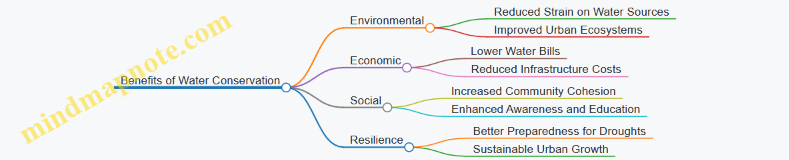
Practical Tips Inspired by These Examples
- Start Small: Install a rain barrel or fix leaks in your home.
- Educate and Engage: Organize or attend local workshops on water conservation.
- Collaborate: Work with neighbors to create shared water-saving projects.
- Monitor Usage: Use water meters or apps to track and reduce consumption.
- Choose Native Plants: Replace water-intensive plants with drought-tolerant species.
By learning from these urban neighborhoods, residents and community organizers can implement micro-scale solutions that collectively make a big impact on urban water sustainability.
6. Greening Urban Spaces
6.1 Balcony and Rooftop Gardens: Starting Small
Urban spaces often lack traditional garden areas, but balconies and rooftops offer fantastic micro-scale opportunities to green your environment, improve air quality, and contribute to climate action. Starting small with balcony and rooftop gardens is accessible, rewarding, and impactful.
Why Balcony and Rooftop Gardens Matter
- Mitigate Urban Heat Island Effect: Plants provide shade and evapotranspiration, cooling the immediate environment.
- Improve Air Quality: Vegetation filters pollutants and produces oxygen.
- Enhance Biodiversity: Even small green spaces can support pollinators like bees and butterflies.
- Reduce Carbon Footprint: Growing your own herbs and vegetables cuts down on food miles.
- Mental and Physical Health Benefits: Gardening reduces stress and encourages physical activity.
Getting Started: Key Considerations
Balcony and Rooftop Garden Mind Map
Step-by-Step Guide to Starting Your Balcony or Rooftop Garden
- Assess Your Space: Measure your balcony or rooftop area and note sunlight hours.
- Choose Containers: Use lightweight pots or vertical planters to maximize space.
- Select Plants: Start with easy-to-grow herbs and vegetables suited to your climate and sunlight.
- Prepare Soil: Use high-quality potting mix with good drainage.
- Plant and Arrange: Position plants according to their sunlight and water needs.
- Water Regularly: Establish a watering routine; consider self-watering containers.
- Maintain: Prune, fertilize, and monitor for pests.
Examples of Successful Balcony and Rooftop Gardens
-
Example 1: The Green Balcony Project, New York City
- Residents transformed small balconies with container gardens growing herbs and salad greens.
- Resulted in a 20% reduction in grocery trips and improved neighborhood air quality.
-
Example 2: Mumbai Rooftop Vegetable Gardens
- Community volunteers converted flat rooftops into vegetable patches.
- Provided fresh produce for over 50 families and reduced urban heat locally.
-
Example 3: Berlin’s Vertical Balcony Garden Initiative
- Used vertical planters to grow flowers and vegetables on narrow balconies.
- Enhanced biodiversity by attracting pollinators and beautified urban streets.
Tips for Maximizing Impact
- Use Native Plants: They require less water and support local ecosystems.
- Incorporate Composting: Use kitchen scraps to create compost for your plants.
- Engage Neighbors: Share seeds, cuttings, and tips to expand green spaces.
- Combine with Rainwater Harvesting: Collect rooftop rainwater to irrigate plants sustainably.
Mind Map: Benefits and Practices of Balcony and Rooftop Gardens
Starting a balcony or rooftop garden is a powerful micro-scale climate action anyone in urban settings can take. With minimal space and resources, urban residents can create green oases that contribute to sustainability, community well-being, and climate resilience.
6.2 Community Gardens: Building Social and Ecological Resilience
Community gardens are vibrant spaces where urban residents come together to cultivate plants, share knowledge, and foster a sense of belonging. Beyond providing fresh produce, these gardens play a crucial role in enhancing social cohesion and ecological health within cities.
Why Community Gardens Matter
- Social Benefits: They create inclusive spaces for neighbors to interact, collaborate, and build trust.
- Ecological Benefits: Gardens increase urban biodiversity, improve air quality, and help manage stormwater.
- Food Security: They provide access to fresh, healthy food, especially in food deserts.
- Mental and Physical Health: Gardening promotes physical activity and reduces stress.
Mind Map: Key Elements of Community Gardens
How to Start and Sustain a Community Garden
- Identify a Suitable Location: Vacant lots, schoolyards, rooftops, or parks.
- Engage Stakeholders: Local residents, community organizations, and municipal authorities.
- Design the Space: Incorporate raised beds, pathways, seating, and compost areas.
- Develop Governance: Establish clear rules, roles, and schedules.
- Secure Resources: Tools, seeds, water access, and funding.
- Organize Activities: Planting days, workshops, and social events.
- Monitor and Adapt: Regularly assess garden health and community needs.
Example 1: The Incredible Edible Todmorden (UK)
In Todmorden, a small town in England, residents transformed public spaces into edible gardens accessible to all. This initiative boosted community spirit, reduced food miles, and inspired similar projects worldwide. Key practices included:
- Planting fruit trees along streets.
- Creating herb beds in public parks.
- Hosting cooking and gardening workshops.
Mind Map: Social and Ecological Benefits from Incredible Edible Todmorden
Example 2: New York City GreenThumb Program (USA)
GreenThumb supports over 550 community gardens across NYC, providing resources and technical assistance. Gardens serve as green oases, improving air quality and offering educational programs.
Best practices include:
- Composting organic waste onsite.
- Rainwater collection systems.
- Inclusive programming for youth and seniors.
Mind Map: Components of NYC GreenThumb Community Gardens
Tips for Maximizing Impact
- Inclusivity: Ensure gardens are accessible to all ages, abilities, and backgrounds.
- Education: Offer regular workshops on sustainable gardening, nutrition, and climate awareness.
- Partnerships: Collaborate with schools, local businesses, and environmental groups.
- Sustainability: Use organic practices, conserve water, and promote biodiversity.
- Documentation: Share stories and successes via social media or newsletters to inspire others.
Conclusion
Community gardens are powerful micro-scale climate solutions that weave together social and ecological resilience. By nurturing these green spaces, urban dwellers not only combat climate challenges but also cultivate stronger, healthier communities.
6.3 Tree Planting Campaigns: Benefits and How to Get Involved
Tree planting campaigns are a powerful micro-scale solution that urban dwellers can participate in to combat climate change, improve air quality, and enhance urban biodiversity. This section explores the multifaceted benefits of tree planting, practical steps to get involved, and inspiring examples from cities around the world.
Benefits of Tree Planting in Urban Areas
- Climate Mitigation: Trees absorb carbon dioxide, a major greenhouse gas, helping to reduce the urban carbon footprint.
- Air Quality Improvement: Trees filter pollutants and particulate matter, leading to cleaner air.
- Temperature Regulation: Through shade and evapotranspiration, trees reduce the urban heat island effect, cooling neighborhoods.
- Stormwater Management: Tree roots absorb rainwater, reducing runoff and lowering flood risks.
- Biodiversity Support: Urban trees provide habitat for birds, insects, and other wildlife.
- Mental and Physical Health: Green spaces with trees encourage outdoor activity and reduce stress.
Mind Map: Benefits of Urban Tree Planting
How to Get Involved in Tree Planting Campaigns
-
Join Local Tree Planting Groups or Environmental Organizations
- Many cities have nonprofit groups dedicated to urban forestry.
- Example: The New York City Tree Corps organizes community planting events.
-
Participate in City-Sponsored Planting Events
- Municipal governments often host seasonal tree planting drives.
- Example: Los Angeles’ “Million Trees LA” initiative invited residents to plant trees in neighborhoods.
-
Start a Neighborhood Campaign
- Collaborate with neighbors to identify planting sites such as sidewalks, parks, or schoolyards.
- Obtain necessary permits from local authorities.
-
Advocate for Urban Forestry Policies
- Engage with city councils to support tree protection ordinances and increased funding.
-
Educate and Raise Awareness
- Host workshops or social media campaigns about the importance of trees.
-
Adopt a Tree Program
- Some cities allow residents to care for newly planted trees, ensuring their survival.
Mind Map: Steps to Get Involved in Tree Planting
Examples of Successful Urban Tree Planting Campaigns
-
Million Trees NYC (New York City, USA):
- Planted one million new trees across the city.
- Engaged thousands of volunteers and local organizations.
- Resulted in measurable improvements in air quality and neighborhood aesthetics.
-
TreePeople (Los Angeles, USA):
- Community-driven group planting trees to combat drought and heat.
- Focuses on education and stewardship alongside planting.
-
London’s Urban Tree Planting Program (UK):
- Planted tens of thousands of trees to increase canopy cover.
- Collaborates with schools and local groups.
-
Singapore’s Greening Initiatives:
- Integrates tree planting with vertical gardens and green roofs.
- Aims to maintain the city’s reputation as a “Garden City.”
Practical Tips for Urban Tree Planting
- Choose native or climate-resilient species suited to urban conditions.
- Ensure proper planting techniques and soil preparation.
- Plan for long-term maintenance: watering, pruning, and protection.
- Engage diverse community members including schools, seniors, and local businesses.
By participating in or organizing tree planting campaigns, urban residents can make a tangible difference in their local environment while fostering community spirit and resilience against climate change.
6.4 Green Walls and Vertical Gardens: Maximizing Limited Space
Urban living often means limited outdoor space, but green walls and vertical gardens offer innovative solutions to bring nature into compact environments. These systems transform bare walls, balconies, and even indoor spaces into lush, living ecosystems that improve air quality, reduce heat, and enhance mental well-being.
What Are Green Walls and Vertical Gardens?
- Green Walls (Living Walls): Structures where plants grow directly on a vertical surface, often supported by a frame and a growing medium.
- Vertical Gardens: Similar concept but can include modular panels, pocket planters, or trellises where plants grow upward.
Benefits of Green Walls and Vertical Gardens
- Space Efficiency: Utilize vertical space, perfect for apartments and small yards.
- Air Purification: Plants filter pollutants and increase oxygen.
- Thermal Regulation: Reduce building temperatures by shading walls.
- Noise Reduction: Plants absorb sound, creating quieter environments.
- Aesthetic Appeal: Enhance visual appeal and promote mental health.
Mind Map: Components of a Green Wall System
Mind Map: Steps to Create a Vertical Garden
Practical Examples
Example 1: Balcony Vertical Herb Garden
- Setup: Use a wooden pallet mounted vertically on a balcony wall.
- Plants: Basil, mint, parsley, and thyme.
- Benefits: Fresh herbs for cooking, aroma enhancement, and greenery in a small space.
- Maintenance: Water twice a week, harvest regularly, and ensure 4-6 hours of sunlight.
Example 2: Indoor Living Wall with Succulents
- Setup: Felt pocket system hung on an interior wall near a window.
- Plants: Various succulents like jade plant, aloe vera, and echeveria.
- Benefits: Low maintenance, air purification, and decorative appeal.
- Maintenance: Minimal watering once every 10-14 days, indirect sunlight.
Example 3: Community Center Green Wall
- Setup: Modular hydroponic panels installed on an exterior wall.
- Plants: Mix of flowering plants, ferns, and edible greens.
- Benefits: Educational tool, improved air quality, and community beautification.
- Maintenance: Automated drip irrigation, monthly fertilizing, volunteer care groups.
Tips for Success
- Choose native or well-adapted plants to reduce water and maintenance needs.
- Start small to learn what works best for your space and conditions.
- Incorporate automated irrigation systems for consistent watering.
- Combine aesthetics with functionality by mixing edible and ornamental plants.
- Engage neighbors or community groups to share resources and knowledge.
Inspiring Case Study
The Bosco Verticale, Milan, Italy
- Two residential towers covered with over 900 trees and 20,000 plants.
- Demonstrates large-scale vertical greening improving urban biodiversity and air quality.
- Inspires urban dwellers to think creatively about integrating greenery vertically.
Green walls and vertical gardens are powerful micro-scale climate actions that urban residents can adopt to maximize limited space while contributing to a healthier, greener city environment.
6.5 Case Study: Urban Greening Projects Transforming Neighborhoods
Urban greening projects have become powerful catalysts for transforming neighborhoods, improving environmental quality, enhancing social cohesion, and increasing urban resilience. This case study explores several inspiring examples from around the world, highlighting best practices and the tangible benefits of greening initiatives.
Example 1: The High Line, New York City, USA
- Overview: The High Line is a 1.45-mile-long elevated linear park built on a historic freight rail line on Manhattan’s West Side.
- Key Features: Native plants, walking paths, art installations, and community events.
- Impact: Increased biodiversity, reduced urban heat island effect, enhanced community engagement, and boosted local economy.
Mind Map: The High Line Impact

Example 2: Green Alley Program, Chicago, USA
- Overview: Chicago’s Green Alley Program transforms alleys into permeable, green spaces to manage stormwater and reduce flooding.
- Key Features: Permeable pavements, rain gardens, native vegetation.
- Impact: Reduced stormwater runoff, improved water quality, cooler microclimates, and enhanced neighborhood aesthetics.
Mind Map: Green Alley Program Components
Example 3: Million Tree Initiative, Los Angeles, USA
- Overview: A city-wide campaign to plant one million trees to combat air pollution and urban heat.
- Key Features: Community tree planting events, partnerships with schools and nonprofits.
- Impact: Improved air quality, carbon sequestration, enhanced shade and cooling, and strengthened community bonds.
Mind Map: Million Tree Initiative Outcomes
Example 4: Singapore’s Vertical Gardens and Green Walls
- Overview: Singapore integrates vertical greenery and green walls extensively in its dense urban environment.
- Key Features: Skyrise greenery, green facades, and rooftop gardens.
- Impact: Improved air quality, noise reduction, enhanced biodiversity, and aesthetic urban landscapes.
Mind Map: Singapore’s Vertical Greening Benefits
Best Practices Drawn from These Projects:
- Community Involvement: Engaging residents through workshops, planting events, and stewardship programs fosters ownership and long-term success.
- Native Plant Use: Prioritizing native species supports local ecosystems and reduces maintenance.
- Multi-Functional Spaces: Designing green spaces that serve ecological, social, and economic purposes maximizes benefits.
- Partnerships: Collaborations between local governments, NGOs, businesses, and residents enhance resources and expertise.
- Monitoring and Maintenance: Regular care and impact assessment ensure sustainability and adaptability.
How Urban Residents and Community Organizers Can Apply These Lessons:
- Start small with balcony or rooftop gardens using native plants.
- Organize neighborhood tree planting or green wall projects.
- Advocate for local government support of green infrastructure.
- Host educational events to raise awareness about urban greening benefits.
- Collaborate with local schools and nonprofits to expand reach.
Urban greening projects demonstrate that even micro-scale interventions can transform neighborhoods into healthier, more vibrant, and resilient places. By learning from these examples and adapting best practices, urban dwellers can become active agents of positive environmental change.
7. Climate-Resilient Urban Living
7.1 Preparing for Extreme Weather Events: Community Strategies
Extreme weather events such as heatwaves, floods, storms, and cold snaps are becoming more frequent and intense due to climate change. Urban communities, especially densely populated neighborhoods, face unique challenges in preparing for and responding to these events. Effective preparation requires collective action, resource sharing, and proactive planning.
Understanding Extreme Weather Risks in Urban Areas
- Urban Heat Islands can amplify heatwaves, increasing health risks.
- Poor drainage and impervious surfaces contribute to urban flooding.
- High-rise buildings and dense infrastructure can complicate evacuation and emergency response.
Community Strategies for Preparation
-
Risk Assessment and Mapping
- Identify vulnerable populations (elderly, disabled, children).
- Map flood-prone zones, heat islands, and shelter locations.
- Use local knowledge combined with municipal data.
-
Emergency Communication Networks
- Establish neighborhood WhatsApp groups or SMS chains.
- Designate community leaders as points of contact.
- Share real-time weather alerts and safety instructions.
-
Resource Sharing and Stockpiling
- Create community emergency kits with water, food, first aid.
- Share tools like sandbags, fans, or portable generators.
- Organize communal safe spaces with cooling or heating centers.
-
Training and Drills
- Conduct workshops on first aid, CPR, and emergency response.
- Practice evacuation routes and shelter-in-place procedures.
- Collaborate with local fire departments and NGOs.
-
Infrastructure Improvements
- Advocate for improved drainage, green spaces, and shade trees.
- Support installation of rain gardens and permeable pavements.
- Promote retrofitting buildings for better insulation and ventilation.
Mind Map: Community Preparation for Extreme Weather Events
Example 1: Heatwave Response in Barcelona, Spain
In Barcelona, community organizations partnered with local authorities to create a “Heatwave Buddy” system. Volunteers check on elderly neighbors during heatwaves, ensuring they have access to water and cooling. Public cooling centers were set up in community centers and libraries. This grassroots approach reduced heat-related illnesses and strengthened neighborhood bonds.
Example 2: Flood Preparedness in Jakarta, Indonesia
Jakarta’s urban communities formed neighborhood groups that monitor water levels and distribute sandbags during the rainy season. They use social media to alert residents about flood risks and evacuation routes. Community workshops teach residents how to safeguard their homes and prepare emergency kits. These efforts complement municipal flood control measures.
Mind Map: Example Community Actions
Tips for Urban Residents and Community Organizers
- Start small: Begin with a few committed neighbors to build momentum.
- Use existing community spaces (schools, religious centers) as hubs.
- Leverage technology for communication but ensure offline methods for those without internet.
- Collaborate with local government and emergency services.
- Document and share your community’s strategies and successes to inspire others.
By embracing these community strategies, urban dwellers can enhance their resilience to extreme weather events, protect vulnerable neighbors, and foster a culture of preparedness and mutual aid.
7.2 Building Materials and Home Modifications for Resilience
Urban dwellers face increasing risks from climate change impacts such as extreme heat, flooding, storms, and other weather events. Building materials and home modifications designed for resilience can significantly reduce damage, improve comfort, and lower energy use. This section explores practical, micro-scale solutions that urban residents can implement to make their homes safer and more climate-resilient.
Key Concepts Mind Map
Durable & Weather-Resistant Materials
Fiber Cement Siding:
- Made from cement, sand, and cellulose fibers, fiber cement siding is highly durable and resistant to fire, rot, and pests.
- Example: In hurricane-prone urban areas like Miami, residents retrofit homes with fiber cement siding to withstand strong winds and heavy rain.
Metal Roofing:
- Metal roofs reflect solar radiant heat, reducing cooling costs, and are highly resistant to wind and fire.
- Example: A community in Phoenix replaced traditional asphalt shingles with metal roofing to combat extreme heat and reduce fire risk.
Impact-Resistant Windows:
- Windows made with laminated glass or polycarbonate layers can resist shattering during storms.
- Example: Residents in New Orleans install impact-resistant windows to protect against hurricane debris.
Thermal Comfort & Insulation
Reflective Roof Coatings:
- Applying reflective or “cool roof” coatings reduces heat absorption, lowering indoor temperatures.
- Example: Apartment buildings in New York City have adopted white reflective coatings to reduce urban heat island effects.
Insulated Walls & Windows:
- Adding insulation and double-glazed windows helps maintain stable indoor temperatures.
- Example: A retrofit program in Chicago encourages residents to install weatherstripping and upgrade windows to improve energy efficiency.
Weatherstripping & Sealing:
- Simple sealing of gaps around doors and windows prevents drafts and heat loss.
- Example: Community volunteers in Boston organize workshops teaching residents how to weatherstrip their homes affordably.
Flood & Water Resistance
Raised Foundations:
- Elevating homes or critical utilities above flood levels reduces water damage.
- Example: In flood-prone areas of Jakarta, some urban residents raise electrical panels and appliances on platforms.
Flood Barriers & Shields:
- Installing removable flood shields on doors and windows can prevent water intrusion during storms.
- Example: Community centers in Venice, Italy, use temporary flood barriers during high tides.
Water-Resistant Flooring:
- Using materials like ceramic tiles, vinyl, or sealed concrete in basements and ground floors reduces water damage.
- Example: Residents in Houston replace carpeted floors with water-resistant options after flooding events.
Energy Efficiency & Renewable Integration
Solar Panels:
- Installing rooftop solar panels reduces reliance on grid electricity and improves energy resilience.
- Example: Urban co-ops in San Francisco pool resources to install shared solar arrays on apartment rooftops.
Energy-Efficient HVAC:
- Upgrading to high-efficiency heating and cooling systems reduces energy consumption and improves indoor air quality.
- Example: A community in Toronto offers rebates for residents who install ENERGY STAR certified HVAC units.
Smart Thermostats:
- Smart thermostats optimize heating and cooling schedules, saving energy while maintaining comfort.
- Example: Neighborhood groups in Seattle distribute smart thermostats and provide training on their use.
Community & Shared Solutions
Group Bulk Purchasing:
- Neighborhoods organize bulk purchases of resilient materials (e.g., weatherstripping kits, flood barriers) to reduce costs.
- Example: A block association in Detroit coordinated a bulk buy of impact-resistant windows, making upgrades affordable.
Shared Tool Libraries:
- Lending libraries for tools and equipment enable residents to perform home modifications without large investments.
- Example: In Portland, a community tool library offers drills, sealant guns, and other equipment for weatherproofing homes.
Local Workshops:
- Hands-on workshops teach residents how to install resilient materials and perform home modifications.
- Example: Environmental volunteers in Melbourne host monthly workshops on installing rainwater harvesting systems and insulating windows.
Summary
By selecting durable, weather-resistant materials and making strategic home modifications, urban residents can enhance their homes’ resilience to climate impacts. These micro-scale actions not only protect property but also improve comfort and reduce energy costs. When combined with community collaboration, these efforts create stronger, more adaptive urban neighborhoods ready to face climate challenges.
Additional Resources
- EPA’s Guide to Building Resilient Homes
- Cool Roof Rating Council
- FEMA Flood-Resistant Materials Guide
- Energy Star Home Improvement Tips
Visual Summary Mind Map
7.3 Urban Flood Mitigation: Small-Scale Solutions
Urban flooding is a growing concern as cities face more frequent and intense rainfall events due to climate change. While large infrastructure projects like stormwater tunnels and retention basins are important, micro-scale solutions implemented by urban residents and communities can significantly reduce flood risks and improve water management locally.
Understanding Urban Flooding at the Micro-Scale
- Impervious surfaces (concrete, asphalt) prevent water absorption, increasing runoff.
- Poor drainage systems or clogged drains exacerbate flooding.
- Limited green spaces reduce natural water infiltration.
Small-Scale Solutions to Mitigate Urban Flooding
Rain Gardens
- Definition: Shallow, planted depressions designed to absorb and filter rainwater runoff from roofs, sidewalks, and streets.
- Benefits: Reduce runoff volume, filter pollutants, recharge groundwater.
- Example: A community in Portland, Oregon, transformed vacant lots into rain gardens, reducing local street flooding and beautifying the neighborhood.
Permeable Pavements
- Definition: Pavement materials that allow water to infiltrate through surfaces instead of running off.
- Types: Porous asphalt, permeable concrete, interlocking pavers.
- Example: In Philadelphia, residents replaced traditional driveways with permeable pavers, decreasing runoff and reducing strain on city drainage.
Rain Barrels and Cisterns
- Definition: Containers that collect and store rainwater from rooftops for later use.
- Benefits: Reduce stormwater runoff volume, provide water for irrigation.
- Example: A neighborhood in Melbourne, Australia, encouraged households to install rain barrels, collectively reducing runoff during storms.
Green Roofs
- Definition: Vegetated roof surfaces that absorb rainwater and reduce runoff.
- Benefits: Delay runoff, provide insulation, improve air quality.
- Example: A community center in New York City installed a green roof, reducing the building’s runoff contribution and lowering cooling costs.
Tree Planting and Vegetated Buffers
- Definition: Trees and shrubs planted along streets and waterways to intercept rainfall and improve infiltration.
- Benefits: Reduce runoff velocity, stabilize soil, enhance urban biodiversity.
- Example: In Seattle, community groups planted street trees that helped reduce localized flooding during heavy rains.
Disconnecting Downspouts
- Definition: Redirecting roof downspouts from storm sewers to permeable areas like gardens or lawns.
- Benefits: Reduces volume entering drainage systems, promotes infiltration.
- Example: Residents in Toronto disconnected downspouts to rain gardens, reducing combined sewer overflows.
Mind Maps
Mind Map 1: Small-Scale Urban Flood Mitigation Techniques
Mind Map 2: Benefits of Micro-Scale Flood Mitigation
Practical Tips for Urban Residents
- Start small: install a rain barrel or create a rain garden in your yard or balcony.
- Advocate for permeable pavements in your neighborhood, especially for driveways and sidewalks.
- Organize tree planting events with local community groups.
- Learn how to disconnect your downspouts safely and redirect water to permeable areas.
- Collaborate with local authorities to identify flood-prone spots and propose micro-scale interventions.
Summary
Small-scale urban flood mitigation solutions empower residents and communities to take climate action locally. By implementing rain gardens, permeable pavements, rainwater harvesting, green roofs, and vegetation, urban dwellers can reduce flood risks, improve water quality, and enhance urban resilience. These practices not only address flooding but also contribute to healthier, greener, and more sustainable cities.
7.4 Creating Local Emergency Response Networks
In urban areas, creating local emergency response networks is a vital micro-scale solution to enhance climate resilience. These networks empower communities to respond quickly and effectively to extreme weather events such as floods, heatwaves, storms, and power outages. By organizing neighbors and local resources, urban residents can reduce risks, save lives, and protect property.
Why Local Emergency Response Networks Matter
- Urban density can complicate emergency services access.
- First responders may be overwhelmed during large-scale events.
- Neighbors often are the first to provide aid.
- Building trust and communication channels improves preparedness.
Key Components of a Local Emergency Response Network
Step-by-Step Guide to Creating Your Network
-
Identify and Connect Neighbors: Start by mapping your immediate neighborhood. Use community meetings, social media groups, or local events to introduce the idea.
-
Establish Communication Channels: Set up phone trees, WhatsApp groups, or neighborhood apps (e.g., Nextdoor) to share information rapidly.
-
Assign Roles: Designate volunteers for specific tasks such as first aid, communication, or resource management.
-
Develop Emergency Plans: Create clear protocols for different scenarios (e.g., flooding, power outage). Include evacuation routes, shelter locations, and contact lists.
-
Conduct Training and Drills: Organize workshops on first aid, CPR, and disaster preparedness. Regular drills help reinforce readiness.
-
Inventory Resources: Catalog available tools, medical supplies, and safe spaces within the community.
-
Build Partnerships: Collaborate with local government agencies, fire departments, and NGOs for support and guidance.
-
Maintain and Update: Regularly review and update plans, contact lists, and resources.
Practical Examples
-
Example 1: Brooklyn, New York – Community Emergency Response Team (CERT)
- Residents trained in basic disaster response skills.
- Use of WhatsApp groups for rapid communication.
- Neighborhood drills coordinated with local fire department.
-
Example 2: Rotterdam, Netherlands – Water Resilience Network
- Local volunteers monitor flood risks.
- Shared resources include sandbags and pumps.
- Collaboration with municipal authorities for early warnings.
-
Example 3: Melbourne, Australia – Heatwave Neighborhood Support
- Volunteers check on elderly and vulnerable neighbors.
- Cooling centers identified and communicated.
- Use of community radio and social media for alerts.
Mind Map: Communication Channels in Emergency Networks
Tips for Success
- Keep communication simple and inclusive.
- Consider language diversity and accessibility.
- Encourage participation from all age groups.
- Use visual aids like maps and checklists.
- Celebrate small wins to maintain motivation.
By creating and nurturing local emergency response networks, urban communities become more resilient and self-reliant in the face of climate-related emergencies. These grassroots efforts complement official responses and foster a culture of preparedness and solidarity.
7.5 Example: Resilient Urban Communities in Action
Urban communities around the world are demonstrating inspiring examples of resilience by adopting micro-scale solutions that prepare them for climate challenges. These communities showcase how collective action, innovative thinking, and local engagement can build stronger, more adaptable neighborhoods.
Case Study 1: The Green Roof Initiative in Toronto, Canada
Toronto has been combating urban heat and stormwater runoff by encouraging residents and building owners to install green roofs. This initiative has led to cooler urban temperatures, improved air quality, and reduced flooding risks.
- Practice: Installing vegetation-covered roofs on residential and commercial buildings.
- Impact: Reduced urban heat island effect by up to 2°C locally.
- Community Role: Residents participate in workshops to learn about green roof benefits and maintenance.
Mind Map: Green Roof Initiative
Case Study 2: Flood-Resilient Neighborhoods in Rotterdam, Netherlands
Rotterdam has implemented micro-scale flood management techniques such as water plazas and permeable pavements in neighborhoods prone to flooding.
- Practice: Creating multifunctional public spaces that temporarily store excess rainwater.
- Impact: Reduced flood damage and improved community recreational spaces.
- Community Role: Residents help design and maintain these spaces, fostering ownership and awareness.
Mind Map: Flood-Resilient Neighborhoods
Case Study 3: Community Emergency Response Teams (CERT) in New York City, USA
In response to increasing extreme weather events, NYC neighborhoods have formed CERTs to prepare and respond locally during emergencies.
- Practice: Training volunteers in first aid, communication, and disaster preparedness.
- Impact: Faster, coordinated community response during storms and heatwaves.
- Community Role: Residents volunteer, attend training, and disseminate preparedness information.
Mind Map: Community Emergency Response Teams
Case Study 4: Urban Tree Planting in Melbourne, Australia
Melbourne’s urban tree planting programs focus on increasing canopy cover to combat heatwaves and improve air quality.
- Practice: Planting native trees along streets and in parks.
- Impact: Lowered neighborhood temperatures by providing shade and evapotranspiration.
- Community Role: Local groups organize planting events and monitor tree health.
Mind Map: Urban Tree Planting Program
Key Takeaways for Building Resilient Urban Communities
- Collective Action: Resilience grows stronger when neighbors collaborate on shared goals.
- Education and Training: Empowering residents with knowledge and skills is crucial.
- Multi-Functionality: Designing solutions that serve multiple purposes (e.g., flood control + recreation).
- Local Leadership: Community champions help sustain momentum and engagement.
- Partnerships: Working with local governments, NGOs, and experts enhances resources and impact.
By learning from these examples, urban residents, community organizers, and environmental volunteers can adapt and implement similar micro-scale solutions tailored to their own neighborhoods, fostering resilience in the face of climate change.
8. Engaging and Mobilizing Urban Communities
8.1 Organizing Climate Action Groups: Steps and Tips
Organizing a climate action group in your urban community is a powerful way to amplify individual efforts and create meaningful change. This section guides you through practical steps and tips to build an effective, motivated, and sustainable group.
Step 1: Define Your Group’s Purpose and Goals
Start by clarifying what your group aims to achieve. Are you focused on reducing neighborhood waste, promoting urban gardening, or advocating for better public transit? Clear goals help attract like-minded members and keep efforts focused.
Example: The “Green Streets Collective” in Chicago started with a goal to plant 100 trees in their neighborhood within a year, which helped rally community support.
Step 2: Recruit Members and Build a Diverse Team
Reach out to neighbors, friends, local schools, and community centers. Diversity in age, background, and skills strengthens the group.
Example: The “EcoNeighbors” group in San Francisco recruited members via social media, local events, and flyers, resulting in a team with gardeners, educators, and tech-savvy volunteers.
Step 3: Establish Roles and Responsibilities
Assign roles such as coordinator, communications lead, event organizer, and data tracker. Clear roles prevent burnout and improve efficiency.
Example: In the “Urban Climate Action Team” in New York, rotating leadership roles kept members engaged and shared responsibilities evenly.
Step 4: Plan Activities and Set a Meeting Schedule
Decide on regular meetings (weekly, biweekly, or monthly) and plan activities aligned with your goals. Keep meetings concise and action-oriented.
Example: The “City Greeners” in Toronto hold monthly meetings and organize quarterly neighborhood clean-ups and workshops.
Step 5: Communicate Effectively
Use multiple channels: WhatsApp groups, email newsletters, social media pages, and community bulletin boards. Transparency and regular updates keep members motivated.
Example: The “Sustainable Blocks” group in Berlin uses a dedicated Facebook group and monthly newsletters to share tips, success stories, and upcoming events.
Step 6: Collaborate with Local Stakeholders
Engage local government, NGOs, businesses, and schools. Partnerships can provide resources, expertise, and wider reach.
Example: The “Eco Action Network” in Melbourne partnered with the city council to secure funding for a community composting program.
Step 7: Celebrate Successes and Reflect
Recognize achievements publicly to boost morale. Reflect on challenges and adapt strategies.
Example: After successfully reducing plastic waste by 30%, the “Plastic-Free Neighborhood” in Amsterdam hosted a community picnic to celebrate and share lessons.
Additional Tips:
- Start Small: Begin with manageable projects to build momentum.
- Be Inclusive: Ensure all voices are heard and respected.
- Stay Positive: Focus on solutions rather than problems.
- Leverage Technology: Use apps and online tools for coordination.
- Document Progress: Keep records to showcase impact and attract support.
Summary Mind Map of Organizing Climate Action Groups
By following these steps and learning from real-world examples, urban residents and community organizers can create vibrant climate action groups that make a tangible difference in their neighborhoods.
8.2 Effective Communication: Using Social Media and Local Media
Effective communication is a cornerstone of successful climate action in urban communities. Leveraging social media and local media channels can amplify your message, engage a broader audience, and mobilize collective action. This section explores practical strategies, mind maps, and real-world examples to help urban residents, community organizers, and environmental volunteers communicate effectively.
Why Use Social Media and Local Media?
- Reach: Connect with diverse audiences quickly and cost-effectively.
- Engagement: Foster two-way conversations to build community trust.
- Visibility: Highlight local climate issues and solutions.
- Mobilization: Encourage participation in events and campaigns.
Mind Map: Components of Effective Communication Strategy
Crafting Your Message: Best Practices
- Be Relatable: Use everyday language and local examples.
- Highlight Benefits: Show how climate action improves health, saves money, or enhances community well-being.
- Use Visuals: Infographics and photos increase engagement.
- Call to Action: Always include clear next steps (e.g., join a cleanup, attend a meeting).
Social Media Platform Tips
| Platform | Best Uses | Example Practices |
|---|---|---|
| Community groups, event promotion | Create a local climate action group; share event invites and success stories. | |
| Visual storytelling, short videos | Post photos of urban gardens; use Stories to show progress. | |
| Quick updates, engaging policymakers | Tweet local climate news; tag officials to raise awareness. | |
| TikTok | Short, engaging videos for youth | Share fun challenges like #PlasticFreeWeek. |
| Professional networking, partnerships | Share reports and invite local businesses to collaborate. |
Example: #GreenBlock Campaign on Instagram
A neighborhood in Chicago launched the #GreenBlock campaign encouraging residents to share photos of their balcony gardens and energy-saving tips. The campaign used weekly themes and prizes for the most creative posts. This boosted community pride and inspired others to adopt sustainable habits.
Leveraging Local Media
- Community Radio: Host interviews with local climate experts or activists.
- Local Newspapers: Submit op-eds or letters highlighting community initiatives.
- Public Access TV: Produce short documentaries or event coverage.
- Newsletters: Partner with neighborhood associations to include climate action updates.
Example: Local Radio Climate Hour
In Portland, a community group partnered with a local radio station to create a weekly “Climate Hour” featuring discussions on urban sustainability, interviews with city officials, and calls for volunteer participation. This increased awareness and attendance at local events.
Mind Map: Engaging Your Audience on Social Media
Tips for Community Organizers
- Train volunteers on social media best practices.
- Develop a content calendar to maintain consistency.
- Use free tools like Canva for creating visuals.
- Monitor analytics to understand what resonates.
- Celebrate milestones publicly to motivate participants.
Final Thought
Effective communication using social and local media transforms isolated efforts into powerful community movements. By sharing relatable stories, engaging content, and clear calls to action, urban dwellers can inspire meaningful climate action right where they live.
8.3 Partnering with Local Governments and NGOs
Urban climate action thrives when community efforts align with institutional support. Partnering with local governments and non-governmental organizations (NGOs) can amplify impact, unlock resources, and create sustainable change. This section explores practical steps, strategies, and examples to build effective partnerships.
Why Partner with Local Governments and NGOs?
- Access to Resources: Funding, technical expertise, and infrastructure support.
- Policy Influence: Ability to shape local climate policies and regulations.
- Community Reach: Broader networks to mobilize residents and volunteers.
- Legitimacy and Credibility: Partnerships enhance trust and visibility.
How to Build Effective Partnerships
Practical Steps for Urban Residents and Community Organizers
-
Research Local Government Climate Initiatives:
- Visit city or municipal websites.
- Identify departments like Environmental Services, Urban Planning, or Sustainability Offices.
-
Engage in Public Consultations:
- Participate in town halls or workshops.
- Provide input on climate action plans.
-
Reach Out to NGOs Active in Your Area:
- Examples include local chapters of Greenpeace, Sierra Club, or smaller grassroots organizations.
- Volunteer or propose joint projects.
-
Propose Collaborative Projects:
- Community tree planting supported by city forestry department.
- Waste reduction campaigns with NGO expertise.
-
Leverage Funding Opportunities:
- Apply for grants together.
- Use government programs that support community climate action.
Example 1: Green Neighborhood Initiative – City of Portland & Local NGOs
Portland’s Green Neighborhoods program partners city government with local environmental NGOs and resident groups to promote energy efficiency and urban greening. Community organizers worked with the city’s sustainability office to secure funding for workshops and tree planting events. NGOs provided training and educational materials, while the city offered logistical support and permits.
Key outcomes:
- Over 500 trees planted in urban neighborhoods.
- Energy-saving home retrofit workshops attended by 300+ residents.
- Policy input leading to expanded green space zoning.
Example 2: Waste Wise Community Project – Mumbai, India
A coalition of local NGOs partnered with municipal authorities to tackle urban waste challenges. Community volunteers organized door-to-door awareness drives, while the city provided waste segregation bins and collection services. NGOs trained volunteers on composting and recycling techniques.
Results:
- 40% increase in household waste segregation.
- Establishment of 10 community composting centers.
- Municipal adoption of community feedback in waste management policies.
Mind Map: Key Partnership Activities
Tips for Sustaining Partnerships
- Clear Roles and Responsibilities: Define who does what to avoid confusion.
- Regular Communication: Schedule meetings, share updates, and celebrate milestones.
- Flexibility: Be open to adapting plans based on feedback and changing circumstances.
- Mutual Respect: Recognize the strengths and limitations of each partner.
By fostering strong partnerships with local governments and NGOs, urban residents and community organizers can significantly enhance their climate action efforts, creating resilient and sustainable urban environments together.
8.4 Hosting Workshops and Educational Events
Hosting workshops and educational events is a powerful way to engage urban residents, community organizers, and environmental volunteers in climate action. These gatherings foster knowledge sharing, build community bonds, and empower participants to implement micro-scale solutions in their neighborhoods.
Why Host Workshops and Educational Events?
- Raise awareness about urban climate challenges and solutions.
- Equip participants with practical skills and knowledge.
- Create a platform for community dialogue and collaboration.
- Inspire collective action through shared experiences.
Planning Your Workshop or Event
Key Steps:
- Define clear objectives and target audience
- Choose relevant topics aligned with community needs
- Select accessible venues or virtual platforms
- Prepare engaging, interactive content
- Promote the event through local networks and social media
- Arrange for materials and resources
- Collect feedback for continuous improvement
Mind Map: Workshop Planning Essentials
Effective Workshop Formats
- Hands-on Demonstrations: e.g., how to set up a home compost bin or install energy-efficient LED bulbs.
- Interactive Discussions: small group brainstorming on neighborhood climate challenges.
- Expert Panels: local environmental experts sharing insights and answering questions.
- Skill-Building Sessions: training on topics like urban gardening or water conservation techniques.
- Storytelling Circles: sharing personal experiences related to climate action to inspire others.
Example Workshop: “Composting in Small Urban Spaces”
- Objective: Teach participants how to start composting in apartments or small balconies.
- Activities:
- Introduction to composting basics
- Demonstration of a compact compost bin
- Hands-on mixing of compost materials
- Q&A session
- Outcome: Participants leave equipped to start composting at home, reducing organic waste.
Mind Map: Sample Workshop Agenda

Leveraging Educational Events for Long-Term Impact
- Establish ongoing groups or clubs to maintain momentum.
- Provide resource kits or starter packs for participants.
- Collaborate with local schools to integrate climate topics.
- Use events to recruit volunteers for community projects.
Real-World Example: Green Neighborhood Workshops in Portland, Oregon
In Portland, community organizers host monthly workshops focused on topics like rainwater harvesting, urban gardening, and energy conservation. These events combine expert talks with hands-on activities, attracting diverse participants. The workshops have led to the creation of neighborhood tool libraries and community gardens, demonstrating how education can spark tangible climate action.
Tips for Success
- Keep sessions interactive and inclusive.
- Use visuals and simple language to explain complex concepts.
- Encourage participant sharing and peer learning.
- Follow up with attendees to support implementation.
By thoughtfully hosting workshops and educational events, urban communities can empower themselves with the knowledge and skills needed to drive meaningful climate action at the micro-scale.
8.5 Example: Successful Community-Led Climate Campaigns
Community-led climate campaigns demonstrate the power of collective action in urban areas. These initiatives often start small but can create significant environmental and social impacts by mobilizing residents, fostering partnerships, and implementing practical solutions. Below are detailed examples and mind maps illustrating how these campaigns operate and succeed.
Case Study 1: The Green Streets Initiative – Philadelphia, USA
Overview: A neighborhood-driven campaign focused on transforming streetscapes into green, sustainable spaces to reduce urban heat, manage stormwater, and enhance biodiversity.
Key Actions:
- Installing rain gardens and bioswales
- Planting native trees and shrubs
- Organizing community clean-up and planting days
- Educational workshops on sustainable landscaping
Outcomes:
- Reduced local flooding incidents
- Improved air quality and cooler microclimates
- Strengthened community bonds
Mind Map:
Green Streets Initiative Mind Map
Case Study 2: Zero Waste Neighborhood – Kamikatsu, Japan
Overview: Although Kamikatsu is a small town, its zero waste approach offers valuable lessons for urban communities aiming to reduce landfill waste through grassroots efforts.
Key Actions:
- Strict waste separation into 45 categories
- Community-run recycling and composting centers
- Educational campaigns and workshops
- Local bans on single-use plastics
Outcomes:
- Over 80% waste diversion from landfills
- Increased environmental awareness
- Community pride and participation
Mind Map:
Zero Waste Neighborhood Mind Map
Case Study 3: Bike-Friendly City Campaign – Copenhagen, Denmark
Overview: A long-term community and government partnership aimed at making Copenhagen one of the most bike-friendly cities worldwide.
Key Actions:
- Advocating for expanded bike lanes and infrastructure
- Organizing bike-to-work days and events
- Promoting bike safety education
- Collaborating with local businesses to support cycling commuters
Outcomes:
- Over 60% of residents commute by bike daily
- Reduced traffic congestion and emissions
- Improved public health
Mind Map:
Bike-Friendly City Campaign Mind Map
Common Success Factors in Community-Led Climate Campaigns
- Strong Community Engagement: Inclusive participation ensures diverse voices and sustained momentum.
- Clear, Achievable Goals: Setting measurable objectives helps track progress and maintain focus.
- Partnerships: Collaborations with local governments, NGOs, and businesses amplify resources and impact.
- Education and Awareness: Workshops, campaigns, and events build knowledge and inspire action.
- Adaptability: Successful campaigns evolve based on feedback and changing conditions.
Mind Map:
Tips for Starting Your Own Community Climate Campaign
- Identify Local Issues: Understand the specific climate challenges your neighborhood faces.
- Build a Core Team: Gather motivated residents and stakeholders.
- Set Clear Objectives: Define what success looks like.
- Engage the Community: Use social media, flyers, and events to involve neighbors.
- Partner Strategically: Reach out to local authorities, NGOs, and businesses.
- Start Small: Pilot projects can demonstrate impact and build trust.
- Measure and Share Progress: Use data and stories to motivate continued participation.
By learning from these examples and applying these strategies, urban residents, community organizers, and environmental volunteers can spearhead impactful climate actions tailored to their neighborhoods.
9. Monitoring and Measuring Impact
9.1 Tracking Energy and Water Savings at Home
Tracking your energy and water consumption is a fundamental step in understanding your environmental impact and identifying opportunities for savings. By monitoring usage, urban residents can make informed decisions, adjust habits, and measure the effectiveness of implemented changes.
Why Track Energy and Water Usage?
- Identify high consumption patterns
- Detect leaks or inefficiencies early
- Motivate behavior change through visible progress
- Save money on utility bills
- Contribute to community-wide climate goals
Tools and Methods for Tracking
Energy Tracking
- Smart meters: Many urban homes now have smart meters that provide real-time electricity usage data.
- Energy monitoring apps: Apps like Sense, Neurio, or utility provider apps can help track consumption.
- Manual meter readings: Recording monthly meter readings to calculate usage.
Water Tracking
- Water meters: Check your water meter regularly to monitor consumption.
- Leak detectors: Devices or apps that alert you to unusual water flow.
- Manual tracking: Record water bills and meter readings over time.
Mind Map: Tracking Energy Usage at Home
Mind Map: Tracking Water Usage at Home
Practical Examples
Example 1: Monthly Energy Log
Maria, an apartment resident, started recording her electricity meter readings on the first day of each month. She noticed a spike in usage during winter months due to heating. By switching to energy-efficient space heaters and insulating windows, she reduced her monthly consumption by 15% over six months.
Example 2: Water Leak Detection
John used a simple leak detector app that monitored his water meter readings overnight. The app alerted him to continuous water flow when all taps were off. He found a leaking toilet valve and fixed it promptly, saving approximately 500 liters per month.
Example 3: Using Smart Plugs
A community group in a dense urban neighborhood distributed smart plugs to volunteers. These plugs tracked energy usage of individual appliances. Participants identified energy-hungry devices like old refrigerators and replaced them, reducing household energy use by up to 20%.
Tips for Effective Tracking
- Set a regular schedule for readings (daily, weekly, monthly).
- Use visual charts or apps to visualize trends.
- Compare data before and after implementing changes.
- Share findings with family or neighbors to encourage collective action.
Integrating Tracking into Daily Life
- Place a visible chart near your meter or utility bill area.
- Use reminders on your phone to record data.
- Combine tracking with other sustainability actions like composting or waste reduction for holistic impact.
Tracking energy and water savings at home empowers urban residents to take control of their environmental footprint. By combining simple tools, regular monitoring, and actionable insights, individuals and communities can make meaningful progress toward sustainable urban living.
9.2 Waste Reduction Metrics: How to Measure Progress
Measuring progress in waste reduction is essential for urban residents, community organizers, and environmental volunteers to understand the effectiveness of their efforts, identify areas for improvement, and celebrate successes. This section will guide you through practical metrics, tools, and examples to track waste reduction in your community or household.
Why Measure Waste Reduction?
- Accountability: Knowing how much waste you generate and reduce helps maintain motivation.
- Improvement: Identifies which practices work best and where to focus next.
- Advocacy: Data supports community campaigns and negotiations with local authorities.
Key Waste Reduction Metrics
Mind Map: Waste Reduction Metrics
Total Waste Generated
Track the total amount of waste your household or community produces over a set period (weekly, monthly). Use simple methods such as weighing garbage bags or estimating volume.
Example: A community group weighs their trash bags every week and records the data. Over six months, they observe a 25% reduction in total waste.
Waste Diverted from Landfill
Measure how much waste is recycled or composted instead of going to landfill.
- Recycling Rate: (Weight of recycled materials / Total waste generated) × 100
- Composting Rate: (Weight of composted organic waste / Total waste generated) × 100
Example: An apartment complex tracks the weight of recyclables collected monthly and finds their recycling rate has increased from 30% to 55% after introducing clear labeling and bins.
Reduction in Single-Use Items
Count or estimate the number of single-use plastics or disposables avoided by switching to reusable alternatives.
Example: Volunteers at a local market distribute reusable bags and estimate that 500 plastic bags were avoided in one month.
Participation Rates
Track how many people are actively involved in waste reduction activities such as composting, attending workshops, or participating in swap meets.
Example: A neighborhood composting program tracks that 40 out of 100 households participate regularly, aiming to increase participation to 70% within a year.
Cost Savings
Calculate money saved by reducing waste, such as buying fewer disposable products or lowering waste collection fees.
Example: A family switches to bulk buying and reusable containers, saving $15 monthly on packaging and disposable items.
Tools and Techniques for Measurement
Mind Map: Tools for Measuring Waste Reduction
Practical Example: Community Composting Program
A community garden initiates a composting program and tracks progress over six months:
- Weigh compost bins weekly using a bathroom scale.
- Record total waste generated by participants.
- Survey participants monthly to track behavior changes.
- Calculate composting rate and participation rate.
Results:
- Composting rate increased from 0% to 40%.
- Participation grew from 10 to 35 households.
- Estimated 200 kg of organic waste diverted from landfill.
Tips for Successful Measurement
- Keep it Simple: Use easy-to-implement methods that don’t require expensive equipment.
- Be Consistent: Measure at regular intervals for reliable data.
- Engage Participants: Share results to motivate and involve the community.
- Use Visuals: Charts and infographics help communicate progress effectively.
By systematically measuring waste reduction, urban dwellers and community groups can make informed decisions, optimize their efforts, and contribute meaningfully to urban sustainability and climate action.
9.3 Using Citizen Science for Air Quality Monitoring
Citizen science empowers urban residents to actively participate in monitoring and improving their local air quality. By engaging community members in data collection and analysis, neighborhoods can identify pollution hotspots, advocate for policy changes, and raise awareness about air quality issues.
What is Citizen Science in Air Quality Monitoring?
Citizen science involves non-professional volunteers collecting scientific data to contribute to research and community knowledge. In urban air quality monitoring, this means residents use accessible tools and methods to measure pollutants like particulate matter (PM2.5, PM10), nitrogen dioxide (NO2), ozone (O3), and carbon monoxide (CO).
Benefits of Citizen Science for Urban Air Quality
- Localized Data Collection: Provides hyper-local insights beyond official monitoring stations.
- Community Engagement: Increases awareness and involvement in environmental issues.
- Policy Influence: Data can support advocacy for cleaner air policies.
- Education: Enhances understanding of pollution sources and health impacts.
Tools and Technologies for Citizen Science Air Monitoring
- Low-cost air quality sensors (e.g., PurpleAir, AirBeam, Atmotube)
- Mobile apps for data logging and visualization (e.g., AirVisual, Plume Labs)
- DIY sensor kits for educational workshops
- Online platforms for data sharing and mapping (e.g., OpenAQ, Luftdaten)
How to Start a Citizen Science Air Quality Project
- Form a Group: Gather interested neighbors, community organizers, and volunteers.
- Select Monitoring Sites: Identify locations near schools, busy roads, parks, or industrial areas.
- Choose Equipment: Decide on sensors balancing cost, accuracy, and ease of use.
- Train Volunteers: Provide instructions on sensor use, maintenance, and data recording.
- Collect Data: Monitor air quality over days or weeks to capture patterns.
- Analyze and Share: Use online tools to visualize data and communicate findings.
- Advocate: Present results to local authorities or media to push for improvements.
Example Mind Map: Steps to Launch a Citizen Science Air Quality Project
Real-World Examples
1. Luftdaten Project (Germany and Worldwide)
- Volunteers build and deploy low-cost particulate matter sensors on their balconies or windows.
- Data is uploaded to a global map accessible to everyone.
- This project helped identify pollution hotspots and influenced local policies.
2. PurpleAir Network (Global)
- PurpleAir sensors are widely used by citizens to monitor PM2.5 levels.
- The network provides real-time data that communities use to issue health advisories.
3. Air Quality Egg (Various Cities)
- Community-led initiative using open-source sensors.
- Encourages collaborative data sharing and environmental education.
4. Clean Air London (UK)
- Residents used portable sensors to map air pollution near schools.
- Data supported campaigns for low emission zones.
Tips for Success
- Collaborate with local schools and universities for technical support.
- Use social media and community events to recruit volunteers and share results.
- Combine sensor data with observational notes (e.g., traffic conditions, weather).
- Ensure data quality by calibrating sensors and validating results.
- Celebrate milestones and recognize volunteer contributions.
Mind Map: Benefits and Challenges of Citizen Science Air Monitoring

By harnessing the power of citizen science, urban dwellers can transform from passive observers into active agents of change, driving meaningful improvements in air quality and public health within their communities.
9.4 Reporting and Sharing Success Stories
Effectively reporting and sharing success stories is a powerful way to inspire, educate, and mobilize urban communities toward climate action. When urban residents, community organizers, and environmental volunteers showcase their achievements, they create a ripple effect that encourages others to adopt similar practices and fosters a sense of collective accomplishment.
Why Reporting and Sharing Matters
- Inspiration: Real-life examples motivate others by showing tangible results.
- Accountability: Sharing progress keeps groups motivated and accountable.
- Knowledge Transfer: Success stories provide practical insights and lessons learned.
- Community Building: Celebrating wins strengthens community bonds.
How to Report Success Stories Effectively
- Choose the Right Medium: Blog posts, social media, newsletters, local newspapers, or community meetings.
- Tell a Compelling Story: Include the challenge, actions taken, results, and personal/community impact.
- Use Data and Visuals: Incorporate numbers, charts, before-and-after photos, and infographics.
- Highlight People: Feature the individuals or groups involved to personalize the story.
- Call to Action: Encourage readers to participate or replicate the success.
Mind Map: Components of a Successful Climate Action Story
Examples of Reporting and Sharing Success Stories
Example 1: Neighborhood Energy Savings Campaign
A community in Chicago launched a “Switch to LED” campaign. They documented the number of households that replaced incandescent bulbs with LEDs and estimated the collective energy savings.
- Reported via a blog post featuring:
- Before-and-after energy bills
- Testimonials from residents
- Infographics showing CO2 emissions reduced
- Shared on social media with a hashtag #BrightChicago
Example 2: Urban Garden Transformation
In Barcelona, a group converted a vacant lot into a thriving community garden.
- Created a video documentary capturing the transformation process.
- Published a photo essay in the local newspaper.
- Held a community event to celebrate and share gardening tips.
Example 3: Waste Reduction Initiative
A neighborhood in Toronto organized monthly swap meets to reduce waste.
- Produced a quarterly newsletter highlighting the amount of waste diverted from landfills.
- Shared stories of participants who found new uses for old items.
- Used social media to promote upcoming events and share success metrics.
Mind Map: Platforms and Tools for Sharing
Tips for Amplifying Your Success Stories
- Collaborate with local influencers and media outlets.
- Use hashtags and geo-tags to increase reach.
- Encourage community members to share their own experiences.
- Regularly update progress to maintain engagement.
- Translate stories into multiple languages if your community is diverse.
By thoughtfully reporting and sharing success stories, urban dwellers can create a vibrant, informed, and motivated network that accelerates climate action at the micro-scale level.
9.5 Example: Neighborhoods Using Data to Drive Climate Action
In recent years, urban neighborhoods have increasingly turned to data-driven approaches to enhance their climate action efforts. By collecting, analyzing, and sharing local environmental data, communities can identify problem areas, track progress, and mobilize residents more effectively. Below, we explore how neighborhoods use data to drive impactful climate initiatives, supported by practical examples and mind maps.
Why Use Data in Neighborhood Climate Action?
- Identify Priorities: Pinpoint hotspots for pollution, energy waste, or water inefficiency.
- Measure Impact: Quantify reductions in emissions, waste, or resource consumption.
- Engage Community: Visual data helps communicate issues and progress clearly.
- Inform Advocacy: Data-backed evidence strengthens dialogue with policymakers.
Mind Map: Data-Driven Climate Action Components
Example 1: The GreenBlock Project – Energy and Waste Data Sharing
In a mid-sized city, the GreenBlock neighborhood launched a project where households installed smart meters to monitor electricity and water usage. Data was anonymized and aggregated to create neighborhood dashboards accessible online and at community centers.
- Practice: Monthly community meetings reviewed data trends, highlighting households with exemplary conservation efforts.
- Outcome: Energy consumption dropped by 15% within six months, and waste audits showed a 20% increase in recycling rates.
- Engagement: Residents used data to set personal goals and share tips, fostering a culture of accountability.
Mind Map: GreenBlock Data Workflow
Example 2: AirAware Neighborhood – Citizen Science Air Quality Monitoring
A community group in a densely populated urban area deployed low-cost air quality sensors across the neighborhood to monitor pollutants like PM2.5 and NO2.
- Practice: Volunteers were trained to maintain sensors and interpret data.
- Outcome: Data revealed peak pollution times near major intersections, leading to targeted advocacy for traffic calming measures.
- Engagement: Real-time air quality maps were shared via a mobile app, encouraging residents to avoid high-pollution areas and participate in tree planting.
Mind Map: AirAware Project Steps
Example 3: WaterWise Block – Tracking Water Use and Leak Detection
In a water-stressed city, the WaterWise Block initiative equipped homes with water flow monitors and leak detection devices.
- Practice: Data was shared weekly with residents via SMS and community boards.
- Outcome: Early leak detection reduced water loss by 25%, and overall neighborhood water use decreased by 10%.
- Engagement: Water-saving challenges based on data motivated households to adopt efficient fixtures and mindful habits.
Mind Map: WaterWise Block Engagement Cycle
Key Takeaways for Urban Residents and Organizers
- Start Small: Begin with simple data collection tools like smart plugs, sensors, or manual audits.
- Make Data Accessible: Use dashboards, apps, or community boards to share insights.
- Engage Volunteers: Train residents to participate in data gathering and interpretation.
- Use Data to Tell Stories: Visualizations and real examples help motivate behavior change.
- Collaborate with Experts: Partner with local universities or NGOs for technical support.
By embracing data-driven approaches, urban neighborhoods can transform abstract climate goals into tangible, measurable actions that empower residents and build resilient communities.
10. Future Trends and Innovations in Urban Climate Action
10.1 Smart Home Technologies for Energy and Water Efficiency
As urban dwellers seek to reduce their environmental footprint, smart home technologies offer accessible, effective tools to optimize energy and water use. These technologies use sensors, automation, and connectivity to monitor consumption, identify waste, and enable efficient resource management.
Key Areas of Smart Home Technologies
Smart Thermostats
Smart thermostats learn your daily routines and adjust heating and cooling accordingly, reducing energy waste. For example, the Nest Thermostat can lower heating when no one is home and gradually warm the space before occupants return.
Example: A family in an urban apartment building installed a smart thermostat and reduced their heating energy consumption by 15% within six months.
Smart Lighting
LED bulbs combined with smart controls allow scheduling, dimming, and motion detection. This prevents lights from being left on unnecessarily.
Example: A community organizer encouraged neighbors to install smart bulbs with motion sensors in common areas, cutting electricity use and improving safety.
Energy Monitoring Systems
Devices like Sense or Emporia Vue connect to your electrical panel and provide real-time data on energy use by appliance. This visibility helps identify energy hogs and optimize usage.
Example: An environmental volunteer used an energy monitor to discover their old refrigerator consumed excessive power and replaced it with an energy-efficient model.
Automated Appliances
Smart washing machines and dishwashers can run during off-peak hours or adjust water and energy use based on load size.
Example: Urban residents participating in a local sustainability challenge used smart appliances to shift usage to nighttime, reducing strain on the grid.
Smart Irrigation Systems
These systems use weather forecasts and soil moisture sensors to water plants only when necessary, conserving water.
Example: A rooftop garden in a city used a smart irrigation controller, reducing water consumption by 30% while maintaining healthy plants.
Leak Detection Sensors
Placed near pipes, toilets, or water heaters, these sensors alert homeowners to leaks early, preventing water waste and damage.
Example: An apartment dweller installed leak detectors that notified them of a slow drip, allowing quick repair and saving hundreds of liters of water.
Smart Water Meters
These meters provide detailed water usage data and can integrate with apps to encourage conservation.
Example: A community housing complex implemented smart water meters and launched a competition to reduce water use, achieving a 20% reduction.
Automated Faucets and Showers
Sensor-activated faucets and showers reduce water flow and prevent taps from being left running.
Example: A local library retrofitted restrooms with automated faucets, cutting water use significantly and serving as an educational example.
Integration & Control
Home automation hubs (like Samsung SmartThings or Apple HomeKit) and voice assistants (Alexa, Google Assistant) allow residents to control multiple devices seamlessly.
Example: An urban family integrated lighting, thermostat, and irrigation controls into one app, simplifying management and boosting efficiency.
Summary Mindmap
Smart home technologies empower urban residents to take micro-scale climate action by making everyday resource use smarter, more efficient, and more sustainable. By adopting these tools, individuals and communities can collectively contribute to urban sustainability goals while enjoying cost savings and enhanced comfort.
10.2 Urban Farming Innovations: Aquaponics and Hydroponics
Urban farming is rapidly evolving with innovative techniques that maximize space, reduce resource use, and increase food production in cities. Two of the most promising methods are aquaponics and hydroponics. These soil-less farming systems are ideal for urban dwellers looking to grow fresh produce sustainably, even with limited space.
What is Hydroponics?
Hydroponics is a method of growing plants without soil, using nutrient-rich water solutions instead. Plants receive all necessary nutrients directly through the water, allowing for faster growth and higher yields.
Key Advantages:
- Uses up to 90% less water than traditional soil farming
- Can be set up indoors or in small spaces like balconies or rooftops
- Reduces the need for pesticides and herbicides
Simple Hydroponics Setup Example:
- A small container filled with nutrient solution
- Net pots holding plants with their roots submerged
- An air pump to oxygenate the water
Example: Maria, an apartment resident in New York, uses a small hydroponic kit on her balcony to grow fresh herbs year-round, reducing her grocery trips and plastic waste.
What is Aquaponics?
Aquaponics combines aquaculture (raising fish) with hydroponics. Fish waste provides natural nutrients for the plants, and the plants help filter and clean the water for the fish.
Key Advantages:
- Creates a closed-loop, sustainable ecosystem
- Produces both fish and vegetables
- Minimizes water use and waste
Basic Aquaponics System Components:
- Fish tank
- Grow beds for plants
- Water pump circulating water between fish and plants
- Biofilter converting fish waste into nutrients
Example: In Chicago, a community center runs an aquaponics system producing tilapia and leafy greens, engaging local youth in sustainable food production.
Mind Map: Hydroponics Overview
Mind Map: Aquaponics Overview
Practical Tips for Urban Residents Interested in Starting
- Start Small: Begin with a simple hydroponic herb garden or a small aquaponics kit.
- Choose Suitable Plants: Leafy greens and herbs are easiest for beginners.
- Monitor Water Quality: Regularly check pH and nutrient levels.
- Leverage Community Resources: Join local urban farming groups or workshops.
Case Study: Backyard Aquaponics in Seattle
John and Lisa transformed their small backyard into an aquaponics system producing kale, lettuce, and tilapia. They used recycled materials for tanks and grow beds, reducing startup costs. Their system uses 80% less water than traditional gardening and provides fresh food year-round.
Community Impact Example: Hydroponic School Gardens
Several schools in Los Angeles have integrated hydroponic gardens into their curriculum. Students learn about sustainable agriculture, nutrition, and science while growing their own food. These projects have increased student engagement and promoted environmental stewardship.
Summary
Aquaponics and hydroponics offer urban residents innovative, resource-efficient ways to grow food locally. By adopting these systems, individuals and communities can contribute to urban sustainability, reduce their carbon footprint, and enhance food security.
For those interested, many online resources, starter kits, and local workshops are available to help you embark on your urban farming journey!
10.3 Emerging Materials for Sustainable Urban Construction
Urban construction plays a pivotal role in shaping the environmental footprint of cities. Traditional building materials like concrete and steel, while durable, often come with high carbon emissions and resource depletion. Emerging sustainable materials offer promising alternatives that reduce environmental impact, enhance energy efficiency, and promote circularity in urban development.
Key Characteristics of Sustainable Construction Materials
- Low embodied carbon footprint
- Renewable or abundant resource base
- Recyclability and reusability
- Enhanced insulation and energy performance
- Non-toxic and healthy for occupants
Mind Map: Emerging Sustainable Construction Materials
Bio-based Materials
Cross-Laminated Timber (CLT): CLT is engineered wood made by layering timber boards crosswise and gluing them together. It offers strength comparable to steel and concrete but stores carbon, making it a carbon-negative option.
Example: The Brock Commons Tallwood House in Vancouver, Canada, is an 18-story student residence built primarily with CLT, demonstrating the feasibility of tall timber buildings in urban settings.
Bamboo: Fast-growing and highly renewable, bamboo is used for scaffolding, flooring, and even structural elements. Its tensile strength rivals steel.
Example: The Green School in Bali uses bamboo extensively for classrooms and community spaces, showcasing sustainable and culturally relevant construction.
Mycelium: Mycelium, the root structure of fungi, can be grown into bricks or insulation panels. It is biodegradable and fire-resistant.
Example: Ecovative Design produces mycelium-based packaging and insulation materials, which are now being explored for building applications.
Hempcrete: A mixture of hemp hurds and lime, hempcrete is lightweight, insulating, and carbon-sequestering.
Example: Urban homes in Europe have incorporated hempcrete walls to improve insulation and reduce carbon footprint.
Recycled and Upcycled Materials
Recycled Plastic Bricks: Plastic waste is melted and molded into bricks or tiles, diverting plastic from landfills and oceans.
Example: The company Conceptos Plásticos in Colombia creates durable bricks from recycled plastic, used in affordable housing projects.
Reclaimed Wood: Wood salvaged from old buildings or furniture reduces demand for new lumber and preserves embodied energy.
Example: Many urban renovation projects in historic districts use reclaimed wood for flooring and paneling, blending sustainability with aesthetics.
Fly Ash Concrete: Fly ash, a byproduct of coal combustion, can replace a portion of cement in concrete, reducing emissions.
Example: Several urban infrastructure projects worldwide incorporate fly ash concrete to lower carbon footprints.
Innovative Mineral-based Materials
Geopolymer Concrete: Made from industrial byproducts like fly ash and slag, geopolymer concrete has lower CO2 emissions and improved durability.
Example: The University of Melbourne tested geopolymer concrete for urban pavements, demonstrating enhanced lifespan and sustainability.
Self-healing Concrete: Incorporates bacteria or chemical agents that fill cracks automatically, extending the lifespan of structures and reducing repair needs.
Example: Pilot projects in the Netherlands use self-healing concrete in urban bridges and sidewalks.
Advanced Composites
Carbon Fiber Reinforced Polymers (from recycled sources): Lightweight and strong composites made increasingly from recycled carbon fibers reduce waste from aerospace and automotive industries.
Example: Some urban facade panels and structural components now use recycled carbon fiber composites for durability and reduced weight.
Natural Insulation Materials
Cork: Renewable bark harvested without tree felling, cork provides excellent thermal and acoustic insulation.
Example: Urban apartment renovations often use cork flooring and wall insulation for eco-friendly comfort.
Sheep’s Wool: A natural, breathable insulation material that regulates humidity and is biodegradable.
Example: Community housing projects in Europe incorporate sheep’s wool insulation for healthier indoor air quality.
Cellulose: Made from recycled paper, cellulose insulation is cost-effective and fire-retardant.
Example: Many urban retrofits use cellulose blown insulation to improve energy efficiency.
Integrated Best Practice Example: The Bullitt Center, Seattle
The Bullitt Center is often called the greenest commercial building in the world. It integrates many emerging materials:
- Timber framing using sustainably harvested wood
- Recycled steel and concrete with fly ash
- Natural insulation materials
- Non-toxic finishes
This building serves as a model for urban sustainability by combining material innovation with energy efficiency and occupant health.
How Urban Residents and Community Organizers Can Support Material Innovation
- Advocate for local building codes to allow and encourage sustainable materials
- Partner with developers and architects to pilot emerging materials in community projects
- Host workshops to educate residents about benefits and maintenance of sustainable materials
- Support local businesses producing recycled or bio-based construction materials
Summary
Emerging materials for sustainable urban construction offer practical, scalable ways to reduce the environmental impact of buildings while enhancing urban resilience and livability. By embracing bio-based, recycled, and innovative mineral materials, urban communities can lead the transition toward a greener built environment.
10.4 Digital Platforms for Community Engagement and Resource Sharing
In the age of digital connectivity, urban communities have unprecedented opportunities to collaborate, share resources, and amplify their climate action efforts through digital platforms. These tools enable residents, community organizers, and environmental volunteers to connect, coordinate, and create impact at the micro-scale level.
Why Digital Platforms Matter for Urban Climate Action
- Enhanced Communication: Instant sharing of ideas, updates, and events.
- Resource Sharing: Tools to lend, borrow, or exchange goods and services, reducing waste.
- Data Collection & Monitoring: Crowdsourced environmental data to inform local decisions.
- Mobilization: Organize campaigns, petitions, and volunteer efforts efficiently.
Key Types of Digital Platforms
Communication Platforms
Examples:
- Facebook Groups & WhatsApp: Local climate groups use these for quick updates and event coordination.
- Nextdoor: Hyperlocal social network connecting neighbors to share resources and alerts.
Example: The “Green Neighbors” Facebook group in New York City shares weekly tips on reducing energy use and organizes monthly clean-up events.
Resource Sharing Platforms
Examples:
- NeighborGoods: A platform to borrow and lend tools and equipment within communities.
- Freecycle: Facilitates giving away items to reduce waste.
- Time Banks: Systems where community members exchange services based on time instead of money.
Example: In Portland, Oregon, a community tool library uses an app to manage lending, enabling residents to access gardening tools without purchasing new ones.
Data Collection and Environmental Monitoring
Examples:
- AirVisual: Citizen science app allowing users to monitor local air quality.
- Litterati: An app to document and map litter, helping communities target clean-up efforts.
- OpenStreetMap: Collaborative mapping platform used to identify green spaces and urban heat spots.
Example: A community in London used AirVisual data to advocate for traffic calming measures, resulting in improved air quality.
Event and Campaign Management Platforms
Examples:
- Eventbrite & Meetup: Organize and promote climate-related events.
- Change.org: Host petitions to influence local policy.
- GoFundMe: Raise funds for community sustainability projects.
Example: A neighborhood in Toronto used Meetup to organize a series of workshops on composting, attracting over 100 participants.
Best Practices for Using Digital Platforms Effectively
- Inclusivity: Ensure platforms are accessible to all community members, including those less tech-savvy.
- Privacy: Respect user data and maintain transparency about how information is used.
- Moderation: Keep discussions constructive and focused on climate action.
- Integration: Combine multiple platforms for communication, resource sharing, and data collection to maximize impact.
Final Thoughts
Digital platforms are powerful enablers for micro-scale climate action in urban areas. By leveraging these tools, urban residents and community organizers can foster stronger connections, optimize resource use, and drive meaningful environmental change from the ground up.
10.5 Preparing for the Next Wave of Urban Climate Solutions
As urban areas continue to grow and climate challenges intensify, preparing for the next wave of urban climate solutions is essential for residents, community organizers, and environmental volunteers. This preparation involves embracing innovation, fostering collaboration, and building adaptive capacity to implement emerging strategies effectively.
Key Areas to Focus On:
Mind Map: Preparing for the Next Wave of Urban Climate Solutions
Innovation & Technology
Smart Sensors & IoT: Cities are increasingly adopting Internet of Things (IoT) devices to monitor energy use, air quality, and water consumption in real-time. For example, the city of Barcelona uses smart streetlights that adjust brightness based on pedestrian presence, reducing energy waste.
AI-driven Energy Management: Artificial intelligence can optimize energy consumption in buildings by learning usage patterns. The Edge building in Amsterdam uses AI to reduce energy consumption by 70% compared to traditional offices.
Renewable Energy Storage: Advances in battery technology and decentralized energy storage allow urban communities to store solar or wind energy locally, enhancing resilience. The Brooklyn Microgrid in New York enables neighbors to trade stored renewable energy.
Community Engagement
Digital Platforms for Collaboration: Platforms like Nextdoor or local climate action apps enable residents to share resources, organize events, and report environmental issues quickly.
Inclusive Decision-Making: Engaging diverse community members ensures solutions meet local needs. For example, the Participatory Budgeting process in Paris allows residents to propose and vote on climate projects.
Climate Education & Awareness: Schools and community centers are integrating climate literacy programs, such as the Green Schoolyards America initiative, which transforms urban schoolyards into green learning spaces.
Policy & Governance
Incentives for Green Infrastructure: Cities like Singapore offer rebates for green roofs and walls, encouraging urban greening.
Urban Planning Integration: Incorporating climate resilience into zoning laws and building codes helps future-proof cities. Copenhagen’s cloudburst management plan integrates green spaces to absorb stormwater.
Climate Resilience Policies: Municipalities are adopting policies that prioritize vulnerable neighborhoods for climate adaptation funding.
Capacity Building
Training & Skill Development: Workshops on sustainable construction, renewable energy installation, and urban farming empower residents to take action. The Urban Sustainability Directors Network offers training programs for local leaders.
Local Leadership Empowerment: Supporting grassroots leaders through mentorship and funding helps sustain long-term climate initiatives.
Cross-sector Partnerships: Collaboration between government, businesses, NGOs, and communities accelerates solution deployment. The C40 Cities Climate Leadership Group exemplifies such partnerships.
Monitoring & Evaluation
Real-time Data Collection: Mobile apps and sensors provide up-to-date information on environmental conditions, enabling rapid response.
Citizen Science Initiatives: Projects like AirVisual empower residents to monitor air quality and advocate for change.
Impact Assessment Tools: Tools such as the Global Protocol for Community-Scale Greenhouse Gas Emission Inventories (GPC) help communities measure progress.
Example: The Smart Green Neighborhood Initiative
In Portland, Oregon, a pilot project called the Smart Green Neighborhood integrates many of these next-wave solutions:
- IoT sensors monitor energy and water use in homes.
- Residents use a digital platform to coordinate solar panel sharing and community composting.
- Local government provides incentives for green infrastructure installations.
- Community workshops build skills in sustainable living.
- Data collected informs city-wide climate policies.
This holistic approach prepares the neighborhood to adapt and thrive amid climate challenges.
Summary
Preparing for the next wave of urban climate solutions means embracing technology, fostering inclusive community engagement, aligning with supportive policies, building local capacity, and continuously monitoring progress. Urban dwellers and organizers who proactively adopt these strategies will be better equipped to create resilient, sustainable cities for the future.