Longevity Basics: Science-Backed Habits for Healthspan
1. Understanding Longevity and Healthspan
1.1 Defining Longevity vs. Healthspan: What’s the Difference?
Longevity and healthspan are two fundamental concepts in the study of aging and wellness, often used interchangeably but representing distinct ideas. Understanding the difference is crucial for anyone interested in not just living longer, but living better.
What is Longevity?
Longevity refers to the total length of time an individual lives — essentially, their lifespan. It is a quantitative measure, often expressed in years. For example, if someone lives to be 90 years old, their longevity is 90 years.
- Example: Jeanne Calment, the longest confirmed human lifespan, lived to 122 years.
What is Healthspan?
Healthspan, on the other hand, refers to the length of time a person lives in good health, free from chronic diseases and disabilities. It emphasizes quality of life rather than just quantity.
- Example: Two people might both live to 85 years, but if one spends the last 20 years with chronic illness while the other remains active and independent, their healthspans differ significantly.
Why the Distinction Matters
Focusing solely on longevity can lead to longer lives burdened by illness and reduced quality of life. Healthspan prioritizes maintaining physical, mental, and emotional well-being for as long as possible.
Mind Map: Longevity vs. Healthspan
Practical Examples to Illustrate the Difference
-
Grandparent Scenario:
- Longevity Focus: A grandparent lives until 90 but spends the last 15 years bedridden with multiple illnesses.
- Healthspan Focus: Another grandparent lives until 85 but remains active, travels, and engages socially until the very end.
-
Midlife Wellness:
- Someone may adopt habits that extend their lifespan but neglect mental health, resulting in longer life but poor quality.
- Conversely, focusing on balanced nutrition, regular exercise, and stress management can enhance healthspan, making those years more fulfilling.
Summary
- Longevity = How long you live.
- Healthspan = How well you live during those years.
The ultimate goal of longevity science and wellness practices is to extend healthspan, ensuring that the additional years gained are vibrant, productive, and enjoyable.
Reflective Question
- Are your current lifestyle choices aimed at simply adding years to your life, or are they focused on adding life to your years?
Understanding this difference sets the foundation for adopting science-backed habits that promote not just a longer life, but a healthier and more fulfilling one.
1.2 The Science Behind Aging: Cellular and Molecular Insights
Aging is a complex biological process influenced by changes at the cellular and molecular levels. Understanding these mechanisms helps us grasp why our bodies change over time and how we can adopt habits to promote a longer healthspan.
Key Cellular and Molecular Mechanisms of Aging
- Cellular Senescence: Cells lose the ability to divide and function properly, accumulating as we age.
- Telomere Shortening: Protective caps at the ends of chromosomes shorten with each cell division, eventually leading to cell aging or death.
- Mitochondrial Dysfunction: Mitochondria, the cell’s energy producers, become less efficient and generate harmful reactive oxygen species (ROS).
- DNA Damage and Repair Decline: Accumulated DNA damage over time impairs cell function; repair mechanisms weaken with age.
- Epigenetic Changes: Alterations in gene expression without changes in DNA sequence affect how cells behave.
- Protein Homeostasis Loss: Misfolded or damaged proteins accumulate, disrupting cellular functions.
Mind Map: Cellular and Molecular Aging Mechanisms
Example: Telomere Shortening in Everyday Life
Imagine telomeres as the plastic tips on shoelaces that prevent fraying. Each time a cell divides, these tips get a bit shorter. When they become too short, the cell can no longer divide and becomes senescent or dies. This process is linked to aging signs like wrinkles and decreased tissue repair.
Practice Tip: Lifestyle habits such as regular exercise, stress management, and a diet rich in antioxidants have been shown to slow telomere shortening.
Oxidative Stress and Mitochondrial Health
Mitochondria produce energy but also generate reactive oxygen species (ROS), which can damage cells if not neutralized. Over time, excessive ROS leads to oxidative stress, accelerating aging.
Example: Eating antioxidant-rich foods like blueberries or green tea helps neutralize ROS, protecting mitochondria and supporting cellular health.
Mind Map: Lifestyle Habits Impacting Cellular Aging
Epigenetics: How Environment Shapes Aging
Epigenetic changes influence gene expression based on environmental factors without altering the DNA sequence itself. For example, chronic stress or poor diet can negatively affect epigenetic markers, accelerating aging.
Example: Mindfulness meditation and a nutrient-rich diet can positively influence epigenetic patterns, promoting healthier aging.
Summary
Aging is driven by multiple interconnected cellular and molecular processes. While some factors like genetics are beyond control, many lifestyle choices can influence these mechanisms, helping to slow aging and extend healthspan. Understanding these scientific insights empowers you to adopt habits that support cellular vitality and overall well-being.
1.3 Key Factors Influencing Longevity: Genetics, Environment, and Lifestyle
Longevity—the length of a person’s life—is influenced by a complex interplay of genetics, environment, and lifestyle choices. Understanding these key factors helps us appreciate how much control we have over our healthspan and what areas we can optimize for a longer, healthier life.
Genetics: The Blueprint of Longevity
Genetics provide the foundational blueprint for our lifespan. Studies estimate that genetics contribute approximately 20-30% to longevity, meaning your inherited DNA sets certain potentials and risks.
- Example: Some families have a history of living into their 90s or beyond, often called “longevity genes” (e.g., variants in the FOXO3 gene linked to increased lifespan).
- Mind Map:
Epigenetics is a fascinating area showing how environmental factors can switch genes on or off without changing the DNA sequence itself, meaning lifestyle can influence genetic expression.
Environment: The External Influences
Our surroundings significantly impact longevity by either promoting health or contributing to disease.
-
Air Quality: Living in areas with clean air reduces risks of respiratory and cardiovascular diseases.
-
Access to Healthcare: Proximity to quality medical care enables early detection and treatment.
-
Social Environment: Strong social networks and community support are linked to longer lifespans.
-
Example: Blue Zones—regions like Okinawa (Japan) and Sardinia (Italy)—showcase environments where people live significantly longer due to favorable environmental and social conditions.
-
Mind Map:
Lifestyle: The Controllable Factors
Lifestyle choices are the most modifiable factors influencing longevity, often accounting for up to 50% of lifespan variability.
Key lifestyle habits include:
-
Nutrition: Eating a balanced diet rich in whole foods, antioxidants, and healthy fats.
- Example: Incorporating Mediterranean diet principles—olive oil, nuts, vegetables, and fish.
-
Physical Activity: Regular exercise supports cardiovascular health, muscle mass, and mental well-being.
- Example: Daily brisk walking or cycling for 30 minutes.
-
Sleep: Quality sleep repairs the body and supports cognitive function.
- Example: Maintaining a consistent 7-8 hour sleep schedule.
-
Stress Management: Chronic stress accelerates aging; mindfulness and relaxation techniques help mitigate this.
- Example: Practicing meditation or deep-breathing exercises daily.
-
Avoiding Harmful Habits: Smoking cessation and limiting alcohol intake reduce disease risk.
-
Mind Map:
Integrating the Factors: A Holistic View
While genetics set the stage, environment and lifestyle are the actors that can dramatically influence the play of longevity. For example, someone with a genetic predisposition to heart disease can reduce their risk by adopting a heart-healthy diet, exercising regularly, and avoiding smoking.
Example: Jeanne Calment, who lived to 122 years, combined favorable genetics with an active lifestyle, social engagement, and a positive outlook.
Summary
| Factor | Influence on Longevity | Examples | Control Level |
|---|---|---|---|
| Genetics | ~20-30% | FOXO3 gene, family history | Low (fixed) |
| Environment | Moderate | Clean air, social support | Moderate |
| Lifestyle | Up to 50% | Diet, exercise, sleep, stress | High (modifiable) |
Understanding these factors empowers health-conscious adults and midlife readers to focus on what they can change—primarily lifestyle and environment—to maximize their healthspan and enjoy a vibrant, fulfilling life.
1.4 How Healthspan Improves Quality of Life: Real-Life Examples
Healthspan refers to the period of life during which an individual remains healthy, active, and free from chronic diseases. Unlike lifespan, which measures the total years lived, healthspan focuses on the quality of those years. Improving healthspan means not just living longer, but living better — with vitality, independence, and well-being.
Why Focus on Healthspan?
- Enhances physical and mental function
- Reduces healthcare costs and dependency
- Increases ability to enjoy relationships and activities
Mind Map: Benefits of Extended Healthspan
Real-Life Example 1: Mary, Age 62 — Maintaining Mobility and Independence
Mary was diagnosed with prediabetes in her late 50s. Instead of waiting for symptoms to worsen, she adopted a Mediterranean-style diet rich in vegetables, whole grains, and healthy fats. She also started walking 30 minutes daily and practicing yoga twice a week.
Outcome:
- Blood sugar levels normalized within a year
- Improved energy and mood
- Maintained independence without needing medication
Real-Life Example 2: James, Age 55 — Cognitive Engagement and Social Connection
James, a retired engineer, began volunteering at a local community center and took up learning a new language. He also joined a weekly chess club.
Outcome:
- Sharpened memory and problem-solving skills
- Developed new friendships
- Reported higher life satisfaction and reduced feelings of loneliness
Mind Map: Practical Habits to Enhance Healthspan
Real-Life Example 3: Linda, Age 68 — Managing Stress and Sleep for Longevity
Linda struggled with insomnia and chronic stress after retiring. She incorporated daily mindfulness meditation, limited screen time before bed, and established a calming bedtime routine.
Outcome:
- Improved sleep quality and duration
- Lowered blood pressure and reduced anxiety
- Increased daytime alertness and productivity
Summary
Improving healthspan is about adopting sustainable, science-backed habits that enhance physical, mental, and social well-being. Real-life examples like Mary, James, and Linda illustrate how small, consistent changes can lead to a more vibrant and fulfilling life, extending not just the years lived, but the quality within those years.
2. Nutrition Strategies to Promote Longevity
2.1 The Role of Balanced Macronutrients: Proteins, Fats, and Carbs
Understanding macronutrients is fundamental to building a diet that supports longevity and a healthy healthspan. Macronutrients — proteins, fats, and carbohydrates — provide the energy and building blocks our bodies need to function optimally. Balancing these macronutrients helps maintain metabolic health, supports muscle mass, brain function, and reduces the risk of chronic diseases.
What Are Macronutrients?
- Proteins: Essential for tissue repair, muscle maintenance, enzyme function, and immune health.
- Fats: Vital for hormone production, brain health, cell membrane integrity, and energy storage.
- Carbohydrates: The body’s primary energy source, fueling brain and muscle activity.
Mind Map: Macronutrients Overview
Why Balance Matters for Longevity
- Protein: Helps preserve muscle mass, which naturally declines with age (sarcopenia). Maintaining muscle supports mobility and metabolic rate.
- Fats: Healthy fats (especially omega-3 fatty acids) reduce inflammation, support cognitive function, and promote cardiovascular health.
- Carbohydrates: Choosing complex carbs with fiber stabilizes blood sugar, supports gut microbiome diversity, and reduces risk of diabetes.
Practical Examples of Balanced Meals
| Meal Type | Protein Source | Healthy Fat Source | Complex Carb Source | Example Dish Description |
|---|---|---|---|---|
| Breakfast | Greek yogurt | Chia seeds | Berries | Greek yogurt parfait with chia seeds and mixed berries |
| Lunch | Grilled salmon | Olive oil (dressing) | Quinoa and steamed broccoli | Salmon quinoa bowl drizzled with olive oil dressing |
| Snack | Handful of almonds | Almonds (fat + protein) | Apple slices | Apple slices with almond butter |
| Dinner | Lentil stew | Avocado slices | Brown rice | Lentil stew served with brown rice and avocado slices |
Mind Map: Benefits of Balanced Macronutrients for Longevity
Tips for Incorporating Balanced Macronutrients Daily
- Start your day with protein: Include eggs, Greek yogurt, or nut butter to support muscle and satiety.
- Choose healthy fats: Swap butter for olive oil, add fatty fish twice a week, and snack on nuts/seeds.
- Prioritize complex carbs: Opt for whole grains like oats, quinoa, and brown rice instead of refined grains.
- Combine macronutrients: Pair protein with carbs and fats in meals to stabilize blood sugar and prolong energy.
Example Daily Meal Plan for Longevity
- Breakfast: Scrambled eggs with spinach and whole-grain toast topped with avocado.
- Lunch: Mixed greens salad with grilled chicken, walnuts, cherry tomatoes, and olive oil vinaigrette.
- Snack: Cottage cheese with sliced peaches and a sprinkle of flaxseeds.
- Dinner: Baked cod with roasted sweet potatoes and steamed asparagus drizzled with lemon and olive oil.
Balancing macronutrients is a cornerstone habit for extending healthspan. By consciously selecting nutrient-dense sources of proteins, fats, and carbohydrates, you provide your body with the tools it needs to age gracefully and maintain vitality.
2.2 Antioxidant-Rich Foods: Fighting Oxidative Stress with Berries and Greens
Oxidative stress is a key contributor to aging and many chronic diseases. It occurs when there is an imbalance between free radicals—unstable molecules that can damage cells—and the body’s ability to neutralize them with antioxidants. Incorporating antioxidant-rich foods into your diet is a powerful, science-backed strategy to protect your cells, support longevity, and promote a longer healthspan.
What Are Antioxidants?
Antioxidants are compounds that neutralize free radicals, preventing cellular damage. Common antioxidants include vitamins C and E, flavonoids, carotenoids, and polyphenols.
Why Focus on Berries and Greens?
- Berries are packed with polyphenols and vitamin C, potent antioxidants that reduce inflammation and oxidative damage.
- Greens like spinach, kale, and Swiss chard contain vitamins A, C, E, and minerals such as magnesium, which support antioxidant enzyme systems.
Mind Map: Antioxidant-Rich Foods
Examples of Antioxidant Benefits from Berries and Greens
- Blueberries: Studies show they improve memory and cognitive function in older adults due to their high anthocyanin content.
- Spinach: Rich in lutein and zeaxanthin, it supports eye health and reduces oxidative stress in retinal cells.
Easy-to-Understand Examples
- Breakfast Boost: Add a handful of mixed berries (blueberries, raspberries) to your morning oatmeal or yogurt. This simple addition floods your body with antioxidants early in the day.
- Green Smoothie: Blend kale, spinach, a banana, and some frozen berries with water or almond milk for a nutrient-dense, antioxidant-packed drink.
- Snack Swap: Replace processed snacks with a small bowl of mixed berries or raw kale chips seasoned lightly with olive oil and sea salt.
Mind Map: Practical Ways to Incorporate Berries and Greens
Tips for Maximizing Antioxidant Intake
- Choose Fresh and Seasonal: Fresh, in-season berries and greens often have higher antioxidant levels.
- Minimal Cooking: Lightly steam greens to preserve antioxidants; avoid overcooking.
- Pair with Healthy Fats: Vitamins A, E, and K in greens are fat-soluble, so add a drizzle of olive oil or avocado to meals.
Summary
Incorporating antioxidant-rich berries and greens into your daily diet is a delicious and effective way to combat oxidative stress, support cellular health, and enhance longevity. Simple swaps and additions can make a big difference over time.
Additional Mind Map: Antioxidants and Longevity Connection
2.3 The Power of Plant-Based Diets: Mediterranean and Blue Zone Inspirations
Plant-based diets have gained significant attention in longevity research due to their association with reduced risk of chronic diseases and increased healthspan. Two of the most studied dietary patterns that emphasize plant-based eating are the Mediterranean diet and the diets found in Blue Zones—regions with the highest concentrations of centenarians.
What is a Plant-Based Diet?
A plant-based diet focuses on foods primarily from plants: vegetables, fruits, whole grains, legumes, nuts, and seeds. It minimizes or excludes animal products. This diet is rich in fiber, antioxidants, vitamins, and healthy fats.
The Mediterranean Diet: A Model for Longevity
-
Core Components:
- High intake of fruits, vegetables, whole grains, legumes, and nuts
- Olive oil as the primary fat source
- Moderate consumption of fish and poultry
- Limited red meat and sweets
- Moderate wine consumption, usually with meals
-
Health Benefits:
- Reduced cardiovascular disease risk
- Lower inflammation
- Improved metabolic health
-
Example Meal:
- Breakfast: Greek yogurt with walnuts, honey, and fresh berries
- Lunch: Quinoa salad with chickpeas, cucumbers, tomatoes, olives, and olive oil dressing
- Dinner: Grilled salmon with steamed vegetables and a side of whole-grain bread
Blue Zones Diets: Lessons from the World’s Longest-Lived
Blue Zones include Okinawa (Japan), Sardinia (Italy), Nicoya (Costa Rica), Ikaria (Greece), and Loma Linda (California). Despite cultural differences, their diets share common traits:
-
Common Traits:
- Predominantly plant-based with heavy reliance on beans, legumes, and whole grains
- Minimal processed foods and sugars
- Moderate alcohol intake (except Loma Linda, where alcohol is avoided)
- Occasional consumption of animal protein, mostly fish or lean meats
-
Example from Okinawa: Sweet potatoes, tofu, seaweed, green leafy vegetables, and small amounts of fish.
-
Example from Sardinia: Whole wheat bread, fava beans, garden vegetables, pecorino cheese, and red wine.
Mind Map: Key Features of Mediterranean and Blue Zone Diets
Practical Tips to Incorporate These Diets
- Start with Plants: Fill half your plate with vegetables and fruits.
- Swap Fats: Use olive oil instead of butter or margarine.
- Add Legumes: Include beans or lentils in soups, salads, or as main dishes.
- Choose Whole Grains: Opt for brown rice, quinoa, barley, or whole wheat bread.
- Limit Red Meat: Replace with fish, poultry, or plant-based proteins.
- Moderate Alcohol: If you drink, enjoy a small glass of red wine with meals.
Example Weekly Meal Plan Snippet Inspired by Mediterranean and Blue Zone Diets
| Day | Breakfast | Lunch | Dinner |
|---|---|---|---|
| Monday | Oatmeal with walnuts and berries | Lentil soup with whole grain bread | Grilled fish, steamed broccoli, quinoa |
| Wednesday | Greek yogurt with honey and nuts | Chickpea salad with olive oil dressing | Vegetable stir-fry with tofu and brown rice |
| Friday | Whole grain toast with avocado | Minestrone soup | Sardinian-style vegetable stew with beans |
Summary
Adopting plant-based diets inspired by the Mediterranean and Blue Zones offers a delicious, sustainable, and science-backed approach to extending healthspan. By focusing on nutrient-dense, minimally processed plant foods and moderate consumption of animal products, these diets support heart health, reduce inflammation, and promote longevity.
For wellness seekers and midlife readers, gradually integrating these habits can lead to lasting improvements in vitality and well-being.
2.4 Intermittent Fasting and Time-Restricted Eating: Simple Schedules to Try
Intermittent fasting (IF) and time-restricted eating (TRE) are powerful, science-backed dietary approaches that can promote longevity by improving metabolic health, reducing inflammation, and supporting cellular repair processes like autophagy. These methods focus on when you eat rather than what you eat, making them accessible and flexible for many health-conscious adults.
What is Intermittent Fasting and Time-Restricted Eating?
- Intermittent Fasting (IF): Cycles between periods of eating and fasting. The fasting window can range from 12 hours to several days.
- Time-Restricted Eating (TRE): A type of IF where eating is limited to a consistent daily window, usually between 6 to 12 hours.
Benefits Supported by Science
- Improved insulin sensitivity
- Reduced oxidative stress and inflammation
- Enhanced cellular repair (autophagy)
- Potential weight management and fat loss
- Improved cardiovascular markers
Simple Schedules to Try
Here are some beginner-friendly intermittent fasting and TRE schedules with examples:
Mind Map: Common IF and TRE Schedules
16/8 Method: A Popular and Sustainable Approach
How it works:
- Fast for 16 hours overnight and during the morning
- Eat all meals within an 8-hour window
Example:
- Last meal at 8 PM
- Skip breakfast
- First meal at 12 PM (lunch)
- Dinner by 7:30 PM
Why it works:
- Aligns with natural circadian rhythms
- Easier to maintain socially and practically
14/10 Method: Gentle Introduction to Fasting
How it works:
- Fast for 14 hours
- Eat during a 10-hour window
Example:
- Last meal at 8 PM
- First meal at 10 AM
Why it works:
- Less restrictive, suitable for beginners
- Still provides metabolic benefits
5:2 Diet: Calorie Restriction on Select Days
How it works:
- Eat normally 5 days a week
- Restrict calories to about 500-600 on 2 non-consecutive days
Example:
- Normal eating Monday, Wednesday, Friday, Saturday, Sunday
- Reduced calorie intake Tuesday and Thursday
Why it works:
- Allows flexibility
- Reduces overall weekly calorie intake
Practical Tips for Success
- Stay hydrated: Drink water, herbal teas, or black coffee during fasting windows.
- Listen to your body: If you feel dizzy or weak, adjust fasting duration.
- Start gradually: Begin with 12-hour fasts and increase as comfortable.
- Maintain balanced meals: Focus on nutrient-dense foods during eating windows.
- Consistency: Try to keep the eating window consistent daily to support circadian rhythm.
Example Daily Schedule for 16/8 Method
| Time | Activity |
|---|---|
| 8:00 AM | Wake up, drink water/coffee |
| 12:00 PM | First meal (balanced lunch) |
| 3:00 PM | Light snack (nuts, fruit) |
| 7:30 PM | Dinner (protein, veggies) |
| 8:00 PM | Start fasting window |
Mind Map: Tips for Intermittent Fasting Success
Real-Life Example
Sarah, a 45-year-old wellness seeker:
- Started with 14/10 fasting
- Found it easy to skip breakfast and eat between 10 AM and 8 PM
- Noticed improved energy and better digestion after 3 weeks
- Progressed to 16/8 fasting after 2 months
By integrating intermittent fasting or time-restricted eating into your routine with these simple schedules and mindful practices, you can harness the science-backed benefits to support a longer, healthier healthspan.
2.5 Hydration Habits: How Proper Water Intake Supports Cellular Health
Proper hydration is a cornerstone of longevity and healthspan. Water is essential for nearly every cellular function, from nutrient transport to waste removal and temperature regulation. Understanding how hydration impacts cellular health can empower you to adopt habits that support long-term vitality.
Why Hydration Matters for Cellular Health
- Cellular Function: Water makes up about 60-70% of the human body and is crucial for maintaining cell structure and function.
- Nutrient Transport: It helps dissolve nutrients and minerals, facilitating their transport into cells.
- Waste Removal: Adequate hydration supports the kidneys and liver in flushing out toxins.
- Temperature Regulation: Water helps regulate body temperature through sweating and respiration.
Mind Map: Hydration and Cellular Health
How Much Water Do You Need?
- General guideline: About 2.7 liters (91 ounces) for women and 3.7 liters (125 ounces) for men daily, including all beverages and food.
- Individual needs vary based on age, activity level, climate, and health status.
Practical Hydration Habits
- Start Your Day with Water: Drink a glass of water first thing in the morning to kickstart metabolism and rehydrate after sleep.
- Carry a Reusable Water Bottle: Having water accessible encourages regular sipping throughout the day.
- Set Reminders: Use phone alarms or apps to remind you to drink water, especially if you tend to forget.
- Infuse Water with Flavor: Add slices of lemon, cucumber, or mint to make hydration enjoyable.
- Eat Water-Rich Foods: Incorporate fruits and vegetables like watermelon, cucumbers, oranges, and lettuce.
- Monitor Urine Color: Pale yellow urine typically indicates good hydration; dark yellow suggests you need more fluids.
Mind Map: Practical Hydration Habits
Examples of Hydration in Daily Life
-
Example 1: Sarah, a 45-year-old wellness seeker, keeps a 1-liter water bottle on her desk and sets hourly reminders on her phone. She adds lemon slices for taste and notices improved focus and less afternoon fatigue.
-
Example 2: Mark, a midlife reader, incorporates watermelon and cucumber salads into his meals, boosting his hydration without extra effort. He tracks his urine color and adjusts water intake accordingly.
-
Example 3: Lisa, a health-conscious adult, drinks a glass of water before each meal, which also helps her manage portion control and digestion.
Risks of Poor Hydration
- Fatigue and decreased cognitive function
- Constipation and digestive issues
- Kidney stones and urinary tract infections
- Skin dryness and premature aging
Mind Map: Risks of Poor Hydration
Final Tips
- Listen to your body’s thirst signals but don’t rely solely on them, especially as you age.
- Balance hydration with electrolytes during intense exercise or hot weather.
- Avoid excessive consumption of caffeinated or sugary beverages that can dehydrate.
By weaving these hydration habits into your daily routine, you support your cells’ optimal function, contributing to a longer, healthier healthspan.
2.6 Supplements and Longevity: Evidence-Based Choices and Cautions
As we explore ways to extend our healthspan, supplements often come into the spotlight. While a balanced diet is the cornerstone of longevity, certain supplements have shown promise in supporting cellular health, reducing inflammation, and enhancing metabolic function. However, it’s crucial to approach supplementation with evidence-based knowledge and caution.
Understanding the Role of Supplements in Longevity
Supplements can help fill nutritional gaps, support specific bodily functions, and sometimes provide compounds that are difficult to obtain in sufficient amounts from diet alone. Yet, they are not magic bullets and should complement, not replace, healthy lifestyle habits.
Key Supplements with Longevity Potential
Examples of Supplements and Their Practical Use
-
Vitamin D: Many adults, especially those in less sunny climates, have low vitamin D levels. Supplementing with 1000-2000 IU daily can improve bone density and immune function. Example: Taking a vitamin D3 supplement with a meal containing fat enhances absorption.
-
Coenzyme Q10: Particularly beneficial for those on statin medications, which can reduce CoQ10 levels. A daily dose of 100-200 mg may support energy levels and cardiovascular health.
-
Resveratrol: Though research is ongoing, moderate doses (100-500 mg/day) are taken by some to activate cellular longevity pathways. Found naturally in red wine, but supplements provide a more concentrated source.
-
Omega-3 Fatty Acids: Found in fish oil supplements, doses of 1000 mg EPA/DHA combined support heart and brain health. Example: Incorporating omega-3 supplements alongside a Mediterranean diet.
Cautions and Considerations
-
Quality Matters: Choose supplements from reputable brands that provide third-party testing to ensure purity and potency.
-
Interactions: Supplements can interact with medications. For example, vitamin K can affect blood thinners, and St. John’s Wort can interfere with many drugs.
-
Dosage: More is not always better. Excessive intake of fat-soluble vitamins (A, D, E, K) can be toxic.
-
Consult Healthcare Providers: Always discuss supplementation with your doctor, especially if you have chronic conditions or take prescription medications.
Mind Map: Supplementation Best Practices
Summary
Supplements can be valuable allies in the quest for a longer, healthier life when used wisely. Prioritize a nutrient-rich diet and lifestyle first, then consider supplements that have strong scientific backing. Always remain informed and cautious to maximize benefits and minimize risks.
3. Physical Activity and Movement for a Longer Healthspan
3.1 The Science of Exercise and Aging: Why Movement Matters
As we age, our bodies undergo numerous physiological changes that can affect strength, mobility, and overall health. Exercise is a powerful tool to counteract many of these changes, helping to maintain and even improve physical function, mental health, and longevity.
Why Movement Matters in Aging
- Muscle Mass and Strength Preservation: Aging naturally leads to sarcopenia, the loss of muscle mass and strength. Regular exercise, especially resistance training, slows this process.
- Bone Density Maintenance: Weight-bearing activities stimulate bone remodeling, reducing the risk of osteoporosis and fractures.
- Cardiovascular Health: Aerobic exercise improves heart and lung function, reducing risks of heart disease.
- Metabolic Regulation: Physical activity enhances insulin sensitivity and helps maintain a healthy weight.
- Cognitive Benefits: Exercise promotes neurogenesis and improves memory and executive function.
- Mental Health: Movement reduces symptoms of depression and anxiety, improving overall well-being.
Mind Map: Benefits of Exercise on Aging
Types of Exercise and Their Roles
| Exercise Type | Benefits for Aging Adults | Easy-to-Understand Example |
|---|---|---|
| Aerobic (Cardio) | Improves heart and lung health, endurance | Brisk walking for 30 minutes daily |
| Resistance Training | Builds and maintains muscle mass and strength | Using light dumbbells or resistance bands |
| Flexibility | Enhances range of motion, reduces injury risk | Stretching or yoga sessions |
| Balance | Prevents falls and improves coordination | Standing on one foot while brushing teeth |
Example: Incorporating Movement into Daily Life
- Walking Meetings: Instead of sitting, take short walking meetings or phone calls.
- Stair Climbing: Choose stairs over elevators to strengthen leg muscles.
- Gardening: Engages multiple muscle groups and promotes flexibility.
Mind Map: Practical Movement Integration
Scientific Evidence Highlights
- A 2019 study published in JAMA Network Open found that moderate physical activity was associated with a 35% lower risk of mortality in older adults.
- Resistance training has been shown to increase muscle protein synthesis even in adults over 70, helping to combat sarcopenia.
Summary
Movement is a cornerstone of healthy aging. By incorporating various types of exercise into daily routines, adults can preserve physical and cognitive function, enhance mental health, and extend their healthspan. Simple, consistent habits like walking, stretching, and light resistance training can make a profound difference over time.
3.2 Cardiovascular Fitness: Easy Ways to Incorporate Walking and Cycling
Cardiovascular fitness is a cornerstone of longevity and healthspan. It strengthens your heart, improves circulation, boosts lung capacity, and enhances overall energy levels. Incorporating simple, accessible activities like walking and cycling into your daily routine can significantly improve your cardiovascular health without requiring expensive equipment or gym memberships.
Why Focus on Walking and Cycling?
- Low Impact: Gentle on joints, suitable for all fitness levels.
- Accessibility: Can be done almost anywhere, anytime.
- Mental Health Benefits: Reduces stress, improves mood.
- Social Opportunities: Great for group activities or family time.
Mind Map: Benefits of Walking and Cycling for Cardiovascular Fitness
Practical Ways to Incorporate Walking
- Daily Walk Breaks: Take 10-15 minute walks during work breaks to refresh your mind and body.
- Walking Meetings: Replace sitting meetings with walking discussions.
- Park Further Away: When running errands, park your car farther from entrances to add extra steps.
- Nature Trails: Explore local parks or trails during weekends for longer, enjoyable walks.
- Use a Pedometer or Smartphone App: Track your steps and set achievable goals (e.g., 7,000-10,000 steps/day).
Example: Sarah, a busy midlife professional, started taking a 15-minute walk after lunch every day. Within a month, she noticed improved energy and reduced afternoon fatigue.
Practical Ways to Incorporate Cycling
- Commute by Bike: If feasible, cycle to work or for short errands instead of driving.
- Weekend Rides: Plan family or friend cycling outings on weekends.
- Stationary Bike: Use a stationary bike at home for convenience during bad weather.
- Join a Cycling Group: Social cycling can boost motivation and consistency.
- Set Incremental Goals: Start with 10-15 minutes and gradually increase duration and intensity.
Example: John, a wellness seeker in his 50s, swapped one car trip per week for a 20-minute bike ride. Over time, he increased his rides to three times a week, improving his stamina and cardiovascular markers.
Mind Map: Tips for Getting Started and Staying Consistent
Combining Walking and Cycling for Maximum Benefit
- Alternate days between walking and cycling to keep your routine varied.
- Use walking as a warm-up or cool-down for cycling sessions.
- Incorporate interval training: alternate brisk walking with slower pace or cycling with bursts of speed.
Example: Maria combines a 30-minute brisk walk on weekdays with weekend cycling adventures, which keeps her motivated and engaged.
Final Thoughts
Incorporating walking and cycling into your lifestyle is one of the simplest yet most effective ways to boost cardiovascular fitness and extend your healthspan. Start small, stay consistent, and enjoy the journey toward a healthier, longer life.
3.3 Strength Training: Building Muscle to Support Metabolism and Bone Health
Strength training is a cornerstone habit for extending healthspan, especially as we age. It helps maintain and build muscle mass, supports metabolic health, and strengthens bones, reducing the risk of osteoporosis and fractures. This section explores the science behind strength training, practical examples, and easy-to-follow routines suitable for health-conscious adults and midlife readers.
Why Strength Training Matters for Longevity
- Muscle Mass Preservation: After age 30, adults can lose 3-5% of muscle mass per decade, accelerating after 60. Strength training slows this decline.
- Metabolic Boost: Muscle tissue burns more calories at rest than fat, supporting a healthy metabolism and weight management.
- Bone Density Improvement: Resistance exercises stimulate bone-forming cells, increasing bone mineral density and reducing fracture risk.
- Functional Independence: Strong muscles improve balance, coordination, and mobility, reducing falls and injuries.
Mind Map: Benefits of Strength Training
Types of Strength Training Exercises
- Bodyweight Exercises: Push-ups, squats, lunges, planks
- Free Weights: Dumbbells, kettlebells, barbells
- Resistance Bands: Portable and versatile for all levels
- Machines: Gym equipment targeting specific muscle groups
Sample Beginner Strength Training Routine
| Exercise | Sets | Reps | Notes |
|---|---|---|---|
| Bodyweight Squats | 3 | 10-15 | Keep knees aligned with toes |
| Wall Push-ups | 3 | 8-12 | Easier alternative to floor push-ups |
| Glute Bridges | 3 | 12-15 | Squeeze glutes at top |
| Resistance Band Rows | 3 | 10-12 | Focus on squeezing shoulder blades |
| Plank Hold | 3 | 20-30 seconds | Maintain neutral spine |
Perform this routine 2-3 times per week, resting at least one day between sessions.
Mind Map: Sample Weekly Strength Training Schedule
Practical Tips for Success
- Start Slow: Begin with bodyweight exercises or light resistance to build confidence and avoid injury.
- Focus on Form: Proper technique is crucial; consider working with a trainer or using instructional videos.
- Progress Gradually: Increase weights or reps as strength improves to continue challenging muscles.
- Consistency is Key: Aim for at least two sessions per week to see benefits.
- Listen to Your Body: Rest if you experience pain or excessive soreness.
Real-Life Example: Sarah’s Strength Training Journey
Sarah, a 52-year-old wellness seeker, began incorporating strength training twice a week using resistance bands and bodyweight exercises. Within three months, she noticed improved energy, easier climbing of stairs, and less joint pain. Her doctor confirmed improved bone density during her annual check-up.
Additional Resources
- Apps: StrongLifts 5x5, Fitbod
- YouTube Channels: FitnessBlender, HASfit
- Books: “Strength Training Anatomy” by Frederic Delavier
Incorporating strength training into your routine is a scientifically backed habit that supports muscle and bone health, boosts metabolism, and enhances overall longevity. Start with manageable exercises, stay consistent, and enjoy the benefits of a stronger, healthier body throughout midlife and beyond.
3.4 Flexibility and Balance: Yoga and Tai Chi for Fall Prevention
Falls are a leading cause of injury among midlife and older adults, and maintaining flexibility and balance is crucial to reducing this risk. Two ancient mind-body practices—Yoga and Tai Chi—have been extensively studied and shown to improve balance, flexibility, and overall stability, making them excellent tools for fall prevention.
Why Focus on Flexibility and Balance?
- Flexibility helps maintain the range of motion in joints, reducing stiffness and the risk of strains.
- Balance training improves proprioception (body awareness), coordination, and muscle strength, all essential for preventing falls.
Yoga for Flexibility and Balance
Yoga combines physical postures (asanas), breathing exercises (pranayama), and mindfulness, promoting both physical and mental well-being.
Key Benefits:
- Enhances joint mobility and muscle elasticity.
- Strengthens core muscles crucial for posture.
- Improves body awareness and coordination.
Easy-to-Understand Examples:
- Tree Pose (Vrksasana): Stand on one leg, placing the other foot on the inner thigh or calf, hands together at the chest or raised overhead. This pose improves single-leg balance.
- Downward Dog (Adho Mukha Svanasana): Stretches the hamstrings, calves, and spine, enhancing flexibility.
- Cat-Cow Stretch (Marjaryasana-Bitilasana): Mobilizes the spine and warms up the back muscles.
Practice Tip: Start with 10-15 minutes of gentle yoga focusing on balance poses 3 times a week.
Tai Chi for Balance and Fall Prevention
Tai Chi is a low-impact, slow-motion exercise that emphasizes smooth, flowing movements combined with deep breathing and mental focus.
Key Benefits:
- Improves balance by training weight shifting and controlled movements.
- Enhances muscle strength in legs and core.
- Reduces fear of falling through confidence-building.
Easy-to-Understand Examples:
- Wave Hands Like Clouds: A side-to-side shifting movement that promotes weight transfer and coordination.
- Single Whip: Involves controlled arm and leg movements that enhance stability.
- Golden Rooster Stands on One Leg: A balance-focused posture similar to yoga’s tree pose.
Practice Tip: Join a beginner Tai Chi class or follow guided videos for 20-30 minutes, 2-3 times per week.
Mind Map: Benefits of Yoga and Tai Chi for Fall Prevention
Integrating Yoga and Tai Chi into Daily Life
- Morning Stretch: Begin your day with 5 minutes of gentle yoga stretches to awaken muscles and joints.
- Evening Balance Practice: Spend 10 minutes practicing Tai Chi movements to wind down and improve balance.
- Group Classes: Consider joining local community centers or online classes for social engagement and guided instruction.
Real-Life Example
Mary, Age 55: After experiencing a minor fall, Mary incorporated Tai Chi into her routine twice a week. Within 3 months, she noticed improved balance and confidence walking on uneven surfaces. She also added yoga sessions focusing on flexibility, which helped reduce her chronic lower back stiffness.
Summary
Yoga and Tai Chi are accessible, low-impact practices that significantly improve flexibility and balance, key components in fall prevention. By integrating simple poses and movements into your weekly routine, you can enhance your physical stability, reduce injury risk, and promote a longer, healthier healthspan.
3.5 Incorporating Movement into Daily Life: Practical Tips for Busy Adults
Staying physically active is essential for longevity and healthspan, but busy schedules often make it challenging to dedicate time to formal workouts. The good news is that movement doesn’t have to be confined to the gym or long exercise sessions. Small, consistent habits integrated into your daily routine can significantly improve your fitness, mobility, and overall well-being.
Why Movement Matters Every Day
- Enhances cardiovascular health
- Maintains muscle mass and bone density
- Improves balance and flexibility
- Boosts mood and cognitive function
- Supports weight management
Practical Tips for Busy Adults
1. Active Commuting
- Walk or bike to work if possible.
- Park farther away from entrances.
- Get off public transport a stop earlier and walk the rest.
Example: Sarah, a marketing manager, started parking her car 10 minutes away from her office and walks briskly, adding 20 minutes of daily movement.
2. Deskercise: Movement at Your Workspace
- Stand up and stretch every 30-60 minutes.
- Do seated leg lifts or chair squats.
- Use a standing desk or balance board.
Example: Tom sets a timer to remind himself to do 10 chair squats and shoulder rolls every hour during work.
3. Incorporate Movement into Household Tasks
- Turn chores into mini workouts: vigorous vacuuming, gardening, or stair climbing.
- Dance while cooking or cleaning.
Example: Maria plays her favorite music and dances while tidying up, making cleaning more enjoyable and active.
4. Micro Workouts and Movement Snacks
- Short bursts of exercise (5-10 minutes) throughout the day.
- Examples: 10 push-ups, 15 squats, or a quick yoga flow.
Example: John does a 7-minute bodyweight circuit during coffee breaks.
5. Use Technology and Reminders
- Fitness trackers to monitor steps and set movement goals.
- Apps that prompt stretching or walking breaks.
Example: Emily’s smartwatch vibrates every hour, reminding her to stand and move for 5 minutes.
6. Social Movement Activities
- Walk-and-talk meetings.
- Weekend hikes or group fitness classes.
Example: A team at work replaces some meetings with walking sessions in the nearby park.
Mind Map: Daily Movement Integration
Mind Map: Examples of Movement Snacks
Tips to Sustain Movement Habits
- Schedule movement like appointments.
- Combine movement with enjoyable activities (listening to podcasts, music).
- Start small and gradually increase intensity and duration.
- Track progress to stay motivated.
By weaving these simple practices into your daily life, you can overcome time constraints and keep your body active, supporting a longer, healthier healthspan.
4. Sleep and Recovery: Foundations of Longevity
4.1 Understanding Sleep Cycles and Their Impact on Aging
Sleep is a fundamental pillar of health and longevity, playing a crucial role in maintaining bodily functions and cognitive performance. Understanding sleep cycles and how they influence aging can empower you to adopt habits that enhance your healthspan.
What Are Sleep Cycles?
Sleep is not a uniform state but consists of repeating cycles, each lasting about 90 minutes. These cycles include different stages that serve unique restorative functions:
- Stage 1 (N1): Light sleep, transition from wakefulness to sleep.
- Stage 2 (N2): Deeper light sleep, body temperature drops, heart rate slows.
- Stage 3 (N3): Deep sleep or slow-wave sleep (SWS), critical for physical restoration.
- REM Sleep: Rapid Eye Movement sleep, important for memory consolidation and brain health.
Each night, a healthy adult experiences 4-6 of these cycles.
Mind Map: Sleep Cycle Stages and Functions
How Sleep Cycles Change with Age
As we age, the architecture of sleep changes:
- Decreased deep sleep (Stage 3) leading to less physical restoration.
- Reduced REM sleep affecting memory and emotional health.
- Increased nighttime awakenings and lighter sleep stages.
These changes can contribute to common age-related issues such as cognitive decline, weakened immune function, and slower recovery from illness.
Impact of Sleep on Aging: Scientific Insights
- Cellular Repair: Deep sleep triggers the release of growth hormone, which aids tissue repair and muscle growth.
- Brain Detoxification: During sleep, the glymphatic system clears metabolic waste, including beta-amyloid proteins linked to Alzheimer’s disease.
- Immune Function: Sleep supports immune memory and the production of cytokines, which fight infection.
Example: A 60-year-old who consistently gets 7-8 hours of quality sleep may experience better memory retention and lower inflammation markers compared to peers with poor sleep.
Practical Example: Tracking Your Sleep Cycles
Using wearable devices or smartphone apps (e.g., Fitbit, Oura Ring, Sleep Cycle app), you can monitor your sleep stages to understand your patterns. For instance, noticing reduced deep sleep may prompt lifestyle changes such as:
- Establishing a consistent bedtime routine.
- Reducing caffeine and alcohol intake.
- Creating a dark, cool sleeping environment.
Mind Map: Factors Affecting Sleep Quality and Aging
Summary
Understanding sleep cycles and their changes with age highlights the importance of prioritizing quality sleep as a longevity habit. By nurturing restorative sleep stages through lifestyle and environmental adjustments, you can support your body’s natural repair mechanisms and cognitive health, ultimately extending your healthspan.
4.2 Creating a Sleep-Friendly Environment: Lighting, Temperature, and Routine
A sleep-friendly environment is crucial for improving sleep quality, which directly impacts longevity and overall healthspan. Small adjustments in lighting, temperature, and bedtime routines can make a significant difference in how restorative your sleep is.
Lighting: Harnessing Darkness for Deep Sleep
- Why it matters: Exposure to light, especially blue light from screens, suppresses melatonin production, the hormone responsible for regulating sleep-wake cycles.
- Best practices:
- Use blackout curtains or heavy drapes to block outside light.
- Avoid screens (phones, tablets, TVs) at least 1 hour before bedtime.
- Use warm, dim lighting in the evening (e.g., amber or red bulbs).
- Consider a sleep mask if blackout curtains aren’t an option.
Example: Sarah, a midlife wellness seeker, replaced her bedroom bulbs with warm amber LEDs and installed blackout curtains. She also set a nightly alarm to remind herself to power down devices 60 minutes before bed. Within two weeks, she noticed falling asleep faster and waking up more refreshed.
Temperature: Finding the Ideal Coolness
- Why it matters: The body’s core temperature naturally drops to initiate sleep. A cooler room supports this process.
- Best practices:
- Maintain bedroom temperature between 60-67°F (15-19°C).
- Use breathable bedding materials like cotton or linen.
- Use fans or air conditioning to regulate airflow.
- Avoid heavy blankets if overheating is an issue.
Example: John, a health-conscious adult, struggled with night sweats disrupting his sleep. By lowering his thermostat to 65°F and switching to lightweight cotton sheets, he experienced fewer awakenings and deeper sleep cycles.
Routine: Establishing Consistency for Better Sleep
- Why it matters: The body thrives on routine. Consistent sleep and wake times reinforce the circadian rhythm.
- Best practices:
- Go to bed and wake up at the same time every day, even on weekends.
- Develop a calming pre-sleep ritual (reading, gentle stretching, meditation).
- Limit stimulating activities or heavy meals 2-3 hours before bed.
- Use the bedroom primarily for sleep to build mental association.
Example: Maria, a midlife reader, created a nightly ritual of 10 minutes of deep breathing and reading a physical book. She also avoided caffeine after 3 PM and kept her bedtime consistent at 10 PM. Over several weeks, she found it easier to fall asleep and felt more energized during the day.
Integrating Lighting, Temperature, and Routine
Creating a synergistic sleep environment means combining these elements:
- Dim warm lights 1 hour before bed + cool bedroom temperature + consistent bedtime routine = improved melatonin production and deeper, more restorative sleep.
Example: Combining all three, David turned off his bright overhead lights at 9 PM, switched to a bedside lamp with a warm bulb, set his thermostat to 66°F, and followed a nightly routine of journaling and light yoga. His sleep quality improved noticeably, with fewer nighttime awakenings.
Quick Tips Summary:
- Use blackout curtains and warm, dim lighting in the evening.
- Keep bedroom temperature cool (60-67°F).
- Establish a consistent sleep schedule and calming pre-sleep rituals.
- Avoid screens and stimulants before bedtime.
By thoughtfully creating a sleep-friendly environment, you can enhance your sleep quality, support your body’s natural rhythms, and ultimately extend your healthspan with more energy and vitality.
4.3 Managing Sleep Disorders: When to Seek Help and Simple Remedies
Sleep disorders can significantly impact your healthspan by reducing sleep quality and duration, leading to fatigue, impaired cognitive function, and increased risk of chronic diseases. Understanding when to seek professional help and how to apply simple remedies can restore restful sleep and improve overall well-being.
Common Sleep Disorders and Their Signs
- Insomnia: Difficulty falling or staying asleep.
- Sleep Apnea: Breathing interruptions during sleep, often accompanied by snoring.
- Restless Leg Syndrome (RLS): Uncomfortable sensations in the legs causing an urge to move.
- Narcolepsy: Excessive daytime sleepiness and sudden sleep attacks.
When to Seek Help
| Symptom | When to Consult a Professional |
|---|---|
| Persistent difficulty falling asleep or staying asleep (over 3 weeks) | Consult a sleep specialist or your primary care physician |
| Loud, chronic snoring with daytime fatigue | Seek evaluation for sleep apnea |
| Frequent leg discomfort disrupting sleep | Discuss with a neurologist or sleep specialist |
| Excessive daytime sleepiness impacting daily activities | Medical assessment recommended |
Simple Remedies to Improve Sleep Quality
- Maintain a Consistent Sleep Schedule: Go to bed and wake up at the same time every day, even on weekends.
- Create a Relaxing Bedtime Routine: Activities like reading, gentle stretching, or warm baths signal your body to wind down.
- Optimize Sleep Environment: Keep your bedroom cool, dark, and quiet.
- Limit Screen Time Before Bed: Blue light from devices can disrupt melatonin production.
- Avoid Stimulants and Heavy Meals: Reduce caffeine and large meals 3-4 hours before bedtime.
- Physical Activity: Regular exercise promotes better sleep but avoid vigorous activity close to bedtime.
Mind Map: Managing Sleep Disorders
Example: Applying Remedies for Mild Insomnia
Case: Sarah, a 45-year-old wellness seeker, experiences difficulty falling asleep after stressful workdays.
Approach:
- She sets a fixed bedtime of 10 PM and wakes up at 6 AM daily.
- Implements a 30-minute pre-sleep routine including reading and herbal tea.
- Removes electronic devices from the bedroom.
- Avoids caffeine after 2 PM.
Result: After two weeks, Sarah notices falling asleep faster and waking up feeling more refreshed.
Example: Recognizing Sleep Apnea and Seeking Help
Case: John, a midlife adult, is told by his partner that he snores loudly and sometimes stops breathing during sleep. He feels tired during the day.
Action: John visits his doctor, who refers him for a sleep study. He is diagnosed with obstructive sleep apnea and prescribed a CPAP machine.
Outcome: With treatment, John’s sleep quality improves, reducing daytime fatigue and improving his overall health.
Summary
Managing sleep disorders involves recognizing symptoms early, applying simple lifestyle remedies, and knowing when to seek professional help. Prioritizing sleep hygiene and addressing issues promptly can greatly enhance your healthspan and daily vitality.
4.4 The Role of Napping: Benefits and Best Practices
Napping is often overlooked in discussions about sleep and longevity, yet it plays a crucial role in supporting overall healthspan. Incorporating short, strategic naps into your daily routine can enhance cognitive function, reduce stress, and improve physical health.
Benefits of Napping
- Improved Cognitive Performance: Short naps boost alertness, memory retention, and learning capacity.
- Stress Reduction: Napping lowers cortisol levels, helping to manage chronic stress.
- Cardiovascular Health: Regular napping has been linked to reduced risk of heart disease.
- Mood Enhancement: Naps can improve mood and reduce feelings of fatigue and irritability.
- Immune Support: Restorative naps help the immune system recover and function optimally.
Mind Map: Benefits of Napping
Best Practices for Effective Napping
- Keep it Short: Aim for 10-30 minutes to avoid sleep inertia (grogginess after waking).
- Optimal Timing: Early afternoon (1-3 PM) aligns with natural circadian dips.
- Create a Restful Environment: Quiet, dimly lit, and comfortable space enhances nap quality.
- Consistency: Regular napping helps your body anticipate rest and improves benefits.
- Avoid Late Naps: Napping too late can interfere with nighttime sleep.
Mind Map: Best Practices for Napping
Examples of Napping in Daily Life
- Example 1: Sarah, a busy midlife professional, takes a 20-minute nap after lunch in a quiet room at work. She notices improved focus and reduced afternoon fatigue.
- Example 2: Mark, a wellness seeker, uses a guided meditation app to help him relax and nap for 15 minutes in the early afternoon, which helps lower his stress levels.
- Example 3: Linda, a health-conscious adult, avoids napping after 4 PM to ensure she sleeps well at night, maintaining a consistent sleep schedule.
Integrating Napping with Other Longevity Habits
- Combine naps with mindfulness practices to enhance relaxation.
- Use napping as a tool to recover after physical activity.
- Pair hydration and light snacks before napping to optimize energy levels.
In summary, napping is a simple, science-backed habit that supports mental and physical health, contributing to a longer healthspan. By following best practices and integrating naps thoughtfully into your routine, you can harness their restorative power without disrupting nighttime sleep.
4.5 Stress Reduction Techniques to Improve Sleep Quality
Stress is a major disruptor of sleep quality, often causing difficulty falling asleep, frequent awakenings, or non-restorative sleep. Managing stress effectively can significantly enhance your sleep, leading to better overall health and longevity. Below, we explore several science-backed stress reduction techniques, practical examples, and mind maps to help you integrate these habits into your nightly routine.
Key Stress Reduction Techniques for Better Sleep
Mindfulness Meditation
Mindfulness meditation helps calm the mind by anchoring your attention to the present moment, reducing racing thoughts that interfere with sleep.
Example:
- Sit or lie down comfortably.
- Close your eyes and focus on your breath.
- When your mind wanders, gently bring attention back to breathing.
- Practice for 10-15 minutes before bedtime.
Breathing Exercises
Breathing techniques activate the parasympathetic nervous system, promoting relaxation.
4-7-8 Breathing Example:
- Inhale quietly through the nose for 4 seconds.
- Hold the breath for 7 seconds.
- Exhale forcefully through the mouth for 8 seconds.
- Repeat 4 cycles.
Progressive Muscle Relaxation (PMR)
PMR reduces physical tension by systematically tensing and relaxing muscle groups.
Example:
- Start with your feet, tense muscles for 5 seconds, then release.
- Move upward through calves, thighs, abdomen, arms, shoulders, neck, and face.
- Focus on the sensation of relaxation.
Journaling
Writing down thoughts can offload worries and foster gratitude, easing mental stress.
Example:
- Spend 5 minutes writing about things you are grateful for.
- Alternatively, jot down any worries or to-dos to clear your mind.
Aromatherapy
Certain scents have calming effects that can improve sleep onset and quality.
Example:
- Use a diffuser with lavender essential oil in the bedroom.
- Apply a few drops to your pillowcase.
Mindful Movement
Gentle stretching or slow movements help release tension and prepare the body for rest.
Example:
- Perform a 10-minute gentle yoga sequence focusing on deep breathing.
- Practice Tai Chi movements to synchronize breath and motion.
Digital Detox
Reducing exposure to blue light and stimulating content before bed helps melatonin production.
Example:
- Turn off electronic devices at least 1 hour before sleep.
- Use blue light filters if screen use is necessary.
Creating a Relaxing Pre-Sleep Routine
A consistent routine signals your body it’s time to wind down.
Example:
- Take a warm bath 30 minutes before bed.
- Sip on herbal tea like chamomile.
- Read a calming book in dim light.
Integrated Mind Map: Stress Reduction for Sleep
Practical Tips to Get Started
- Pick one or two techniques to try each night and gradually build your routine.
- Use apps like Headspace or Calm for guided meditations.
- Keep a journal and pen by your bedside.
- Experiment with essential oils safely.
- Set reminders to start your digital detox.
By incorporating these stress reduction techniques, you can create a peaceful transition to sleep, improving both sleep quality and your overall healthspan.
5. Stress Management and Mental Well-being
5.1 Chronic Stress and Its Effects on Aging: The Science Explained
Chronic stress is more than just a feeling of being overwhelmed; it is a physiological state that can accelerate the aging process and negatively impact overall healthspan. Understanding how chronic stress affects aging helps health-conscious adults and wellness seekers adopt better stress management habits to promote longevity.
What is Chronic Stress?
Chronic stress occurs when the body is exposed to persistent stressors over a long period without adequate recovery. Unlike acute stress, which is short-lived and sometimes beneficial, chronic stress keeps the body’s stress response activated continuously.
The Biological Mechanisms Linking Chronic Stress and Aging
- HPA Axis Dysregulation: Chronic stress overstimulates the hypothalamic-pituitary-adrenal (HPA) axis, leading to excessive cortisol production.
- Telomere Shortening: Elevated cortisol and oxidative stress accelerate the shortening of telomeres, the protective caps on chromosomes, which is a hallmark of cellular aging.
- Inflammation: Chronic stress increases pro-inflammatory cytokines, contributing to low-grade systemic inflammation, often called “inflammaging.”
- Oxidative Stress: Stress-induced free radicals damage cells and DNA, accelerating aging processes.
Mind Map: How Chronic Stress Accelerates Aging
Real-Life Example: The Caregiver Study
A landmark study on caregivers of chronically ill patients showed that those under prolonged stress had significantly shorter telomeres compared to age-matched controls. This biological marker correlated with increased risk for age-related diseases, illustrating how sustained emotional stress can physically age the body.
Effects of Chronic Stress on Specific Aging-Related Systems
| System | Impact of Chronic Stress | Example Practice to Mitigate Impact |
|---|---|---|
| Cardiovascular | Increased blood pressure, risk of heart disease | Daily moderate exercise like brisk walking |
| Immune System | Suppressed immunity, slower wound healing | Mindfulness meditation to reduce cortisol |
| Brain and Cognition | Memory impairment, increased risk of dementia | Cognitive engagement and social connection |
| Skin and Appearance | Premature wrinkles, dull complexion | Adequate sleep and antioxidant-rich diet |
Mind Map: Stress Impact on Body Systems and Mitigation
Practical Example: Managing Chronic Stress
- Journaling: Writing down thoughts and emotions daily can reduce rumination and stress hormone levels.
- Breathing Exercises: Techniques like box breathing (inhale 4s, hold 4s, exhale 4s, hold 4s) activate the parasympathetic nervous system, lowering cortisol.
- Social Support: Regular interaction with friends or support groups buffers stress effects.
Summary
Chronic stress triggers a cascade of biological changes that accelerate aging and reduce healthspan. By understanding these mechanisms and integrating stress management practices, midlife adults and wellness seekers can protect their bodies from premature aging and improve overall longevity.
Next up: 5.2 Mindfulness and Meditation: Easy Practices for Daily Calm
5.2 Mindfulness and Meditation: Easy Practices for Daily Calm
Mindfulness and meditation are powerful tools for managing stress, enhancing mental clarity, and promoting emotional well-being — all crucial for supporting longevity. These practices help calm the nervous system, reduce chronic stress, and improve focus, which can positively influence aging and healthspan.
What is Mindfulness?
Mindfulness is the practice of paying deliberate, non-judgmental attention to the present moment. It involves observing your thoughts, feelings, and bodily sensations as they arise, without trying to change or judge them.
What is Meditation?
Meditation is a formal practice that often involves focusing attention on a specific object, thought, or activity — such as the breath — to train awareness and achieve a mentally clear and emotionally calm state.
Easy Mindfulness Practices for Daily Calm
- Mindful Breathing: Simply focus on your breath. Notice the sensation of air entering and leaving your nostrils or the rise and fall of your chest.
- Body Scan: Slowly bring attention to different parts of your body, noticing any tension or sensations.
- Mindful Eating: Pay close attention to the taste, texture, and smell of your food, eating slowly without distractions.
- Walking Meditation: Walk slowly and deliberately, focusing on the sensation of your feet touching the ground.
Simple Meditation Techniques
- Focused Attention Meditation: Concentrate on a single point of focus, such as your breath, a candle flame, or a mantra.
- Loving-Kindness Meditation: Cultivate feelings of compassion and kindness towards yourself and others.
- Guided Meditation: Use audio or video recordings to lead you through a meditation session.
Mind Map: Mindfulness and Meditation Practices
Example: 5-Minute Mindful Breathing Exercise
- Find a comfortable seated position.
- Close your eyes or soften your gaze.
- Take a deep breath in through your nose, feeling your belly expand.
- Slowly exhale through your mouth.
- Continue to breathe naturally, focusing your attention on the sensation of your breath.
- If your mind wanders, gently bring it back to your breath.
- Practice this for five minutes daily, gradually increasing time as comfortable.
Example: Mindful Eating Practice
- Before eating, take a moment to observe your food’s colors and aroma.
- Take small bites and chew slowly.
- Notice the flavors and textures.
- Put your utensil down between bites to slow the pace.
- Avoid distractions like TV or phones.
Mind Map: Daily Mindfulness Routine Example
Tips for Building a Mindfulness Habit
- Start small: even 2-3 minutes daily can be effective.
- Use reminders: set alarms or notes to prompt practice.
- Create a dedicated space: a quiet corner with a cushion or chair.
- Be patient: mindfulness is a skill developed over time.
- Join groups or use apps: guided sessions can provide structure.
By integrating these easy mindfulness and meditation practices into your daily life, you can cultivate a calmer mind, reduce stress, and support your overall healthspan with sustainable, science-backed habits.
5.3 Social Connections: How Relationships Boost Longevity
Strong social connections are a cornerstone of a long, healthy life. Research consistently shows that people with robust social networks tend to live longer, experience less chronic illness, and enjoy better mental health. But how exactly do relationships influence longevity? Let’s explore the science, practical examples, and ways to nurture these vital bonds.
The Science Behind Social Connections and Longevity
Social relationships impact longevity through multiple pathways:
- Stress Reduction: Supportive relationships buffer stress, lowering cortisol levels and reducing inflammation.
- Health Behaviors: Friends and family encourage healthy habits like exercise, balanced eating, and medication adherence.
- Mental Health: Social engagement combats loneliness and depression, both linked to higher mortality.
- Cognitive Stimulation: Interaction keeps the brain active, delaying cognitive decline.
Mind Map: Benefits of Social Connections on Longevity
Practical Examples of Social Connections Boosting Longevity
-
Family Meals: Sharing meals regularly with family or close friends fosters connection and encourages mindful eating. For example, a weekly Sunday dinner tradition can strengthen bonds and provide emotional nourishment.
-
Community Groups: Joining clubs, hobby groups, or volunteer organizations creates a sense of purpose and belonging. For instance, a gardening club not only promotes physical activity but also social interaction.
-
Peer Exercise Groups: Walking or fitness groups combine socializing with physical activity. An example is a local morning walking group where members motivate each other to stay consistent.
-
Digital Connections: For those with mobility or geographic limitations, video calls and social media can maintain relationships. Regular virtual coffee chats with distant friends help reduce feelings of isolation.
-
Intergenerational Relationships: Spending time with younger or older generations, such as mentoring or grandparenting, provides emotional fulfillment and cognitive engagement.
Mind Map: Ways to Cultivate Social Connections
Tips for Health-Conscious Adults to Enhance Social Bonds
- Schedule Weekly Check-Ins: Set a recurring time to call or meet with loved ones.
- Join Interest-Based Groups: Find local or online communities aligned with your passions.
- Practice Active Listening: Show genuine interest to deepen connections.
- Be Open to New Relationships: Attend community events or workshops to expand your network.
- Balance Social Time with Self-Care: Quality over quantity ensures meaningful interactions without burnout.
Real-Life Story: Maria’s Journey to Longevity Through Social Engagement
Maria, a 55-year-old wellness seeker, found her health improving after joining a local book club. The weekly meetings not only sparked intellectual conversations but also led to friendships that encouraged her to adopt healthier habits like regular walks and cooking nutritious meals together. Over time, Maria noticed reduced stress levels and a more positive outlook, illustrating how social connections can tangibly enhance healthspan.
In conclusion, nurturing social connections is a scientifically supported, enjoyable, and accessible way to boost longevity. By weaving relationships into daily life through shared activities, communication, and community involvement, health-conscious adults can enrich both lifespan and healthspan.
5.4 Cognitive Engagement: Brain Exercises and Lifelong Learning
Maintaining cognitive health is a cornerstone of longevity and overall well-being. Engaging the brain regularly through exercises and continuous learning not only helps preserve memory and mental agility but also reduces the risk of cognitive decline and neurodegenerative diseases.
Why Cognitive Engagement Matters
The brain is like a muscle—the more you use it, the stronger it becomes. Neuroplasticity, the brain’s ability to reorganize itself by forming new neural connections, is enhanced through mental challenges. This adaptability supports memory, problem-solving, and emotional regulation throughout life.
Mind Map: Benefits of Cognitive Engagement
Brain Exercises: Practical Examples
-
Puzzles and Games
- Crossword Puzzles: Stimulate vocabulary and recall.
- Sudoku: Enhances logical thinking and pattern recognition.
- Chess or Strategy Games: Improve planning and foresight.
-
Memory Training
- Mnemonic Devices: Using acronyms or visualization to remember lists.
- Recall Practice: Trying to remember details from a book or movie.
-
Problem-Solving Activities
- Brain Teasers: Riddles and lateral thinking puzzles.
- Learning New Skills: Such as coding or playing a musical instrument.
-
Attention and Focus Drills
- Mindfulness Meditation: Enhances concentration.
- Dual N-Back Games: Exercises working memory and attention.
Mind Map: Brain Exercises Examples
Lifelong Learning: How to Keep Your Mind Growing
Lifelong learning involves continuously acquiring new knowledge or skills throughout life. It keeps the brain engaged, encourages curiosity, and fosters adaptability.
- Formal Education: Taking courses at community colleges or online platforms (e.g., Coursera, edX).
- Reading Regularly: Books, articles, or journals on diverse topics.
- Language Learning: Picking up a new language to challenge memory and cognitive flexibility.
- Creative Hobbies: Painting, writing, or crafting stimulate different brain regions.
Mind Map: Lifelong Learning Activities
Integrating Cognitive Engagement into Daily Life
- Set a Daily Challenge: Dedicate 15-30 minutes to brain exercises like puzzles or language practice.
- Join Clubs or Groups: Book clubs, language meetups, or hobby groups provide social and cognitive stimulation.
- Mix Activities: Rotate between different types of cognitive tasks to engage varied brain areas.
- Use Technology: Apps like Lumosity or Elevate offer guided brain training exercises.
Real-Life Example
Mary, a 52-year-old wellness seeker, started learning Spanish using a language app and joined a local conversation group. She also dedicates 20 minutes daily to crossword puzzles and recently took an online course on nutrition. Over six months, she noticed improved memory recall and felt more mentally alert during work and social interactions.
By consistently incorporating brain exercises and lifelong learning into your routine, you create a resilient, agile mind that supports a longer, healthier healthspan.
5.5 Practical Examples: Journaling, Breathing Exercises, and Gratitude Practices
Maintaining mental well-being and managing stress are crucial components of longevity. Incorporating simple, science-backed practices such as journaling, breathing exercises, and gratitude practices can significantly improve emotional resilience, reduce cortisol levels, and enhance overall healthspan. Below, we explore each practice with easy-to-follow examples and mind maps to help you integrate them into your daily routine.
Journaling for Mental Clarity and Stress Reduction
Journaling is a powerful tool to process emotions, clarify thoughts, and reduce anxiety. Research shows that expressive writing can lower stress hormones and improve immune function.
How to Start:
- Set aside 5-10 minutes daily or every other day.
- Write freely about your thoughts, feelings, or experiences.
- Use prompts if you feel stuck (e.g., “What am I grateful for today?” or “What challenges did I face and how did I respond?”).
Example Journaling Prompts:
- What made me smile today?
- What is one thing I can improve tomorrow?
- How did I handle stress today?
Mind Map: Journaling Benefits and Techniques
Breathing Exercises to Calm the Nervous System
Controlled breathing activates the parasympathetic nervous system, lowering heart rate and cortisol levels, which helps combat chronic stress.
Simple Breathing Techniques:
-
4-7-8 Breathing
- Inhale quietly through the nose for 4 seconds.
- Hold the breath for 7 seconds.
- Exhale forcefully through the mouth for 8 seconds.
- Repeat 4 cycles.
-
Box Breathing
- Inhale for 4 seconds.
- Hold for 4 seconds.
- Exhale for 4 seconds.
- Hold for 4 seconds.
- Repeat 4-5 times.
-
Diaphragmatic Breathing
- Place one hand on your chest and one on your belly.
- Breathe deeply through the nose, ensuring the belly rises more than the chest.
- Exhale slowly through pursed lips.
- Repeat for 5 minutes.
Mind Map: Breathing Exercises Overview
Gratitude Practices to Foster Positive Mindset
Gratitude has been linked to increased happiness, reduced depression, and better physical health by shifting focus from negative to positive aspects of life.
Ways to Practice Gratitude:
- Gratitude Journaling: Write down 3 things you are grateful for each day.
- Gratitude Letters: Write a letter to someone who positively impacted your life (you may choose to send it or keep it private).
- Gratitude Reflection: Spend 2-3 minutes before sleep reflecting on positive moments of the day.
Example Gratitude Journal Entry:
- “Today, I am grateful for the warm sunshine, a kind conversation with a friend, and the delicious meal I enjoyed.”
Mind Map: Gratitude Practice Components
Integrating These Practices into Your Routine
- Morning: Start with 5 minutes of gratitude journaling to set a positive tone.
- Midday: Use a quick 4-7-8 breathing exercise during breaks to reduce stress.
- Evening: Spend 10 minutes journaling about your day and reflecting on emotions.
By weaving these simple, science-backed habits into your daily life, you can enhance mental well-being, reduce stress, and support your longevity journey.
Additional Resources
- Apps: Headspace, Calm, Day One Journal
- Books: “The Miracle of Mindfulness” by Thich Nhat Hanh, “The Gratitude Diaries” by Janice Kaplan
6. Environmental and Lifestyle Factors
6.1 Minimizing Exposure to Toxins: Household and Outdoor Tips
Exposure to environmental toxins can accelerate aging and negatively impact your healthspan. Minimizing contact with harmful substances in your home and outdoor environments is a foundational step toward longevity. This section provides practical, science-backed strategies to reduce toxin exposure, complete with easy-to-understand examples and mind maps to help visualize the concepts.
Understanding Common Sources of Toxins
Toxins can be found in many everyday places. Identifying these sources is the first step to minimizing exposure.
- Household Sources: Cleaning products, plastics, pesticides, mold, synthetic fragrances, and heavy metals.
- Outdoor Sources: Air pollution, pesticides, industrial chemicals, vehicle emissions, and contaminated water.
Mind Map: Sources of Environmental Toxins
Best Practices to Minimize Household Toxins
Choose Natural Cleaning Products
Example: Swap conventional cleaners containing ammonia or bleach for vinegar, baking soda, or castile soap-based products.
- These natural alternatives reduce chemical residues in your home air and surfaces.
- Use essential oils like tea tree or lavender for antimicrobial properties and pleasant scents.
Reduce Plastic Use
Example: Use glass or stainless steel containers instead of plastic for food storage.
- Avoid heating food in plastic containers to prevent leaching of BPA and phthalates.
- Choose BPA-free products and minimize single-use plastics.
Manage Mold and Moisture
Example: Use a dehumidifier in damp areas like basements and fix leaks promptly.
- Mold spores can trigger inflammation and respiratory issues.
- Regularly inspect and clean areas prone to mold growth.
Opt for Fragrance-Free or Naturally Scented Products
Example: Use unscented laundry detergents and personal care products.
- Synthetic fragrances often contain phthalates linked to hormone disruption.
Filter Your Tap Water
Example: Install a carbon or reverse osmosis filter to reduce heavy metals and chemical contaminants.
- Drinking clean water supports detoxification and overall cellular health.
Mind Map: Household Toxin Reduction Strategies
Best Practices to Minimize Outdoor Toxins
Monitor Air Quality and Limit Exposure
Example: Use apps like AirVisual or local air quality indexes to check pollution levels.
- Avoid outdoor exercise during high pollution days.
- Use N95 masks if you live in highly polluted areas.
Choose Organic or Local Produce
Example: Buy organic fruits and vegetables to reduce pesticide ingestion.
- Wash produce thoroughly to remove residues.
Avoid Pesticide Use in Your Garden
Example: Use natural pest control methods such as neem oil or companion planting.
- Reduces chemical runoff and exposure.
Stay Hydrated with Clean Water
Example: Carry a reusable water bottle with a built-in filter when outdoors.
- Prevents ingestion of contaminants from questionable water sources.
Reduce Exposure to Vehicle Emissions
Example: Walk or bike on less trafficked streets and avoid idling cars.
- Choose parks or green spaces away from busy roads for outdoor activities.
Mind Map: Outdoor Toxin Reduction Strategies
Practical Examples in Daily Life
- Morning Routine: Use a natural, fragrance-free cleaner to wipe kitchen counters; drink filtered water.
- Grocery Shopping: Choose organic apples and leafy greens; bring reusable produce bags.
- Outdoor Exercise: Check air quality app before jogging; pick a park away from roads.
- Home Maintenance: Inspect basement for mold monthly; fix any leaks immediately.
Summary
Minimizing toxin exposure is a powerful, actionable way to protect your cells and extend your healthspan. By adopting natural household products, reducing plastics, managing mold, and being mindful of outdoor pollutants, you create a safer environment for your body to thrive. These small, consistent changes build a strong foundation for longevity.
Remember: Longevity is not just about adding years to life, but life to years — and reducing toxin exposure is a key piece of that puzzle.
6.2 The Importance of Sunlight: Vitamin D and Circadian Rhythm Regulation
Sunlight is a powerful natural resource that plays a crucial role in maintaining our overall health and longevity. Two of the most significant benefits of sunlight exposure are its contribution to Vitamin D synthesis and the regulation of our circadian rhythms. Both of these factors are essential for promoting a long and healthy healthspan.
Vitamin D: The Sunshine Vitamin
Vitamin D is a fat-soluble vitamin that our bodies produce when exposed to ultraviolet B (UVB) rays from sunlight. It is vital for bone health, immune function, and inflammation regulation.
Why Vitamin D Matters for Longevity:
- Bone Health: Vitamin D enhances calcium absorption, reducing the risk of osteoporosis and fractures.
- Immune Support: It modulates immune responses, helping defend against infections and chronic diseases.
- Mood Regulation: Adequate Vitamin D levels are linked to lower risks of depression.
- Chronic Disease Prevention: Low Vitamin D is associated with increased risk of cardiovascular disease, diabetes, and some cancers.
Easy-to-Understand Examples:
- Morning Sun Exposure: Spending 10-30 minutes in the morning sun (depending on skin tone and location) can boost Vitamin D levels naturally.
- Outdoor Activities: Gardening, walking, or playing sports outdoors regularly helps maintain adequate Vitamin D.
- Dietary Support: Foods like fatty fish (salmon, mackerel), fortified milk, and egg yolks complement sunlight exposure.
Circadian Rhythm: Your Body’s Internal Clock
Circadian rhythms are 24-hour cycles that regulate many physiological processes, including sleep-wake cycles, hormone release, and metabolism. Sunlight is the primary cue that synchronizes these rhythms.
How Sunlight Regulates Circadian Rhythms:
- Morning Light Exposure: Signals the brain to reduce melatonin production, promoting alertness and setting the day’s rhythm.
- Evening Light Reduction: Helps melatonin levels rise, preparing the body for restful sleep.
Health Benefits of Proper Circadian Regulation:
- Improved sleep quality and duration
- Enhanced cognitive function and mood
- Balanced hormone levels
- Reduced risk of metabolic disorders
Practical Examples:
- Wake Up with Natural Light: Open curtains immediately after waking or spend time outside in the morning.
- Limit Artificial Light at Night: Use dim, warm lighting and avoid screens 1-2 hours before bedtime.
- Consistent Sleep Schedule: Going to bed and waking up at the same time daily reinforces circadian stability.
Integrating Sunlight Exposure into Daily Life
To maximize the benefits of sunlight for Vitamin D and circadian rhythm regulation, consider these simple habits:
- Aim for Daily Sunlight: Even 10-30 minutes of direct sunlight on arms and legs can be sufficient, depending on skin type and geographic location.
- Morning Outdoor Routine: Try morning walks, stretching, or coffee on the balcony to catch early sun rays.
- Mindful Sun Protection: Balance sun exposure with skin cancer risk by avoiding peak UV hours (10 a.m. to 4 p.m.) and using sunscreen when necessary.
- Create a Sleep-Friendly Environment: Use blackout curtains and reduce nighttime light pollution to support natural circadian rhythms.
Summary Mindmap
By understanding and embracing the power of sunlight, you can naturally enhance your Vitamin D levels and keep your circadian rhythms in sync — both of which are foundational habits for a longer, healthier life.
6.3 Avoiding Harmful Habits: Smoking, Excessive Alcohol, and Sedentary Behavior
Maintaining a long and healthy life requires more than just adopting positive habits—it also means actively avoiding behaviors that can shorten your healthspan. Three of the most impactful harmful habits are smoking, excessive alcohol consumption, and sedentary behavior. In this section, we will explore why these habits are detrimental, provide science-backed reasons to avoid them, and share practical examples and strategies to overcome or prevent them.
Why Avoid These Habits?
- Smoking: Introduces thousands of harmful chemicals that accelerate aging, increase risk of cancer, cardiovascular disease, and respiratory illnesses.
- Excessive Alcohol: Damages liver, brain, and heart health; disrupts sleep; and increases risk of chronic diseases.
- Sedentary Behavior: Leads to muscle loss, poor cardiovascular health, metabolic issues, and increased mortality risk.
Mind Map: Harmful Habits and Their Effects
Smoking: Breaking Free for Longevity
Why it matters: Smoking is one of the leading preventable causes of death worldwide. It accelerates cellular aging by increasing oxidative stress and inflammation.
Example: Consider John, a 50-year-old who smoked a pack a day for 25 years. After quitting, his lung function improved significantly within months, and his risk of heart disease dropped by nearly half within a year.
Practical tips:
- Use nicotine replacement therapies (patches, gum) to manage cravings.
- Seek support groups or counseling.
- Replace smoking breaks with short walks or breathing exercises.
Excessive Alcohol: Moderation is Key
Why it matters: Drinking heavily over time can lead to liver cirrhosis, increase cancer risk (especially breast, liver, and esophageal), and disrupt sleep cycles that are vital for repair.
Example: Maria enjoyed social drinking but noticed fatigue and poor sleep. By reducing her intake to 1-2 drinks per week, she experienced better energy and clearer thinking.
Practical tips:
- Set weekly drink limits and track consumption.
- Choose alcohol-free days.
- Replace alcoholic beverages with sparkling water or herbal teas during social events.
Sedentary Behavior: Move More, Live Longer
Why it matters: Sitting for prolonged periods slows metabolism, reduces insulin sensitivity, and contributes to muscle loss.
Example: David works a desk job and used to sit for 10+ hours daily. By incorporating 5-minute standing or walking breaks every hour, he improved his posture, energy levels, and reduced back pain.
Practical tips:
- Use a standing desk or adjustable workstation.
- Set reminders to stand or walk every 30-60 minutes.
- Incorporate light stretching or short walks during breaks.
Mind Map: Strategies to Avoid Harmful Habits
Integrating Positive Changes: A Holistic Example
Scenario: Lisa, a midlife wellness seeker, decided to improve her healthspan by quitting smoking, cutting back on alcohol, and reducing sedentary time.
- She joined a local quit-smoking program and used nicotine patches.
- Replaced evening wine with chamomile tea twice a week.
- Set an hourly alarm to stand and stretch during work.
Outcome: Within six months, Lisa reported better breathing, improved sleep, more energy, and a more positive outlook on life.
Summary
Avoiding smoking, excessive alcohol, and sedentary behavior is crucial for extending your healthspan. By understanding the risks and applying practical strategies, you can make sustainable changes that support longevity and overall well-being.
6.4 Creating a Longevity-Friendly Living Space: Air Quality and Ergonomics
Creating a living environment that supports longevity is more than just aesthetics; it directly impacts your healthspan by influencing respiratory health, mental well-being, and physical comfort. Two critical components of a longevity-friendly living space are air quality and ergonomics. This section explores practical, science-backed strategies to optimize both, with easy-to-implement examples.
Improving Air Quality
Clean air reduces the risk of respiratory diseases, allergies, and even cognitive decline. Here’s how to enhance the air you breathe at home:
Mind Map: Air Quality Improvement
Practical Examples:
- Ventilation: Open windows for 10-15 minutes each morning to circulate fresh air and reduce indoor pollutants.
- Air Purifiers: Invest in a HEPA air purifier for bedrooms, especially if you live in urban areas with high pollution.
- Houseplants: Place a snake plant in your living room; it requires low maintenance and improves air quality by absorbing toxins.
- Reduce Pollutants: Switch to vinegar and baking soda-based cleaning solutions to minimize chemical exposure.
- Humidity: Use a hygrometer to monitor humidity; in dry winter months, a humidifier can prevent dry skin and respiratory irritation.
Ergonomics for Longevity
Ergonomics focuses on designing your living and working spaces to fit your body’s needs, reducing strain and preventing injury. Proper ergonomics supports musculoskeletal health, reduces chronic pain, and promotes better posture—key factors in maintaining mobility and independence as you age.
Mind Map: Ergonomics Essentials
Practical Examples:
- Seating: Use an ergonomic office chair with adjustable height and lumbar support to maintain spinal alignment during work.
- Desk Setup: Position your computer monitor so the top of the screen is at or slightly below eye level to avoid neck strain.
- Movement: Set a timer to remind yourself to stand up and stretch every 45 minutes, promoting circulation and reducing stiffness.
- Lighting: Place your desk near a window to maximize natural light, and use a desk lamp with adjustable brightness for late work sessions.
- Bedroom: Choose a medium-firm mattress and a pillow that supports the natural curve of your neck to improve sleep quality and reduce morning stiffness.
Integrating Air Quality and Ergonomics: A Holistic Approach
Optimizing your living space for longevity means combining air quality improvements with ergonomic design:
- Place air-purifying plants near your workspace to boost air quality and create a calming environment.
- Use ergonomic furniture in rooms with good ventilation to maximize comfort and health benefits.
- Maintain humidity levels that are comfortable for both respiratory health and skin, especially in rooms where you spend the most time.
Summary Checklist for a Longevity-Friendly Living Space
- Open windows daily for fresh air circulation
- Use HEPA air purifiers in key rooms
- Incorporate air-purifying houseplants
- Choose natural, non-toxic cleaning products
- Maintain indoor humidity between 30-50%
- Use ergonomic chairs and desks with proper adjustments
- Position monitors and keyboards to reduce strain
- Take regular movement breaks
- Maximize natural lighting and use adjustable task lights
- Invest in supportive mattresses and pillows for quality sleep
By thoughtfully designing your living space with these air quality and ergonomic principles, you create a foundation that supports your body and mind, helping you live longer and healthier with greater comfort and vitality.
6.5 Travel and Nature: How Time Outdoors Supports Healthspan
Spending time outdoors and traveling not only enriches our experiences but also plays a crucial role in extending our healthspan—the period of life spent in good health. This section explores how nature and travel positively impact physical, mental, and emotional well-being, supported by scientific evidence and practical examples.
The Science Behind Nature and Longevity
Exposure to natural environments has been shown to reduce stress, improve immune function, and enhance mood. Studies indicate that spending time in green spaces lowers cortisol levels (the stress hormone), reduces inflammation, and promotes cardiovascular health.
Mind Map: Benefits of Nature Exposure
Practical Examples of Nature’s Impact
- Forest Bathing (Shinrin-yoku): Originating in Japan, forest bathing involves mindful immersion in a forest environment. Research shows it can lower blood pressure and improve heart rate variability.
- Beach Walks: Walking along the shore combines physical exercise with calming ocean sounds, which can reduce anxiety and promote relaxation.
- Gardening: Engaging with soil and plants provides moderate physical activity and has been linked to reduced depression symptoms.
Travel as a Longevity Enhancer
Travel encourages physical movement, cognitive stimulation, and social engagement—all factors linked to longer healthspan. Exploring new environments challenges the brain, reduces routine-related stress, and fosters a sense of purpose and joy.
Mind Map: How Travel Supports Healthspan
Easy-to-Implement Travel Ideas for Healthspan
- Weekend Nature Retreats: Short trips to nearby parks or nature reserves can provide restorative benefits without extensive planning.
- Cultural Immersion Trips: Visiting new cities or countries encourages learning and social interaction, which support brain health.
- Active Vacations: Choose vacations that incorporate physical activities like hiking, cycling, or kayaking.
Integrating Nature and Travel into Daily Life
- Daily Outdoor Time: Aim for at least 30 minutes outside each day, whether it’s a walk in the park or gardening.
- Nature Breaks at Work: Step outside during breaks to refresh your mind and reduce stress.
- Plan Regular Getaways: Schedule quarterly or biannual trips focused on nature and active exploration.
Mind Map: Daily Habits to Connect with Nature
Real-Life Example
Maria’s Story: At 52, Maria started taking weekend hikes in a nearby forest preserve. Over six months, she noticed reduced anxiety, better sleep, and more energy. Inspired, she planned a hiking trip to a national park, combining travel with nature immersion. These habits helped her maintain a positive outlook and physical vitality.
Summary
Spending time outdoors and traveling are powerful, science-backed habits that support longevity by improving physical health, mental well-being, and social connections. Incorporating nature and travel into your routine—whether through daily walks, gardening, or active vacations—can significantly enhance your healthspan and overall quality of life.
7. Preventive Healthcare and Regular Monitoring
7.1 Routine Screenings and Their Role in Early Disease Detection
Routine health screenings are essential tools in the pursuit of longevity and extending healthspan. These screenings help detect diseases early, often before symptoms appear, allowing for timely intervention that can prevent progression and improve outcomes.
Why Routine Screenings Matter
- Early Detection: Identifies conditions such as cancer, diabetes, and cardiovascular disease at a stage when treatment is more effective.
- Prevention: Helps catch risk factors (e.g., high blood pressure, elevated cholesterol) that can be managed to prevent disease.
- Peace of Mind: Regular check-ups reduce anxiety by providing ongoing health status updates.
Common Routine Screenings for Adults
| Screening Test | Purpose | Recommended Frequency | Example Scenario |
|---|---|---|---|
| Blood Pressure Check | Detect hypertension | At least once every 1-2 years | A 50-year-old adult discovers high BP early and starts lifestyle changes to avoid heart disease. |
| Cholesterol Panel | Assess cardiovascular risk | Every 4-6 years (more often if risk factors present) | A wellness seeker adjusts diet after high LDL cholesterol is found. |
| Blood Glucose Test | Screen for diabetes or prediabetes | Every 3 years or as advised | Midlife adult catches prediabetes and adopts intermittent fasting to reverse it. |
| Colonoscopy | Detect colorectal cancer | Every 10 years starting at age 45 | Early polyp removal prevents cancer development. |
| Mammogram | Breast cancer screening | Every 1-2 years for women aged 40+ | Early tumor detection leads to successful treatment. |
| Pap Smear and HPV Test | Cervical cancer screening | Every 3 years for Pap, HPV every 5 years | Early detection of abnormal cells prevents cervical cancer. |
| Bone Density Scan | Assess osteoporosis risk | Recommended after age 65 or earlier if risk factors | Prevents fractures through early intervention. |
| Skin Checks | Detect skin cancer | Annually or as recommended | Early melanoma detection through dermatologist exam. |
Mind Map: Routine Screenings Overview
How to Prepare for Screenings: Practical Examples
- Fasting Blood Tests: For cholesterol and glucose, fasting 8-12 hours beforehand is often required.
- Scheduling: Align screenings with annual physical exams to streamline visits.
- Tracking Results: Use a health journal or app to monitor trends over time.
Example: Sarah, a 52-year-old wellness seeker, schedules her annual physical and fasting blood work together. She notes her cholesterol has improved after adopting a Mediterranean diet, reinforcing her commitment.
Integrating Screenings into a Longevity Plan
- Combine screening results with lifestyle adjustments.
- Discuss findings with your healthcare provider to personalize prevention strategies.
- Use screenings as motivation to maintain or improve healthy habits.
Example: After a blood pressure check reveals elevated levels, John starts daily walking and reduces sodium intake. Follow-up screenings show improvement, helping him avoid medication.
Summary
Routine screenings are a cornerstone of proactive health management. By detecting issues early, they empower health-conscious adults and midlife readers to take control of their healthspan, making informed decisions that support long-term wellness.
7.2 Vaccinations and Immunity: Staying Protected as You Age
As we age, our immune system naturally weakens, a process known as immunosenescence. This makes older adults more susceptible to infections, complications, and slower recovery. Vaccinations play a crucial role in bolstering immunity, preventing illness, and maintaining a robust healthspan.
Why Vaccinations Matter in Midlife and Beyond
- Reduced immune response: Aging decreases the body’s ability to fight infections.
- Higher risk of complications: Diseases like influenza and pneumonia can be more severe.
- Community protection: Vaccinations help protect vulnerable populations through herd immunity.
Key Vaccinations Recommended for Adults Over 50
| Vaccine | Purpose | Example & Notes |
|---|---|---|
| Influenza (Flu) | Prevent seasonal flu | Annual vaccination; reduces hospitalizations |
| Pneumococcal | Prevent pneumonia and bloodstream infections | Recommended once or twice depending on health status |
| Shingles (Herpes Zoster) | Prevent painful shingles rash | Recommended at age 50+; two-dose series |
| Tetanus, Diphtheria, Pertussis (Tdap) | Protect against tetanus, diphtheria, whooping cough | Booster every 10 years; pertussis especially important for caregivers |
| COVID-19 | Prevent severe COVID-19 illness | Follow current guidelines for boosters |
Mind Map: Vaccinations for Aging Adults
How Vaccines Boost Immunity: A Simple Explanation
Vaccines introduce a harmless part or weakened form of a pathogen to the immune system, prompting it to build memory cells. This prepares the body to fight the real infection faster and more effectively. For example, the shingles vaccine trains your immune system to recognize and suppress the varicella-zoster virus, which causes painful nerve inflammation.
Real-Life Example: Jane’s Annual Flu Shot Routine
Jane, a 58-year-old wellness seeker, schedules her flu shot every fall during her annual physical. She noticed that since starting this habit, she has avoided the flu entirely, even when her coworkers fell ill. This simple vaccination helps her maintain her active lifestyle without interruption.
Integrating Vaccinations into Your Longevity Plan
- Consult your healthcare provider: Review your vaccination history and get personalized recommendations.
- Use reminders: Set calendar alerts for booster shots and annual vaccines.
- Combine with other preventive care: Vaccinations work best alongside good nutrition, exercise, and sleep.
Mind Map: Practical Steps to Stay Vaccinated
Common Questions and Concerns
- Are vaccines safe for older adults? Yes, vaccines recommended for adults over 50 have been extensively tested for safety and efficacy.
- Can vaccines cause illness? Vaccines may cause mild side effects like soreness or low fever but do not cause the diseases they protect against.
- What if I missed a vaccine? Talk to your healthcare provider; catch-up vaccinations are often possible.
Summary
Vaccinations are a cornerstone of maintaining immunity and preventing illness as we age. By staying up-to-date with recommended vaccines, adults can significantly reduce the risk of serious infections and support a longer, healthier life.
Remember: Immunity is a lifelong journey. Incorporate vaccinations as a key habit within your broader longevity strategy to keep your defenses strong and your healthspan vibrant.
7.3 Personalized Medicine: Using Genetic and Biomarker Information
Personalized medicine represents a transformative approach in healthcare, tailoring prevention, diagnosis, and treatment strategies to an individual’s unique genetic makeup and biomarker profile. This approach is especially valuable for enhancing longevity and healthspan by enabling proactive, targeted interventions.
What is Personalized Medicine?
Personalized medicine, also known as precision medicine, uses genetic, proteomic, metabolomic, and other biomarker data to customize healthcare decisions. Instead of a “one-size-fits-all” approach, it considers individual variability in genes, environment, and lifestyle.
Key Components:
Mind Map: Components of Personalized Medicine
How Genetic Information Guides Longevity Strategies
-
Genetic Testing Examples:
- APOE Gene: Variants influence risk for Alzheimer’s disease and cardiovascular health.
- MTHFR Gene: Variants affect folate metabolism, impacting cardiovascular and neurological health.
-
Pharmacogenomics: Understanding how your genes affect drug metabolism can optimize medication choices and dosages, reducing side effects and improving efficacy.
-
Nutrigenomics: Tailoring diet based on genetic predispositions, e.g., lactose intolerance, caffeine metabolism.
Biomarkers in Monitoring and Enhancing Healthspan
Biomarkers are measurable indicators of biological processes or diseases. Regular monitoring helps track aging-related changes and effectiveness of interventions.
- Examples of Longevity-Related Biomarkers:
- Inflammatory markers: C-reactive protein (CRP)
- Metabolic markers: fasting glucose, HbA1c
- Lipid profile: LDL, HDL cholesterol
- Hormones: DHEA, testosterone, estrogen
- Telomere length (emerging biomarker)
Mind Map: Biomarkers for Longevity Monitoring
Practical Examples of Using Personalized Medicine for Longevity
-
Case 1: Genetic-Informed Nutrition
- A 50-year-old woman discovers she has a variant in the MTHFR gene.
- She increases intake of folate-rich foods (leafy greens, legumes) and supplements with methylated folate.
- Result: Improved homocysteine levels, reducing cardiovascular risk.
-
Case 2: Pharmacogenomics in Medication Management
- A man with a genetic variant affecting CYP2C19 enzyme is prescribed clopidogrel.
- Genetic testing reveals poor metabolism; his doctor switches to an alternative antiplatelet drug.
- Result: Reduced risk of adverse cardiovascular events.
-
Case 3: Biomarker-Guided Lifestyle Adjustment
- Elevated CRP and fasting glucose in a midlife adult prompt a personalized plan.
- Incorporates anti-inflammatory diet, moderate exercise, and stress reduction.
- Follow-up tests show reduced inflammation and improved glucose control.
How to Access Personalized Medicine Tools
- Direct-to-Consumer Genetic Testing: Companies like 23andMe or Ancestry provide genetic insights but should be interpreted cautiously.
- Clinical Genetic Counseling: Professional guidance helps understand results and implications.
- Biomarker Testing: Available through healthcare providers or specialized labs.
Limitations and Considerations
- Genetic predisposition is not destiny; lifestyle and environment play crucial roles.
- Privacy and ethical concerns regarding genetic data.
- Interpretation of results requires expertise.
Summary
Personalized medicine empowers health-conscious adults to make informed decisions that optimize their healthspan. By integrating genetic and biomarker information with lifestyle choices, individuals can proactively manage aging-related risks and enhance their quality of life.
For further reading and resources, consider exploring:
- National Institutes of Health (NIH) Genetics Home Reference
- The American College of Medical Genetics and Genomics (ACMG)
- Longevity-focused genetic counseling services
7.4 Tracking Health Metrics: Using Wearables and Journals Effectively
Tracking your health metrics is a powerful way to gain insights into your body’s functioning, monitor progress, and make informed decisions to extend your healthspan. Combining modern technology like wearables with traditional journaling creates a comprehensive picture of your wellness journey.
Why Track Health Metrics?
- Objective Data: Provides measurable information about your physical and mental health.
- Motivation: Seeing progress can encourage continued healthy habits.
- Early Detection: Identifies patterns or changes that might require medical attention.
- Personalization: Helps tailor lifestyle choices to your unique needs.
Key Health Metrics to Track
- Physical Activity: Steps, distance, active minutes, calories burned.
- Heart Rate: Resting heart rate, heart rate variability (HRV).
- Sleep: Duration, quality, sleep stages.
- Nutrition: Calories, macronutrients, hydration.
- Weight and Body Composition: Weight, BMI, body fat percentage.
- Mood and Stress Levels: Subjective ratings, stress triggers.
- Biometric Data: Blood pressure, blood glucose (if applicable).
Using Wearables Effectively
Wearables like smartwatches, fitness trackers, and specialized devices can automate much of the data collection.
Examples:
- Apple Watch: Tracks heart rate, ECG, sleep, activity rings.
- Fitbit: Monitors steps, sleep stages, SpO2, guided breathing.
- Oura Ring: Focuses on sleep quality, HRV, readiness scores.
Best Practices:
- Wear consistently, especially during sleep and exercise.
- Sync data daily to avoid loss.
- Customize alerts for goals (e.g., inactivity reminders).
- Use companion apps to analyze trends over time.
Journaling for Health Tracking
While wearables provide quantitative data, journaling adds qualitative context.
What to Include:
- Daily mood and energy levels.
- Notes on diet, cravings, and digestion.
- Stressful events or relaxation activities.
- Sleep quality impressions.
- Medication or supplement intake.
Example Entry:
Date: June 10, 2024
Mood: Energetic in the morning, slight fatigue after lunch
Sleep: 7.5 hours, woke up twice
Exercise: 30-minute brisk walk
Diet: Mediterranean-style lunch, avoided sugar
Stress: Moderate, had a work deadline
Notes: Felt more focused after meditation
Integrating Wearables and Journals
Combining data from wearables with journal insights creates a holistic view.
Mind Map: Integration of Wearables and Journaling
Example: If your wearable shows poor sleep quality and your journal notes increased stress, you can correlate these to adjust your stress management techniques.
Tips for Effective Tracking
- Start Simple: Focus on 2-3 key metrics before expanding.
- Set Realistic Goals: Use data to set achievable targets.
- Review Weekly: Look for trends rather than daily fluctuations.
- Be Consistent: Regular tracking yields the best insights.
- Protect Your Data: Use secure apps and understand privacy policies.
Sample Weekly Review Mind Map
Final Thoughts
Tracking health metrics using wearables and journals empowers you to take control of your healthspan. By understanding your body’s signals and behaviors, you can make informed, science-backed decisions that support longevity and well-being.
7.5 Building a Collaborative Relationship with Healthcare Providers
Establishing a strong, collaborative relationship with your healthcare providers is a cornerstone of maintaining and extending your healthspan. This partnership ensures that your unique health needs are understood, monitored, and managed effectively over time. Here’s how to foster this relationship, along with practical examples and mind maps to guide you.
Why Collaboration Matters
- Personalized Care: Tailored advice and treatments based on your health history and goals.
- Early Detection: Regular communication helps catch potential issues before they escalate.
- Empowerment: Being informed and involved in decisions boosts your confidence and adherence.
Steps to Build a Collaborative Relationship
Practical Examples
Example 1: Preparing for Your Appointment
- Before a routine checkup, Sarah compiles a list of her medications, recent symptoms like occasional fatigue, and questions about managing midlife hormonal changes. This preparation helps her doctor provide targeted advice and adjust her care plan.
Example 2: Open Communication
- John shares with his physician his daily exercise routine and diet, enabling the doctor to recommend specific supplements and screenings relevant to his lifestyle.
Example 3: Using Technology
- Maria uses her healthcare provider’s patient portal to upload her blood pressure readings taken at home, allowing timely adjustments to her medication without an extra visit.
Example 4: Advocacy and Support
- After receiving a complex diagnosis, Tom brings his spouse to appointments for support and to help remember instructions, ensuring better adherence and understanding.
Mind Map: Effective Healthcare Collaboration
Tips for Maximizing Your Healthcare Visits
- Be punctual and organized: Bring all relevant documents and notes.
- Prioritize your concerns: Start with the most pressing issues.
- Take notes or record (with permission): Helps recall details later.
- Ask about next steps: Understand follow-up tests or lifestyle changes.
- Express your preferences: For example, preference for natural remedies or specific therapies.
Overcoming Common Barriers
| Barrier | Solution Example |
|---|---|
| Feeling rushed | Request longer appointments or split visits |
| Medical jargon confusion | Ask for simple explanations or analogies |
| Discomfort discussing topics | Bring a trusted person or write down concerns |
| Forgetting instructions | Use a health journal or digital reminders |
Final Thought
Building a collaborative relationship with your healthcare providers transforms you from a passive patient into an active partner in your longevity journey. This partnership, grounded in communication, preparation, and mutual respect, empowers you to make informed decisions that enhance your healthspan and overall well-being.
8. Hormonal Health and Longevity
8.1 Understanding Hormonal Changes in Midlife and Beyond
Hormones are chemical messengers that regulate many vital functions in the body, including metabolism, mood, reproduction, and energy levels. As we enter midlife and beyond, typically starting around the 40s and 50s, significant hormonal changes occur that can impact overall health and well-being. Understanding these changes is crucial for managing symptoms and supporting longevity.
Key Hormonal Changes in Midlife
-
Estrogen and Progesterone (in Women)
- Menopause leads to a sharp decline in estrogen and progesterone.
- Common symptoms: hot flashes, night sweats, mood swings, vaginal dryness.
- Long-term effects: increased risk of osteoporosis and cardiovascular disease.
-
Testosterone (in Men and Women)
- Gradual decline in testosterone levels, often called andropause in men.
- Symptoms: reduced muscle mass, lower libido, fatigue, mood changes.
-
Growth Hormone
- Decreases with age, affecting muscle strength, bone density, and fat distribution.
-
Cortisol
- Chronic stress can dysregulate cortisol, leading to inflammation and metabolic issues.
-
Thyroid Hormones
- Thyroid function may decline or become imbalanced, affecting energy and metabolism.
Mind Map: Hormonal Changes in Midlife
Examples of Hormonal Changes Impacting Daily Life
-
Example 1: Sarah, 52, experiencing menopause
- Sarah notices frequent hot flashes and difficulty sleeping.
- She feels more irritable and has less energy for exercise.
- Understanding estrogen decline helps her seek lifestyle changes like cooling techniques, regular physical activity, and consulting her doctor about hormone replacement therapy (HRT).
-
Example 2: Mark, 55, with low testosterone
- Mark feels fatigued and less motivated.
- He experiences decreased muscle mass despite regular workouts.
- Awareness of testosterone decline leads him to improve nutrition, add strength training, and discuss possible medical evaluation.
-
Example 3: Linda, 60, with thyroid imbalance
- Linda feels cold, gains weight, and has low energy.
- Testing reveals hypothyroidism, which is managed with medication.
- She incorporates a balanced diet and regular check-ups to maintain hormonal balance.
Practical Tips to Support Hormonal Health in Midlife
- Maintain a nutrient-rich diet rich in healthy fats, lean proteins, and fiber.
- Engage in regular physical activity, including strength training.
- Manage stress through mindfulness, meditation, or yoga to regulate cortisol.
- Prioritize quality sleep to support hormone production.
- Regularly monitor hormone levels with healthcare providers.
- Consider natural supplements like vitamin D, magnesium, and adaptogens after consulting a professional.
Understanding hormonal changes empowers midlife adults to take proactive steps toward maintaining vitality and extending their healthspan.
8.2 Natural Ways to Support Hormonal Balance: Nutrition and Lifestyle
Hormonal balance is essential for maintaining energy, mood, metabolism, and overall well-being, especially during midlife and beyond. Natural strategies focusing on nutrition and lifestyle can help support your endocrine system effectively without relying solely on medical interventions.
Nutrition for Hormonal Balance
A well-rounded diet provides the building blocks for hormone production and regulation. Here are key nutritional strategies:
-
Healthy Fats: Hormones like estrogen, progesterone, and testosterone are synthesized from cholesterol and fats. Incorporate sources such as:
- Avocados
- Nuts and seeds (e.g., flaxseeds, walnuts)
- Olive oil
- Fatty fish (salmon, mackerel)
-
Fiber-Rich Foods: Fiber helps regulate estrogen levels by promoting healthy digestion and elimination.
- Vegetables (broccoli, Brussels sprouts)
- Fruits (berries, apples)
- Whole grains (quinoa, oats)
-
Protein: Amino acids are necessary for hormone production and repair.
- Lean meats
- Legumes
- Eggs
-
Phytoestrogens: Plant compounds that mildly mimic estrogen and can help balance hormones, especially during menopause.
- Soy products (tofu, tempeh)
- Flaxseeds
- Chickpeas
-
Micronutrients: Certain vitamins and minerals support hormone synthesis.
- Magnesium (nuts, leafy greens)
- Vitamin D (sun exposure, fortified foods)
- B vitamins (whole grains, eggs)
Lifestyle Habits to Support Hormonal Health
-
Regular Physical Activity: Exercise improves insulin sensitivity and supports adrenal and thyroid function.
- Example: 30 minutes of moderate walking or strength training 3-5 times per week.
-
Stress Management: Chronic stress elevates cortisol, disrupting other hormones.
- Practice mindfulness meditation, deep breathing, or yoga daily.
-
Sleep Hygiene: Hormones like melatonin and growth hormone are regulated during sleep.
- Aim for 7-9 hours of quality sleep each night.
- Maintain a consistent sleep schedule.
-
Limit Exposure to Endocrine Disruptors: Avoid plastics with BPA, pesticides, and harsh chemicals.
- Use glass or stainless steel containers.
- Choose organic produce when possible.
-
Hydration: Adequate water intake supports metabolic processes and hormone transport.
Mind Maps
Mind Map 1: Nutrition Components Supporting Hormonal Balance
Mind Map 2: Lifestyle Habits for Hormonal Health
Practical Examples
- Breakfast: Smoothie with spinach, flaxseeds, Greek yogurt, and berries — rich in fiber, protein, and phytoestrogens.
- Snack: Handful of walnuts and an apple — healthy fats and fiber.
- Dinner: Grilled salmon with quinoa and steamed broccoli — omega-3s, protein, and fiber.
- Stress Break: 5-minute guided meditation mid-afternoon to lower cortisol.
- Sleep Routine: Turn off screens 1 hour before bed, dim lights, and read a book to promote melatonin production.
By integrating these nutrition and lifestyle habits, you can naturally support your hormonal balance, enhancing your healthspan and vitality through midlife and beyond.
8.3 The Role of Sleep and Stress in Hormone Regulation
Hormones are chemical messengers that regulate many vital functions in the body, including metabolism, mood, growth, and reproduction. Two of the most influential lifestyle factors affecting hormonal balance are sleep and stress. Understanding how these elements interplay with hormone regulation can empower you to make better choices for your healthspan.
How Sleep Influences Hormonal Health
Sleep is a restorative process that allows your body to repair and regulate itself. During different sleep stages, your body releases various hormones crucial for maintaining balance.
- Growth Hormone (GH): Released primarily during deep sleep (slow-wave sleep), GH supports tissue repair, muscle growth, and metabolism.
- Cortisol: Normally peaks in the early morning to help wake you up and decreases throughout the day.
- Melatonin: Produced in the evening to regulate sleep-wake cycles.
- Insulin Sensitivity: Improved with adequate sleep, helping regulate blood sugar.
Example: A person who consistently sleeps less than 6 hours per night may experience reduced growth hormone release, leading to slower tissue repair and increased fat accumulation.
How Stress Affects Hormones
Stress triggers the release of cortisol, the primary stress hormone, from the adrenal glands. While cortisol is essential for managing acute stress, chronic elevated cortisol levels can disrupt hormonal balance.
- Elevated Cortisol: Can suppress thyroid function, reduce sex hormone production (estrogen, progesterone, testosterone), and increase insulin resistance.
- Adrenal Fatigue: Prolonged stress may lead to adrenal exhaustion, impairing hormone production.
Example: A midlife adult under chronic work stress may notice symptoms like fatigue, weight gain, and mood swings due to cortisol imbalance affecting other hormones.
Mind Map: Sleep and Hormone Regulation
Mind Map: Stress and Hormonal Impact
Practical Examples to Support Hormonal Balance via Sleep and Stress Management
-
Sleep Hygiene Practices:
- Maintain a consistent sleep schedule (e.g., going to bed and waking up at the same time daily).
- Create a dark, cool, and quiet bedroom environment.
- Limit screen time 1 hour before bed to reduce blue light exposure that suppresses melatonin.
-
Stress Reduction Techniques:
- Mindfulness Meditation: Spending 10 minutes daily focusing on breath can lower cortisol.
- Progressive Muscle Relaxation: Helps reduce physical tension and stress hormone levels.
- Regular Physical Activity: Moderate exercise reduces stress and improves sleep quality.
-
Example Routine:
- Evening: 30 minutes of gentle yoga followed by a warm bath.
- Before bed: Journaling to offload worries and practicing deep breathing.
Summary
Sleep and stress are deeply intertwined with hormone regulation. Prioritizing restorative sleep and managing stress effectively can optimize hormone levels, supporting your overall healthspan. Small, consistent lifestyle changes can yield significant benefits in maintaining hormonal balance as you age.
8.4 When to Consider Medical Interventions: Hormone Replacement Therapy Explained
Hormone Replacement Therapy (HRT) is a medical approach used to supplement or replace hormones that decline naturally with age, particularly during midlife and beyond. Understanding when to consider HRT involves evaluating symptoms, health risks, benefits, and alternatives in consultation with a healthcare provider.
What is Hormone Replacement Therapy?
HRT typically involves the administration of estrogen, progesterone, testosterone, or combinations thereof to restore hormonal balance. It is most commonly used to address symptoms related to menopause, andropause, or other hormonal deficiencies.
When to Consider HRT?
-
Persistent Symptoms Affecting Quality of Life:
- Hot flashes and night sweats
- Vaginal dryness and discomfort
- Mood swings, anxiety, or depression
- Fatigue and low libido
-
Confirmed Hormonal Deficiency:
- Blood tests indicating low hormone levels
-
Failed Response to Lifestyle and Natural Interventions:
- When nutrition, exercise, stress management, and supplements do not sufficiently alleviate symptoms
-
Risk-Benefit Assessment:
- Considering personal and family medical history (e.g., breast cancer, cardiovascular disease)
Mind Map: Deciding on Hormone Replacement Therapy
Hormone Replacement Therapy Decision Mind Map
Benefits of HRT
- Relief from menopausal symptoms such as hot flashes and vaginal dryness
- Improved bone density and reduced risk of osteoporosis
- Enhanced mood and cognitive function
- Increased libido and sexual function
Risks and Considerations
- Increased risk of certain cancers (e.g., breast cancer) depending on type and duration
- Potential cardiovascular risks
- Blood clots
- Importance of individualized therapy and lowest effective dose
Examples of HRT in Practice
-
Sarah, 52, Menopausal Symptoms: Sarah experienced severe hot flashes and disrupted sleep. After trying lifestyle changes and supplements for 6 months without relief, her doctor recommended low-dose estrogen therapy. Within weeks, her symptoms improved significantly, and she continues regular monitoring.
-
Mark, 58, Low Testosterone: Mark felt fatigued and had low libido. Blood tests confirmed low testosterone. After discussing risks and benefits, he started testosterone replacement therapy with regular follow-ups to monitor effects and adjust dosage.
-
Linda, 55, Family History of Breast Cancer: Linda had menopausal symptoms but was hesitant about HRT due to family history. She opted for non-hormonal treatments and lifestyle modifications, working closely with her healthcare provider to manage symptoms safely.
Practical Tips for Considering HRT
- Always consult a qualified healthcare professional before starting HRT.
- Get comprehensive hormone testing to guide treatment.
- Discuss your full medical and family history.
- Start with the lowest effective dose and reassess regularly.
- Combine HRT with healthy lifestyle habits for optimal benefits.
Summary
Hormone Replacement Therapy can be a valuable tool for managing age-related hormonal decline and improving healthspan when symptoms significantly impact quality of life. Careful evaluation, personalized treatment, and ongoing monitoring are essential to maximize benefits and minimize risks.
8.5 Practical Examples: Foods and Activities That Support Endocrine Health
Maintaining a balanced endocrine system is essential for overall longevity and well-being. The endocrine system regulates hormones that influence metabolism, mood, growth, and aging. Here, we explore practical foods and activities that naturally support hormonal balance, along with easy-to-understand examples.
Foods That Support Endocrine Health
-
Cruciferous Vegetables (e.g., broccoli, cauliflower, Brussels sprouts)
- Support estrogen metabolism and detoxification.
- Example: Add steamed broccoli to your dinner or toss raw cauliflower into salads.
-
Fatty Fish (e.g., salmon, mackerel, sardines)
- Rich in omega-3 fatty acids which help reduce inflammation and support adrenal and thyroid function.
- Example: Enjoy grilled salmon twice a week.
-
Nuts and Seeds (e.g., walnuts, flaxseeds, chia seeds)
- Provide essential fatty acids and lignans that help regulate hormone levels.
- Example: Sprinkle chia seeds on your morning yogurt or oatmeal.
-
Whole Grains (e.g., quinoa, brown rice, oats)
- Help stabilize blood sugar and insulin levels.
- Example: Swap white rice for quinoa in your meals.
-
Fermented Foods (e.g., yogurt, kimchi, sauerkraut)
- Support gut health, which is closely linked to hormone regulation.
- Example: Add a small serving of kimchi as a side dish.
-
Fruits Rich in Vitamin C (e.g., oranges, strawberries, kiwi)
- Vitamin C supports adrenal gland function.
- Example: Start your day with a fresh orange or a fruit smoothie.
-
Herbs and Spices (e.g., turmeric, ginger, cinnamon)
- Anti-inflammatory properties that support hormonal balance.
- Example: Add turmeric to soups or cinnamon to your coffee.
Activities That Support Endocrine Health
-
Regular Moderate Exercise
- Enhances insulin sensitivity and balances cortisol.
- Example: 30 minutes of brisk walking or cycling 5 days a week.
-
Mindfulness Meditation
- Reduces stress hormones like cortisol.
- Example: Practice 10 minutes of guided meditation daily.
-
Adequate Sleep
- Supports melatonin production and overall hormonal regulation.
- Example: Maintain a consistent sleep schedule aiming for 7-8 hours.
-
Yoga and Tai Chi
- Improve stress response and balance endocrine function.
- Example: Attend a weekly yoga class or follow online Tai Chi sessions.
-
Hydration
- Proper water intake supports kidney function and hormone transport.
- Example: Drink at least 8 cups of water daily, adjusting for activity level.
Mind Maps
Mind Map 1: Foods Supporting Endocrine Health
Mind Map 2: Activities Supporting Endocrine Health
Summary
Incorporating these foods and activities into your daily routine can help maintain hormonal balance, supporting your endocrine system and promoting a longer, healthier life. Start with small, manageable changes like adding a handful of nuts to your snacks or dedicating 10 minutes a day to meditation. Over time, these habits compound to create a resilient endocrine system that supports your longevity goals.
9. Building Sustainable Habits for Lifelong Longevity
9.1 Habit Formation Science: How to Make Healthy Changes Stick
Forming lasting healthy habits is a cornerstone of extending your healthspan. Understanding the science behind habit formation can empower you to make changes that endure, rather than fleeting attempts that fade away. This section breaks down the key principles of habit formation and provides practical examples and mind maps to guide you.
The Habit Loop: Cue, Routine, Reward
At the core of habit formation is the “habit loop,” a concept popularized by Charles Duhigg in The Power of Habit. Every habit consists of three parts:
- Cue: The trigger that initiates the behavior.
- Routine: The behavior itself.
- Reward: The benefit you gain, reinforcing the habit.
Example:
- Cue: Feeling stressed after work.
- Routine: Going for a 15-minute walk.
- Reward: Feeling calmer and more relaxed.
By identifying your cues and rewards, you can consciously design routines that promote longevity.
The Role of Small Changes and Habit Stacking
Trying to overhaul your lifestyle overnight often leads to burnout. Instead, start small and build gradually.
- Tiny Habits: Break down goals into micro-actions. For example, instead of “exercise for 30 minutes,” start with “do 2 minutes of stretching.”
- Habit Stacking: Attach a new habit to an existing one to leverage established routines.
Example:
- After brushing your teeth (existing habit), do 5 deep breaths (new habit) to reduce stress.
Environment Design: Make It Easy and Attractive
Your environment heavily influences behavior. Designing your surroundings to support your goals reduces friction.
- Place workout clothes where you can see them.
- Keep healthy snacks visible and junk food out of sight.
- Use apps or reminders to prompt healthy behaviors.
Example:
- To encourage hydration, keep a large water bottle on your desk as a visual cue and easy access.
Tracking Progress and Celebrating Wins
Monitoring your habits helps maintain motivation and accountability.
- Use journals, apps, or calendars to log your activities.
- Celebrate small victories to reinforce positive feelings.
Example:
- Mark each day you complete your 10-minute walk on a calendar and reward yourself with a relaxing bath after a full week.
Overcoming Common Barriers
Anticipate challenges such as lack of time, motivation dips, or social pressures.
- Plan for obstacles by having backup routines (e.g., indoor exercises if it rains).
- Use social support to stay accountable.
- Reframe setbacks as learning opportunities rather than failures.
Example:
- If you miss a morning workout, do a 5-minute stretch before bed instead, maintaining momentum.
Summary Table: Habit Formation Strategies with Examples
| Strategy | Description | Example |
|---|---|---|
| Habit Loop | Identify cue, routine, reward | Stress → Walk → Calm |
| Tiny Habits | Start with very small actions | 2 minutes stretching |
| Habit Stacking | Attach new habit to existing one | After coffee → Drink water |
| Environment Design | Make healthy choices easy and visible | Fruit bowl on counter |
| Tracking & Reward | Log progress and celebrate wins | Calendar checkmarks + weekly treat |
| Overcoming Barriers | Plan for obstacles and use social support | Backup indoor workout on rainy days |
By applying these habit formation principles with clear examples and mindful design, you can create sustainable healthy behaviors that enhance your longevity and overall well-being.
9.2 Setting Realistic Goals: Tracking Progress Without Overwhelm
Setting realistic goals is a cornerstone of building sustainable longevity habits. When goals are clear, achievable, and measurable, they motivate consistent progress without causing stress or burnout. This section explores practical strategies for setting realistic goals and tracking progress effectively, with easy-to-understand examples and mind maps to visualize the process.
Why Set Realistic Goals?
- Avoid burnout: Unrealistic goals can lead to frustration and quitting.
- Build confidence: Achieving small wins fuels motivation.
- Create clarity: Clear goals help prioritize efforts.
SMART Goals Framework
One of the most effective ways to set realistic goals is by using the SMART criteria:
- Specific: Define exactly what you want to achieve.
- Measurable: Ensure progress can be tracked.
- Achievable: Set goals within your capacity.
- Relevant: Align goals with your overall longevity objectives.
- Time-bound: Set a deadline to create urgency.
Example: Instead of “Exercise more,” a SMART goal would be “Walk briskly for 20 minutes, 4 days a week, for the next month.”
Mind Map: Setting Realistic Goals
Breaking Down Big Goals into Smaller Steps
Large goals can feel overwhelming. Breaking them into smaller, manageable steps helps maintain momentum.
Example:
- Big Goal: “Improve overall diet to boost longevity.”
- Smaller Steps:
- Week 1: Add one serving of vegetables to lunch daily.
- Week 2: Replace sugary drinks with water or herbal tea.
- Week 3: Try one new plant-based recipe.
This incremental approach builds habits gradually.
Tracking Progress Without Overwhelm
Tracking progress is essential but can become a source of stress if too complicated.
Simple Tracking Methods:
- Journaling: Write brief daily or weekly notes about your habits.
- Checklists: Use a printed or digital checklist for daily tasks.
- Apps: Use user-friendly apps that send reminders and visualize progress.
Example: Using a habit tracker app to mark days when you completed your 20-minute walk. Seeing a streak motivates continuation.
Mind Map: Tracking Progress
Celebrating Small Wins
Recognizing progress, no matter how small, reinforces positive behavior.
Example: After successfully walking 20 minutes 4 days a week for a month, treat yourself to a relaxing massage or a new book.
Real-Life Example: Jane’s Journey to Better Sleep
- Goal: Improve sleep quality.
- SMART Goal: “Go to bed by 10:30 PM at least 5 nights a week for the next 4 weeks.”
- Tracking: Uses a simple checklist on her phone.
- Progress: After 2 weeks, she notices feeling more rested.
- Adjustment: Adds a wind-down routine (reading) before bed.
This approach kept Jane motivated without feeling overwhelmed.
Tips to Avoid Feeling Overwhelmed
- Start with 1-2 goals at a time.
- Use visual reminders like calendars or habit trackers.
- Share goals with a friend or accountability partner.
- Be flexible and kind to yourself if you miss a day.
Summary
Setting realistic goals and tracking progress thoughtfully creates a sustainable path to longevity. By applying frameworks like SMART, breaking down goals, and using simple tracking methods, you can maintain motivation and avoid overwhelm, making healthy habits a natural part of your life.
9.3 Overcoming Common Barriers: Motivation, Time, and Resources
Adopting and maintaining longevity-promoting habits can be challenging, especially when faced with common barriers such as lack of motivation, limited time, and scarce resources. Understanding these obstacles and applying practical strategies can empower you to stay on track and make sustainable changes.
Barrier 1: Motivation
Motivation fluctuates naturally, and it’s normal to experience periods of low drive. The key is to build systems that support consistency even when motivation wanes.
Mind Map: Overcoming Motivation Barriers
Example: Sarah, a 45-year-old wellness seeker, struggled to stay motivated for her evening walks. She started by setting a modest goal of 10 minutes per day and used a habit-tracking app that sent reminders and celebrated streaks. She also invited a friend to join her, which made the activity more enjoyable and kept her accountable.
Barrier 2: Time Constraints
Busy schedules often make it difficult to prioritize health habits. However, integrating small, efficient practices can overcome this barrier.
Mind Map: Managing Time for Longevity Habits
Example: Mark, a midlife professional, felt he had no time for exercise. He began doing 7-minute high-intensity interval training (HIIT) sessions in the morning and took walking meetings at work. By scheduling these activities and combining them with daily tasks, he improved his fitness without disrupting his busy day.
Barrier 3: Limited Resources
Financial or environmental constraints can make adopting some longevity habits seem difficult, but many effective strategies require minimal resources.
Mind Map: Overcoming Resource Limitations
Example: Linda wanted to improve her diet but was on a tight budget. She started shopping seasonal produce at local markets and cooking simple, nutritious meals at home. She also used free YouTube yoga classes instead of paying for a gym membership, which helped her stay active and reduce stress.
Summary Table: Barriers and Practical Solutions
| Barrier | Practical Strategies | Example Application |
|---|---|---|
| Motivation | Set small goals, track progress, find accountability | Sarah’s 10-minute walks with a friend |
| Time | Prioritize, combine tasks, micro-habits, schedule health | Mark’s 7-minute HIIT and walking meetings |
| Resources | Use free resources, DIY meals, home workouts, community | Linda’s budget-friendly cooking and yoga |
Final Tips:
- Start Small: Even 5 minutes of a new habit can build momentum.
- Be Flexible: Adapt habits to fit your lifestyle and constraints.
- Celebrate Progress: Recognize and reward your efforts regularly.
- Seek Support: Engage friends, family, or online communities.
By acknowledging these common barriers and applying targeted strategies, you can create a personalized, sustainable path to extending your healthspan and enjoying a vibrant midlife and beyond.
9.4 Community and Accountability: Finding Support Systems
Building sustainable longevity habits is much easier when you have a supportive community and accountability mechanisms in place. Humans are social creatures, and leveraging social connections can significantly boost motivation, consistency, and enjoyment in your health journey.
Why Community and Accountability Matter
- Motivation Boost: Sharing goals with others creates a sense of commitment.
- Emotional Support: Encouragement during setbacks helps maintain resilience.
- Knowledge Sharing: Learning from others’ experiences enriches your approach.
- Social Engagement: Positive relationships improve mental well-being and longevity.
Types of Support Systems
Examples of Community and Accountability in Action
-
Workout Buddy System
- Example: Two friends commit to walking 30 minutes daily and check in via text each evening.
- Benefit: Encourages consistency and makes exercise more enjoyable.
-
Online Longevity Forums
- Example: Joining a Blue Zones-inspired Facebook group where members share recipes, tips, and progress.
- Benefit: Access to diverse ideas and emotional encouragement.
-
Local Wellness Classes
- Example: Attending weekly yoga or Tai Chi classes at a community center.
- Benefit: Structured activity plus social interaction.
-
Habit Tracking Groups
- Example: A small group using a shared app to log water intake and sleep hours, celebrating milestones together.
- Benefit: Visual progress and peer accountability.
-
Family Involvement
- Example: Preparing plant-based meals together to support nutrition goals.
- Benefit: Creates a supportive home environment.
How to Find or Build Your Support System
Tips for Effective Accountability
- Set Clear, Measurable Goals: “Walk 10,000 steps daily” rather than vague intentions.
- Regular Check-Ins: Weekly or daily updates with your accountability partner or group.
- Positive Reinforcement: Celebrate small wins to build momentum.
- Be Honest and Open: Share struggles to receive genuine support.
- Use Technology: Apps like Habitica, MyFitnessPal, or Strava can facilitate tracking and social sharing.
Real-Life Example: Sarah’s Journey
Sarah, a 48-year-old wellness seeker, struggled to maintain consistent exercise. She joined a local walking group that met every morning. The group’s camaraderie motivated her to show up daily. Additionally, she partnered with a friend to share meal prep ideas via a messaging app. Over six months, Sarah improved her fitness, lost weight, and felt more connected socially—demonstrating how community and accountability can transform health habits.
Summary
Finding and nurturing support systems is a cornerstone of sustainable longevity habits. Whether through friends, family, local groups, or online communities, accountability partners help keep you on track, provide encouragement, and make the journey enjoyable. Start small, be consistent, and watch how your healthspan benefits from the power of connection.
9.5 Celebrating Milestones: Reinforcing Positive Behavior
Recognizing and celebrating milestones is a powerful way to reinforce positive behavior and maintain motivation on your longevity journey. Celebrations act as psychological rewards, helping to solidify new habits and encourage continued progress. This section explores practical strategies, examples, and mind maps to help you effectively celebrate your achievements.
Why Celebrating Milestones Matters
- Boosts motivation: Positive reinforcement encourages you to keep going.
- Builds confidence: Recognizing progress increases self-efficacy.
- Creates positive associations: Linking habits with rewards makes them more enjoyable.
- Strengthens habit formation: Celebrations help embed behaviors into your routine.
Types of Milestones to Celebrate
- Short-term milestones: Completing a week of consistent exercise, drinking enough water daily for 7 days.
- Medium-term milestones: Losing 5 pounds, improving sleep quality over a month.
- Long-term milestones: Maintaining a plant-based diet for 6 months, reducing stress levels sustainably.
Mind Map: Celebrating Milestones for Longevity Habits
Practical Examples of Celebrations
-
Personal Reward Example:
- After successfully following an intermittent fasting schedule for 2 weeks, treat yourself to a relaxing massage or a favorite healthy dessert.
-
Social Recognition Example:
- Share your progress on a social media group dedicated to wellness or longevity. Celebrate with friends by organizing a healthy potluck.
-
Reflective Practice Example:
- Keep a journal where you write about your feelings and improvements after each milestone. Create a visual progress board with photos or notes.
-
Micro-Celebrations:
- Celebrate small wins daily, like drinking an extra glass of water or choosing stairs over the elevator, with a moment of gratitude or a deep breath.
Tips for Effective Celebrations
- Make rewards meaningful but healthy: Avoid using unhealthy treats as rewards.
- Be consistent: Celebrate regularly to maintain momentum.
- Involve others: Sharing milestones increases accountability and joy.
- Customize celebrations: Tailor rewards to what genuinely motivates you.
Mind Map: Habit Reinforcement Cycle
By integrating celebrations into your longevity habits, you create a positive feedback loop that makes healthy behaviors more enjoyable and sustainable. Remember, every step forward is worth acknowledging—your healthspan journey is a marathon, not a sprint!
10. Case Studies and Real-Life Success Stories
10.1 Profiles of Longevity from Blue Zones: Lessons from the World’s Longest-Lived
Blue Zones are regions around the world where people live significantly longer, healthier lives than average. These areas have been studied extensively to uncover common lifestyle habits that contribute to exceptional longevity and healthspan. The five widely recognized Blue Zones are:
- Okinawa, Japan
- Sardinia, Italy
- Nicoya Peninsula, Costa Rica
- Ikaria, Greece
- Loma Linda, California, USA
Key Lessons from Blue Zones
Each Blue Zone offers unique cultural and environmental factors, but they share remarkable similarities in lifestyle and habits that promote longevity. Below is a mind map summarizing the core longevity factors common across Blue Zones:
Example: Okinawa, Japan
Okinawa is famous for having one of the highest proportions of centenarians in the world. Their longevity secrets include:
-
Diet: The traditional Okinawan diet is rich in sweet potatoes, green leafy vegetables, tofu, and seaweed, with minimal meat and sugar. They practice “Hara Hachi Bu,” eating until they are 80% full, which naturally limits calorie intake.
-
Physical Activity: Daily activities like gardening and walking keep them active without formal exercise routines.
-
Social Networks: The concept of “Moai”—lifelong social support groups—provides emotional and practical support.
-
Purpose: Having a strong sense of purpose or “Ikigai” motivates them to stay active and engaged.
Okinawa Longevity Mind Map
Example: Sardinia, Italy
Sardinia is known for its high number of male centenarians, a rarity globally. Their longevity factors include:
-
Diet: A Mediterranean diet rich in whole grains, beans, vegetables, fruits, and pecorino cheese from grass-fed sheep.
-
Physical Activity: Shepherding and farming involve constant low-intensity movement.
-
Family and Community: Strong family ties and frequent social gatherings.
-
Moderate Wine Consumption: Regular intake of Cannonau wine, rich in antioxidants.
Sardinia Longevity Mind Map
Example: Nicoya Peninsula, Costa Rica
Nicoya residents enjoy low rates of middle-age mortality and high life expectancy.
-
Diet: Beans, corn, squash, tropical fruits, and a focus on nutrient-dense, local foods.
-
Water: High calcium content in local water supports bone health.
-
Physical Activity: Daily physical labor and walking.
-
Strong Social Networks: Family and community support.
-
Purpose: Clear life goals and active engagement in community.
Nicoya Longevity Mind Map
Integrating Blue Zone Lessons into Your Life
- Adopt a Plant-Forward Diet: Incorporate more vegetables, legumes, whole grains, and reduce processed foods.
- Move Naturally: Find ways to integrate walking, gardening, or other gentle activities into daily routines.
- Build Strong Social Connections: Prioritize time with family and friends, join community groups.
- Find Your Purpose: Reflect on what motivates and fulfills you.
- Manage Stress: Develop daily habits like meditation, prayer, or naps.
- Enjoy Alcohol Moderately: If you drink, keep it moderate and preferably with meals.
By learning from Blue Zones, we can adopt simple, science-backed habits that promote a longer, healthier life.
Summary Mind Map: Blue Zones to Your Life
These examples demonstrate that longevity is less about extreme measures and more about consistent, balanced lifestyle choices embedded in culture and community.
10.2 Midlife Transformations: How Simple Changes Extended Healthspan
Midlife is a pivotal time for making lifestyle adjustments that can significantly extend your healthspan—the period of life spent in good health. Many adults find that small, manageable changes can lead to profound improvements in energy, resilience, and overall well-being. This section explores practical transformations, supported by real-life examples and mind maps, to inspire and guide your journey.
Why Midlife Matters for Longevity
- Biological aging accelerates in midlife, but it’s also a window of opportunity.
- Habits formed or adjusted now can slow aging processes and prevent chronic diseases.
Key Areas for Transformation
Transformation 1: Nutrition Overhaul
Example: Sarah, 48, swapped processed snacks for whole foods and incorporated more colorful vegetables and berries into her meals. She started intermittent fasting by limiting her eating window to 10 hours daily.
- Impact: Increased energy, improved digestion, and a 5-pound weight loss.
- Science: Antioxidants from berries reduce oxidative stress linked to aging.
Transformation 2: Incorporating Regular Movement
Example: Mark, 52, began walking 30 minutes daily and added twice-weekly strength training sessions using bodyweight exercises.
- Impact: Improved cardiovascular health, increased muscle mass, and better balance.
- Science: Strength training preserves muscle and bone density, reducing fall risk.
Transformation 3: Prioritizing Sleep and Recovery
Example: Linda, 50, established a consistent bedtime routine, dimmed lights an hour before sleep, and practiced deep breathing to reduce stress.
- Impact: Deeper sleep cycles, reduced daytime fatigue, and improved mood.
- Science: Quality sleep supports hormone regulation and cellular repair.
Transformation 4: Managing Stress and Enhancing Mental Well-being
Example: James, 55, started daily 10-minute mindfulness meditation and joined a local book club to foster social connections.
- Impact: Lowered cortisol levels, improved cognitive function, and reduced feelings of isolation.
- Science: Social engagement and mindfulness reduce chronic stress effects on aging.
Transformation 5: Engaging in Preventive Healthcare
Example: Maria, 49, scheduled regular health screenings, updated vaccinations, and began tracking her blood pressure and sleep patterns with a wearable device.
- Impact: Early detection of prediabetes, timely interventions, and empowered health decisions.
- Science: Preventive care reduces risk of chronic diseases and supports longevity.
Integrating Changes for Sustainable Success
- Start small: Choose one or two habits to focus on.
- Track progress: Use journals or apps to monitor changes.
- Seek support: Engage friends, family, or professionals.
- Adjust as needed: Listen to your body and adapt.
Summary
Midlife transformations don’t require drastic overhauls. Simple, science-backed changes—like improving diet, moving regularly, prioritizing sleep, managing stress, and staying proactive with healthcare—can collectively extend your healthspan. Real-life examples show these habits are achievable and effective, offering a roadmap to vibrant aging.
Action Step: Pick one transformation area today and commit to one small change. For example, add one serving of vegetables to your meals or take a 10-minute walk after lunch. Small steps lead to lasting healthspan gains.
10.3 Integrating Multiple Habits: A Holistic Approach in Practice
Living a long and healthy life is not about isolated habits but about weaving multiple science-backed practices into a cohesive lifestyle. This holistic approach maximizes benefits by addressing the body, mind, and environment simultaneously. Below, we explore how to integrate nutrition, exercise, sleep, stress management, and preventive healthcare into daily routines with practical examples and mind maps to visualize the synergy.
Mind Map: Holistic Longevity Habits Integration
Practical Example 1: Morning Routine for Holistic Health
- Wake up with hydration: Start your day with a glass of water infused with lemon to support cellular hydration and digestion.
- Mindful movement: Engage in 10-15 minutes of yoga or stretching to improve flexibility and reduce stress.
- Balanced breakfast: Include protein (e.g., eggs or plant-based alternatives), healthy fats (avocado or nuts), and antioxidant-rich fruits (berries).
- Mental priming: Spend 5 minutes practicing mindfulness meditation or journaling gratitude to set a positive tone.
This routine integrates hydration, nutrition, physical activity, and mental well-being seamlessly.
Mind Map: Morning Routine Integration
Practical Example 2: Evening Routine to Enhance Sleep and Recovery
- Wind down with light activity: A gentle walk or tai chi session to relax muscles and calm the nervous system.
- Limit screen time: Reduce blue light exposure 1 hour before bed to support melatonin production.
- Nutritious dinner: Focus on foods rich in magnesium and tryptophan (e.g., leafy greens, nuts, turkey) to promote restful sleep.
- Stress management: Practice deep breathing or progressive muscle relaxation.
- Prepare sleep environment: Dim lights, cool room temperature, and comfortable bedding.
This routine combines physical activity, nutrition, stress management, and environmental optimization.
Mind Map: Evening Routine Integration
Practical Example 3: Weekly Holistic Wellness Plan
| Day | Focus Area | Activities & Habits |
|---|---|---|
| Monday | Cardiovascular Health | 30-minute brisk walk, antioxidant-rich meals, hydration focus |
| Tuesday | Strength & Flexibility | Strength training session, yoga, protein-focused meals |
| Wednesday | Mental Well-being | Meditation, social connection (call a friend), cognitive puzzles |
| Thursday | Preventive Healthcare | Schedule or review health screenings, track vitals, balanced nutrition |
| Friday | Stress Management | Mindfulness practice, journaling, light physical activity |
| Saturday | Outdoor & Nature Time | Hiking or gardening, vitamin D exposure, social activities |
| Sunday | Rest & Recovery | Napping if needed, gentle stretching, prepare meals for the week, plan upcoming activities |
This plan balances multiple longevity habits across the week, ensuring no area is neglected.
Mind Map: Weekly Holistic Wellness Plan
Tips for Successful Integration
- Start small: Incorporate one or two habits at a time to avoid overwhelm.
- Customize: Adapt routines to personal preferences and schedules.
- Use reminders: Set alarms or notes to build consistency.
- Track progress: Use journals or apps to monitor habits and celebrate wins.
- Seek support: Engage friends, family, or wellness communities for motivation.
By integrating multiple habits thoughtfully, you create a resilient and enjoyable lifestyle that supports a longer, healthier healthspan. The synergy between nutrition, movement, sleep, mental well-being, and preventive care amplifies the benefits far beyond what any single habit can achieve alone.
10.4 Overcoming Setbacks: Resilience in the Journey to Longevity
Longevity is not a straight path; setbacks are natural and part of the process. Building resilience—the ability to recover and adapt—is key to sustaining healthspan-enhancing habits over the long term. This section explores common challenges, practical strategies to overcome them, and inspiring examples that demonstrate how resilience fuels lasting success.
Understanding Setbacks in Longevity
Setbacks can take many forms: illness, injury, loss of motivation, life stressors, or unexpected life changes. Recognizing that setbacks are normal helps reduce frustration and self-judgment.
Example: Jane, a 52-year-old wellness seeker, experienced a knee injury that temporarily halted her regular walking routine. Instead of giving up, she adapted her exercise to swimming and gentle stretching, maintaining movement while healing.
Mind Map: Common Setbacks and Adaptive Responses
Strategies to Build Resilience
-
Reframe Setbacks as Learning Opportunities
- Instead of viewing a setback as failure, see it as feedback to adjust your approach.
- Example: After missing workouts due to travel, Mark planned shorter hotel room workouts and packed resistance bands.
-
Maintain Flexibility in Habits
- Adapt your routines to current circumstances rather than abandoning them.
- Example: When Susan’s gym closed, she switched to outdoor walking and bodyweight exercises.
-
Cultivate a Support Network
- Engage friends, family, or wellness groups for encouragement and accountability.
- Example: Joining a local walking club helped Tom stay motivated during a stressful period.
-
Practice Self-Compassion
- Avoid harsh self-criticism; treat yourself with kindness to sustain motivation.
- Example: After indulging in unhealthy foods during holidays, Maria acknowledged it without guilt and returned to her balanced diet.
-
Set Small, Achievable Goals
- Break larger goals into manageable steps to build confidence and momentum.
- Example: Instead of aiming for 10,000 steps daily, start with 5,000 and gradually increase.
Mind Map: Building Resilience Habits
Real-Life Example: Overcoming Emotional Stress
Linda, a midlife wellness seeker, faced emotional stress after a family loss, which disrupted her sleep and eating habits. She incorporated daily mindfulness meditation, joined a grief support group, and resumed gentle yoga. Over time, these practices restored her mental well-being and helped her regain healthy routines.
Practical Tips for Resilience
- Keep a Resilience Journal: Document challenges, feelings, and coping strategies to reflect on progress.
- Celebrate Small Wins: Recognize and reward yourself for maintaining habits despite obstacles.
- Use Visual Reminders: Place motivational quotes or photos where you see them daily.
- Plan for Setbacks: Anticipate potential barriers and prepare alternative actions.
Summary
Resilience transforms setbacks from roadblocks into stepping stones on the longevity journey. By embracing flexibility, self-compassion, and social support, health-conscious adults can navigate challenges and sustain science-backed habits that extend healthspan.
Remember, longevity is a marathon, not a sprint—each small recovery builds lasting strength.
10.5 Inspirational Takeaways and Actionable Tips
Longevity is not just about adding years to your life but adding life to your years. Drawing from real-life success stories and scientific insights, here are some inspirational takeaways and practical tips to help you embrace a longer, healthier healthspan.
Key Inspirational Takeaways
- Consistency Over Perfection: Small, daily habits accumulate over time. Even imperfect efforts contribute to longevity.
- Holistic Approach: Combining nutrition, movement, mental well-being, and preventive care creates synergy.
- Adaptability: Life changes, and so should your habits. Flexibility helps maintain momentum.
- Community Matters: Social connections provide motivation, accountability, and emotional support.
- Mindset is Powerful: Viewing aging as an opportunity rather than a decline fosters resilience.
Actionable Tips Mind Map
Examples of Actionable Tips in Practice
-
Nutrition:
- Swap your afternoon snack with a handful of mixed nuts and blueberries instead of processed chips.
- Prepare a Mediterranean-style dinner twice a week featuring olive oil, vegetables, and fish.
-
Physical Activity:
- Take the stairs instead of the elevator at work.
- Join a local tai chi class or follow beginner videos online.
-
Sleep:
- Dim lights and read a physical book 30 minutes before bedtime.
- Use a white noise machine or earplugs to improve sleep quality.
-
Stress Management:
- Start your day with a 5-minute guided meditation app.
- Schedule a weekly video call with a close friend or family member.
-
Preventive Healthcare:
- Use a smartphone app to remind you of upcoming doctor appointments.
- Keep a simple health journal to note blood pressure or mood changes.
-
Environment:
- Replace chemical air fresheners with essential oil diffusers.
- Take a 20-minute walk in a nearby park during lunch breaks.
-
Habit Formation:
- After brushing your teeth, immediately drink a glass of water to boost hydration.
- Reward yourself with a favorite non-food treat after completing a week of consistent exercise.
Mind Map: Overcoming Barriers to Longevity Habits
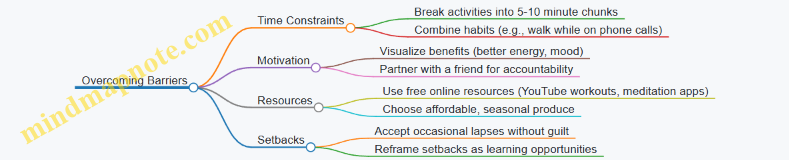
By integrating these inspirational insights and actionable tips into your daily life, you can create a sustainable path toward enhanced longevity and vibrant health. Remember, the journey to a longer healthspan is personal and unique—start where you are and build gradually with kindness and patience toward yourself.
11. Future Directions in Longevity Science
11.1 Emerging Research: Senolytics, NAD+ Boosters, and Beyond
In the quest to extend healthspan and improve longevity, cutting-edge scientific research is uncovering promising interventions that target the fundamental mechanisms of aging. Among the most exciting areas are senolytics and NAD+ boosters, which aim to rejuvenate cellular function and delay age-related decline.
What Are Senolytics?
Senolytics are a class of compounds designed to selectively eliminate senescent cells — aged cells that no longer divide but release harmful inflammatory signals. These senescent cells accumulate with age and contribute to tissue dysfunction and chronic inflammation.
Example:
- Quercetin and Dasatinib: A combination shown in studies to clear senescent cells in mice, improving physical function.
- Fisetin: A natural flavonoid found in strawberries and apples, with senolytic properties.
Mind Map: Senolytics Overview
NAD+ Boosters: Revitalizing Cellular Energy
Nicotinamide adenine dinucleotide (NAD+) is a vital coenzyme involved in energy metabolism and DNA repair. NAD+ levels decline with age, impairing cellular function.
NAD+ Boosters aim to restore these levels, potentially improving mitochondrial function and promoting longevity.
Common NAD+ Precursors:
- Nicotinamide Riboside (NR): Found in trace amounts in milk, supplements are available.
- Nicotinamide Mononucleotide (NMN): A direct precursor to NAD+, gaining popularity in longevity research.
Example:
- Studies in mice show NMN supplementation improves insulin sensitivity and physical activity.
Mind Map: NAD+ Boosters
Beyond Senolytics and NAD+ Boosters: Other Emerging Interventions
- Metformin: A diabetes drug under investigation for its potential to mimic calorie restriction benefits.
- Rapamycin: An immunosuppressant shown to extend lifespan in animal models by modulating mTOR pathways.
- Epigenetic Reprogramming: Techniques aiming to reset cellular aging markers.
Example:
- Metformin is being studied in the TAME (Targeting Aging with Metformin) trial to assess its effects on age-related diseases.
Mind Map: Other Emerging Longevity Interventions
Practical Examples and Considerations for Health-Conscious Adults
- Dietary Sources: Incorporate foods rich in natural senolytic compounds like berries (fisetin) and onions (quercetin).
- Supplementation: Consult healthcare providers before starting NAD+ boosters or senolytic supplements, as research is ongoing.
- Lifestyle: Maintain exercise and balanced nutrition to support natural NAD+ levels and reduce senescent cell accumulation.
Summary
Emerging research in senolytics and NAD+ boosters offers promising avenues to enhance healthspan by targeting aging at the cellular level. While many interventions are still experimental, incorporating natural sources and maintaining healthy lifestyle habits can complement these scientific advances.
Stay informed and consult professionals before integrating new supplements or therapies into your routine.
11.2 The Role of Technology: AI, Personalized Nutrition, and Telemedicine
Technology is rapidly transforming how we approach longevity and healthspan. From artificial intelligence (AI) enhancing diagnostics to personalized nutrition plans tailored to your unique biology, and telemedicine making healthcare more accessible, these innovations empower individuals to take control of their aging journey with precision and convenience.
Artificial Intelligence (AI) in Longevity
AI leverages vast datasets to identify patterns and predict health risks earlier than traditional methods. It can analyze genetic information, lifestyle factors, and medical history to provide personalized recommendations.
Examples:
- AI-powered apps that monitor heart rate variability to detect early signs of cardiovascular issues.
- Machine learning algorithms predicting the risk of developing diabetes based on lifestyle and biometrics.
Mind Map: AI Applications in Longevity

Personalized Nutrition
Personalized nutrition uses data from genetic tests, microbiome analysis, and metabolic profiling to create tailored dietary plans that optimize healthspan.
Examples:
- Nutrigenomics testing revealing how your body metabolizes fats and carbs, guiding your diet choices.
- Microbiome analysis suggesting specific probiotics or fiber intake to improve gut health.
Mind Map: Components of Personalized Nutrition

Telemedicine: Healthcare at Your Fingertips
Telemedicine enables remote consultations, monitoring, and management of health conditions, making healthcare more accessible, especially for midlife adults managing chronic conditions or preventive care.
Examples:
- Virtual check-ups with longevity specialists to adjust lifestyle interventions.
- Remote monitoring of blood pressure or glucose levels with data sent directly to your doctor.
Mind Map: Telemedicine Benefits for Longevity

Integrating Technology for Holistic Longevity Management
Combining AI, personalized nutrition, and telemedicine creates a powerful ecosystem for managing healthspan:
- AI analyzes your health data collected via wearables.
- Personalized nutrition plans adapt based on AI insights and ongoing biomarker feedback.
- Telemedicine provides continuous access to healthcare professionals who interpret data and adjust interventions.
Example: Sarah, a 50-year-old wellness seeker, uses a wearable that tracks sleep and activity. AI algorithms detect patterns indicating stress and suggest dietary adjustments. She consults her nutritionist via telemedicine to refine her plan, improving her sleep quality and energy levels over time.
Mind Map: Integrated Technology Approach
Practical Tips for Embracing Technology in Your Longevity Journey
- Start with simple wearable devices to monitor key health metrics like heart rate and sleep.
- Consider genetic or microbiome testing through reputable services to inform nutrition choices.
- Use telemedicine platforms for regular check-ins, especially if managing chronic conditions.
- Stay informed about new AI-driven health tools but consult healthcare professionals before making major changes.
By thoughtfully integrating these technologies, health-conscious adults can enhance their healthspan with personalized, data-driven strategies that evolve alongside scientific advancements.
11.3 Ethical Considerations in Longevity Interventions
As longevity science advances, ethical questions become increasingly important. Interventions that extend lifespan and healthspan raise complex issues that affect individuals, society, and future generations. Understanding these ethical considerations helps ensure that longevity technologies are developed and applied responsibly.
Key Ethical Themes in Longevity Interventions
Individual Impact
-
Autonomy: Individuals should have the right to choose whether to pursue longevity interventions. This includes understanding potential benefits and risks.
- Example: A 55-year-old considering gene therapy to reduce aging markers must receive clear information to make an informed decision.
-
Informed Consent: Ethical practice demands transparent communication about uncertainties and possible side effects.
- Example: Clinical trials for senolytic drugs require participants to be fully aware of experimental status and unknown long-term effects.
-
Access to Treatment: Ensuring fair access regardless of socioeconomic status is critical to prevent health disparities.
- Example: If a longevity supplement becomes available, pricing and distribution should consider affordability for diverse populations.
Societal Impact
-
Equity and Fairness: Longevity technologies should not widen existing inequalities.
- Example: Wealthier individuals gaining access to life-extending therapies while marginalized groups do not could exacerbate social divides.
-
Resource Allocation: Longer lifespans may increase demand for healthcare, pensions, and social services, raising questions about sustainable resource use.
- Example: Policymakers must balance funding between longevity research and other public health priorities.
-
Social Justice: Ethical frameworks should address how longevity affects employment, retirement, and intergenerational relationships.
- Example: Extended working years might disadvantage younger workers entering the job market.
Future Generations
-
Genetic Modification: Editing genes to extend lifespan raises concerns about unintended consequences and consent from future individuals.
- Example: Germline editing to reduce aging-related diseases could affect descendants who cannot consent.
-
Environmental Sustainability: Longer lifespans could impact resource consumption and environmental health.
- Example: Increased population longevity might intensify demands on water, food, and energy unless balanced by sustainable practices.
-
Population Growth: Ethical debates consider how extended lifespans influence global demographics and quality of life.
- Example: Strategies may be needed to address potential overpopulation or shifts in age distribution.
Scientific Integrity
-
Transparency: Researchers and companies must openly share data and potential conflicts of interest.
- Example: Publishing both positive and negative trial results for longevity drugs supports informed public discourse.
-
Safety and Risks: Prioritizing safety in developing interventions is essential to avoid harm.
- Example: Rigorous testing protocols for new therapies help prevent adverse effects that could undermine trust.
-
Regulation: Ethical oversight by regulatory bodies ensures responsible innovation.
- Example: Agencies like the FDA evaluate longevity treatments for efficacy and safety before approval.
Summary Mind Map
Final Thoughts
Ethical considerations in longevity interventions require ongoing dialogue among scientists, ethicists, policymakers, and the public. By addressing these issues thoughtfully, we can promote equitable, safe, and responsible advances that enhance healthspan for all.
11.4 How to Stay Informed: Reliable Sources and Continuing Education
Staying informed about longevity science and healthspan advancements is essential for making well-informed decisions and adapting your habits as new evidence emerges. The landscape of health and longevity research evolves rapidly, so cultivating a habit of continuous learning from trustworthy sources is key.
Why Staying Informed Matters
- Avoid misinformation: The internet is full of conflicting advice; reliable sources help you discern fact from fiction.
- Adapt to new science: Emerging research can refine or change best practices.
- Empowerment: Knowledge enables proactive health decisions.
Reliable Sources for Longevity and Healthspan Information
Peer-Reviewed Scientific Journals
- Examples: Nature Aging, The Journals of Gerontology, Cell Metabolism
- Access: Many articles are behind paywalls, but abstracts and summaries can be insightful.
- Tip: Use platforms like PubMed or Google Scholar to find studies.
Reputable Health Organizations
- Examples: World Health Organization (WHO), National Institute on Aging (NIA), Centers for Disease Control and Prevention (CDC)
- Content: Guidelines, fact sheets, and updates based on rigorous research.
Academic and Medical Institutions
- Examples: Harvard Health Publishing, Mayo Clinic, Cleveland Clinic
- Benefit: Translating complex research into accessible language.
Expert-Led Podcasts and Webinars
- Examples: “The Peter Attia Drive,” “FoundMyFitness” by Dr. Rhonda Patrick
- Why: Interviews with researchers and clinicians provide context and nuance.
Books by Credible Authors
- Examples: “Lifespan” by Dr. David Sinclair, “Blue Zones” by Dan Buettner
- Note: Look for authors with relevant credentials and citations.
Continuing Education Platforms
- Examples: Coursera, edX, Khan Academy (courses on biology, nutrition, aging)
- Benefit: Structured learning with expert instructors.
Mind Map: Sources of Reliable Longevity Information
Tips for Evaluating Information Quality
- Check the source: Is it a recognized institution or expert?
- Look for citations: Reliable content references scientific studies.
- Beware of sensationalism: Avoid sources promising quick fixes or miracle cures.
- Cross-check facts: Verify information across multiple reputable sources.
Continuing Education: How to Build a Learning Routine
- Set clear goals: Decide what topics you want to learn (e.g., nutrition, exercise, sleep science).
- Schedule regular time: Even 15-30 minutes a few times a week can build knowledge steadily.
- Mix formats: Read articles, watch videos, listen to podcasts, and take courses.
- Engage with communities: Join forums or social media groups focused on longevity to discuss and ask questions.
- Apply what you learn: Experiment with new habits and observe their effects.
Example: Creating a Personalized Learning Plan
| Step | Action | Example |
|---|---|---|
| Identify Interests | Choose specific topics | “Intermittent fasting and its effects on aging” |
| Find Resources | Select reliable sources | Enroll in a Coursera course on nutrition, subscribe to The Peter Attia Drive podcast |
| Schedule Learning | Allocate time weekly | 3 evenings a week, 20 minutes each |
| Track Progress | Keep a journal or digital log | Note key takeaways and questions after each session |
| Engage Community | Join online forums or local groups | Participate in Reddit’s r/longevity or local wellness meetups |
Mind Map: Steps to Stay Informed and Educated
Final Thoughts
Staying informed is an ongoing journey that empowers you to optimize your healthspan with confidence. By relying on credible sources, engaging in continuous education, and applying new knowledge thoughtfully, you can navigate the evolving field of longevity science effectively and sustainably.
11.5 Preparing for Tomorrow: Adapting Habits as Science Evolves
As longevity science advances rapidly, staying adaptable and open to new evidence-based habits is essential for maximizing your healthspan. Preparing for tomorrow means embracing a mindset of continuous learning and flexibility, so you can integrate emerging discoveries into your daily routine effectively.
Why Adaptability Matters in Longevity
- Scientific breakthroughs can shift our understanding of what promotes healthy aging.
- Rigid habits may become outdated or less effective over time.
- Being adaptable helps you avoid stagnation and benefit from cutting-edge interventions.
Mind Map: Adapting Longevity Habits
Examples of Adapting Habits Based on Emerging Science
-
Incorporating New Nutritional Insights
- Example: Recent studies highlight the benefits of polyphenols found in dark chocolate and green tea for cellular repair.
- Adaptation: Add a small daily portion of dark chocolate or a cup of green tea to your diet.
-
Adjusting Exercise Regimens
- Example: High-Intensity Interval Training (HIIT) has gained evidence for improving mitochondrial function.
- Adaptation: Integrate short HIIT sessions 2-3 times per week alongside moderate aerobic activities.
-
Embracing Novel Sleep Technologies
- Example: New devices that use gentle sound waves to enhance deep sleep phases.
- Adaptation: Experiment with clinically validated sleep enhancement gadgets to improve recovery.
-
Exploring Emerging Supplements
- Example: NAD+ precursors like nicotinamide riboside show promise in supporting cellular energy.
- Adaptation: After consulting a healthcare provider, consider supplementing with NAD+ boosters while monitoring effects.
Mind Map: Steps to Integrate New Longevity Science
Practical Tips for Future-Proofing Your Longevity Journey
- Schedule Quarterly Reviews: Every few months, assess your health habits and recent scientific developments.
- Maintain a Longevity Journal: Document changes, feelings, and outcomes to identify patterns.
- Build a Diverse Toolkit: Combine traditional habits (nutrition, exercise, sleep) with emerging practices.
- Stay Skeptical but Open: Balance curiosity with critical thinking to avoid fads.
- Invest in Education: Take online courses or read books on aging biology and wellness.
By preparing for tomorrow with adaptability and informed curiosity, you empower yourself to harness the best of longevity science as it unfolds—ensuring your healthspan continues to thrive alongside advancing knowledge.