Psychedelics and Mental Health: Evidence,Risks,and Therapy
1. Introduction to Psychedelics in Mental Health
1.1 Historical Context and Evolution of Psychedelic Research
Psychedelic substances have a rich and complex history that spans thousands of years, intertwining cultural, spiritual, and scientific narratives. Understanding this historical context is essential for clinicians, therapists, and mental health researchers to appreciate the evolution of psychedelic research and its implications for modern mental health therapy.
Early Use and Cultural Significance
Psychedelics such as psilocybin mushrooms, peyote, and ayahuasca have been used for millennia by indigenous cultures around the world for spiritual ceremonies, healing rituals, and community bonding. These traditional uses laid the groundwork for later scientific interest.
Example: The Mazatec people of Mexico have used psilocybin mushrooms in healing ceremonies for centuries, emphasizing the importance of set (mindset) and setting (environment) — concepts that remain central in contemporary psychedelic therapy.
Mid-20th Century: Scientific Discovery and Enthusiasm
- 1938: Albert Hofmann synthesizes LSD (lysergic acid diethylamide) at Sandoz Laboratories.
- 1943: Hofmann accidentally ingests LSD, experiencing its psychedelic effects, sparking scientific curiosity.
- 1950s-1960s: Psychedelics enter psychiatric research, with studies exploring LSD and psilocybin for alcoholism, depression, and anxiety.
Mind Map: Early Scientific Milestones
Example: Humphry Osmond’s work in the 1950s demonstrated promising results using LSD-assisted therapy for alcoholism, highlighting the potential for psychedelics to catalyze psychological breakthroughs.
The Backlash and Research Hiatus
By the late 1960s, psychedelics became associated with countercultural movements, leading to widespread recreational use and political backlash.
- 1970: The Controlled Substances Act classified many psychedelics as Schedule I drugs in the US.
- Resulted in a near-total halt of clinical research for decades.
Mind Map: Factors Leading to Research Hiatus
Example: Despite promising early findings, the classification of LSD as Schedule I effectively ended federally funded research in the US, limiting scientific exploration.
Renaissance of Psychedelic Research (2000s–Present)
Starting in the late 1990s and early 2000s, a resurgence of interest in psychedelics emerged, driven by improved research methodologies and changing societal attitudes.
- 2006: Roland Griffiths at Johns Hopkins publishes landmark psilocybin studies demonstrating safety and efficacy.
- MAPS (Multidisciplinary Association for Psychedelic Studies) advances MDMA-assisted therapy for PTSD.
- Increasing number of randomized controlled trials (RCTs) and meta-analyses.
Mind Map: Modern Psychedelic Research Renaissance
Example: The FDA’s Breakthrough Therapy designation for psilocybin in treatment-resistant depression exemplifies how regulatory bodies are recognizing the therapeutic potential of psychedelics.
Best Practice Integration: Learning from History
- Respect for Set and Setting: Rooted in indigenous traditions, modern therapy emphasizes preparation and environment to optimize outcomes.
- Rigorous Scientific Methodology: Learning from past methodological flaws, current research employs controlled, blinded studies.
- Ethical Considerations: Awareness of past abuses informs strict ethical guidelines today.
Example: Contemporary psilocybin trials incorporate extensive patient preparation sessions and controlled environments, reflecting lessons from both traditional use and early clinical research.
Summary Mind Map: Evolution of Psychedelic Research
This historical overview provides clinicians, therapists, and researchers with a foundational understanding of how psychedelic research has evolved, highlighting the importance of integrating cultural respect, scientific rigor, and ethical responsibility into current and future mental health applications.
1.2 Overview of Common Psychedelic Substances and Their Mechanisms
Psychedelic substances have garnered significant attention in mental health research due to their unique ability to alter perception, cognition, and mood. Understanding the common psychedelics and their mechanisms is crucial for clinicians and therapists to safely and effectively incorporate them into therapeutic practice.
Common Psychedelic Substances
| Substance | Source/Type | Primary Mechanism of Action | Typical Duration | Example Use in Therapy |
|---|---|---|---|---|
| Psilocybin | Naturally occurring (magic mushrooms) | 5-HT2A receptor agonist | 4–6 hours | Treatment-resistant depression, anxiety |
| LSD (Lysergic acid diethylamide) | Synthetic | 5-HT2A receptor agonist | 8–12 hours | Anxiety, cluster headaches |
| MDMA (3,4-Methylenedioxymethamphetamine) | Synthetic | Releases serotonin, dopamine, norepinephrine; also acts on 5-HT receptors | 3–6 hours | PTSD therapy |
| DMT (N,N-Dimethyltryptamine) | Naturally occurring (Ayahuasca) | 5-HT2A receptor agonist | 15–60 minutes | Spiritual and psychological healing |
| Mescaline | Naturally occurring (Peyote cactus) | 5-HT2A receptor agonist | 8–12 hours | Anxiety, depression |
Mechanisms of Action
Most classic psychedelics primarily act as agonists at the serotonin 2A receptor (5-HT2A), which is highly expressed in the cortex, particularly in areas involved in cognition, perception, and mood regulation. Activation of these receptors leads to a cascade of neural effects, including increased cortical entropy, altered connectivity, and modulation of default mode network activity.
MDMA differs somewhat by primarily increasing the release of serotonin, dopamine, and norepinephrine, producing empathogenic effects rather than classic psychedelic hallucinations.
Mind Map: Classification and Mechanisms of Psychedelics
Example: Psilocybin’s Mechanism in Therapy
Psilocybin is metabolized into psilocin, which binds to 5-HT2A receptors on cortical pyramidal neurons. This binding disrupts normal patterns of brain activity, particularly in the default mode network (DMN), which is associated with self-referential thought and rumination. By temporarily reducing DMN activity, psilocybin can facilitate new perspectives and emotional breakthroughs in patients with depression or anxiety.
Clinicians can explain this mechanism to patients as “a temporary reset of the brain’s usual patterns,” helping them understand the therapeutic potential and set realistic expectations.
Best Practice Example: Explaining Mechanisms to Patients
Scenario: A therapist preparing a patient for psilocybin-assisted therapy.
Approach: Use simple analogies such as “Psilocybin acts like a software update for your brain, helping to clear out old, unhelpful thought patterns and making space for new ways of thinking and feeling.”
This approach helps demystify the process and builds trust.
Summary
Understanding the pharmacology and mechanisms of common psychedelics enables clinicians and therapists to tailor interventions, anticipate effects, and manage risks effectively. Integrating this knowledge with patient education fosters a collaborative therapeutic environment.
1.3 Current Landscape: Legal Status and Clinical Applications
The current landscape of psychedelics in mental health is marked by evolving legal frameworks and expanding clinical applications. Understanding this dynamic environment is crucial for clinicians, therapists, and researchers aiming to responsibly integrate psychedelics into therapeutic practice.
Legal Status Overview
Psychedelic substances occupy a complex legal space worldwide, with variations based on country, substance, and intended use. While many psychedelics remain classified as Schedule I or equivalent—indicating high potential for abuse and no accepted medical use—there is a growing movement toward decriminalization and medical legalization.
Mind Map: Legal Status of Psychedelics Globally
Examples of Legal Developments
- Oregon Psilocybin Services Act (2020): Oregon became the first U.S. state to legalize psilocybin for supervised therapeutic use, establishing a regulatory framework for licensed facilitators.
- FDA Breakthrough Therapy Designation: MDMA for PTSD and psilocybin for treatment-resistant depression have received this designation, accelerating clinical trials and regulatory review.
Clinical Applications
Psychedelic-assisted therapy is emerging as a promising intervention for various mental health conditions. Clinical applications are primarily focused on disorders with limited response to conventional treatments.
Mind Map: Clinical Applications of Psychedelic Therapy
Examples of Clinical Use
- Psilocybin for Treatment-Resistant Depression: Johns Hopkins University conducted randomized controlled trials demonstrating significant symptom reduction after psilocybin sessions combined with psychotherapy.
- MDMA-Assisted Therapy for PTSD: MAPS-sponsored Phase 3 trials showed substantial improvement in PTSD symptoms, leading to anticipated FDA approval.
Best Practices in Navigating Legal and Clinical Contexts
- Stay Informed: Regularly update knowledge on local and international legal changes.
- Ethical Compliance: Ensure informed consent explicitly covers legal status and potential risks.
- Collaborate with Regulatory Bodies: Engage with institutional review boards and licensing agencies.
- Document Thoroughly: Maintain detailed records of clinical protocols and patient outcomes.
Example: Integrating Legal Awareness into Clinical Practice
Dr. Smith, a clinical psychologist in Oregon, incorporates a legal briefing into the initial patient consultation for psilocybin therapy. She explains the state’s regulatory framework, the supervised nature of sessions, and the limits of legal protections. This transparency builds trust and aligns expectations.
In summary, the legal status of psychedelics is in flux, with increasing acceptance for medical and research purposes. Clinical applications are expanding, supported by growing evidence and regulatory progress. Clinicians must navigate this landscape with diligence, ethical rigor, and patient-centered care.
1.4 Best Practice: Establishing a Therapeutic Framework for Psychedelic Use
Establishing a robust therapeutic framework is essential for safely and effectively integrating psychedelics into mental health treatment. This framework ensures that clinicians and therapists can maximize therapeutic benefits while minimizing risks. Below, we outline key components of such a framework, supported by mind maps and practical examples.
Key Components of a Therapeutic Framework
Preparation Phase
Preparation is critical to set the stage for a safe and meaningful psychedelic experience.
- Screening: Comprehensive assessment of medical history, psychiatric conditions, and current medications to identify contraindications.
- Informed Consent: Clear communication about potential benefits, risks, and unknowns.
- Setting Expectations: Educating patients on what to expect during the session, including possible challenging experiences.
Example:
A therapist uses a structured intake questionnaire to identify a patient with a family history of psychosis, deciding to exclude them from psilocybin therapy to minimize risk.
Administration Phase
This phase focuses on the controlled delivery of the psychedelic substance.
- Controlled Environment: Quiet, comfortable, and safe setting to reduce anxiety.
- Dosage Management: Tailoring dose to individual needs and therapeutic goals.
- Therapist Presence: Continuous supportive presence to guide and reassure.
Example:
During an MDMA-assisted therapy session for PTSD, the therapist maintains a calm presence, uses grounding techniques when the patient experiences anxiety, and adjusts the session flow accordingly.
Integration Phase
Integration consolidates insights gained during the psychedelic experience into lasting therapeutic change.
- Post-Session Processing: Debriefing and discussing the experience.
- Psychotherapy Support: Using talk therapy to explore emotions and insights.
- Lifestyle Adjustments: Encouraging habits that support mental health.
Example:
A patient completes a series of integration sessions involving mindfulness training and journaling to process revelations from a psilocybin session addressing depression.
Risk Management
Proactive risk management safeguards patient well-being throughout the therapeutic process.
- Contraindications: Identifying patients for whom psychedelics are unsafe.
- Emergency Protocols: Preparing for adverse psychological or physical reactions.
- Psychological Support: Providing immediate and ongoing support for challenging experiences.
Example:
A clinic establishes a protocol where a trained medical professional is on-site during sessions, and therapists are trained in de-escalation techniques for acute anxiety or panic.
Summary
By systematically addressing preparation, administration, integration, and risk management, clinicians can create a therapeutic framework that supports safe, ethical, and effective psychedelic-assisted mental health treatment. Incorporating clear protocols, patient education, and therapist training ensures that psychedelic therapy is delivered with the highest standards of care.
Additional Practical Example
Scenario: A therapist preparing a patient for a psilocybin session for treatment-resistant depression.
- The therapist conducts a thorough screening, identifying no contraindications.
- They provide detailed informed consent, discussing potential emotional upheavals.
- The session is scheduled in a calming environment with soft lighting and music.
- During the session, the therapist uses grounding techniques when the patient experiences transient anxiety.
- Post-session, the patient participates in integration therapy involving journaling and weekly psychotherapy.
This example illustrates the therapeutic framework in action, emphasizing safety, support, and continuity of care.
1.5 Example: Case Study of Early Psychedelic Therapy Trials
Early psychedelic therapy trials laid the foundation for modern clinical applications by exploring both the therapeutic potential and challenges of substances like LSD and psilocybin. This case study focuses on one of the pioneering trials conducted in the 1950s and 1960s, highlighting key methodologies, outcomes, and lessons learned.
Background
In the mid-20th century, researchers began investigating LSD as a treatment for various psychiatric conditions, including alcoholism, depression, and anxiety. One landmark study was conducted by Dr. Humphry Osmond and colleagues, who explored LSD-assisted therapy for alcoholism.
Trial Overview
- Objective: To evaluate the efficacy of LSD in reducing alcohol dependence.
- Participants: Adults diagnosed with chronic alcoholism.
- Method: Single or multiple LSD sessions combined with psychotherapy.
- Setting: Controlled clinical environment with therapist support.
Therapeutic Framework
The trial emphasized preparation, support during the psychedelic experience, and post-session integration.
Key Findings
- Many participants reported profound insights and emotional breakthroughs during LSD sessions.
- Significant reductions in alcohol consumption were observed in a substantial subset of patients.
- The importance of the therapeutic setting and support was underscored to manage challenging experiences.
Best Practice Highlight
Establishing a Safe and Supportive Environment:
- Example: Therapists prepared patients by discussing possible experiences and coping strategies, which helped reduce anxiety during sessions.
- Example: During sessions, therapists maintained a calm presence, using grounding techniques when patients experienced distress.
Lessons Learned
- The necessity of integrating psychedelic experiences with ongoing psychotherapy to sustain benefits.
- Recognition of potential risks such as psychological distress, emphasizing careful screening.
- Early trials lacked standardized protocols, leading to variability in outcomes.
Modern Reflection
These early trials inform current best practices by illustrating the critical role of preparation, therapeutic support, and integration. They also highlight the need for rigorous methodology and ethical considerations.
Additional Mind Map: Therapeutic Components in Early Trials
This case study exemplifies how early psychedelic therapy trials combined scientific inquiry with compassionate clinical care, setting the stage for the resurgence of psychedelic-assisted therapies in contemporary mental health treatment.
2. Scientific Evidence Supporting Psychedelic Therapy
2.1 Neurobiological Effects of Psychedelics on Brain Function
Psychedelic substances, such as psilocybin, LSD, and DMT, exert profound effects on brain function by interacting primarily with serotonin receptors, especially the 5-HT2A receptor subtype. Understanding these neurobiological mechanisms is essential for clinicians and researchers to appreciate how psychedelics can facilitate therapeutic outcomes in mental health.
Key Neurobiological Mechanisms
-
Serotonin 5-HT2A Receptor Agonism
- Psychedelics act as partial agonists at 5-HT2A receptors, predominantly located in the prefrontal cortex.
- This receptor activation leads to increased excitability and altered connectivity.
-
Disruption of Default Mode Network (DMN)
- The DMN is associated with self-referential thought and rumination.
- Psychedelics reduce DMN integrity, which may underlie ego dissolution and altered self-perception.
-
Increased Neural Plasticity
- Psychedelics promote synaptogenesis and dendritic spine growth.
- Enhanced plasticity supports new learning and emotional processing.
-
Altered Functional Connectivity
- Increased global connectivity between brain regions that typically do not communicate extensively.
- This may facilitate novel insights and cognitive flexibility.
Mind Map: Neurobiological Effects of Psychedelics
Example: Psilocybin’s Impact on Depression via DMN Modulation
In treatment-resistant depression, hyperactivity and rigid connectivity within the DMN are linked to persistent negative self-focused thoughts. Psilocybin administration has been shown to acutely reduce DMN connectivity, correlating with reports of ego dissolution and a sense of interconnectedness. This disruption allows patients to break free from entrenched negative thought patterns, facilitating therapeutic breakthroughs.
Best Practice: Translating Neurobiology into Clinical Understanding
Clinicians should integrate knowledge of these neurobiological effects when preparing patients for psychedelic-assisted therapy. For example, explaining the concept of DMN disruption can help patients understand why they might experience a temporary loss of self-boundaries or altered perception. This framing can reduce anxiety during sessions and enhance therapeutic rapport.
Additional Mind Map: Clinical Implications of Neurobiological Effects
Example: Grounding During Challenging Neurobiological Effects
A patient undergoing an LSD session may experience intense ego dissolution due to DMN disruption. The therapist can use grounding techniques such as focused breathing or sensory awareness to help the patient stay present, acknowledging the neurobiological basis of their experience to reduce fear and promote safety.
In summary, psychedelics modulate brain function through serotonin receptor agonism, network connectivity changes, and enhanced plasticity. These neurobiological effects underpin the therapeutic potential of psychedelics and provide a framework for clinicians to support patients effectively throughout psychedelic-assisted therapy.
2.2 Clinical Trials: Depression, PTSD, Anxiety, and Addiction
Clinical trials investigating psychedelics have rapidly expanded over the last decade, providing compelling evidence for their efficacy in treating several mental health conditions. This section explores key clinical trials focusing on depression, PTSD, anxiety, and addiction, highlighting methodologies, outcomes, and practical examples to guide clinicians and researchers.
Depression
Overview
Major depressive disorder (MDD), particularly treatment-resistant depression (TRD), has been a primary focus of psychedelic research. Psilocybin-assisted therapy has shown promising results in alleviating depressive symptoms where conventional treatments have failed.
Key Clinical Trial Example
- Study: Johns Hopkins University (2020)
- Design: Randomized, double-blind, placebo-controlled trial
- Participants: 24 patients with TRD
- Intervention: Two doses of psilocybin (20 mg/70 kg and 30 mg/70 kg) with psychological support
- Outcome: Significant reduction in depressive symptoms sustained up to 4 weeks post-treatment
Best Practice Example
In clinical settings, combining psilocybin administration with preparatory and integration psychotherapy sessions enhances therapeutic outcomes. For instance, therapists guide patients to explore emotional insights during integration, facilitating long-term mood improvements.
Mind Map: Psilocybin Therapy for Depression
Post-Traumatic Stress Disorder (PTSD)
Overview
MDMA-assisted psychotherapy has emerged as a breakthrough treatment for PTSD, facilitating emotional processing and reducing avoidance behaviors.
Key Clinical Trial Example
- Study: MAPS Phase 3 Trial (2021)
- Design: Randomized, double-blind, placebo-controlled
- Participants: 90 individuals with chronic PTSD
- Intervention: Three sessions of MDMA-assisted therapy combined with psychotherapy
- Outcome: 67% of MDMA group no longer met PTSD criteria compared to 32% in placebo
Best Practice Example
Therapists employ trauma-informed care principles, ensuring safety and trust. During MDMA sessions, therapists maintain a non-directive supportive stance, allowing patients to process traumatic memories with reduced fear.
Mind Map: MDMA-Assisted Therapy for PTSD
Anxiety
Overview
Anxiety disorders, including existential anxiety in terminal illness, have been targeted with psilocybin therapy showing rapid and sustained symptom relief.
Key Clinical Trial Example
- Study: NYU Langone Health (2016)
- Design: Open-label pilot study
- Participants: 12 patients with life-threatening cancer and anxiety
- Intervention: Single dose of psilocybin with psychotherapy
- Outcome: Significant reductions in anxiety and depression lasting up to 6 months
Best Practice Example
Clinicians emphasize preparation to address fears about the psychedelic experience and use mindfulness-based integration techniques post-session to sustain anxiety reduction.
Mind Map: Psilocybin for Anxiety in Terminal Illness
Addiction
Overview
Psychedelic-assisted therapies, especially with psilocybin and ibogaine, have demonstrated potential in treating substance use disorders by promoting psychological flexibility and reducing cravings.
Key Clinical Trial Example
- Study: Johns Hopkins (2014)
- Design: Open-label pilot study
- Participants: 15 smokers seeking cessation
- Intervention: Two to three psilocybin sessions with cognitive-behavioral therapy
- Outcome: 80% abstinence at 6 months, significantly higher than standard treatments
Best Practice Example
Therapists integrate motivational interviewing with psychedelic sessions to enhance commitment to change, using follow-up counseling to reinforce new behaviors.
Mind Map: Psilocybin-Assisted Smoking Cessation
Summary
The clinical trials across depression, PTSD, anxiety, and addiction consistently highlight the importance of combining psychedelic administration with structured psychotherapy. Best practices include thorough screening, preparation, supportive dosing sessions, and robust integration to maximize therapeutic benefits and minimize risks.
Clinicians and researchers are encouraged to adopt these evidence-based protocols and adapt them to individual patient needs, fostering safe and effective psychedelic-assisted mental health care.
2.3 Meta-Analyses and Systematic Reviews: Synthesizing Outcomes
Meta-analyses and systematic reviews serve as critical tools in synthesizing the growing body of research on psychedelics and mental health. They aggregate data from multiple studies to provide a clearer, more reliable picture of efficacy, safety, and therapeutic mechanisms, helping clinicians and researchers make informed decisions.
Understanding Meta-Analyses and Systematic Reviews
- Systematic Review: A structured, comprehensive survey of all relevant studies on a specific topic, following a predefined protocol to minimize bias.
- Meta-Analysis: A statistical technique that combines quantitative data from multiple studies to calculate an overall effect size.
These approaches help overcome limitations of individual studies such as small sample sizes or methodological variability.
Key Findings from Meta-Analyses on Psychedelic Therapy
Several recent meta-analyses have evaluated psychedelics like psilocybin, LSD, and MDMA for mental health conditions:
- Depression: A 2021 meta-analysis of psilocybin trials showed significant reductions in depressive symptoms with large effect sizes sustained up to 6 months post-treatment.
- PTSD: Meta-analyses of MDMA-assisted therapy indicate substantial symptom improvement and remission rates compared to controls.
- Anxiety: Systematic reviews report moderate to large effects of psychedelics in reducing anxiety, especially in life-threatening illness contexts.
- Addiction: Meta-analyses suggest psychedelics can facilitate smoking cessation and reduce alcohol dependence with promising long-term outcomes.
Mind Map: Synthesizing Outcomes from Psychedelic Meta-Analyses
Best Practice: Interpreting Meta-Analytic Data in Clinical Context
- Evaluate Study Quality: Not all meta-analyses weigh studies equally; prioritize those with rigorous inclusion criteria.
- Consider Heterogeneity: Variations in dosing, setting, and patient populations can affect outcomes.
- Understand Effect Sizes: Look beyond statistical significance to clinical relevance.
- Stay Updated: Psychedelic research is rapidly evolving; new meta-analyses may shift conclusions.
Example: Applying Meta-Analytic Evidence to Treatment Planning
A clinician treating a patient with treatment-resistant depression reviews a 2022 meta-analysis showing psilocybin’s large effect size and sustained symptom relief. They use this evidence to discuss potential benefits and risks with the patient, integrating it into a shared decision-making process and tailoring the therapy protocol accordingly.
Mind Map: Best Practices for Using Meta-Analyses in Clinical Decision-Making
In summary, meta-analyses and systematic reviews are indispensable for synthesizing the complex and expanding literature on psychedelics in mental health. By carefully interpreting these aggregated findings, clinicians and researchers can enhance evidence-based practice and optimize therapeutic outcomes.
2.4 Best Practice: Interpreting and Applying Research Findings in Clinical Settings
Interpreting and applying research findings on psychedelics in mental health requires a nuanced understanding of both the scientific evidence and the clinical context. Clinicians and therapists must critically evaluate study designs, outcomes, and limitations to translate findings into safe, effective, and personalized care.
Key Steps for Interpretation and Application
-
Evaluate Study Quality and Relevance
- Consider sample size, control groups, blinding, and replication.
- Assess whether the patient population matches your clinical context.
-
Understand Outcome Measures
- Distinguish between short-term symptom relief and long-term functional improvements.
- Recognize subjective measures (e.g., self-reported anxiety) versus objective biomarkers.
-
Contextualize Within Clinical Practice
- Adapt protocols to individual patient needs, comorbidities, and preferences.
- Integrate psychedelic therapy with existing treatment plans.
-
Monitor and Document Patient Responses
- Use validated scales to track progress.
- Adjust treatment based on ongoing assessment.
Mind Map: Interpreting Psychedelic Research Findings
Mind Map: Applying Research in Clinical Settings
Example 1: Translating Psilocybin Research for Treatment-Resistant Depression
Research Context: A randomized controlled trial demonstrated significant symptom reduction in treatment-resistant depression after two supervised psilocybin sessions.
Clinical Application:
- Patient Selection: Screen for exclusion criteria such as personal or family history of psychosis.
- Preparation: Provide psychoeducation and build therapeutic rapport.
- Session Adaptation: Use the dosing schedule validated in the study but adjust for patient sensitivity.
- Integration: Employ psychotherapy sessions post-psilocybin to consolidate insights.
- Monitoring: Use the Montgomery-Åsberg Depression Rating Scale (MADRS) to track symptom changes.
This approach respects the evidence while tailoring to individual patient needs.
Example 2: Applying MDMA-Assisted Therapy Research for PTSD
Research Context: Phase 3 trials showed MDMA-assisted therapy significantly reduced PTSD symptoms compared to placebo.
Clinical Application:
- Risk Assessment: Exclude patients with cardiovascular conditions due to MDMA’s sympathomimetic effects.
- Therapeutic Model: Follow the manualized MAPS protocol, including preparatory, dosing, and integration sessions.
- Safety Monitoring: Continuous monitoring of vital signs during sessions.
- Outcome Evaluation: Use Clinician-Administered PTSD Scale (CAPS-5) scores to assess efficacy.
By adhering to the research protocol and safety guidelines, clinicians can optimize outcomes.
Summary
Interpreting and applying psychedelic research in clinical settings demands a balance between scientific rigor and individualized care. Utilizing mind maps can help clinicians organize complex information, while concrete examples illustrate practical translation. Continuous education, critical appraisal, and patient-centered flexibility are essential for best practice.
2.5 Example: Successful Integration of Psilocybin Therapy in Treatment-Resistant Depression
Case Overview
A 45-year-old patient with a 10-year history of treatment-resistant major depressive disorder (MDD) underwent psilocybin-assisted therapy as part of a controlled clinical trial. Previous pharmacological treatments and psychotherapy had limited effect. The integration phase following two supervised psilocybin sessions was critical in consolidating therapeutic gains.
Integration Process Mind Map
Example: Reflective Journaling Excerpt
Patient’s journal entry after first psilocybin session:
“Today I felt like I was able to see my depression not as a permanent state but as a cloud that passes. I realized how much I’ve been isolating myself and how fear has been controlling my decisions. I want to try reconnecting with old friends and start small by going for walks outside.”
Therapist’s Role in Integration
- Facilitate open, nonjudgmental dialogue about the psychedelic experience.
- Help patient translate abstract insights into concrete behavioral changes.
- Use motivational interviewing to support patient autonomy and commitment.
Behavioral Activation Plan Mind Map
Outcome
Over a 12-week integration period, the patient reported significant reduction in depressive symptoms measured by standardized scales (e.g., HAM-D score decreased from 24 to 8). The patient described increased emotional openness, improved social engagement, and enhanced quality of life.
Key Takeaways for Clinicians
- Integration is as crucial as the psychedelic session itself for lasting benefits.
- Structured approaches combining reflective practices, behavioral activation, and emotional regulation optimize outcomes.
- Tailoring integration strategies to individual patient needs enhances engagement and efficacy.
This example illustrates how psilocybin therapy, when paired with comprehensive integration, can offer meaningful improvements in treatment-resistant depression.
3. Psychological and Therapeutic Mechanisms
3.1 Altered States of Consciousness and Therapeutic Potential
Psychedelic substances induce profound alterations in consciousness that differ significantly from ordinary waking states. These altered states are characterized by changes in perception, cognition, emotion, and sense of self, which can open unique therapeutic avenues for mental health treatment.
Understanding Altered States of Consciousness (ASC)
Altered states of consciousness refer to any mental state that deviates from baseline waking consciousness. Psychedelics such as psilocybin, LSD, and DMT reliably induce ASCs marked by:
- Enhanced sensory perception (e.g., visual and auditory intensification)
- Altered sense of time and space
- Ego dissolution or depersonalization
- Heightened emotionality and introspection
- Mystical-type experiences
These experiences can facilitate psychological breakthroughs by disrupting rigid patterns of thought and behavior.
Mind Map: Components of Psychedelic-Induced Altered States of Consciousness
Therapeutic Potential of ASCs
The therapeutic potential of psychedelic-induced ASCs lies in their ability to:
-
Disrupt Maladaptive Neural Patterns: Psychedelics temporarily reduce activity in the default mode network (DMN), a brain network associated with self-referential thought and rumination, often hyperactive in depression and anxiety.
-
Facilitate Emotional Processing: Heightened emotionality allows patients to access and process difficult feelings in a safe, supported environment.
-
Promote Insight and Meaning-Making: Experiences of ego dissolution and mystical-type states can foster new perspectives on self, relationships, and life purpose.
-
Enhance Neuroplasticity: Psychedelics promote synaptic growth and connectivity, potentially supporting lasting psychological change.
Mind Map: Therapeutic Mechanisms of Psychedelic ASCs
Best Practice: Facilitating Therapeutic ASCs
Clinicians and therapists should create an environment that maximizes therapeutic benefit while minimizing distress during ASCs. Key practices include:
- Preparation: Educate patients about potential experiences and normalize challenging phenomena.
- Safe Setting: Provide a comfortable, controlled environment with trusted support.
- Supportive Presence: Maintain a calm, non-judgmental therapeutic stance.
- Integration: Assist patients in making sense of their experiences post-session.
Example: Guided Exploration of Ego Dissolution
A 35-year-old patient with treatment-resistant depression participates in a psilocybin-assisted therapy session. During the peak, they experience ego dissolution, describing a sensation of “merging with the universe” and loss of self-boundaries. The therapist gently encourages the patient to observe these feelings without fear, framing the experience as an opportunity to release entrenched negative self-concepts. Post-session integration focuses on translating this insight into daily life, helping the patient reframe their identity beyond depressive narratives.
Example: Using Visual Art to Support ASC Processing
In a therapy session following an LSD experience, a patient creates abstract paintings representing their perceptual and emotional journey. This creative expression serves as a bridge between the ineffable ASC and verbal processing, allowing the therapist and patient to explore themes of transformation and healing collaboratively.
In summary, altered states of consciousness induced by psychedelics offer a unique therapeutic window. When carefully guided and integrated, these states can catalyze profound psychological healing and growth.
3.2 Role of Mystical and Transpersonal Experiences in Healing
Psychedelic therapy often facilitates profound mystical and transpersonal experiences, which are increasingly recognized as key mechanisms driving therapeutic outcomes. These experiences transcend ordinary consciousness, fostering a sense of unity, timelessness, and deep meaning that can catalyze psychological healing and personal transformation.
Understanding Mystical and Transpersonal Experiences
Mystical experiences typically involve several core characteristics:
- Unity: A feeling of oneness with the universe or a higher power.
- Transcendence of time and space: A sense that normal boundaries of time and space dissolve.
- Ineffability: Difficulty describing the experience in words.
- Sacredness: Perception of the experience as deeply meaningful or sacred.
- Noetic quality: A feeling of gaining profound insight or knowledge.
Transpersonal experiences extend beyond the personal self, often involving spiritual or existential dimensions that connect individuals to something greater than themselves.
Mind Map: Core Features of Mystical Experiences
Therapeutic Importance
-
Reduction in Psychological Distress: Mystical experiences can disrupt rigid thought patterns associated with depression, anxiety, and PTSD, allowing new perspectives and emotional release.
-
Enhanced Meaning and Purpose: Patients often report a renewed sense of meaning in life, which supports long-term recovery and resilience.
-
Ego Dissolution and Self-Compassion: The temporary loss of ego boundaries can reduce self-critical thoughts and foster compassion toward oneself and others.
-
Motivation for Behavioral Change: Insights gained during these experiences can inspire positive lifestyle changes and adherence to therapeutic goals.
Mind Map: Therapeutic Outcomes Linked to Mystical Experiences
Best Practice: Facilitating Mystical Experiences in Therapy
- Preparation: Educate patients about the potential for mystical experiences and encourage openness without pressure.
- Set and Setting: Create a safe, supportive environment that fosters trust and relaxation.
- Guidance: Use gentle prompts or music to support the unfolding experience without directing it.
- Integration: Post-session therapy should focus on helping patients articulate and make sense of their experiences, linking insights to real-life changes.
Examples
Example 1: Psilocybin-Assisted Therapy for Depression
A 45-year-old patient with treatment-resistant depression underwent psilocybin therapy. During the session, they experienced a profound sense of unity with nature and a timeless state of peace. Post-session integration focused on exploring the meaning of this experience, which led the patient to reconnect with previously abandoned hobbies and relationships, contributing to sustained mood improvement.
Example 2: MDMA-Assisted PTSD Therapy
A combat veteran reported a transpersonal experience during MDMA sessions characterized by a feeling of unconditional love and connection to humanity. This experience helped dissolve feelings of isolation and shame, enabling the patient to process traumatic memories more effectively and engage more openly in therapy.
Mind Map: Integration Strategies for Mystical Experiences
In conclusion, mystical and transpersonal experiences are not merely epiphenomena but central therapeutic agents in psychedelic-assisted mental health treatment. Clinicians and therapists should skillfully support these experiences and their integration to maximize healing and transformation.
3.3 Integration Techniques Post-Psychedelic Sessions
Integration is a critical phase following psychedelic therapy sessions, where patients process and incorporate their experiences into daily life. Effective integration techniques help solidify therapeutic gains, promote insight, and reduce the risk of adverse psychological effects.
Key Integration Techniques
- Reflective Journaling
- Therapeutic Dialogue
- Mindfulness and Meditation Practices
- Creative Expression
- Somatic Awareness and Bodywork
- Community and Peer Support
Mind Map: Overview of Integration Techniques
Reflective Journaling
Encouraging patients to keep a journal after their psychedelic sessions can help them articulate complex emotions and insights. Simple prompts such as “What did I learn about myself?” or “What feelings arose during the session?” can guide reflection.
Example: A patient writes daily entries for two weeks post-session, noting shifts in mood and recurring themes. This practice supports recognition of progress and areas needing further exploration.
Therapeutic Dialogue
Regular follow-up sessions with a therapist provide a safe space to discuss the psychedelic experience and its implications. Therapists can help patients contextualize visions or emotions and relate them to life challenges.
Example: A therapist uses open-ended questions like “How do you feel this experience relates to your anxiety?” to deepen understanding and foster integration.
Mindfulness and Meditation Practices
Mindfulness anchors patients in the present, helping them observe thoughts and sensations without judgment. This can alleviate residual anxiety or confusion from the psychedelic experience.
Example: Patients are guided through daily 10-minute breathing meditations, focusing on bodily sensations and emotional states.
Creative Expression
Art, music, dance, or writing can serve as non-verbal outlets for processing psychedelic insights. These activities often reveal subconscious material and foster emotional release.
Example: A patient creates a series of paintings reflecting the colors and emotions experienced during their session, which later become discussion points in therapy.
Somatic Awareness and Bodywork
Psychedelic experiences can manifest physically; somatic techniques help patients reconnect with their bodies and release tension or trauma.
Example: Incorporating gentle yoga or guided body scans helps patients notice and soothe areas of physical discomfort linked to emotional states.
Community and Peer Support
Engagement with integration circles or peer groups normalizes the psychedelic experience and offers shared wisdom and encouragement.
Example: Patients attend weekly integration groups where they share experiences, challenges, and coping strategies in a confidential setting.
Mind Map: Integration Process Flow
Summary
Integration techniques are multifaceted and should be tailored to individual patient needs. Combining reflective, somatic, creative, and social approaches enhances the likelihood of sustained mental health improvements following psychedelic therapy.
Clinicians and therapists are encouraged to collaboratively develop personalized integration plans, incorporating these techniques with clear examples to guide patients through their healing journey.
3.4 Best Practice: Facilitating Meaning-Making and Insight During Therapy
Facilitating meaning-making and insight during psychedelic therapy is a cornerstone for achieving lasting therapeutic benefits. Psychedelic experiences often catalyze profound shifts in perception, self-understanding, and emotional processing. As clinicians and therapists, guiding patients to articulate and integrate these experiences enhances their potential for healing and growth.
Key Principles for Facilitating Meaning-Making and Insight
- Create a Safe and Supportive Environment: Patients must feel emotionally and physically safe to explore vulnerable insights.
- Use Open-Ended, Reflective Questions: Encourage patients to explore their experience without judgment.
- Normalize and Validate Experiences: Help patients understand that unusual or intense experiences are part of the therapeutic process.
- Encourage Narrative Construction: Assist patients in forming coherent stories around their psychedelic experience.
- Promote Emotional Processing: Facilitate expression and exploration of feelings that arise.
- Support Integration into Daily Life: Link insights to actionable changes or new perspectives.
Mind Map: Facilitating Meaning-Making and Insight
Practical Techniques and Examples
-
Reflective Dialogue
- Example: After a patient describes a moment of profound connection with nature during a psilocybin session, the therapist asks, “What does this connection mean for you outside of the session?” This invites the patient to explore how this insight might influence their relationship with the environment or themselves.
-
Guided Journaling
- Example: Post-session, patients are encouraged to write about their experience focusing on themes, emotions, and any new perspectives. A prompt might be: “Describe a moment from your session that felt significant and why.”
-
Metaphor Exploration
- Example: A patient describes feeling like they were “floating in a vast ocean.” The therapist explores this metaphor by asking, “What does the ocean represent to you? How does floating there feel?”
-
Emotion Identification and Naming
- Example: When a patient expresses confusion or fear, the therapist helps them label these emotions and explore their origins, e.g., “It sounds like there’s some anxiety coming up. Can you tell me more about what that feels like?”
-
Creative Expression
- Example: Patients may be invited to draw or create music reflecting their experience, which can open new avenues for insight and discussion.
-
Linking Insights to Behavior Change
- Example: A patient realizes during therapy that self-criticism is a major barrier to wellbeing. The therapist works with them to set small, achievable goals to cultivate self-compassion in daily life.
Mind Map: Example Session Flow for Meaning-Making
Summary
Facilitating meaning-making and insight is a dynamic, patient-centered process that requires sensitivity, patience, and skill. By combining reflective dialogue, creative techniques, and structured integration, therapists can help patients transform psychedelic experiences into enduring psychological growth and healing.
3.5 Example: Use of Guided Journaling and Reflective Practices Post-Session
Psychedelic therapy often catalyzes profound psychological insights and emotional experiences. To maximize therapeutic benefits, guided journaling and reflective practices are essential tools for integration. These practices help patients process their experiences, identify meaningful themes, and translate insights into actionable changes in their daily lives.
Guided Journaling: Framework and Benefits
Guided journaling involves structured prompts that encourage patients to explore their psychedelic experience deeply while providing a safe, non-judgmental space for expression. It supports emotional processing, cognitive integration, and meaning-making.
Key benefits:
- Enhances self-awareness
- Facilitates emotional regulation
- Strengthens memory consolidation of therapeutic insights
- Encourages ongoing reflection beyond therapy sessions
Example Guided Journaling Prompts Post-Psychedelic Session
- Describe your experience: What sensations, emotions, or thoughts stood out?
- Identify key insights: Did any new perspectives or realizations emerge?
- Emotional landscape: What feelings surfaced during and after the session?
- Challenges encountered: Were there difficult moments? How did you respond?
- Meaning and significance: How do these experiences relate to your life or goals?
- Action steps: What changes or intentions would you like to implement moving forward?
Mind Map: Guided Journaling Post-Psychedelic Session
Reflective Practices: Techniques and Integration
Reflective practices complement journaling by encouraging patients to revisit their experiences through different modalities, such as mindfulness, art, or dialogue with therapists or peers.
Common techniques:
- Mindfulness meditation: Observing thoughts and feelings without judgment
- Art therapy: Drawing or painting to express ineffable experiences
- Therapeutic dialogue: Discussing experiences with a therapist to deepen understanding
- Group sharing: Engaging with peer support groups for communal integration
Mind Map: Reflective Practices for Integration
Practical Example: Patient Journey Using Guided Journaling and Reflection
Patient: Sarah, 34, undergoing psilocybin-assisted therapy for treatment-resistant depression.
Post-Session Journaling:
- Sarah uses a guided journal provided by her therapist.
- After her session, she writes about a vivid vision of reconnecting with her childhood self, describing emotions of warmth and sadness.
- She notes a key insight: the importance of self-compassion.
- She acknowledges moments of anxiety during the session and how focusing on her breath helped her cope.
- Sarah sets an intention to practice daily self-compassion exercises.
Reflective Practice:
- Sarah attends weekly integration sessions where she shares her journal entries.
- She practices mindfulness meditation daily to stay grounded.
- She creates a small art piece symbolizing her inner child, which she discusses with her therapist.
Outcome:
- Over several weeks, Sarah reports improved mood and increased self-kindness.
- The journaling and reflective practices help her maintain therapeutic gains and foster ongoing personal growth.
Best Practice Tips for Clinicians
- Provide patients with structured journaling prompts tailored to their therapy goals.
- Encourage regular journaling but emphasize flexibility to avoid pressure.
- Integrate reflective practices into follow-up sessions to reinforce insights.
- Use mind maps collaboratively with patients to visualize themes and progress.
- Support creative expression as a complementary integration tool.
By weaving guided journaling and reflective practices into post-session care, clinicians can empower patients to transform their psychedelic experiences into lasting mental health improvements.
4. Risk Assessment and Management in Psychedelic Therapy
4.1 Identifying Contraindications and Vulnerable Populations
Psychedelic therapy has shown promising results for various mental health conditions; however, it is crucial for clinicians and therapists to carefully identify contraindications and vulnerable populations to ensure patient safety and optimize therapeutic outcomes. This section explores key contraindications, vulnerable groups, and best practices for screening and assessment.
Key Contraindications for Psychedelic Therapy
-
Personal or Family History of Psychotic Disorders
Patients with schizophrenia, schizoaffective disorder, or a family history of psychosis are at increased risk of adverse reactions such as prolonged psychosis or exacerbation of symptoms. -
Severe Cardiovascular Conditions
Psychedelics can transiently increase heart rate and blood pressure, so patients with uncontrolled hypertension, arrhythmias, or recent cardiac events require careful evaluation. -
Bipolar Disorder (Especially Type I)
Risk of triggering manic episodes is elevated; careful risk-benefit analysis and monitoring are essential. -
Pregnancy and Breastfeeding
Lack of safety data warrants exclusion to avoid potential harm to fetus or infant. -
Concurrent Use of Contraindicated Medications
For example, monoamine oxidase inhibitors (MAOIs) or certain SSRIs may interact adversely with psychedelics. -
Severe Substance Use Disorders
Active addiction or unstable substance use may complicate therapy and increase risk of misuse.
Vulnerable Populations to Consider
-
Adolescents and Children
Limited research and unknown long-term effects necessitate exclusion or extreme caution. -
Elderly Patients
Potential for altered pharmacodynamics and comorbidities requires tailored assessment. -
Individuals with Cognitive Impairments
Reduced capacity to consent or integrate experiences may limit therapeutic benefit. -
Patients with Severe Anxiety or PTSD
While often candidates, they may experience challenging sessions requiring enhanced support.
Best Practice Mind Map: Contraindications and Vulnerable Populations Screening
Example 1: Screening a Patient with Family History of Psychosis
Scenario: A 35-year-old patient with treatment-resistant depression is interested in psilocybin therapy. During intake, the clinician learns the patient’s sibling was diagnosed with schizophrenia.
Best Practice: The clinician discusses the elevated risk of psychosis, explains potential consequences, and decides to exclude the patient from psychedelic therapy. Alternative treatments are explored.
Example 2: Managing a Patient with Controlled Bipolar II Disorder
Scenario: A 42-year-old patient with bipolar II disorder, currently stable on mood stabilizers, seeks MDMA-assisted therapy for PTSD.
Best Practice: The clinician consults with the patient’s psychiatrist, carefully weighs risks, obtains informed consent emphasizing possible manic switch, and implements close monitoring during and after sessions.
Example 3: Assessing Cardiovascular Risk Before Therapy
Scenario: A 50-year-old patient with hypertension controlled by medication is considered for psychedelic therapy.
Best Practice: The clinician orders a cardiovascular evaluation, confirms stability, adjusts medications if needed, and plans for monitoring vital signs during sessions.
Summary
Identifying contraindications and vulnerable populations is a foundational step in psychedelic therapy. A thorough screening process combining clinical interviews, medical history, and physical assessments helps mitigate risks. Clinicians should maintain a high index of caution, prioritize patient safety, and tailor decisions to individual circumstances.
References:
- Johnson, M. W., et al. (2019). “Safety guidelines for human hallucinogen research.” Journal of Psychopharmacology.
- Carhart-Harris, R. L., & Goodwin, G. M. (2017). “The therapeutic potential of psychedelic drugs: past, present, and future.” Neuropsychopharmacology.
4.2 Psychological Risks: Anxiety, Psychosis, and Challenging Experiences
Psychedelic therapy holds immense promise for mental health treatment, yet it is essential for clinicians and therapists to be acutely aware of the psychological risks involved. This section explores the primary psychological risks—namely anxiety, psychosis, and challenging experiences—that may arise during or after psychedelic sessions. Understanding these risks, their manifestations, and management strategies is critical to ensuring patient safety and therapeutic efficacy.
Anxiety During Psychedelic Experiences
Anxiety is one of the most common acute psychological risks during psychedelic sessions. It can range from mild unease to intense panic.
Manifestations:
- Racing thoughts
- Feelings of dread or impending doom
- Physical symptoms such as increased heart rate, sweating
- Fear of losing control or ‘going crazy’
Mind Map: Anxiety During Psychedelic Sessions
Example: A patient undergoing psilocybin-assisted therapy begins to feel overwhelmed by rapid thoughts and a sense of losing control. The therapist calmly guides the patient to focus on their breathing and reminds them that the experience is temporary. Using grounding techniques such as feeling the texture of a blanket, the anxiety gradually subsides.
Psychosis and Psychedelic Use
Psychosis is a serious but less common risk. It involves a loss of contact with reality, including hallucinations and delusions that persist beyond the acute effects of the drug.
Risk Factors:
- Personal or family history of schizophrenia or bipolar disorder
- Undiagnosed psychotic disorders
- High doses or repeated use without supervision
Mind Map: Psychosis Risk Factors and Management
Example: A participant with a family history of schizophrenia experiences persistent paranoid delusions after an unsupervised LSD session. Early identification and referral to psychiatric care lead to stabilization and prevent further deterioration.
Challenging or “Bad” Trips
Challenging experiences, often called “bad trips,” can involve intense fear, confusion, or distressing hallucinations. While often transient, they can be traumatizing if not managed properly.
Characteristics:
- Feelings of loss of control
- Distressing visions or thoughts
- Existential fear or panic
Mind Map: Managing Challenging Experiences
Example: During an ayahuasca ceremony, a patient experiences terrifying visions and feels disconnected from reality. The facilitator uses calm verbal reassurance and encourages the patient to surrender to the experience rather than resist it. Post-ceremony, integration therapy helps the patient process and find meaning in the experience.
Summary Table: Psychological Risks and Best Practices
| Psychological Risk | Key Symptoms | Risk Factors | Management Strategies | Example Scenario |
|---|---|---|---|---|
| Anxiety | Panic, dread, physical symptoms | Lack of preparation, high dose | Grounding, therapist support, controlled dose | Psilocybin session with breathing exercises |
| Psychosis | Hallucinations, delusions | Family history, pre-existing illness | Screening, exclusion, psychiatric referral | LSD session with undiagnosed schizophrenia risk |
| Challenging Experiences | Fear, confusion, paranoia | High dose, unfamiliar setting | Calm presence, acceptance, integration therapy | Ayahuasca ceremony with facilitator support |
Best Practices for Minimizing Psychological Risks
- Comprehensive Screening: Identify contraindications such as personal/family psychosis history.
- Preparation: Educate patients about possible experiences and coping strategies.
- Controlled Environment: Use safe, comfortable, and supportive settings.
- Therapist Training: Equip therapists with skills to manage acute distress.
- Integration Therapy: Provide post-session support to process challenging experiences.
By integrating these best practices, clinicians can reduce the likelihood and impact of psychological risks, ensuring safer and more effective psychedelic therapy outcomes.
4.3 Physical Risks and Safety Protocols
Psychedelic therapy, while promising, carries inherent physical risks that clinicians must vigilantly assess and manage to ensure patient safety. Understanding these risks and implementing robust safety protocols is essential for minimizing adverse events and optimizing therapeutic outcomes.
Physical Risks Associated with Psychedelic Use
-
Cardiovascular Effects
- Psychedelics such as LSD, psilocybin, and MDMA can cause transient increases in heart rate and blood pressure.
- Patients with pre-existing hypertension, arrhythmias, or cardiovascular disease are at higher risk.
-
Neurological Risks
- Rare but possible seizures, especially in individuals with epilepsy or seizure history.
- Headaches or migraines post-session.
-
Gastrointestinal Effects
- Nausea, vomiting, or abdominal discomfort can occur, particularly with substances like ayahuasca.
-
Other Physical Symptoms
- Dizziness, coordination difficulties, and muscle weakness.
- Hyperthermia or hypothermia in uncontrolled environments.
Safety Protocols to Mitigate Physical Risks
-
Comprehensive Medical Screening
- Detailed patient history focusing on cardiovascular, neurological, and metabolic conditions.
- Baseline vital signs: blood pressure, heart rate, ECG if indicated.
-
Environment and Monitoring
- Conduct sessions in a controlled, comfortable setting with medical equipment on hand.
- Continuous monitoring of vital signs during the session.
-
Emergency Preparedness
- Staff trained in basic life support and emergency protocols.
- Ready access to emergency medications and equipment.
-
Dosing Considerations
- Start with conservative doses, especially in medically vulnerable patients.
- Avoid poly-substance use and interactions with contraindicated medications.
Mind Map: Physical Risks and Safety Protocols
Example: Managing Cardiovascular Risk in a Patient Undergoing Psilocybin Therapy
Scenario: A 45-year-old patient with controlled hypertension is scheduled for a psilocybin-assisted therapy session.
Best Practices Applied:
- Pre-session medical evaluation confirms stable blood pressure and no arrhythmias.
- Baseline vitals recorded; antihypertensive medications reviewed for interactions.
- Session conducted in a clinical setting with continuous blood pressure and heart rate monitoring.
- Low initial dose administered with readiness to intervene if cardiovascular parameters exceed safe limits.
- Post-session monitoring continued until vitals stabilized.
Outcome: The patient tolerated the session well with no adverse cardiovascular events.
Example: Emergency Response to Seizure During a Psychedelic Session
Scenario: During an LSD-assisted therapy session, a patient with an undisclosed history of epilepsy experiences a seizure.
Response Protocol:
- Immediate cessation of the session.
- Staff initiates seizure first aid: ensuring airway patency, protecting from injury, and timing the event.
- Emergency medical services contacted promptly.
- Patient stabilized and transported for further care.
- Post-incident review leads to enhanced screening protocols to identify seizure risk factors.
Summary
Physical risks in psychedelic therapy, though generally low in controlled environments, require thorough assessment and proactive management. Clinicians should integrate detailed medical screening, vigilant monitoring, and emergency preparedness into their practice to safeguard patient well-being.
By embedding these safety protocols into therapeutic frameworks, mental health professionals can responsibly harness the benefits of psychedelics while minimizing physical harm.
4.4 Best Practice: Comprehensive Screening and Preparation Procedures
Comprehensive screening and preparation are foundational to ensuring safety and optimizing therapeutic outcomes in psychedelic-assisted therapy. This process helps clinicians identify suitable candidates, anticipate potential risks, and establish a supportive environment for the psychedelic experience.
Key Components of Screening and Preparation
- Medical History Review: Assess cardiovascular health, neurological conditions, and medication interactions.
- Psychiatric Evaluation: Identify history of psychosis, bipolar disorder, or severe personality disorders.
- Substance Use Assessment: Evaluate current and past substance use to anticipate interactions or relapse risks.
- Motivation and Expectations: Understand patient goals, readiness, and expectations to tailor preparation.
- Informed Consent: Provide clear information about benefits, risks, and unknowns.
- Preparation Sessions: Build rapport, educate about the psychedelic experience, and establish coping strategies.
Mind Map: Screening and Preparation Workflow
Example 1: Screening Questionnaire for Psychedelic Therapy Candidates
| Section | Sample Questions | Purpose |
|---|---|---|
| Medical History | “Do you have any heart conditions?” | Identify physical contraindications |
| Psychiatric History | “Have you ever been diagnosed with schizophrenia or bipolar disorder?” | Screen for psychosis risk |
| Substance Use | “Do you currently use any recreational drugs or alcohol?” | Assess potential interactions and risks |
| Psychological Readiness | “What do you hope to achieve through this therapy?” | Gauge motivation and expectations |
Mind Map: Preparation Session Focus Areas
Example 2: Preparation Session Scenario
Patient: Jane, a 35-year-old with treatment-resistant depression, expresses anxiety about the unknown effects of psilocybin.
Therapist Approach: During preparation, the therapist explains common psychedelic experiences, normalizes anxiety as part of the process, and teaches Jane grounding techniques such as focused breathing and mindfulness. They collaboratively set intentions focusing on emotional openness and self-compassion.
Practical Tips for Clinicians
- Use standardized screening tools adapted for psychedelic therapy contexts.
- Allocate sufficient time for multiple preparation sessions to build trust.
- Encourage patients to discuss fears and expectations openly.
- Document all screening findings and preparation plans meticulously.
- Collaborate with multidisciplinary teams when complex medical or psychiatric issues arise.
By integrating thorough screening and preparation procedures, clinicians can significantly reduce adverse events and enhance the therapeutic potential of psychedelic-assisted interventions.
4.5 Example: Managing a Difficult Psychedelic Session with Grounding Techniques
Psychedelic therapy sessions, while often transformative, can sometimes lead to challenging psychological experiences for patients. These difficult moments may include intense anxiety, panic, confusion, or overwhelming emotions. Effective management of such sessions is critical to ensure patient safety and therapeutic benefit. Grounding techniques are essential tools clinicians can use to help patients regain a sense of control and presence during these episodes.
Scenario Overview
Patient: Jane, a 35-year-old with treatment-resistant depression undergoing a psilocybin-assisted therapy session.
Challenge: Approximately 90 minutes into the session, Jane begins to experience escalating anxiety and feelings of dissociation, expressing fear that she is “losing control”.
Step-by-Step Management Using Grounding Techniques
-
Recognition and Validation
- Therapist acknowledges Jane’s distress without judgment.
- Example: “I hear that this feels overwhelming right now, and that’s okay. You’re safe here with me.”
-
Reorientation to the Present
- Use sensory grounding to bring Jane’s awareness back to the here and now.
-
Engaging the Five Senses
-
Example Interaction:
- Therapist offers Jane a soft stress ball to hold.
- “Can you feel the texture of this ball in your hand? Notice how it feels warm or cool, soft or firm.”
- Therapist guides Jane to take slow, deep breaths: “Let’s breathe in slowly for four counts, hold for four, and breathe out for six.”
-
Use of Verbal Grounding Statements
- Therapist: “You are in this room, sitting on a comfortable chair. The music is playing softly. I am here with you.”
-
Encouraging Movement
- If appropriate, therapist invites Jane to wiggle her toes or gently stretch her arms.
-
Monitoring and Support
- Continuously assess Jane’s response.
- Maintain a calm, reassuring presence.
Additional Example: Cognitive Grounding Exercise
- Therapist asks Jane to name:
- 5 things she can see
- 4 things she can touch
- 3 things she can hear
- 2 things she can smell
- 1 thing she can taste
This exercise helps anchor Jane’s awareness in the present moment, reducing dissociative symptoms.
Mind Map: Managing Difficult Psychedelic Sessions
Best Practice Tips
- Preparation: Educate patients pre-session about possible challenging experiences.
- Environment: Ensure a safe, comfortable, and controlled setting.
- Therapist Training: Clinicians should be skilled in grounding and de-escalation techniques.
- Flexibility: Tailor grounding approaches to individual patient preferences and responses.
Summary
Managing difficult psychedelic sessions requires a combination of empathy, skillful grounding techniques, and a calm therapeutic presence. By engaging patients’ senses, guiding breathing, and using cognitive grounding, clinicians can help patients navigate challenging moments safely and effectively, fostering trust and therapeutic progress.
5. Therapeutic Models and Protocols
5.1 Overview of Different Psychedelic Therapy Models (e.g., MAPS, Johns Hopkins)
Psychedelic therapy has evolved through various models developed by leading research institutions and organizations. Each model reflects unique approaches to preparation, dosing, therapeutic support, and integration, tailored to specific substances and clinical indications. Understanding these models is essential for clinicians and therapists aiming to implement evidence-based psychedelic-assisted therapies.
Major Psychedelic Therapy Models
- MAPS (Multidisciplinary Association for Psychedelic Studies)
- Johns Hopkins Psychedelic Research Unit
- Imperial College London Model
- Beckley Foundation Model
Mind Map: Overview of Psychedelic Therapy Models
MAPS Model
Substance: MDMA
Clinical Focus: Primarily PTSD treatment.
Therapeutic Approach: MAPS employs a manualized, trauma-informed therapy model that emphasizes safety, trust, and emotional processing. The therapy includes extensive preparation sessions, MDMA-assisted dosing sessions with two therapists (usually a male-female pair), and multiple integration sessions.
Best Practice Example: In a typical MAPS session, therapists create a safe container where patients are encouraged to explore traumatic memories without judgment. For instance, a patient with combat-related PTSD might be guided gently to revisit traumatic events while feeling supported, enabling emotional breakthroughs.
Johns Hopkins Model
Substance: Psilocybin
Clinical Focus: Treatment-resistant depression, anxiety, addiction.
Therapeutic Approach: The Johns Hopkins model emphasizes a non-directive, supportive presence during the psychedelic experience. Preparation involves building rapport and setting intentions. During dosing, therapists provide reassurance but avoid directing the experience, allowing patients to explore their inner world freely.
Best Practice Example: A patient with treatment-resistant depression is prepared over several sessions to set personal intentions. During the psilocybin session, therapists remain quietly attentive, intervening only if distress arises. Post-session integration includes reflective discussions and journaling.
Imperial College London Model
Substance: Psilocybin, LSD
Clinical Focus: Mechanistic studies, neuroimaging, depression.
Therapeutic Approach: This model focuses on controlled experimental settings, often incorporating neuroimaging to understand brain changes. Therapy is supportive but highly structured, with strict safety protocols.
Best Practice Example: A patient undergoing psilocybin therapy for depression participates in fMRI scans before, during, and after dosing sessions. Therapists monitor physiological and psychological responses closely, ensuring safety.
Beckley Foundation Model
Substance: Psilocybin, DMT
Clinical Focus: Consciousness research, well-being enhancement.
Therapeutic Approach: This model integrates psychedelic experiences with contemplative practices and emphasizes integration through community and mindfulness.
Best Practice Example: A participant uses psilocybin in a guided session combined with mindfulness meditation. Post-session integration includes group sharing circles and mindfulness exercises to embed insights.
Mind Map: MAPS vs Johns Hopkins Comparison
Summary
Each psychedelic therapy model offers distinct frameworks that clinicians can adapt depending on the substance used, patient population, and therapeutic goals. Familiarity with these models enables mental health professionals to implement best practices and optimize patient outcomes.
Additional Example: Stepwise Preparation in Johns Hopkins Model
- Initial Assessment: Evaluate patient suitability and mental health history.
- Intention Setting: Collaborative discussion to clarify therapeutic goals.
- Preparation Sessions: Teach coping skills and establish therapeutic alliance.
- Dosing Session: Therapist provides supportive presence; patient explores inner experience.
- Integration Sessions: Process insights, apply learnings to daily life.
This example highlights how structured preparation and integration are critical components woven into the therapy model.
This comprehensive overview equips clinicians and therapists with foundational knowledge to engage confidently with psychedelic-assisted therapies.
5.2 Preparation, Dosing, and Session Structure
Effective psychedelic therapy hinges on meticulous preparation, precise dosing, and a well-structured session to maximize therapeutic outcomes and minimize risks. This section explores these components in detail, offering clinicians practical guidance and examples.
Preparation
Preparation is foundational for a safe and meaningful psychedelic experience. It involves building rapport, setting intentions, educating the patient, and addressing expectations and concerns.
Key Elements of Preparation:
- Therapeutic Alliance: Establish trust and open communication.
- Psychoeducation: Explain the substance, effects, and potential experiences.
- Intention Setting: Collaborate with the patient to define therapeutic goals.
- Screening: Assess mental and physical health, contraindications.
- Environment Planning: Discuss the session setting and support.
Mind Map: Preparation Phase
Example:
Jane, a therapist, spends two sessions preparing her patient, Mark, for psilocybin therapy. They discuss Mark’s history of treatment-resistant depression, set the intention to explore emotional openness, and review safety protocols. Jane provides Mark with reading materials about psilocybin and answers his questions thoroughly.
Dosing
Dosing must be individualized, balancing efficacy with safety. Factors influencing dose include the substance type, patient weight, sensitivity, and therapeutic goals.
Common Dosing Guidelines:
- Psilocybin:
- Low dose: 5-10 mg
- Moderate dose: 15-25 mg (typical therapeutic range)
- High dose: 30+ mg (used cautiously)
- MDMA:
- Typical dose: 75-125 mg
- LSD:
- Moderate dose: 50-150 mcg
Best Practice: Start with moderate doses in controlled settings, adjusting based on patient response and prior experience.
Mind Map: Dosing Considerations
Example:
In a clinical trial, a patient with PTSD receives 100 mg of MDMA. The dose is selected based on body weight and prior tolerance. The therapist monitors physiological responses throughout the session.
Session Structure
A typical psychedelic therapy session follows a clear structure to support the patient through the experience.
Phases:
- Pre-Session Briefing: Review intentions, answer last-minute questions.
- Administration: Dose given in a calm, comfortable environment.
- Acute Experience: Therapist provides non-directive support, ensures safety.
- Peak Phase: Patient may undergo profound psychological experiences; therapist maintains presence.
- Resolution: Gradual return to baseline; therapist helps process immediate reactions.
- Post-Session Debrief: Initial reflections and planning for integration.
Mind Map: Session Structure
Example:
During a psilocybin session, the therapist sits quietly with the patient, offering gentle reminders to breathe and stay present. When the patient experiences anxiety during the peak, the therapist uses grounding techniques such as guiding the patient’s attention to their breath and the room’s ambient sounds. After the session, they discuss the experience briefly and schedule integration therapy.
Summary Table: Preparation, Dosing, and Session Structure
| Component | Best Practices | Example Scenario |
|---|---|---|
| Preparation | Build rapport, set intentions, screen thoroughly | Therapist educates patient on psilocybin effects |
| Dosing | Individualize dose, start moderate, monitor safety | MDMA dose tailored to patient weight in PTSD therapy |
| Session Structure | Follow phased approach, maintain supportive presence | Therapist uses grounding during challenging peak |
This structured approach ensures that clinicians and therapists can provide safe, effective, and patient-centered psychedelic therapy, optimizing therapeutic outcomes while minimizing risks.
5.3 Role of the Therapist: Supportive Presence and Non-Directive Guidance
In psychedelic-assisted therapy, the therapist’s role is fundamentally different from traditional talk therapy. The therapist acts as a supportive presence, creating a safe container that allows the patient to explore their inner experience without judgment or interruption. This approach emphasizes non-directive guidance, where the therapist facilitates rather than directs the journey, honoring the patient’s autonomy and unique process.
Key Responsibilities of the Therapist
- Establishing Safety and Trust: Building rapport and ensuring the patient feels secure.
- Providing Emotional Support: Being attuned to the patient’s emotional state and offering reassurance.
- Maintaining Presence: Staying grounded and attentive throughout the session.
- Non-Directive Facilitation: Allowing the patient to lead their experience without imposing interpretations.
- Managing Challenging Moments: Offering grounding techniques or gentle interventions when necessary.
Mind Map: Therapist’s Role in Psychedelic Sessions
Best Practice: Balancing Presence and Non-Directive Guidance
Therapists should cultivate a mindful awareness of their own reactions and biases to avoid inadvertently steering the session. The goal is to hold space where patients can access insights organically. This requires training in:
- Mindfulness and self-regulation techniques.
- Empathic attunement and validation skills.
- Recognizing when to intervene gently versus when to step back.
Example 1: Supporting a Patient Through a Challenging Experience
Scenario: During a psilocybin session, a patient begins to express intense fear and confusion.
Therapist Response: The therapist maintains calm, offers a soft voice, and gently reminds the patient that they are safe and the experience is temporary. Instead of trying to change the content of the patient’s experience, the therapist encourages them to observe the feelings without resistance.
Outcome: The patient gradually moves through the fear, gaining insight into underlying trauma.
Mind Map: Managing Challenging Moments
Example 2: Non-Directive Encouragement
Scenario: A patient is silent and introspective during the session.
Therapist Response: The therapist sits quietly, maintaining eye contact and a calm presence, occasionally nodding or offering gentle affirmations like “I’m here with you.” No questions or prompts are introduced.
Outcome: The patient feels supported to explore their inner world at their own pace, leading to spontaneous emotional breakthroughs.
Summary
The therapist’s role in psychedelic therapy is to be a compassionate, steady companion rather than a director. By providing a supportive presence and employing non-directive guidance, therapists empower patients to navigate their psychedelic experiences safely and meaningfully, fostering deep healing and transformation.
5.4 Best Practice: Customizing Therapy Protocols to Individual Patient Needs
Customizing psychedelic therapy protocols to individual patient needs is essential for maximizing therapeutic efficacy and minimizing risks. Each patient presents a unique psychological, physiological, and social profile that influences how they respond to psychedelic-assisted therapy. Tailoring protocols involves careful assessment, flexible session design, and adaptive integration strategies.
Key Components of Customization
-
Comprehensive Patient Assessment
- Mental health history
- Physical health status
- Previous psychedelic experience
- Personality traits and coping styles
- Cultural and spiritual background
-
Flexible Dosing and Substance Selection
- Adjusting dose based on sensitivity and therapeutic goals
- Selecting appropriate psychedelic (e.g., psilocybin, MDMA, LSD)
-
Session Environment and Support
- Personalizing setting to patient comfort
- Tailoring therapist approach (directive vs. non-directive)
-
Integration Approach
- Matching integration techniques to patient learning style
- Incorporating patient’s support system and resources
Mind Map: Customizing Therapy Protocols
Example 1: Adjusting Dose for Sensitivity
Patient Profile: Jane, 45-year-old with treatment-resistant depression, history of anxiety, and low body weight.
Customization:
- Start with a lower psilocybin dose (e.g., 10 mg) to reduce risk of anxiety exacerbation.
- Extended preparation sessions focusing on anxiety management.
- Use calming music and dim lighting during session.
Outcome: Jane reports a manageable experience with meaningful insights, leading to symptom improvement.
Example 2: Selecting Psychedelic Based on Therapeutic Goal
Patient Profile: Mark, 30-year-old veteran with PTSD.
Customization:
- MDMA-assisted therapy chosen for its efficacy in PTSD.
- Protocol includes multiple MDMA sessions with trauma-focused psychotherapy.
- Integration includes group therapy and mindfulness training.
Outcome: Mark experiences reduced PTSD symptoms and improved emotional regulation.
Mind Map: Integration Customization
Example 3: Integration Tailored to Learning Style
Patient Profile: Sarah, 28-year-old artist with anxiety and depression.
Customization:
- Integration emphasizes creative expression: art therapy and journaling.
- Therapist encourages reflective writing and visual art to process psychedelic insights.
- Incorporates mindfulness meditation to manage anxiety.
Outcome: Sarah reports enhanced emotional processing and sustained mood improvement.
Summary
Customizing psychedelic therapy protocols requires a dynamic, patient-centered approach. Clinicians should employ thorough assessments, flexible dosing, and personalized integration plans. Using mind maps can help visualize and organize these components effectively, ensuring that therapy aligns with each patient’s unique needs and maximizes therapeutic outcomes.
5.5 Example: Step-by-Step Walkthrough of a Psilocybin-Assisted Therapy Session
Psilocybin-assisted therapy is a structured process combining the administration of psilocybin with psychological support before, during, and after the experience. Below is a detailed walkthrough of a typical session, illustrating best practices and practical examples.
Step 1: Preparation Phase
- Objective: Build rapport, set intentions, and prepare the patient mentally and emotionally.
- Activities:
- Comprehensive clinical assessment.
- Psychoeducation about psilocybin effects and therapy structure.
- Establishing trust and safety.
- Setting therapeutic goals and intentions.
Example: A patient with treatment-resistant depression meets the therapist for two preparatory sessions. They discuss previous treatment failures, fears about the psychedelic experience, and collaboratively set the intention: “To gain insight into emotional patterns contributing to my depression.”
Mind Map: Preparation Phase
Step 2: Dosing Session
- Objective: Facilitate a safe and supportive environment for the psilocybin experience.
- Activities:
- Comfortable, controlled setting with calming aesthetics.
- Therapist(s) present as non-directive guides.
- Use of eye masks and music playlists to encourage inward focus.
- Monitoring physical and psychological safety.
Example: The patient ingests a moderate dose of psilocybin. The therapist encourages them to wear an eye mask and listens to a curated playlist. When the patient expresses anxiety, the therapist gently reminds them to focus on their breath and reassures them of safety.
Mind Map: Dosing Session Environment
Step 3: Peak Experience
- Objective: Support the patient through the most intense phase of the psychedelic experience.
- Activities:
- Allowing spontaneous emotional expression.
- Providing grounding techniques if needed.
- Encouraging openness to insights and emotions.
Example: During the peak, the patient experiences vivid emotional memories. The therapist remains silent but attentive, offering a hand if the patient reaches out. When the patient feels overwhelmed, the therapist softly guides them to focus on their breathing and the sensation of their feet on the floor.
Mind Map: Peak Experience Support
Step 4: Coming Down and Reflection
- Objective: Help the patient transition out of the psychedelic state and begin initial processing.
- Activities:
- Gradual reduction of sensory inputs.
- Encouraging verbal sharing of experiences.
- Therapist validation and normalization.
Example: As the effects wane, the patient describes feelings of interconnectedness and relief. The therapist listens actively and affirms these experiences as meaningful and common in psilocybin therapy.
Mind Map: Coming Down Phase
Step 5: Integration Phase
- Objective: Facilitate the incorporation of insights into daily life.
- Activities:
- Follow-up psychotherapy sessions.
- Use of journaling, mindfulness, or creative expression.
- Setting actionable goals based on insights.
Example: In subsequent sessions, the patient journals about their experience and practices mindfulness exercises. Together with the therapist, they develop a plan to address negative thought patterns identified during the session.
Mind Map: Integration Phase
Summary Table: Psilocybin-Assisted Therapy Session Steps
| Step | Objective | Key Activities | Example Practice |
|---|---|---|---|
| Preparation | Build trust and set intentions | Assessment, psychoeducation | Collaborative intention setting |
| Dosing Session | Safe administration environment | Controlled setting, therapist support | Use of eye mask and music for inward focus |
| Peak Experience | Support intense emotional processing | Grounding, non-directive presence | Breath focus during anxiety |
| Coming Down | Transition and initial reflection | Sensory adjustment, verbal sharing | Therapist validation of experiences |
| Integration | Incorporate insights into daily life | Follow-up therapy, journaling | Mindfulness practice and goal setting |
This step-by-step walkthrough illustrates how psilocybin-assisted therapy is a carefully orchestrated process that balances pharmacological effects with psychological support. Clinicians and therapists can adapt these steps to individual patient needs, always prioritizing safety, empathy, and integration.
6. Integration and Long-Term Follow-Up
6.1 Importance of Integration in Sustaining Therapeutic Gains
Psychedelic therapy often induces profound psychological insights and emotional breakthroughs during the acute experience. However, the true therapeutic value is largely dependent on how these experiences are integrated into the patient’s daily life post-session. Integration refers to the process of making sense of, assimilating, and applying the insights and emotional shifts gained during psychedelic sessions to promote lasting mental health improvements.
Why Integration Matters
- Consolidation of Insights: Without deliberate integration, powerful experiences risk becoming fleeting memories rather than catalysts for change.
- Behavioral Change: Integration helps translate psychedelic insights into actionable changes in thoughts, emotions, and behaviors.
- Emotional Processing: It supports patients in working through difficult emotions or realizations that arose during sessions.
- Prevention of Adverse Effects: Proper integration can mitigate risks such as confusion, anxiety, or destabilization following intense psychedelic experiences.
Mind Map: Core Components of Integration
Best Practice: Structured Integration Sessions
Clinicians should schedule dedicated integration sessions following psychedelic treatments. These sessions provide a safe, supportive environment to explore experiences, clarify insights, and develop personalized action plans.
Example: After a psilocybin-assisted therapy session for depression, a patient meets weekly with their therapist for 4 weeks. During these sessions, the therapist guides the patient to journal about their experience, identify new perspectives on self-worth, and set small, achievable goals such as daily gratitude practices and social reconnection.
Mind Map: Integration Session Focus Areas
Examples of Integration Techniques
-
Journaling: Encourages patients to write freely about their psychedelic experience, emotions, and insights. This externalizes thoughts and aids reflection.
Example: A patient writes about a vision of interconnectedness experienced during an ayahuasca ceremony and reflects on how this alters their view of relationships.
-
Mindfulness and Meditation: Practices that cultivate present-moment awareness help patients observe thoughts and feelings without judgment, fostering acceptance.
Example: A therapist teaches a patient mindful breathing exercises to manage anxiety triggered by challenging psychedelic content.
-
Creative Expression: Art, music, or movement can provide non-verbal outlets for processing and expressing psychedelic insights.
Example: A patient creates paintings inspired by their LSD session, which become a focal point for discussion in therapy.
-
Community Support: Peer groups or integration circles offer shared understanding and normalization of psychedelic experiences.
Example: A local integration group meets weekly where participants share experiences and coping strategies.
Mind Map: Integration Tools and Supports
Summary
Integration is a critical phase in psychedelic therapy that transforms transient experiences into enduring mental health benefits. Clinicians and therapists play a pivotal role in guiding patients through this process using structured sessions, evidence-based techniques, and supportive resources. By prioritizing integration, mental health professionals can help patients sustain therapeutic gains and foster holistic well-being.
6.2 Techniques for Integration: Psychotherapy, Mindfulness, and Community Support
Integration is a critical phase following psychedelic therapy, where patients process and incorporate their experiences into daily life to sustain therapeutic benefits. Effective integration techniques combine psychotherapy, mindfulness practices, and community support to foster lasting change.
Psychotherapy Techniques for Integration
Psychotherapy provides a structured environment to explore insights gained during psychedelic sessions, helping patients make sense of their experiences and apply them constructively.
-
Narrative Therapy: Encourages patients to reframe their psychedelic experience as a meaningful story, promoting empowerment and coherence.
Example: A patient who experienced profound self-compassion during a psilocybin session might work with their therapist to develop a personal narrative emphasizing self-acceptance and healing.
-
Cognitive Behavioral Therapy (CBT): Helps identify and modify maladaptive thoughts or behaviors uncovered during the psychedelic experience.
Example: After an MDMA-assisted PTSD session, a patient might use CBT techniques to challenge trauma-related beliefs that surfaced during the session.
-
Expressive Therapies: Art, music, or writing therapy can facilitate emotional expression and integration when verbal communication is limited.
Example: A patient creates a visual art piece representing their psychedelic journey, which becomes a focal point for discussion in therapy.
Mindfulness Practices
Mindfulness enhances awareness and acceptance of present-moment experiences, supporting integration by grounding patients in their daily lives.
-
Mindful Meditation: Regular meditation sessions help patients observe thoughts and emotions without judgment, fostering emotional regulation.
-
Body Scan and Breathwork: Techniques that increase somatic awareness can help patients reconnect with their bodies, especially after intense psychedelic experiences.
-
Mindful Journaling: Encourages reflection on thoughts and feelings arising post-session, aiding in insight consolidation.
Example Mind Map: Mindfulness Techniques for Integration
# Mindfulness Techniques for Integration - Mindful Meditation - Focused Attention - Open Monitoring - Body Awareness - Body Scan - Breathwork - Reflective Practices - Mindful Journaling - Gratitude Exercises
Community Support
Social connection and shared understanding are vital for integration, reducing isolation and normalizing experiences.
-
Peer Support Groups: Groups specifically for individuals undergoing psychedelic integration provide a safe space to share and learn.
Example: A weekly integration circle where participants discuss challenges and insights from their sessions.
-
Psychedelic Integration Coaches: Trained professionals who guide patients through the integration process outside formal therapy.
-
Online Forums and Resources: Digital communities and educational materials can supplement in-person support.
Example Mind Map: Community Support Structures
# Community Support Structures - In-Person Groups - Integration Circles - Support Meetings - Professional Support - Integration Coaches - Therapists - Digital Resources - Online Forums - Educational Content
Combined Integration Approach
Optimal integration often involves blending psychotherapy, mindfulness, and community support tailored to individual needs.
Example Mind Map: Holistic Integration Approach
Practical Example: Patient Journey
Sarah, a 35-year-old with treatment-resistant depression, completed a psilocybin-assisted therapy program. Post-session, her integration plan included:
- Weekly psychotherapy sessions focusing on narrative therapy to reframe her self-identity.
- Daily mindfulness meditation and journaling to maintain emotional balance.
- Participation in a local integration circle to share experiences and receive peer support.
Over six months, Sarah reported sustained mood improvement, increased self-awareness, and a stronger social network.
In summary, integration techniques combining psychotherapy, mindfulness, and community support create a comprehensive framework that clinicians can adapt to each patient’s unique psychedelic experience, maximizing therapeutic outcomes.
6.3 Monitoring and Evaluating Patient Progress Over Time
Effective monitoring and evaluation of patient progress following psychedelic-assisted therapy are critical to ensuring sustained therapeutic benefits and identifying any emerging challenges early. This section outlines key strategies, tools, and examples to help clinicians systematically track patient outcomes over time.
Key Components of Monitoring and Evaluation
- Symptom Tracking: Regular assessment of target symptoms (e.g., depression, PTSD, anxiety) using validated scales.
- Functional Outcomes: Monitoring improvements in daily functioning, relationships, and occupational engagement.
- Psychological Well-being: Evaluating changes in mood, resilience, and quality of life.
- Integration Progress: Assessing how well patients incorporate insights and behavioral changes from psychedelic sessions into their lives.
- Safety Monitoring: Vigilance for adverse effects or relapse signs.
Mind Map: Monitoring Patient Progress
Best Practices for Monitoring
- Use Validated Instruments: Employ standardized and psychometrically sound tools tailored to the patient’s condition.
- Establish Baselines: Collect comprehensive baseline data prior to psychedelic sessions to enable meaningful comparisons.
- Regular Follow-Ups: Schedule systematic follow-ups at multiple time points post-therapy to capture both short- and long-term effects.
- Multimodal Assessment: Combine quantitative scales with qualitative data such as patient narratives and therapist observations.
- Collaborative Review: Engage patients actively in reviewing their progress to foster empowerment and insight.
- Documentation: Maintain detailed records to inform ongoing clinical decisions and research.
Example: Monitoring Progress in MDMA-Assisted PTSD Therapy
Patient Profile: Jane, a 35-year-old female with chronic PTSD.
- Baseline: PCL-5 score of 65 (severe symptoms).
- Post-Therapy (1 month): PCL-5 score reduced to 40; reports improved sleep and reduced flashbacks.
- 3 Months Follow-Up: PCL-5 at 30; resumed part-time work; increased social engagement.
- 6 Months Follow-Up: PCL-5 at 22; reports feeling “more in control”; continues weekly integration therapy.
Monitoring Tools Used:
- PCL-5 administered at each follow-up.
- Mood journal entries reviewed weekly.
- Therapist notes documenting integration progress.
Outcome: Early identification of a mild anxiety spike at 3 months led to adjustment in integration support, preventing relapse.
Mind Map: Evaluating Patient Progress Over Time
Example: Using Digital Tools for Monitoring
A clinician employs a smartphone app that allows patients to log daily mood, sleep quality, and anxiety levels. The app generates weekly reports highlighting trends and flags any concerning patterns. For example, a patient’s increasing anxiety scores over two weeks prompt an earlier integration session, successfully mitigating symptom escalation.
Summary
Monitoring and evaluating patient progress after psychedelic therapy requires a structured, patient-centered approach combining standardized assessments, qualitative insights, and proactive safety management. Utilizing mind maps and examples helps clinicians visualize and implement comprehensive follow-up strategies that optimize therapeutic outcomes.
6.4 Best Practice: Structured Integration Plans with Multidisciplinary Collaboration
Structured integration plans are essential to maximize the therapeutic benefits of psychedelic-assisted therapy and to support patients in translating their experiences into lasting positive change. Multidisciplinary collaboration ensures that patients receive comprehensive care addressing psychological, physiological, social, and spiritual dimensions.
Key Components of Structured Integration Plans
- Assessment and Personalized Planning: Initial evaluation of patient needs, goals, and challenges to tailor integration strategies.
- Psychotherapeutic Support: Ongoing counseling or psychotherapy to process insights and emotions.
- Medical Monitoring: Coordination with physicians to manage physical health and medication adjustments.
- Peer and Community Support: Engagement with support groups or community resources.
- Mindfulness and Somatic Practices: Incorporation of meditation, yoga, or bodywork to ground experiences.
- Creative and Expressive Therapies: Use of art, music, or journaling to facilitate expression.
Mind Map: Structured Integration Plan Overview
Multidisciplinary Collaboration Framework
Effective integration requires collaboration among various professionals, including psychiatrists, psychologists, therapists, primary care providers, social workers, and spiritual counselors. This team approach ensures holistic care and addresses complex patient needs.
Example 1: Integration Plan for a Patient with PTSD
Patient Profile: Jane, 35-year-old female, completed MDMA-assisted therapy for PTSD.
Integration Plan:
- Weekly individual psychotherapy sessions focusing on trauma processing.
- Coordination with psychiatrist for medication review and management.
- Enrollment in a trauma-informed yoga class twice weekly.
- Participation in a peer support group for PTSD survivors.
- Daily journaling exercises guided by therapist prompts.
- Monthly check-ins with a spiritual counselor to explore meaning and purpose.
Outcome: Jane reports improved emotional regulation, reduced PTSD symptoms, and enhanced sense of community and purpose.
Example 2: Collaborative Team Meeting for Integration Planning
Scenario: Multidisciplinary team convenes to discuss integration for a patient completing psilocybin therapy for treatment-resistant depression.
Team Members: Psychiatrist, clinical psychologist, primary care physician, social worker, mindfulness coach.
Discussion Points:
- Review of patient’s psychedelic session experience and psychological insights.
- Assessment of physical health and medication adjustments.
- Planning psychotherapy focus areas and mindfulness practice integration.
- Addressing social determinants impacting recovery (housing, employment).
- Scheduling follow-up appointments and community resource referrals.
Best Practice Highlight: Use of shared electronic health records and regular communication channels to coordinate care seamlessly.
Practical Tips for Clinicians
- Develop individualized integration plans collaboratively with patients.
- Establish clear communication pathways among team members.
- Incorporate patient preferences and cultural considerations.
- Use structured tools such as integration worksheets and progress trackers.
- Encourage patient engagement in community and peer support.
By embedding structured integration plans within a multidisciplinary framework, clinicians can enhance patient outcomes, reduce risks of adverse effects, and foster sustainable mental health improvements following psychedelic therapy.
6.5 Example: Patient Journey Through Integration After MDMA-Assisted PTSD Therapy
Introduction
Integration is a critical phase following MDMA-assisted therapy for PTSD, where patients process and incorporate insights gained during the psychedelic sessions into their daily lives. This example follows “Sarah,” a 35-year-old woman undergoing MDMA-assisted therapy for treatment-resistant PTSD, illustrating best practices and integration techniques.
Initial Therapy Sessions Recap
- Sarah completed three MDMA-assisted sessions spaced 4 weeks apart.
- During sessions, she accessed traumatic memories with reduced fear and increased emotional openness.
- Post-session, Sarah reported feelings of hope and clarity but also emotional vulnerability.
Integration Phase Overview
Integration began immediately after the first MDMA session and continued for 3 months post-final session.
Key Goals:
- Process emotional material safely
- Develop coping strategies
- Reinforce positive behavioral changes
- Enhance self-awareness and resilience
Mind Map: Integration Components
Step 1: Emotional Processing
Sarah was encouraged to keep a daily journal capturing thoughts, feelings, and memories that surfaced post-session.
Example:
- Sarah wrote about a childhood memory she revisited during therapy, exploring feelings of safety and fear.
- Therapist guided her to acknowledge and validate these emotions without judgment.
Expressive arts, such as drawing or music, were also introduced to help Sarah externalize complex emotions.
Step 2: Cognitive Understanding
Psychoeducation sessions helped Sarah understand PTSD mechanisms and how MDMA facilitated emotional breakthroughs.
Example:
- Therapist explained the role of hypervigilance and avoidance in PTSD.
- Sarah identified recurring negative beliefs (“I am unsafe”) and worked on reframing them.
Step 3: Behavioral Adjustments
Mindfulness and grounding exercises were integrated into Sarah’s daily routine to manage anxiety and flashbacks.
Example:
- Daily 10-minute mindfulness meditation focusing on breath awareness.
- Grounding technique: 5-4-3-2-1 sensory exercise to anchor in the present moment during distress.
Healthy lifestyle changes included regular exercise and sleep hygiene improvements.
Step 4: Social Support
Sarah joined a peer support group for individuals undergoing psychedelic-assisted therapy, fostering connection and shared understanding.
Example:
- Weekly group meetings where members shared integration challenges and successes.
- Family sessions helped educate Sarah’s loved ones about PTSD and her therapeutic journey.
Step 5: Professional Support
Regular psychotherapy sessions (weekly for 3 months) focused on integration themes.
Example:
- Therapist used Cognitive Behavioral Therapy (CBT) techniques to reinforce new cognitive frameworks.
- Psychiatric follow-ups ensured medication management and monitored mental health stability.
Mind Map: Sarah’s Integration Timeline
Outcome and Reflections
- Sarah reported decreased PTSD symptoms, improved emotional regulation, and enhanced quality of life.
- Integration helped her build resilience and maintain therapeutic gains.
- Challenges included occasional emotional overwhelm, managed through grounding and therapist support.
Summary
This example highlights the multifaceted nature of integration after MDMA-assisted PTSD therapy. Combining emotional, cognitive, behavioral, social, and professional support ensures a comprehensive approach that maximizes long-term benefits.
Clinicians and therapists should tailor integration plans to individual patient needs, emphasizing ongoing support and skill-building.
Additional Resources
-
Integration Journaling Prompts:
- “What emotions arose today and how did I respond?”
- “What new insights did I gain about myself?”
-
Recommended Mindfulness Apps:
- Headspace
- Insight Timer
-
Peer Support Networks:
- Psychedelic Support
- MAPS Integration Groups
7. Ethical, Legal, and Cultural Considerations
7.1 Navigating Legal Restrictions and Ethical Boundaries
Psychedelic therapy exists at the intersection of evolving legal frameworks and complex ethical considerations. For clinicians, therapists, and mental health researchers, understanding and navigating these dimensions is critical to providing safe, effective, and compliant care.
Legal Restrictions Overview
Legal status of psychedelics varies widely across countries and regions, influencing accessibility, research, and clinical application.
- Controlled Substance Classification: Many psychedelics (e.g., psilocybin, LSD, MDMA) remain Schedule I substances under international treaties and national laws, denoting high abuse potential and no accepted medical use.
- Compassionate Use and Expanded Access: Some jurisdictions allow limited therapeutic use under strict protocols.
- Decriminalization and Legalization Movements: Emerging trends in certain states and countries permit possession or therapeutic use.
Mind Map: Legal Restrictions on Psychedelic Therapy
Ethical Boundaries in Psychedelic Therapy
Ethical practice extends beyond legality, encompassing patient safety, autonomy, confidentiality, and cultural respect.
- Informed Consent: Patients must be fully informed about the experimental nature, potential risks, and benefits.
- Competency and Training: Therapists should have specialized training to manage altered states and challenging psychological reactions.
- Boundary Management: Maintaining professional boundaries is essential, especially given the vulnerability during psychedelic experiences.
- Cultural Sensitivity: Respect for indigenous knowledge and practices related to psychedelics is ethically imperative.
Mind Map: Ethical Boundaries in Psychedelic Therapy
Best Practice: Navigating Legal and Ethical Challenges
- Stay Informed: Regularly update knowledge on local laws and evolving regulations.
- Engage Legal Counsel: Consult with legal experts when establishing psychedelic therapy programs.
- Develop Clear Protocols: Create detailed consent forms, screening procedures, and emergency plans.
- Ethics Committees: Work with Institutional Review Boards (IRBs) or ethics committees for research and clinical applications.
- Cultural Competence Training: Incorporate cultural humility and respect into training curricula.
Example: Implementing Psychedelic Therapy in a Restrictive Legal Environment
Dr. Smith, a clinical psychologist in a jurisdiction where psilocybin remains illegal, partners with a university research center conducting FDA-approved clinical trials. She ensures:
- Patients receive comprehensive informed consent detailing legal status and experimental nature.
- Therapy sessions occur within the controlled research environment.
- She maintains strict confidentiality and documents all procedures.
- She participates in ongoing ethics training and supervision.
This approach allows Dr. Smith to ethically and legally provide psychedelic-assisted therapy while contributing to scientific knowledge.
Summary
Navigating legal restrictions and ethical boundaries requires vigilance, education, and structured protocols. Clinicians and researchers must balance innovation with responsibility, ensuring patient welfare and compliance with evolving frameworks.
7.2 Cultural Sensitivity and Respect for Indigenous Traditions
Psychedelic substances have been used for centuries by Indigenous cultures worldwide as sacraments, healing tools, and spiritual aids. As clinicians, therapists, and mental health researchers engaging with psychedelic therapy, it is essential to approach these substances with deep cultural sensitivity and respect for the Indigenous traditions from which many of these practices originate.
Understanding the Cultural Context
Indigenous use of psychedelics is embedded within rich cultural, spiritual, and communal frameworks. These contexts provide meaning, safety, and guidance that modern clinical settings may lack if cultural considerations are overlooked.
- Example: The use of Ayahuasca in Amazonian tribes is not just pharmacological but involves ritualistic chanting, communal sharing, and spiritual guidance from shamans.
Key Principles for Cultural Sensitivity
- Acknowledgment: Recognize and honor the origins of psychedelic substances and the knowledge holders.
- Respect: Avoid cultural appropriation by engaging with Indigenous communities ethically.
- Collaboration: Involve Indigenous voices in research, therapy design, and education.
- Education: Learn about the specific cultural meanings and practices related to psychedelics.
Mind Map: Core Elements of Cultural Sensitivity in Psychedelic Therapy
Integrating Indigenous Traditions Respectfully
While modern therapy often focuses on clinical outcomes, Indigenous traditions emphasize holistic healing, community, and spirituality. Incorporating these elements can enrich therapy but must be done with care.
-
Example: Incorporating ceremonial elements such as setting intentions, using music or drumming, or creating a safe, sacred space can enhance therapeutic experiences.
-
Best Practice: Engage cultural consultants or Indigenous healers as collaborators or advisors to ensure authenticity and respect.
Mind Map: Practical Steps for Respectful Integration
Case Example: Collaborative Model Incorporating Indigenous Knowledge
A mental health clinic partnered with a local Indigenous community to develop a culturally informed psychedelic therapy program. Indigenous elders provided guidance on ceremonial practices, and community members co-facilitated sessions. This collaboration resulted in increased patient trust, richer therapeutic experiences, and strengthened community ties.
Avoiding Cultural Appropriation
Cultural appropriation occurs when elements of Indigenous culture are used without permission, understanding, or respect, often commodifying sacred practices.
-
Example: Commercializing traditional plant medicines without benefit-sharing or acknowledgment harms Indigenous communities.
-
Best Practice: Always seek permission, provide fair compensation, and credit Indigenous knowledge.
Mind Map: Risks and Ethical Considerations
Summary
Cultural sensitivity and respect for Indigenous traditions are foundational to ethical and effective psychedelic therapy. Clinicians and researchers must educate themselves, collaborate authentically, and prioritize Indigenous voices to honor the origins and sacredness of these powerful medicines.
References and Further Reading:
- Davis, A. K., et al. (2020). “Indigenous Perspectives on Psychedelic Research and Therapy.” Journal of Psychedelic Studies.
- Smith, L. T. (2012). Decolonizing Methodologies: Research and Indigenous Peoples.
- MAPS. (n.d.). “Ethical Guidelines for Psychedelic Therapy.”
7.3 Informed Consent and Patient Autonomy
Informed consent and patient autonomy are foundational ethical principles in psychedelic therapy, ensuring that patients fully understand the nature, benefits, risks, and alternatives of treatment before participation. Given the unique and profound effects of psychedelics, clinicians must adopt rigorous, transparent, and patient-centered consent processes.
Key Components of Informed Consent in Psychedelic Therapy
Mind Map: Informed Consent Components
Best Practices for Ensuring Patient Autonomy
- Use Clear, Non-Technical Language: Avoid jargon to ensure comprehension.
- Provide Written and Verbal Information: Supplement verbal explanations with written consent forms and educational materials.
- Assess Understanding: Use teach-back methods where patients explain back their understanding.
- Allow Adequate Time: Give patients time to consider participation without pressure.
- Encourage Questions: Create a safe space for patients to voice concerns.
- Document Consent Thoroughly: Keep detailed records of the consent process.
Example: Informed Consent Process in a Psilocybin-Assisted Therapy Trial
Dr. Smith is preparing a patient, Jane, for a psilocybin session targeting treatment-resistant depression.
- Initial Discussion: Dr. Smith explains what psilocybin is, how it works, and what Jane might experience during the session.
- Risks and Benefits: They discuss potential psychological risks like anxiety or distress, as well as possible benefits such as mood improvement.
- Alternatives: Dr. Smith reviews other treatment options Jane has tried or could consider.
- Questions: Jane asks about the duration of effects and safety protocols; Dr. Smith answers thoroughly.
- Written Consent: Jane reads and signs the consent form, confirming her understanding and voluntary participation.
- Ongoing Consent: Dr. Smith reminds Jane she can withdraw consent at any time before or during the session.
Mind Map: Patient Autonomy in Psychedelic Therapy
Example: Respecting Patient Autonomy During a Challenging Session
During an MDMA-assisted therapy session, the patient begins to feel overwhelmed and requests to pause the session.
- The therapist immediately acknowledges the patient’s request without hesitation.
- Grounding techniques are employed to help the patient regain composure.
- The therapist reiterates the patient’s right to stop or pause the session at any time.
- After the session, the therapist and patient discuss the experience and decide collaboratively on next steps.
This example highlights the importance of honoring autonomy even during altered states and maintaining a patient-centered approach.
Summary
Informed consent and patient autonomy in psychedelic therapy require meticulous attention to communication, education, and respect for patient rights. Clinicians must ensure patients are fully informed, free from coercion, and empowered to make decisions aligned with their values. Continuous consent and sensitivity to the unique context of psychedelic experiences are essential for ethical and effective therapy.
7.4 Best Practice: Developing Ethical Guidelines for Psychedelic Therapy
Developing ethical guidelines for psychedelic therapy is essential to ensure patient safety, respect, and the integrity of clinical practice. Given the unique nature of psychedelic experiences and the vulnerable populations often involved, clinicians and researchers must establish clear, comprehensive, and culturally sensitive ethical frameworks.
Key Components of Ethical Guidelines
- Informed Consent: Ensuring patients fully understand the nature, risks, benefits, and alternatives to psychedelic therapy.
- Confidentiality and Privacy: Protecting patient information, especially given the stigma and legal complexities surrounding psychedelics.
- Competency and Training: Therapists must be adequately trained and supervised.
- Risk Management: Procedures to identify and mitigate physical and psychological risks.
- Cultural Sensitivity: Respecting indigenous knowledge and traditions related to psychedelic substances.
- Non-Exploitation: Avoiding power imbalances and ensuring patient autonomy.
- Transparency and Accountability: Clear documentation and openness about therapy limitations.
Mind Map: Ethical Guidelines Framework
Example 1: Informed Consent in Practice
A clinician preparing a patient for psilocybin-assisted therapy provides a detailed consent form outlining the possible psychological effects, including challenging experiences such as anxiety or transient paranoia. The clinician also discusses alternative treatments and confirms the patient’s understanding through a teach-back method, where the patient explains the information back in their own words.
Example 2: Cultural Sensitivity and Indigenous Collaboration
A therapy center integrates indigenous elders as cultural consultants when designing protocols involving ayahuasca. This collaboration ensures that traditional knowledge is respected, and patients receive education about the cultural context of the substance, fostering ethical stewardship and reducing cultural appropriation risks.
Mind Map: Steps to Develop Ethical Guidelines
Example 3: Managing Power Dynamics
During therapy, a clinician maintains clear professional boundaries, explicitly discussing the therapeutic relationship’s nature at the outset. They avoid any behavior that could be perceived as coercive or manipulative, ensuring the patient feels empowered to make decisions throughout the process.
Summary
Ethical guidelines for psychedelic therapy must be dynamic, culturally informed, and patient-centered. By incorporating comprehensive informed consent, confidentiality, risk management, and cultural respect, clinicians can foster safe and effective therapeutic environments. Continuous engagement with stakeholders and iterative refinement of guidelines ensure that ethical standards evolve alongside the growing field.
7.5 Example: Collaborative Models Incorporating Indigenous Knowledge
Incorporating Indigenous knowledge into psychedelic therapy models enriches clinical practice by honoring traditional wisdom, fostering cultural respect, and enhancing therapeutic outcomes. Collaborative models emphasize partnership, mutual learning, and ethical engagement with Indigenous communities.
Key Principles of Collaborative Models
- Respect for Indigenous Traditions: Recognizing the cultural, spiritual, and historical significance of psychedelics in Indigenous contexts.
- Mutual Benefit: Ensuring collaborations benefit Indigenous communities and do not exploit their knowledge.
- Ethical Engagement: Following protocols for consent, intellectual property rights, and cultural sensitivity.
- Integration of Traditional and Clinical Practices: Combining Indigenous healing methods with evidence-based psychotherapy.
Mind Map: Collaborative Models Incorporating Indigenous Knowledge
Example 1: The Shipibo-Conibo Collaborative Model
The Shipibo-Conibo people of the Peruvian Amazon have a long history of using ayahuasca in healing ceremonies. A collaborative model developed between Western clinicians and Shipibo healers includes:
- Joint Ceremony Facilitation: Western therapists participate alongside Shipibo shamans during ayahuasca ceremonies, learning traditional rituals and supporting patients.
- Cultural Preparation: Patients receive education about Shipibo cosmology and ceremonial protocols to foster respect and understanding.
- Post-Ceremony Integration: Therapists incorporate Indigenous perspectives on healing and spirituality during integration sessions.
This model respects Indigenous sovereignty while enhancing therapeutic depth. It also helps prevent cultural appropriation by ensuring Indigenous voices guide the process.
Mind Map: Shipibo-Conibo Collaborative Model
Example 2: The Native American Church (NAC) and Clinical Psychedelic Therapy
The Native American Church has used peyote sacramentally for over a century. Some clinical programs have developed partnerships with NAC elders to:
- Incorporate Peyote Ceremonial Elements: Therapists learn about NAC rituals to better understand patients’ spiritual frameworks.
- Respect Legal and Cultural Boundaries: Ensuring clinical use of peyote aligns with NAC traditions and legal protections.
- Community Engagement: Involving NAC representatives in developing culturally sensitive treatment protocols.
This collaboration fosters trust and acknowledges the sacred nature of peyote, improving patient engagement and outcomes.
Mind Map: Native American Church Collaborative Model
Best Practice Example: Co-Developed Training Programs
A practical approach to collaboration includes co-developing training programs where Indigenous healers and Western clinicians teach each other:
- Indigenous healers provide workshops on traditional plant medicine, ceremony, and worldview.
- Clinicians share evidence-based therapeutic techniques and safety protocols.
- Joint sessions focus on cultural humility, ethical collaboration, and patient-centered care.
This reciprocal education builds cultural competency and fosters respectful, effective psychedelic therapy.
Summary
Collaborative models that incorporate Indigenous knowledge require ongoing dialogue, respect, and ethical commitment. By weaving traditional wisdom with modern clinical practice, these models enhance therapeutic efficacy, preserve cultural heritage, and promote equitable partnerships.
Clinicians and mental health researchers are encouraged to approach Indigenous collaborations with humility, openness, and a commitment to shared benefit.
8. Training and Competency for Clinicians and Therapists
8.1 Required Knowledge and Skills for Psychedelic Therapy Providers
Psychedelic therapy is a specialized field that requires clinicians and therapists to develop a unique set of knowledge and skills to ensure safe, ethical, and effective treatment. This section outlines the core competencies necessary for providers, integrating best practices and illustrative examples.
Core Knowledge Areas
- Pharmacology of Psychedelics: Understanding the pharmacodynamics and pharmacokinetics of substances such as psilocybin, MDMA, LSD, and ketamine.
- Neurobiology and Psychology: Comprehending how psychedelics affect brain function, consciousness, and psychological processes.
- Therapeutic Models and Protocols: Familiarity with established treatment frameworks (e.g., MAPS, Johns Hopkins protocols).
- Risk Management and Safety: Knowledge of contraindications, adverse effects, and emergency procedures.
- Ethics and Legal Considerations: Awareness of regulatory environments, informed consent, and cultural sensitivity.
- Integration Techniques: Skills to help patients process and incorporate psychedelic experiences into daily life.
Essential Skills
- Therapeutic Presence and Rapport Building: Creating a safe, non-judgmental space for patients.
- Active Listening and Empathy: Attuning to verbal and non-verbal cues during sessions.
- Guidance During Altered States: Supporting patients through challenging or transformative experiences.
- Assessment and Screening: Evaluating patient suitability and readiness for psychedelic therapy.
- Crisis Intervention: Managing acute psychological distress or adverse reactions.
- Collaborative Integration Planning: Designing personalized post-session support strategies.
Mind Map: Knowledge and Skills Framework for Psychedelic Therapy Providers
Example 1: Applying Pharmacology Knowledge in Practice
A therapist working with MDMA-assisted therapy must understand MDMA’s effects on serotonin release and cardiovascular parameters. For instance, during a session, if a patient exhibits elevated heart rate and anxiety, the therapist’s knowledge allows timely intervention by guiding calming techniques and coordinating with medical staff if needed.
Mind Map: Therapeutic Skills During Psychedelic Sessions
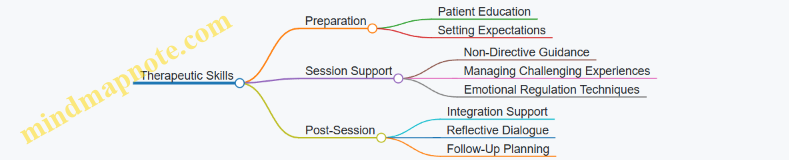
Example 2: Demonstrating Therapeutic Presence
During a psilocybin session, a patient begins to experience intense fear and confusion. The therapist maintains calm, uses grounding language, and gently encourages the patient to explore their feelings without judgment. This presence helps the patient navigate the difficult experience safely.
Best Practice Highlight
Competency Development Through Simulation: Role-playing exercises and supervised clinical practice are critical for building these skills. For example, therapists can simulate a challenging psychedelic session scenario to practice crisis intervention and emotional support techniques.
Summary
To be effective psychedelic therapy providers, clinicians must cultivate a broad and deep knowledge base alongside finely tuned interpersonal and clinical skills. Continuous education, reflective practice, and supervised experience are essential to meet the complex demands of this emerging therapeutic field.
8.2 Certification Programs and Continuing Education
The rapidly evolving field of psychedelic therapy demands that clinicians and therapists pursue specialized certification programs and ongoing continuing education to ensure safe, ethical, and effective practice. These programs provide foundational knowledge, practical skills, and adherence to regulatory standards necessary for competent psychedelic-assisted therapy.
Key Components of Certification Programs
- Foundational Knowledge: Pharmacology of psychedelics, neurobiology, psychological mechanisms.
- Therapeutic Techniques: Preparation, session facilitation, integration strategies.
- Ethical and Legal Training: Informed consent, cultural sensitivity, risk management.
- Practical Experience: Supervised clinical practice, role-playing, case discussions.
- Assessment and Evaluation: Exams, practical assessments, peer review.
Mind Map: Structure of a Typical Psychedelic Therapy Certification Program
Prominent Certification Programs
-
MAPS MDMA-Assisted Therapy Training
- Focus: PTSD treatment with MDMA.
- Format: Online modules, in-person workshops, supervised practice.
- Example: Clinicians participate in role-plays simulating challenging patient sessions.
-
California Institute of Integral Studies (CIIS) Psychedelic-Assisted Therapies and Research Certificate
- Focus: Broad psychedelic therapy education.
- Format: Academic coursework, research methods, clinical practicum.
- Example: Students complete integration-focused group therapy projects.
-
Fluence Training Programs
- Focus: Harm reduction and clinical integration.
- Format: Webinars, workshops, mentorship.
- Example: Clinicians learn to use integration worksheets tailored to patient experiences.
Continuing Education (CE) Opportunities
- Workshops and Webinars: Regular updates on new research, therapeutic approaches, and safety protocols.
- Peer Supervision Groups: Ongoing case consultation and skill refinement.
- Conferences and Symposia: Networking and exposure to cutting-edge studies.
- Online Courses: Flexible learning on specialized topics like trauma-informed care or cultural humility.
Mind Map: Continuing Education Pathways for Psychedelic Therapists
Best Practice Example: Role-Playing Exercises to Enhance Therapeutic Presence
During certification workshops, clinicians engage in role-playing scenarios where one participant acts as the patient undergoing a challenging psychedelic experience (e.g., anxiety or confusion), while another practices grounding and supportive techniques. This experiential learning helps therapists develop empathy, active listening, and crisis management skills in a controlled environment.
Example: Integrating Certification and CE into Clinical Practice
Dr. Smith, a licensed therapist, completed the MAPS MDMA-Assisted Therapy certification program, gaining hands-on experience with preparation and integration protocols. To maintain competency, she attends quarterly webinars on emerging psychedelic research and participates in a monthly peer supervision group. This continuous learning cycle ensures her practice remains evidence-based and responsive to patient needs.
Summary
Certification programs and continuing education form the backbone of competent psychedelic therapy practice. By engaging in structured training and lifelong learning, clinicians and therapists can provide safe, ethical, and effective care that aligns with evolving scientific knowledge and societal standards.
8.3 Supervision and Peer Support Networks
Effective supervision and peer support are critical components for clinicians and therapists working in the evolving field of psychedelic therapy. These networks foster professional growth, ensure ethical practice, and provide emotional support when navigating complex therapeutic encounters.
Importance of Supervision in Psychedelic Therapy
- Ensures Clinical Competency: Regular supervision helps therapists refine skills specific to psychedelic-assisted therapy, such as managing altered states and integration.
- Maintains Ethical Standards: Supervisors help identify ethical dilemmas and guide appropriate responses.
- Supports Emotional Resilience: Working with intense psychedelic experiences can be challenging; supervision offers a safe space to process these.
Role of Peer Support Networks
- Knowledge Sharing: Peers exchange insights on emerging research, therapeutic techniques, and case studies.
- Community Building: Reduces professional isolation, especially in a niche field.
- Collaborative Problem-Solving: Collective brainstorming for difficult cases or unexpected challenges.
Mind Map 1: Components of Effective Supervision
Mind Map 2: Peer Support Network Features
Best Practices for Supervision and Peer Support
-
Establish Regular Supervision Sessions: Schedule consistent meetings (e.g., weekly or biweekly) to review cases and discuss challenges.
-
Create Safe and Confidential Spaces: Ensure all discussions are confidential to promote openness.
-
Use Structured Frameworks: Apply supervision models such as the Developmental Model or Reflective Practice to guide sessions.
-
Encourage Reflective Practice: Therapists should reflect on their emotional responses and biases.
-
Leverage Technology: Utilize secure video conferencing and dedicated platforms for remote supervision and peer support.
-
Promote Diversity in Peer Groups: Include clinicians from varied backgrounds to enrich perspectives.
-
Document Supervision Outcomes: Keep records of supervision discussions and action plans for accountability.
Example 1: Supervision Session Scenario
Dr. Lee, a therapist new to psilocybin-assisted therapy, discusses with her supervisor a recent challenging session where the patient experienced intense anxiety. The supervisor helps Dr. Lee explore grounding techniques used during the session and suggests additional integration strategies. They role-play potential responses for future sessions and plan to review progress in the next meeting.
Example 2: Peer Support Group in Action
A monthly online peer support group for psychedelic therapists meets via video call. Members share recent research articles, discuss complex cases anonymously, and provide emotional support. One member presents a case involving a patient with a history of trauma, and the group collaboratively brainstorms trauma-informed approaches to integration.
Summary
Supervision and peer support networks are indispensable for clinicians and therapists in psychedelic therapy. They enhance clinical effectiveness, uphold ethical standards, and nurture professional wellbeing. Integrating structured supervision and active peer engagement into practice is a best practice that ultimately benefits both therapists and their patients.
8.4 Best Practice: Implementing Competency-Based Training Curricula
Competency-based training curricula are essential for preparing clinicians and therapists to safely and effectively deliver psychedelic-assisted therapies. This approach emphasizes mastery of specific skills, knowledge, and attitudes required for clinical excellence, rather than solely focusing on time-based education.
Key Components of Competency-Based Training Curricula
- Foundational Knowledge: Understanding pharmacology, neurobiology, and psychological effects of psychedelics.
- Clinical Skills: Screening, preparation, session facilitation, and integration.
- Ethical and Legal Competencies: Navigating consent, confidentiality, and regulatory frameworks.
- Cultural Competency: Respecting diverse backgrounds and indigenous knowledge.
- Self-Awareness and Reflective Practice: Managing therapist’s own biases and emotional responses.
Mind Map: Core Competencies in Psychedelic Therapy Training
Designing the Curriculum
- Define Competency Domains: Break down the essential skills and knowledge areas.
- Set Learning Objectives: Specify measurable outcomes for each competency.
- Develop Educational Materials: Use lectures, readings, case studies, and experiential learning.
- Incorporate Practical Training: Role-plays, supervised sessions, and simulations.
- Assessment and Feedback: Use formative and summative assessments to gauge mastery.
- Continuous Improvement: Update curriculum based on emerging research and trainee feedback.
Example: Competency-Based Module on Session Facilitation
| Competency | Learning Objective | Training Activity | Assessment Method |
|---|---|---|---|
| Therapeutic Presence | Demonstrate ability to maintain supportive, non-judgmental presence during sessions | Role-play guided psychedelic session with peer feedback | Direct observation and reflective journaling |
| Managing Challenging Experiences | Identify and apply grounding techniques during difficult moments | Simulation of challenging patient scenarios | Supervisor evaluation and self-assessment |
Mind Map: Training Activities and Assessment Methods
Example: Role-Playing Exercise to Enhance Therapeutic Presence
Scenario: A patient expresses intense anxiety during a psilocybin session.
Objective: The trainee practices grounding techniques such as deep breathing guidance, empathetic verbal reassurance, and maintaining calm body language.
Process:
- Trainee leads the role-play while peers act as patient and observers.
- Observers provide structured feedback focusing on tone, empathy, and intervention timing.
- Trainee reflects on experience in a journal entry.
Integration of Reflective Practice
Encouraging trainees to maintain reflective journals helps develop self-awareness, an essential competency for managing countertransference and emotional challenges during psychedelic therapy.
Summary
Implementing competency-based training curricula ensures clinicians and therapists develop the comprehensive skill set required for psychedelic-assisted therapy. By combining foundational knowledge, practical skills, ethical understanding, and reflective practice, training programs can prepare providers to deliver safe, effective, and culturally sensitive care.
For further reading and curriculum templates, clinicians can refer to resources from established organizations such as MAPS, the California Institute of Integral Studies (CIIS), and the Psychedelic Research and Training Institute.
8.5 Example: Role-Playing Exercises to Enhance Therapeutic Presence
Role-playing exercises are a powerful tool for clinicians and therapists to develop and refine their therapeutic presence, especially in the nuanced context of psychedelic-assisted therapy. These exercises simulate real-life scenarios, allowing practitioners to practice empathy, active listening, and non-directive guidance in a safe, controlled environment.
What is Therapeutic Presence?
Therapeutic presence refers to the therapist’s ability to be fully attuned, grounded, and emotionally available to the patient during sessions. It fosters trust, safety, and openness, which are critical when working with vulnerable states induced by psychedelics.
Role-Playing Exercise Framework
Objective: Enhance therapist’s ability to maintain calm, empathetic, and supportive presence during challenging psychedelic sessions.
Participants: Therapist (role-player), Patient (role-player), Observer(s) (optional for feedback).
Duration: 20-30 minutes per scenario.
Materials: Scenario scripts, feedback forms, quiet room.
Example Role-Playing Scenarios
-
Managing Anxiety During a Psychedelic Session
- Scenario: The patient expresses rising anxiety and fear.
- Therapist Task: Use grounding techniques and empathetic validation to help the patient regain calm.
-
Navigating a Challenging Emotional Release
- Scenario: The patient begins crying and expressing deep grief.
- Therapist Task: Hold space without rushing, offer presence and gentle prompts to explore feelings.
-
Supporting a Patient Experiencing Confusion or Disorientation
- Scenario: The patient is disoriented and struggles to communicate.
- Therapist Task: Use clear, calm communication and reassurance.
Mind Map: Components of Therapeutic Presence
Mind Map: Steps in Role-Playing Exercise
Example Dialogue Snippet: Managing Anxiety Scenario
Patient: “I feel like I’m losing control. My heart is racing, and I’m scared.”
Therapist: “I hear that you’re feeling overwhelmed right now. That’s completely okay. Let’s take a few deep breaths together. I’m here with you.”
Patient: “It’s hard to breathe.”
Therapist: “Try to focus on the air entering and leaving your body. You’re safe here. I won’t leave your side.”
Best Practices Highlighted in Role-Playing
- Active Listening: Reflecting patient’s feelings without interruption.
- Grounding Techniques: Using breath and sensory awareness to anchor the patient.
- Non-Directive Support: Allowing the patient to lead the experience while providing a calm presence.
- Emotional Validation: Normalizing difficult emotions to reduce shame or fear.
Tips for Facilitators
- Encourage open discussion after each role-play.
- Use video recordings for self-review.
- Foster a supportive environment to reduce performance anxiety.
- Adapt scenarios to reflect real clinical challenges faced by participants.
By integrating role-playing exercises regularly into training and supervision, clinicians can deepen their therapeutic presence, ultimately improving patient outcomes in psychedelic-assisted therapy.
9. Future Directions and Research Opportunities
9.1 Emerging Psychedelic Compounds and Novel Therapeutic Targets
The landscape of psychedelic research is rapidly expanding beyond classical compounds like psilocybin, LSD, and MDMA. Emerging psychedelic compounds and novel therapeutic targets offer promising avenues for treating a variety of mental health disorders with potentially improved safety profiles, efficacy, and tailored mechanisms of action.
Overview of Emerging Psychedelic Compounds
-
Novel Tryptamines:
- Examples: 5-MeO-DMT, N,N-DMT analogs
- Characteristics: Rapid onset, short duration, intense mystical experiences
-
Phenethylamines:
- Examples: 2C-B, 2C-I, mescaline analogs
- Characteristics: Varied psychoactive profiles, potential for mood enhancement
-
Ibogaine and Derivatives:
- Used primarily for addiction treatment
- Challenges: Cardiotoxicity risks prompting development of safer analogs
-
Non-Hallucinogenic Psychedelic Analogs:
- Examples: Tabernanthalog (TBG), designed to retain therapeutic effects without strong perceptual alterations
-
Novel Compounds Targeting Specific Receptors:
- Focus on 5-HT2A receptor partial agonists, sigma-1 receptor modulators, and others
Mind Map: Emerging Psychedelic Compounds
Novel Therapeutic Targets in Psychedelic Research
-
5-HT2A Receptor Modulation:
- Classical psychedelics primarily act as agonists here.
- Emerging compounds aim for selective or partial agonism to reduce side effects.
-
Sigma-1 Receptor:
- Implicated in neuroprotection and neuroplasticity.
- Modulation may enhance therapeutic outcomes in depression and neurodegenerative diseases.
-
Glutamatergic System:
- NMDA receptor modulators (e.g., ketamine) show rapid antidepressant effects.
- New compounds targeting AMPA receptors and metabotropic glutamate receptors are under investigation.
-
Inflammation and Immune Modulation:
- Psychedelics may exert anti-inflammatory effects.
- Targeting neuroinflammation could open new treatment pathways.
Mind Map: Novel Therapeutic Targets
Best Practice: Evaluating Emerging Compounds in Clinical Research
-
Preclinical Validation:
- Use animal models to assess safety, receptor binding profiles, and behavioral effects.
- Example: Tabernanthalog (TBG) showed antidepressant-like effects in rodents without inducing hallucinations.
-
Phase 1 Safety Trials:
- Establish tolerability and pharmacokinetics in healthy volunteers.
- Example: Early human trials of 5-MeO-DMT demonstrated rapid onset and short duration with manageable side effects.
-
Therapeutic Target Engagement:
- Use neuroimaging (fMRI, PET) to confirm receptor activity.
- Example: PET imaging to measure 5-HT2A receptor occupancy by novel compounds.
-
Patient-Centered Outcomes:
- Incorporate qualitative measures of subjective experience alongside clinical scales.
- Example: Assessing mystical-type experiences and their correlation with symptom improvement.
Example: Tabernanthalog (TBG) – A Non-Hallucinogenic Analog
Tabernanthalog is a synthetic analog of ibogaine designed to retain therapeutic benefits such as promoting neural plasticity and reducing addictive behaviors without causing intense hallucinations or cardiotoxicity.
-
Preclinical Findings:
- Demonstrated antidepressant and anti-addictive effects in rodent models.
- Showed enhanced neurogenesis and synaptogenesis.
-
Clinical Implications:
- Potential to treat depression and substance use disorders with a better safety profile.
- May increase patient acceptance due to absence of profound psychedelic experiences.
-
Best Practice Integration:
- Use TBG in conjunction with psychotherapy to maximize behavioral change.
- Monitor neuroplasticity markers to tailor treatment duration.
Summary
Emerging psychedelic compounds and novel therapeutic targets represent a frontier in mental health treatment. Clinicians and researchers should stay informed about these developments, critically evaluate new evidence, and consider how these innovations can be integrated into therapeutic protocols to enhance patient outcomes while minimizing risks.
9.2 Technological Innovations: Digital Tools and Biomarkers
The integration of technological innovations into psychedelic therapy is rapidly transforming the landscape of mental health treatment. Digital tools and biomarkers offer clinicians and researchers novel ways to enhance patient care, optimize therapeutic outcomes, and deepen understanding of psychedelic mechanisms.
Digital Tools in Psychedelic Therapy
Digital tools encompass a wide range of applications, from mobile apps that support integration to virtual reality environments that augment therapeutic experiences.
Key Applications:
- Integration Support Apps: Facilitate post-session reflection, mood tracking, and journaling.
- Virtual Reality (VR): Used to simulate calming environments or guide patients through therapeutic visualizations.
- Telemedicine Platforms: Enable remote preparation, monitoring, and integration sessions.
- Data Collection and Monitoring: Wearables and mobile sensors track physiological and behavioral data.
Mind Map: Digital Tools in Psychedelic Therapy
Example: Using an Integration App
A clinician recommends a patient use a mobile app designed for psilocybin therapy integration. The app prompts daily mood check-ins, offers guided journaling prompts related to insights from the psychedelic session, and provides mindfulness exercises. Over weeks, the patient reports improved emotional regulation and deeper understanding of therapeutic breakthroughs.
Biomarkers in Psychedelic Research and Therapy
Biomarkers are measurable indicators of biological processes, which can help predict treatment response, monitor safety, and elucidate mechanisms of action.
Types of Biomarkers Relevant to Psychedelic Therapy:
- Neuroimaging Biomarkers: fMRI, PET scans to observe brain connectivity changes.
- Physiological Biomarkers: Heart rate variability (HRV), galvanic skin response (GSR).
- Molecular Biomarkers: Blood levels of neurotrophic factors like BDNF.
- Genetic and Epigenetic Markers: Variations influencing drug metabolism or response.
Mind Map: Biomarkers in Psychedelic Therapy

Example: Neuroimaging to Predict Treatment Response
In a clinical trial for MDMA-assisted PTSD therapy, researchers use fMRI scans pre-treatment to assess amygdala reactivity. Patients with heightened amygdala activity show greater symptom improvement post-therapy, helping clinicians tailor treatment plans and set realistic expectations.
Best Practices for Integrating Technology and Biomarkers
- Patient-Centered Design: Ensure digital tools are user-friendly and culturally sensitive.
- Data Privacy and Security: Adhere to HIPAA and GDPR standards when handling patient data.
- Multimodal Monitoring: Combine subjective reports with objective biomarker data for comprehensive assessment.
- Iterative Feedback: Use digital tools to gather continuous feedback and adjust therapy accordingly.
Mind Map: Best Practices
Example: Combining Wearables and Self-Reports
A therapist integrates wearable HRV monitors with a digital integration app. The patient’s physiological data indicating stress spikes is cross-referenced with journal entries describing anxiety episodes. This combined insight allows the therapist to introduce targeted coping strategies during integration sessions.
Future Directions
- Development of AI-driven analytics to personalize psychedelic therapy.
- Use of real-time biomarker feedback during sessions to enhance safety.
- Expansion of VR-assisted psychedelic experiences to improve therapeutic engagement.
In summary, technological innovations including digital tools and biomarkers are invaluable assets that enhance the efficacy, safety, and personalization of psychedelic-assisted mental health therapies. Clinicians and researchers should stay abreast of these advances and thoughtfully incorporate them into practice.
9.3 Addressing Gaps in Evidence and Expanding Clinical Trials
Despite promising results in psychedelic research, significant gaps remain that must be addressed to fully understand and optimize their therapeutic potential. This section explores these gaps and outlines strategies for expanding clinical trials to generate robust, generalizable evidence.
Key Gaps in Current Psychedelic Research
- Limited Sample Diversity: Many studies have predominantly involved middle-aged, white participants, limiting generalizability.
- Small Sample Sizes: Early-phase trials often have small cohorts, reducing statistical power.
- Short Follow-Up Periods: Long-term effects and durability of therapeutic benefits remain underexplored.
- Standardization Issues: Variability in dosing, therapy models, and outcome measures complicate comparisons.
- Understudied Conditions: While depression and PTSD have been studied extensively, other mental health disorders like bipolar disorder or OCD need more research.
- Placebo and Blinding Challenges: The profound effects of psychedelics make placebo-controlled designs difficult.
Mind Map: Gaps in Psychedelic Research
Strategies for Expanding Clinical Trials
-
Increasing Sample Diversity and Size
- Engage community clinics and diverse populations.
- Use multicenter, international collaborations to broaden demographics.
-
Extending Follow-Up Periods
- Design trials with 12 months or longer follow-up to assess durability.
- Incorporate periodic assessments to monitor relapse or sustained remission.
-
Standardizing Protocols and Outcome Measures
- Develop consensus guidelines for dosing and therapeutic frameworks.
- Use validated, standardized scales for symptom measurement.
-
Innovative Trial Designs
- Employ adaptive trial designs to optimize dosing and patient selection.
- Use active placebos or comparator arms to improve blinding.
-
Exploring New Indications
- Pilot studies targeting less-studied disorders (e.g., OCD, bipolar disorder).
- Investigate psychedelics as adjuncts to existing therapies.
-
Enhancing Data Sharing and Collaboration
- Promote open data repositories for meta-analyses.
- Foster interdisciplinary research teams including clinicians, neuroscientists, and statisticians.
Mind Map: Strategies to Expand Clinical Trials
Example: Designing a Multisite Trial to Address Evidence Gaps
Objective: Evaluate the efficacy and safety of psilocybin-assisted therapy for treatment-resistant depression (TRD) in a demographically diverse population with 18-month follow-up.
Key Features:
- Sites: 5 geographically diverse academic medical centers.
- Sample: 300 participants stratified by age, ethnicity, and socioeconomic status.
- Design: Randomized, double-blind, active placebo-controlled.
- Intervention: Two psilocybin sessions with standardized preparatory and integration therapy.
- Outcome Measures: Montgomery-Åsberg Depression Rating Scale (MADRS), quality of life indices, and neurocognitive tests.
- Follow-Up: Assessments at 1, 3, 6, 12, and 18 months.
Best Practices Incorporated:
- Rigorous screening to exclude contraindications.
- Use of active placebo (niacin) to improve blinding.
- Standardized therapist training across sites.
- Inclusion of patient-reported outcomes to capture subjective experience.
- Data harmonization protocols for pooled analysis.
Summary
Addressing current evidence gaps requires deliberate efforts to diversify samples, extend follow-ups, standardize protocols, and innovate trial designs. By expanding clinical trials thoughtfully, clinicians and researchers can build a more comprehensive and reliable knowledge base to guide safe and effective psychedelic therapies.
9.4 Best Practice: Collaborative Research and Open Science Initiatives
Collaborative research and open science initiatives are pivotal in advancing the field of psychedelic therapy. By fostering transparency, data sharing, and interdisciplinary cooperation, these practices accelerate discovery, improve reproducibility, and ensure ethical standards are upheld.
Why Collaborative Research Matters
- Pooling Expertise: Combines knowledge from psychiatry, neuroscience, pharmacology, psychology, and ethics.
- Resource Sharing: Access to larger datasets, diverse patient populations, and advanced technologies.
- Standardization: Harmonizes protocols, outcome measures, and safety guidelines.
- Accelerated Innovation: Facilitates rapid hypothesis testing and validation.
Principles of Open Science in Psychedelic Research
- Transparency: Open access to study protocols, pre-registrations, and raw data.
- Reproducibility: Sharing code and methodologies to enable replication.
- Accessibility: Making publications and datasets freely available.
- Community Engagement: Involving patients, indigenous groups, and the public.
Mind Map: Collaborative Research in Psychedelic Therapy
Example 1: The Psychedelic Science Funders Collaborative (PSFC)
The PSFC is a coalition of philanthropic organizations pooling resources to fund rigorous psychedelic research. By coordinating efforts, they avoid duplication, promote high-quality studies, and ensure ethical standards. This model exemplifies collaborative funding that accelerates clinical trials and basic science.
Mind Map: Open Science Workflow in Psychedelic Research
Example 2: OpenNeuro Dataset on Psilocybin
OpenNeuro hosts an openly accessible neuroimaging dataset from a psilocybin study, allowing researchers worldwide to analyze brain connectivity changes. This openness fosters secondary analyses, meta-studies, and methodological advancements without additional data collection costs.
Practical Tips for Clinicians and Researchers
- Engage in Consortia: Join or form research networks to share data and expertise.
- Pre-register Studies: Use platforms like ClinicalTrials.gov or OSF to increase transparency.
- Share Data Responsibly: Anonymize patient information and use repositories like OpenNeuro or Dryad.
- Publish Open Access: Choose journals or preprint servers that allow free access.
- Involve Stakeholders: Collaborate with patients, indigenous communities, and policymakers to ensure ethical and culturally sensitive research.
Example 3: Multisite Trial Collaboration
A recent multisite trial on MDMA-assisted therapy for PTSD involved researchers from multiple countries sharing protocols, training therapists together, and pooling patient data. This collaboration enhanced statistical power, improved generalizability, and expedited regulatory approval.
By embedding collaborative research and open science principles into psychedelic mental health research, clinicians and researchers can collectively overcome challenges, improve patient outcomes, and responsibly harness the therapeutic potential of psychedelics.
9.5 Example: Designing a Multisite Trial for Psychedelic-Assisted Therapy
Designing a multisite clinical trial for psychedelic-assisted therapy involves meticulous planning, coordination, and adherence to rigorous scientific and ethical standards. This example will walk through the key components and considerations, illustrated with mind maps and practical examples to guide clinicians, therapists, and mental health researchers.
Step 1: Define the Research Question and Objectives
- What mental health condition is targeted? (e.g., treatment-resistant depression, PTSD)
- Which psychedelic compound will be used? (e.g., psilocybin, MDMA)
- Primary and secondary outcomes (e.g., symptom reduction, quality of life improvements)
Example: Investigate efficacy and safety of psilocybin-assisted therapy for treatment-resistant depression across 5 clinical sites.
Mind Map: Research Question & Objectives
Step 2: Site Selection and Coordination
- Choose sites with experience in psychedelic research or mental health clinical trials.
- Ensure geographic and demographic diversity.
- Establish centralized coordination and communication protocols.
Example: Five university-affiliated hospitals with established psychiatry departments and prior clinical trial experience.
Mind Map: Site Selection & Coordination
Step 3: Protocol Development
- Standardize dosing regimen, preparation, session structure, and integration.
- Define inclusion/exclusion criteria to manage risk.
- Develop safety monitoring and adverse event reporting procedures.
Example: Single-dose psilocybin (25 mg), two preparatory sessions, one dosing session, and four integration sessions over 8 weeks.
Mind Map: Protocol Development
Step 4: Training and Standardization
- Train therapists and clinicians across sites to ensure consistency.
- Use manuals, role-playing, and competency assessments.
Example: Conduct a 3-day centralized training workshop followed by monthly supervision calls.
Mind Map: Training & Standardization
Step 5: Recruitment and Enrollment
- Develop recruitment strategies tailored to each site.
- Use standardized screening tools.
Example: Advertising through mental health clinics, online platforms, and community outreach.
Mind Map: Recruitment & Enrollment
Step 6: Data Collection and Management
- Use centralized electronic data capture systems.
- Collect clinical, safety, and patient-reported outcomes.
Example: REDCap database with real-time data monitoring and audit trails.
Mind Map: Data Collection & Management
Step 7: Statistical Analysis Plan
- Define primary and secondary endpoints.
- Plan for handling missing data and inter-site variability.
Example: Mixed-effects models to account for site differences and repeated measures.
Mind Map: Statistical Analysis
Step 8: Ethical and Regulatory Compliance
- Obtain IRB approvals at all sites.
- Ensure informed consent covers psychedelic-specific risks.
- Monitor for adverse events and ensure participant safety.
Example: Central IRB approval supplemented by local site reviews.
Mind Map: Ethics & Compliance
Step 9: Dissemination and Knowledge Sharing
- Plan for publication, presentations, and open data sharing.
- Engage with patient communities and stakeholders.
Example: Publish results in peer-reviewed journals and present at international conferences.
Mind Map: Dissemination
Summary Table: Multisite Trial Design Components
| Component | Key Actions | Example Practice |
|---|---|---|
| Research Question | Define target condition and outcomes | Psilocybin for treatment-resistant depression |
| Site Selection | Choose experienced, diverse sites | 5 university hospitals |
| Protocol Development | Standardize dosing, sessions, eligibility | 25 mg dose, 7 sessions total |
| Training | Centralized training and supervision | 3-day workshop + monthly calls |
| Recruitment | Multi-channel outreach and screening | Clinics, online ads, structured interviews |
| Data Management | Centralized electronic system | REDCap with audit trails |
| Statistical Analysis | Predefined endpoints, mixed models | Account for site variability |
| Ethics & Compliance | IRB approvals, informed consent, safety | Central IRB + local reviews |
| Dissemination | Publications, conferences, open data | Peer-reviewed journals, public forums |
This example demonstrates how a multisite psychedelic-assisted therapy trial can be thoughtfully designed to maximize scientific rigor, participant safety, and clinical relevance. By integrating best practices and clear examples, clinicians and researchers can collaboratively advance the field with robust and reproducible evidence.
10. Practical Resources and Tools for Clinicians
10.1 Assessment Instruments and Screening Tools
Effective assessment and screening are foundational to safe and successful psychedelic-assisted therapy. Clinicians must utilize validated instruments to evaluate patient suitability, identify contraindications, and tailor therapeutic approaches. This section explores key assessment tools, their applications, and practical examples, complemented by mind maps to visualize their integration.
Key Assessment Domains
- Psychiatric History and Diagnosis
- Medical History and Physical Health
- Substance Use and Abuse Patterns
- Psychological Readiness and Expectations
- Risk Factors for Adverse Reactions
Mind Map: Assessment Instruments Overview
Psychiatric Screening Tools
-
MINI (Mini International Neuropsychiatric Interview): A brief structured interview to diagnose major psychiatric disorders. Useful for ruling out psychotic disorders or bipolar disorder, which are contraindications.
-
SCID (Structured Clinical Interview for DSM Disorders): More comprehensive than MINI, SCID helps confirm diagnoses and comorbidities.
Example: A clinician uses MINI to quickly screen a patient presenting with depression symptoms to ensure no underlying psychosis before proceeding with psilocybin therapy.
Medical Screening Tools
-
Physical Examination: Basic health check to identify cardiovascular or neurological conditions.
-
ECG: Recommended for patients with cardiovascular risk factors to prevent adverse cardiac events during sessions.
Example: A patient with a history of hypertension undergoes ECG screening before MDMA-assisted therapy to ensure cardiac safety.
Substance Use Screening
-
AUDIT: Screens for hazardous alcohol consumption.
-
DAST: Screens for drug abuse excluding alcohol.
Example: A therapist administers AUDIT and DAST to assess ongoing substance use that might interfere with psychedelic therapy or increase risks.
Psychological Readiness and Expectation Assessment
-
Psychedelic Screening Questionnaire (PSQ): Evaluates psychological preparedness, expectations, and potential anxiety about psychedelic experiences.
-
Motivation Scales: Assess patient motivation and goals for therapy.
Example: Using PSQ, a therapist identifies a patient’s fear of losing control during sessions and addresses it through preparatory counseling.
Mind Map: Screening Workflow Integration
Risk Assessment Tools
-
CAPS-5: For PTSD symptom severity and diagnosis, critical when considering MDMA-assisted therapy.
-
Suicide Risk Assessment: Tools like Columbia-Suicide Severity Rating Scale (C-SSRS) help identify acute risk.
Example: Prior to MDMA therapy, CAPS-5 is administered to confirm PTSD diagnosis and severity, guiding treatment planning.
Best Practice Recommendations
- Combine multiple screening tools to cover psychiatric, medical, and psychological domains comprehensively.
- Use structured interviews (MINI, SCID) alongside self-report questionnaires (AUDIT, PSQ) for balanced assessment.
- Incorporate patient education during screening to set realistic expectations.
- Document all findings meticulously to inform therapy customization and risk mitigation.
Summary Table of Instruments
| Instrument | Domain | Purpose | Example Use |
|---|---|---|---|
| MINI | Psychiatric | Quick diagnostic screening | Rule out psychosis before psilocybin therapy |
| SCID | Psychiatric | Detailed diagnosis | Confirm comorbidities |
| Physical Exam | Medical | Assess general health | Identify contraindications |
| ECG | Medical | Cardiac safety | Screening for MDMA therapy |
| AUDIT | Substance Use | Alcohol misuse screening | Detect hazardous drinking |
| DAST | Substance Use | Drug misuse screening | Identify ongoing drug use |
| PSQ | Psychological Readiness | Assess expectations and anxiety | Prepare patient for session |
| CAPS-5 | PTSD Assessment | Confirm PTSD diagnosis | Guide MDMA therapy planning |
| C-SSRS | Suicide Risk | Assess suicide risk | Safety planning |
By integrating these assessment instruments thoughtfully, clinicians can optimize patient selection, enhance safety, and improve therapeutic outcomes in psychedelic-assisted mental health treatments.
10.2 Therapeutic Aids: Manuals, Worksheets, and Apps
In psychedelic-assisted therapy, therapeutic aids such as manuals, worksheets, and digital applications play a crucial role in guiding both clinicians and patients through the complex process of preparation, session support, and integration. These tools help structure therapy, enhance communication, and promote insight and healing.
Manuals
Purpose: Manuals provide standardized protocols, session guidelines, and therapeutic frameworks to ensure safety, consistency, and efficacy.
Examples:
- MAPS MDMA-Assisted Therapy Manual: Detailed step-by-step instructions for preparation, dosing sessions, and integration.
- Johns Hopkins Psilocybin Therapy Manual: Emphasizes preparation and integration with supportive therapeutic presence.
Best Practice: Clinicians should familiarize themselves thoroughly with manuals relevant to their therapeutic model and adapt them thoughtfully to individual patient needs.
Worksheets
Worksheets are practical tools used before, during, and after psychedelic sessions to facilitate reflection, emotional processing, and integration.
Common Types:
- Preparation Worksheets: Help patients articulate intentions, fears, and expectations.
- Session Reflection Worksheets: Capture insights, emotions, and experiences immediately after sessions.
- Integration Worksheets: Guide patients in applying insights to daily life and tracking progress.
Example Worksheet: Preparation Intention Setting
Best Practice: Use worksheets collaboratively during sessions to encourage open dialogue and empower patients to take an active role.
Apps
Digital tools are increasingly integrated into psychedelic therapy to support preparation, session tracking, and integration.
Features to Look For:
- Secure journaling and mood tracking
- Guided meditation and grounding exercises
- Reminders for integration practices
- Educational content about psychedelics and mental health
Example App: PsyTrack (hypothetical)
- Allows patients to log daily mood and anxiety levels
- Provides prompts for reflection based on session themes
- Offers therapist access for monitoring progress
Mind Maps
Mind maps can visually organize therapeutic aids and their applications. Below are several mind maps in format illustrating key concepts.
Mind Map 1: Therapeutic Aids Overview
Mind Map 2: Worksheet Types and Uses
Mind Map 3: App Functionalities

Integrated Example
Scenario: A clinician preparing a patient for psilocybin-assisted therapy uses a combination of therapeutic aids.
- Manual: The clinician reviews the Johns Hopkins manual to structure the preparation session.
- Worksheet: The patient completes the “Preparation Intention Setting Worksheet” to clarify goals and anxieties.
- App: The patient uses a secure app to journal daily emotions and complete mindfulness exercises leading up to the session.
This integrated approach ensures the patient feels supported, informed, and engaged, improving therapeutic outcomes.
Summary
Therapeutic aids such as manuals, worksheets, and apps are indispensable in modern psychedelic therapy. They provide structure, facilitate communication, and empower patients through every phase of treatment. Clinicians should thoughtfully incorporate these tools, tailoring them to individual needs and therapy models for optimal results.
10.3 Patient Education Materials and Support Groups
Effective patient education and support are critical components in psychedelic-assisted therapy. Providing clear, accessible materials helps patients understand the therapy process, set realistic expectations, and engage actively in their healing journey. Support groups offer ongoing community, shared experiences, and reinforcement of therapeutic gains.
Key Elements of Patient Education Materials
- Psychedelic Basics: Explanation of substances, effects, and therapeutic rationale.
- Preparation Guidelines: What to expect before sessions, including mindset and environment.
- Safety Information: Contraindications, potential risks, and harm reduction strategies.
- Session Overview: Description of the therapy session structure and roles.
- Integration Support: Guidance on post-session reflection and behavioral changes.
- Resources: Contact information, FAQs, and recommended readings.
Mind Map: Components of Patient Education Materials
Example: Patient Education Brochure Excerpt
"Understanding Your Psychedelic Therapy Journey
Welcome to your healing journey. This brochure will guide you through what to expect before, during, and after your psychedelic-assisted therapy sessions. We emphasize safety, respect, and collaboration to ensure your experience is supportive and transformative.
Before Your Session:
- Avoid alcohol and certain medications.
- Engage in mindfulness or relaxation exercises.
- Discuss any concerns with your therapist.
During Your Session:
- You will be in a comfortable, controlled environment.
- A trained therapist will support you throughout.
- You may experience a range of emotions and sensations.
After Your Session:
- Integration sessions help you make sense of your experience.
- Journaling and therapy are encouraged.
- Support groups are available for ongoing connection."
Support Groups: Role and Benefits
- Provide a safe space to share experiences and challenges.
- Normalize psychedelic experiences and reduce stigma.
- Facilitate peer learning and emotional support.
- Encourage accountability in integration practices.
Mind Map: Structure of Psychedelic Support Groups
Example: Support Group Session Outline
Session Theme: “Navigating Challenging Experiences”
- Welcome and Grounding (10 min): Mindfulness exercise led by facilitator.
- Check-In (20 min): Each participant briefly shares recent experiences.
- Focused Discussion (30 min): Strategies for managing difficult emotions post-session.
- Integration Activity (20 min): Guided journaling prompt and group reflection.
- Resource Sharing (10 min): Exchange of books, apps, and local services.
- Closing Circle (10 min): Affirmations and gratitude sharing.
Best Practice: Combining Education and Support
- Provide patients with printed and digital educational materials before therapy begins.
- Introduce patients to support groups early in the treatment process.
- Encourage therapists to collaborate with support group facilitators for continuity.
- Use multimedia resources (videos, apps) to enhance understanding.
By integrating comprehensive patient education materials with robust support group frameworks, clinicians can empower patients to navigate their psychedelic therapy journey with confidence, safety, and community.
10.4 Best Practice: Integrating Resources Seamlessly into Clinical Workflow
Integrating therapeutic resources effectively into clinical workflows is essential for maximizing the benefits of psychedelic-assisted therapy while maintaining efficiency and patient-centered care. This section outlines best practices for clinicians and therapists to embed assessment tools, educational materials, and therapeutic aids into their daily routines, supported by practical examples and mind maps.
Key Principles for Seamless Integration
- Workflow Mapping: Understand and document your current clinical workflow to identify optimal points for resource integration.
- Digital and Analog Balance: Utilize both digital tools (apps, electronic health records) and analog materials (worksheets, printed guides) to suit diverse patient needs.
- Patient-Centered Customization: Tailor resources to individual patient profiles, preferences, and therapy stages.
- Interdisciplinary Coordination: Collaborate with other healthcare providers to ensure consistency and continuity.
- Continuous Feedback and Adaptation: Regularly evaluate resource effectiveness and adapt integration strategies accordingly.
Mind Map: Integrating Resources into Clinical Workflow
Example 1: Embedding a Symptom Tracker App in Therapy Sessions
Scenario: A clinician integrates a mobile symptom tracker app into the workflow to monitor anxiety and mood fluctuations between sessions.
Implementation:
- During the preparation session, the clinician introduces the app and assists the patient in installing it.
- The patient completes daily brief assessments, which sync automatically with the clinician’s dashboard.
- The clinician reviews the data before each session to tailor the therapeutic focus.
- Integration sessions include discussions about trends observed in the app data.
Benefits:
- Real-time monitoring enhances responsiveness.
- Patients feel more engaged and accountable.
- Data-driven adjustments improve therapy precision.
Mind Map: Symptom Tracker Integration Workflow
Example 2: Using Guided Journals for Post-Session Integration
Scenario: After psychedelic sessions, therapists provide patients with structured guided journals to facilitate reflection and meaning-making.
Implementation:
- Journals are introduced during preparation with explanations of their purpose.
- Patients receive printed or digital copies tailored to their therapy goals.
- Therapists allocate time in integration sessions to review journal entries collaboratively.
- Journals include prompts such as “Describe your emotional experience today” or “What insights did you gain?”
Benefits:
- Encourages active patient participation in integration.
- Provides qualitative data for therapists to understand patient progress.
- Supports emotional processing and cognitive restructuring.
Mind Map: Guided Journal Integration
Practical Tips for Clinicians
- Standardize Resource Introduction: Create checklists to ensure all patients receive and understand resources.
- Leverage Technology: Integrate digital tools with electronic health records (EHR) for seamless data flow.
- Train Support Staff: Ensure all team members are familiar with resources to provide consistent patient support.
- Schedule Resource Use: Allocate specific times within sessions for resource-related activities to avoid disruption.
- Solicit Patient Feedback: Use surveys or informal check-ins to assess resource helpfulness and usability.
By thoughtfully embedding resources into clinical workflows, clinicians can enhance the therapeutic process, improve patient engagement, and optimize outcomes in psychedelic-assisted mental health care.
10.5 Example: Using a Digital Integration App to Track Patient Progress
In the evolving landscape of psychedelic-assisted therapy, digital integration apps have become invaluable tools for clinicians and therapists. These apps facilitate continuous patient engagement, enable structured reflection, and provide real-time data to support therapeutic decisions. Below, we explore how a digital integration app can be effectively utilized to track patient progress post-psychedelic sessions.
Why Use a Digital Integration App?
- Continuous Monitoring: Enables clinicians to monitor symptoms, mood, and behavioral changes between sessions.
- Structured Reflection: Guides patients through integration exercises such as journaling, mindfulness, and mood tracking.
- Data-Driven Insights: Aggregates patient data to identify patterns and inform personalized care.
- Enhanced Communication: Provides secure channels for patient-therapist communication outside traditional sessions.
Key Features of an Effective Integration App
- Symptom and mood tracking with customizable scales
- Guided journaling prompts tailored to psychedelic experiences
- Reminders for mindfulness and grounding exercises
- Secure messaging and appointment scheduling
- Visualization dashboards for both patient and clinician
Example Mind Map: Patient Progress Tracking Workflow
Example Mind Map: Guided Journaling Prompts
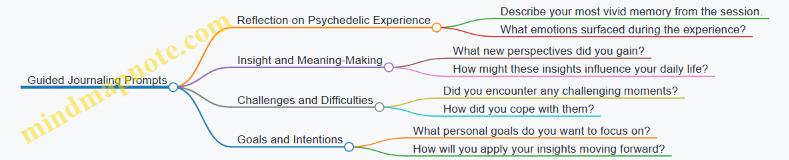
Practical Example: Patient Journey Using the App
Patient: Sarah, a 35-year-old with treatment-resistant depression undergoing psilocybin-assisted therapy.
-
Post-Session Day 1: Sarah logs into the app and completes the mood tracker, rating her anxiety as moderate and happiness as low. She responds to a journaling prompt describing a profound sense of connectedness during her session.
-
Day 3: The app reminds Sarah to practice a mindfulness breathing exercise, which she completes and logs as helpful.
-
Day 7: Sarah’s mood ratings show gradual improvement. The clinician reviews her entries via the dashboard, noting increased positive affect and insightful reflections.
-
Week 2: Based on data, the clinician sends a personalized message encouraging Sarah to explore creative expression as an integration tool.
-
Ongoing: Sarah continues to use the app for daily check-ins, enabling the therapist to tailor follow-up sessions and support.
Best Practices for Clinicians Using Integration Apps
- Set Clear Expectations: Educate patients on the purpose and benefits of using the app.
- Customize Content: Tailor prompts and exercises to individual patient needs and therapy goals.
- Maintain Privacy: Ensure compliance with data protection regulations and secure communication.
- Regularly Review Data: Use app-generated insights to inform clinical decisions and adjust treatment plans.
- Encourage Consistency: Support patients in establishing routine app usage for maximum benefit.
Digital integration apps represent a powerful adjunct to psychedelic therapy, fostering sustained engagement and deeper therapeutic outcomes. By leveraging technology thoughtfully, clinicians can enhance the integration process and ultimately improve patient well-being.