Tidal and Osmotic Power Concepts and Deployment
1. Introduction to Marine Renewable Energy
1.1 Overview of Marine Energy Sources
Marine energy harnesses the vast power of oceans and seas to generate renewable electricity. It is a critical component of the global renewable energy portfolio due to the predictability and density of marine resources. This section provides a comprehensive overview of the primary marine energy sources, their characteristics, and examples to illustrate their practical applications.
Key Marine Energy Sources
Tidal Energy
Tidal energy exploits the gravitational pull of the moon and sun, generating predictable and cyclical water movements.
-
Tidal Barrages: Large dams built across estuaries capturing potential energy from tidal height differences.
- Example: La Rance Tidal Power Station, France — operational since 1966, producing 240 MW.
-
Tidal Stream: Underwater turbines capture kinetic energy from tidal currents.
- Example: MeyGen Project, Scotland — world’s largest tidal stream array with a capacity of 6 MW (phase 1).
-
Dynamic Tidal Power: A theoretical concept involving long dams perpendicular to the coast to exploit tidal phase differences.
Wave Energy
Wave energy harnesses the energy from surface waves generated by wind over the ocean.
-
Point Absorbers: Floating devices that move with waves to drive generators.
- Example: WaveRoller, deployed in Portugal, converts wave motion into electricity.
-
Oscillating Water Columns: Structures where waves force air through turbines.
- Example: LIMPET, Scotland — a shoreline oscillating water column plant.
-
Attenuators: Long, multi-segmented floating devices aligned with wave direction.
- Example: Pelamis Wave Energy Converter, Scotland.
Ocean Thermal Energy Conversion (OTEC)
OTEC exploits temperature differences between warm surface water and cold deep seawater to generate electricity.
- Example: The Okinawa OTEC Demonstration Plant, Japan, producing small-scale power and fresh water.
Osmotic (Salinity Gradient) Power
This emerging technology generates energy from the difference in salt concentration between seawater and freshwater.
- Example: Statkraft’s osmotic power pilot plant in Norway, the world’s first prototype.
Mind Map: Marine Energy Sources and Characteristics
Summary
Marine energy sources offer diverse mechanisms to harness ocean power, each with unique advantages and challenges. Tidal and osmotic power stand out for their predictability and emerging potential, respectively. Understanding these sources and their practical examples lays the foundation for deeper exploration into deployment and optimization strategies.
Additional Example: Offshore Wind Energy
While technically distinct from marine energy, offshore wind farms are often integrated into marine renewable projects due to their complementary nature.
- Example: Hornsea One, UK — the world’s largest offshore wind farm with a capacity of 1.2 GW.
This overview sets the stage for detailed discussions on tidal and osmotic power concepts and deployment strategies in subsequent sections.
1.2 Importance of Tidal and Osmotic Power in Renewable Energy Mix
Tidal and osmotic power represent two promising yet underutilized sources of marine renewable energy. Their integration into the global renewable energy mix is crucial for achieving sustainable, reliable, and diversified energy systems. Below is a detailed exploration of their importance, supported by mind maps and real-world examples.
Why Tidal and Osmotic Power Matter
- Predictability and Reliability: Unlike solar and wind, tidal energy is highly predictable due to the gravitational forces of the moon and sun. Osmotic power, driven by salinity gradients, offers a steady energy source where freshwater meets seawater.
- Complementarity: These sources complement intermittent renewables by providing baseload or near-baseload power.
- Environmental Benefits: Both technologies have a relatively low carbon footprint and can contribute to reducing greenhouse gas emissions.
- Energy Security: Coastal regions can harness local marine resources, reducing dependence on imported fuels.
Mind Map: Importance of Tidal and Osmotic Power
Real-World Examples Demonstrating Importance
-
La Rance Tidal Power Plant (France)
- Operational since 1966, it provides about 0.5% of Brittany’s electricity.
- Demonstrates long-term reliability and predictability of tidal power.
- Example of how tidal power can be integrated into regional grids.
-
Statkraft Osmotic Power Pilot Plant (Norway)
- The world’s first osmotic power prototype.
- Showcases the potential of salinity gradient energy to generate clean power.
- Highlights challenges and opportunities in scaling osmotic power.
-
MeyGen Tidal Stream Project (UK)
- One of the largest tidal stream projects globally.
- Provides valuable data on tidal energy’s role in renewable portfolios.
- Demonstrates complementarity with wind and solar in the UK energy mix.
Mind Map: Integration Benefits in Renewable Energy Mix
Summary
Incorporating tidal and osmotic power into the renewable energy mix enhances system reliability, environmental sustainability, and economic development. Their predictable nature and complementary characteristics make them indispensable for a balanced and resilient energy future.
Ocean engineers, renewable project developers, and policy advisors must prioritize these technologies alongside wind, solar, and other renewables to meet global climate and energy goals.
1.3 Global Trends and Market Potential
The marine renewable energy sector, particularly tidal and osmotic power, is experiencing significant growth driven by increasing global energy demands, climate change mitigation efforts, and technological advancements. Understanding the global trends and market potential is essential for ocean engineers, renewable project developers, and policy advisors to make informed decisions and foster sustainable development.
Global Trends in Tidal and Osmotic Power
-
Rising Investments and Funding
- Governments and private sectors are increasing investments in marine energy projects.
- Example: The UK government’s £20 million funding for tidal stream projects like MeyGen.
-
Technological Innovation and Pilot Projects
- Advancements in turbine design, membrane technology, and energy conversion efficiency.
- Example: Statkraft’s osmotic power pilot plant in Norway testing Pressure Retarded Osmosis (PRO).
-
Policy and Regulatory Support
- Countries are establishing dedicated marine energy policies and incentives.
- Example: The European Union’s Blue Economy strategy promoting marine renewables.
-
Environmental and Social Awareness
- Increasing emphasis on minimizing ecological impacts and engaging local communities.
- Example: Adaptive management strategies in the La Rance tidal power plant.
-
Hybrid and Integrated Energy Systems
- Combining tidal, osmotic, and other renewable sources for optimized energy output.
- Example: Research projects exploring tidal-solar hybrid systems in coastal areas.
Market Potential Overview
-
Global Capacity Projections
- Tidal power capacity is expected to grow from around 0.5 GW in 2020 to over 3 GW by 2030.
- Osmotic power remains in early stages but has potential for multi-GW scale in estuarine regions.
-
Key Geographic Markets
- Europe (UK, France, Norway) leads tidal power deployment.
- Asia-Pacific (South Korea, China, Japan) is investing heavily in both tidal and osmotic technologies.
- North America exploring tidal stream projects in Canada and the US.
-
Economic Drivers
- Declining costs of marine energy technologies.
- Increasing carbon pricing and renewable energy mandates.
-
Challenges Impacting Market Growth
- High upfront capital costs.
- Environmental permitting complexities.
- Technology maturity and scalability.
Mind Maps
Mind Map 1: Global Trends in Marine Energy
Mind Map 2: Market Potential Factors
Examples of Market Development
-
MeyGen Tidal Stream Project (UK)
- World’s largest tidal stream project with a planned capacity of 398 MW.
- Demonstrates successful public-private partnership and phased deployment.
-
Statkraft Osmotic Power Pilot (Norway)
- First osmotic power plant demonstrating PRO technology at scale.
- Provides valuable data on membrane performance and environmental impacts.
-
Sihwa Lake Tidal Power Station (South Korea)
- Largest tidal power plant globally with 254 MW capacity.
- Example of integrating tidal power with flood control and irrigation.
Summary
The global trends and market potential for tidal and osmotic power indicate a promising future fueled by technological progress, supportive policies, and growing environmental awareness. While tidal power is closer to commercial maturity, osmotic power is emerging with significant long-term potential. Stakeholders must leverage best practices and lessons learned from existing projects to overcome challenges and accelerate deployment worldwide.
1.4 Key Stakeholders: Ocean Engineers, Project Developers, and Policy Advisors
Understanding the roles and responsibilities of key stakeholders is crucial for the successful development and deployment of tidal and osmotic power projects. This section explores the primary stakeholders involved, their interactions, and best practices illustrated through real-world examples.
Ocean Engineers
Ocean engineers are the technical backbone of marine energy projects. They design, analyze, and implement systems that harness tidal and osmotic energy efficiently and sustainably.
-
Responsibilities:
- Designing tidal barrages, turbines, and osmotic membranes
- Conducting site assessments and environmental impact studies
- Developing structural and hydrodynamic models
- Overseeing installation, testing, and maintenance
-
Example: The engineers behind the MeyGen tidal stream project in Scotland developed innovative turbine designs optimized for high tidal flows, enabling one of the world’s largest tidal energy arrays.
Project Developers
Project developers manage the end-to-end process of bringing marine energy projects from concept to operation. They coordinate technical, financial, and regulatory aspects.
-
Responsibilities:
- Conducting feasibility studies and securing funding
- Navigating permitting and regulatory approvals
- Coordinating multidisciplinary teams
- Managing timelines, budgets, and stakeholder communications
-
Example: The Sihwa Lake Tidal Power Station in South Korea was developed through a public-private partnership where developers successfully integrated environmental mitigation measures to gain community support.
Policy Advisors
Policy advisors shape the regulatory and incentive frameworks that enable marine energy growth. They analyze policy impacts and advocate for supportive legislation.
-
Responsibilities:
- Designing marine energy policies and incentives
- Advising governments on environmental and economic impacts
- Facilitating stakeholder engagement and public consultations
- Monitoring compliance and updating regulations
-
Example: The UK’s Marine Energy Programme Board, with policy advisors’ input, created streamlined consenting processes that accelerated tidal project deployments like the MeyGen array.
Mind Map: Stakeholder Roles and Interactions
Mind Map: Best Practices for Stakeholder Collaboration
Integrated Example: MeyGen Tidal Stream Project
- Ocean Engineers: Developed modular tidal turbines designed for ease of maintenance and minimal environmental impact.
- Project Developers: Secured multi-million-dollar investments and managed phased deployment to mitigate risks.
- Policy Advisors: Facilitated streamlined licensing and provided financial incentives through the UK’s Renewable Obligation Certificates (ROCs).
This integrated approach ensured the project’s technical feasibility, financial viability, and regulatory compliance, serving as a benchmark for future marine energy initiatives.
Summary
The synergy between ocean engineers, project developers, and policy advisors is essential to advance tidal and osmotic power technologies. By fostering collaboration, transparent communication, and shared goals, stakeholders can overcome technical, financial, and regulatory challenges to realize sustainable marine energy solutions.
1.5 Best Practices: Integrating Multidisciplinary Approaches with Real-World Examples
The successful deployment of tidal and osmotic power projects hinges on the seamless integration of multiple disciplines including ocean engineering, environmental science, policy development, and project management. This section explores best practices for fostering multidisciplinary collaboration, supported by real-world examples and mind maps to visualize complex interdependencies.
Key Elements of Multidisciplinary Integration
Best Practice 1: Early Stakeholder Engagement and Collaborative Planning
Engaging all relevant stakeholders—including engineers, environmentalists, local communities, and policymakers—from the project’s inception ensures alignment of goals and smoother regulatory approvals.
Example:
- MeyGen Tidal Stream Project (Scotland): Early involvement of marine biologists, local fishermen, and regulatory bodies helped identify potential environmental impacts and social concerns, leading to adaptive project designs that minimized disruption.
Stakeholder Engagement Mind Map
Best Practice 2: Integrated Environmental Impact Assessment (EIA)
Combining engineering assessments with ecological studies provides a comprehensive understanding of potential impacts, allowing for effective mitigation strategies.
Example:
- La Rance Tidal Power Plant (France): The project incorporated long-term ecological monitoring pre- and post-construction, enabling adaptive management of fish migration pathways and sediment transport.
Integrated EIA Mind Map
Best Practice 3: Cross-Disciplinary Innovation and Technology Sharing
Encouraging knowledge exchange between tidal and osmotic power specialists accelerates innovation, such as adapting membrane technologies or turbine designs.
Example:
- Statkraft Osmotic Power Pilot (Norway): Collaboration between membrane technologists and marine engineers led to improved membrane durability and integration with marine infrastructure.
Innovation & Technology Sharing Mind Map
Best Practice 4: Policy-Driven Multidisciplinary Frameworks
Developing policies that encourage multidisciplinary collaboration and provide clear regulatory pathways helps reduce project uncertainties.
Example:
- UK Marine Energy Policy Framework: The UK government established cross-sector working groups combining engineers, environmental experts, and policymakers to streamline permitting and incentivize innovation.
Policy Framework Mind Map
Summary
Integrating multidisciplinary approaches in tidal and osmotic power projects enhances technical robustness, environmental sustainability, and stakeholder acceptance. The examples above demonstrate that early collaboration, comprehensive assessments, innovation sharing, and supportive policies are critical pillars for success.
By adopting these best practices, ocean engineers, renewable project developers, and policy advisors can collectively drive the marine energy sector toward scalable and sustainable deployment.
2. Fundamentals of Tidal Power
2.1 Tidal Energy Basics: Understanding Tides and Their Cycles
Tidal energy harnesses the natural rise and fall of sea levels caused primarily by the gravitational forces exerted by the moon and the sun on the Earth’s oceans. Understanding the fundamentals of tides and their cycles is crucial for ocean engineers, renewable project developers, and policy advisors to effectively design, deploy, and regulate tidal power systems.
What are Tides?
Tides are the periodic rise and fall of sea levels caused by the combined effects of the gravitational forces exerted by the Moon, the Sun, and the rotation of the Earth. These movements create predictable water level changes along coastlines worldwide.
- High Tide: When water reaches its highest level.
- Low Tide: When water reaches its lowest level.
Key Forces Influencing Tides
- Gravitational Pull of the Moon: The primary force creating tidal bulges.
- Gravitational Pull of the Sun: Modulates the tides, causing variations.
- Earth’s Rotation: Causes the cyclical nature of tides.
Types of Tides
- Diurnal Tides: One high tide and one low tide each lunar day.
- Semidiurnal Tides: Two high tides and two low tides each lunar day, roughly equal in height.
- Mixed Tides: Two high and two low tides each day, but with different heights.
Tidal Cycles and Periods
- Lunar Day: Approximately 24 hours and 50 minutes — the time it takes for a point on Earth to rotate under the Moon.
- Spring Tides: Occur during full and new moons when the Sun, Moon, and Earth align, causing higher high tides and lower low tides.
- Neap Tides: Occur during the first and third quarters of the moon when the Sun and Moon are at right angles, causing less extreme tides.
Mind Map: Forces and Types of Tides
Example: Understanding Tidal Patterns at a Site
Consider a coastal site with semidiurnal tides:
- High Tide at 6:00 AM and 6:30 PM
- Low Tide at 12:00 PM and 12:30 AM
This pattern means tidal power systems can expect two energy generation peaks daily, which helps in planning turbine operation schedules.
Why Understanding Tides Matters for Tidal Power
- Energy Prediction: Accurate knowledge of tidal cycles allows for better forecasting of energy production.
- Site Selection: Areas with higher tidal ranges (difference between high and low tide) offer more potential energy.
- Technology Choice: Some technologies perform better with specific tidal patterns (e.g., barrages in high tidal range zones).
Mind Map: Importance of Tidal Knowledge for Power
Real-World Example: The Bay of Fundy
- Has one of the highest tidal ranges in the world (up to 16 meters).
- Semidiurnal tides with two high and two low tides daily.
- This makes it an ideal location for tidal barrage projects.
Summary
Understanding the basics of tides — their causes, types, and cycles — is foundational for harnessing tidal energy effectively. By integrating this knowledge, marine energy professionals can optimize site selection, technology deployment, and operational strategies, leading to more efficient and sustainable tidal power projects.
2.2 Types of Tidal Power Technologies: Barrages, Tidal Stream, and Dynamic Tidal Power
Tidal power harnesses the energy generated by the natural rise and fall of ocean tides. There are three primary technologies used to capture this energy: Tidal Barrages, Tidal Stream Systems, and Dynamic Tidal Power (DTP). Each technology has unique characteristics, advantages, and deployment considerations.
Tidal Barrages
Tidal barrages are large dam-like structures built across estuaries or tidal basins. They capture potential energy by exploiting the difference in water height (head) between high and low tides.
- How it works: Gates in the barrage control water flow; turbines generate electricity as water moves in and out.
- Advantages: Proven technology, high energy output, ability to store energy.
- Challenges: High capital cost, environmental impact on estuarine ecosystems, sedimentation.
Example: La Rance Tidal Power Plant, France
- Operational since 1966
- Capacity: 240 MW
- Provides valuable lessons on environmental mitigation and long-term operation
Mind Map: Tidal Barrage
Tidal Stream Systems
Tidal stream technology captures kinetic energy from fast-moving tidal currents using underwater turbines, similar to underwater wind turbines.
- How it works: Turbines are placed in tidal channels or straits where currents are strong.
- Advantages: Lower environmental impact than barrages, scalable, less expensive to install.
- Challenges: Site-specific, maintenance in harsh marine environments, variable power output.
Example: MeyGen Project, Scotland
- World’s largest tidal stream array
- Capacity: Planned 398 MW
- Demonstrates modular deployment and grid integration
Mind Map: Tidal Stream Systems
Dynamic Tidal Power (DTP)
Dynamic Tidal Power is an emerging concept that involves building a long dam-like structure perpendicular to the coastline without enclosing an area. It exploits the interaction between tidal waves and the dam to create a large head difference.
- How it works: The dam disrupts tidal wave propagation, creating a head difference on either side, driving turbines.
- Advantages: Potentially very large energy output, no need for estuary or bay.
- Challenges: Still experimental, very high infrastructure cost, complex hydrodynamics.
Example: Proposed projects in China and the Netherlands are exploring DTP feasibility.
Mind Map: Dynamic Tidal Power
Summary Table of Tidal Power Technologies
| Technology | Energy Source | Typical Location | Advantages | Challenges | Example |
|---|---|---|---|---|---|
| Tidal Barrage | Potential energy (head) | Estuaries, tidal basins | High output, energy storage | Environmental impact, cost | La Rance, France |
| Tidal Stream | Kinetic energy | Tidal channels, straits | Lower impact, scalable | Maintenance, site-specific | MeyGen, Scotland |
| Dynamic Tidal Power | Potential energy (head) | Open coastlines | Large-scale potential | Experimental, high cost | Proposed China, Netherlands |
Integrated Best Practice Example:
The MeyGen Project illustrates best practices in tidal stream deployment: modular turbine arrays allow phased installation and adaptation to environmental monitoring. Meanwhile, La Rance demonstrates how early tidal barrages can operate reliably over decades with adaptive environmental management.
By understanding the strengths and limitations of each technology, ocean engineers and project developers can select and tailor tidal power solutions to site-specific conditions, optimizing energy yield while minimizing environmental impact.
2.3 Site Selection Criteria and Environmental Considerations
Selecting an optimal site for tidal power projects is a critical step that influences the efficiency, environmental impact, and economic viability of the installation. This section explores the key criteria for site selection and the environmental considerations that must be integrated into the planning process.
Key Site Selection Criteria for Tidal Power
-
Tidal Range and Current Velocity
- Sites with high tidal ranges (>5 meters) or strong tidal currents (>2 m/s) offer greater energy potential.
- Example: The Bay of Fundy (Canada) has one of the world’s highest tidal ranges (~16 meters), making it a prime location for tidal barrage projects.
-
Bathymetry and Seabed Conditions
- Suitable seabed types (rocky or firm sediment) are essential for anchoring turbines or barrage structures.
- Depth considerations: shallow enough for construction but deep enough to avoid navigation hazards.
-
Proximity to Grid Infrastructure
- Closer proximity reduces transmission losses and infrastructure costs.
- Example: The MeyGen tidal stream project in Scotland benefits from nearby grid connections, facilitating power integration.
-
Environmental Sensitivity
- Avoidance of ecologically sensitive areas such as marine protected zones, coral reefs, and spawning grounds.
-
Navigational and Commercial Activities
- Sites should minimize interference with shipping lanes, fishing zones, and recreational areas.
-
Socioeconomic Factors
- Community acceptance, potential for local job creation, and alignment with regional development plans.
Mind Map: Site Selection Criteria
Environmental Considerations
-
Marine Ecosystem Impact
- Potential disruption to marine flora and fauna, including fish migration and benthic habitats.
- Example: The La Rance tidal barrage in France implemented fish passes to mitigate impacts on migratory species.
-
Water Quality and Sediment Transport
- Alterations in sediment deposition and water flow can affect coastal erosion and nutrient distribution.
-
Noise and Visual Impact
- Construction and operation noise can disturb marine mammals and coastal communities.
- Visual intrusion may affect tourism and local aesthetics.
-
Cumulative Environmental Effects
- Consideration of combined impacts from multiple marine energy projects or other coastal developments.
-
Regulatory Compliance and Environmental Impact Assessments (EIA)
- Comprehensive EIAs are mandatory to identify, predict, and mitigate adverse effects.
Mind Map: Environmental Considerations
Integrated Best Practice Example: La Rance Tidal Power Plant, France
- Site Selection: Chosen for its high tidal range (~13.5 meters) and suitable estuarine geography.
- Environmental Mitigation: Installation of fish ladders and continuous monitoring of ecological impacts.
- Outcome: Demonstrated that with careful planning, large-scale tidal power can coexist with marine ecosystems.
Summary
Effective site selection for tidal power projects requires balancing technical feasibility with environmental stewardship. By applying comprehensive criteria and integrating environmental considerations early in the planning phase, developers can optimize energy output while minimizing ecological and social impacts.
2.4 Best Practices: Case Study of the La Rance Tidal Power Plant
The La Rance Tidal Power Plant, located in Brittany, France, is one of the world’s first and most successful large-scale tidal power projects. Commissioned in 1966, it remains a benchmark for tidal barrage technology and offers valuable lessons for ocean engineers, renewable project developers, and policy advisors.
Overview of La Rance Tidal Power Plant
- Capacity: 240 MW
- Type: Tidal barrage
- Tidal Range: Approximately 8 meters
- Annual Energy Production: Around 500 GWh
- Operational Since: 1966
Key Best Practices and Lessons Learned
Site Selection and Environmental Integration
- Optimal tidal range: The site was chosen for its high tidal amplitude, maximizing energy extraction.
- Environmental considerations: Early environmental impact assessments helped minimize disruption to local ecosystems.
- Example: The estuary’s natural basin shape was leveraged to reduce construction costs and environmental footprint.
Engineering Design Excellence
- Robust barrage construction: Concrete and steel structures designed to withstand harsh marine conditions.
- Innovative turbine design: Use of reversible bulb turbines that generate power during both ebb and flood tides.
- Example: The reversible turbines increase efficiency by harnessing energy in both tidal directions.
Operational Strategies
- Dual-mode operation: The plant operates in ebb and flood generation modes, optimizing power output.
- Maintenance scheduling: Regular inspections and maintenance have extended the plant’s lifespan beyond initial expectations.
- Example: Scheduled turbine overhauls every 5 years minimize downtime and maintain efficiency.
Environmental Monitoring and Mitigation
- Continuous ecological monitoring: Tracking fish migration and sediment transport to mitigate adverse effects.
- Adaptive management: Adjustments to turbine operation schedules to reduce impact on aquatic life.
- Example: Installation of fish-friendly turbine blades to reduce fish mortality.
Community and Stakeholder Engagement
- Local involvement: Early and ongoing communication with local communities ensured social acceptance.
- Economic benefits: Creation of jobs and local infrastructure improvements.
- Example: Educational programs and site tours fostered public support.
Mind Maps
Mind Map 1: Site Selection and Environmental Integration
Mind Map 2: Engineering Design
Mind Map 3: Environmental Monitoring
Mind Map 4: Community Engagement
Practical Examples
-
Reversible Turbines: Unlike traditional turbines that generate power only during one tidal phase, La Rance’s reversible turbines generate electricity during both ebb and flood tides, effectively doubling energy capture opportunities.
-
Fish-Friendly Design: The plant incorporated specially designed turbine blades and operational protocols to minimize fish mortality, a practice now considered a standard in tidal projects.
-
Long-Term Operation: Despite being over 50 years old, La Rance continues to operate efficiently, demonstrating the importance of durable design and proactive maintenance.
Summary
The La Rance Tidal Power Plant exemplifies how thoughtful site selection, innovative engineering, environmental stewardship, and community engagement can lead to a successful and sustainable tidal energy project. Its legacy provides a roadmap for current and future tidal power developments worldwide.
2.5 Challenges in Tidal Power Development and Mitigation Strategies
Tidal power development presents unique challenges that span technical, environmental, economic, and social dimensions. Understanding these challenges and implementing effective mitigation strategies is crucial for successful project deployment and sustainable operation.
Key Challenges in Tidal Power Development
Technical Challenges and Mitigation
High Capital Costs:
- Tidal power infrastructure such as barrages and turbines requires significant upfront investment.
- Mitigation: Modular design and phased deployment can reduce initial costs and allow incremental scaling.
Structural Durability:
- Marine environments expose structures to corrosion, biofouling, and extreme weather.
- Mitigation: Use of advanced corrosion-resistant materials and protective coatings; regular maintenance schedules.
Energy Variability:
- Although tides are predictable, energy output fluctuates with tidal cycles.
- Mitigation: Hybrid systems combining tidal with other renewables or energy storage solutions improve reliability.
Grid Integration:
- Connecting tidal power plants to the grid can be complex due to location and intermittent output.
- Mitigation: Smart grid technologies and energy management systems optimize integration.
Example: The MeyGen tidal stream project in Scotland uses modular turbines and advanced monitoring to address technical challenges, demonstrating scalable and maintainable design.
Environmental Challenges and Mitigation
Marine Ecosystem Impact:
- Tidal barrages can alter habitats and affect fish migration.
- Mitigation: Environmental impact assessments (EIA) guide site selection; fish-friendly turbine designs reduce harm.
Sediment Transport and Coastal Erosion:
- Changes in tidal flow can affect sediment deposition patterns.
- Mitigation: Continuous environmental monitoring and adaptive management strategies.
Water Quality Changes:
- Altered tidal flows may impact nutrient cycling.
- Mitigation: Design optimization to maintain natural water exchange.
Example: The La Rance tidal power plant in France implemented fish ladders and continuous monitoring to minimize ecological disruption.
Economic Challenges and Mitigation
Long Payback Periods:
- High initial costs and long development timelines can deter investors.
- Mitigation: Government incentives, feed-in tariffs, and public-private partnerships improve financial viability.
Financing Risks:
- Uncertainties in technology performance and regulatory environment.
- Mitigation: Pilot projects and demonstration plants reduce risk by validating technology.
Market Competition:
- Competing with cheaper renewables like solar and wind.
- Mitigation: Highlighting tidal power’s predictability and longevity as unique selling points.
Example: The Sihwa Lake tidal power project in South Korea leveraged government subsidies and demonstrated cost-effective operation, attracting further investment.
Social and Regulatory Challenges and Mitigation
Navigational and Fishing Conflicts:
- Tidal installations may interfere with shipping lanes and fishing grounds.
- Mitigation: Early stakeholder engagement and careful site planning.
Permitting and Regulatory Hurdles:
- Complex multi-agency approvals can delay projects.
- Mitigation: Streamlined permitting processes and clear regulatory frameworks.
Community Acceptance:
- Local opposition due to environmental or economic concerns.
- Mitigation: Transparent communication, community benefits programs, and participatory planning.
Example: The UK’s tidal projects often involve extensive consultations with local communities and regulators to ensure alignment and minimize conflicts.
Summary Mind Map
By proactively addressing these challenges through integrated engineering, environmental stewardship, economic planning, and stakeholder collaboration, tidal power projects can achieve sustainable and scalable deployment, contributing significantly to the renewable energy landscape.
3. Fundamentals of Osmotic Power
3.1 Osmosis and Salinity Gradient Energy Explained
Osmosis is a natural physical process where solvent molecules move through a semipermeable membrane from a region of lower solute concentration to a region of higher solute concentration. This movement aims to equalize solute concentrations on both sides of the membrane.
In the context of energy generation, salinity gradient energy harnesses the chemical potential difference between two water bodies with different salt concentrations — typically freshwater and seawater. This difference creates osmotic pressure that can be converted into usable energy.
Mind Map: Osmosis Fundamentals
Mind Map: Salinity Gradient Energy Concept
How Osmosis Generates Energy
When freshwater and seawater are separated by a semipermeable membrane, freshwater naturally flows into the seawater side due to osmotic pressure. This flow increases pressure on the seawater side, which can be harnessed to drive a turbine and generate electricity.
Example: Simple Osmosis Energy Concept
Imagine a container divided by a semipermeable membrane:
- Left side: Freshwater
- Right side: Seawater
Water molecules move from the freshwater side to the seawater side, increasing volume and pressure on the seawater side. This pressure can be captured to turn a turbine connected to a generator.
Mind Map: Key Components of Osmotic Power Systems
Real-World Example: Statkraft Osmotic Power Plant (Norway)
- First osmotic power prototype plant built by Statkraft near Oslo.
- Demonstrated Pressure Retarded Osmosis (PRO) technology.
- Used river water and seawater to generate power.
- Key lessons:
- Importance of membrane efficiency and fouling resistance.
- Need for cost-effective membrane manufacturing.
Summary
Osmosis and salinity gradient energy represent a promising form of renewable energy by exploiting the natural chemical potential between freshwater and seawater. Understanding the fundamental principles of osmosis and the engineering challenges involved is essential for successful deployment.
This section lays the foundation for exploring osmotic power technologies and their practical applications in subsequent chapters.
3.2 Osmotic Power Technologies: Pressure Retarded Osmosis (PRO) and Reverse Electrodialysis (RED)
Osmotic power, also known as salinity gradient energy, harnesses the energy released when freshwater and seawater mix. Two primary technologies dominate this field: Pressure Retarded Osmosis (PRO) and Reverse Electrodialysis (RED). Both methods exploit the chemical potential difference between saltwater and freshwater but use different mechanisms to convert this energy into usable power.
Pressure Retarded Osmosis (PRO)
PRO uses a semi-permeable membrane to allow freshwater to flow into saltwater under pressure, generating osmotic pressure that drives a turbine.
How PRO Works:
- Freshwater and seawater are separated by a semi-permeable membrane.
- Water molecules naturally move from the freshwater side to the saltwater side due to osmotic pressure.
- The saltwater side is pressurized but kept below the osmotic pressure.
- The influx of water increases volume and pressure on the saltwater side.
- This pressurized water drives a turbine to generate electricity.
Mind Map: PRO Process
Example: The Statkraft osmotic power pilot plant in Norway was one of the first to demonstrate PRO technology at scale. It successfully showed how PRO membranes could generate power continuously by harnessing the osmotic pressure difference between river water and seawater.
Best Practice:
- Use high-performance membranes with high water permeability and salt rejection to maximize efficiency.
- Regularly monitor membrane fouling and implement cleaning protocols to maintain performance.
Reverse Electrodialysis (RED)
RED generates electricity by exploiting the ionic concentration difference between saltwater and freshwater using ion-exchange membranes.
How RED Works:
- Stacks of alternating cation and anion exchange membranes are arranged between freshwater and seawater channels.
- Salt ions move from the seawater side to the freshwater side through selective membranes.
- This ion movement creates an electrical potential difference.
- Electrodes at both ends capture this potential to produce electric current.
Mind Map: RED Process
Example: The RED pilot project in the Netherlands demonstrated the feasibility of generating power from river water mixing with seawater. It highlighted the importance of membrane durability and stack design in optimizing output.
Best Practice:
- Optimize membrane stack design to reduce electrical resistance and maximize ion flow.
- Employ anti-fouling strategies to extend membrane lifespan.
Comparative Overview
| Feature | Pressure Retarded Osmosis (PRO) | Reverse Electrodialysis (RED) |
|---|---|---|
| Energy Conversion Mechanism | Osmotic pressure drives hydraulic turbine | Ionic concentration difference generates electric current |
| Key Components | Semi-permeable membrane, turbine | Ion-exchange membranes, electrode stacks |
| Typical Applications | Large-scale power plants, pilot projects | Pilot plants, modular systems |
| Advantages | Higher theoretical energy density | Direct electrical generation, modular scalability |
| Challenges | Membrane fouling, pressure vessel design | Membrane cost, stack efficiency |
Integrated Example: Combining PRO and RED
Some innovative projects explore hybrid systems combining PRO and RED to maximize energy extraction from salinity gradients. For example, a coastal plant might use PRO to generate mechanical energy and RED to capture residual ionic gradients, improving overall efficiency.
Mind Map: Hybrid Osmotic Power System
Summary
PRO and RED represent promising technologies for harnessing osmotic power. While PRO focuses on osmotic pressure-driven mechanical energy, RED directly converts ionic gradients into electricity. Both require advanced membrane technologies and careful system design to overcome challenges like fouling and efficiency losses. Real-world pilot projects provide valuable insights and best practices that guide ongoing research and commercial deployment.
For ocean engineers and renewable project developers, understanding these technologies’ principles and practical considerations is essential for designing efficient, sustainable osmotic power systems.
3.3 Site Selection and Water Quality Considerations
Selecting an optimal site for osmotic power generation is critical to maximizing energy output, ensuring system longevity, and minimizing environmental impacts. This section explores the key factors influencing site selection and water quality considerations, supported by illustrative mind maps and real-world examples.
Key Factors in Site Selection
- Salinity Gradient Magnitude: The energy potential in osmotic power depends directly on the difference in salt concentration between two water bodies (typically freshwater and seawater).
- Availability of Freshwater and Seawater Sources: Proximity and volume of both freshwater and seawater sources are essential for continuous operation.
- Water Quality Parameters: Includes turbidity, presence of organic matter, suspended solids, and biofouling agents which affect membrane performance.
- Environmental Sensitivity: Impact on local ecosystems, protected areas, and biodiversity.
- Accessibility and Infrastructure: Ease of construction, maintenance, and grid connection.
Mind Map: Osmotic Power Site Selection Criteria
Water Quality Considerations
Water quality directly influences membrane lifespan and osmotic power plant efficiency. Key parameters include:
- Turbidity and Suspended Solids: High turbidity can clog membranes, requiring pre-treatment.
- Organic Matter: Can promote biofouling, reducing membrane permeability.
- Microbial Activity: Leads to biofilm formation, necessitating regular cleaning.
- Chemical Composition: Presence of chlorine or heavy metals can degrade membranes.
Mind Map: Water Quality Parameters Impacting Osmotic Power
Examples of Site Selection and Water Quality Management
-
Statkraft Osmotic Power Pilot Plant, Norway
- Located at the Oslofjord estuary where freshwater from rivers meets seawater, providing a strong salinity gradient.
- Extensive water quality monitoring program to manage biofouling and sediment deposition.
- Use of pre-filtration systems to reduce turbidity and suspended solids.
-
Kawasaki Osmotic Power Project, Japan
- Situated near a river mouth with stable freshwater flow and seawater access.
- Implemented advanced membrane cleaning protocols to counteract organic fouling.
- Site chosen for minimal environmental disruption and ease of grid connection.
-
Pilot Project in the Netherlands
- Focused on a river delta with variable salinity gradients.
- Adaptive site management to handle seasonal changes in water quality.
- Collaboration with local environmental agencies to monitor ecological impacts.
Best Practices Summary
- Conduct thorough salinity gradient assessments using seasonal data.
- Perform comprehensive water quality testing before site finalization.
- Incorporate pre-treatment technologies such as filtration and UV treatment.
- Design flexible operational protocols to adapt to changing water quality.
- Engage with environmental stakeholders early to mitigate ecological risks.
By carefully considering these site selection and water quality factors, ocean engineers and project developers can optimize osmotic power plant performance while safeguarding marine ecosystems.
3.4 Best Practices: Pilot Projects and Lessons Learned from the Statkraft Osmotic Power Plant
The Statkraft osmotic power plant, located in Tofte, Norway, represents one of the pioneering efforts to harness salinity gradient energy through Pressure Retarded Osmosis (PRO). This pilot project provides invaluable insights into the practical challenges and best practices for osmotic power deployment.
Key Best Practices from the Statkraft Osmotic Power Plant
-
Membrane Selection and Optimization
- Use of high-performance, fouling-resistant membranes to maximize osmotic pressure differential.
- Continuous R&D to improve membrane permeability and durability.
-
Site Selection and Water Quality Management
- Strategic location near freshwater and seawater sources with stable salinity gradients.
- Regular monitoring of water quality to prevent membrane degradation.
-
System Integration and Energy Recovery
- Integration of energy recovery devices to improve overall system efficiency.
- Optimization of flow rates to balance power output and membrane lifespan.
-
Pilot Scale Testing and Incremental Scaling
- Starting with small-scale modules to validate technology before full-scale deployment.
- Iterative testing to identify operational bottlenecks and improve design.
-
Environmental Impact Monitoring
- Continuous assessment of local ecosystems to mitigate potential adverse effects.
- Adaptive management strategies to respond to environmental feedback.
Lessons Learned
-
Membrane Fouling is a Critical Challenge
- Fouling from organic matter and biofilms reduced efficiency.
- Implementing pre-treatment of feed water and periodic cleaning protocols proved essential.
-
System Complexity Requires Robust Control Systems
- Precise control of pressure and flow rates is necessary to avoid membrane damage.
- Automation and real-time monitoring improved operational stability.
-
Economic Viability Depends on Membrane Cost and Longevity
- High membrane costs and limited lifespan remain barriers.
- Focused R&D on cost-effective membranes is crucial for commercialization.
-
Collaboration Across Disciplines Enhances Success
- Close cooperation between engineers, biologists, and economists helped address multifaceted challenges.
Mind Map: Statkraft Osmotic Power Plant Best Practices
Example: Membrane Fouling Management
During the pilot phase, Statkraft observed a 15% drop in osmotic power output due to membrane fouling caused by organic particles in the feed water. To address this, they implemented a two-step pre-treatment process:
- Coarse filtration to remove large particulates.
- Ultrafiltration to reduce organic matter and microorganisms.
This approach restored membrane performance by 90%, demonstrating the importance of feed water quality management.
Example: Incremental Scaling Approach
Instead of deploying a full-scale plant immediately, Statkraft started with a 2 kW pilot module. This allowed them to:
- Test membrane materials under real conditions.
- Optimize system controls.
- Identify maintenance needs.
After successful validation, they planned gradual capacity increases, reducing financial risk and improving design robustness.
Summary
The Statkraft osmotic power plant pilot project underscores the importance of meticulous membrane technology selection, site-specific water quality management, and incremental scaling. Addressing membrane fouling and system control challenges early on, combined with multidisciplinary collaboration, lays a strong foundation for future osmotic power deployments.
These best practices and lessons learned serve as a valuable guide for ocean engineers, renewable project developers, and policy advisors aiming to advance osmotic power technologies.
3.5 Technical and Environmental Challenges in Osmotic Power
Osmotic power, also known as salinity gradient energy, harnesses the energy released when freshwater and seawater mix. Despite its promising potential as a renewable energy source, osmotic power faces several technical and environmental challenges that must be addressed for successful deployment and scaling.
Technical Challenges
-
Membrane Efficiency and Durability
- The core technology in osmotic power plants relies on semi-permeable membranes that allow water molecules to pass while blocking salts.
- Challenges include membrane fouling, scaling, and degradation over time, which reduce efficiency and increase maintenance costs.
- Example: The Statkraft osmotic pilot plant in Norway experienced membrane fouling that required frequent cleaning and replacement, highlighting the need for more robust membrane materials.
-
Low Power Density
- Osmotic power plants generally produce lower power output per unit area compared to other renewable technologies.
- This requires large membrane surface areas, increasing capital costs and space requirements.
- Example: The pilot RED (Reverse Electrodialysis) project in the Netherlands demonstrated the need for extensive membrane stacks to achieve meaningful power output.
-
Scaling Up from Pilot to Commercial Scale
- Transitioning from small-scale prototypes to commercial plants involves challenges in system integration, cost reduction, and operational stability.
- Example: Statkraft’s pilot plant operated at 4 kW capacity, but scaling to MW-level requires overcoming engineering and economic hurdles.
-
Energy Recovery and System Efficiency
- Efficient energy recovery devices are essential to improve overall system efficiency.
- Losses in pumps, pressure exchangers, and other components can significantly reduce net power output.
-
Water Quality and Pretreatment
- Variability in feed water quality, presence of organic matter, and suspended solids can accelerate membrane fouling.
- Pretreatment systems add complexity and cost.
Environmental Challenges
-
Brine and Wastewater Management
- Osmotic power plants generate concentrated brine streams that must be managed to avoid negative impacts on aquatic ecosystems.
- Improper discharge can lead to localized salinity increases affecting marine life.
-
Impact on Aquatic Ecosystems
- Intake and discharge structures may disrupt local habitats.
- Changes in salinity gradients can affect estuarine and coastal biodiversity.
-
Land Use and Site Selection Constraints
- Suitable sites require proximity of freshwater and seawater sources, often in sensitive estuarine environments.
- Balancing energy development with conservation is critical.
-
Carbon Footprint of Membrane Production
- Manufacturing membranes involves energy-intensive processes and materials that may have environmental impacts.
Mind Map: Technical Challenges in Osmotic Power
Mind Map: Environmental Challenges in Osmotic Power
Integrated Best Practice Example: Statkraft Osmotic Power Pilot Plant
- Challenge: Membrane fouling and durability
- Approach: Implemented advanced cleaning protocols and tested novel membrane materials with improved resistance to fouling.
- Environmental Management: Careful brine discharge planning to minimize local salinity changes, including dilution strategies.
- Outcome: Valuable operational data that informed design improvements and environmental safeguards for future larger-scale projects.
Summary
Addressing the technical and environmental challenges of osmotic power requires a multidisciplinary approach combining advances in membrane technology, system engineering, environmental science, and regulatory compliance. Pilot projects like Statkraft’s provide crucial lessons that guide best practices for scaling up this promising renewable energy technology.
4. Engineering Design and Technology Integration
4.1 Structural Design Principles for Tidal Barrages and Turbines
Tidal power harnesses the energy from the rise and fall of sea levels caused by the gravitational pull of the moon and sun. The structural design of tidal barrages and turbines is critical to ensure efficiency, durability, environmental compatibility, and cost-effectiveness. This section explores the fundamental principles, key considerations, and best practices for designing these structures, supported by clear examples and mind maps.
Key Design Objectives
- Maximize energy capture from tidal movements
- Ensure structural integrity under harsh marine conditions
- Minimize environmental impact
- Facilitate maintenance and operational efficiency
Structural Design Principles for Tidal Barrages
Tidal barrages are large dams built across estuaries or tidal basins to capture potential energy from the difference in water height between high and low tides.
Core Design Elements:
- Foundation and Substructure: Must withstand cyclic loading, scour, and sediment movement.
- Dam Wall: Typically concrete or rock-fill, designed for water pressure and wave forces.
- Sluice Gates and Turbine Housing: Control water flow and house turbines.
- Fish Passages and Environmental Features: To reduce ecological disruption.
Example: La Rance Tidal Power Plant, France
- Operational since 1966, it uses a 750 m long concrete barrage.
- Features multiple sluice gates and bulb turbines.
- Designed with fish ladders to aid migration.
Mind Map: Structural Design of Tidal Barrages
Structural Design Principles for Tidal Turbines
Tidal turbines convert kinetic energy from tidal currents into electricity. They can be installed on the seabed (horizontal axis turbines), floating platforms, or integrated into barrages.
Core Design Elements:
- Turbine Blades: Designed for optimal hydrodynamic efficiency and resistance to corrosion and biofouling.
- Support Structure: Piles, monopiles, or gravity bases to anchor turbines securely.
- Nacelle and Hub: Houses the gearbox, generator, and control systems.
- Mooring and Cabling: For floating turbines, mooring systems must resist dynamic marine forces.
Example: MeyGen Tidal Stream Project, Scotland
- Uses horizontal axis turbines mounted on monopiles.
- Designed to withstand strong tidal currents and harsh weather.
- Modular design allows for scalable deployment.
Mind Map: Structural Design of Tidal Turbines
Best Practices and Lessons Learned
- Material Selection: Use high-grade marine concrete and corrosion-resistant alloys to extend lifespan.
- Hydrodynamic Optimization: Blade shapes should be tested via CFD simulations and scaled prototypes.
- Scour Protection: Employ rock armoring or concrete mattresses around foundations to prevent seabed erosion.
- Environmental Integration: Incorporate fish-friendly turbine designs and maintain natural sediment flows.
- Modular Design: Facilitates easier installation, maintenance, and scalability.
Example: La Rance Barrage successfully integrated fish ladders and sediment sluices, minimizing ecological impact while maintaining structural integrity for over 50 years.
Example: MeyGen Project uses modular turbines that can be individually serviced or replaced, reducing downtime and operational costs.
Summary
The structural design of tidal barrages and turbines requires a multidisciplinary approach combining civil, mechanical, and marine engineering principles. By focusing on robust foundations, hydrodynamic efficiency, environmental compatibility, and maintainability, successful tidal energy projects can be realized, as demonstrated by landmark projects like La Rance and MeyGen.
This foundation will support the integration of tidal power into the renewable energy portfolio, providing reliable and sustainable energy from the ocean’s tides.
4.2 Membrane Technology and Material Science in Osmotic Power
Osmotic power, also known as salinity gradient power, relies heavily on advanced membrane technology and material science to efficiently convert the chemical potential difference between freshwater and seawater into usable energy. This section explores the core principles, types of membranes, material challenges, and innovations driving osmotic power forward.
Understanding Membrane Role in Osmotic Power
Membranes act as selective barriers that allow certain molecules or ions to pass while blocking others. In osmotic power, membranes enable the controlled flow of water molecules from low salinity (freshwater) to high salinity (seawater) or vice versa, creating pressure or electrical potential that can be harnessed.
Mind Map: Membrane Function in Osmotic Power
Types of Membranes Used in Osmotic Power
-
Semi-permeable membranes (PRO)
- Allow water to pass but block salt ions.
- Key for generating hydraulic pressure.
- Example: Thin-film composite membranes used in Statkraft’s osmotic pilot plant.
-
Ion-exchange membranes (RED)
- Separate cations and anions to generate electrical potential.
- Two types: Cation Exchange Membranes (CEM) and Anion Exchange Membranes (AEM).
- Example: Membranes developed by REDstack for pilot-scale RED systems.
Mind Map: Membrane Types and Characteristics
Material Science Challenges and Innovations
-
Fouling and Scaling: Membranes are prone to biofouling and scaling, reducing efficiency.
- Best Practice Example: Statkraft implemented periodic cleaning protocols and surface modifications to reduce fouling.
-
Mechanical Strength vs. Permeability Trade-off: Increasing permeability often reduces mechanical strength.
- Example: Development of reinforced membranes with polymer supports to balance these properties.
-
Chemical Stability: Membranes must withstand harsh saline environments.
- Innovation: Use of novel polymers like sulfonated polyether ether ketone (SPEEK) enhancing durability.
-
Cost Reduction: High-performance membranes are expensive.
- Approach: Research into low-cost nanocomposite membranes incorporating graphene oxide for improved performance at lower cost.
Mind Map: Material Science Challenges and Solutions
Case Study: Statkraft Osmotic Power Pilot Plant
- Location: Tofte, Norway
- Membrane Type: Thin-film composite semi-permeable membranes
- Key Practices:
- Regular membrane cleaning cycles to mitigate fouling
- Use of pilot-scale testing to optimize membrane materials
- Data-driven monitoring of membrane performance
This project demonstrated the critical role of membrane material selection and maintenance in achieving stable osmotic power generation.
Emerging Membrane Technologies
- Forward Osmosis (FO) Membranes: Designed for higher water flux and lower energy consumption.
- Biomimetic Membranes: Incorporate aquaporins (water channel proteins) for ultra-high permeability.
- Layered Nanomaterials: Graphene oxide and molybdenum disulfide layers enhancing selectivity and durability.
Mind Map: Emerging Membrane Technologies
Summary
Membrane technology and material science form the backbone of osmotic power systems. Understanding the types of membranes, addressing material challenges, and adopting innovative solutions are essential best practices for ocean engineers and renewable project developers aiming to optimize osmotic power deployment. Real-world examples like Statkraft’s pilot plant provide valuable lessons in membrane selection, maintenance, and performance optimization.
For further reading, see:
- Logan, B.E., Elimelech, M. (2012). Membrane-based processes for sustainable power generation using water. Nature, 488(7411), 313–319.
- Post, J.W., Hamelers, H.V.M., Buisman, C.J.N. (2008). Energy recovery from controlled mixing salt and fresh water with a reverse electrodialysis system. Environmental Science & Technology, 42(15), 5785–5790.
4.3 Integration of Tidal and Osmotic Systems with Grid Infrastructure
Integrating tidal and osmotic power systems into existing grid infrastructure is a critical step to ensure the reliable and efficient delivery of renewable marine energy to end-users. This integration involves addressing technical, operational, and regulatory challenges while optimizing energy flow and maintaining grid stability.
Key Considerations for Integration
- Grid Compatibility: Ensuring that the power output from tidal and osmotic systems matches grid voltage, frequency, and phase requirements.
- Intermittency Management: Tidal energy is predictable but varies with tidal cycles; osmotic power tends to be more constant but at lower power levels.
- Power Conditioning: Use of power electronics such as inverters and converters to adapt generated power for grid compatibility.
- Energy Storage and Hybridization: Incorporating storage solutions or hybrid systems to smooth power delivery.
- Communication and Control Systems: Real-time monitoring and control to manage power flow and respond to grid demands.
Mind Map: Integration Components
Technical Integration Approaches
1. Power Electronics and Grid Interface:
Tidal turbines typically generate variable frequency AC power due to fluctuating tidal speeds. Similarly, osmotic power systems, especially those using pressure retarded osmosis (PRO), generate power that may require conversion. Power electronics, including rectifiers, inverters, and transformers, are employed to convert this power into grid-compliant AC.
Example: The MeyGen tidal stream project in Scotland uses advanced power converters to synchronize turbine output with the UK national grid, ensuring stable voltage and frequency.
2. Energy Storage and Hybrid Systems:
Because tidal energy output varies with tidal cycles and osmotic power output is relatively steady but low, combining these systems with energy storage or other renewables can enhance grid stability.
Example: A hybrid system in Norway integrates tidal power with battery storage and wind turbines, allowing continuous power supply and reducing grid fluctuations.
3. Grid Connection and Infrastructure Upgrades:
Connecting marine energy plants to shore-based grids often requires subsea cables, substations, and sometimes grid reinforcement to handle new power flows.
Example: The Sihwa Lake tidal power plant in South Korea is connected via high-voltage transmission lines with dedicated substations designed to handle tidal power injection.
Mind Map: Example Integration Workflow
Best Practices and Lessons Learned
-
Early Grid Impact Studies: Conduct comprehensive grid impact assessments during the planning phase to identify potential issues.
-
Modular and Scalable Design: Design power conditioning and grid interface equipment to be modular, allowing incremental capacity additions.
-
Use of Predictive Analytics: Leverage tidal prediction models to optimize power dispatch and grid interaction.
-
Robust Communication Systems: Implement reliable SCADA systems for real-time monitoring and rapid response to grid events.
-
Stakeholder Coordination: Collaborate closely with grid operators and regulators to ensure compliance and smooth integration.
Example: MeyGen’s phased deployment approach allowed gradual grid integration, minimizing disruptions and enabling iterative improvements.
Summary
Integrating tidal and osmotic power systems with grid infrastructure requires a multidisciplinary approach combining electrical engineering, marine technology, and grid management. By leveraging advanced power electronics, hybrid systems, and robust control strategies, marine renewable energy can be effectively delivered to the grid, supporting decarbonization goals and enhancing energy security.
4.4 Best Practices: Modular Design Approaches with Examples from MeyGen and RED Pilot Plants
Modular design is a pivotal best practice in the deployment of tidal and osmotic power systems. It enables scalability, ease of maintenance, cost efficiency, and adaptability to site-specific conditions. This section explores modular design principles and illustrates them with practical examples from the MeyGen tidal stream project and Reverse Electrodialysis (RED) pilot plants.
What is Modular Design in Marine Energy?
Modular design refers to the development of energy systems as discrete, standardized units or modules that can be independently constructed, tested, deployed, and maintained. This approach contrasts with monolithic designs, offering flexibility and reducing risks associated with large-scale marine projects.
Benefits of Modular Design
- Scalability: Modules can be added incrementally to increase capacity.
- Reduced Downtime: Faulty modules can be isolated and serviced without shutting down the entire system.
- Cost Efficiency: Standardized components reduce manufacturing and installation costs.
- Flexibility: Designs can be adapted for different site conditions or technology upgrades.
Mind Map: Core Elements of Modular Design in Marine Energy
Case Study 1: MeyGen Tidal Stream Project
The MeyGen project, located in the Pentland Firth, Scotland, is one of the world’s largest tidal stream energy projects and exemplifies modular design in tidal power deployment.
- Modular Turbine Arrays: MeyGen deploys multiple identical tidal turbines (each rated around 1.5 MW) arranged in arrays. This modular setup allows incremental capacity expansion and phased deployment.
- Standardized Foundations and Moorings: Each turbine is mounted on a standardized foundation and mooring system, simplifying installation and maintenance.
- Plug-and-Play Electrical Connections: The turbines connect to subsea cables via standardized connectors, enabling easy replacement or upgrades.
Example: When one turbine requires maintenance, it can be disconnected and serviced without affecting the operation of the remaining turbines, minimizing downtime.
Mind Map: MeyGen Modular Design Highlights
Case Study 2: RED (Reverse Electrodialysis) Pilot Plants
RED technology exploits salinity gradients to generate power using stacks of ion-exchange membranes. Modular design is crucial due to the complexity and sensitivity of membrane systems.
- Stack-Based Modules: RED systems are built from multiple membrane stacks, each acting as an independent power generation unit.
- Standardized Membrane Frames: Frames holding membranes are designed for easy assembly and replacement.
- Scalable Power Output: Additional stacks can be added to increase power output without redesigning the entire plant.
Example: The Statkraft RED pilot plant in Norway uses modular membrane stacks that can be individually monitored and replaced, optimizing performance and reducing operational costs.
Mind Map: RED Pilot Plant Modular Design Components
Best Practices Summary for Modular Design
| Practice | Description | Example |
|---|---|---|
| Standardization | Use uniform components and interfaces | MeyGen’s identical turbines and plug-and-play electrical connectors |
| Incremental Deployment | Add capacity in phases to manage risk and investment | MeyGen’s phased turbine array installation |
| Independent Modules | Design modules to operate and be maintained independently | RED stacks replaceable without plant shutdown |
| Flexible Integration | Ensure modules can be adapted or upgraded | RED membrane frames designed for easy membrane swapping |
| Monitoring & Diagnostics | Equip modules with sensors for condition-based maintenance | RED pilot plant stack-level monitoring systems |
Conclusion
Modular design approaches in tidal and osmotic power projects significantly enhance project viability and operational efficiency. The MeyGen tidal project and RED pilot plants provide compelling examples of how modularity enables scalability, reduces risks, and facilitates maintenance. Ocean engineers and project developers should prioritize modularity in design to optimize deployment and long-term sustainability of marine renewable energy systems.
4.5 Innovations in Monitoring and Maintenance Technologies
The marine energy sector, particularly tidal and osmotic power, faces unique challenges in monitoring and maintenance due to harsh underwater environments, biofouling, and remote locations. Innovations in these areas are crucial to ensure system reliability, optimize performance, and reduce operational costs. This section explores cutting-edge technologies and best practices, supported by practical examples.
Key Innovations in Monitoring Technologies
-
Remote Sensing and Real-Time Data Acquisition
- Use of underwater sensors and IoT devices to continuously monitor turbine performance, membrane integrity, and environmental parameters.
- Example: MeyGen tidal energy project employs an array of acoustic Doppler current profilers (ADCPs) and pressure sensors to monitor tidal flows and turbine conditions in real time.
-
Digital Twins and Predictive Analytics
- Creating virtual replicas of tidal and osmotic power systems to simulate operations, predict failures, and optimize maintenance schedules.
- Example: Statkraft’s osmotic pilot plant integrates digital twin technology to anticipate membrane degradation and optimize cleaning cycles.
-
Autonomous Underwater Vehicles (AUVs) and Drones
- Deployment of AUVs equipped with cameras and sensors for visual inspections, biofouling detection, and structural assessments without human divers.
- Example: The MeyGen project uses AUVs for periodic inspections of underwater turbines, reducing downtime and inspection costs.
-
Advanced Imaging and Acoustic Monitoring
- Use of high-resolution sonar, infrared imaging, and acoustic emission sensors to detect cracks, corrosion, or membrane breaches.
- Example: The Sihwa Lake tidal power plant employs acoustic emission monitoring to detect early signs of structural fatigue.
Innovations in Maintenance Technologies
-
Robotic Cleaning Systems
- Automated cleaning robots designed to remove biofouling from turbine blades and osmotic membranes, improving efficiency and lifespan.
- Example: A robotic cleaning system developed for the MeyGen turbines effectively removes barnacles and algae without halting operations.
-
Self-Healing Materials and Coatings
- Application of advanced coatings that resist corrosion and biofouling or materials that can self-repair minor damages.
- Example: Experimental use of self-healing polymer coatings on osmotic membranes at Statkraft’s pilot plant shows promise in extending membrane life.
-
Modular Component Design for Easy Replacement
- Designing turbines and membrane modules for quick disassembly and replacement, minimizing downtime.
- Example: The dynamic tidal power pilot in the Netherlands uses modular turbine blades that can be swapped out rapidly during scheduled maintenance.
-
Condition-Based Maintenance (CBM) Systems
- Maintenance triggered by actual equipment condition rather than fixed schedules, enabled by continuous monitoring data.
- Example: MeyGen’s CBM approach uses sensor data to schedule maintenance only when performance degradation is detected, optimizing resource use.
Mind Map: Innovations in Monitoring Technologies
Mind Map: Innovations in Maintenance Technologies
Summary
Innovations in monitoring and maintenance technologies are transforming the operational landscape of tidal and osmotic power projects. By leveraging real-time data acquisition, autonomous inspection tools, and smart maintenance strategies, project developers and ocean engineers can significantly enhance system reliability and cost-effectiveness. These advancements not only reduce downtime but also extend the lifespan of critical components, contributing to the sustainable growth of marine renewable energy.
References and Further Reading
- MeyGen Project Official Website: https://www.meygen.com/
- Statkraft Osmotic Power Pilot Reports
- Sihwa Lake Tidal Power Plant Monitoring Studies
- Journal of Marine Science and Engineering, Special Issue on Marine Energy Monitoring
5. Environmental Impact Assessment and Mitigation
5.1 Ecological Impacts of Tidal Power Installations
Tidal power installations harness the energy from tidal movements to generate electricity, offering a renewable and predictable energy source. However, their deployment can have significant ecological impacts on marine and coastal ecosystems. Understanding these impacts is crucial for ocean engineers, renewable project developers, and policy advisors to design, permit, and operate tidal projects sustainably.
Key Ecological Impacts of Tidal Power Installations
Habitat Alteration
Tidal barrages and lagoons physically modify coastal and estuarine environments. For example, the La Rance tidal power plant in France, one of the oldest and largest tidal barrage projects, altered sediment transport and intertidal habitats. While it created new habitats such as mudflats behind the barrage, it also led to the loss of some natural intertidal zones critical for migratory birds.
Best Practice Example:
- Adaptive Design: Incorporating fish passages and maintaining some natural tidal flow can mitigate habitat loss. The Swansea Bay Tidal Lagoon project proposed such measures to balance energy production and habitat conservation.
Marine Fauna Impacts
Tidal turbines can pose risks to marine animals, including fish, marine mammals, and seabirds. Collision with turbine blades is a concern, especially for species that migrate through tidal channels.
Example:
- The MeyGen tidal stream project in Scotland conducted extensive environmental monitoring to assess fish behavior around turbines. Findings showed some species avoided turbines, reducing collision risk, but continuous monitoring is essential.
Best Practice:
- Environmental Monitoring and Adaptive Management: Implementing real-time monitoring systems and adjusting turbine operation during peak migration periods can reduce impacts.
Water Quality Changes
Tidal power installations can alter water circulation, affecting salinity, nutrient distribution, and turbidity. These changes can influence primary productivity and the overall health of marine ecosystems.
Example:
- The Annapolis Royal Generating Station in Canada showed changes in salinity and sedimentation patterns, affecting local aquatic vegetation.
Best Practice:
- Hydrodynamic Modeling: Prior to construction, detailed modeling helps predict water quality changes, allowing design adjustments to minimize negative effects.
Noise and Vibration
Construction activities such as pile driving generate underwater noise, potentially disturbing marine mammals and fish. Operational turbines also produce noise, though generally at lower levels.
Example:
- During the installation of the SeaGen tidal turbine in Northern Ireland, noise mitigation techniques like bubble curtains were used to reduce underwater noise.
Best Practice:
- Noise Mitigation Strategies: Scheduling construction outside sensitive periods and using noise dampening technologies help protect marine life.
Hydrodynamic Changes
Tidal power projects can modify natural tidal flows, which may affect sediment transport and estuarine dynamics.
Example:
- The Rance Estuary experienced altered tidal amplitudes and sediment deposition patterns after the barrage installation.
Best Practice:
- Comprehensive Environmental Impact Assessments (EIA): Incorporating hydrodynamic studies ensures understanding of flow alterations and informs design to minimize ecosystem disruption.
Summary Mind Map
Conclusion
While tidal power installations offer a promising renewable energy source, their ecological impacts require careful consideration. Employing best practices such as thorough environmental assessments, adaptive management, and stakeholder engagement ensures that tidal energy projects can be developed sustainably with minimized harm to marine ecosystems.
References and Further Reading:
- La Rance Tidal Power Plant Environmental Studies
- MeyGen Environmental Monitoring Reports
- SeaGen Noise Mitigation Techniques
- Annapolis Royal Tidal Station Impact Assessment
5.2 Osmotic Power Environmental Footprint and Water Resource Management
Osmotic power, also known as salinity gradient power, harnesses the energy generated by the difference in salt concentration between freshwater and seawater. While it presents a promising renewable energy source, understanding and managing its environmental footprint and water resource implications is critical for sustainable deployment.
Environmental Footprint of Osmotic Power
Osmotic power plants primarily involve the use of membranes and the controlled mixing of freshwater and seawater. The environmental footprint can be analyzed through several key factors:
- Water Quality Alterations
- Potential changes in salinity levels in discharge areas
- Impact on aquatic flora and fauna sensitive to salinity fluctuations
- Membrane Material Impact
- Production and disposal of membranes
- Potential chemical leaching or microplastic release
- Energy and Resource Use
- Energy consumed in membrane manufacturing and plant operation
- Use of chemicals for membrane cleaning
- Land and Infrastructure Footprint
- Physical footprint of intake and discharge facilities
- Effects on coastal and estuarine habitats
Mind Map: Environmental Footprint Components
Water Resource Management in Osmotic Power
Effective water resource management ensures that osmotic power plants do not adversely affect freshwater availability or marine ecosystems.
- Intake and Discharge Management
- Designing intake systems to minimize entrainment of aquatic organisms
- Controlled discharge to avoid abrupt salinity changes
- Freshwater Source Sustainability
- Ensuring freshwater withdrawal does not affect local water supply or ecosystems
- Monitoring and Adaptive Management
- Continuous monitoring of salinity and water quality
- Adaptive operational strategies to mitigate environmental impacts
Mind Map: Water Resource Management Strategies
Examples of Environmental Footprint and Water Management in Practice
Statkraft Osmotic Power Pilot Plant (Trollheim, Norway)
- Environmental Monitoring: Continuous assessment of salinity and aquatic life around the discharge area.
- Intake Design: Screens and low-velocity intakes to reduce fish and plankton entrainment.
- Adaptive Operations: Adjusting flow rates during sensitive periods for local wildlife.
RED Pilot Project in the Netherlands
- Water Quality Management: Use of buffer zones to mix discharged brackish water gradually with seawater.
- Membrane Recycling: Implementation of membrane recycling programs to reduce waste.
Best Practices Summary
- Employ intake and discharge designs that minimize ecological disturbance.
- Implement continuous environmental monitoring programs.
- Use adaptive management to respond to environmental feedback.
- Prioritize sustainable sourcing and disposal of membrane materials.
- Engage with local stakeholders to ensure freshwater resource protection.
Conclusion
While osmotic power offers a low-carbon energy solution, its environmental footprint and water resource impacts require careful management. Through thoughtful design, monitoring, and adaptive strategies—as demonstrated by pioneering projects like Statkraft’s pilot plant—developers and engineers can minimize ecological risks and promote sustainable osmotic power deployment.
5.3 Regulatory Frameworks and Compliance Requirements
The deployment of tidal and osmotic power projects is heavily influenced by regulatory frameworks designed to ensure environmental protection, safety, and sustainable development. Understanding these frameworks and compliance requirements is essential for ocean engineers, renewable project developers, and policy advisors to navigate permitting processes and achieve successful project implementation.
Key Regulatory Areas for Tidal and Osmotic Power
- Environmental Protection: Ensuring minimal impact on marine ecosystems, water quality, and biodiversity.
- Maritime and Navigation Safety: Compliance with maritime laws to avoid interference with shipping lanes and fishing activities.
- Construction and Operational Permits: Obtaining necessary licenses for installation, operation, and maintenance.
- Water Rights and Resource Management: Addressing legal rights related to water use, especially critical for osmotic power where freshwater and seawater interfaces are involved.
- Grid Connection and Energy Market Regulations: Meeting standards for grid integration and energy sales.
Mind Map: Regulatory Framework Components
Environmental Impact Assessment (EIA) Requirements
EIAs are mandatory in most jurisdictions before tidal or osmotic power projects can proceed. They evaluate potential impacts on:
- Marine flora and fauna
- Sediment transport and water quality
- Noise and vibration effects
- Socioeconomic factors such as fisheries and tourism
Example: The UK’s Marine and Coastal Access Act 2009 requires comprehensive EIAs for tidal energy projects, including public consultations and adaptive management plans.
International and National Regulatory Examples
-
European Union (EU):
- The EU Marine Strategy Framework Directive (MSFD) aims to achieve Good Environmental Status (GES) of marine waters, influencing project design and monitoring.
- The Renewable Energy Directive (RED II) provides incentives and sets sustainability criteria.
-
United States:
- The Federal Energy Regulatory Commission (FERC) oversees licensing for tidal projects.
- The National Environmental Policy Act (NEPA) mandates environmental reviews.
-
South Korea:
- The Sihwa Lake Tidal Power Plant operates under strict environmental monitoring and water quality regulations enforced by the Ministry of Environment.
Compliance Strategies and Best Practices
- Early engagement with regulatory bodies to clarify requirements and expectations.
- Incorporation of adaptive management to respond to monitoring results.
- Transparent stakeholder communication to build trust and address concerns.
- Utilizing environmental baseline data to inform design and minimize impacts.
Example: The MeyGen tidal stream project in Scotland exemplifies best practice by integrating continuous environmental monitoring and working closely with Marine Scotland to ensure compliance.
Mind Map: Compliance Workflow for Tidal and Osmotic Projects
Challenges in Regulatory Compliance
- Navigating overlapping jurisdictions (local, national, international).
- Balancing environmental protection with project feasibility.
- Addressing uncertainties in environmental impact predictions.
Example: Osmotic power projects face unique challenges due to limited regulatory precedents, requiring policy advisors to work proactively with authorities to establish clear guidelines.
In conclusion, a thorough understanding of regulatory frameworks and proactive compliance planning are critical to the successful deployment of tidal and osmotic power projects. Leveraging best practices and learning from existing projects can help stakeholders navigate complex regulatory landscapes effectively.
5.4 Best Practices: Adaptive Management Strategies from European Tidal Projects
Adaptive management is a dynamic, iterative approach to managing tidal energy projects that allows stakeholders to respond effectively to environmental, technical, and social changes throughout the project lifecycle. European tidal projects have pioneered several adaptive management strategies that balance energy production goals with ecosystem preservation and community engagement.
Key Components of Adaptive Management in European Tidal Projects
- Continuous Monitoring: Real-time data collection on environmental parameters, turbine performance, and ecological impacts.
- Stakeholder Engagement: Regular communication with local communities, regulators, and environmental groups.
- Flexible Operational Protocols: Ability to modify turbine operations based on monitoring feedback.
- Iterative Decision-Making: Using collected data to inform and adjust project plans and mitigation measures.
Mind Map: Adaptive Management Framework
Example 1: The MeyGen Project, Scotland
- Context: One of the world’s largest tidal stream projects, MeyGen incorporates adaptive management to minimize ecological disruption.
- Practice: Real-time acoustic monitoring of marine mammals allows automatic turbine shutdowns when animals approach.
- Outcome: Significant reduction in potential harm to marine life without major loss of energy production.
Example 2: The Rance Tidal Power Station, France
- Context: Operational since 1966, the Rance facility has evolved its management strategies to address sedimentation and ecological impacts.
- Practice: Periodic dredging combined with adaptive sluice gate operations to maintain estuarine health.
- Outcome: Balanced energy generation with preservation of local fish populations and sediment flow.
Example 3: The Swansea Bay Tidal Lagoon (Proposed), Wales
- Context: Though not yet operational, the project design incorporates adaptive management principles from inception.
- Practice: Planned phased deployment with environmental impact assessments guiding each phase.
- Outcome: Expected to enable responsive adjustments to minimize environmental footprint.
Summary of Best Practices
| Practice | Description | Example Project |
|---|---|---|
| Real-time Environmental Monitoring | Use sensors and acoustic devices to track marine life and water quality | MeyGen |
| Flexible Operational Controls | Adjust turbine speed or shut down based on ecological data | MeyGen, Rance |
| Sediment and Habitat Management | Combine engineering solutions like dredging with adaptive flow control | Rance |
| Phased Project Implementation | Deploy in stages to monitor impacts and adapt plans accordingly | Swansea Bay (Proposed) |
| Stakeholder Engagement | Maintain transparent communication with communities and regulators | All projects |
By integrating these adaptive management strategies, European tidal projects demonstrate how balancing renewable energy development with environmental stewardship and social acceptance is achievable. Ocean engineers, renewable project developers, and policy advisors can leverage these insights to optimize tidal power deployment sustainably.
5.5 Community Engagement and Stakeholder Involvement
Effective community engagement and stakeholder involvement are critical components in the successful deployment of tidal and osmotic power projects. These processes ensure that local communities, regulatory bodies, environmental groups, and other stakeholders are informed, consulted, and actively participate in project development, which helps mitigate conflicts, enhance social license to operate, and optimize project outcomes.
Importance of Community Engagement
- Builds trust and transparency between project developers and local communities.
- Identifies and addresses community concerns early in the project lifecycle.
- Facilitates smoother permitting and regulatory approvals.
- Enhances environmental stewardship by incorporating local knowledge.
Key Stakeholders in Marine Energy Projects
- Local residents and indigenous communities
- Environmental NGOs and advocacy groups
- Government agencies and regulators
- Fisheries and maritime industries
- Academic and research institutions
- Investors and project developers
Best Practices in Community Engagement
Example 1: European Marine Energy Centre (EMEC), Orkney, Scotland
- Context: EMEC is a leading test center for tidal and wave energy devices.
- Community Engagement Approach:
- Early and continuous consultation with local residents and fishermen.
- Established a Community Liaison Group to facilitate two-way communication.
- Hosted educational workshops and open days to raise awareness.
- Outcome:
- Strong local support and minimized conflicts.
- Enhanced environmental monitoring through community participation.
Example 2: Sihwa Lake Tidal Power Project, South Korea
- Context: The world’s largest tidal power installation, located near populated areas.
- Stakeholder Involvement:
- Government-led public hearings and environmental impact discussions.
- Collaboration with local fishery cooperatives to address livelihood concerns.
- Implementation of compensation and benefit-sharing schemes.
- Outcome:
- Improved stakeholder relations and project acceptance.
- Development of community development programs funded by project revenues.
Example 3: Statkraft Osmotic Power Pilot, Norway
- Context: Pilot osmotic power plant near a fjord with sensitive ecosystems.
- Engagement Strategies:
- Transparent sharing of environmental data with local authorities and NGOs.
- Inclusion of academic researchers and local experts in monitoring efforts.
- Public information campaigns to explain technology and benefits.
- Outcome:
- Increased public understanding and reduced misinformation.
- Constructive feedback leading to improved environmental safeguards.
Mind Map: Stakeholder Involvement Framework
Tips for Ocean Engineers and Project Developers
- Initiate engagement activities early during site selection and feasibility phases.
- Use culturally appropriate communication methods tailored to local communities.
- Foster partnerships with local organizations to leverage existing trust networks.
- Ensure transparency by openly sharing project data, including environmental monitoring results.
- Establish grievance mechanisms to address concerns promptly and fairly.
Role of Policy Advisors
- Develop guidelines and frameworks that mandate comprehensive stakeholder engagement.
- Support capacity building for local communities to participate effectively.
- Encourage policies that incentivize benefit-sharing and community development.
In summary, embedding community engagement and stakeholder involvement as integral parts of tidal and osmotic power projects not only facilitates smoother project deployment but also contributes to sustainable and socially responsible marine energy development.
6. Economic Analysis and Financial Models
6.1 Cost Components of Tidal and Osmotic Power Projects
Understanding the cost structure of tidal and osmotic power projects is essential for ocean engineers, renewable project developers, and policy advisors to make informed decisions about feasibility, funding, and deployment. This section breaks down the primary cost components and illustrates them with practical examples and mind maps to facilitate comprehension.
Key Cost Components Overview
- Capital Expenditure (CapEx)
- Operational Expenditure (OpEx)
- Environmental and Regulatory Costs
- Grid Connection and Infrastructure Costs
- Decommissioning Costs
Mind Map: Cost Components of Tidal and Osmotic Power Projects
Capital Expenditure (CapEx)
CapEx represents the upfront investment required to bring a tidal or osmotic power project from concept to operational status.
Examples:
- La Rance Tidal Power Plant (France): Initial construction cost was high due to large-scale barrage infrastructure, including civil engineering works and turbine installation.
- Statkraft Osmotic Pilot Plant (Norway): Significant costs were associated with membrane development and procurement, a critical component unique to osmotic power.
Breakdown:
- Site Assessment & Feasibility Studies: Bathymetric surveys, tidal flow measurements, salinity gradient analysis.
- Design & Engineering: Custom turbine design for tidal streams; membrane module design for osmotic systems.
- Equipment Procurement: Turbines for tidal, membranes and pressure vessels for osmotic.
- Construction & Installation: Marine construction vessels, underwater installation, civil works for barrages or platforms.
- Grid Connection: Subsea cables, transformers, and onshore grid integration.
Mind Map: Capital Expenditure Breakdown
Operational Expenditure (OpEx)
OpEx covers ongoing costs to operate and maintain the facility over its lifetime.
Examples:
- MeyGen Tidal Stream Project (UK): Regular turbine maintenance and remote monitoring systems reduce downtime and operational costs.
- RED Osmotic Pilot Projects: Membrane fouling requires cleaning and replacement, impacting operational budgets.
Breakdown:
- Maintenance & Repairs: Scheduled turbine servicing, membrane cleaning/replacement.
- Monitoring & Control Systems: Sensors, data analytics platforms.
- Staffing & Operations: On-site and remote operational staff.
- Insurance: Coverage for marine risks and equipment damage.
Mind Map: Operational Expenditure Breakdown
Environmental and Regulatory Costs
These costs ensure compliance with environmental standards and minimize ecological impacts.
Examples:
- Sihwa Lake Tidal Power Project (South Korea): Extensive environmental monitoring and adaptive management increased upfront and ongoing costs but ensured sustainability.
Breakdown:
- Environmental Impact Assessments (EIA)
- Permitting and licensing fees
- Mitigation measures such as fish passage systems or habitat restoration
Grid Connection and Infrastructure Costs
Connecting the marine energy system to the grid involves significant infrastructure investment.
Examples:
- MeyGen Project: Subsea cable installation across challenging seabed terrain increased grid connection costs.
Breakdown:
- Subsea cables
- Onshore substations
- Grid reinforcement
Decommissioning Costs
At the end of the project lifecycle, costs are incurred to safely dismantle and restore the site.
Examples:
- La Rance: Planning for eventual decommissioning included removal of turbines and restoration of tidal barrage.
Breakdown:
- Equipment removal
- Site cleanup
- Environmental restoration
Summary Table: Cost Components with Examples
| Cost Component | Description | Example Project | Key Consideration |
|---|---|---|---|
| Capital Expenditure (CapEx) | Upfront investment | La Rance, Statkraft Osmotic | High initial costs, technology-specific |
| Operational Expenditure (OpEx) | Ongoing operation & maintenance | MeyGen, RED Pilot | Membrane fouling, turbine wear |
| Environmental & Regulatory | Compliance and mitigation | Sihwa Lake | Environmental sustainability |
| Grid Connection | Infrastructure to connect to grid | MeyGen | Subsea cable challenges |
| Decommissioning | End-of-life dismantling | La Rance | Site restoration |
By understanding these cost components and learning from existing projects, stakeholders can better plan and optimize tidal and osmotic power developments for economic viability and sustainability.
6.2 Funding Mechanisms and Investment Opportunities
Securing adequate funding is a critical step in the successful development and deployment of tidal and osmotic power projects. These projects often require significant upfront capital investment due to the complexity of marine infrastructure and the nascent stage of some technologies, particularly osmotic power. Understanding the diverse funding mechanisms and investment opportunities available can help ocean engineers, renewable project developers, and policy advisors strategically plan and execute projects.
Overview of Funding Sources
Funding for tidal and osmotic power projects typically comes from a mix of public and private sources, each with unique characteristics, risk profiles, and expectations.
- Public Funding: Grants, subsidies, and low-interest loans from governments and international organizations.
- Private Investment: Venture capital, private equity, corporate investors, and project financing.
- Hybrid Models: Public-private partnerships (PPPs) and blended finance.
Mind Map: Funding Mechanisms for Marine Energy Projects
Public Funding Mechanisms
Government Grants and Subsidies
Many governments worldwide offer grants and subsidies to stimulate renewable energy innovation and deployment. For example, the European Union’s Horizon 2020 program has funded multiple tidal energy projects, including the MeyGen tidal stream project in Scotland.
Tax Incentives
Tax credits and accelerated depreciation can improve project economics. The U.S. Investment Tax Credit (ITC) has been extended to marine energy technologies, reducing capital costs for developers.
Low-Interest Loans
Institutions like the European Investment Bank (EIB) and the World Bank provide concessional loans to reduce financing costs.
Private Investment Opportunities
Venture Capital and Private Equity
Early-stage osmotic power technologies often attract venture capital due to their innovative nature and growth potential. For instance, Statkraft’s osmotic power pilot plant in Norway received private equity funding to advance membrane technology.
Corporate Investors
Energy companies and utilities are increasingly investing in tidal projects to diversify their renewable portfolios. The MeyGen project attracted investment from Atlantis Resources and other corporate partners.
Project Finance
Large-scale tidal barrage projects like the Sihwa Lake Tidal Power Station in South Korea have utilized project finance structures, where debt is secured against project assets and revenue streams.
Hybrid Funding Models
Public-private partnerships combine public sector support with private sector efficiency and capital. For example, the UK government partnered with private developers to fund the MeyGen project, sharing risks and rewards.
Blended finance uses concessional public funds to de-risk projects and attract private capital, a model gaining traction in marine energy.
Mind Map: Investment Opportunities and Risk Mitigation
Examples of Funding in Practice
-
MeyGen Tidal Stream Project (UK): Leveraged a combination of UK government grants, private equity, and project financing. The UK’s Renewable Obligation Certificates (ROCs) provided revenue certainty through subsidies.
-
Statkraft Osmotic Power Pilot (Norway): Funded through a mix of government grants, private equity, and research funding, enabling technology validation and scale-up.
-
Sihwa Lake Tidal Power Station (South Korea): Utilized project finance with government backing, demonstrating how large-scale tidal barrage projects can attract commercial lenders.
Best Practices for Securing Funding
- Early Engagement with Stakeholders: Engage government agencies, investors, and communities early to align objectives.
- Robust Feasibility Studies: Provide clear technical and economic data to reduce perceived risks.
- Leverage Policy Incentives: Maximize use of subsidies, tax credits, and grants.
- Risk Sharing: Structure deals to distribute risks fairly among partners.
- Transparent Communication: Maintain open communication channels with investors and regulators.
Conclusion
Understanding and strategically leveraging diverse funding mechanisms and investment opportunities is essential for advancing tidal and osmotic power projects from concept to commercial operation. By combining public support, private capital, and innovative financing models, stakeholders can overcome financial barriers and accelerate marine renewable energy deployment.
6.3 Risk Assessment and Mitigation in Project Development
Risk assessment and mitigation are critical components in the successful development of tidal and osmotic power projects. These projects face unique challenges due to their marine environment, technological novelty, and regulatory complexities. This section explores the key risks, their assessment methods, and mitigation strategies, supported by practical examples and mind maps to help ocean engineers, renewable project developers, and policy advisors navigate these challenges effectively.
Key Risk Categories in Tidal and Osmotic Power Projects
- Technical Risks: Equipment failure, technology immaturity, integration challenges
- Environmental Risks: Marine ecosystem disruption, sedimentation, water quality changes
- Financial Risks: Cost overruns, funding gaps, fluctuating market prices
- Regulatory and Permitting Risks: Delays in approvals, changing policies
- Operational Risks: Harsh marine conditions, maintenance difficulties
- Stakeholder Risks: Community opposition, conflicting interests
Mind Map: Risk Categories and Examples
Risk Assessment Methods
- Qualitative Risk Analysis: Expert judgment, checklists, and risk matrices to prioritize risks.
- Quantitative Risk Analysis: Probabilistic models, Monte Carlo simulations to estimate risk impact.
- Environmental Impact Assessment (EIA): Detailed studies to identify ecological risks.
- Failure Mode and Effects Analysis (FMEA): Systematic approach to identify potential failure points.
Best Practices for Risk Mitigation
-
Early and Comprehensive Site Assessment: Conduct thorough hydrographic, ecological, and geotechnical surveys to anticipate environmental and technical challenges.
-
Technology Validation and Pilot Testing: Deploy small-scale pilot projects to validate technology performance and identify operational risks before full-scale deployment.
-
Robust Project Planning and Contingency Budgeting: Incorporate buffers for time and cost overruns.
-
Stakeholder Engagement: Early involvement of local communities, regulators, and interest groups to address concerns and build support.
-
Adaptive Management Strategies: Implement monitoring systems to detect issues early and adjust operations accordingly.
-
Insurance and Financial Instruments: Use insurance products and risk-sharing mechanisms to mitigate financial exposure.
Example 1: Risk Mitigation in the MeyGen Tidal Stream Project
- Risk: Turbine blade damage due to debris and marine growth.
- Mitigation: Installation of debris deflectors and regular cleaning schedules; use of corrosion-resistant materials.
- Outcome: Reduced downtime and maintenance costs, improved turbine lifespan.
Example 2: Managing Environmental Risks at the Statkraft Osmotic Power Pilot
- Risk: Membrane fouling and impact on local water quality.
- Mitigation: Selection of anti-fouling membrane materials; continuous water quality monitoring; adaptive operational adjustments.
- Outcome: Maintained system efficiency and minimized ecological disturbance.
Mind Map: Risk Mitigation Strategies
Summary
Effective risk assessment and mitigation in tidal and osmotic power projects require a multidisciplinary approach combining technical expertise, environmental stewardship, financial prudence, and proactive stakeholder engagement. By applying structured risk analysis methods and learning from existing projects like MeyGen and Statkraft, developers and policy advisors can enhance project resilience and accelerate the sustainable deployment of marine renewable energy.
6.4 Best Practices: Financial Structuring of the Sihwa Lake Tidal Power Project
The Sihwa Lake Tidal Power Project in South Korea is the world’s largest tidal power installation and serves as a benchmark for financial structuring in marine renewable energy projects. Understanding its financial framework offers valuable lessons for ocean engineers, renewable project developers, and policy advisors aiming to optimize investment and risk allocation.
Overview of the Sihwa Lake Project Financial Model
- Public-Private Partnership (PPP): The project was developed through a collaboration between the South Korean government and private sector entities, sharing investment costs and operational responsibilities.
- Government Grants and Subsidies: Significant upfront capital was supported by government funding to reduce initial financial barriers.
- Long-term Power Purchase Agreements (PPAs): Fixed-rate contracts with utilities ensured revenue certainty over the project’s lifespan.
- Risk Mitigation Instruments: Insurance and guarantees were used to manage construction and operational risks.
Mind Map: Financial Structuring Components
Key Best Practices Illustrated by Sihwa Lake
-
Leveraging Government Support to De-risk Investment
- Example: The South Korean government provided substantial grants covering approximately 40% of the capital expenditure, reducing the financial burden on private investors.
- Practice: Early engagement with policy advisors to secure subsidies and incentives can improve project bankability.
-
Establishing Long-term PPAs for Revenue Stability
- Example: Sihwa Lake secured a 20-year PPA with fixed tariffs, ensuring predictable cash flows.
- Practice: Developers should negotiate PPAs that reflect realistic production estimates and market conditions.
-
Diversifying Capital Sources
- Example: The project combined equity from private firms, government funds, and debt from commercial banks.
- Practice: A balanced mix of financing reduces dependency on any single source and spreads risk.
-
Incorporating Risk Mitigation Instruments
- Example: Construction risk was covered by performance bonds and insurance policies.
- Practice: Comprehensive risk assessment followed by tailored financial instruments safeguards investor interests.
-
Transparent Cost Management and Reporting
- Example: Regular audits and cost tracking helped keep the project within budget.
- Practice: Implementing robust financial controls ensures accountability and investor confidence.
Mind Map: Risk Management Strategies
Example: Applying Sihwa Lake Financial Structuring Principles
Scenario: A renewable project developer plans a 50 MW tidal power plant.
- Step 1: Engage government agencies early to explore grants and subsidies.
- Step 2: Secure a 15-20 year PPA with a local utility at a fixed tariff.
- Step 3: Structure financing with 30% equity, 50% debt, and 20% government funding.
- Step 4: Obtain construction insurance and performance bonds to mitigate risks.
- Step 5: Implement rigorous cost monitoring and transparent reporting mechanisms.
This approach mirrors the Sihwa Lake model, enhancing project viability and investor confidence.
Summary
The financial structuring of the Sihwa Lake Tidal Power Project exemplifies how combining government support, diversified capital, risk mitigation, and stable revenue mechanisms can successfully underpin large-scale marine energy projects. For ocean engineers and project developers, integrating these best practices early in project planning is critical. Policy advisors can facilitate this by designing supportive frameworks that encourage private investment while safeguarding public interests.
6.5 Long-Term Economic Benefits and Job Creation
The deployment of tidal and osmotic power projects offers significant long-term economic benefits and fosters job creation across multiple sectors. Understanding these impacts is crucial for ocean engineers, renewable project developers, and policy advisors to advocate for and design sustainable marine energy initiatives.
Economic Benefits
- Energy Cost Stability: Tidal and osmotic power provide predictable and renewable energy sources, reducing dependency on fossil fuels and exposure to volatile fuel prices.
- Local Economic Development: Projects often stimulate local economies through infrastructure development, increased demand for local services, and tourism enhancement.
- Supply Chain Growth: The establishment of marine energy projects encourages the growth of specialized supply chains, from manufacturing to maintenance.
- Export Opportunities: Countries leading in marine energy technology can export expertise, technology, and equipment globally.
Example: Sihwa Lake Tidal Power Project (South Korea)
- The project has contributed to regional economic revitalization by creating new business opportunities and attracting investments.
- It has helped stabilize electricity prices in the region, benefiting industries and consumers alike.
Job Creation
Jobs generated by tidal and osmotic power projects span various phases and skill levels:
- Research & Development: Scientists, engineers, and technicians developing new technologies.
- Manufacturing: Production of turbines, membranes, and structural components.
- Construction & Installation: Skilled labor for building infrastructure and deploying equipment.
- Operation & Maintenance: Ongoing roles for monitoring, repairs, and performance optimization.
- Support Services: Environmental assessment, regulatory compliance, and community engagement.
Example: MeyGen Tidal Stream Project (Scotland)
- Created hundreds of direct and indirect jobs during construction and operational phases.
- Training programs were established to upskill local workforce, ensuring sustainable employment.
Mind Maps
Economic Benefits of Marine Energy
Job Creation Across Project Lifecycle
Long-Term Socioeconomic Impact
Integrated Best Practice Example
Sihwa Lake Tidal Power Project demonstrates how integrating local workforce training with supply chain development can maximize economic benefits. The project partnered with local educational institutions to develop specialized courses, ensuring a skilled labor pool for ongoing operations and future expansions.
MeyGen Project in Scotland highlights the importance of community engagement and transparent communication to foster local support, which in turn creates a favorable environment for job creation and economic growth.
Conclusion
Long-term economic benefits and job creation are pivotal advantages of tidal and osmotic power projects. By fostering stable energy costs, stimulating local economies, and creating diverse employment opportunities, these marine renewable energy sources contribute to sustainable regional development and energy security. Strategic planning that integrates workforce development, supply chain enhancement, and community engagement is essential to fully realize these benefits.
7. Policy, Regulation, and Incentives
7.1 Overview of Marine Energy Policies Worldwide
Marine energy policies are critical frameworks that guide the development, deployment, and integration of marine renewable energy technologies such as tidal and osmotic power. These policies vary globally but share common goals: promoting sustainable energy, reducing greenhouse gas emissions, and fostering innovation and investment.
Key Policy Objectives in Marine Energy
- Sustainability and Environmental Protection
- Economic Growth and Job Creation
- Technology Innovation and R&D Support
- Grid Integration and Infrastructure Development
- Regulatory Clarity and Streamlined Permitting
Mind Map: Core Elements of Marine Energy Policies
Regional Examples of Marine Energy Policies
European Union (EU)
- The EU has a comprehensive Blue Growth strategy that includes marine renewable energy as a key pillar.
- The Renewable Energy Directive (RED II) sets binding targets for renewable energy, including ocean energy.
- Funding programs like Horizon Europe support R&D in tidal and osmotic power.
- Example: The UK’s Contracts for Difference (CfD) scheme provides long-term price stability for tidal projects like MeyGen.
United Kingdom
- The UK Marine Energy Programme supports tidal stream and wave energy development.
- The Crown Estate manages seabed leasing, facilitating project deployment.
- The UK government offers capital grants and innovation funding.
Norway
- Norway promotes marine energy through its National Energy Policy focusing on renewable diversification.
- The government supports pilot projects such as the Utsira Tidal Energy project.
- Emphasis on environmental monitoring and stakeholder engagement.
South Korea
- South Korea’s Renewable Portfolio Standard (RPS) includes marine energy.
- The Sihwa Lake Tidal Power Plant benefits from strong government backing and incentives.
- Focus on large-scale tidal barrage projects.
United States
- The U.S. Department of Energy (DOE) funds marine energy research through the Water Power Technologies Office.
- The Federal Energy Regulatory Commission (FERC) oversees licensing.
- State-level incentives vary, with some states like Oregon and Maine actively promoting marine energy.
Mind Map: Policy Instruments Supporting Marine Energy Deployment
Best Practice Example: UK’s Marine Energy Policy Framework
- Integrated Approach: Combines financial incentives (CfD), regulatory support (Crown Estate leasing), and R&D funding.
- Stakeholder Engagement: Active involvement of local communities and environmental groups.
- Adaptive Regulation: Flexible permitting processes that evolve with technology maturity.
- Outcome: Successful deployment of projects like MeyGen, the world’s largest tidal stream array.
Summary
Marine energy policies worldwide are evolving to address the unique challenges of tidal and osmotic power. Successful policies integrate environmental safeguards, financial incentives, regulatory clarity, and support for innovation. By studying global examples and adopting best practices, ocean engineers, project developers, and policy advisors can better navigate the policy landscape to accelerate marine energy deployment.
7.2 Regulatory Challenges Specific to Tidal and Osmotic Power
Tidal and osmotic power projects face unique regulatory challenges that stem from their marine environment, technological novelty, and potential environmental impacts. Understanding these challenges is essential for ocean engineers, renewable project developers, and policy advisors to navigate the complex legal landscape and ensure smooth project development.
Key Regulatory Challenges
-
Marine Spatial Planning and Permitting
- Projects must comply with marine spatial plans that balance energy development with shipping lanes, fishing zones, and conservation areas.
- Obtaining permits often involves multiple agencies, including environmental, maritime, and energy authorities.
-
Environmental Impact Assessment (EIA) Requirements
- Detailed EIAs are mandatory to assess impacts on marine ecosystems, sediment transport, and water quality.
- Osmotic power projects, involving freshwater and seawater mixing, require special attention to salinity changes and aquatic life.
-
Technology-Specific Standards and Codes
- Lack of standardized technical regulations for emerging osmotic power technologies can delay approvals.
- Tidal power devices must meet structural and safety standards adapted to harsh marine conditions.
-
Grid Connection and Energy Market Regulations
- Integration into existing grids requires compliance with grid codes and sometimes negotiation of feed-in tariffs or power purchase agreements.
-
Cross-Jurisdictional and International Law Issues
- Projects near or across national boundaries must navigate international maritime laws and bilateral agreements.
Mind Map: Regulatory Challenges Overview
Detailed Examples
Marine Spatial Planning Conflicts: The Bay of Fundy Tidal Project (Canada)
The Bay of Fundy hosts one of the world’s highest tidal ranges, making it ideal for tidal power. However, the region is also critical for fisheries and shipping. Regulatory agencies required extensive stakeholder consultations and spatial planning to minimize conflicts. This process delayed permitting but ultimately led to a more sustainable project design.
Environmental Impact Assessment for Osmotic Power: Statkraft Pilot Plant (Norway)
Statkraft’s osmotic power pilot plant at Tofte underwent rigorous EIA focusing on the effects of freshwater and seawater mixing on local marine life. Regulators mandated continuous monitoring and adaptive management plans to mitigate unforeseen impacts, setting a precedent for future osmotic projects.
Technology Standards Gap: MeyGen Tidal Stream Project (UK)
As one of the largest tidal stream projects, MeyGen faced challenges due to the absence of comprehensive standards for tidal turbines. The developers worked closely with regulators to develop site-specific safety and environmental protocols, which have informed emerging regulatory frameworks.
Mind Map: Case Study Regulatory Lessons
Strategies to Overcome Regulatory Challenges
- Early and continuous stakeholder engagement to align interests.
- Collaborative development of technology standards with regulators.
- Utilizing adaptive management frameworks to address environmental uncertainties.
- Leveraging international best practices and harmonizing regulations.
Summary
Regulatory challenges for tidal and osmotic power are multifaceted, involving environmental, technical, and jurisdictional complexities. Successful navigation requires proactive engagement, transparent communication, and innovation in regulatory approaches. By learning from existing projects and integrating best practices, stakeholders can facilitate the responsible growth of these promising marine energy technologies.
7.3 Incentive Programs and Subsidies Supporting Deployment
Incentive programs and subsidies play a pivotal role in accelerating the deployment of tidal and osmotic power projects by reducing financial barriers, encouraging innovation, and fostering market confidence. This section explores the variety of incentive mechanisms available globally, with practical examples and mind maps to clarify their structure and impact.
Types of Incentive Programs
- Feed-in Tariffs (FiTs): Guaranteed payments for renewable energy producers at a fixed rate per kWh.
- Grants and Direct Funding: Upfront capital support for research, development, and deployment.
- Tax Credits and Rebates: Reductions in tax liability or direct rebates to lower project costs.
- Loan Guarantees and Low-Interest Loans: Financial instruments that reduce borrowing costs and risks.
- Renewable Energy Certificates (RECs) / Carbon Credits: Tradable certificates representing environmental benefits.
- Public-Private Partnerships (PPPs): Collaborative funding and risk-sharing models.
Mind Map: Incentive Programs Overview
Global Examples of Incentive Programs
-
United Kingdom – Contracts for Difference (CfD)
- The UK replaced traditional FiTs with CfDs, offering long-term price stability for tidal projects like MeyGen.
- Example: MeyGen secured CfD support, enabling financial certainty and attracting investors.
-
Norway – Grants and Innovation Funding
- Innovation Norway provides grants and subsidies targeting marine energy R&D.
- Example: Statkraft’s osmotic power pilot received direct funding to advance membrane technology.
-
South Korea – Tax Incentives and Low-Interest Loans
- The Sihwa Lake tidal power project benefited from government-backed low-interest loans and tax breaks.
- This reduced upfront capital costs and improved project bankability.
-
European Union – Horizon Europe and European Maritime, Fisheries and Aquaculture Fund (EMFAF)
- These programs provide grants and co-financing for marine renewable projects.
- Example: Several osmotic power pilot projects have been supported under these frameworks.
Mind Map: Example - UK Contracts for Difference (CfD)
Best Practices for Leveraging Incentives
- Early Engagement with Policymakers: Ocean engineers and developers should collaborate early to align project goals with available incentives.
- Comprehensive Financial Planning: Incorporate multiple incentive layers (e.g., grants plus tax credits) to optimize funding.
- Documentation and Compliance: Maintain rigorous reporting to meet subsidy requirements and avoid clawbacks.
- Community and Stakeholder Communication: Demonstrate social and environmental benefits to strengthen support for incentive programs.
Practical Example: Combining Incentives in a Tidal Project
A tidal project developer in Europe combined an EU Horizon Europe grant for R&D with national tax credits and a CfD contract. This multi-layered approach reduced capital expenditure by 40%, accelerated deployment by 2 years, and improved investor confidence.
Mind Map: Best Practices for Incentive Utilization
In summary, understanding and strategically leveraging incentive programs and subsidies is crucial for the successful deployment of tidal and osmotic power projects. These mechanisms not only reduce financial risks but also stimulate technological innovation and market growth.
7.4 Best Practices: Policy Frameworks from the UK and Norway
The United Kingdom and Norway have emerged as leaders in marine renewable energy policy, particularly for tidal and osmotic power. Their frameworks offer valuable lessons for policy advisors and project developers aiming to foster sustainable growth in these sectors.
United Kingdom: Comprehensive Support and Innovation-Driven Policies
The UK’s policy framework is characterized by a combination of strong governmental support, clear regulatory pathways, and incentives designed to de-risk investments in marine energy.
- Key Elements:
- Contracts for Difference (CfD): Guarantees a fixed price for electricity generated, providing financial certainty.
- Marine Spatial Planning (MSP): Designates zones for marine energy development, balancing environmental and commercial interests.
- Research & Development Funding: Through Innovate UK and the Carbon Trust, supporting pilot projects and technology innovation.
- Environmental Regulations: Streamlined permitting processes with early stakeholder engagement.
Example: MeyGen Tidal Stream Project
- The UK’s largest tidal stream project benefited from CfD support and MSP zoning, enabling phased deployment and investment confidence.
Mind Map: UK Policy Framework for Marine Energy
Norway: Integration of Environmental Sustainability and Industrial Strategy
Norway’s policy approach emphasizes environmental stewardship combined with leveraging its strong maritime and energy industries.
- Key Elements:
- National Ocean Strategy: Integrates marine energy development with ecosystem protection.
- Public-Private Partnerships (PPP): Encourages collaboration between government, industry, and research institutions.
- Incentives for Technology Development: Funding schemes targeting membrane technology and tidal turbine innovation.
- Regulatory Clarity: Clear guidelines for environmental impact assessments and licensing.
Example: Statkraft Osmotic Power Pilot
- Norway’s Statkraft pilot project benefited from PPP funding and clear environmental guidelines, enabling testing of osmotic membrane technologies.
Mind Map: Norway Policy Framework for Marine Energy
Comparative Insights and Recommendations
| Aspect | United Kingdom | Norway |
|---|---|---|
| Financial Incentives | Contracts for Difference, R&D grants | Technology grants, PPP funding |
| Regulatory Approach | Marine Spatial Planning, streamlined permitting | Clear environmental guidelines, licensing |
| Stakeholder Engagement | Community and industry partnerships | Strong PPP and research collaboration |
| Innovation Focus | Pilot projects, technology demonstrations | Membrane tech, tidal turbine R&D |
Recommendations:
- Adopt a hybrid policy approach combining financial incentives with clear regulatory frameworks.
- Promote early and continuous stakeholder engagement to reduce conflicts and delays.
- Encourage public-private partnerships to leverage expertise and share risks.
- Support pilot projects and technology innovation through targeted funding.
By learning from the UK’s market-driven incentives and Norway’s sustainability-integrated strategies, policy advisors can craft balanced frameworks that accelerate tidal and osmotic power deployment while safeguarding marine ecosystems.
7.5 Role of International Collaboration and Standards
International collaboration and the establishment of common standards play a pivotal role in accelerating the deployment and technological advancement of tidal and osmotic power systems. Given the complex marine environments and the nascent stage of these technologies, global cooperation ensures knowledge sharing, risk reduction, and harmonization of regulatory frameworks.
Importance of International Collaboration
- Knowledge Exchange: Sharing research findings, pilot project results, and best practices helps avoid duplication and accelerates innovation.
- Resource Pooling: Joint funding and shared infrastructure reduce costs and increase project viability.
- Harmonized Regulations: Aligning standards facilitates cross-border projects and eases market entry.
- Environmental Protection: Coordinated environmental assessments ensure ecosystem preservation across shared marine areas.
Key International Bodies and Initiatives
- International Renewable Energy Agency (IRENA): Promotes global adoption of marine renewable energies through policy advice and capacity building.
- International Electrotechnical Commission (IEC): Develops technical standards for marine energy devices, including tidal turbines and osmotic power membranes.
- Ocean Energy Systems (OES) Technology Collaboration Programme: Facilitates international cooperation on ocean energy research, development, and demonstration.
- European Marine Energy Centre (EMEC): Acts as a testbed and knowledge hub, collaborating internationally to validate technologies.
Mind Map: Benefits of International Collaboration
Standardization in Tidal and Osmotic Power
- Technical Standards: Define performance, safety, and testing protocols for devices (e.g., IEC TS 62600 series for marine energy).
- Environmental Standards: Guidelines for minimizing ecological impacts, such as fish migration and sediment transport.
- Grid Integration Standards: Ensure compatibility and reliability when connecting marine power to electrical grids.
Mind Map: Key Standardization Areas
Examples of International Collaboration and Standards in Action
-
MeyGen Project (UK):
- Collaboration between Scottish developers, European research institutions, and international investors.
- Adherence to IEC standards for tidal turbines ensured device reliability and safety.
-
Statkraft Osmotic Power Pilot (Norway):
- Partnership with international membrane technology firms and research centers.
- Shared findings at OES workshops to refine osmotic power protocols.
-
European Union Horizon 2020 Projects:
- Multi-country consortia working on marine energy innovation.
- Development of common environmental monitoring frameworks.
Best Practices for Stakeholders
- Ocean Engineers: Engage in international standard committees to influence and adopt best design practices.
- Renewable Project Developers: Leverage international partnerships to access funding and technical expertise.
- Policy Advisors: Promote policies that align with international standards and encourage cross-border cooperation.
Conclusion
International collaboration and standardized frameworks are essential to overcoming technical, environmental, and regulatory challenges in tidal and osmotic power deployment. By fostering a global ecosystem of shared knowledge and harmonized practices, stakeholders can accelerate the transition to sustainable marine energy solutions.
8. Deployment Strategies and Project Management
8.1 Project Planning and Feasibility Studies
Project planning and feasibility studies are foundational steps in the successful deployment of tidal and osmotic power projects. These processes ensure that technical, environmental, economic, and social factors are thoroughly evaluated before committing significant resources.
Key Components of Project Planning
- Site Assessment: Evaluate tidal range, flow velocity, salinity gradients, and environmental sensitivity.
- Technology Selection: Choose appropriate tidal or osmotic technology based on site conditions.
- Stakeholder Engagement: Identify and involve local communities, regulators, and investors early.
- Regulatory Compliance: Understand permitting requirements and environmental regulations.
- Risk Analysis: Identify potential technical, environmental, financial, and social risks.
- Resource Allocation: Define budget, timeline, and human resources.
Feasibility Study Framework
-
Technical Feasibility
- Resource quantification (tidal currents, salinity gradients)
- Technology compatibility
- Grid connection possibilities
-
Environmental Feasibility
- Impact on marine ecosystems
- Water quality and sediment transport
- Mitigation strategies
-
Economic Feasibility
- Capital and operational costs
- Revenue projections
- Funding sources
-
Social Feasibility
- Community acceptance
- Job creation potential
- Cultural and recreational impacts
Mind Map: Project Planning and Feasibility Studies
Example 1: MeyGen Tidal Stream Project Planning
The MeyGen project in Scotland is a prime example of meticulous project planning and feasibility analysis:
- Site Assessment: Detailed measurements of tidal currents exceeding 4 m/s were conducted.
- Technology Selection: Chose tidal stream turbines optimized for high-velocity flows.
- Stakeholder Engagement: Early involvement of local fishing communities and environmental groups.
- Regulatory Compliance: Secured marine licenses and environmental permits after comprehensive impact assessments.
- Risk Analysis: Addressed risks related to turbine maintenance in harsh marine conditions.
- Outcome: Successful phased deployment with scalability planned based on ongoing feasibility updates.
Example 2: Statkraft Osmotic Power Pilot Plant
Statkraft’s osmotic power pilot in Norway illustrates feasibility study application in osmotic energy:
- Site Assessment: Selected a site with a significant freshwater and seawater interface.
- Technology Selection: Implemented Pressure Retarded Osmosis membranes.
- Environmental Feasibility: Studied potential impacts on local aquatic ecosystems.
- Economic Feasibility: Analyzed cost-effectiveness of membrane technology and energy output.
- Social Feasibility: Engaged local authorities and stakeholders to ensure project acceptance.
- Outcome: Valuable data collected to inform scaling and technology improvements.
Best Practices Summary
- Conduct multi-disciplinary assessments combining oceanography, engineering, ecology, and economics.
- Use pilot projects to validate assumptions and reduce uncertainties.
- Maintain transparent communication with stakeholders throughout planning.
- Incorporate adaptive management to respond to new data and challenges.
By integrating these elements into project planning and feasibility studies, ocean engineers, renewable project developers, and policy advisors can significantly improve the likelihood of successful tidal and osmotic power deployments.
8.2 Stakeholder Coordination and Permitting Processes
Effective stakeholder coordination and navigating permitting processes are critical to the successful deployment of tidal and osmotic power projects. These processes ensure that projects align with regulatory requirements, environmental standards, and community expectations, minimizing delays and fostering sustainable development.
Key Stakeholders in Marine Energy Projects
- Government Agencies: Environmental, maritime, energy, and local authorities responsible for permits and regulations.
- Local Communities: Residents, indigenous groups, and local businesses potentially affected by the project.
- Environmental Organizations: NGOs and advocacy groups focused on marine conservation.
- Project Developers and Investors: Responsible for project execution and financing.
- Technical Experts and Ocean Engineers: Provide design, environmental assessments, and operational expertise.
- Grid Operators: Manage integration of generated power into the electrical grid.
Mind Map: Stakeholder Coordination Framework
Permitting Processes Overview
Permitting for tidal and osmotic power projects involves multiple layers of authorization, including:
- Environmental Impact Assessment (EIA): Evaluates potential ecological effects.
- Marine Spatial Planning (MSP): Ensures project compatibility with other marine uses.
- Construction and Operation Permits: Authorize physical installation and ongoing activities.
- Water Use and Discharge Permits: Regulate water intake and discharge quality.
- Navigational Safety Approvals: Ensure safe maritime traffic.
Mind Map: Permitting Process Steps
Best Practices for Stakeholder Coordination
-
Early Engagement: Initiate dialogue with all stakeholders at the project conception stage to identify concerns and expectations.
- Example: The MeyGen tidal project in Scotland conducted extensive community workshops before finalizing site selection, which helped build local support.
-
Transparent Communication: Maintain open, clear, and continuous communication channels.
- Example: Statkraft’s osmotic power pilot in Norway regularly published environmental monitoring reports accessible to the public.
-
Collaborative Decision-Making: Involve stakeholders in key decisions, especially regarding environmental mitigation and operational adjustments.
- Example: The La Rance tidal barrage project incorporated feedback from fishermen to adjust turbine operation schedules, reducing impacts on fish migration.
-
Conflict Resolution Mechanisms: Establish formal processes to address disputes promptly.
- Example: The Sihwa Lake tidal project in South Korea set up a stakeholder committee that met quarterly to resolve emerging concerns.
-
Documentation and Compliance Tracking: Keep detailed records of stakeholder interactions and permit conditions to ensure accountability.
Best Practices for Permitting Processes
-
Comprehensive Environmental Assessments: Use multidisciplinary teams to conduct thorough EIAs covering physical, biological, and socio-economic factors.
- Example: The Bay of Fundy tidal project in Canada integrated marine mammal studies into its EIA, leading to tailored mitigation measures.
-
Adaptive Permitting: Work with regulators to allow permit flexibility to accommodate technological innovations or environmental monitoring results.
- Example: The European Marine Energy Centre (EMEC) in Orkney uses adaptive permits enabling iterative testing of tidal devices.
-
Early Regulatory Engagement: Engage permitting authorities early to clarify requirements and streamline reviews.
-
Integration with Marine Spatial Planning: Align project plans with national MSP frameworks to minimize conflicts with fisheries, shipping lanes, and conservation zones.
-
Public Participation: Facilitate public hearings and comment periods to incorporate community input and enhance project legitimacy.
Example: Stakeholder Coordination and Permitting in the MeyGen Tidal Stream Project
- Stakeholder Coordination: MeyGen developers engaged local councils, fishermen, environmental groups, and regulators from the outset. Regular meetings and transparent data sharing helped address concerns about marine life impacts.
- Permitting: The project underwent a rigorous EIA, marine license application, and navigational risk assessments. Adaptive management clauses were included in permits to allow operational changes based on monitoring.
Summary
Successful tidal and osmotic power projects depend on proactive, inclusive stakeholder coordination and navigating complex permitting landscapes. Employing best practices such as early engagement, transparent communication, adaptive permitting, and integration with marine spatial planning reduces risks, builds trust, and accelerates project deployment.
8.3 Construction, Installation, and Commissioning Best Practices
The construction, installation, and commissioning phases are critical to the successful deployment of tidal and osmotic power projects. These stages require meticulous planning, coordination, and execution to ensure structural integrity, environmental compliance, and operational efficiency. Below, we explore best practices supported by real-world examples and detailed mind maps to guide ocean engineers, renewable project developers, and policy advisors.
Key Best Practices Overview
Planning & Design
-
Comprehensive Site Assessment: Before construction, detailed geotechnical and hydrodynamic surveys are essential. For example, the MeyGen tidal stream project in Scotland conducted extensive seabed mapping to optimize turbine placement and foundation design.
-
Environmental Permits and Compliance: Early engagement with regulatory bodies ensures all environmental impact assessments (EIA) and permits are secured, reducing delays. The Sihwa Lake tidal power project in South Korea exemplifies successful early regulatory coordination.
-
Risk Management: Identify potential risks such as extreme weather, marine traffic, and equipment failure. Develop contingency plans accordingly.
Logistics & Supply Chain
-
Material Procurement: Source corrosion-resistant materials suitable for marine environments. For osmotic power, membranes must meet stringent durability standards.
-
Transportation: Use specialized vessels and equipment for transporting large components. The La Rance tidal barrage utilized heavy-lift ships and barges for turbine installation.
-
Storage: Implement secure, climate-controlled storage near the site to prevent material degradation.
Construction Techniques
-
Modular Construction: Prefabricate components onshore to improve quality control and reduce marine work time. MeyGen employed modular turbine units assembled onshore before deployment.
-
Marine Operations: Employ jack-up barges and dynamic positioning vessels for precise installation. Diving teams support underwater assembly and inspections.
-
Safety Protocols: Strict adherence to safety standards protects personnel and the environment. Regular drills and emergency response plans are essential.
Installation
-
Foundation & Anchoring: Choose appropriate foundation types (gravity base, monopile, or suction caisson) based on seabed conditions. The La Rance barrage used gravity-based concrete structures.
-
Turbine/Membrane Deployment: For tidal turbines, careful lowering and securing prevent damage. Osmotic power plants require precise membrane module installation to avoid leaks.
-
Electrical Connections: Subsea cables must be laid with protection against abrasion and marine activity. The MeyGen project used specialized cable burial techniques.
Commissioning
-
System Testing: Conduct comprehensive mechanical, electrical, and hydraulic tests to verify component integrity and functionality.
-
Performance Validation: Measure output under various tidal conditions to confirm design expectations. MeyGen’s phased commissioning allowed incremental performance validation.
-
Environmental Monitoring: Compare pre- and post-installation environmental data to detect impacts and adjust operations accordingly.
Real-World Example: MeyGen Tidal Stream Project
- Planning: Detailed environmental and seabed surveys informed turbine layout.
- Construction: Modular turbine units prefabricated onshore, transported by jack-up barges.
- Installation: Monopile foundations driven into seabed; turbines lowered and secured.
- Commissioning: Phased testing with continuous environmental monitoring ensured compliance and optimized performance.
Real-World Example: Statkraft Osmotic Power Pilot
- Design & Logistics: Membrane modules manufactured offsite, transported under controlled conditions.
- Installation: Modules assembled in a controlled environment and installed in the plant’s pressure vessels.
- Commissioning: Extensive hydraulic and electrical testing followed by operational trials to validate power output and membrane integrity.
By following these integrated best practices, marine energy projects can minimize risks, optimize performance, and ensure sustainable deployment of tidal and osmotic power technologies.
8.4 Case Study: MeyGen Tidal Stream Project Deployment
The MeyGen project, located in the Pentland Firth, Scotland, is one of the world’s largest tidal stream energy projects. It serves as a benchmark for tidal power deployment, showcasing best practices in site selection, engineering, environmental management, and stakeholder engagement.
Project Overview
- Location: Pentland Firth, Scotland
- Capacity: Planned up to 398 MW (Phase 1A currently 6 MW operational)
- Technology: Tidal stream turbines anchored to the seabed
- Developer: SIMEC Atlantis Energy
Deployment Phases and Timeline
- Feasibility and Site Assessment: Extensive hydrodynamic modeling and environmental surveys conducted between 2007-2010.
- Consent and Licensing: Secured marine licenses and environmental consents by 2013.
- Installation: First phase turbines installed in 2016.
- Operation: Continuous monitoring and performance optimization ongoing.
Mind Map: Key Deployment Components
MeyGen Deployment Mind Map
Best Practices Illustrated by MeyGen
-
Comprehensive Site Characterization:
- Example: Use of Acoustic Doppler Current Profilers (ADCPs) to map tidal flows accurately over multiple years.
- Outcome: Enabled precise turbine placement maximizing energy capture.
-
Environmental Stewardship:
- Example: Collaboration with marine biologists to monitor the impact on local marine mammals and fish.
- Outcome: Adaptive management strategies implemented to minimize ecological disturbance.
-
Modular Deployment Approach:
- Example: Phased installation allowing incremental capacity build-up and technology validation.
- Outcome: Reduced upfront risk and allowed learning from early turbine performance.
-
Robust Stakeholder Engagement:
- Example: Regular consultations with local communities, fishermen, and regulatory bodies.
- Outcome: Enhanced social license to operate and smoother permitting processes.
-
Innovative Engineering Solutions:
- Example: Custom-designed tidal turbines capable of bi-directional flow operation.
- Outcome: Increased efficiency and reliability in variable tidal conditions.
Example: Turbine Installation Process
- Step 1: Transport turbine components via specialized vessels.
- Step 2: Use of dynamically positioned vessels for precise placement.
- Step 3: Secure turbines to pre-installed seabed foundations.
- Step 4: Connect turbines to subsea cables linking to the onshore grid.
- Step 5: Conduct commissioning tests before full operation.
Lessons Learned
- Early and continuous environmental monitoring is critical to address unforeseen impacts.
- Phased deployment allows for technology refinement and risk mitigation.
- Strong collaboration between engineers, environmental scientists, and policy makers ensures project sustainability.
Summary
The MeyGen tidal stream project exemplifies how integrating thorough site assessment, environmental care, modular engineering, and stakeholder collaboration can lead to successful deployment of tidal energy systems. Its ongoing operation provides valuable data and insights that inform future marine energy projects worldwide.
8.5 Adaptive Project Management in Marine Environments
Adaptive project management is essential in marine energy projects due to the dynamic and often unpredictable nature of ocean environments. This approach emphasizes flexibility, continuous learning, and iterative decision-making to address challenges and optimize outcomes throughout the project lifecycle.
Key Principles of Adaptive Project Management
- Flexibility: Ability to adjust plans and strategies in response to environmental, technical, or regulatory changes.
- Iterative Planning: Regularly revisiting and updating project plans based on new data and insights.
- Stakeholder Engagement: Continuous communication with stakeholders to incorporate feedback and manage expectations.
- Risk Management: Proactive identification and mitigation of emerging risks.
- Monitoring and Feedback Loops: Implementing robust monitoring systems to inform decision-making.
Mind Map: Adaptive Project Management Framework
Example: MeyGen Tidal Stream Project
The MeyGen project in Scotland is a leading example of adaptive project management in tidal energy deployment. Key adaptive strategies included:
- Phased Deployment: The project was divided into phases allowing for evaluation and adjustment after each phase before scaling up.
- Environmental Monitoring: Continuous ecological monitoring enabled the team to adapt turbine operations to minimize impacts on marine life.
- Stakeholder Collaboration: Regular engagement with local communities and regulators helped address concerns and incorporate feedback.
This approach allowed MeyGen to navigate uncertainties related to marine conditions, regulatory changes, and technology performance effectively.
Mind Map: MeyGen Adaptive Strategies
Best Practices for Adaptive Management in Marine Projects
- Implement Modular Design: Enables easier upgrades and replacements as technology evolves or environmental conditions change.
- Use Real-Time Data Systems: Deploy sensors and IoT devices for continuous monitoring of environmental and operational parameters.
- Develop Contingency Plans: Prepare for weather extremes, equipment failures, and regulatory shifts.
- Foster Collaborative Governance: Engage multidisciplinary teams and stakeholders early and throughout the project.
- Schedule Regular Review Cycles: Set predefined intervals to assess project progress and make necessary adjustments.
Example: Sihwa Lake Tidal Power Plant
Sihwa Lake in South Korea demonstrates adaptive management by integrating:
- Water Quality Monitoring: Adjusting operations to manage salinity and pollution levels.
- Community Feedback Loops: Addressing local fishing industry concerns through adaptive scheduling.
- Maintenance Flexibility: Scheduling maintenance windows based on tidal cycles and weather forecasts.
Mind Map: Best Practices in Adaptive Management
Summary
Adaptive project management in marine environments is a critical success factor for tidal and osmotic power projects. By embracing flexibility, continuous learning, and stakeholder collaboration, project teams can effectively navigate the complexities of marine conditions and regulatory landscapes, ultimately enhancing project resilience and sustainability.
9. Operation, Maintenance, and Performance Optimization
9.1 Monitoring Systems and Data Analytics for Marine Energy
Effective monitoring systems and data analytics are critical for the successful operation, maintenance, and optimization of tidal and osmotic power installations. These systems enable real-time performance tracking, early fault detection, environmental impact assessment, and informed decision-making for project developers and ocean engineers.
Key Components of Monitoring Systems in Marine Energy
- Sensors and Instrumentation: Measure parameters such as flow velocity, pressure, salinity, membrane integrity, vibration, and structural stress.
- Data Acquisition Systems (DAS): Collect and transmit sensor data to centralized platforms.
- Communication Networks: Ensure reliable data transfer from offshore installations to onshore control centers.
- Data Storage and Management: Securely store large volumes of data for historical analysis.
- Analytics and Visualization Tools: Convert raw data into actionable insights using dashboards, alerts, and reports.
Mind Map: Monitoring System Components
Monitoring in Tidal Power Installations
- Flow and Turbine Performance: Acoustic Doppler Current Profilers (ADCPs) measure tidal currents to optimize turbine operation.
- Structural Health Monitoring (SHM): Strain gauges and accelerometers detect fatigue and potential damage in tidal barrages and turbine blades.
- Environmental Monitoring: Sensors track water quality, sediment transport, and marine life activity to ensure ecological compliance.
Example: The MeyGen tidal stream project in Scotland employs a comprehensive sensor array including ADCPs and vibration sensors to monitor turbine performance and structural integrity. Data analytics platforms provide real-time alerts to operators, reducing downtime and maintenance costs.
Mind Map: Tidal Power Monitoring Focus Areas
Monitoring in Osmotic Power Systems
- Membrane Performance: Sensors monitor salinity gradients, pressure differentials, and membrane fouling.
- Water Quality: Continuous measurement of feedwater and brine characteristics to maintain osmotic efficiency.
- System Integrity: Leak detection and pressure sensors ensure safe operation.
Example: The Statkraft osmotic power pilot plant in Norway uses advanced membrane monitoring systems that detect early signs of fouling and degradation. Data analytics enable predictive maintenance scheduling, extending membrane lifespan and improving energy output.
Mind Map: Osmotic Power Monitoring Focus Areas
Data Analytics Techniques
- Descriptive Analytics: Summarizes historical data to understand system behavior.
- Diagnostic Analytics: Identifies causes of performance deviations or faults.
- Predictive Analytics: Uses machine learning models to forecast failures or optimize operations.
- Prescriptive Analytics: Recommends actions based on predictive insights.
Example: At the Sihwa Lake tidal power plant in South Korea, machine learning algorithms analyze sensor data to predict turbine blade wear and schedule maintenance proactively, reducing unplanned outages.
Mind Map: Data Analytics Workflow
Best Practices for Monitoring and Analytics
- Deploy redundant sensors to improve data reliability.
- Use real-time data streaming for immediate fault detection.
- Integrate environmental data to assess ecosystem impacts alongside performance.
- Implement cloud-based platforms for scalable data storage and processing.
- Foster cross-disciplinary collaboration between engineers, data scientists, and environmental experts.
Summary
Monitoring systems and data analytics form the backbone of efficient marine energy operations. By leveraging advanced sensor technologies and sophisticated analytics, tidal and osmotic power projects can achieve enhanced reliability, optimized performance, and minimized environmental impact. Real-world examples like MeyGen, Statkraft, and Sihwa Lake illustrate how these systems translate into tangible operational benefits.
9.2 Preventive and Corrective Maintenance Techniques
Effective maintenance is critical to ensuring the reliability, longevity, and optimal performance of tidal and osmotic power systems. This section explores both preventive and corrective maintenance techniques, supported by practical examples and mind maps to aid understanding.
Preventive Maintenance Techniques
Preventive maintenance (PM) involves scheduled inspections, servicing, and replacements to prevent failures before they occur. It is essential in marine energy systems due to the harsh operating environment.
Key Preventive Maintenance Activities:
- Regular Inspection and Monitoring: Visual inspections, sensor data analysis, and condition monitoring to detect early signs of wear or damage.
- Lubrication and Cleaning: Ensuring moving parts such as turbine bearings are properly lubricated and free from marine fouling.
- Component Replacement: Scheduled replacement of membranes in osmotic power plants and turbine blades in tidal systems before end-of-life.
- Corrosion Protection: Application and maintenance of anti-corrosion coatings and cathodic protection systems.
- Software Updates and Calibration: Ensuring control systems and sensors are up-to-date and accurately calibrated.
Example: Preventive Maintenance at MeyGen Tidal Stream Project
MeyGen employs a comprehensive PM program where underwater inspections are conducted quarterly using remotely operated vehicles (ROVs). Turbine blades are cleaned regularly to prevent biofouling, and sensor data is continuously monitored to predict maintenance needs.
Mind Map: Preventive Maintenance Techniques
Corrective Maintenance Techniques
Corrective maintenance (CM) refers to reactive repairs performed after a failure or malfunction is detected. While ideally minimized, CM is necessary to restore system functionality.
Key Corrective Maintenance Activities:
- Fault Diagnosis: Using diagnostic tools and data analytics to identify failure causes.
- Component Repair or Replacement: Repairing damaged parts or replacing them if beyond repair.
- Emergency Response Protocols: Rapid mobilization of maintenance teams to minimize downtime.
- Post-Failure Analysis: Investigating failures to improve future preventive measures.
Example: Corrective Maintenance at Statkraft Osmotic Power Pilot Plant
During early operations, membrane rupture occurred due to unexpected pressure surges. The maintenance team quickly diagnosed the issue using pressure sensors and replaced the damaged membranes, followed by a review of pressure regulation protocols to prevent recurrence.
Mind Map: Corrective Maintenance Techniques
Integrated Maintenance Strategy
Combining preventive and corrective maintenance optimizes system uptime and cost-efficiency. Condition-based maintenance (CBM), which relies on real-time monitoring data to trigger maintenance actions, is increasingly adopted.
Example: Remote Monitoring and Maintenance at Sihwa Lake Tidal Power Plant
Sihwa Lake uses an integrated maintenance approach where sensors continuously monitor turbine vibration and membrane pressure. Alerts trigger targeted inspections or repairs, reducing unnecessary downtime and maintenance costs.
Mind Map: Integrated Maintenance Strategy
Summary
| Maintenance Type | Purpose | Techniques | Example Project |
|---|---|---|---|
| Preventive Maintenance | Avoid failures before they occur | Scheduled inspections, lubrication, corrosion protection | MeyGen Tidal Stream Project |
| Corrective Maintenance | Repair after failure | Fault diagnosis, emergency repair | Statkraft Osmotic Power Plant |
| Integrated Strategy | Optimize uptime and cost | CBM, remote monitoring, predictive maintenance | Sihwa Lake Tidal Power Plant |
By implementing these maintenance techniques, ocean engineers and project developers can enhance the reliability and efficiency of tidal and osmotic power installations, ensuring sustainable energy production in challenging marine environments.
9.3 Performance Metrics and Optimization Strategies
Optimizing the performance of tidal and osmotic power systems is critical for maximizing energy output, reducing operational costs, and ensuring long-term sustainability. This section explores key performance metrics and effective optimization strategies, supported by practical examples and mind maps to facilitate understanding.
Key Performance Metrics for Tidal and Osmotic Power
- Capacity Factor: The ratio of actual energy produced over a period to the maximum possible energy output if the system operated at full capacity continuously.
- Energy Conversion Efficiency: Percentage of the available tidal or osmotic energy converted into electrical energy.
- Availability: The proportion of time the system is operational and capable of producing power.
- Power Output Stability: Consistency of power generation over tidal cycles or salinity gradients.
- Membrane Fouling Rate (Osmotic Power): Rate at which membranes lose efficiency due to biofouling or scaling.
- Environmental Impact Metrics: Monitoring changes in sediment transport, marine life behavior, and water quality.
Mind Map: Performance Metrics Overview
Optimization Strategies
-
Hydrodynamic Modeling and Site Optimization
- Use advanced computational fluid dynamics (CFD) to model tidal flows and optimize turbine placement.
- Example: MeyGen tidal stream project employed detailed hydrodynamic simulations to maximize turbine array efficiency, achieving a capacity factor above 40%.
-
Adaptive Turbine Control Systems
- Implement real-time control algorithms that adjust turbine blade pitch and rotational speed based on tidal velocity.
- Example: The SeaGen tidal turbine utilized adaptive pitch control to optimize power output during varying tidal speeds.
-
Membrane Material Innovation and Cleaning Protocols (Osmotic Power)
- Develop fouling-resistant membranes and implement regular cleaning cycles to maintain osmotic pressure gradients.
- Example: Statkraft’s osmotic pilot plant integrated automated cleaning systems, reducing membrane fouling and improving energy conversion efficiency by 15%.
-
Predictive Maintenance Using Sensor Data
- Deploy sensors to monitor vibration, corrosion, and biofouling, enabling predictive maintenance and reducing downtime.
- Example: Sihwa Lake tidal power plant uses sensor networks to anticipate turbine wear, optimizing maintenance schedules and increasing availability.
-
Energy Storage Integration
- Combine tidal and osmotic power generation with energy storage systems to smooth power output and improve grid stability.
- Example: Pilot projects integrating battery storage with tidal turbines in the UK have demonstrated improved power output stability.
-
Environmental Monitoring and Adaptive Management
- Continuously monitor environmental parameters and adjust operations to minimize ecological impacts, thereby maintaining regulatory compliance and social license.
- Example: European tidal projects employ adaptive management frameworks to balance energy production with marine ecosystem health.
Mind Map: Optimization Strategies
Practical Example: MeyGen Tidal Stream Project
- Challenge: Maximizing power output in a complex tidal environment with variable flows.
- Approach: Utilized high-resolution hydrodynamic models to optimize turbine array layout.
- Optimization: Implemented adaptive control systems for turbines to respond to tidal velocity changes.
- Result: Achieved a capacity factor of approximately 42%, surpassing initial projections.
Practical Example: Statkraft Osmotic Power Pilot Plant
- Challenge: Membrane fouling reducing osmotic pressure differential and efficiency.
- Approach: Developed advanced membrane materials and installed automated cleaning protocols.
- Optimization: Continuous monitoring of membrane performance and timely cleaning cycles.
- Result: Improved energy conversion efficiency by 15%, extending membrane lifespan.
Summary
Optimizing tidal and osmotic power systems requires a holistic approach combining advanced modeling, adaptive control, material science innovations, and proactive maintenance. By focusing on key performance metrics and applying these strategies, developers and engineers can enhance energy yield, reduce costs, and ensure sustainable operation.
9.4 Best Practices: Remote Monitoring at the Sihwa Lake and Osmotic Pilot Sites
Remote monitoring is a critical component in the operation and maintenance of marine energy installations such as tidal and osmotic power plants. It enables real-time data acquisition, early fault detection, and performance optimization while minimizing the need for costly and risky on-site inspections.
Overview of Remote Monitoring Systems
Remote monitoring systems typically integrate sensors, communication networks, data processing units, and visualization platforms. These systems collect data on parameters such as turbine speed, power output, membrane integrity, salinity gradients, and environmental conditions.
Case Study 1: Sihwa Lake Tidal Power Plant
The Sihwa Lake tidal power plant in South Korea, the world’s largest tidal power installation, employs an advanced remote monitoring system to ensure operational efficiency and environmental compliance.
-
Sensors deployed:
- Turbine vibration and temperature sensors
- Water flow and tidal height sensors
- Water quality sensors (e.g., salinity, turbidity)
- Structural health monitoring sensors on barrage gates
-
Communication: Utilizes a fiber optic network combined with wireless backup to transmit data to the central control room.
-
Data Analytics: Real-time analytics detect anomalies such as unusual vibration patterns indicating potential mechanical issues.
-
Example: When abnormal vibration was detected in one turbine, the system automatically triggered a maintenance alert, preventing a costly failure.
Case Study 2: Osmotic Power Pilot Sites (Statkraft and Others)
Osmotic power pilot projects, such as those by Statkraft in Norway, rely heavily on membrane performance monitoring to maintain energy conversion efficiency.
-
Sensors deployed:
- Pressure sensors across membranes
- Salinity gradient sensors
- Flow rate meters
- Membrane fouling detection sensors (e.g., optical sensors)
-
Communication: Data is transmitted via cellular and satellite networks due to remote locations.
-
Data Analytics: Machine learning algorithms predict membrane fouling and suggest cleaning schedules.
-
Example: Early detection of membrane fouling allowed operators to schedule maintenance proactively, reducing downtime by 30%.
Mind Map: Components of Remote Monitoring Systems
Mind Map: Benefits of Remote Monitoring
Best Practices for Implementing Remote Monitoring
-
Comprehensive Sensor Deployment: Ensure coverage of all critical parameters including mechanical, environmental, and membrane-specific metrics.
-
Robust Communication Infrastructure: Use redundant communication channels to guarantee data transmission even in harsh marine environments.
-
Advanced Data Analytics: Employ AI and machine learning to interpret large datasets and predict failures before they occur.
-
User-Friendly Visualization: Develop intuitive dashboards for operators and engineers to quickly understand system status.
-
Integration with Maintenance Protocols: Link monitoring alerts directly to maintenance scheduling systems to enable swift response.
-
Regular System Calibration and Testing: Periodically verify sensor accuracy and communication reliability to maintain data integrity.
-
Stakeholder Training: Train operational staff and engineers on interpreting monitoring data and responding to alerts effectively.
Example Workflow: Remote Monitoring at Sihwa Lake
- Sensors continuously collect data on turbine performance and environmental parameters.
- Data is transmitted via fiber optic cables to the central control center.
- Real-time analytics detect an unusual increase in turbine vibration.
- Automated alert is sent to maintenance team.
- Maintenance team reviews data remotely and schedules inspection.
- Early intervention prevents turbine damage and costly downtime.
Example Workflow: Membrane Monitoring at Osmotic Pilot Site
- Pressure and salinity sensors monitor membrane performance.
- Data transmitted via satellite to remote operations center.
- Machine learning model identifies early signs of membrane fouling.
- Alert triggers cleaning schedule.
- Cleaning performed proactively, maintaining energy output.
Summary
Remote monitoring at the Sihwa Lake tidal power plant and osmotic pilot sites exemplifies how integrating advanced sensor technology, reliable communication, and intelligent data analytics can optimize marine energy operations. These best practices reduce operational risks, improve efficiency, and support sustainable deployment of tidal and osmotic power systems.
9.5 Lessons Learned from Operational Challenges
Operational challenges in tidal and osmotic power projects provide invaluable insights for improving reliability, efficiency, and sustainability. Drawing from real-world experiences, this section explores key lessons learned, supported by mind maps and examples.
Key Operational Challenges
- Mechanical Wear and Tear
- Biofouling and Corrosion
- Membrane Degradation (Osmotic Power)
- Grid Integration and Stability
- Environmental Variability
- Maintenance Accessibility
Mind Map: Operational Challenges and Lessons Learned
Detailed Examples and Lessons
-
MeyGen Tidal Stream Project (Scotland)
- Challenge: Early turbine blade erosion caused by suspended sediments.
- Response: Shifted to composite materials with higher abrasion resistance.
- Outcome: Extended turbine lifespan and reduced downtime.
- Lesson: Material selection must consider local sediment conditions.
-
Sihwa Lake Tidal Power Plant (South Korea)
- Challenge: Biofouling on turbine blades and intake structures reduced efficiency.
- Response: Application of advanced anti-fouling coatings and regular cleaning schedules.
- Outcome: Improved turbine performance and reduced maintenance frequency.
- Lesson: Proactive biofouling management is critical in marine environments.
-
Statkraft Osmotic Power Pilot (Norway)
- Challenge: Membrane fouling and degradation led to decreased osmotic flux.
- Response: Implementation of membrane cleaning cycles and research into novel membrane materials.
- Outcome: Improved membrane longevity and power output stability.
- Lesson: Continuous R&D on membrane technology and cleaning protocols is essential.
-
Grid Integration at MeyGen
- Challenge: Variability in tidal power generation caused grid instability.
- Response: Integration of battery energy storage systems and smart grid controls.
- Outcome: Smoother power delivery and enhanced grid reliability.
- Lesson: Hybrid systems and energy storage are vital for marine energy integration.
-
Remote Monitoring and Maintenance
- Challenge: Harsh weather and underwater conditions limit physical maintenance.
- Response: Deployment of remote sensors, underwater drones, and predictive analytics.
- Outcome: Reduced operational costs and improved safety.
- Lesson: Investment in digital technologies enhances operational efficiency.
Summary Mind Map: Lessons Learned
By systematically addressing these operational challenges through best practices and technological innovation, tidal and osmotic power projects can achieve higher reliability and economic viability, paving the way for broader adoption in the marine renewable energy sector.
10. Future Trends and Emerging Technologies
10.1 Hybrid Systems Combining Tidal and Osmotic Power
Hybrid marine energy systems leverage the complementary strengths of different renewable technologies to optimize energy output, improve reliability, and reduce environmental impact. Combining tidal and osmotic power is an emerging approach that integrates the predictable kinetic energy of tides with the continuous osmotic energy derived from salinity gradients.
Why Hybridize Tidal and Osmotic Power?
- Complementary Energy Profiles: Tidal power is cyclical and predictable but intermittent, while osmotic power can provide a more continuous baseline energy supply.
- Maximized Site Utilization: Coastal and estuarine locations often have both strong tidal currents and significant salinity gradients, making them ideal for hybrid installations.
- Shared Infrastructure: Combining the two can reduce capital costs by sharing grid connections, control systems, and maintenance operations.
Mind Map: Benefits of Hybrid Tidal-Osmotic Systems
Conceptual Design Approaches
- Co-located Systems: Tidal turbines installed near osmotic power plants, sharing intake/outlet structures and grid connections.
- Integrated Platforms: Floating or fixed platforms that house both tidal turbines and osmotic membrane modules.
- Sequential Energy Extraction: Using tidal barrages or lagoons to create salinity gradients that feed osmotic power units.
Mind Map: Hybrid System Design Approaches
Real-World Examples and Pilot Projects
-
Theoretical Feasibility Studies:
- Researchers in Europe have modeled hybrid systems combining tidal stream turbines with pressure retarded osmosis (PRO) units in estuarine environments, showing potential for up to 30% increase in overall energy yield.
-
Pilot Project Concept: The Severn Estuary (UK)
- The Severn Estuary has one of the highest tidal ranges globally and significant freshwater inflow, creating strong salinity gradients.
- Proposed hybrid designs envision tidal barrage turbines combined with osmotic membrane arrays to maximize energy extraction.
-
Norwegian Fjord Hybrid Concepts:
- Fjords with strong tidal currents and freshwater river inputs are being studied for hybrid deployment, leveraging existing tidal turbine projects by adding osmotic modules near river mouths.
Best Practices for Deployment
- Site Assessment: Conduct detailed hydrodynamic and salinity gradient mapping to identify optimal locations.
- Modular Design: Use scalable, modular osmotic units that can be integrated with tidal turbine arrays.
- Environmental Monitoring: Implement continuous monitoring to assess cumulative impacts and adapt operations.
- Stakeholder Engagement: Collaborate with local communities, regulators, and marine users early in the planning phase.
Mind Map: Best Practices for Hybrid Deployment
Challenges and Future Research Directions
- Membrane Durability: Improving osmotic membrane lifespan in marine environments.
- System Integration: Optimizing control systems for hybrid operation.
- Economic Viability: Reducing costs through technological innovation and economies of scale.
- Environmental Impact: Understanding cumulative effects of combined systems.
Hybrid tidal and osmotic power systems represent a promising frontier in marine renewable energy, offering enhanced efficiency and sustainability. Continued research, pilot projects, and cross-sector collaboration will be key to unlocking their full potential.
10.2 Advances in Materials and Membrane Technologies
The advancement of materials and membrane technologies plays a pivotal role in enhancing the efficiency, durability, and cost-effectiveness of osmotic power systems and tidal energy devices. Innovations in this area directly impact the scalability and commercial viability of marine renewable energy.
Key Areas of Material and Membrane Innovation
-
High-Performance Membranes for Osmotic Power
- Increased permeability and selectivity
- Fouling resistance
- Mechanical strength and longevity
-
Corrosion-Resistant Materials for Tidal Turbines and Barrages
- Marine-grade alloys
- Composite materials
- Protective coatings
-
Nanomaterials and Advanced Composites
- Enhanced surface properties
- Reduced weight
- Improved structural integrity
Mind Map: Advances in Membrane Technologies
High-Performance Membranes: Examples and Best Practices
- Statkraft Osmotic Power Plant (Norway): Utilizes advanced PRO membranes with enhanced permeability and fouling resistance, demonstrating improved energy generation efficiency.
- RED Pilot Plant (Netherlands): Employs ion-exchange membranes with optimized selectivity and durability, showcasing the potential for scalable osmotic power.
Best Practice: Regular membrane cleaning protocols combined with material selection tailored to local water chemistry significantly extend membrane lifespan and maintain performance.
Mind Map: Corrosion-Resistant Materials for Tidal Energy
Corrosion-Resistant Materials: Examples and Best Practices
- MeyGen Tidal Stream Project (Scotland): Uses titanium alloy components and advanced coatings on turbine blades to withstand harsh marine environments, reducing maintenance frequency.
- La Rance Tidal Barrage (France): Incorporates stainless steel and protective coatings in critical structural areas, extending operational life beyond 50 years.
Best Practice: Combining material selection with cathodic protection systems and routine inspections ensures long-term durability in corrosive seawater conditions.
Nanomaterials and Advanced Composites
Nanotechnology introduces materials with superior mechanical and chemical properties. For example, graphene oxide membranes offer exceptional permeability and selectivity for osmotic applications.
-
Example: Research projects developing graphene-enhanced membranes have demonstrated up to 30% increase in power density compared to conventional membranes.
-
Composite Materials: Carbon fiber reinforced polymers reduce weight and increase strength of tidal turbine blades, improving energy capture efficiency.
Summary
Advances in materials and membrane technologies are critical enablers for the next generation of tidal and osmotic power systems. By integrating innovations such as nanocomposite membranes, corrosion-resistant alloys, and advanced composites, marine energy projects can achieve higher efficiency, lower operational costs, and longer lifespans.
Ocean engineers and renewable project developers should prioritize:
- Selecting materials tailored to site-specific environmental conditions.
- Implementing best practices in membrane maintenance and fouling management.
- Collaborating with material scientists to adopt cutting-edge technologies early.
These strategies will accelerate the deployment and commercial success of marine renewable energy solutions.
10.3 Digitalization and AI in Marine Energy Systems
Digitalization and Artificial Intelligence (AI) are transforming the marine energy sector by enhancing efficiency, reliability, and decision-making capabilities. These technologies enable real-time monitoring, predictive maintenance, and optimized energy production, which are critical for the complex and harsh marine environment.
Key Areas of Digitalization and AI Application
Real-Time Monitoring and IoT Integration
Marine energy installations, such as tidal turbines and osmotic power plants, are equipped with numerous sensors measuring parameters like flow velocity, pressure, vibration, and salinity gradients. IoT devices collect and transmit this data to centralized platforms.
Example:
- The MeyGen tidal stream project employs an extensive sensor network combined with IoT gateways to monitor turbine health and environmental conditions in real-time, enabling rapid response to anomalies.
Predictive Maintenance Using Machine Learning
AI algorithms analyze historical and real-time data to predict equipment failures before they occur, reducing downtime and maintenance costs.
Example:
- At the Sihwa Lake tidal power plant, machine learning models analyze vibration and acoustic data from turbines to forecast bearing wear, allowing maintenance teams to schedule interventions proactively.
AI-Driven Energy Optimization
AI systems optimize turbine blade pitch, generator load, and osmotic membrane operation to maximize energy extraction under varying environmental conditions.
Example:
- The MeyGen project uses AI-based control algorithms to adjust turbine operation dynamically based on tidal flow forecasts, improving energy yield by up to 10% compared to static control methods.
Advanced Data Analytics and Anomaly Detection
Big data analytics platforms process vast amounts of operational and environmental data to detect anomalies that may indicate system faults or environmental risks.
Example:
- Statkraft’s osmotic pilot plant applies anomaly detection algorithms to membrane performance data, identifying early signs of fouling and enabling timely cleaning interventions.
Decision Support Systems and Scenario Simulation
AI-powered decision support tools assist project developers and policy advisors by simulating deployment scenarios, assessing risks, and generating automated reports.
Example:
- The UK’s Marine Energy Test Centre uses AI-driven simulation platforms to evaluate tidal turbine layouts and predict environmental impacts, helping streamline permitting processes.
Summary
Digitalization and AI are crucial enablers for the next generation of marine energy systems. By leveraging sensor networks, machine learning, and advanced analytics, stakeholders can improve operational efficiency, reduce costs, and minimize environmental impacts. The integration of these technologies is demonstrated in leading projects such as MeyGen, Sihwa Lake, and Statkraft’s osmotic pilot, providing scalable models for future deployments.
10.4 Best Practices: Experimental Projects and Innovation Hubs
In the rapidly evolving field of marine renewable energy, experimental projects and innovation hubs play a pivotal role in advancing tidal and osmotic power technologies. These initiatives foster collaboration, accelerate technology validation, and provide real-world data essential for scaling up. Below, we explore best practices through illustrative examples and mind maps to help ocean engineers, renewable project developers, and policy advisors understand how to leverage these platforms effectively.
Mind Map: Key Components of Experimental Projects and Innovation Hubs
MeyGen Tidal Stream Project (Scotland)
Overview: MeyGen is one of the world’s largest tidal stream projects, serving as a testbed for turbine technologies and grid integration.
Best Practices Demonstrated:
- Phased Deployment: Starting with small-scale arrays to validate turbine performance before scaling up.
- Data Transparency: Sharing operational data with the wider marine energy community.
- Stakeholder Engagement: Continuous dialogue with local communities and regulators to address environmental concerns.
Example: MeyGen’s use of adaptive turbine blade designs was refined through iterative testing, reducing maintenance costs and improving efficiency.
Statkraft Osmotic Power Pilot Plant (Norway)
Overview: This pilot was the first to test osmotic power at a semi-commercial scale, focusing on membrane technology and salinity gradient optimization.
Best Practices Demonstrated:
- Cross-sector Collaboration: Partnership between energy companies, membrane manufacturers, and research institutions.
- Innovative Material Testing: Trial of advanced membranes to improve power output and durability.
- Environmental Monitoring: Continuous assessment of brackish water impact to ensure sustainability.
Example: The project’s iterative membrane replacement strategy extended operational life and provided valuable cost data for future projects.
European Marine Energy Centre (EMEC) (Scotland)
Overview: EMEC is a leading innovation hub offering testing facilities for tidal, wave, and osmotic power devices.
Best Practices Demonstrated:
- Comprehensive Testing Infrastructure: Including grid-connected test berths and environmental monitoring stations.
- Facilitation of Standards Development: Supporting the creation of technical and environmental standards.
- Multi-Technology Support: Enabling cross-pollination of ideas between tidal and osmotic power developers.
Example: EMEC’s open-water testing enabled a tidal turbine manufacturer to optimize blade pitch control algorithms, increasing energy capture by 15%.
Mind Map: Innovation Hub Success Factors
The Netherlands’ Blue Energy Innovation Hub
Overview: Focused on osmotic power, this hub integrates research, pilot testing, and commercialization efforts.
Best Practices Demonstrated:
- Pilot-to-Commercial Pathway: Structured stages from lab-scale to full-scale demonstration.
- Public Engagement: Educational programs to raise awareness about osmotic power benefits.
- Sustainability Focus: Emphasis on minimizing freshwater ecosystem disruption.
Example: The hub’s collaboration with membrane manufacturers led to a 20% reduction in membrane fouling through novel surface coatings.
Japan’s Tidal Energy Experimental Sites
Overview: Japan has established multiple experimental sites to test tidal barrage and stream technologies in diverse marine environments.
Best Practices Demonstrated:
- Localized Environmental Adaptation: Customizing designs to local tidal regimes and ecosystems.
- Integration with Coastal Infrastructure: Combining tidal power with ports and seawalls.
- Government-Industry Collaboration: Coordinated efforts to streamline R&D and deployment.
Example: The Kamisu Tidal Power Station employed innovative fish-friendly turbines, reducing marine life impact by 40% compared to conventional designs.
Summary
Experimental projects and innovation hubs are essential for overcoming technical, environmental, and economic challenges in tidal and osmotic power deployment. By fostering collaboration, enabling iterative testing, and supporting knowledge exchange, these platforms accelerate the transition from concept to commercial reality.
Ocean engineers and project developers should actively engage with these hubs to leverage shared resources and expertise, while policy advisors can facilitate supportive frameworks that encourage innovation and sustainable growth.
10.5 Roadmap for Scaling Up and Commercialization
Scaling tidal and osmotic power from pilot projects to full commercial deployment requires a strategic, multi-faceted approach that addresses technological, economic, environmental, and regulatory challenges. This section outlines a comprehensive roadmap, supported by mind maps and real-world examples, to guide ocean engineers, renewable project developers, and policy advisors through the commercialization journey.
Key Phases in the Roadmap
Detailed Steps and Best Practices
-
Research & Development (R&D)
- Focus on improving membrane durability for osmotic power (e.g., Statkraft’s membrane advancements).
- Enhance turbine efficiency and robustness for tidal power (e.g., MeyGen’s tidal turbines).
- Use computational fluid dynamics (CFD) modeling to optimize device design.
-
Demonstration Projects
- Deploy pilot plants in representative environments to validate technology and gather environmental data.
- Example: The Sihwa Lake tidal power plant in South Korea demonstrated large-scale barrage technology.
- Osmotic pilot plants like Statkraft’s prototype in Norway tested Pressure Retarded Osmosis (PRO) under real conditions.
-
Pre-Commercial Scale-Up
- Expand capacity with modular designs to reduce costs and ease installation.
- Integrate energy storage solutions to manage variability.
- Example: MeyGen project in Scotland scaled from pilot turbines to a planned 398 MW array.
-
Full Commercial Deployment
- Secure long-term power purchase agreements (PPAs) and financing.
- Navigate permitting and regulatory frameworks efficiently.
- Implement robust supply chains and local workforce development.
-
Operation & Maintenance Optimization
- Employ remote sensing and AI-driven analytics for predictive maintenance.
- Optimize operational parameters to maximize energy yield and lifespan.
- Example: Sihwa Lake’s continuous monitoring system reduces downtime and maintenance costs.
-
Market Expansion & Policy Support
- Advocate for supportive policies, feed-in tariffs, and carbon credits.
- Foster international partnerships to share knowledge and reduce costs.
- Engage communities to build social license and acceptance.
Mind Map: Scaling Up Tidal and Osmotic Power
Example: MeyGen Project Roadmap
Example: Statkraft Osmotic Power Pilot to Commercialization
Summary
Scaling tidal and osmotic power requires a clear, phased approach that balances innovation with practical deployment considerations. By learning from existing projects and integrating best practices such as modular design, environmental stewardship, and stakeholder engagement, the marine energy sector can accelerate commercialization and contribute significantly to the global renewable energy portfolio.
11. Conclusion and Recommendations
11.1 Summary of Key Concepts and Best Practices
This section synthesizes the essential concepts and best practices discussed throughout the blog on tidal and osmotic power, providing a clear and concise overview for ocean engineers, renewable project developers, and policy advisors.
Key Concepts Mind Map
Best Practices Mind Map
Summary of Key Concepts
-
Tidal Power Fundamentals:
- Utilizes predictable tidal cycles to generate electricity.
- Technologies include barrages (e.g., La Rance, France), tidal stream turbines (e.g., MeyGen, Scotland), and emerging dynamic tidal power concepts.
- Site selection is critical, requiring detailed hydrodynamic and environmental studies.
-
Osmotic Power Fundamentals:
- Harnesses the energy from salinity gradients where freshwater meets seawater.
- Main technologies: Pressure Retarded Osmosis (PRO) and Reverse Electrodialysis (RED).
- Pilot projects like Statkraft’s osmotic power plant in Norway have demonstrated feasibility but highlight membrane durability challenges.
-
Engineering and Integration:
- Structural designs must withstand harsh marine environments.
- Advanced membrane materials improve osmotic power efficiency.
- Grid integration requires robust infrastructure and smart management.
-
Environmental and Social Considerations:
- Continuous environmental impact assessments are essential.
- Adaptive management strategies help mitigate ecological disruption.
- Community engagement ensures social license to operate.
-
Economic and Policy Frameworks:
- Comprehensive cost analysis and risk management improve project viability.
- Leveraging subsidies and incentives accelerates deployment.
- International collaboration fosters standardization and knowledge sharing.
-
Operation and Maintenance:
- Remote monitoring technologies reduce downtime and costs.
- Predictive maintenance enhances asset longevity.
- Data-driven performance optimization maximizes energy output.
Examples Illustrating Best Practices
-
La Rance Tidal Power Plant (France):
- One of the earliest large-scale tidal barrage projects.
- Demonstrates long-term operational success and environmental monitoring.
-
MeyGen Tidal Stream Project (Scotland):
- Modular turbine deployment allows phased scaling.
- Uses advanced monitoring systems for performance and environmental impact.
-
Statkraft Osmotic Power Pilot (Norway):
- Pioneered PRO technology at pilot scale.
- Provided valuable data on membrane performance and maintenance needs.
-
Sihwa Lake Tidal Power Project (South Korea):
- Integrated economic and environmental planning.
- Showcases financial structuring and stakeholder collaboration.
Final Mind Map: Integrated Summary
This summary consolidates the foundational knowledge and actionable best practices necessary for successful tidal and osmotic power projects, empowering stakeholders to advance marine renewable energy responsibly and effectively.
11.2 Strategic Recommendations for Ocean Engineers and Developers
Ocean engineers and renewable project developers play a pivotal role in advancing tidal and osmotic power technologies from concept to commercial deployment. To maximize success and sustainability, the following strategic recommendations are essential, supported by practical examples and mind maps to visualize key considerations.
Prioritize Site Selection and Resource Assessment
- Conduct comprehensive hydrodynamic and salinity gradient studies to identify optimal sites.
- Use multi-criteria decision analysis (MCDA) integrating environmental, technical, and socio-economic factors.
Example: The MeyGen tidal stream project in Scotland leveraged detailed tidal flow modeling and environmental baseline studies to select a site with high energy potential and minimal ecological disruption.
Embrace Modular and Scalable Design Approaches
- Design systems that allow phased deployment and easy expansion.
- Incorporate standardized components to reduce costs and simplify maintenance.
Example: The Statkraft osmotic pilot plant in Norway utilized modular membrane stacks, enabling incremental capacity increases and easier troubleshooting.
Integrate Advanced Monitoring and Predictive Maintenance
- Deploy sensor networks and IoT devices for real-time performance tracking.
- Use data analytics and machine learning to predict failures and optimize operations.
Example: MeyGen employs remote monitoring systems that collect turbine performance and environmental data, enabling proactive maintenance and minimizing downtime.
Foster Cross-Disciplinary Collaboration
- Engage oceanographers, ecologists, material scientists, and policy experts early in project development.
- Encourage knowledge sharing to address complex challenges holistically.
Example: The Sihwa Lake tidal power project in South Korea succeeded through collaboration between engineers, environmental scientists, and government agencies to balance energy production with ecosystem preservation.
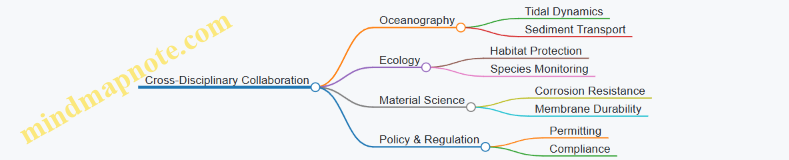
Implement Adaptive Project Management in Marine Environments
- Use flexible project plans that can adjust to environmental variability and unforeseen challenges.
- Incorporate iterative feedback loops from monitoring data and stakeholder input.
Example: The MeyGen project adapted its installation schedule and turbine configurations based on seasonal weather patterns and marine traffic considerations.
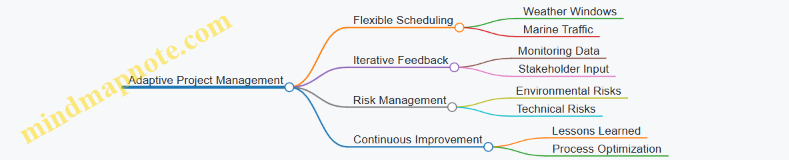
Focus on Environmental Stewardship and Community Engagement
- Conduct thorough environmental impact assessments and implement mitigation strategies.
- Engage local communities and stakeholders transparently to build trust and support.
Example: European tidal projects often incorporate fish-friendly turbine designs and maintain open communication channels with coastal communities to address concerns.
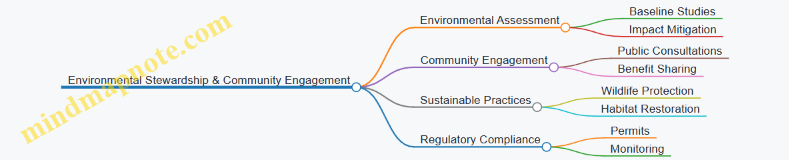
Summary Table of Strategic Recommendations
| Recommendation | Key Actions | Example Project |
|---|---|---|
| Site Selection & Resource Assessment | Hydrodynamic & salinity studies, MCDA | MeyGen (Scotland) |
| Modular & Scalable Design | Phased deployment, standardized components | Statkraft Osmotic Plant |
| Monitoring & Predictive Maintenance | IoT sensors, data analytics, ML models | MeyGen |
| Cross-Disciplinary Collaboration | Engage diverse experts early | Sihwa Lake (South Korea) |
| Adaptive Project Management | Flexible plans, iterative feedback | MeyGen |
| Environmental Stewardship & Community Engagement | Impact assessments, public consultations | European tidal projects |
By implementing these strategic recommendations, ocean engineers and renewable project developers can enhance the technical viability, environmental sustainability, and social acceptance of tidal and osmotic power projects, accelerating their role in the global renewable energy transition.
11.3 Policy Advisor Guidelines for Supporting Marine Energy Growth
As policy advisors play a pivotal role in shaping the future of marine renewable energy, particularly tidal and osmotic power, it is essential to provide clear, actionable guidelines that foster sustainable growth. This section outlines key strategies, supported by mind maps and real-world examples, to help policy advisors effectively support marine energy development.
Establish Clear Regulatory Frameworks
A transparent and streamlined regulatory environment reduces uncertainty for developers and investors.
- Define permitting processes with clear timelines.
- Harmonize regulations across jurisdictions to facilitate cross-border projects.
- Incorporate environmental safeguards without creating excessive barriers.
Example: The UK’s Marine and Coastal Access Act (2009) created a comprehensive licensing system that accelerated tidal energy projects like MeyGen.
Provide Financial Incentives and Support Mechanisms
Financial incentives can bridge the gap between high upfront costs and long-term benefits.
- Feed-in tariffs or power purchase agreements (PPAs) guaranteeing prices.
- Grants and subsidies for R&D and pilot projects.
- Tax credits or accelerated depreciation for marine energy assets.
Example: Norway’s Enova program offers grants and loans to marine energy projects, helping to advance osmotic power pilot plants.
Promote Research, Development, and Innovation
Encouraging innovation accelerates technology maturation and cost reduction.
- Fund collaborative R&D initiatives involving academia, industry, and government.
- Support demonstration projects to validate new technologies.
- Facilitate knowledge sharing platforms and innovation hubs.
Example: The European Union’s Horizon 2020 program has funded multiple tidal and osmotic power research projects, fostering cross-border collaboration.
Ensure Environmental and Social Sustainability
Balancing development with environmental protection and community acceptance is critical.
- Implement adaptive environmental monitoring and management.
- Engage local communities early and transparently.
- Promote benefit-sharing mechanisms.
Example: The La Rance tidal power plant in France has operated for decades with ongoing environmental monitoring and community engagement programs.
Facilitate Infrastructure and Grid Integration
Robust infrastructure and grid readiness are vital for marine energy deployment.
- Support grid upgrades and interconnections in coastal regions.
- Encourage energy storage and hybrid system integration.
- Develop marine spatial planning to optimize site use.
Example: The MeyGen tidal project in Scotland benefits from targeted grid investments and marine spatial planning policies.
Foster International Collaboration and Standardization
Global cooperation accelerates technology adoption and reduces costs.
- Participate in international marine energy forums and consortia.
- Develop common technical standards and certification schemes.
- Share best practices and lessons learned.
Example: The International Energy Agency’s Ocean Energy Systems (OES) facilitates knowledge exchange and harmonization.
Summary
Policy advisors should adopt a holistic approach that combines clear regulation, financial support, innovation promotion, sustainability, infrastructure development, and international cooperation. By doing so, they can create an enabling environment that accelerates the deployment of tidal and osmotic power, contributing significantly to the renewable energy transition.
For further reading and detailed case studies, refer to sections 2, 3, 5, 6, and 7 of this blog.
11.4 Final Thoughts on Sustainable Deployment of Tidal and Osmotic Power
The sustainable deployment of tidal and osmotic power represents a critical frontier in the global transition toward clean, renewable energy. As ocean engineers, renewable project developers, and policy advisors, embracing a holistic approach that balances technological innovation, environmental stewardship, economic viability, and social acceptance is essential.
Key Pillars for Sustainability
Technology: Driving Innovation with Practical Examples
- Tidal Power: The MeyGen project in Scotland exemplifies how modular tidal stream turbines can be scaled sustainably, minimizing seabed disruption while maximizing energy output.
- Osmotic Power: Statkraft’s osmotic pilot plant in Norway highlights advances in membrane technology and system integration, providing valuable data on operational efficiency and environmental compatibility.
Best practice involves continuous R&D investment to improve turbine durability and membrane lifespan, reducing maintenance costs and environmental footprint.
Environmental Stewardship: Protecting Marine Ecosystems
- Conduct thorough Environmental Impact Assessments (EIA) before deployment.
- Implement adaptive management strategies, as seen in the La Rance tidal barrage, where fish passage solutions and sediment management have been refined over decades.
- Monitor biodiversity impacts continuously, adjusting operations to mitigate harm.
Economic Viability: Ensuring Long-Term Success
- Leverage diverse funding mechanisms, including public-private partnerships, as demonstrated by the Sihwa Lake tidal power project in South Korea.
- Incorporate lifecycle cost analysis to capture long-term benefits and maintenance needs.
- Promote job creation and local economic development to enhance community support.
Social Acceptance: Engaging Communities and Stakeholders
- Early and transparent stakeholder engagement builds trust and addresses concerns.
- Educational programs increase awareness of marine energy benefits and challenges.
- Community benefit-sharing models, such as local employment and infrastructure improvements, foster positive relationships.
Policy and Regulation: Creating an Enabling Environment
- Develop clear, supportive regulatory frameworks that streamline permitting while safeguarding the environment.
- Implement incentive programs to reduce financial barriers and encourage innovation.
- Foster international collaboration to share knowledge, harmonize standards, and scale deployment.

Integrated Example: The MeyGen Project
- Combines cutting-edge tidal turbine technology with rigorous environmental monitoring.
- Engages local communities through outreach and employment.
- Benefits from UK government incentives and a clear regulatory framework.
- Demonstrates scalability and adaptability, serving as a global model.
Final Reflection
Sustainable deployment of tidal and osmotic power demands a balanced, multidisciplinary approach. By learning from pioneering projects, applying best practices, and fostering collaboration among engineers, developers, and policymakers, the marine energy sector can unlock vast clean energy potential while preserving marine ecosystems and supporting socio-economic development. The future of marine renewable energy is promising, provided sustainability remains at its core.