Green Buildings Modular Construction and Sustainable Infrastructure
1. Introduction to Green Buildings and Sustainable Infrastructure
1.1 Defining Green Buildings: Principles and Goals
Green buildings are structures designed, constructed, operated, and maintained to minimize their environmental impact while promoting the health and well-being of occupants. The core idea is to create buildings that are resource-efficient throughout their life cycle — from siting to design, construction, operation, maintenance, renovation, and demolition.
Core Principles of Green Buildings
- Energy Efficiency: Reducing energy consumption through design, materials, and technology.
- Water Conservation: Minimizing water use and promoting reuse.
- Sustainable Materials: Using renewable, recycled, or low-impact materials.
- Indoor Environmental Quality: Ensuring healthy air, natural lighting, and thermal comfort.
- Waste Reduction: Minimizing waste generation and promoting recycling.
- Site Sustainability: Preserving natural habitats and reducing urban heat islands.
Goals of Green Buildings
- Reduce carbon footprint and greenhouse gas emissions.
- Lower operational costs through efficiency.
- Enhance occupant health and productivity.
- Promote resilience against climate change impacts.
- Support sustainable urban development.
Mind Map: Principles of Green Buildings
Example 1: The Bullitt Center, Seattle, USA
Known as the “greenest commercial building in the world,” the Bullitt Center embodies green building principles by:
- Using net-zero energy through solar panels and energy-efficient design.
- Harvesting rainwater for all water needs.
- Composting all waste onsite.
- Using sustainably sourced wood and non-toxic materials.
This building demonstrates how ambitious sustainability goals can be met in an urban commercial context.
Example 2: BedZED (Beddington Zero Energy Development), London, UK
BedZED is a pioneering eco-village that incorporates:
- High insulation and airtightness to reduce heating needs.
- Solar energy and biomass heating.
- Water-saving appliances and rainwater harvesting.
- Use of recycled and locally sourced materials.
It serves as a model for sustainable residential development.
Summary
Defining green buildings involves understanding a holistic approach that balances environmental responsibility, occupant well-being, and economic viability. By adhering to core principles and clear goals, green buildings contribute significantly to sustainable urban development and climate change mitigation.
1.2 Overview of Sustainable Infrastructure in Urban Development
Sustainable infrastructure in urban development refers to the design, construction, and management of physical systems and facilities that support urban life while minimizing environmental impact, enhancing social equity, and promoting economic viability. It integrates ecological principles with urban planning to create resilient, efficient, and livable cities.
Key Components of Sustainable Infrastructure
- Energy Systems: Renewable energy integration, smart grids, energy-efficient technologies.
- Water Management: Sustainable drainage systems, water recycling, greywater reuse.
- Transportation: Public transit, non-motorized transport infrastructure, electric vehicle support.
- Waste Management: Recycling, waste-to-energy, circular economy practices.
- Green Spaces: Urban parks, green roofs, urban forests.
- Buildings: Energy-efficient, modular, and green-certified structures.
Mind Map: Components of Sustainable Urban Infrastructure
Why Sustainable Infrastructure Matters in Urban Development
- Environmental Benefits: Reduces carbon footprint, conserves natural resources, mitigates urban heat island effect.
- Economic Benefits: Lowers operational costs, attracts investment, creates green jobs.
- Social Benefits: Improves public health, enhances quality of life, promotes social equity.
Examples of Sustainable Infrastructure in Urban Development
-
Curitiba, Brazil – Integrated Public Transport and Green Spaces
- Curitiba is renowned for its Bus Rapid Transit (BRT) system that efficiently moves people while reducing emissions.
- The city integrates extensive parks and green corridors that manage stormwater and provide recreational spaces.
-
Masdar City, UAE – Renewable Energy and Water Efficiency
- Designed as a zero-carbon city, Masdar incorporates solar power, energy-efficient buildings, and water recycling systems.
- Its infrastructure supports electric and autonomous vehicles, reducing reliance on fossil fuels.
-
Copenhagen, Denmark – Smart Energy and Cycling Infrastructure
- Copenhagen aims to be carbon-neutral by 2025 through smart grids and district heating.
- The city boasts extensive cycling infrastructure, promoting sustainable transport.
Mind Map: Benefits of Sustainable Infrastructure
Integrating Sustainable Infrastructure with Urban Development Strategies
- Planning: Incorporate sustainability goals early in master plans.
- Policy: Enforce regulations and incentives for green infrastructure.
- Technology: Utilize smart systems for monitoring and management.
- Community Engagement: Involve residents in planning and stewardship.
Example: Singapore’s Green Urban Infrastructure Initiatives
Singapore has implemented a comprehensive approach to sustainable infrastructure by integrating green roofs, vertical gardens, and extensive water catchment systems within its dense urban fabric. The city-state’s “City in a Garden” vision promotes biodiversity and climate resilience while supporting urban growth.
In summary, sustainable infrastructure is a cornerstone of modern urban development. By thoughtfully designing and managing energy, water, transport, waste, green spaces, and buildings, cities can become more resilient, equitable, and environmentally responsible.
1.3 The Role of Modular Construction in Sustainability
Modular construction plays a transformative role in advancing sustainability within the building industry. By shifting significant portions of the construction process from traditional on-site methods to controlled factory environments, modular construction offers numerous environmental, economic, and social benefits that align closely with green building principles.
Key Sustainability Benefits of Modular Construction
Modular Construction and Sustainability Mind Map
Reduced Construction Waste
Modular construction enables precise manufacturing of building components in factory settings, which significantly reduces material waste compared to traditional construction. Materials can be optimized and reused efficiently, and offcuts are often recycled within the factory.
Example:
- Sekisui House in Japan utilizes modular prefabrication techniques that reduce wood waste by up to 30% compared to conventional methods.
Lower Carbon Emissions
By consolidating construction activities in factories, modular construction reduces transportation needs and on-site machinery use, leading to lower greenhouse gas emissions. Additionally, shorter construction timelines mean less energy consumption overall.
Example:
- The B2 Tower in Brooklyn, New York, a modular residential building, achieved a 20% reduction in carbon footprint compared to traditional construction by minimizing on-site activity and optimizing logistics.
Efficient Material Use and Resource Optimization
Factory-controlled environments allow for better inventory management and just-in-time delivery, reducing excess materials and storage needs. This efficiency supports sustainable sourcing and reduces environmental impact.
Example:
- Laing O’Rourke, a global construction firm, uses modular construction with integrated supply chain management to optimize material use and reduce waste.
Accelerated Construction Timelines
Modular construction enables parallel processing—while site work (foundations, utilities) is underway, modules are fabricated simultaneously off-site. This reduces overall project duration, minimizing environmental disturbance and resource consumption.
Example:
- The CitizenM Hotel in New York was built using modular methods, reducing construction time by 30%, which lowered noise pollution and site disruption.
Improved Quality Control and Durability
Modules are built in controlled factory conditions with stringent quality checks, resulting in higher build quality and longer-lasting structures. Durable buildings require less frequent repairs and renovations, reducing resource use over time.
Example:
- Katerra, a technology-driven modular construction company, emphasizes precision manufacturing to enhance building longevity and sustainability.
Minimizing Community Disruption
Because much of the construction occurs off-site, modular projects reduce noise, dust, and traffic congestion in urban areas, contributing to healthier and more livable communities.
Example:
- Vancouver’s Modular Housing Program for affordable housing minimized neighborhood disruption by assembling modules quickly on-site.
Summary Mind Map
In conclusion, modular construction is a powerful enabler of sustainable building practices. Its ability to reduce waste, lower emissions, optimize resources, and accelerate timelines makes it an essential strategy for developers and urban planners aiming to meet sustainability goals in modern urban development.
1.4 Benefits of Integrating Green Building Practices with Modular Construction
Integrating green building practices with modular construction creates a powerful synergy that accelerates sustainable development while addressing many challenges faced by traditional construction methods. This integration not only enhances environmental performance but also improves efficiency, cost-effectiveness, and occupant well-being.
Key Benefits Overview
- Reduced Environmental Impact
- Enhanced Construction Efficiency
- Improved Quality and Precision
- Cost Savings and Predictability
- Accelerated Project Timelines
- Waste Minimization and Resource Optimization
- Flexibility and Scalability
- Improved Indoor Environmental Quality
Mind Map: Benefits of Integrating Green Building with Modular Construction
Reduced Environmental Impact
Modular construction inherently reduces environmental impact by optimizing material use and minimizing waste. When combined with green building practices such as using recycled or locally sourced materials, renewable energy systems, and water-efficient fixtures, the overall carbon footprint of a project significantly decreases.
Example:
- The ZEB Pilot House in Norway uses modular construction combined with passive solar design and high-performance insulation, achieving near-zero energy consumption.
Enhanced Construction Efficiency
Building modules in a controlled factory environment reduces delays caused by weather and site conditions. This efficiency aligns with green building goals by minimizing energy use during construction and reducing the environmental disturbance on-site.
Example:
- Sekisui House in Japan manufactures modular homes in factories, reducing construction time by up to 50% while maintaining sustainable standards.
Improved Quality and Precision
Factory-built modules allow for stringent quality control, ensuring that green features like airtightness, insulation, and energy systems are installed correctly and consistently.
Example:
- The Edge Amsterdam incorporates modular elements with smart energy management systems, ensuring high-quality sustainable performance.
Cost Savings and Predictability
Modular construction reduces labor costs and material waste, while green building practices lower operational costs through energy and water savings. Together, these factors improve overall project ROI and reduce financial risks.
Example:
- Skanska’s modular office buildings demonstrate reduced upfront costs and lower lifecycle expenses through integrated green systems and modular methods.
Accelerated Project Timelines
Modular construction allows site preparation and module fabrication to occur simultaneously, shortening the overall project schedule. This speed reduces the environmental footprint of prolonged construction activities.
Example:
- Vancouver’s Modular Housing Program delivered affordable, sustainable housing rapidly by combining modular construction with energy-efficient designs.
Waste Minimization and Resource Optimization
Prefabrication enables precise material cutting and reuse of offcuts, drastically reducing construction waste. Green building standards further encourage recycling and sustainable sourcing.
Example:
- The Bullitt Center in Seattle used modular elements and strict waste management protocols to achieve a zero-waste construction site.
Flexibility and Scalability
Modular buildings can be easily expanded, reconfigured, or relocated, supporting sustainable urban development by adapting to changing needs without demolition waste.
Example:
- ICON’s 3D Printed Modular Homes offer scalable, sustainable housing solutions that can be customized and expanded as communities grow.
Improved Indoor Environmental Quality (IEQ)
Green building practices focus on occupant health through natural ventilation, daylighting, and low-VOC materials. Modular construction’s precision ensures these IEQ features are effectively implemented.
Example:
- The Modular Passive House Project in Germany integrates airtight modular units with advanced ventilation systems to optimize indoor air quality and comfort.
Summary
Integrating green building practices with modular construction delivers a comprehensive approach to sustainable development. It reduces environmental impact, enhances efficiency and quality, lowers costs, and improves occupant well-being. For developers and urban planners, this integration represents a forward-thinking strategy to meet sustainability goals while addressing urban growth challenges.
1.5 Case Study: The Bullitt Center – A Benchmark in Green Building
The Bullitt Center, located in Seattle, Washington, is widely regarded as one of the greenest commercial buildings in the world. It serves as a pioneering example of how sustainable construction principles can be integrated into an urban office building, setting new standards for energy efficiency, water conservation, and occupant health.
Overview:
- Location: Seattle, WA
- Size: 50,000 square feet
- Purpose: Commercial office space
- Certification: Living Building Challenge (LBC) – the most rigorous green building certification
Key Features and Sustainable Practices:
Bullitt Center Mind Map
Detailed Examples of Best Practices:
-
Net-Zero Energy Design
- The Bullitt Center produces as much energy as it consumes annually.
- Example: The 575 solar panels on the roof generate approximately 230,000 kWh per year, powering the entire building.
-
Rainwater Harvesting and Treatment
- The building collects rainwater from its roof, stores it in a 56,000-gallon underground cistern.
- Water is treated on-site to potable standards, eliminating the need for municipal water supply.
-
Composting Toilets
- Instead of conventional flush toilets, the Bullitt Center uses composting toilets that reduce water use by approximately 80%.
- This system also reduces wastewater generation, easing the load on urban infrastructure.
-
Material Transparency and Health
- The project team rigorously screened all materials to exclude harmful chemicals.
- Example: Use of FSC-certified wood supports sustainable forestry practices.
-
Natural Ventilation and Daylighting
- Operable windows allow occupants to control airflow, reducing reliance on mechanical HVAC.
- Large windows and skylights maximize daylight, reducing artificial lighting needs.
-
Urban Location and Transportation
- Situated in a dense urban area with excellent public transit access.
- Provides ample bike parking and showers to encourage cycling.
Mind Map: Bullitt Center Sustainable Systems Integration
Lessons for Developers and Urban Planners:
-
Holistic Design Approach: The Bullitt Center exemplifies how integrating energy, water, materials, and human factors from the outset leads to superior sustainability outcomes.
-
Certification as a Guiding Framework: Pursuing the Living Building Challenge helped the project team maintain ambitious goals and transparency.
-
Urban Location Matters: Placing sustainable buildings in walkable, transit-rich neighborhoods amplifies their environmental benefits.
-
Innovative Technologies Work: Composting toilets and on-site water treatment are viable alternatives to conventional systems.
-
Occupant Engagement is Key: Real-time monitoring and feedback empower users to participate in sustainability efforts.
Summary
The Bullitt Center stands as a benchmark in green building, demonstrating that commercial buildings can achieve net-zero energy and water use while promoting occupant health and urban sustainability. Its success offers valuable insights and replicable strategies for developers and urban planners aiming to advance sustainable construction and infrastructure.
2. Core Principles of Sustainable Construction
2.1 Energy Efficiency: Passive Design and Renewable Energy Integration
Energy efficiency is a cornerstone of sustainable construction, significantly reducing operational costs and environmental impact. This section explores two critical strategies: passive design principles and renewable energy integration, both essential for green buildings and modular construction.
Passive Design Principles
Passive design focuses on optimizing a building’s orientation, materials, and architectural features to naturally regulate temperature, lighting, and ventilation without relying heavily on mechanical systems.
Key Elements of Passive Design:
- Building Orientation: Positioning the building to maximize solar gain in winter and minimize it in summer.
- Thermal Mass: Using materials that absorb, store, and release heat to stabilize indoor temperatures.
- Insulation: High-performance insulation reduces heat transfer, maintaining comfort.
- Natural Ventilation: Designing openings and airflow paths to cool and refresh indoor air.
- Daylighting: Maximizing natural light to reduce artificial lighting needs.
- Shading Devices: Overhangs, louvers, and vegetation to block excessive solar heat.
Mind Map: Passive Design Components
Example: The Bullitt Center, Seattle, USA
The Bullitt Center employs passive solar design by orienting its large south-facing windows to capture winter sunlight, combined with deep overhangs to shade during summer. Its thick concrete floors act as thermal mass, stabilizing indoor temperatures. Natural ventilation and daylighting reduce reliance on HVAC and electric lighting, resulting in a net-zero energy building.
Renewable Energy Integration
Incorporating renewable energy systems into buildings further enhances energy efficiency by generating clean power onsite, reducing dependence on fossil fuels.
Common Renewable Energy Technologies:
- Solar Photovoltaic (PV) Panels: Convert sunlight directly into electricity.
- Solar Thermal Systems: Use solar energy to heat water or air.
- Wind Turbines: Generate electricity from wind, suitable for certain urban or peri-urban sites.
- Geothermal Heat Pumps: Utilize stable underground temperatures for heating and cooling.
Mind Map: Renewable Energy Integration
Example: The Edge, Amsterdam, Netherlands
The Edge integrates a large solar PV array on its roof and facades, generating a significant portion of its electricity demand. Combined with geothermal heat pumps and smart energy management systems, it achieves exceptional energy efficiency and sustainability.
Synergizing Passive Design and Renewable Energy in Modular Construction
Modular construction offers unique opportunities to optimize energy efficiency by integrating passive design features and renewable energy systems during factory fabrication.
- Pre-fabricated high-performance insulation and airtight modules reduce thermal losses.
- Modules designed with optimal window placement and shading can maximize passive solar benefits.
- Pre-installed solar PV panels or conduits facilitate seamless renewable energy integration.
Example: ZEB Pilot House, Norway
This zero-emission modular home combines super-insulated prefabricated modules with rooftop solar PV and solar thermal collectors. Its design maximizes daylight and natural ventilation, demonstrating how modular construction can embody energy-efficient principles.
Summary
Energy efficiency through passive design and renewable energy integration is vital for sustainable construction. By leveraging these strategies, developers and urban planners can create buildings that reduce energy consumption, lower carbon footprints, and enhance occupant comfort.
References for Further Reading
- “Passive Solar Design Basics” – U.S. Department of Energy
- “Renewable Energy Integration in Buildings” – International Energy Agency
- Case Studies: Bullitt Center, The Edge Amsterdam, ZEB Pilot House
2.2 Water Conservation Techniques in Building Design
Water conservation is a critical component of sustainable construction, aiming to reduce water usage and manage water resources efficiently within buildings. Implementing effective water-saving strategies not only lowers utility costs but also lessens the environmental impact of urban development.
Key Water Conservation Techniques
Detailed Explanation and Examples
Water-Efficient Fixtures
Installing fixtures that reduce water flow without compromising performance is a straightforward way to conserve water.
- Example: The Bullitt Center in Seattle uses low-flow faucets and dual-flush toilets, reducing indoor water use by over 30% compared to conventional buildings.
Rainwater Harvesting
Capturing rainwater from roofs and other surfaces can supplement water supply for non-potable uses.
- Example: The Khoo Teck Puat Hospital in Singapore integrates an extensive rainwater harvesting system that supplies up to 30% of its water needs, primarily for irrigation and toilet flushing.
Greywater Recycling
Reusing greywater from sinks and showers reduces demand on potable water systems.
- Example: The Omega Center for Sustainable Living in New York treats and recycles greywater onsite, using it for flushing toilets and landscape irrigation.
Smart Irrigation Systems
Using sensors and automated controls optimizes outdoor water use by applying water only when necessary.
- Example: The Edge Amsterdam employs smart irrigation with soil moisture sensors to minimize water use in its green spaces.
Water-Efficient Landscaping
Designing landscapes with drought-tolerant native plants and mulching reduces irrigation needs.
- Example: The City of Melbourne’s urban parks use xeriscaping principles, saving millions of liters of water annually.
Leak Detection and Maintenance
Early detection of leaks prevents water loss and infrastructure damage.
- Example: Skanska’s modular office buildings incorporate automated leak detection systems, enabling rapid response and maintenance.
Building Design Strategies
Thoughtful plumbing design and water zoning separate potable and non-potable water systems, improving efficiency and safety.
- Example: The Edge Amsterdam features separate piping for rainwater and potable water, reducing potable water consumption significantly.
Mind Map: Water Conservation Techniques in Building Design
Summary
Incorporating water conservation techniques in building design is essential for sustainable construction. By combining efficient fixtures, rainwater harvesting, greywater reuse, smart irrigation, and thoughtful landscaping, developers and urban planners can significantly reduce water consumption and contribute to resilient urban infrastructure.
2.3 Material Selection: Low-Impact, Recycled, and Locally Sourced Materials
Material selection is a cornerstone of sustainable construction, directly influencing the environmental footprint, cost-efficiency, and overall performance of green buildings. Choosing low-impact, recycled, and locally sourced materials helps reduce embodied carbon, supports local economies, and minimizes transportation emissions.
Why Material Selection Matters
- Embodied Carbon: Materials contribute significantly to a building’s carbon footprint through extraction, processing, and transportation.
- Resource Efficiency: Sustainable materials often use less energy and water during production.
- Waste Reduction: Using recycled materials diverts waste from landfills.
- Local Economy Support: Sourcing locally reduces transport emissions and boosts regional businesses.
Mind Map: Key Considerations in Sustainable Material Selection
Low-Impact Materials
These materials have minimal environmental impact during extraction and manufacturing.
- Bamboo: Rapidly renewable, strong, and versatile.
- Hempcrete: Carbon-negative, excellent insulation.
- Rammed Earth: Uses natural soil, low embodied energy.
- Straw Bale: Renewable, good insulation, biodegradable.
Example: The Hemp House in Asheville, NC, uses hempcrete walls to reduce carbon footprint and improve insulation.
Mind Map: Examples of Low-Impact Materials
Recycled Materials
Incorporating recycled content reduces demand for virgin resources and lowers waste.
- Recycled Steel: High strength, reduces mining impacts.
- Recycled Concrete Aggregate (RCA): Used in foundations and roadbeds.
- Recycled Plastic Lumber: Durable, weather-resistant for decking.
- Fly Ash and Slag Cement: Industrial byproducts replacing Portland cement.
Example: The Bullitt Center in Seattle incorporates recycled steel and fly ash in concrete mixes, significantly reducing embodied carbon.
Mind Map: Common Recycled Materials in Construction
Locally Sourced Materials
Using materials sourced near the project site reduces transportation emissions and supports local economies.
- Locally Quarried Stone: Reduces transport emissions, blends with regional aesthetics.
- Regional Timber: Supports sustainable forestry practices.
- Clay and Earth: Often available on-site or nearby for earthen construction.
Example: The Vauban District in Freiburg, Germany, extensively uses locally sourced timber and stone to maintain low environmental impact and regional character.
Mind Map: Benefits of Locally Sourced Materials
Integrating Material Selection into Modular Construction
Modular construction benefits greatly from sustainable material selection due to factory-controlled environments enabling precise material use and waste reduction.
- Use of recycled steel framing in modules.
- Prefabricated panels with hempcrete or recycled insulation.
- Locally sourced cladding materials to reduce transport.
Example: Sekisui House in Japan uses prefabricated modules with recycled steel and locally sourced timber, combining speed with sustainability.
Summary
Selecting materials with low environmental impact, recycled content, and local sourcing is essential for sustainable construction. These choices reduce embodied carbon, support circular economy principles, and enhance building performance.
Additional Resources
- Embodied Carbon in Construction Calculator (EC3)
- USGBC Material Transparency Resources
- Modular Building Institute – Sustainable Materials
2.4 Waste Reduction Strategies During Construction
Waste reduction during construction is a critical component of sustainable building practices. Construction waste not only contributes to landfill overload but also represents a loss of valuable resources and increased environmental impact. Implementing effective waste reduction strategies helps developers and urban planners minimize environmental footprints, reduce costs, and improve project efficiency.
Key Waste Reduction Strategies
Detailed Explanation and Examples
1. Planning and Design
Effective waste reduction starts at the design phase. Accurate material take-offs and estimations prevent over-ordering. Modular design principles help by standardizing components, reducing offcuts and scraps.
Example: The Bullitt Center in Seattle used detailed BIM (Building Information Modeling) to optimize material quantities, reducing waste by 15% compared to traditional projects.
2. Material Management
Just-in-time delivery ensures materials arrive as needed, reducing onsite storage time and damage. Proper storage protects materials from weather and contamination.
Example: Sekisui House in Japan employs strict inventory control and storage protocols in their modular factory, minimizing damaged materials and waste.
3. On-site Waste Segregation
Separating waste streams on-site improves recycling rates and reduces contamination.
Mind Map:
Example: The Edge Amsterdam construction site implemented color-coded bins and worker training, achieving a 90% recycling rate of construction waste.
4. Reuse and Recycling
Salvaging materials such as bricks, timber, and fixtures for reuse reduces demand for new materials. Recycling concrete and metals reduces landfill waste.
Example: The ZEB Pilot House in Norway reused timber from demolition and recycled concrete aggregates, cutting waste disposal by 40%.
5. Process Optimization
Prefabrication and modular construction inherently reduce waste by manufacturing components in controlled environments with precise cutting and assembly.
Mind Map:
Example: Skanska’s modular office buildings use factory fabrication to reduce onsite waste by up to 60% compared to traditional builds.
6. Training and Awareness
Educating workers on waste reduction techniques and the importance of segregation fosters a culture of sustainability.
Example: Vancouver’s Modular Housing Program includes mandatory sustainability training for all construction workers, resulting in significant waste reduction and improved recycling compliance.
Summary
Implementing a combination of these strategies creates a robust waste reduction framework. From design to execution, integrating waste-conscious practices leads to more sustainable construction projects, cost savings, and reduced environmental impact.
2.5 Indoor Environmental Quality: Health and Comfort Considerations
Indoor Environmental Quality (IEQ) is a critical aspect of sustainable construction that directly impacts the health, comfort, and productivity of building occupants. IEQ encompasses factors such as air quality, thermal comfort, lighting, acoustics, and ergonomics. Prioritizing IEQ in green buildings ensures healthier indoor environments and aligns with sustainability goals.
Key Components of Indoor Environmental Quality
Air Quality
Good indoor air quality is fundamental to occupant health. It involves providing adequate ventilation, controlling indoor pollutants, and managing humidity.
- Ventilation: Incorporating mechanical ventilation systems with heat recovery (HRV) or energy recovery ventilators (ERV) ensures fresh air supply without energy loss.
- Pollutant Control: Use of low-VOC (Volatile Organic Compounds) materials, proper storage of chemicals, and filtration systems reduce harmful emissions.
- Humidity Management: Maintaining indoor relative humidity between 30-60% prevents mold growth and respiratory discomfort.
Example: The Bullitt Center in Seattle uses a state-of-the-art ventilation system that provides 100% fresh air with energy-efficient heat recovery, ensuring excellent indoor air quality.
Thermal Comfort
Thermal comfort affects occupant satisfaction and productivity. Sustainable buildings use passive and active strategies to maintain comfortable temperatures.
- Temperature Control: Use of insulation, thermal mass, and shading devices to reduce temperature fluctuations.
- Humidity Levels: Controlled through HVAC systems and moisture barriers.
- Air Movement: Ceiling fans or natural ventilation enhance comfort without excessive energy use.
Example: The Edge Amsterdam integrates smart HVAC systems that adjust temperature based on occupancy and external weather, optimizing thermal comfort.
Lighting
Proper lighting enhances visual comfort and reduces energy consumption.
- Natural Daylighting: Maximizing daylight through window placement, light shelves, and skylights reduces reliance on artificial lighting.
- Artificial Lighting Quality: Use of LED lighting with adjustable color temperature and dimming capabilities.
- Glare Control: Employing shading devices and diffusers to minimize glare.
Example: The Center for Sustainable Landscapes in Pittsburgh uses extensive daylighting combined with automated shading to maintain optimal lighting conditions.
Acoustics
Noise control is essential for occupant well-being, especially in urban environments.
- Noise Reduction: Use of sound-absorbing materials and acoustic panels.
- Sound Insulation: Proper sealing of joints and double-glazed windows to reduce external noise.
Example: The Bullitt Center incorporates acoustic ceiling tiles and triple-pane windows to create a quiet indoor environment despite its urban location.
Ergonomics
Designing spaces that support occupant comfort and health through ergonomic furniture and thoughtful layouts.
- Adjustable desks and chairs to support various postures.
- Adequate space for movement and social interaction.
Example: Sekisui House’s modular homes include ergonomic kitchen and workspace designs that enhance usability and comfort.
Integrated Best Practices for Enhancing IEQ in Green Modular Construction
Summary
Indoor Environmental Quality is a cornerstone of sustainable construction that enhances occupant health and comfort. By integrating advanced ventilation, thermal control, lighting, acoustic, and ergonomic strategies, developers and urban planners can create modular green buildings that promote wellbeing and sustainability.
Additional Example
ZEB Pilot House (Norway): This zero-emission modular home incorporates triple-glazed windows for thermal comfort and acoustic insulation, uses non-toxic materials to improve air quality, and maximizes daylighting with strategically placed windows and skylights, demonstrating holistic IEQ integration.
2.6 Example: The Edge Amsterdam – Smart Energy and Water Management
The Edge in Amsterdam is widely recognized as one of the smartest and most sustainable office buildings in the world. Developed by OVG Real Estate and designed by PLP Architecture, this building integrates cutting-edge technologies and sustainable practices that optimize energy and water use, setting a benchmark for green buildings globally.
Overview of The Edge
- Location: Amsterdam, Netherlands
- Size: Approximately 40,000 square meters
- Certification: BREEAM Outstanding (score of 98.36%)
- Occupants: Deloitte Netherlands
Smart Energy Management at The Edge
The Edge employs a combination of renewable energy sources, smart systems, and efficient design to minimize energy consumption.
- Solar Panels: The building’s south-facing facade and roof are covered with photovoltaic panels generating a significant portion of the building’s electricity.
- Smart Lighting: Uses a network of 28,000 sensors to adjust lighting based on occupancy and daylight availability.
- Energy Storage: Battery systems store surplus solar energy for use during peak demand or low generation periods.
- Heating and Cooling: Utilizes an aquifer thermal energy storage system, leveraging groundwater temperature for efficient climate control.
Mind Map: Smart Energy Management at The Edge
Water Management Strategies
The Edge incorporates innovative water-saving and recycling systems to reduce consumption and environmental impact.
- Rainwater Harvesting: Collects rainwater for use in toilets and irrigation.
- Greywater Recycling: Treats and reuses water from sinks and showers for non-potable applications.
- Low-Flow Fixtures: Installed throughout the building to minimize water use.
- Smart Monitoring: Sensors track water usage in real-time to detect leaks and optimize consumption.
Mind Map: Water Management at The Edge
Integrated Building Management System (BMS)
The Edge’s BMS is the core platform integrating energy, water, lighting, and occupancy data to optimize building performance.
- Occupancy-Based Controls: Sensors adjust lighting, heating, and cooling based on real-time occupancy.
- User Interaction: Employees use a smartphone app to find available workspaces, control lighting, and adjust temperature preferences.
- Data Analytics: Continuous data collection enables predictive maintenance and energy optimization.
Mind Map: Building Management System
Practical Examples of Smart Energy and Water Management
-
Example 1: Lighting Adjustment
- Sensors detect empty meeting rooms and automatically switch off lights, saving thousands of kWh annually.
-
Example 2: Rainwater Use
- Collected rainwater supplies 50% of the building’s non-potable water needs, reducing municipal water demand.
-
Example 3: Employee Comfort and Energy Savings
- Personalized climate control via app reduces unnecessary heating/cooling in unoccupied zones.
-
Example 4: Leak Detection
- Early detection of a minor leak prevented water loss of over 10,000 liters.
Lessons for Developers and Urban Planners
- Integrate renewable energy systems early in design to maximize efficiency.
- Use sensor networks to enable real-time monitoring and adaptive controls.
- Incorporate water recycling and harvesting to reduce potable water demand.
- Engage building occupants with smart technology to encourage sustainable behavior.
- Employ data analytics for continuous performance improvement.
The Edge Amsterdam exemplifies how smart energy and water management can be seamlessly integrated into modern green buildings, offering replicable strategies for sustainable construction and urban development projects worldwide.
3. Fundamentals of Modular Construction
3.1 Understanding Modular Construction: Types and Methods
Modular construction is a modern building technique where structures are prefabricated off-site in controlled factory environments and then transported to the final location for assembly. This approach contrasts with traditional on-site construction, offering benefits such as reduced construction time, improved quality control, and minimized waste.
Types of Modular Construction
Modular construction can be broadly categorized based on the scale and method of prefabrication:
-
Volumetric Modular Construction: Entire 3D modules or rooms are manufactured off-site and then assembled on-site. These modules are fully finished with interiors, fixtures, and sometimes even mechanical systems.
-
Panelized Modular Construction: Flat panels such as walls, floors, and roofs are prefabricated and transported to the site for assembly. This method allows more flexibility in design compared to volumetric modules.
-
Hybrid Modular Construction: Combines volumetric and panelized methods to optimize efficiency and design flexibility.
-
Component Modular Construction: Prefabrication of smaller components like stairs, bathroom pods, or facade elements which are then integrated on-site.
Methods of Modular Construction
-
Factory-Based Prefabrication: Modules or panels are produced in a factory setting with controlled conditions, ensuring precision and quality.
-
On-Site Modular Assembly: Prefabricated units are transported and assembled quickly on-site, reducing weather-related delays.
-
Transport and Installation: Specialized logistics are used to move large modules safely and efficiently.
-
Integration with Building Systems: Mechanical, electrical, and plumbing (MEP) systems are often pre-installed within modules to streamline on-site work.
Mind Map: Types of Modular Construction
Mind Map: Modular Construction Methods
Examples of Modular Construction Types and Methods
-
Volumetric Modular Example:
- CitizenM Hotels use volumetric modules to create fully furnished hotel rooms off-site. These modules are transported and stacked on-site, enabling rapid hotel construction with consistent quality.
-
Panelized Modular Example:
- Katerra, a technology-driven construction company, uses panelized systems for residential and commercial projects, prefabricating wall and floor panels that are assembled quickly on-site.
-
Hybrid Modular Example:
- Broad Sustainable Building in China combines volumetric modules for rooms with panelized elements for larger structural components, achieving fast construction speeds for high-rise buildings.
-
Component Modular Example:
- Bathroom pods are widely used in student housing and hotels, where fully finished bathroom units are manufactured off-site and installed into the building shell on-site, reducing labor and time.
Understanding these types and methods allows developers and urban planners to select the most appropriate modular construction approach tailored to project requirements, sustainability goals, and site constraints.
3.2 Advantages of Modular Construction for Sustainability
Modular construction offers a transformative approach to building that aligns closely with sustainable development goals. By shifting much of the construction process from the site to a controlled factory environment, modular construction reduces waste, improves efficiency, and minimizes environmental impact. Below, we explore the key sustainability advantages of modular construction, supported by practical examples and visual mind maps to clarify these benefits.
Key Advantages of Modular Construction for Sustainability
Detailed Explanation and Examples
Waste Reduction
Traditional construction often results in significant material waste due to on-site cutting, damage, and overordering. Modular construction, by contrast, uses precise computer-aided manufacturing techniques in factories, which optimize material usage and enable recycling of offcuts. For example, Sekisui House in Japan reports up to 90% reduction in construction waste by employing modular prefabrication methods.
Energy Efficiency
Modules built in factories benefit from controlled conditions that allow for superior insulation installation and airtight sealing, which are sometimes difficult to achieve on-site. The ZEB Pilot House in Norway demonstrates this advantage by combining modular construction with advanced energy systems to achieve net-zero energy consumption.
Reduced Site Disturbance
Because the majority of construction happens off-site, the time spent on-site is significantly reduced. This minimizes noise pollution, dust, and disruption to neighboring communities and ecosystems. Skanska’s modular office buildings in Sweden have shown a 60% reduction in on-site construction time, leading to less environmental disturbance.
Lower Carbon Footprint
Modular construction reduces carbon emissions through efficient logistics—materials are delivered in bulk to factories, reducing multiple deliveries to sites. Additionally, the use of sustainable materials like cross-laminated timber (CLT) in modular units can cut embodied carbon by up to 40%, as seen in Austrian projects utilizing CLT modules.
Improved Quality and Durability
Factory conditions enable stringent quality control, resulting in durable buildings that require less maintenance and have longer lifespans. This reduces the need for resource-intensive repairs and replacements over time.
Flexibility and Adaptability
Modular buildings can be designed for disassembly, allowing modules to be relocated or recycled, supporting circular economy goals. This adaptability is crucial for urban environments where space and needs evolve rapidly.
Faster Construction Time
By fabricating modules simultaneously with site preparation, overall project duration shortens. This efficiency reduces energy consumption from machinery and temporary facilities, contributing to sustainability.
Summary Mind Map
By leveraging these advantages, developers and urban planners can significantly advance sustainability goals while meeting the demands for efficient, high-quality construction. Modular construction is not only a method to build faster and cheaper but also a powerful strategy to reduce environmental impact and foster resilient urban infrastructure.
3.3 Design for Manufacturing and Assembly (DfMA) in Modular Buildings
Design for Manufacturing and Assembly (DfMA) is a critical approach in modular construction that focuses on simplifying the design of building components to optimize their fabrication and on-site assembly. By integrating DfMA principles, developers and urban planners can achieve higher quality, reduce construction time, minimize waste, and enhance sustainability.
What is DfMA?
DfMA is a design philosophy that emphasizes designing products so they are easy to manufacture and assemble. In modular construction, this means designing modules and components that can be efficiently produced in factories and quickly assembled on-site with minimal complexity.
Key Principles of DfMA in Modular Buildings
- Standardization: Using uniform components and dimensions to streamline manufacturing and reduce variability.
- Simplification: Designing modules with fewer parts and connections to reduce assembly time and errors.
- Modularity: Creating interchangeable parts that can fit together in multiple configurations.
- Ease of Handling: Designing components that are lightweight and easy to transport and maneuver.
- Integration: Combining multiple functions into single components to reduce the number of parts.
- Minimizing On-site Work: Maximizing factory work to reduce weather-related delays and improve quality control.
Mind Map: Core Elements of DfMA in Modular Construction
Benefits of Applying DfMA
- Reduced Construction Time: Factory production and simplified assembly accelerate project timelines.
- Cost Savings: Lower labor costs and reduced material waste.
- Improved Quality: Controlled factory environments ensure consistent quality.
- Enhanced Sustainability: Efficient use of materials and reduced site disturbance.
- Flexibility: Easier to modify or expand buildings using standardized modules.
Example: Sekisui House’s Use of DfMA in Japan
Sekisui House, a leading Japanese homebuilder, employs DfMA principles extensively in its modular housing projects. By standardizing module sizes and integrating plumbing and electrical systems within factory-built units, they achieve rapid assembly times and high-quality finishes. Their approach reduces on-site construction time by up to 50%, minimizes waste, and ensures energy-efficient homes.
Mind Map: DfMA Process Workflow
Best Practices for Implementing DfMA
- Collaborate Early: Engage architects, engineers, manufacturers, and contractors from the start to align design with manufacturing capabilities.
- Use BIM Tools: Building Information Modeling helps visualize modules, detect clashes, and optimize assembly sequences.
- Design for Transport: Ensure modules fit transportation constraints (e.g., truck size limits).
- Incorporate Feedback Loops: Use lessons learned from previous projects to refine designs.
- Prioritize Service Integration: Embed electrical, plumbing, and HVAC systems within modules to reduce on-site work.
Example: The ZEB Pilot House (Norway)
The ZEB Pilot House is a zero-emission modular home designed with DfMA principles. Modules were prefabricated with integrated insulation, triple-glazed windows, and pre-installed solar panels. This approach allowed for rapid assembly and ensured the building met strict energy performance standards, demonstrating how DfMA supports sustainability goals.
Summary
DfMA is a transformative approach in modular construction that enhances efficiency, quality, and sustainability. By focusing on standardized, simplified, and integrated designs, developers and urban planners can deliver green buildings faster and more cost-effectively while reducing environmental impact.
3.4 Quality Control and Precision in Factory-Built Modules
Quality control and precision are fundamental advantages of modular construction, especially when modules are fabricated in controlled factory environments. This section explores how rigorous quality assurance protocols and advanced manufacturing technologies ensure that factory-built modules meet or exceed traditional construction standards, resulting in durable, efficient, and sustainable buildings.
Why Quality Control Matters in Modular Construction
- Ensures structural integrity and safety
- Minimizes defects and rework on-site
- Enhances energy efficiency and performance
- Supports faster project delivery and cost savings
Key Components of Quality Control in Factory-Built Modules
- Standardized Processes: Factory environments use repeatable, documented procedures to maintain consistency.
- Precision Manufacturing: CNC machines, robotics, and automated cutting tools deliver exact dimensions.
- Material Inspection: Incoming materials are rigorously checked for compliance with specifications.
- In-Process Monitoring: Continuous inspection during assembly detects deviations early.
- Final Module Testing: Modules undergo structural, airtightness, and systems performance tests before shipment.
Mind Map: Quality Control Workflow in Modular Factories
Technologies Enhancing Precision and Quality
- Building Information Modeling (BIM): Enables clash detection and precise fabrication instructions.
- Computer Numerical Control (CNC) Machines: Cut and shape materials with millimeter accuracy.
- Robotics and Automation: Reduce human error and improve repeatability.
- Laser Scanning and Measurement: Verify module dimensions and alignment.
Example: Sekisui House’s Factory Quality Control
Sekisui House, a leading Japanese modular home manufacturer, employs an advanced quality control system where each module undergoes over 150 inspection points. Their factory uses automated assembly lines with robotic arms and laser measurement tools to ensure each panel fits perfectly. This precision reduces on-site adjustments and guarantees airtightness, contributing to their homes’ high energy efficiency ratings.
Benefits of Factory Quality Control for Sustainability
- Waste Reduction: Precise cutting and assembly minimize offcuts and scrap.
- Energy Efficiency: Tight construction reduces thermal bridging and air leakage.
- Durability: Consistent quality reduces maintenance needs and extends building lifespan.
- Faster Construction: Fewer defects mean quicker installation and less rework.
Mind Map: Benefits of Quality Control in Modular Construction
Best Practices for Ensuring Quality and Precision
- Implement comprehensive training programs for factory workers.
- Use real-time monitoring systems to detect deviations immediately.
- Maintain rigorous documentation for traceability and accountability.
- Foster collaboration between design teams and factory engineers to optimize manufacturability.
- Schedule regular audits and continuous improvement reviews.
Summary
Quality control and precision in factory-built modules are critical to the success of modular construction projects. By leveraging controlled environments, advanced technologies, and standardized processes, manufacturers can deliver high-quality, sustainable buildings that meet stringent performance criteria. These practices not only enhance the durability and efficiency of structures but also contribute significantly to reducing environmental impact and improving overall project outcomes.
3.5 Example: Sekisui House’s Prefabricated Modular Homes in Japan
Sekisui House is one of Japan’s leading homebuilders and a pioneer in prefabricated modular construction. Their approach demonstrates how modular construction can be effectively combined with green building principles to create sustainable, high-quality residential environments.
Overview of Sekisui House’s Modular Approach
- Prefabrication: Modules are manufactured in controlled factory environments, ensuring precision, quality, and reduced waste.
- Customization: Despite modularity, homes are highly customizable to meet diverse family needs and site conditions.
- Sustainability Focus: Energy-efficient designs, use of sustainable materials, and integration of renewable energy systems.
Key Sustainable Features
- Energy Efficiency: Utilization of high-performance insulation, airtight construction, and energy-efficient windows.
- Renewable Energy: Many homes incorporate solar panels and energy storage systems.
- Water Conservation: Rainwater harvesting and efficient plumbing fixtures.
- Material Selection: Use of recycled and locally sourced materials to reduce embodied carbon.
Mind Map: Sekisui House’s Sustainable Modular Construction
Example Projects
-
Green First Model:
- Incorporates solar power and advanced insulation.
- Achieves net-zero energy consumption.
- Example: A family home in Osaka that reduced energy bills by 60%.
-
Smart Modular Housing Complexes:
- Multi-unit developments using modular construction.
- Integrated green spaces and community gardens.
- Example: A suburban development near Tokyo featuring energy-sharing between units.
Benefits Demonstrated by Sekisui House
- Reduced Construction Waste: Factory precision minimizes offcuts and scrap.
- Improved Build Quality: Controlled environment reduces defects and weather delays.
- Faster Construction Time: Modules can be built concurrently with site preparation.
- Enhanced Sustainability: Lower energy use and carbon emissions over the building lifecycle.
Lessons for Developers and Urban Planners
- Early collaboration with modular manufacturers ensures sustainability goals are met.
- Investing in design flexibility allows for broader market appeal.
- Incorporating renewable energy and water-saving technologies enhances building performance.
- Prefabrication can support affordable, high-quality housing solutions in dense urban areas.
Sekisui House’s modular homes exemplify how sustainable construction and modular techniques can be harmonized to create resilient, efficient, and environmentally responsible housing that meets modern urban demands.
4. Integrating Green Building Practices with Modular Construction
4.1 Designing Modular Units for Energy Efficiency
Designing modular units with energy efficiency at the forefront is essential to maximizing the sustainability benefits of modular construction. Energy-efficient modular units reduce operational costs, minimize environmental impact, and improve occupant comfort. This section explores key strategies, design considerations, and practical examples to guide developers and urban planners.
Key Strategies for Energy-Efficient Modular Design
- Optimized Building Envelope: Enhancing insulation, airtightness, and thermal bridging reduction.
- Passive Solar Design: Utilizing building orientation, window placement, and shading.
- High-Performance Windows and Doors: Selecting glazing and frames that reduce heat loss/gain.
- Efficient HVAC Systems: Integrating energy-saving heating, ventilation, and cooling technologies.
- LED Lighting and Smart Controls: Reducing electrical consumption through efficient fixtures and automation.
- Renewable Energy Integration: Designing for solar panels or other on-site generation.
Mind Map: Energy Efficiency Design Elements in Modular Units
Optimizing the Building Envelope
The building envelope is the first line of defense against energy loss. In modular construction, factory-controlled environments allow for precise installation of insulation and sealing materials, reducing air leakage and thermal bridging.
Example:
- Sekisui House, a leading Japanese modular home manufacturer, uses advanced insulation panels and airtight construction techniques in their prefabricated units, achieving superior thermal performance compared to traditional builds.
Passive Solar Design in Modular Units
Modular units can be designed to maximize natural light and heat gain during winter while minimizing overheating in summer. This involves strategic orientation and window placement.
Example:
- The ZEB Pilot House in Norway incorporates large south-facing windows with shading devices to optimize solar gain and reduce heating demand, all within a modular framework.
High-Performance Windows and Doors
Selecting windows and doors with low U-values and solar heat gain coefficients is critical. Factory assembly ensures quality control, reducing installation errors.
Example:
- The Edge Amsterdam modular office units utilize triple-glazed windows with low-E coatings, contributing to their status as one of the most energy-efficient office buildings worldwide.
Efficient HVAC Systems
Modular units benefit from pre-planned HVAC integration, including heat recovery ventilation and high-efficiency heat pumps, which can be factory-installed and tested.
Example:
- Skanska’s modular office buildings incorporate energy recovery ventilators and smart thermostats, reducing energy consumption by up to 40% compared to conventional systems.
LED Lighting and Smart Controls
Incorporating LED lighting with daylight and occupancy sensors reduces unnecessary energy use.
Example:
- Modular student housing projects in Vancouver employ automated lighting controls that adjust based on occupancy and natural light availability, significantly cutting electricity use.
Renewable Energy Integration
Designing modular units to accommodate rooftop solar panels or solar thermal systems enhances energy independence.
Example:
- The ZEB Pilot House integrates photovoltaic panels seamlessly on its modular roof, supplying a majority of its electricity needs.
Mind Map: Example Case Study – ZEB Pilot House Energy Efficiency Features
Summary
Designing modular units for energy efficiency requires a holistic approach that integrates building envelope optimization, passive design, high-performance components, efficient systems, and renewable energy. Factory-controlled modular construction offers unique advantages in quality and precision, enabling developers and urban planners to deliver high-performing, sustainable buildings with reduced energy footprints.
4.2 Incorporating Renewable Energy Systems into Modular Designs
Incorporating renewable energy systems into modular construction is a critical step toward achieving truly sustainable buildings. Modular designs offer unique advantages such as factory precision, reduced construction waste, and faster assembly, which can be leveraged to integrate renewable technologies efficiently and cost-effectively.
Key Renewable Energy Systems for Modular Buildings
- Solar Photovoltaic (PV) Panels
- Solar Thermal Systems
- Wind Turbines
- Geothermal Heat Pumps
- Energy Storage Systems (Batteries)
Mind Map: Renewable Energy Integration in Modular Construction
Strategies for Incorporating Renewable Energy in Modular Designs
-
Pre-installation of Renewable Components in Factory: Modular construction allows renewable energy components like solar panels or wiring conduits to be pre-installed during manufacturing, ensuring quality control and reducing on-site labor.
-
Designing Modules for Optimal Orientation: Although modular units are prefabricated, planning their orientation on-site to maximize solar gain or wind exposure is essential. Modules can be designed with adjustable mounting systems for solar panels.
-
Integrating Energy Storage Solutions: Batteries can be incorporated within modules or centralized in the building infrastructure to store excess renewable energy, improving energy independence.
-
Utilizing Lightweight and Flexible Renewable Technologies: Lightweight solar panels or flexible thin-film PV can be integrated into module surfaces without adding excessive weight.
-
Hybrid Systems: Combining multiple renewable sources, such as solar and geothermal, can optimize energy efficiency and reliability.
Example 1: The ZEB Pilot House – Zero Emission Modular Home
- Overview: The ZEB Pilot House in Norway is a modular home designed to produce as much energy as it consumes annually.
- Renewable Integration: It incorporates rooftop solar PV panels pre-installed on modules, a geothermal heat pump for heating and cooling, and battery storage.
- Modular Advantage: The factory-built modules included pre-wiring and pre-plumbing for renewable systems, reducing on-site installation time and errors.
- Result: The home achieves zero net energy consumption, demonstrating the feasibility of renewable integration in modular construction.
Example 2: Sekisui House’s Prefabricated Solar Homes (Japan)
- Overview: Sekisui House, a leading Japanese modular home builder, integrates solar PV panels into their prefabricated modules.
- Renewable Integration: Solar panels are factory-installed on roof modules, with electrical systems pre-configured for easy connection.
- Design Flexibility: Modules are designed to optimize solar exposure based on site orientation.
- Benefits: This approach reduces installation time and ensures high-quality integration of renewable energy systems.
Mind Map: Benefits and Challenges of Renewable Energy in Modular Construction
Best Practices
- Collaborate Early: Engage renewable energy specialists during the design phase to ensure seamless integration.
- Standardize Components: Use standardized renewable energy modules compatible with factory production.
- Plan for Maintenance: Design modules with accessible renewable system components for easy maintenance.
- Optimize Site Layout: Coordinate modular placement on-site to maximize renewable energy capture.
- Leverage Smart Controls: Integrate smart energy management systems within modules to optimize energy use.
In summary, incorporating renewable energy systems into modular construction is not only feasible but offers enhanced efficiencies through factory precision and pre-installation. By embracing these strategies and learning from successful examples, developers and urban planners can accelerate the adoption of sustainable, energy-positive modular buildings.
4.3 Sustainable Material Use in Modular Fabrication
Sustainable material use is a cornerstone of green modular construction, ensuring that the environmental impact of building materials is minimized throughout their lifecycle—from extraction and manufacturing to installation and end-of-life disposal. In modular fabrication, the controlled factory environment offers unique opportunities to optimize material efficiency and integrate eco-friendly materials effectively.
Key Principles of Sustainable Material Use in Modular Construction
- Resource Efficiency: Using materials that require less energy and water to produce.
- Low Embodied Carbon: Selecting materials with minimal greenhouse gas emissions during production.
- Recycled and Recyclable Content: Incorporating materials that are recycled or can be recycled after use.
- Local Sourcing: Reducing transportation emissions by sourcing materials locally.
- Durability and Longevity: Choosing materials that extend the building’s lifespan and reduce maintenance.
- Non-Toxic and Healthy: Avoiding materials with harmful chemicals to improve indoor air quality.
Mind Map: Sustainable Material Use in Modular Fabrication
Examples of Sustainable Materials in Modular Fabrication
-
Cross-Laminated Timber (CLT)
- CLT is an engineered wood panel made by gluing layers of lumber at perpendicular angles. It offers high strength, excellent thermal performance, and a significantly lower carbon footprint compared to concrete and steel.
- Example: The Brock Commons Tallwood House in Vancouver uses CLT extensively, showcasing how modular timber panels can be prefabricated and assembled rapidly while maintaining sustainability.
-
Recycled Steel
- Steel is highly recyclable without loss of quality. Using recycled steel in modular framing reduces raw material extraction and energy consumption.
- Example: Sekisui House in Japan integrates recycled steel in their modular home frames, reducing embodied carbon and enhancing structural durability.
-
Bamboo Composites
- Bamboo grows rapidly and sequesters carbon efficiently. Bamboo-based composites are emerging as sustainable alternatives for paneling and flooring in modular units.
- Example: Some modular manufacturers in Southeast Asia incorporate bamboo composites for interior finishes, combining sustainability with aesthetic appeal.
-
Reclaimed Wood
- Salvaged wood from deconstructed buildings can be repurposed as cladding, flooring, or structural elements, reducing waste and preserving natural resources.
- Example: The Urban Cabin project in London uses reclaimed wood panels in modular pods, demonstrating circular economy principles.
-
Low-VOC and Formaldehyde-Free Materials
- Using paints, adhesives, and panels free from volatile organic compounds (VOCs) and formaldehyde improves indoor air quality and occupant health.
- Example: The ZEB Pilot House in Norway employs low-VOC materials in its modular components, contributing to its zero-emission certification.
Strategies to Maximize Sustainable Material Use in Modular Fabrication
- Design for Material Optimization: Modular designs can be standardized to minimize offcuts and waste.
- Material Tracking and Certification: Use materials certified by organizations such as FSC (Forest Stewardship Council) or Cradle to Cradle.
- Closed-Loop Manufacturing: Factories can recycle scrap materials back into production, reducing landfill waste.
- Modular Component Reuse: Designing modules for disassembly allows materials to be reused or recycled at end-of-life.
Mind Map: Strategies for Sustainable Material Use
Summary
Sustainable material use in modular fabrication not only reduces environmental impacts but also enhances building performance and occupant well-being. By leveraging engineered wood products like CLT, recycled metals, and non-toxic finishes, developers and urban planners can create modular buildings that align with green building goals. The factory-controlled environment of modular construction further enables precise material use, waste reduction, and quality assurance, making it an ideal platform for sustainable material integration.
4.4 Minimizing Construction Waste through Modular Prefabrication
Modular prefabrication offers a transformative approach to reducing construction waste, a critical challenge in sustainable construction. By shifting much of the building process from on-site to controlled factory environments, waste generation can be significantly minimized. This section explores best practices, strategies, and real-world examples that demonstrate how modular construction effectively curbs waste.
Why Construction Waste Matters
- Construction and demolition waste accounts for a large percentage of landfill waste globally.
- Reducing waste conserves natural resources, lowers disposal costs, and minimizes environmental impact.
How Modular Prefabrication Minimizes Waste
Mind Map: Waste Reduction in Modular Prefabrication
Best Practices
-
Controlled Factory Environment
- Precision cutting tools and CNC machines reduce offcuts.
- Factory settings enable better sorting and recycling of scrap materials.
-
Standardized and Modular Design
- Designing repeatable modules reduces material variation and waste.
- Simplified connections and uniform sizes optimize material use.
-
Just-in-Time (JIT) Material Delivery
- Delivering materials as needed prevents excess stock and potential damage.
-
Reuse and Recycling of Offcuts
- Offcuts can be repurposed for smaller components or packaging.
- Wood scraps can be chipped for mulch or biomass energy.
-
Digital Planning and BIM Integration
- Accurate digital models reduce errors and material overestimation.
- Simulations help optimize material quantities before fabrication.
Examples of Waste Minimization in Practice
-
Sekisui House (Japan)
- Uses modular prefabrication with automated cutting and assembly.
- Achieves over 90% reduction in on-site waste compared to traditional methods.
- Offcuts are recycled or reused within the factory.
-
ZEB Pilot House (Norway)
- Modular design optimized for zero-emission goals.
- Prefabrication reduces waste by precise material use and factory quality control.
-
Skanska’s Modular Office Buildings (USA/Europe)
- Employs BIM and lean manufacturing principles.
- Waste reduced by 50% through efficient material management and modular assembly.
Mind Map: Steps to Implement Waste Reduction in Modular Projects
Summary
Modular prefabrication inherently supports waste minimization through controlled environments, precision manufacturing, and standardized designs. By adopting best practices such as digital planning, JIT delivery, and recycling programs, developers and urban planners can significantly reduce the environmental footprint of construction projects. Real-world examples like Sekisui House and Skanska demonstrate that these strategies are not only feasible but also economically beneficial.
Embracing modular prefabrication is a key step toward a circular, sustainable construction future where waste is minimized, resources are conserved, and urban development is more environmentally responsible.
4.5 Example: The ZEB Pilot House – Zero Emission Modular Home
The ZEB Pilot House, developed by the Norwegian University of Science and Technology (NTNU) in collaboration with industry partners, represents a groundbreaking example of integrating zero-emission goals with modular construction techniques. This project demonstrates how modular building can achieve ultra-low energy consumption and carbon neutrality while maintaining high architectural quality and occupant comfort.
Overview of the ZEB Pilot House
- Location: Trondheim, Norway
- Purpose: Research and demonstration of zero-emission modular housing
- Size: Approximately 120 square meters
- Construction: Prefabricated modules assembled on-site
- Energy Goal: Net-zero energy balance with zero carbon emissions
Key Features and Best Practices
Modular Construction Advantages in ZEB Pilot House
- Factory Precision: Modules were built in a controlled environment, ensuring tight tolerances and superior quality control, which is crucial for airtightness and insulation performance.
- Waste Reduction: Prefabrication reduced on-site waste by approximately 30%, exemplifying sustainable construction practices.
- Speed: The modular approach shortened construction time by nearly 40%, reducing environmental disturbance on-site.
Energy Efficiency Strategies
- Passive Design: The house is oriented and designed to maximize solar gains in winter and minimize overheating in summer.
- Insulation: Walls, roof, and floor assemblies exceed standard insulation levels, reducing heating demand.
- Airtightness: Achieved an airtightness level of 0.6 air changes per hour at 50 Pa, meeting passive house criteria.
Renewable Energy Systems
- Solar PV: The roof is equipped with photovoltaic panels generating approximately 8,000 kWh annually, covering the house’s electricity needs.
- Heat Pump: An air-to-water heat pump provides heating and domestic hot water efficiently.
- Energy Storage: Battery systems store excess solar energy, improving self-consumption and grid independence.
Sustainable Material Use
- Timber: The primary structural material is cross-laminated timber (CLT), sourced from sustainably managed Norwegian forests.
- Low-Emission Products: Paints, adhesives, and finishes were selected for low volatile organic compound (VOC) emissions to ensure healthy indoor air quality.
- Recycled Content: Insulation materials include recycled cellulose fibers.
Water Conservation Measures
- Rainwater Harvesting: Collected rainwater is used for irrigation and toilet flushing, reducing potable water demand.
- Efficient Fixtures: Low-flow faucets and dual-flush toilets minimize water consumption.
Indoor Environmental Quality
- Ventilation: A balanced mechanical ventilation system with heat recovery maintains fresh air while conserving energy.
- Daylighting: Large windows and skylights optimize natural light, reducing the need for artificial lighting.
Performance Monitoring and Smart Controls
- Real-Time Data: Sensors monitor energy use, indoor temperature, humidity, and CO2 levels.
- Smart Controls: Automated systems adjust heating, ventilation, and shading to optimize comfort and efficiency.
Mind Map: Benefits of the ZEB Pilot House Approach
Lessons for Developers and Urban Planners
- Early Integration: Sustainability goals must be embedded from the design phase to maximize modular construction benefits.
- Collaboration: Close cooperation between architects, engineers, manufacturers, and energy consultants is essential.
- Monitoring: Continuous data collection helps optimize building performance and informs future projects.
- Scalability: Modular zero-emission homes like ZEB can be scaled for urban housing demands, supporting sustainable development goals.
Summary
The ZEB Pilot House exemplifies how modular construction can be harnessed to create zero-emission, energy-efficient homes that meet the highest sustainability standards. Its success lies in combining advanced building technologies, sustainable materials, and smart energy systems within a modular framework that reduces waste and accelerates construction. This project serves as an inspiring model for developers and urban planners aiming to promote green modular construction and sustainable infrastructure in their communities.
4.6 Challenges and Solutions in Combining Modular and Green Building Techniques
Combining modular construction with green building techniques offers tremendous potential for sustainable urban development. However, this integration presents unique challenges that developers and urban planners must navigate carefully. Below, we explore key challenges along with practical solutions, supported by illustrative examples and mind maps to clarify complex relationships.
Challenge 1: Design Flexibility vs. Standardization
Description: Modular construction relies on standardized, repeatable modules to optimize manufacturing efficiency, while green building often requires site-specific adaptations to maximize energy efficiency, daylighting, and natural ventilation.
Solution:
- Employ a Design for Adaptability approach, where modules have flexible interfaces allowing customization without compromising factory efficiency.
- Use parametric design tools to create modular units adaptable to different orientations and site conditions.
Example:
- The ZEB Pilot House in Norway uses modular units designed with adjustable facade elements to optimize solar gain and shading depending on site orientation.
Mind Map:
Challenge 2: Material Selection Constraints
Description: Modular factories often have limitations on the types of materials they can handle efficiently, which can conflict with the green building goal of using low-impact, recycled, or locally sourced materials.
Solution:
- Collaborate early with modular manufacturers to identify sustainable materials compatible with factory processes.
- Innovate with engineered materials like cross-laminated timber (CLT) that suit modular fabrication and have low embodied carbon.
Example:
- Sekisui House in Japan integrates engineered wood products in their modular homes, balancing sustainability with manufacturing efficiency.
Mind Map:
Challenge 3: Transportation and Logistics Impact
Description: Transporting large modular units can increase carbon footprint and logistical complexity, potentially undermining sustainability goals.
Solution:
- Optimize module size and weight to reduce transport emissions.
- Source materials and manufacture modules as close to the site as possible.
- Use low-emission vehicles and plan efficient delivery routes.
Example:
- Skanska’s Modular Office Buildings in Sweden are manufactured regionally, minimizing transport distances and emissions.
Mind Map:
Challenge 4: Integration of Building Systems
Description: Green buildings often incorporate complex systems like solar PV, rainwater harvesting, and advanced HVAC, which must be seamlessly integrated into modular units.
Solution:
- Design modules with pre-installed conduits and mounting points for renewable energy and water systems.
- Use BIM (Building Information Modeling) to coordinate system integration early in design.
Example:
- The Edge Amsterdam uses BIM-driven modular construction with integrated smart energy systems, ensuring seamless assembly.
Mind Map:
Challenge 5: Regulatory and Certification Barriers
Description: Modular green buildings may face regulatory hurdles or lack clear certification pathways, complicating project approval and market acceptance.
Solution:
- Engage with local authorities early to clarify code compliance for modular green buildings.
- Pursue recognized certifications (LEED, BREEAM, Passive House) with modular-specific documentation.
Example:
- Modular Passive House Project in Germany successfully navigated certification by collaborating closely with certifiers and adapting documentation.
Mind Map:
Challenge 6: Perception and Market Acceptance
Description: Stakeholders may perceive modular construction as lower quality or less sustainable, hindering adoption.
Solution:
- Showcase successful green modular projects with performance data.
- Educate clients and communities on benefits and innovations.
Example:
- Vancouver’s Modular Housing Program improved public perception by delivering high-quality, sustainable affordable housing.
Mind Map:
Summary Mind Map: Challenges and Solutions Overview
By proactively addressing these challenges through collaboration, innovation, and education, developers and urban planners can unlock the full potential of green modular construction to create sustainable, resilient urban environments.
5. Sustainable Infrastructure in Urban Development
5.1 Defining Sustainable Urban Infrastructure
Sustainable urban infrastructure refers to the systems and structures within cities designed to meet present needs without compromising the ability of future generations to meet theirs. It integrates environmental stewardship, social equity, and economic viability to create resilient, efficient, and livable urban environments.
At its core, sustainable urban infrastructure encompasses transportation networks, water and waste management systems, energy grids, green spaces, and buildings—all planned and managed to minimize environmental impact while enhancing quality of life.
Key Components of Sustainable Urban Infrastructure
Characteristics of Sustainable Urban Infrastructure
- Resource Efficiency: Uses materials and energy optimally to reduce waste and emissions.
- Resilience: Designed to withstand and quickly recover from environmental, social, or economic shocks.
- Adaptability: Flexible to evolving urban needs and technological advancements.
- Inclusivity: Accessible and beneficial to all community members, promoting social equity.
- Integration: Seamlessly connects various infrastructure systems to maximize performance.
Examples Illustrating Sustainable Urban Infrastructure
-
Curitiba, Brazil – Integrated Transport and Green Spaces
- Curitiba is renowned for its Bus Rapid Transit (BRT) system that reduces car dependency and emissions.
- The city integrates green corridors and parks that manage stormwater and improve air quality.
-
Copenhagen, Denmark – Carbon-Neutral Ambitions
- Copenhagen’s infrastructure prioritizes cycling, renewable energy, and smart grids.
- The city aims to become carbon-neutral by 2025 through sustainable urban planning.
-
Masdar City, UAE – Zero-Carbon Urban Development
- Designed as a sustainable urban infrastructure prototype, Masdar City uses solar energy, smart water recycling, and pedestrian-friendly layouts.
Mind Map: Sustainable Urban Infrastructure in Practice
Understanding sustainable urban infrastructure is essential for urban planners and developers aiming to create cities that are environmentally responsible, economically viable, and socially inclusive. By integrating these principles into urban development, cities can foster healthier communities and a more sustainable future.
5.2 Green Infrastructure: Parks, Green Roofs, and Urban Forests
Green infrastructure refers to a strategically planned network of natural and semi-natural areas designed to deliver a wide range of ecosystem services. In urban development, green infrastructure plays a pivotal role in enhancing environmental quality, improving urban resilience, and promoting sustainable living.
Key Components of Green Infrastructure
- Parks: Public green spaces that provide recreational areas, improve air quality, and support biodiversity.
- Green Roofs: Vegetated roof systems that reduce urban heat island effects, manage stormwater, and improve building energy efficiency.
- Urban Forests: Trees and wooded areas within cities that contribute to carbon sequestration, shade, and habitat creation.
Mind Map: Components and Benefits of Green Infrastructure
Parks: Urban Green Lungs
Parks serve as vital green lungs in cities, providing residents with spaces for relaxation, exercise, and community events. They also act as natural filters for air pollutants and contribute to lowering local temperatures.
Example:
- New York City’s Central Park: Spanning 843 acres, Central Park is a prime example of urban green infrastructure that supports biodiversity, offers recreational opportunities, and helps mitigate air pollution and heat.
Green Roofs: Building-Level Ecosystems
Green roofs involve the installation of vegetation layers on rooftops. They reduce stormwater runoff by absorbing rainwater, provide insulation to reduce heating and cooling demands, and help combat the urban heat island effect.
Example:
- Chicago City Hall Green Roof: This green roof reduces stormwater runoff by 75%, lowers building energy costs, and serves as an educational demonstration of sustainable infrastructure.
Mind Map: Green Roof Benefits and Types
Urban Forests: The City’s Natural Canopy
Urban forests consist of street trees, parks, and natural wooded areas within urban boundaries. They provide shade, reduce energy consumption by cooling buildings, sequester carbon dioxide, and improve mental well-being.
Example:
- Melbourne Urban Forest Strategy: Melbourne aims to increase its tree canopy cover from 22% to 40% by 2040, improving urban cooling and biodiversity.
Mind Map: Urban Forest Functions and Strategies
Integrating Green Infrastructure into Urban Planning
Successful integration of parks, green roofs, and urban forests requires collaboration between urban planners, developers, and communities. Key best practices include:
- Prioritizing multi-functional green spaces that serve ecological, social, and economic purposes.
- Encouraging policies and incentives for green roof installations on new and existing buildings.
- Implementing urban forestry programs that focus on native species and long-term maintenance.
Example:
- Singapore’s Green Plan: Singapore integrates extensive green roofs, vertical gardens, and urban forests into its urban fabric, contributing to its reputation as a ‘City in a Garden.’
Summary
Green infrastructure — encompassing parks, green roofs, and urban forests — is essential for creating sustainable, resilient cities. These elements improve environmental quality, enhance public health, and provide economic benefits, making them indispensable tools for urban planners and developers committed to sustainable urban development.
5.3 Water Management Systems: Sustainable Drainage and Greywater Recycling
Effective water management is a cornerstone of sustainable urban infrastructure. As cities grow and climate patterns shift, managing stormwater and reusing water resources efficiently becomes critical to reduce environmental impact, prevent flooding, and conserve potable water.
Sustainable Drainage Systems (SuDS)
Sustainable Drainage Systems (SuDS) are designed to manage rainfall in a way that mimics natural processes, reducing runoff and improving water quality.
Key Components of SuDS:
Example: Rain Gardens in Portland, Oregon Portland has integrated rain gardens extensively in urban areas to capture stormwater runoff from streets and sidewalks. These gardens filter pollutants and allow water to infiltrate the soil, reducing pressure on sewer systems.
Greywater Recycling
Greywater refers to relatively clean wastewater from baths, sinks, washing machines, and other kitchen appliances. Recycling greywater reduces freshwater demand and decreases wastewater discharge.
Greywater Recycling System Components:
Example: The BedZED Eco-Village, UK BedZED (Beddington Zero Energy Development) incorporates a greywater recycling system where treated greywater is reused for toilet flushing and garden irrigation, significantly reducing potable water consumption.
Integrated Approach: Combining SuDS and Greywater Recycling
An integrated water management strategy combines sustainable drainage with greywater recycling to maximize water conservation and reduce urban flooding risks.
Example: Singapore’s ABC Waters Programme Singapore’s Active, Beautiful, Clean Waters (ABC Waters) Programme integrates SuDS features like bio-retention swales and ponds with water reuse systems to enhance urban water sustainability and community engagement.
Best Practices for Developers and Urban Planners
- Early Planning: Integrate water management strategies at the design stage to optimize system performance.
- Site Assessment: Analyze soil permeability, rainfall patterns, and existing drainage to select appropriate SuDS techniques.
- Community Involvement: Educate residents on greywater reuse benefits and maintenance.
- Regulatory Compliance: Ensure systems meet local codes and health standards.
Summary Mind Map
By adopting sustainable drainage and greywater recycling, developers and urban planners can significantly reduce urban water footprint, enhance resilience to climate variability, and contribute to healthier urban ecosystems.
5.4 Energy Infrastructure: Smart Grids and Distributed Renewable Energy
Sustainable urban development increasingly depends on innovative energy infrastructure that not only reduces environmental impact but also enhances reliability and efficiency. Two pivotal components in this transformation are smart grids and distributed renewable energy (DRE) systems. Together, they enable cities to manage energy demand dynamically, integrate renewable sources seamlessly, and empower communities to participate actively in energy generation and consumption.
What is a Smart Grid?
A smart grid is an electricity network that uses digital communication technology to detect and react to local changes in usage. It enhances the traditional grid by enabling two-way communication between utilities and consumers, optimizing energy flow, and improving grid reliability.
Key Features:
- Real-time monitoring and control
- Automated fault detection and self-healing
- Demand response capabilities
- Integration of renewable energy sources
Distributed Renewable Energy (DRE)
DRE refers to small-scale power generation technologies located close to where electricity is used (e.g., solar panels on rooftops, small wind turbines, and micro-hydropower). This decentralization reduces transmission losses and increases resilience.
Benefits:
- Reduces dependency on centralized fossil-fuel plants
- Enhances energy security
- Empowers local communities
Mind Map: Components of Smart Grid and Distributed Renewable Energy
Integrating Smart Grids with Distributed Renewable Energy
Smart grids facilitate the integration of DRE by managing variable energy inputs and balancing supply and demand in real-time. This integration enables:
- Load balancing: Adjusting consumption patterns to match renewable generation peaks.
- Energy storage management: Optimizing battery use to store excess renewable energy.
- Grid stability: Preventing outages by quickly responding to fluctuations.
Example 1: Brooklyn Microgrid, New York, USA
The Brooklyn Microgrid is a community-driven project that leverages blockchain technology to enable peer-to-peer energy trading among residents with solar panels. It operates within a smart grid framework, allowing participants to buy and sell locally generated renewable energy.
Key Takeaways:
- Empowers consumers as ‘prosumers’ (producers + consumers).
- Reduces reliance on centralized power plants.
- Enhances grid resilience through localized energy management.
Mind Map: Benefits of Smart Grids with Distributed Renewable Energy
Example 2: Denmark’s Energy Infrastructure
Denmark has pioneered the integration of wind energy into its national grid through advanced smart grid technologies. The country uses distributed wind farms combined with smart grid management to balance supply and demand efficiently.
Highlights:
- Over 40% of Denmark’s electricity comes from wind power.
- Smart grid systems forecast wind production and adjust consumption accordingly.
- Use of electric vehicles as flexible storage units.
Best Practices for Urban Developers and Planners
- Incorporate smart grid readiness in urban infrastructure planning to future-proof developments.
- Promote rooftop solar and other DRE installations with incentives and streamlined permitting.
- Implement energy storage solutions to maximize renewable energy utilization.
- Engage communities in energy management programs to foster participation and awareness.
- Leverage data analytics for continuous optimization of energy systems.
Summary
Smart grids and distributed renewable energy are cornerstones of sustainable energy infrastructure in urban development. By enabling efficient energy management, reducing emissions, and empowering consumers, they contribute significantly to resilient and green cities.
For developers and urban planners, embracing these technologies means designing infrastructure that is adaptable, efficient, and aligned with the global sustainability agenda.
5.5 Transportation Infrastructure Supporting Sustainability
Transportation infrastructure plays a pivotal role in shaping sustainable urban environments. Sustainable transportation infrastructure aims to reduce environmental impacts, promote energy efficiency, and enhance accessibility while supporting economic and social development. This section explores key components, best practices, and real-world examples that demonstrate how transportation infrastructure can support sustainability goals.
Key Components of Sustainable Transportation Infrastructure
- Public Transit Systems: Efficient, accessible, and low-emission transit options such as buses, trams, and metros.
- Active Transportation Networks: Infrastructure for walking, cycling, and micro-mobility to encourage non-motorized travel.
- Electric Vehicle (EV) Infrastructure: Charging stations and grid integration supporting EV adoption.
- Multimodal Connectivity: Seamless integration between different transportation modes to reduce reliance on private vehicles.
- Smart Traffic Management: Technologies that optimize traffic flow, reduce congestion, and lower emissions.
- Green Corridors and Streetscapes: Incorporation of green spaces, permeable surfaces, and urban forestry to mitigate heat islands and improve air quality.
Mind Map: Sustainable Transportation Infrastructure Components
Best Practices and Examples
-
Bus Rapid Transit (BRT) Systems
- Example: Bogotá’s TransMilenio — This BRT system provides high-capacity, efficient bus service with dedicated lanes, reducing travel time and emissions. It demonstrates how prioritizing public transit infrastructure can shift commuters away from private cars.
-
Expanding Active Transportation Networks
- Example: Copenhagen’s Cycling Infrastructure — Copenhagen has invested heavily in protected bike lanes, bike bridges, and bike parking facilities, resulting in over 60% of residents commuting by bicycle daily. This investment improves public health and reduces carbon emissions.
-
Electric Vehicle Charging Infrastructure
- Example: Norway’s EV Network — Norway leads globally in EV adoption, supported by a dense network of fast-charging stations integrated into urban and highway infrastructure, encouraging sustainable vehicle use.
-
Multimodal Transit Hubs
- Example: Portland’s Union Station — This hub connects light rail, commuter rail, buses, and bike-sharing services, enabling seamless transfers and reducing car dependency.
-
Smart Traffic Management Systems
- Example: Singapore’s Intelligent Transport System — Using adaptive traffic signals and congestion pricing, Singapore optimizes traffic flow, reduces congestion, and lowers vehicle emissions.
-
Green Streets and Urban Corridors
- Example: New York City’s Green Infrastructure Program — Incorporates permeable pavements, bioswales, and street trees along transportation corridors to manage stormwater, reduce urban heat, and improve air quality.
Mind Map: Benefits of Sustainable Transportation Infrastructure
Integrating Transportation Infrastructure with Green Buildings and Modular Construction
- Designing transit-oriented developments (TODs) near modular housing projects to reduce commute distances.
- Incorporating EV charging stations within modular building parking structures.
- Utilizing modular construction to rapidly build transit shelters and stations with sustainable materials.
Summary
Sustainable transportation infrastructure is essential for creating resilient, low-carbon urban environments. By prioritizing public transit, active transportation, EV infrastructure, and smart management systems, urban planners and developers can significantly reduce environmental impacts while enhancing quality of life. Real-world examples from cities like Bogotá, Copenhagen, and Singapore provide valuable lessons on implementing these strategies effectively.
5.6 Example: Singapore’s Green Urban Infrastructure Initiatives
Singapore is widely recognized as a global leader in sustainable urban development, particularly in integrating green infrastructure within its dense urban fabric. The city-state’s approach combines innovative planning, technology, and community engagement to create a resilient, livable, and environmentally friendly urban environment.
Key Components of Singapore’s Green Urban Infrastructure
Green Buildings
Singapore’s commitment to green buildings is evident through its Green Mark Certification Scheme, which encourages developers to adopt sustainable design and construction practices.
- Marina Bay Sands: Incorporates energy-efficient lighting, water-saving fixtures, and a sophisticated building management system to reduce energy consumption.
- One North Eco-District: A precinct designed with sustainable buildings, promoting energy efficiency, and integrating renewable energy sources.
Best Practice: Developers are encouraged to integrate passive design strategies such as natural ventilation and daylighting, alongside modular construction techniques to reduce waste and improve build quality.
Water Management
Singapore’s water scarcity challenges have driven innovative water management solutions:
- NEWater: A pioneering water reuse initiative that treats and recycles wastewater into ultra-clean water for industrial and potable use.
- Active, Beautiful, Clean Waters (ABC Waters) Program: Transforms urban waterways into vibrant, naturalized spaces that improve stormwater management and enhance biodiversity.
Example: Modular wetland systems and bio-retention basins are integrated into urban developments to naturally filter and manage stormwater.
Urban Greenery
Singapore’s vision of a “City in a Garden” is realized through extensive urban greenery initiatives:
- Gardens by the Bay: A landmark project featuring climate-controlled conservatories and Supertrees that generate solar energy and collect rainwater.
- Park Connector Network: A continuous network of green corridors linking parks and nature reserves, encouraging active transport and recreation.
- Skyrise Greenery: Incentivizing green roofs and vertical gardens on buildings to improve air quality and reduce urban heat island effects.
Best Practice: Urban planners incorporate modular green wall systems that can be prefabricated and installed on building facades to enhance sustainability and aesthetics.
Sustainable Transport
Singapore’s transport infrastructure supports sustainability through:
- Mass Rapid Transit (MRT): An extensive, efficient public transit system reducing reliance on private vehicles.
- Electric Vehicle (EV) Initiatives: Expansion of EV charging infrastructure and incentives to promote cleaner transportation.
Example: Modular construction techniques are used in building MRT stations rapidly and sustainably, minimizing disruption and waste.
Smart Technology Integration
Smart technologies enhance the efficiency and responsiveness of Singapore’s urban infrastructure:
- Smart Lighting: Adaptive street lighting systems that adjust brightness based on pedestrian presence and ambient light.
- Environmental Sensors: Real-time monitoring of air quality, temperature, and noise to inform urban management decisions.
Example: Modular sensor units can be deployed across the city for scalable and flexible environmental monitoring.
Summary Mind Map
Conclusion
Singapore’s holistic approach to green urban infrastructure demonstrates how modular construction and sustainable practices can be effectively combined to address urban challenges. Developers and urban planners can draw inspiration from Singapore’s initiatives by prioritizing integrated water management, urban greenery, energy-efficient buildings, sustainable transport, and smart technologies — all enhanced through modular and prefabricated solutions that reduce waste, improve quality, and accelerate project delivery.
6. Best Practices for Developers in Green Modular Construction
6.1 Early Integration of Sustainability Goals in Project Planning
Integrating sustainability goals early in the project planning phase is crucial for the success of green modular construction projects. This proactive approach ensures that environmental, social, and economic considerations are embedded from the outset, reducing costly redesigns and enhancing overall project performance.
Why Early Integration Matters
- Cost Efficiency: Identifying sustainability targets early helps avoid expensive modifications later.
- Holistic Design: Enables seamless incorporation of green building principles with modular construction techniques.
- Stakeholder Alignment: Ensures all parties share a common vision and objectives.
- Regulatory Compliance: Facilitates adherence to evolving environmental codes and certifications.
Key Steps for Early Integration
Practical Examples
Example 1: The Bullitt Center, Seattle
- Sustainability goals were defined during initial planning, targeting net-zero energy and water.
- Early collaboration between architects, engineers, and modular fabricators enabled integration of solar panels and rainwater harvesting.
- Resulted in one of the greenest commercial buildings globally.
Example 2: Skanska’s Sustainable Modular Offices
- Skanska incorporated sustainability KPIs such as carbon footprint reduction and material reuse from project inception.
- Modular units were designed to maximize energy efficiency and minimize waste.
- Early stakeholder engagement ensured smooth regulatory approvals and community support.
Best Practices Checklist
Summary
Early integration of sustainability goals in project planning empowers developers and urban planners to create modular buildings that are environmentally responsible, economically viable, and socially beneficial. By embedding these goals from the start, projects can achieve higher performance, reduce risks, and contribute meaningfully to sustainable urban development.
6.2 Collaborating with Modular Manufacturers for Sustainable Outcomes
Successful collaboration between developers and modular manufacturers is a cornerstone for achieving sustainable outcomes in modular construction projects. This partnership ensures that sustainability goals are embedded from design through fabrication to installation, maximizing environmental benefits while maintaining cost-effectiveness and quality.
Key Collaboration Areas
Best Practices for Effective Collaboration
-
Establish Clear Sustainability Objectives Early: Developers and manufacturers should jointly define measurable sustainability goals such as energy targets, waste reduction percentages, and carbon footprint limits.
-
Leverage Building Information Modeling (BIM): Using BIM collaboratively allows both parties to visualize modular components, optimize designs for sustainability, and detect clashes early, reducing rework and waste.
-
Material Transparency and Certifications: Collaborate to select materials with Environmental Product Declarations (EPDs) and certifications like FSC for wood or Cradle to Cradle, ensuring responsible sourcing.
-
Factory Process Optimization: Work with manufacturers to adopt lean manufacturing principles and renewable energy use in factories, reducing embodied carbon.
-
Joint Innovation Workshops: Regular workshops encourage sharing of ideas on sustainable innovations such as integrating solar-ready modules or advanced insulation techniques.
-
Integrated Supply Chain Management: Coordinate supply chains to prioritize local suppliers and reduce transportation emissions.
Example: Skanska’s Sustainable Modular Office Buildings
Skanska, a global developer, partnered closely with modular manufacturers to deliver office buildings with high sustainability standards. By engaging manufacturers early, they optimized module designs for energy efficiency and used recycled steel and low-VOC materials. The factory employed solar panels and waste recycling programs, significantly reducing embodied carbon. Onsite, modular assembly minimized disruption and waste generation. Post-occupancy monitoring showed a 30% reduction in energy use compared to conventional buildings.
Mind Map: Collaboration Workflow for Sustainable Modular Construction
Additional Example: Sekisui House’s Prefabricated Modular Homes
Sekisui House in Japan collaborates closely with its modular manufacturing partners to produce homes that meet stringent energy and sustainability standards. The collaboration focuses on precision manufacturing to reduce material waste, integration of solar panels, and use of recycled materials. Their approach has resulted in homes that consistently achieve net-zero energy performance with rapid onsite assembly.
Summary
Collaboration with modular manufacturers is not just transactional but a strategic partnership that drives sustainable outcomes. By engaging early, sharing knowledge, and aligning processes, developers and manufacturers can create modular buildings that are energy-efficient, resource-conscious, and resilient, setting new benchmarks in sustainable construction.
6.3 Leveraging Building Information Modeling (BIM) for Efficiency
Building Information Modeling (BIM) is a transformative digital tool that enables developers and urban planners to design, construct, and manage buildings and infrastructure with enhanced precision, collaboration, and sustainability. In the context of green modular construction, BIM plays a pivotal role in optimizing efficiency, reducing waste, and ensuring that sustainability goals are met from project inception through completion.
What is BIM?
BIM is a process supported by various tools and technologies that generate and manage digital representations of physical and functional characteristics of places. It allows stakeholders to visualize the entire project in a 3D environment enriched with data, facilitating better decision-making.
How BIM Enhances Efficiency in Green Modular Construction
- Integrated Design and Collaboration: BIM enables architects, engineers, manufacturers, and contractors to work on a unified platform, reducing errors and miscommunication.
- Clash Detection: Early identification of design conflicts prevents costly rework during modular fabrication and on-site assembly.
- Material Optimization: Accurate quantity take-offs and material specifications minimize waste and encourage the use of sustainable materials.
- Energy Analysis: Simulation tools within BIM assess energy performance, guiding design choices for energy efficiency.
- Scheduling and Logistics: 4D BIM integrates time-related information, optimizing construction sequencing and delivery of modular units.
- Lifecycle Management: BIM supports facility management post-construction, ensuring sustainable operation and maintenance.
Mind Map: BIM Benefits in Green Modular Construction
Practical Examples
Example 1: Skanska’s Use of BIM in Modular Office Buildings
Skanska, a global construction firm, employs BIM extensively to design and fabricate modular office units. By integrating BIM with modular manufacturing:
- They reduced material waste by 20% through precise quantity take-offs.
- Enabled real-time collaboration between design and manufacturing teams, decreasing design errors by 30%.
- Used energy simulation tools within BIM to optimize insulation and HVAC systems, improving building energy efficiency by 15%.
Example 2: The Edge Amsterdam
The Edge, known as one of the greenest office buildings globally, utilized BIM for energy modeling and modular construction coordination. BIM facilitated:
- Integration of smart systems for lighting and climate control.
- Coordination of prefabricated modules ensuring seamless assembly.
- Lifecycle data management for continuous sustainability improvements.
Mind Map: BIM Workflow in Green Modular Construction
Best Practices for Leveraging BIM
- Early BIM Integration: Incorporate BIM at the earliest design stages to align sustainability and modular construction goals.
- Cross-Disciplinary Collaboration: Use BIM as a centralized platform for all stakeholders to foster communication and reduce silos.
- Utilize BIM for Energy and Environmental Analysis: Leverage built-in simulation tools to optimize building performance.
- Link BIM with Manufacturing Systems: Connect BIM data with modular factory systems to streamline production.
- Implement 4D and 5D BIM: Integrate scheduling and cost data to improve project management and resource allocation.
Summary
Leveraging BIM in green modular construction empowers developers and urban planners to enhance project efficiency, reduce environmental impact, and deliver high-quality sustainable buildings. Through integrated collaboration, precise design, and data-driven decision-making, BIM serves as a cornerstone technology for the future of sustainable urban development.
6.4 Financing and Incentives for Green Modular Projects
Financing green modular construction projects can be complex but rewarding, as numerous incentives and funding mechanisms exist to support sustainable development. Understanding these financial tools is essential for developers aiming to reduce upfront costs, improve project viability, and accelerate adoption of green modular building practices.
Key Financing Options for Green Modular Projects
- Green Loans and Mortgages
- Specialized loans with favorable interest rates for sustainable projects.
- Often require certification (e.g., LEED, BREEAM).
- Government Grants and Subsidies
- Direct funding to support renewable energy integration, energy efficiency, or modular construction innovation.
- Tax Incentives and Credits
- Tax deductions or credits for using renewable energy, energy-efficient materials, or modular methods.
- Public-Private Partnerships (PPP)
- Collaborative funding models between government entities and private developers.
- Green Bonds
- Debt instruments specifically earmarked for environmentally friendly projects.
- Energy Performance Contracting (EPC)
- Financing model where energy savings pay for the project over time.
Mind Map: Financing Green Modular Projects
Examples of Financing and Incentives in Practice
Example 1: The Modular Green Office in Sweden
- Utilized a green loan from a Nordic bank offering a 0.5% interest rate reduction for certified green buildings.
- Received a government grant covering 15% of renewable energy system installation costs.
- Resulted in a 20% reduction in financing costs and accelerated project completion.
Example 2: Affordable Modular Housing in Vancouver, Canada
- Leveraged local tax incentives for energy-efficient construction.
- Partnered with the city through a Public-Private Partnership to secure land and infrastructure funding.
- Accessed provincial grants aimed at increasing affordable housing stock with sustainable features.
Example 3: Solar-Integrated Modular School in California, USA
- Funded through green bonds issued by the school district.
- Applied for federal tax credits for solar energy installation.
- Used Energy Performance Contracting to finance energy efficiency upgrades, repaid via energy savings.
Best Practices for Securing Financing
- Early Engagement: Engage financial institutions early to align project goals with financing requirements.
- Certification Alignment: Pursue recognized green building certifications to unlock more financing options.
- Comprehensive Business Case: Demonstrate long-term savings, environmental benefits, and social impact.
- Leverage Multiple Incentives: Combine grants, tax credits, and loans to optimize funding.
- Transparent Reporting: Maintain clear documentation and performance monitoring to satisfy financiers.
Mind Map: Best Practices for Financing
In conclusion, developers who strategically navigate financing options and incentives can significantly reduce the financial barriers of green modular construction. Combining multiple funding sources and aligning with sustainability certifications not only improves project feasibility but also enhances market appeal and long-term value.
6.5 Post-Construction Performance Monitoring and Maintenance
Post-construction performance monitoring and maintenance are critical to ensuring that green modular buildings continue to operate efficiently, meet sustainability goals, and provide healthy environments for occupants. This phase extends the benefits of sustainable design and modular construction beyond the build, enabling long-term value and environmental impact reduction.
Why Post-Construction Monitoring Matters
- Verifies that design intentions translate into real-world performance.
- Identifies inefficiencies or system failures early.
- Supports continuous improvement and adaptive maintenance.
- Helps meet certification and regulatory compliance requirements.
Key Components of Performance Monitoring
Best Practices in Post-Construction Monitoring
-
Implement Integrated Building Management Systems (BMS):
- Centralize data collection from HVAC, lighting, water, and energy systems.
- Example: The Edge Amsterdam uses an advanced BMS to optimize energy use and occupant comfort.
-
Use IoT Sensors for Real-Time Data:
- Deploy wireless sensors in modular units to track environmental parameters.
- Example: ZEB Pilot House employs IoT sensors to maintain zero-emission status.
-
Regular Data Analysis and Reporting:
- Schedule automated reports to identify trends and anomalies.
- Engage facility managers with actionable insights.
-
Predictive Maintenance:
- Use data analytics to anticipate equipment failures before they occur.
- Reduces downtime and extends system lifespan.
-
Engage Occupants:
- Provide occupants with feedback on energy and water use.
- Encourage behavior that supports sustainability goals.
Maintenance Strategies for Sustainable Modular Buildings
Example: Skanska’s Sustainable Modular Office Buildings
Skanska integrates comprehensive post-construction monitoring in their modular office projects. They use:
- Energy sub-metering to track consumption per floor.
- Automated lighting controls linked to occupancy sensors.
- Water use monitoring with leak detection systems.
- Digital dashboards accessible to building managers and tenants.
This approach has led to a 25% reduction in energy use compared to traditional offices and improved occupant satisfaction.
Example: Vancouver’s Modular Housing Program
Vancouver’s modular housing incorporates ongoing performance monitoring focused on:
- Indoor air quality to ensure healthy living spaces.
- Thermal comfort monitoring to optimize heating and cooling.
- Maintenance protocols that prioritize sustainable materials and modular component replacement.
The program’s success demonstrates how post-construction care supports social sustainability alongside environmental goals.
Summary
Post-construction performance monitoring and maintenance are indispensable for realizing the full potential of green modular buildings. By leveraging technology, data analytics, and sustainable practices, developers and urban planners can ensure their projects remain efficient, resilient, and beneficial for occupants and the environment over time.
6.6 Example: Skanska’s Sustainable Modular Office Buildings
Skanska, a global leader in construction and project development, has been pioneering sustainable modular office buildings that exemplify best practices in green construction combined with modular techniques. Their approach integrates energy efficiency, waste reduction, and innovative design, setting a benchmark for developers and urban planners.
Overview of Skanska’s Approach
- Modular Construction: Prefabricated modules manufactured off-site under controlled conditions.
- Sustainability Focus: Use of renewable materials, energy-efficient systems, and waste minimization.
- Speed and Flexibility: Faster construction timelines with adaptable office layouts.
Key Features and Best Practices
Mind Map: Skanska’s Sustainable Modular Office Buildings
Detailed Examples of Implementation
-
Energy Efficiency:
- Skanska’s modular offices use triple-glazed windows and insulated panels that reduce heating and cooling loads by up to 40% compared to traditional offices.
- Smart lighting systems adjust based on occupancy and daylight availability, cutting electrical consumption.
-
Material Selection:
- The steel used in the modular frames is sourced from recycled content, reducing embodied carbon.
- Wood elements come from FSC-certified forests, ensuring sustainable forestry practices.
-
Waste Management:
- Factory precision manufacturing minimizes on-site waste by up to 90%, as components are built to exact specifications.
- Remaining waste materials are sorted and recycled, contributing to a circular construction process.
-
Renewable Energy:
- Solar photovoltaic panels installed on modular roof sections provide up to 30% of the building’s electricity needs.
- Battery storage systems allow for energy use optimization and grid independence during peak hours.
-
Indoor Environmental Quality:
- Large operable windows and ventilation systems ensure high indoor air quality and occupant comfort.
- Use of low-VOC materials reduces harmful emissions inside the office environment.
Benefits Observed
- Reduced Construction Time: Modular assembly cut project duration by 35%, enabling faster occupancy.
- Lower Carbon Footprint: Integrated sustainable materials and energy systems reduced overall project emissions by 25%.
- Cost Efficiency: Reduced labor and waste led to a 15% cost saving compared to traditional builds.
- Enhanced Occupant Satisfaction: Improved air quality and natural lighting contributed to higher employee productivity and well-being.
Summary Mind Map
Mind Map: Benefits of Skanska’s Sustainable Modular Offices
Skanska’s sustainable modular office buildings demonstrate how combining modular construction with green building principles can deliver efficient, eco-friendly, and cost-effective urban infrastructure. Their projects serve as practical examples for developers and urban planners aiming to implement sustainable modular solutions in their own developments.
7. Urban Planners’ Role in Promoting Sustainable Modular Infrastructure
7.1 Policy Frameworks Supporting Green Modular Development
Policy frameworks play a pivotal role in accelerating the adoption of green modular construction by setting standards, providing incentives, and creating an enabling environment for developers and urban planners. These frameworks ensure that sustainability goals are embedded in regulatory, financial, and planning processes, thereby fostering innovation and widespread implementation.
Key Components of Policy Frameworks for Green Modular Development
- Regulatory Standards and Building Codes
- Mandate energy efficiency, waste reduction, and use of sustainable materials
- Adapt codes to accommodate modular construction techniques
- Financial Incentives and Subsidies
- Tax credits, grants, and low-interest loans for green modular projects
- Incentives for renewable energy integration and resource-efficient designs
- Planning and Zoning Policies
- Facilitate modular construction through flexible zoning
- Encourage mixed-use and high-density developments with modular methods
- Certification and Compliance Programs
- Promote green building certifications tailored to modular construction
- Require lifecycle assessments and performance reporting
- Research, Development, and Training Support
- Fund R&D in modular technologies and sustainable materials
- Support workforce training programs for modular construction skills
Mind Map: Policy Frameworks Supporting Green Modular Development
Examples of Policy Frameworks in Action
Vancouver, Canada – Modular Housing Policy
Vancouver’s city government implemented a policy framework that encourages modular construction to address affordable housing shortages sustainably. Key features include:
- Fast-tracked permitting processes for modular projects
- Financial incentives for developers using sustainable modular methods
- Integration of green building standards such as Passive House principles
This policy has resulted in the successful deployment of modular affordable housing units that meet high sustainability standards while reducing construction timelines and costs.
California, USA – Green Building Standards Code (CALGreen)
California’s CALGreen code is one of the first statewide green building codes in the U.S. It includes provisions that support modular construction by:
- Allowing alternative compliance paths for modular buildings
- Setting mandatory energy efficiency and water conservation targets
- Encouraging the use of recycled and low-emission materials
Developers leveraging CALGreen benefit from clear guidelines that align modular construction with sustainability goals.
Singapore – Green Mark Incentive Scheme
Singapore’s Building and Construction Authority (BCA) offers the Green Mark Incentive Scheme, which supports green modular construction by:
- Providing grants for projects that achieve Green Mark certification
- Encouraging the use of prefabricated prefinished volumetric construction (PPVC)
- Supporting R&D in modular technologies and sustainable materials
This policy framework has accelerated Singapore’s adoption of modular construction in commercial and residential sectors with a strong sustainability focus.
Best Practices for Urban Planners and Developers
- Engage Early with Policy Makers: Understand local regulations and incentives to align project goals.
- Advocate for Modular-Friendly Codes: Work with authorities to adapt codes that recognize modular construction benefits.
- Leverage Incentives: Utilize available financial support to offset initial costs and improve project viability.
- Promote Certification: Aim for recognized green certifications to enhance credibility and market appeal.
- Collaborate on Workforce Development: Partner with training institutions to build skilled labor pools for modular construction.
Summary
Effective policy frameworks are essential to mainstream green modular construction. By combining regulatory support, financial incentives, flexible planning, certification programs, and investment in R&D and training, governments can create an ecosystem where sustainable modular development thrives. Urban planners and developers should actively engage with these policies to maximize environmental, social, and economic benefits.
7.2 Zoning and Land Use Planning for Modular Construction
Zoning and land use planning are critical components in facilitating the adoption and success of modular construction within urban environments. For urban planners, understanding how zoning regulations impact modular building projects is essential to promote sustainable, efficient, and community-friendly developments.
Understanding Zoning in the Context of Modular Construction
Zoning laws dictate how land can be used and what types of buildings can be constructed in specific areas. These regulations cover aspects such as building height, density, setbacks, land use types (residential, commercial, industrial), and environmental protections.
Modular construction, with its unique characteristics—such as faster build times, factory fabrication, and potential for flexible design—requires zoning frameworks that accommodate these features without compromising urban planning goals.
Key Considerations for Zoning and Land Use Planning
-
Flexibility in Building Codes: Modular buildings often challenge traditional construction timelines and methods. Zoning codes need to be flexible to allow for off-site fabrication and on-site assembly without excessive delays or restrictions.
-
Density and Height Regulations: Modular construction can enable higher-density developments due to efficient use of space and faster construction. Planners should consider revising density limits or height restrictions to harness these benefits.
-
Mixed-Use Zoning: Modular construction supports diverse building types, including mixed-use developments combining residential, commercial, and community spaces. Zoning that encourages mixed-use can enhance urban vibrancy.
-
Temporary and Permanent Structures: Some modular buildings are designed for temporary use (e.g., emergency housing). Zoning ordinances should differentiate between temporary and permanent modular structures to allow for rapid deployment when needed.
-
Environmental and Sustainability Overlays: Incorporating sustainability-focused zoning overlays can incentivize green modular projects, such as bonuses for energy-efficient designs or requirements for green roofs.
Mind Map: Zoning and Land Use Planning for Modular Construction
Best Practices for Urban Planners
-
Review and Update Zoning Codes: Regularly assess zoning regulations to identify barriers to modular construction and update codes to reflect modern building methods.
-
Create Modular-Friendly Zones: Designate specific zones or districts where modular construction is encouraged or streamlined, such as innovation districts or affordable housing zones.
-
Simplify Permitting: Develop expedited permitting pathways for modular projects, recognizing their reduced on-site construction time and environmental impact.
-
Incorporate Sustainability Incentives: Use zoning incentives like density bonuses, reduced parking requirements, or tax benefits for projects that meet green modular construction standards.
-
Engage Stakeholders: Collaborate with developers, community members, and modular manufacturers early in the planning process to address concerns and foster acceptance.
Examples
-
Vancouver’s Modular Housing Program (Canada): Vancouver has implemented zoning adjustments to allow rapid deployment of modular housing units to address homelessness. The city created specific zones where modular buildings can be constructed with streamlined approvals, balancing community needs and urban design.
-
Portland’s Accessory Dwelling Units (ADUs): Portland revised zoning codes to allow modular ADUs in residential neighborhoods, promoting affordable housing options while maintaining neighborhood character.
-
London’s Modular Construction Zones (UK): Certain boroughs in London have introduced flexible zoning policies that support modular construction for mixed-use developments, enabling faster delivery of housing and commercial spaces.
Mind Map: Example - Vancouver’s Modular Housing Program
Conclusion
Zoning and land use planning are pivotal in unlocking the full potential of modular construction for sustainable urban development. By adopting flexible, forward-thinking zoning policies and engaging stakeholders effectively, urban planners can facilitate modular projects that contribute to resilient, green, and inclusive cities.
7.3 Community Engagement and Social Sustainability
Community engagement is a cornerstone of sustainable urban development, ensuring that infrastructure and building projects not only meet environmental goals but also address social equity, inclusivity, and the well-being of residents. For urban planners and developers working with green modular construction, embedding community input and fostering social sustainability can lead to more resilient, accepted, and successful projects.
Why Community Engagement Matters in Sustainable Modular Infrastructure
- Empowerment and Ownership: When communities participate in planning and decision-making, they develop a sense of ownership, which encourages stewardship and long-term care of the infrastructure.
- Social Equity: Engagement helps identify diverse community needs, ensuring that developments benefit all demographics, including marginalized groups.
- Improved Design Outcomes: Local knowledge and preferences can inform design choices, making modular buildings more functional and culturally appropriate.
- Conflict Reduction: Early and ongoing dialogue reduces misunderstandings and opposition, smoothing project implementation.
Key Components of Community Engagement
Strategies for Effective Community Engagement in Modular Construction Projects
- Early Involvement: Engage community members at the concept stage to gather input on needs and preferences.
- Use of Digital Tools: Leverage online platforms and social media for wider reach and interactive feedback.
- Inclusive Forums: Organize meetings at accessible locations and times, provide childcare, and translate materials.
- Collaborative Design Workshops: Involve residents in co-creating modular design elements that reflect local culture and lifestyle.
- Transparent Reporting: Share how community feedback influenced decisions to build trust.
- Ongoing Engagement: Maintain communication throughout construction and post-occupancy phases.
Social Sustainability in Modular Urban Infrastructure
Social sustainability focuses on creating environments that support quality of life, social cohesion, and equity. Modular construction can enhance social sustainability by enabling:
- Affordable Housing Solutions: Faster, cost-effective construction to address housing shortages.
- Flexible Spaces: Modular units that adapt to changing community needs (e.g., community centers, clinics).
- Job Creation: Local manufacturing and assembly can provide employment opportunities.
- Community Resilience: Modular infrastructure can be rapidly deployed or reconfigured in response to emergencies.
Examples of Community Engagement and Social Sustainability in Practice
-
Vancouver’s Modular Housing Program: Vancouver engaged local communities extensively to develop modular affordable housing for vulnerable populations, incorporating feedback on location, design, and services. This approach improved social acceptance and integrated supportive services on-site.
-
The B2 Tower, Brooklyn, NY: This modular residential building incorporated community workshops to tailor amenities and public spaces, fostering neighborhood integration and social interaction.
-
The Via Verde Project, New York City: Although not modular, Via Verde is a leading example of social sustainability with community gardens, health clinics, and affordable housing, demonstrating principles that modular projects can emulate.
-
Singapore’s Community-Centric Green Infrastructure: Singapore’s urban planners actively involve residents in designing green spaces and modular community facilities, promoting social cohesion alongside environmental goals.
Practical Tips for Urban Planners and Developers
- Prioritize listening sessions before finalizing designs.
- Partner with local community organizations to reach diverse populations.
- Use visual aids and mock-ups to help residents understand modular construction benefits.
- Incorporate feedback loops so communities see tangible impacts of their input.
- Plan for long-term social sustainability by integrating modular infrastructure with social services and public amenities.
By weaving community engagement and social sustainability into green modular construction projects, urban planners and developers can create infrastructure that is not only environmentally responsible but also socially vibrant and equitable, ultimately fostering healthier, more resilient urban communities.
7.4 Integrating Modular Construction into Urban Resilience Strategies
Urban resilience refers to the ability of cities to absorb, recover, and prepare for future shocks — economic, environmental, social, and institutional. Integrating modular construction into urban resilience strategies offers a flexible, rapid, and sustainable approach to enhancing city infrastructure and housing, especially in the face of climate change, natural disasters, and population growth.
Why Modular Construction Supports Urban Resilience
- Speed and Flexibility: Modular units can be prefabricated off-site and quickly assembled on-site, reducing construction time and enabling rapid response to emergencies.
- Scalability: Modular buildings can be expanded or reconfigured easily to meet changing urban needs.
- Durability: Factory-controlled environments ensure high-quality construction with better resistance to environmental stressors.
- Sustainability: Reduced waste and energy use during construction contribute to long-term urban sustainability.
Mind Map: Benefits of Modular Construction in Urban Resilience
Applications of Modular Construction in Urban Resilience Strategies
-
Disaster Response and Recovery
- Quickly deploy modular shelters after floods, earthquakes, or hurricanes.
- Example: After the 2010 earthquake in Haiti, modular homes were used to provide rapid, safe housing for displaced populations.
-
Affordable and Resilient Housing
- Build modular affordable housing that can withstand climate extremes.
- Example: Vancouver’s Modular Housing Program uses modular units to provide quick, sustainable housing solutions for vulnerable populations.
-
Critical Infrastructure Support
- Modular units can serve as temporary clinics, schools, or command centers during crises.
- Example: During the COVID-19 pandemic, modular hospitals and testing centers were rapidly deployed worldwide.
-
Urban Density and Infill Development
- Use modular construction to increase urban density without lengthy construction timelines.
- Example: New York City’s modular apartment buildings help address housing shortages while minimizing neighborhood disruption.
-
Climate Adaptation
- Design modular buildings with resilient materials and elevated foundations to mitigate flood risks.
- Example: The Netherlands uses modular flood-resilient homes designed to float or withstand water intrusion.
Mind Map: Integrating Modular Construction into Urban Resilience Planning
Best Practices for Urban Planners
- Incorporate Modular Construction Early: Embed modular options in resilience master plans to ensure readiness.
- Collaborate with Modular Manufacturers: Engage with suppliers to customize resilient designs suited to local hazards.
- Develop Flexible Zoning Policies: Allow modular and temporary structures in zoning codes to facilitate rapid deployment.
- Promote Multi-Use Modular Designs: Encourage designs that serve multiple functions over their lifecycle.
- Invest in Training and Workforce Development: Build local capacity for modular assembly and maintenance.
Case Study: Vancouver’s Modular Housing Program
Vancouver has pioneered the use of modular construction to address homelessness and housing insecurity while enhancing urban resilience. The city’s program rapidly delivers safe, energy-efficient housing units that can be relocated or reconfigured as community needs evolve. This approach reduces construction waste, minimizes site disturbance, and supports social resilience by providing stable housing quickly.
Summary
Integrating modular construction into urban resilience strategies empowers cities to respond swiftly to crises, adapt to changing conditions, and build sustainable, flexible infrastructure. By leveraging the speed, scalability, and sustainability of modular methods, urban planners can create more resilient communities prepared for the challenges of the 21st century.
7.5 Example: Vancouver’s Modular Housing Program for Affordable Sustainability
Vancouver’s Modular Housing Program (MHP) stands as a pioneering initiative that addresses two critical urban challenges simultaneously: affordable housing shortages and sustainable construction. By leveraging modular construction techniques, the city has been able to rapidly deliver high-quality, energy-efficient housing units that meet the needs of vulnerable populations while minimizing environmental impacts.
Background and Objectives
- Affordable Housing Crisis: Vancouver has faced escalating housing costs and a shortage of affordable options for low-income residents.
- Sustainability Goals: The city aims to reduce greenhouse gas emissions and promote sustainable urban development.
- Modular Construction as a Solution: Modular building offers speed, cost efficiency, and reduced waste, aligning with both affordability and sustainability goals.
Program Overview
- Scope: Construction of multiple modular housing sites across Vancouver, providing hundreds of units.
- Target Population: Individuals experiencing homelessness or at risk of homelessness.
- Partnerships: Collaboration between municipal government, non-profits, and modular manufacturers.
Key Sustainable Practices in Vancouver’s Modular Housing Program
Mind Map: Sustainable Practices in Vancouver’s Modular Housing Program
Detailed Examples of Sustainable Features
-
Rapid Construction and Waste Reduction:
- Modules are prefabricated in a controlled factory setting, reducing onsite construction waste by up to 60% compared to traditional builds.
- Example: The 2018 Kingsway Modular Housing site was completed in under 6 months, significantly faster than conventional timelines.
-
Energy Efficiency:
- Buildings meet or exceed local energy codes, incorporating triple-glazed windows and continuous insulation.
- Example: The 100-unit modular building at 1001 East Hastings uses solar-ready roofs and energy-efficient HVAC systems, reducing operational energy use by 30%.
-
Water Conservation:
- Installation of low-flow faucets and toilets reduces water consumption by approximately 40%.
- Pilot projects are testing rainwater harvesting systems for irrigation of communal green spaces.
-
Material Sustainability:
- Use of FSC-certified wood supports responsible forestry.
- Recycled steel and concrete are incorporated into foundations and structural components.
-
Social and Environmental Integration:
- Sites are designed with communal gardens and green roofs, enhancing biodiversity and resident well-being.
- Located near transit hubs to reduce reliance on private vehicles.
Mind Map: Social and Environmental Impact
Lessons Learned and Best Practices
- Early Stakeholder Engagement: Involving community groups and future residents early helped tailor designs to actual needs.
- Design Flexibility: Modular units were designed for adaptability, allowing for future reconfiguration or relocation.
- Integrated Sustainability Targets: Combining energy, water, and material efficiency goals ensured holistic sustainability.
- Policy Support: Municipal incentives and streamlined permitting accelerated project delivery.
Conclusion
Vancouver’s Modular Housing Program exemplifies how urban planners and developers can harness modular construction to deliver affordable, sustainable housing solutions. By embedding green building practices into modular design and construction, the program not only addresses immediate social needs but also contributes to long-term urban sustainability and resilience.
This example serves as a replicable model for cities worldwide aiming to balance affordability, speed, and environmental responsibility in urban housing development.
8. Innovations Driving the Future of Green Modular Construction
8.1 Advanced Materials: Cross-Laminated Timber and Biocomposites
In the evolving landscape of green modular construction, advanced materials like Cross-Laminated Timber (CLT) and biocomposites are revolutionizing how buildings are designed and constructed. These materials not only reduce environmental impact but also enhance building performance, aesthetics, and occupant well-being.
Cross-Laminated Timber (CLT)
CLT is an engineered wood panel made by gluing layers of solid-sawn lumber together, with each layer oriented perpendicular to the adjacent one. This cross-lamination provides exceptional strength, dimensional stability, and rigidity, making it suitable for floors, walls, and roofs in modular construction.
Key Benefits of CLT:
- Sustainability: Wood is a renewable resource; CLT sequesters carbon dioxide, reducing the building’s carbon footprint.
- Lightweight: Easier transportation and faster assembly compared to concrete or steel.
- Thermal Performance: Natural insulation properties reduce energy consumption.
- Fire Resistance: Contrary to common belief, CLT chars on the surface, protecting inner layers and maintaining structural integrity.
Example:
- Brock Commons Tallwood House, Vancouver, Canada — An 18-story student residence built primarily with CLT, demonstrating the material’s capability for high-rise modular construction.
Mind Map: Cross-Laminated Timber (CLT)
Biocomposites
Biocomposites combine natural fibers (such as hemp, flax, jute, or sisal) with bio-based or recyclable polymer matrices to create materials that are lightweight, strong, and environmentally friendly. These composites are increasingly used in modular construction for panels, insulation, cladding, and furniture.
Key Benefits of Biocomposites:
- Renewability: Made from natural fibers and bio-polymers.
- Low Embodied Energy: Production requires less energy than synthetic composites.
- Biodegradability: Some biocomposites can decompose at end-of-life, reducing landfill waste.
- Thermal and Acoustic Insulation: Natural fibers provide excellent insulation properties.
Example:
- Hempcrete Panels in Modular Homes — Hempcrete, a mixture of hemp fibers and lime, is used as an insulating biocomposite panel in modular construction, offering breathability and moisture regulation.
Mind Map: Biocomposites
Integrating CLT and Biocomposites in Modular Construction
Combining CLT and biocomposites in modular construction can maximize sustainability and performance:
- Structural Core: Use CLT panels for load-bearing walls and floors.
- Insulation Layers: Incorporate biocomposite panels like hempcrete for thermal and acoustic insulation.
- Interior Finishes: Utilize biocomposite-based furniture and cladding for low-impact interiors.
Example:
- The ZEB Pilot House, Norway — A zero-emission building that uses CLT for structure and biocomposite materials for insulation and finishes, showcasing a holistic approach to sustainable modular construction.
Mind Map: Integration of CLT and Biocomposites
Summary
Advanced materials like CLT and biocomposites are key enablers of green modular construction. Their renewable nature, combined with excellent structural and insulation properties, make them ideal for sustainable urban development. By adopting these materials, developers and urban planners can significantly reduce environmental impacts while delivering high-performance, resilient buildings.
Additional Examples:
- Mjøstårnet, Norway — Currently one of the tallest timber buildings, utilizing CLT extensively.
- ModCell, UK — Modular panels made from straw and bio-based materials for sustainable housing.
These examples illustrate the versatility and growing acceptance of advanced bio-based materials in the construction industry.
8.2 Digital Fabrication and Automation in Modular Construction
Digital fabrication and automation are revolutionizing modular construction by enhancing precision, reducing waste, accelerating timelines, and improving overall sustainability. These technologies enable developers and urban planners to deliver high-quality green buildings with greater efficiency and environmental responsibility.
What is Digital Fabrication?
Digital fabrication refers to the use of computer-controlled tools and machinery to manufacture building components directly from digital models. This includes technologies such as CNC milling, laser cutting, robotic arms, and 3D printing.
Automation in Modular Construction
Automation involves the use of robotics and automated systems to assemble, transport, and install modular units, minimizing human error and increasing speed.
Benefits of Digital Fabrication and Automation in Modular Construction
- Precision and Quality Control: Digital fabrication ensures components are produced to exact specifications, reducing errors and rework.
- Waste Reduction: Automated cutting and fabrication optimize material usage, minimizing scrap.
- Speed: Automated assembly lines and robotic systems accelerate production.
- Customization: Digital tools allow for flexible, customized designs without sacrificing efficiency.
- Sustainability: Reduced waste, energy-efficient manufacturing, and optimized designs contribute to greener buildings.
Mind Map: Digital Fabrication and Automation in Modular Construction
Key Technologies in Detail
CNC Milling and Laser Cutting
Computer Numerical Control (CNC) machines and laser cutters translate digital designs into precise cuts and shapes for wood, metal, and composites used in modular units.
Example: Katerra, a global modular construction company, uses CNC machines to fabricate wall panels with exact dimensions, reducing material waste by up to 30%.
Robotic Arms and Automated Assembly Lines
Robotic arms can assemble modules or components with high repeatability and speed, often working alongside human operators in a hybrid system.
Example: Skanska implemented robotic assembly lines in their modular office building projects, cutting assembly time by 40% while maintaining strict quality standards.
3D Printing
Additive manufacturing enables the creation of complex components or even entire modules layer-by-layer, using materials such as concrete, plastics, or composites.
Example: ICON, a construction technology company, uses 3D printing to produce affordable, sustainable modular homes rapidly, with minimal waste.
Applications of Digital Fabrication and Automation
- Prefabricated Wall Panels: Digitally fabricated panels with integrated insulation and wiring.
- Structural Components: Precision-cut beams and connectors ensuring structural integrity.
- Interior Modules: Automated production of bathroom pods, kitchens, and furniture.
- Facade Elements: Custom-designed, digitally fabricated cladding systems enhancing energy efficiency.
Challenges and Considerations
- Initial Capital Investment: High upfront costs for machinery and software.
- Skilled Workforce: Need for training operators and integrating digital workflows.
- Design Integration: Close collaboration between architects, engineers, and fabricators to ensure manufacturability.
Case Study: Katerra’s Automated Factory
Katerra’s factory in the United States integrates CNC milling, robotic assembly, and automated logistics to produce modular building components. This approach has reduced construction timelines by 20-50%, lowered waste, and improved energy efficiency in their green building projects.
Case Study: ICON’s 3D Printed Modular Homes
ICON leverages large-scale 3D printing to fabricate modular homes with complex geometries and sustainable materials. Their technology enables rapid deployment of affordable housing with a significantly reduced carbon footprint compared to traditional construction.
Summary
Digital fabrication and automation are key enablers for sustainable modular construction. By adopting these technologies, developers and urban planners can realize green buildings that are precise, efficient, customizable, and environmentally responsible, paving the way for the future of sustainable urban infrastructure.
8.3 Smart Building Technologies for Energy Optimization
Smart building technologies are revolutionizing how energy is managed and optimized in green modular construction. By integrating advanced sensors, automation, and data analytics, these technologies enable buildings to reduce energy consumption, enhance occupant comfort, and contribute to sustainability goals.
Key Components of Smart Building Technologies for Energy Optimization
Detailed Overview
1. Sensors & IoT Devices Smart buildings deploy a network of sensors to continuously collect data on environmental conditions and occupancy. For example, occupancy sensors detect room usage and adjust lighting and HVAC systems accordingly, preventing energy waste in unoccupied spaces.
Example: The Edge building in Amsterdam uses over 28,000 sensors to monitor occupancy and adjust energy use dynamically, resulting in a 70% reduction in energy consumption compared to conventional offices.
2. Building Management Systems (BMS) BMS platforms aggregate sensor data and automate control of building systems such as heating, ventilation, air conditioning (HVAC), lighting, and shading. This centralized control enables real-time optimization and fault detection.
Example: Skanska’s modular office buildings utilize BMS to optimize HVAC schedules based on occupancy patterns, reducing energy use during off-hours.
3. Energy Analytics & Artificial Intelligence (AI) Advanced analytics and AI algorithms analyze historical and real-time data to predict energy demand, identify inefficiencies, and optimize system performance. AI can also facilitate demand response by adjusting energy consumption during peak grid times.
Example: The ZEB Pilot House in Norway employs AI-driven energy management to maintain zero emissions by balancing energy production and consumption intelligently.
4. Renewable Energy Integration Smart technologies monitor and manage on-site renewable energy sources like solar photovoltaic (PV) panels and battery storage systems. This ensures maximum utilization of clean energy and smooth integration with the grid.
Example: The Bullitt Center in Seattle integrates solar PV with smart energy management systems to achieve net-zero energy status.
5. Smart Lighting Systems Automated lighting systems use daylight harvesting and occupancy detection to adjust artificial lighting levels, reducing electricity consumption without compromising occupant comfort.
Example: The Edge building’s lighting system automatically dims or brightens based on natural light availability and room occupancy.
6. User Interfaces & Occupant Engagement Mobile apps and dashboards provide occupants and facility managers with real-time feedback on energy use, empowering behavior changes and facilitating proactive maintenance.
Example: Sekisui House offers residents smart home apps that allow monitoring and control of energy consumption, enhancing user engagement in sustainability.
Mind Map: Smart Building Energy Optimization Workflow
Summary
Smart building technologies are essential for achieving energy optimization in green modular construction. By leveraging sensors, automation, AI, and user engagement, developers and urban planners can create buildings that are not only energy efficient but also adaptive and resilient. Real-world examples like The Edge, Bullitt Center, and ZEB Pilot House demonstrate the transformative potential of these technologies in sustainable urban development.
8.4 Circular Economy Approaches in Modular Building Design
The circular economy is a transformative approach that aims to redefine growth by focusing on positive society-wide benefits. In the context of modular building design, it emphasizes designing out waste and pollution, keeping products and materials in use, and regenerating natural systems. This approach aligns perfectly with the principles of sustainability and modular construction, creating buildings that are resource-efficient, adaptable, and environmentally responsible.
Key Concepts of Circular Economy in Modular Building Design
- Design for Disassembly (DfD): Creating modules that can be easily taken apart to enable reuse, refurbishment, or recycling.
- Material Reuse and Recycling: Prioritizing materials that can be recovered and reused at the end of the building’s life cycle.
- Resource Efficiency: Minimizing raw material consumption and waste generation during manufacturing and construction.
- Adaptive Reuse: Designing modules that can be repurposed or reconfigured for different uses over time.
- Closed-Loop Systems: Implementing processes where waste materials are fed back into production cycles.
Mind Map: Circular Economy Principles in Modular Building Design
Practical Examples of Circular Economy in Modular Construction
-
The Circular Building, London
- This pioneering project uses modular timber components designed for easy disassembly.
- Materials are tracked with digital passports to facilitate reuse and recycling.
- The building incorporates reused bricks and recycled steel, minimizing virgin resource use.
-
The Circular Pavilion by Arup
- A temporary modular structure designed to be fully dismantled and reused.
- Utilizes reversible connections and standardized components.
- Demonstrates how modular design can support circularity in temporary urban installations.
-
Bam Construct UK’s Circular Modular Office
- Offices built with modular units that can be relocated or reconfigured as needed.
- Materials selected for recyclability and low environmental impact.
- Waste during construction is minimized through factory-controlled processes.
Strategies to Implement Circular Economy in Modular Building Design
- Material Passports: Maintain detailed records of materials used in each module to facilitate future recovery and reuse.
- Design for Flexibility: Create modules that can be expanded, reduced, or repurposed to extend building life.
- Standardized Connections: Use uniform mechanical connections to simplify disassembly.
- Digital Twin Technology: Employ digital models to track building components and simulate reuse scenarios.
- Collaborative Supply Chains: Work closely with suppliers to source circular materials and enable take-back programs.
Mind Map: Benefits of Circular Economy in Modular Construction
Summary
Integrating circular economy approaches into modular building design not only advances sustainability goals but also enhances the economic viability and adaptability of urban infrastructure. By focusing on design for disassembly, material reuse, and closed-loop systems, developers and urban planners can create resilient buildings that contribute to a regenerative built environment.
For developers and urban planners, embracing circular economy principles in modular construction offers a pathway to future-proof projects, reduce environmental impact, and foster innovation in sustainable urban development.
8.5 Example: ICON’s 3D Printed Modular Homes for Sustainable Communities
ICON is a pioneering construction technologies company that leverages 3D printing to create modular homes with a strong focus on sustainability, affordability, and rapid deployment. Their innovative approach addresses critical housing shortages while minimizing environmental impact.
Overview of ICON’s 3D Printed Modular Homes
- Technology: Utilizes a proprietary 3D printer called Vulcan, capable of printing entire home components layer-by-layer using a specially formulated concrete mix.
- Modularity: Homes are designed as modular units that can be printed and assembled onsite or offsite, allowing flexibility and scalability.
- Sustainability Focus: Reduced material waste, lower carbon footprint, and energy-efficient designs.
Key Sustainable Features of ICON’s Homes
- Material Efficiency: 3D printing uses only the necessary amount of concrete, drastically reducing waste compared to traditional formwork.
- Rapid Construction: Faster build times reduce energy consumption on-site and labor costs.
- Durability: Concrete structures provide long-lasting, low-maintenance homes resistant to natural disasters.
- Energy Efficiency: Designs incorporate insulation and passive cooling strategies.
Mind Map: ICON’s 3D Printed Modular Homes - Sustainable Aspects
Example Projects
-
Community First! Village, Austin, Texas
- ICON partnered with Mobile Loaves & Fishes to build affordable, 3D printed homes for the homeless community.
- Homes printed with Vulcan II printer, featuring modular design for quick assembly.
- Resulted in sustainable, dignified housing with minimal environmental footprint.
-
New Story Collaboration in Mexico
- ICON teamed with nonprofit New Story to build 3D printed homes in underserved areas.
- Homes designed to be energy-efficient and resilient to local climate.
- Demonstrated scalability and cost-effectiveness of 3D printed modular homes.
Mind Map: ICON’s Project Workflow
Lessons and Best Practices from ICON’s Approach
- Integrate Design and Technology Early: Collaborate with architects and engineers to optimize modular designs for 3D printing and sustainability.
- Leverage Local Materials: Adapt concrete mixes to include locally sourced or recycled materials to reduce embodied carbon.
- Community-Centric Planning: Engage with local communities to tailor homes to cultural and environmental needs.
- Focus on Scalability: Design modular units that can be combined or expanded to meet diverse housing demands.
- Monitor Performance: Use sensors and IoT to track energy consumption and durability, informing future improvements.
Summary
ICON’s 3D printed modular homes exemplify how cutting-edge technology can be harnessed to build sustainable, affordable, and resilient communities. By combining modular construction with additive manufacturing, ICON reduces waste, accelerates construction, and delivers high-quality housing solutions that align with sustainable urban development goals.
9. Measuring and Certifying Sustainability in Modular Buildings
9.1 Overview of Green Building Certification Systems (LEED, BREEAM, WELL)
Green building certification systems provide standardized frameworks to evaluate and verify the sustainability performance of buildings. These certifications help developers, urban planners, and stakeholders ensure that buildings meet rigorous environmental, health, and efficiency standards. Among the most recognized systems globally are LEED, BREEAM, and WELL.
LEED (Leadership in Energy and Environmental Design)
LEED, developed by the U.S. Green Building Council (USGBC), is one of the most widely adopted green building certification systems worldwide. It evaluates buildings across several categories to promote sustainable design, construction, operation, and maintenance.
Key Categories in LEED:
- Sustainable Sites
- Minimizing environmental impact of the building site
- Water Efficiency
- Reducing water use and promoting water reuse
- Energy and Atmosphere
- Optimizing energy performance and renewable energy integration
- Materials and Resources
- Using sustainable, recycled, and locally sourced materials
- Indoor Environmental Quality
- Enhancing air quality, lighting, and occupant comfort
- Innovation
- Encouraging innovative sustainable strategies
- Regional Priority
- Addressing geographically specific environmental priorities
Example:
The Bank of America Tower in New York City achieved LEED Platinum certification by incorporating advanced energy recovery systems, rainwater harvesting, and sustainable materials, demonstrating how high-performance green buildings can thrive in dense urban environments.
BREEAM (Building Research Establishment Environmental Assessment Method)
Originating in the UK, BREEAM is one of the oldest green building certification schemes. It assesses the environmental, social, and economic sustainability performance of buildings.
Core Assessment Categories:
- Management
- Project management and commissioning
- Health and Wellbeing
- Indoor air quality, lighting, and thermal comfort
- Energy
- Energy consumption and carbon emissions
- Transport
- Accessibility and sustainable transport options
- Water
- Water consumption and efficiency
- Materials
- Environmental impact of construction materials
- Waste
- Construction and operational waste management
- Land Use and Ecology
- Impact on biodiversity and site ecology
- Pollution
- Minimizing emissions and pollution
Example:
The Edge in Amsterdam is a BREEAM Outstanding certified office building known for its smart energy management system, daylight optimization, and sustainable water use, setting a benchmark for sustainable office infrastructure.
WELL Building Standard
WELL focuses primarily on the health and wellbeing of building occupants. It complements traditional green certifications by emphasizing human-centric design.
WELL Concepts:
- Air
- Indoor air quality and pollutant reduction
- Water
- Access to clean and safe drinking water
- Nourishment
- Support for healthy eating habits
- Light
- Circadian lighting and visual comfort
- Movement
- Encouraging physical activity
- Thermal Comfort
- Maintaining comfortable temperature ranges
- Sound
- Acoustic comfort and noise reduction
- Materials
- Use of non-toxic and safe materials
- Mind
- Mental health and wellbeing support
- Community
- Social interaction and inclusivity
Example:
Delos’ WELL-certified headquarters integrates advanced air filtration, circadian lighting systems, and biophilic design elements to promote occupant health and productivity.
Mind Map: Green Building Certification Systems
Integrating Certification Systems in Modular Construction
Modular construction projects can leverage these certification systems by:
- Designing modules to optimize energy efficiency and material use (LEED, BREEAM).
- Selecting non-toxic materials and ensuring indoor air quality (WELL).
- Utilizing factory-controlled environments to reduce waste and improve quality control.
Example:
The Modular Passive House Project in Germany combined Passive House principles with modular construction and achieved certifications aligning with LEED and WELL, demonstrating energy efficiency and occupant wellbeing.
Summary
Understanding and applying green building certification systems like LEED, BREEAM, and WELL enables developers and urban planners to create buildings that are environmentally responsible, resource-efficient, and health-promoting. These frameworks provide measurable benchmarks and encourage continuous improvement toward sustainable urban development.
9.2 Modular Construction-Specific Certification Considerations
Modular construction presents unique opportunities and challenges when it comes to sustainability certification. While traditional green building certifications like LEED, BREEAM, and WELL provide comprehensive frameworks, modular construction requires additional considerations due to its off-site fabrication, transportation logistics, and assembly processes.
Key Considerations for Modular Construction Certification
- Factory Production Environment: Unlike conventional construction, modular units are built in controlled factory settings. This allows for enhanced quality control, waste reduction, and energy efficiency during manufacturing.
- Transportation and Logistics Impact: Modules must be transported from factory to site, which introduces carbon emissions and logistical challenges that should be accounted for in sustainability assessments.
- Design for Disassembly and Reuse: Modular buildings often emphasize flexibility and adaptability, enabling easier disassembly and reuse of components, which supports circular economy principles.
- Material Efficiency and Waste Reduction: Precision manufacturing reduces material waste, but certification systems must recognize these efficiencies explicitly.
- On-site Assembly Efficiency: Reduced construction time on-site lowers noise, dust, and disturbance, contributing positively to environmental and social sustainability metrics.
Mind Map: Certification Considerations for Modular Construction
Adapting Traditional Certifications for Modular Construction
Many certification bodies have begun to recognize modular construction’s distinct characteristics and offer tailored credits or guidelines.
-
LEED (Leadership in Energy and Environmental Design)
- Credits for waste diversion are easier to achieve due to factory-controlled processes.
- Innovation credits can be pursued by demonstrating modular construction benefits.
- Energy modeling must consider factory energy use and transportation emissions.
-
BREEAM (Building Research Establishment Environmental Assessment Method)
- BREEAM includes considerations for off-site construction methods.
- Credits for material efficiency and waste management align well with modular fabrication.
-
WELL Building Standard
- Focuses on occupant health and comfort, which can be enhanced through precise factory-built modules ensuring better indoor air quality and thermal comfort.
Example: The Modular Passive House Project in Germany
This project achieved Passive House certification by leveraging modular construction techniques. Key certification considerations included:
- Factory precision manufacturing ensured airtightness and high insulation standards.
- Modules were transported with minimal damage, preserving material integrity.
- The design allowed for easy on-site assembly, reducing construction waste and disturbance.
- Life cycle assessment included factory energy use and transportation emissions, ensuring a holistic sustainability evaluation.
Mind Map: Example Project Certification Highlights
Best Practices for Developers and Planners
- Engage certification consultants early to address modular-specific criteria.
- Document factory processes, waste management, and energy consumption meticulously.
- Include transportation logistics and emissions in sustainability assessments.
- Design modules with disassembly and reuse in mind to maximize circular economy benefits.
- Use Building Information Modeling (BIM) to track materials and energy flows throughout the modular construction lifecycle.
Summary
Modular construction-specific certification considerations emphasize the unique lifecycle stages of modular buildings, from factory fabrication to transportation and on-site assembly. By integrating these factors into certification strategies, developers and urban planners can better demonstrate the sustainability advantages of modular construction and achieve recognized green building certifications effectively.
9.3 Life Cycle Assessment (LCA) for Modular Buildings
Life Cycle Assessment (LCA) is a systematic method used to evaluate the environmental impacts associated with all stages of a building’s life — from raw material extraction through materials processing, manufacture, distribution, use, repair and maintenance, and disposal or recycling. For modular buildings, LCA is particularly valuable because the prefabrication process and modular design can significantly influence environmental performance.
What is LCA?
- Goal and Scope Definition: Establishing the purpose of the LCA and system boundaries.
- Inventory Analysis: Collecting data on energy, materials, and emissions.
- Impact Assessment: Evaluating potential environmental impacts.
- Interpretation: Drawing conclusions and making recommendations.
Why LCA Matters for Modular Buildings
- Modular construction shifts much of the building process to factories, which can reduce waste and improve quality control.
- Transportation of modules and materials impacts carbon footprint.
- Modular designs often allow for easier disassembly and reuse, influencing end-of-life impacts.
Mind Map: Life Cycle Stages in Modular Buildings
Key Environmental Impact Categories in LCA
- Global Warming Potential (GWP): Measures greenhouse gas emissions.
- Energy Demand: Total energy consumed throughout the life cycle.
- Water Use: Consumption and potential pollution.
- Resource Depletion: Use of non-renewable materials.
- Waste Generation: Amount and type of waste produced.
Example: Applying LCA to a Modular Passive House Project in Germany
- Goal: Assess environmental impacts of a modular passive house compared to a conventional build.
- Findings:
- 30% reduction in embodied carbon due to efficient factory processes.
- Transportation emissions increased slightly but offset by reduced on-site construction time.
- End-of-life design enabled 85% material reuse, lowering waste significantly.
- Outcome: Demonstrated that modular construction can reduce overall environmental impacts when optimized.
Mind Map: Benefits of LCA in Modular Building Design
Practical Tips for Developers and Urban Planners
- Collaborate early with LCA experts during design to identify hotspots.
- Use LCA software tools tailored for modular construction (e.g., Tally, One Click LCA).
- Consider transportation logistics carefully to minimize emissions.
- Design modules for disassembly to enhance circularity.
- Document and monitor environmental performance post-construction.
Summary
Life Cycle Assessment is a powerful tool that helps quantify and reduce the environmental impacts of modular buildings throughout their lifespan. By integrating LCA into the design and planning phases, developers and urban planners can make informed decisions that promote sustainability, reduce carbon footprints, and support circular economy principles in urban development.
9.4 Performance Metrics: Energy, Water, Carbon Footprint
Measuring the sustainability performance of modular buildings requires a clear understanding of key metrics that reflect their environmental impact. The three primary performance metrics are energy consumption, water usage, and carbon footprint. These metrics help developers and urban planners assess efficiency, identify improvement areas, and demonstrate compliance with sustainability standards.
Energy Performance Metrics
Energy performance focuses on how much energy a building consumes for heating, cooling, lighting, and operation of appliances. Key indicators include:
- Energy Use Intensity (EUI): Energy consumed per square meter per year (kWh/m²/year).
- Renewable Energy Contribution: Percentage of energy derived from renewable sources.
- Peak Energy Demand: Highest energy demand over a specific period.
- Energy Recovery Efficiency: Efficiency of systems like heat recovery ventilators.
Example: The Edge Amsterdam building achieves an EUI of 22 kWh/m²/year, significantly lower than average office buildings, by integrating solar panels and smart energy management.
Water Performance Metrics
Water efficiency is critical in sustainable construction, especially in urban areas facing water scarcity. Important metrics include:
- Water Use Intensity (WUI): Water consumed per square meter per year (liters/m²/year).
- Greywater Recycling Rate: Percentage of water reused from sinks, showers, etc.
- Rainwater Harvesting Volume: Amount of rainwater collected and used.
- Leakage Rate: Percentage of water lost due to leaks.
Example: The Bullitt Center in Seattle uses rainwater harvesting combined with composting toilets, achieving near net-zero potable water use.
Carbon Footprint Metrics
Carbon footprint measures the total greenhouse gas emissions associated with the building’s lifecycle, from material extraction to operation and demolition. Key metrics include:
- Embodied Carbon: CO₂ emissions from materials and construction processes (kg CO₂e/m²).
- Operational Carbon: Emissions from energy use during building operation.
- Carbon Payback Period: Time required for renewable energy systems or carbon-saving measures to offset embodied carbon.
- Life Cycle Carbon Assessment: Comprehensive evaluation covering all phases.
Example: The Modular Passive House project in Germany uses cross-laminated timber modules, reducing embodied carbon by 40% compared to traditional concrete buildings.
Integrated Performance Monitoring
Combining these metrics provides a holistic view of building sustainability. Modern modular buildings often incorporate smart sensors and Building Management Systems (BMS) to continuously monitor energy and water use, enabling real-time optimization.
Example: Skanska’s modular office buildings use IoT-enabled sensors to track energy consumption and water usage, reducing operational costs and environmental impact.
Summary Table of Key Metrics and Examples
| Metric Category | Key Metrics | Example Project | Outcome |
|---|---|---|---|
| Energy | EUI, Renewable Energy %, Peak Demand | The Edge Amsterdam | EUI: 22 kWh/m²/year, 30% solar energy |
| Water | WUI, Greywater Recycling, Rainwater Harvesting | Bullitt Center | Near net-zero potable water use |
| Carbon Footprint | Embodied Carbon, Operational Carbon, Carbon Payback | Modular Passive House Germany | 40% embodied carbon reduction |
By carefully tracking and optimizing these performance metrics, developers and urban planners can ensure modular buildings not only meet but exceed sustainability targets, contributing to greener, more resilient urban environments.
9.5 Example: The Modular Passive House Project in Germany
The Modular Passive House Project in Germany stands as a pioneering example of combining modular construction techniques with the stringent energy efficiency standards of the Passive House (Passivhaus) concept. This project demonstrates how prefabricated modules can be designed, manufactured, and assembled to meet ultra-low energy consumption goals while maintaining high indoor comfort and sustainability.
Overview of the Project
- Location: Germany (various pilot sites)
- Objective: To develop modular homes that comply with Passive House standards, reducing energy demand for heating and cooling by up to 90% compared to conventional buildings.
- Approach: Factory-built modules with high-performance insulation, airtightness, and integrated ventilation systems.
Key Features of the Modular Passive House Project
- High Insulation Levels: Walls, roofs, and floors use advanced insulation materials to achieve U-values typically below 0.15 W/m²K.
- Airtight Construction: Modules are sealed in the factory to ensure airtightness levels of 0.6 air changes per hour or less at 50 Pa pressure.
- Mechanical Ventilation with Heat Recovery (MVHR): Integrated systems provide fresh air while recovering up to 90% of heat from exhaust air.
- Thermal Bridge-Free Design: Careful detailing in modular connections to avoid heat loss.
- Renewable Energy Integration: Solar photovoltaic panels and solar thermal systems are often incorporated.
Mind Map: Core Components of the Modular Passive House Project
Example Modules and Construction Process
-
Design & Planning:
- Architects and engineers design modules with Passive House criteria in mind.
- Digital tools such as BIM are used to optimize design and coordination.
-
Factory Fabrication:
- Modules are built indoors, ensuring controlled conditions for quality and airtightness.
- Installation of insulation, vapor barriers, windows, and ventilation ducts occurs at this stage.
-
Transportation & Assembly:
- Modules are transported to the site and assembled rapidly, minimizing on-site construction time and disturbance.
-
Commissioning & Testing:
- Blower door tests verify airtightness.
- Systems are commissioned to ensure optimal operation.
Mind Map: Benefits of Modular Passive House Construction
Real-World Example: The “KfW Efficiency House 40 Plus” Modular Project
- Description: A modular Passive House project funded by Germany’s KfW program, combining modular construction with renewable energy systems.
- Outcome: Achieved Passive House certification with energy consumption below 15 kWh/m²/year.
- Innovations: Use of cross-laminated timber (CLT) modules, triple-glazed windows, and integrated solar panels.
Lessons Learned and Best Practices
- Early collaboration between architects, engineers, and manufacturers is critical.
- Precision in factory production ensures airtightness and thermal performance.
- Integration of mechanical ventilation systems during prefabrication improves efficiency.
- Modular design must consider transportation constraints and on-site assembly logistics.
- Continuous monitoring post-occupancy helps optimize system performance and occupant comfort.
Summary
The Modular Passive House Project in Germany exemplifies how modular construction can be leveraged to meet the highest standards of energy efficiency and sustainability. By combining factory precision, advanced materials, and Passive House principles, developers and urban planners can deliver affordable, comfortable, and environmentally responsible housing solutions at scale.
10. Overcoming Challenges and Barriers
10.1 Addressing Perceptions and Misconceptions about Modular Construction
Modular construction, despite its growing popularity and proven benefits, often faces skepticism and misunderstandings among developers, urban planners, and the general public. Addressing these perceptions is crucial to unlocking the full potential of modular methods in sustainable construction.
Common Misconceptions and Realities
| Misconception | Reality | Example |
|---|---|---|
| Modular buildings are low quality | Modular construction uses precise factory processes ensuring high quality and durability | Sekisui House in Japan produces modular homes with rigorous quality control, lasting decades |
| Modular means cookie-cutter design | Modular units can be highly customizable and architecturally diverse | The ZEB Pilot House in Norway is a zero-emission modular home tailored to client needs |
| Modular is only for temporary use | Many modular buildings are permanent structures meeting all building codes | Skanska’s modular office buildings serve as permanent, sustainable workspaces |
| Modular construction is not sustainable | Modular reduces waste, energy use, and carbon footprint through efficient processes | The Edge Amsterdam integrates modular elements with smart energy management |
Mind Map: Perceptions vs. Realities of Modular Construction
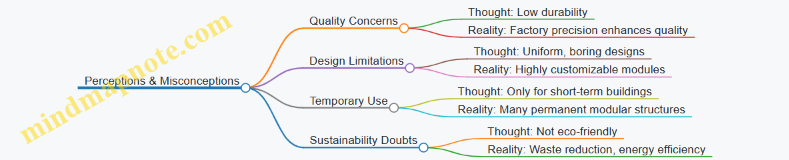
Why These Misconceptions Persist
- Lack of Awareness: Many stakeholders are unfamiliar with advances in modular technology.
- Historical Precedents: Early modular buildings were often temporary or low-quality.
- Visual Bias: Modular buildings sometimes have a stereotypical appearance.
- Regulatory Uncertainty: Codes and standards have lagged behind innovation.
Strategies to Address Perceptions
-
Education and Demonstration Projects
- Organize site visits to successful modular projects.
- Share case studies highlighting quality and sustainability.
-
Showcasing Design Flexibility
- Present architectural portfolios demonstrating diverse modular aesthetics.
-
Engaging Stakeholders Early
- Involve planners, developers, and communities in design discussions.
-
Highlighting Sustainability Metrics
- Use data on waste reduction, energy savings, and carbon footprint.
-
Policy Advocacy
- Encourage updates to building codes to recognize modular standards.
Example: Overcoming Perception Barriers in the UK Modular Housing Sector
In the UK, modular housing faced skepticism due to past quality issues and design uniformity. Through government-backed pilot programs, developers showcased high-quality, energy-efficient modular homes with varied designs. Public tours, media coverage, and transparent performance data helped shift perceptions, leading to increased acceptance and policy support.
Mind Map: Strategies to Overcome Misconceptions
By actively addressing these perceptions and providing clear, evidence-based information, developers and urban planners can foster greater trust and enthusiasm for modular construction as a cornerstone of sustainable urban development.
10.2 Regulatory and Code Compliance Challenges
Modular construction, while offering numerous sustainability and efficiency benefits, faces unique regulatory and code compliance challenges that developers and urban planners must navigate carefully. These challenges stem from the relatively new adoption of modular methods in many regions, differing interpretations of building codes, and the need to ensure safety, quality, and environmental standards are met.
Key Regulatory and Code Compliance Challenges
Building Codes Variability and Adaptation
Building codes were traditionally developed with conventional construction methods in mind. Modular construction challenges these norms because modules are fabricated off-site and then assembled on-site. This can create confusion or gaps in code interpretation.
-
Example: In the United States, the International Building Code (IBC) provides general guidelines, but local jurisdictions may have additional requirements. For instance, some cities require modules to meet seismic standards differently than traditional buildings, which can delay approvals.
-
Best Practice: Early engagement with local code officials and employing code consultants familiar with modular construction can help anticipate and resolve code conflicts.
Permitting Processes and Lack of Modular-Specific Guidelines
Many permitting authorities lack clear frameworks for modular projects, leading to longer review times and uncertainty.
-
Example: A modular affordable housing project in New York City experienced delays because the permitting office had no established process for off-site fabricated components, requiring extensive documentation and multiple reviews.
-
Best Practice: Developers should prepare comprehensive documentation packages, including factory quality control records, and seek pre-application meetings with permitting agencies.
Standards and Certifications Integration
Sustainability certifications like LEED, BREEAM, and WELL require adherence to specific environmental and health standards. Integrating these with modular fabrication processes can be complex.
-
Example: The Modular Passive House Project in Germany successfully combined passive house standards with modular construction by aligning factory processes with certification requirements.
-
Best Practice: Align modular design and factory processes early with certification criteria to streamline compliance.
Inspection and Quality Assurance Challenges
Inspection regimes must adapt to the split between factory fabrication and on-site assembly.
-
Example: The Sekisui House modular homes in Japan use rigorous factory inspections combined with on-site checks to ensure compliance.
-
Best Practice: Implement digital documentation and real-time quality tracking systems to provide transparency and facilitate inspections.
Transportation and Installation Codes
Modules must comply with transportation regulations (size, weight, road permits) and safe installation practices.
-
Example: In the UK, oversized modular units require special permits and route planning to avoid infrastructure damage.
-
Best Practice: Coordinate early with transportation authorities and use experienced logistics providers.
Legal and Liability Issues
Clear contracts defining responsibilities for design, fabrication, transport, and installation are essential to manage liability.
-
Example: Skanska’s modular office buildings include detailed warranties and quality guarantees covering all project phases.
-
Best Practice: Use integrated project delivery (IPD) models to align stakeholder incentives and clarify liability.
Summary Mind Map
Final Thoughts
Navigating regulatory and code compliance challenges in modular construction requires proactive planning, collaboration with authorities, and thorough documentation. By understanding these challenges and applying best practices, developers and urban planners can unlock the full potential of green modular construction within sustainable urban infrastructure.
10.3 Supply Chain and Logistics for Sustainable Modular Projects
Efficient supply chain and logistics management are critical to the success of sustainable modular construction projects. Given the prefabricated nature of modular construction, materials, components, and modules must be sourced, transported, and assembled with precision to minimize waste, reduce carbon emissions, and ensure timely delivery.
Key Considerations in Supply Chain and Logistics for Sustainable Modular Projects
- Material Sourcing: Prioritize low-impact, recycled, and locally sourced materials to reduce transportation emissions and support local economies.
- Manufacturing Coordination: Synchronize production schedules with site readiness to avoid storage and double handling.
- Transportation Efficiency: Optimize routes and load planning to minimize fuel consumption and emissions.
- Packaging and Waste Reduction: Use reusable or minimal packaging to reduce waste.
- Inventory Management: Implement just-in-time delivery to reduce onsite storage needs and potential damage.
- Collaboration Across Stakeholders: Ensure clear communication between suppliers, manufacturers, transporters, and site teams.
Mind Map: Supply Chain Components in Sustainable Modular Construction
Best Practices and Examples
1. Localized Material Sourcing to Reduce Carbon Footprint
Example: The B2 Modular Building in Brooklyn, New York, sourced over 70% of its materials within a 500-mile radius. This reduced transportation emissions significantly and supported local businesses.
2. Coordinated Manufacturing and Delivery Scheduling
Example: Skanska’s modular office buildings employ integrated digital scheduling tools that align factory production with site readiness, reducing onsite storage time by 40% and minimizing material damage.
3. Use of Low-Emission Transportation Methods
Example: In the Vancouver Modular Housing Program, electric trucks and optimized delivery routes were used to transport modules, cutting transportation-related emissions by 25% compared to conventional diesel trucks.
4. Packaging Innovations to Minimize Waste
Example: Sekisui House in Japan uses reusable packaging crates for transporting modular components, which are returned and reused multiple times, reducing packaging waste by over 60%.
5. Digital Supply Chain Management
Example: The Edge Amsterdam building project used Building Information Modeling (BIM) integrated with supply chain software to track materials from supplier to site, ensuring transparency and reducing delays.
Mind Map: Challenges and Solutions in Supply Chain & Logistics
Summary
Managing supply chain and logistics for sustainable modular projects requires a holistic approach that integrates environmental considerations with operational efficiency. By leveraging local sourcing, digital tools, innovative packaging, and green transportation methods, developers and urban planners can significantly reduce the environmental footprint of modular construction while ensuring timely and cost-effective project delivery.
10.4 Skilled Workforce Development and Training
A skilled workforce is fundamental to the successful implementation of green modular construction projects. As the industry evolves, the demand for workers proficient in both sustainable building practices and modular construction techniques grows rapidly. This section explores strategies for workforce development, training programs, and examples that illustrate effective skill-building approaches.
Importance of Skilled Workforce in Green Modular Construction
- Precision in factory-built modules requires specialized skills.
- Understanding sustainable materials and energy-efficient systems is critical.
- Integration of digital tools like BIM demands technical training.
- Safety and quality assurance depend on well-trained personnel.
Key Competencies for Workforce Development
Training Approaches and Best Practices
-
Apprenticeship Programs
- Combine on-the-job training with classroom instruction.
- Example: The Modular Building Institute (MBI) offers apprenticeship frameworks tailored for modular construction.
-
Certification Courses
- Specialized certifications in green building and modular techniques.
- Example: LEED Green Associate certification for understanding sustainable building principles.
-
Industry Partnerships
- Collaboration between manufacturers, developers, and educational institutions.
- Example: Sekisui House partners with technical colleges in Japan to train workers in prefabrication.
-
Digital Training Platforms
- Online courses and virtual simulations for BIM and modular assembly.
- Example: Autodesk’s BIM 360 training modules help workers master digital construction workflows.
-
Continuous Professional Development (CPD)
- Regular workshops and seminars to keep skills updated.
- Example: Skanska’s internal CPD programs focusing on sustainability and modular innovations.
Mind Map: Training Program Components
Example: Vancouver’s Modular Housing Workforce Initiative
Vancouver’s city government collaborated with local colleges and modular manufacturers to create a workforce training program focused on affordable, sustainable modular housing. The initiative included:
- Training workers in energy-efficient assembly methods.
- Workshops on green materials and waste reduction.
- Use of BIM software to improve design and construction coordination.
This program significantly reduced construction time and improved quality, demonstrating the value of targeted workforce development.
Overcoming Challenges in Workforce Development
- Skill Gaps: Addressed by targeted training and recruitment from diverse labor pools.
- Resistance to Change: Mitigated through awareness campaigns highlighting benefits of modular and green construction.
- Cost of Training: Offset by government grants and industry funding.
Summary
Developing a skilled workforce is a cornerstone for advancing green modular construction. Through comprehensive training programs, industry collaboration, and continuous learning, developers and urban planners can ensure projects are executed efficiently, sustainably, and with high quality.
For further reading and resources:
- Modular Building Institute (MBI): https://www.modular.org
- U.S. Green Building Council (USGBC): https://www.usgbc.org
- Autodesk BIM Training: https://www.autodesk.com/bim-360
10.5 Case Study: Overcoming Barriers in the UK’s Modular Housing Sector
The UK’s modular housing sector has faced numerous challenges over the years, including regulatory hurdles, supply chain issues, public perception, and workforce skills shortages. However, recent initiatives and collaborations have demonstrated how these barriers can be effectively addressed to unlock the potential of modular construction for sustainable urban development.
Key Barriers in the UK Modular Housing Sector
Strategies and Solutions Implemented
-
Regulatory Reforms and Policy Support
- The UK government introduced the Modern Methods of Construction (MMC) framework to streamline approvals.
- Local authorities began adopting flexible planning policies that recognize modular construction timelines.
- Example: The Greater London Authority’s MMC Housing Guide provides clear standards and fast-track processes.
-
Strengthening Supply Chains
- Investment in local modular manufacturing hubs to reduce transportation emissions and delays.
- Collaboration between developers and manufacturers to forecast demand and optimize production.
- Example: Laing O’Rourke’s offsite manufacturing facilities in the UK serve as a model for integrated supply chains.
-
Changing Public Perception through Demonstration Projects
- Showcasing high-quality, architecturally appealing modular homes.
- Community engagement programs to educate residents on benefits such as energy efficiency and faster delivery.
- Example: Pocket Living’s modular housing developments in London have received positive media coverage and resident feedback.
-
Workforce Development and Training
- Partnerships with vocational schools and universities to create modular construction curricula.
- Upskilling existing construction workers with factory-based assembly techniques.
- Example: The National Skills Academy for Construction (NSAfC) offers specialized modular construction courses.
-
Innovative Financing Models
- Use of public-private partnerships (PPP) to share risks and benefits.
- Green bonds and sustainability-linked loans targeted at modular projects.
- Example: The UK Green Building Council’s financing toolkit helps developers access sustainable funding.
Mind Map: Overcoming Barriers in UK Modular Housing
Example Project: Pocket Living Modular Developments
- Location: London
- Approach: Modular construction combined with sustainable design principles.
- Outcome: Reduced construction time by 30%, minimized waste by 25%, and delivered affordable homes with high energy efficiency.
- Community Impact: Positive resident feedback on quality and comfort; increased awareness of modular benefits.
Lessons Learned
- Early collaboration among stakeholders is critical to align expectations and streamline processes.
- Transparent communication with communities helps dispel myths and build trust.
- Investment in local manufacturing and workforce development creates a resilient ecosystem.
- Flexible policies and innovative financing unlock project viability.
Conclusion
The UK’s experience demonstrates that while barriers to modular housing exist, they are surmountable through coordinated efforts involving policy reform, supply chain enhancement, public engagement, workforce training, and innovative financing. These lessons provide a valuable blueprint for developers and urban planners aiming to promote sustainable modular construction in other urban contexts.
11. Conclusion and Future Outlook
11.1 Summarizing the Synergy Between Green Building and Modular Construction
Green building and modular construction are two transformative approaches reshaping the future of sustainable urban development. Their synergy creates a powerful framework for delivering environmentally responsible, efficient, and scalable buildings.
Key Aspects of the Synergy
Detailed Explanation
-
Energy Efficiency: Modular construction allows for precise manufacturing of components that optimize insulation and airtightness, essential for green buildings. For example, the ZEB Pilot House in Norway uses modular units designed for zero emissions, combining passive solar design with integrated solar panels.
-
Material Sustainability: Green building emphasizes low-impact materials, and modular construction facilitates the use of recycled or locally sourced materials by controlling procurement and reducing waste. Sekisui House in Japan exemplifies this by using prefabricated modules with sustainably sourced timber.
-
Construction Efficiency & Waste Reduction: Modular buildings are fabricated in controlled environments, drastically reducing on-site waste and construction time. The Edge Amsterdam office building used modular elements to speed up construction while maintaining high sustainability standards.
-
Cost & Time Savings: Faster assembly and reduced labor on-site lower costs and project timelines, making green technologies more accessible. Skanska’s modular office buildings demonstrate how sustainable modular construction can be both economically viable and environmentally responsible.
-
Environmental Impact: Reduced site disturbance and lower carbon emissions from transportation and construction processes contribute to a smaller environmental footprint. The Bullitt Center in Seattle integrates modular components with green building principles to minimize environmental impact.
-
Design Flexibility: Modular construction supports adaptable and scalable designs, allowing green buildings to evolve with urban needs. Vancouver’s Modular Housing Program uses flexible modular units to provide sustainable, affordable housing solutions.
-
Health & Comfort: Controlled factory conditions ensure better quality control for indoor environmental quality, crucial for occupant health. The Modular Passive House Project in Germany highlights how modular design can meet stringent health and comfort standards.
Example Mind Map: Benefits of Combining Green Building with Modular Construction
Real-World Example: The ZEB Pilot House
- Location: Norway
- Description: A zero-emission modular home combining passive solar design, high-performance insulation, and integrated photovoltaic panels.
- Synergy Highlights: Modular fabrication enabled precise construction tolerances, reducing thermal bridging and improving energy efficiency, while green building principles ensured minimal environmental impact.
Final Thoughts
The synergy between green building and modular construction offers a comprehensive pathway to sustainable urban development. By leveraging the strengths of both approaches, developers and urban planners can create buildings that are not only environmentally responsible but also cost-effective, adaptable, and healthy for occupants. This integrated strategy is essential for meeting the challenges of climate change, resource scarcity, and rapid urbanization.
11.2 Emerging Trends and Opportunities in Sustainable Urban Infrastructure
Sustainable urban infrastructure is rapidly evolving, driven by technological innovation, environmental imperatives, and shifting societal needs. Developers and urban planners have a unique opportunity to leverage these emerging trends to create resilient, efficient, and livable cities. Below, we explore key trends and opportunities shaping the future of sustainable urban infrastructure, supported by detailed mind maps and real-world examples.
Smart Cities and IoT Integration
The integration of Internet of Things (IoT) devices and smart technologies enables real-time monitoring and management of urban infrastructure, optimizing resource use and improving quality of life.
- Opportunities:
- Intelligent energy grids
- Smart water management
- Adaptive traffic and transportation systems
Mind Map: Smart Cities and IoT Integration

Example: Barcelona’s smart city initiative uses IoT sensors to monitor water usage and street lighting, reducing consumption and costs significantly.
Circular Economy in Urban Infrastructure
Moving from linear to circular models reduces waste and promotes reuse, repair, and recycling of materials within urban systems.
- Opportunities:
- Designing modular infrastructure for disassembly and reuse
- Urban mining of materials from demolition
- Waste-to-energy and organic waste composting
Mind Map: Circular Economy in Urban Infrastructure
Example: The city of Amsterdam incorporates circular principles in its infrastructure projects, such as using recycled concrete and designing buildings for easy material recovery.
Green and Blue Infrastructure Integration
Combining green (vegetation-based) and blue (water-based) infrastructure enhances urban resilience to climate change while improving biodiversity and human well-being.
- Opportunities:
- Green roofs and walls
- Urban wetlands and retention ponds
- Permeable pavements and bioswales
Mind Map: Green and Blue Infrastructure

Example: Singapore’s ABC Waters Programme integrates blue and green infrastructure to manage stormwater sustainably while creating recreational spaces.
Modular and Prefabricated Infrastructure Components
Prefabrication and modularity are expanding beyond buildings into infrastructure elements, enabling faster, less wasteful construction.
- Opportunities:
- Modular bridges and pedestrian walkways
- Prefabricated utility pods
- Rapid deployment of infrastructure in disaster zones
Mind Map: Modular Infrastructure Components
Example: The UK has experimented with modular bridge construction, reducing onsite construction time and environmental disruption.
Renewable Energy Microgrids and Distributed Generation
Decentralized energy systems improve resilience and reduce transmission losses, supporting urban sustainability goals.
- Opportunities:
- Solar and wind microgrids
- Battery storage integration
- Community energy sharing platforms
Mind Map: Renewable Energy Microgrids
Example: Brooklyn Microgrid in New York enables neighbors to trade solar energy locally, enhancing sustainability and community engagement.
Climate-Resilient Infrastructure Design
Designing infrastructure to withstand climate impacts such as flooding, heatwaves, and storms is critical for sustainable urban development.
- Opportunities:
- Elevated and flood-resistant structures
- Heat-reflective materials and shading
- Flexible and adaptive infrastructure systems
Mind Map: Climate-Resilient Infrastructure
Example: Rotterdam’s climate adaptation strategy includes water plazas that serve as recreational spaces and floodwater retention areas.
Summary
These emerging trends offer developers and urban planners a rich palette of strategies to advance sustainable urban infrastructure. By embracing smart technologies, circular economy principles, integrated green and blue systems, modular construction, renewable energy microgrids, and climate resilience, cities can become more sustainable, equitable, and prepared for future challenges.
Additional Resources:
- Smart Cities Council
- Ellen MacArthur Foundation – Circular Economy
- ICLEI – Local Governments for Sustainability
- C40 Cities Climate Leadership Group
11.3 Recommendations for Developers and Urban Planners
To effectively harness the benefits of green buildings, modular construction, and sustainable infrastructure, developers and urban planners must adopt strategic approaches that foster collaboration, innovation, and long-term sustainability. Below are key recommendations supported by practical examples and mind maps to guide decision-making.
Early Integration of Sustainability Goals
- Embed sustainability objectives at the project inception stage. This ensures that energy efficiency, material selection, and waste reduction are prioritized from design through construction.
- Collaborate with architects, engineers, and modular manufacturers early to align design with sustainable modular fabrication capabilities.
Example: Skanska’s modular office projects start with integrated teams to optimize energy-efficient designs tailored for factory-built modules.
Leverage Building Information Modeling (BIM) and Digital Tools
- Use BIM to simulate energy performance, optimize modular design, and coordinate logistics.
- Digital tools help reduce errors, streamline assembly, and enable precise material ordering, minimizing waste.
Example: The Edge Amsterdam uses BIM extensively to integrate smart building systems with modular components, achieving high sustainability standards.
Prioritize Locally Sourced and Low-Impact Materials
- Select materials with low embodied carbon, preferably sourced locally to reduce transportation emissions.
- Use recycled or renewable materials such as cross-laminated timber (CLT) in modular units.
Example: Sekisui House in Japan incorporates locally sourced timber and recycled materials in their prefabricated modular homes.
Incorporate Renewable Energy and Smart Systems
- Design modular buildings to integrate solar PV, geothermal, or wind energy systems.
- Implement smart meters and IoT sensors to optimize energy and water use post-occupancy.
Example: The ZEB Pilot House in Norway is a zero-emission modular home equipped with solar panels and smart energy management.
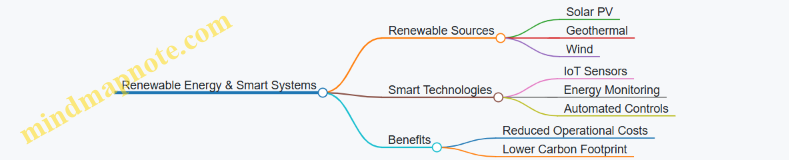
Engage Communities and Stakeholders Early
- Urban planners should facilitate community input to ensure social sustainability and acceptance.
- Developers can use modular construction’s speed to demonstrate quick wins and build trust.
Example: Vancouver’s Modular Housing Program involved extensive community engagement to deliver affordable, sustainable housing rapidly.
Navigate Regulatory Frameworks Proactively
- Understand and influence local codes to accommodate modular construction and green building standards.
- Advocate for incentives and streamlined permitting processes.
Example: In the UK, developers worked with regulators to update codes facilitating modular housing, overcoming previous barriers.
Plan for Lifecycle Performance and Adaptability
- Design modular buildings for easy disassembly, reuse, or recycling to support circular economy principles.
- Monitor building performance continuously to optimize operations and plan maintenance.
Example: The Modular Passive House Project in Germany emphasizes lifecycle assessment and adaptability in modular design.
Summary Mind Map: Recommendations Overview
By following these recommendations, developers and urban planners can effectively champion green modular construction and sustainable infrastructure, driving resilient, efficient, and socially responsible urban environments.
11.4 Final Thoughts: Building a Resilient and Sustainable Future
As we conclude this comprehensive exploration of green buildings, modular construction, and sustainable infrastructure, it is clear that the path toward resilient urban development lies in the harmonious integration of these elements. The challenges of climate change, urban population growth, and resource scarcity demand innovative, scalable, and efficient solutions — all of which modular green construction is uniquely positioned to provide.
Key Takeaways Mind Map
Building Resilience Through Integration
Resilience in urban development means creating systems and structures that can withstand environmental, social, and economic stresses. Green modular construction contributes to resilience by enabling:
- Rapid Deployment: Modular units can be prefabricated offsite and assembled quickly, which is critical in disaster recovery or rapid urban expansion.
- Adaptability: Modular designs allow for easy reconfiguration or expansion, supporting changing community needs.
- Resource Efficiency: Reduced material waste and energy consumption lower environmental impact and operational costs.
Example: After the 2011 earthquake and tsunami in Japan, modular construction was employed to rapidly rebuild housing with sustainable features, demonstrating both speed and environmental responsibility.
The Role of Stakeholders
Achieving a sustainable future requires collaboration:
- Developers must prioritize sustainability from project inception, working closely with modular manufacturers to optimize design and material use.
- Urban Planners should create policies and zoning that encourage modular green construction and integrate sustainable infrastructure.
- Communities need to be engaged early to ensure social sustainability and acceptance.
- Policy Makers can incentivize green modular projects through grants, tax breaks, and streamlined permitting.
Example: Vancouver’s Modular Housing Program successfully combined government incentives, community engagement, and modular construction to deliver affordable, sustainable housing.
Embracing Innovation and Continuous Improvement
The future of sustainable construction is dynamic, driven by ongoing innovation:
- Advanced Materials: Cross-laminated timber (CLT) and biocomposites reduce carbon footprints.
- Digital Tools: BIM and AI optimize design, reduce errors, and improve energy modeling.
- Smart Technologies: IoT-enabled buildings monitor and adjust energy use in real-time.
Example: ICON’s 3D printed modular homes showcase how digital fabrication can create affordable, sustainable housing rapidly and with minimal waste.
Final Mind Map: Vision for the Future
In conclusion, the journey to building resilient and sustainable cities is multifaceted but achievable. By embracing green building principles, leveraging the efficiencies of modular construction, and fostering sustainable infrastructure, developers and urban planners can lead the charge toward a future that is environmentally responsible, economically viable, and socially inclusive. The examples and best practices shared throughout this blog serve as a roadmap — one that encourages innovation, collaboration, and commitment to a better built environment for generations to come.