Leadership in the Age of Agents: Managing Human + Autonomous Teams
1. Understanding the New Leadership Paradigm
1.1 Defining Autonomous Agents and Their Role in Modern Teams
In the evolving landscape of work, autonomous agents have emerged as pivotal collaborators alongside human team members. Understanding what autonomous agents are and how they integrate into modern teams is essential for effective leadership in the age of hybrid workforces.
What Are Autonomous Agents?
Autonomous agents are software entities or systems capable of performing tasks, making decisions, and interacting with their environment with minimal or no human intervention. They operate based on predefined rules, machine learning models, or artificial intelligence algorithms.
Key Characteristics:
- Autonomy: Ability to operate independently without constant human oversight.
- Reactivity: Respond to changes in their environment in real-time.
- Proactivity: Take initiative to achieve goals or solve problems.
- Social Ability: Communicate and collaborate with humans and other agents.
Mind Map: Core Attributes of Autonomous Agents
Types of Autonomous Agents in Modern Teams
- Chatbots and Virtual Assistants: Handle customer queries, schedule meetings, and provide information.
- Robotic Process Automation (RPA): Automate repetitive back-office tasks like data entry.
- AI-based Decision Support Systems: Analyze data and suggest strategic decisions.
- Collaborative Robots (Cobots): Work alongside humans in manufacturing or logistics.
Mind Map: Types of Autonomous Agents
Role of Autonomous Agents in Modern Teams
Autonomous agents augment human capabilities by taking over routine, data-intensive, or hazardous tasks, enabling human team members to focus on creativity, complex problem-solving, and interpersonal interactions.
Examples:
- Customer Support: A telecom company uses chatbots to handle 70% of routine inquiries, freeing human agents to tackle complex issues.
- Project Management: AI tools automatically update project timelines and flag risks, allowing managers to make informed decisions faster.
- Manufacturing: Cobots assist workers on assembly lines by performing precision tasks, improving safety and efficiency.
Mind Map: Roles of Autonomous Agents in Teams
Integrated Example: Autonomous Agents in a Marketing Team
Imagine a marketing team where an AI-powered agent analyzes social media trends and customer sentiment in real-time. It autonomously generates reports and suggests campaign adjustments. Meanwhile, human marketers focus on creative strategy and client engagement.
This collaboration enables faster response to market changes and more personalized campaigns.
Summary
Autonomous agents are intelligent systems that act independently to support and enhance human work. Their integration into teams transforms workflows, requiring leaders to understand their capabilities and design collaborative environments where humans and agents complement each other effectively.
1.2 The Evolution of Leadership: From Human-Only to Hybrid Teams
Leadership has undergone a profound transformation over the decades, shifting from traditional human-only teams to dynamic hybrid teams that integrate autonomous agents alongside humans. Understanding this evolution is critical for executives, HR professionals, and entrepreneurs aiming to lead effectively in the age of agents.
The Traditional Leadership Model
Historically, leadership focused exclusively on managing human teams. Leaders were responsible for motivating, coordinating, and guiding people toward shared goals. Communication was primarily interpersonal, relying on emotional intelligence, conflict resolution, and team-building skills.
The Rise of Technology and Automation
With the advent of technology, many routine and repetitive tasks began to be automated. Early automation reduced manual labor but still required human oversight. Leadership adapted by incorporating technical management skills and emphasizing efficiency.
Emergence of Autonomous Agents
Today, autonomous agents—software or robotic entities capable of performing tasks without continuous human input—are becoming integral team members. These agents can analyze data, make decisions, and execute actions, often faster and more accurately than humans.
Hybrid Teams: The New Norm
Hybrid teams blend human creativity, empathy, and strategic thinking with the speed, precision, and scalability of autonomous agents. This evolution demands a new leadership approach that balances human and machine strengths.
Mind Map: Evolution of Leadership
Best Practice Example: Leading a Hybrid Customer Support Team
Scenario: A telecommunications company integrates AI chatbots alongside human customer service representatives.
Leadership Approach:
- The leader trains human agents to handle complex emotional queries while chatbots manage routine questions.
- Regular team meetings include chatbot performance reviews alongside human feedback.
- The leader fosters trust by explaining chatbot decision processes to human agents, reducing skepticism.
Outcome: Improved customer satisfaction and reduced response times, demonstrating effective hybrid team leadership.
Mind Map: Leadership Competencies for Hybrid Teams
Example: Transition Journey at a Financial Services Firm
A mid-sized financial services firm transitioned from human-only analysts to a hybrid team where AI agents handle data crunching and risk assessment.
- Initially, leadership focused on educating staff about AI benefits.
- They implemented joint problem-solving sessions where humans and AI outputs were discussed.
- Leadership emphasized continuous learning, encouraging employees to upskill in AI literacy.
This approach led to smoother adoption and enhanced decision-making quality.
Summary
The evolution from human-only to hybrid teams requires leaders to expand their skill sets and mindset. Embracing technology while nurturing human strengths creates a synergistic environment where both humans and autonomous agents thrive. By understanding this progression, leaders can better prepare their organizations for the future of work.
1.3 Key Challenges and Opportunities in Managing Mixed Teams
Managing teams composed of both humans and autonomous agents introduces a unique set of challenges and opportunities. Understanding these dynamics is crucial for leaders aiming to harness the full potential of hybrid teams.
Key Challenges
-
Trust and Reliability
- Humans may initially distrust autonomous agents due to lack of transparency or fear of errors.
- Ensuring agents perform reliably and predictably is essential.
-
Communication Barriers
- Autonomous agents process information differently than humans, leading to potential misunderstandings.
- Designing communication protocols that bridge human-agent interactions is complex.
-
Role Ambiguity
- Unclear delineation of responsibilities between humans and agents can cause confusion and inefficiency.
-
Performance Measurement
- Traditional KPIs may not capture agent contributions effectively.
- Balancing qualitative human performance with quantitative agent metrics is challenging.
-
Ethical and Accountability Concerns
- Determining responsibility when autonomous agents make decisions.
- Addressing biases embedded in agent algorithms.
-
Resistance to Change
- Human team members may feel threatened or undervalued.
- Cultural shifts are needed to embrace hybrid collaboration.
Opportunities
-
Enhanced Productivity
- Agents can handle repetitive or data-intensive tasks, freeing humans for strategic work.
-
Improved Decision-Making
- Autonomous agents can analyze vast datasets quickly, providing insights to human leaders.
-
24/7 Operations
- Agents can operate continuously without fatigue, supporting global teams.
-
Innovation Acceleration
- Hybrid teams can experiment with new workflows combining human creativity and agent efficiency.
-
Scalability
- Agents enable teams to scale operations without proportional increases in human headcount.
-
Personalized Support
- Agents can tailor assistance to individual team members’ needs, enhancing engagement.
Mind Map: Challenges in Managing Mixed Teams
Mind Map: Opportunities in Managing Mixed Teams
Example: Trust Building in a Customer Support Hybrid Team
A global e-commerce company integrated AI chatbots alongside human agents to handle customer inquiries. Initially, human agents were skeptical about the bots’ accuracy and feared job displacement. To address this, leadership:
- Organized joint training sessions where humans and bots “shadowed” each other’s work.
- Implemented transparent reporting showing chatbot success rates and escalation protocols.
- Encouraged human agents to provide feedback on bot responses, improving algorithms.
Over six months, trust increased, resulting in a 30% reduction in response times and higher customer satisfaction scores.
Example: Role Clarity in a Hybrid Product Development Team
A software company introduced autonomous code review agents to assist developers. Initially, confusion arose about when to rely on agents versus human reviewers. The leadership team held workshops to:
- Define clear roles: agents handle syntax and style checks; humans focus on logic and architecture.
- Develop a workflow integrating agent feedback before human review.
- Set expectations around agent limitations.
This clarity improved review efficiency by 25% and reduced human reviewer fatigue.
By proactively addressing these challenges and leveraging the opportunities, leaders can create hybrid teams that outperform traditional setups, driving innovation and resilience in the age of autonomous agents.
1.4 Case Study: How a Tech Startup Integrated AI Agents into Their Workforce
In the rapidly evolving landscape of work, a promising tech startup, InnovateX, provides a compelling example of successfully integrating AI agents into their human teams. This case study explores their journey, challenges, strategies, and outcomes, offering actionable insights for leaders navigating hybrid team dynamics.
Background
InnovateX is a software development startup focused on creating smart productivity tools. Facing rapid growth and increasing project complexity, the leadership decided to incorporate autonomous AI agents to augment their human workforce, aiming to boost efficiency without compromising creativity.
Integration Strategy
Step 1: Identifying Suitable Tasks for AI Agents
- Routine code testing and bug detection
- Data analysis for user behavior
- Scheduling and resource allocation
Step 2: Building Trust and Transparency
- Regular workshops explaining AI agent capabilities
- Open forums for employee questions and feedback
Step 3: Redefining Roles
- Developers focused on creative coding and problem-solving
- AI agents handled repetitive testing and analytics
Step 4: Establishing Communication Protocols
- AI agents provided daily summaries via chatbots
- Human team members could query agents in natural language
Mind Map: InnovateX’s Integration Framework
Examples of Best Practices in Action
Example 1: Daily Stand-ups with AI Agent Input
- Each morning, the AI agent presented a concise report on overnight code tests, highlighting bugs and performance metrics.
- Human developers used this data to prioritize their tasks effectively.
Example 2: Transparent AI Decision-Making
- When the AI agent suggested changes in resource allocation, it provided clear explanations based on data trends, helping human managers understand and trust its recommendations.
Example 3: Collaborative Problem-Solving
- Developers and AI agents worked together; for instance, the AI identified a recurring bug pattern, and developers designed a creative fix, showcasing synergy.
Outcomes and Lessons Learned
- Efficiency Gains: Automated testing reduced turnaround time by 40%.
- Employee Satisfaction: Transparency and involvement minimized resistance.
- Continuous Improvement: Feedback loops refined AI agent functions regularly.
Mind Map: Outcomes and Lessons
Key Takeaways for Leaders
- Start with clear task segmentation between humans and agents.
- Prioritize transparency to build trust.
- Foster open communication channels.
- Use AI to augment, not replace, human creativity.
- Continuously gather feedback and iterate.
This case study exemplifies how thoughtful integration of AI agents can transform a startup’s workforce, creating a harmonious, productive hybrid team ready for the future of work.
2. Building a Collaborative Culture Between Humans and Agents
2.1 Fostering Trust: Human Confidence in Autonomous Systems
In the age of hybrid teams, where humans collaborate closely with autonomous agents, fostering trust is the cornerstone of effective leadership. Without trust, human team members may resist adopting or fully leveraging autonomous systems, limiting their potential impact.
Why Trust Matters
Trust in autonomous systems influences adoption rates, team cohesion, and overall productivity. When humans trust agents, they are more likely to delegate tasks confidently, accept agent recommendations, and collaborate seamlessly.
Key Dimensions of Trust in Autonomous Systems
- Reliability: Consistent and accurate performance over time.
- Transparency: Clear understanding of how decisions are made.
- Predictability: Agents behave in expected ways.
- Security: Protection of data and privacy.
- Ethical Alignment: Agents act in accordance with organizational values.
Mind Map: Building Trust in Autonomous Systems
Best Practices to Foster Trust
Start with Small, Low-Risk Tasks
Example: A financial services firm introduced an autonomous agent to handle routine data entry before expanding its role to more complex analyses. This gradual approach allowed employees to observe the agent’s reliability and build confidence.
Ensure Transparency Through Explainability
Agents should provide clear explanations for their decisions or actions.
Example: An AI-powered customer support chatbot explains why it suggests a particular solution, helping human agents understand and trust its recommendations.
Promote Human-in-the-Loop Interactions
Allow humans to review, override, or provide feedback on agent decisions.
Example: In a manufacturing plant, autonomous robots perform quality checks but flag uncertain cases for human review, ensuring accountability and trust.
Communicate Performance Metrics Openly
Share data on agent accuracy, error rates, and improvements.
Example: A marketing agency displays dashboards showing how AI-driven campaign optimizations have increased engagement, reinforcing trust among team members.
Provide Training and Education
Educate teams about how agents work, their limitations, and benefits.
Example: An HR department runs workshops explaining the AI recruitment assistant’s algorithms, reducing skepticism and increasing adoption.
Mind Map: Trust-Building Practices
Real-World Example: Autonomous Agents in Healthcare
A hospital implemented an AI agent to assist in diagnostic imaging analysis. Initially, radiologists were skeptical. To foster trust, the leadership team:
- Shared detailed performance reports comparing AI results with human diagnoses.
- Allowed radiologists to review and override AI suggestions.
- Held training sessions explaining the AI’s decision-making process.
Over time, radiologists grew confident, leading to faster diagnosis times and improved patient outcomes.
Summary
Fostering trust in autonomous systems requires deliberate leadership actions emphasizing transparency, reliability, and collaboration. By integrating these best practices, executives, HR professionals, and entrepreneurs can build hybrid teams where humans and agents work in harmony, unlocking new levels of performance and innovation.
2.2 Encouraging Transparency: Explaining Agent Decisions to Teams
In hybrid teams where humans and autonomous agents collaborate, transparency is a cornerstone for trust, effective decision-making, and smooth workflows. When team members understand how and why agents make decisions, they are more likely to embrace these tools and leverage them effectively.
Why Transparency Matters
- Builds Trust: When agents’ decision processes are clear, humans feel confident relying on them.
- Improves Collaboration: Transparency enables humans to anticipate agent actions and adjust their work accordingly.
- Facilitates Accountability: Understanding decisions helps identify errors and areas for improvement.
Key Strategies to Encourage Transparency
- Explainable AI (XAI): Use AI systems designed to provide human-understandable explanations.
- Decision Logs: Maintain accessible records of agent decisions and the data inputs behind them.
- Visualizations: Use dashboards or graphical representations to illustrate agent reasoning.
- Interactive Interfaces: Allow team members to query agents about their decisions.
- Regular Debriefs: Schedule sessions where agents’ recent decisions are reviewed and discussed.
Mind Map: Components of Transparency in Agent Decisions
Example 1: Customer Support Chatbot Transparency
A global e-commerce company deployed an AI chatbot to handle customer queries. To encourage transparency:
- The chatbot provides a brief explanation when it suggests a solution, e.g., “Based on your order history and previous inquiries, I recommend…”
- Customer service reps have access to the chatbot’s decision logs showing which data points influenced the response.
- Weekly team meetings include a review of chatbot interactions, highlighting successes and areas for improvement.
This approach helped human agents trust the chatbot, leading to a 30% reduction in escalations.
Mind Map: Transparency Practices in Customer Support Chatbots
Example 2: Autonomous Agent in Financial Analysis
A financial advisory firm uses an autonomous agent to analyze market trends and recommend portfolio adjustments. To maintain transparency:
- The agent generates a summary report outlining key factors influencing its recommendations.
- Financial analysts can drill down into specific data points and model assumptions.
- The system includes an interactive Q&A feature where analysts ask “Why did you choose this asset allocation?” and receive detailed responses.
This transparency enabled analysts to confidently present AI-backed advice to clients, increasing client satisfaction.
Mind Map: Transparency Features in Financial Analysis Agents
Best Practice: Embedding Transparency into Team Culture
- Train Teams: Educate human members on how agents work and how to interpret their explanations.
- Promote Open Dialogue: Encourage questions and discussions about agent decisions.
- Iterate and Improve: Use feedback from humans to refine agent explainability features.
Summary
Encouraging transparency when explaining agent decisions fosters trust, collaboration, and accountability within hybrid teams. By combining explainable AI techniques, accessible data, interactive tools, and a culture of openness, leaders can ensure their teams effectively integrate autonomous agents into daily workflows.
2.3 Best Practice: Daily Stand-ups with Human and Agent Contributions
In the age of hybrid teams, daily stand-ups remain a cornerstone for maintaining alignment, transparency, and momentum. However, integrating autonomous agents into these meetings requires thoughtful adaptation to ensure both human and agent contributions are meaningful and actionable.
Why Include Autonomous Agents in Daily Stand-ups?
- Real-time data sharing: Agents can provide instant updates on task progress, system status, or analytics.
- Enhanced decision-making: Agents offer insights or flag anomalies that humans might overlook.
- Improved efficiency: Automated summaries and alerts reduce manual reporting burdens.
Structuring Daily Stand-ups for Hybrid Teams
A successful hybrid stand-up balances human interaction with agent-generated inputs. Here’s a mind map outlining the structure:
Example: Tech Support Team Stand-up
Scenario: A tech support team uses an AI agent to monitor ticket queues and customer sentiment.
- Agent reports overnight ticket volume, average resolution time, and flags high-priority issues.
- Human team members share updates on complex cases and resource availability.
- Together, they identify bottlenecks; the agent suggests reallocating resources based on historical data.
- The team agrees on priorities and assigns tasks.
Best Practices for Effective Hybrid Stand-ups
-
Define Agent Roles Clearly: Specify what data or insights agents will provide to avoid information overload.
-
Use Natural Language Summaries: Agents should communicate updates in clear, concise language accessible to all team members.
-
Encourage Human Interaction: Allow time for humans to question or clarify agent reports to foster trust and understanding.
-
Leverage Visualization Tools: Use dashboards or charts generated by agents to illustrate progress or issues.
-
Automate Meeting Documentation: Agents can generate summaries and action items, ensuring nothing is missed.
Mind Map: Best Practices for Hybrid Stand-ups
Example: Marketing Team Using AI Agents
Scenario: A marketing team employs an AI agent to track campaign metrics and social media engagement.
- During stand-ups, the agent presents campaign performance highlights and emerging trends.
- Humans discuss creative adjustments and upcoming deadlines.
- The agent flags a sudden drop in engagement on a key platform, prompting immediate investigation.
- This hybrid approach accelerates response times and aligns strategy.
Incorporating autonomous agents into daily stand-ups transforms these meetings from simple status updates into dynamic, data-driven collaboration sessions. By following these best practices and learning from real-world examples, leaders can foster synergy between human intuition and machine intelligence, driving team performance to new heights.
2.4 Example: A Marketing Agency’s Approach to Agent-Human Collaboration
In the rapidly evolving marketing landscape, one innovative agency, BrightWave Creative, successfully integrated autonomous agents alongside their human teams to boost creativity, efficiency, and client satisfaction. Their approach provides a practical blueprint for effective agent-human collaboration.
Background
BrightWave Creative specializes in digital marketing campaigns for mid-sized tech companies. Facing increasing demand and tight deadlines, they introduced AI-powered agents to handle data analysis, content suggestions, and campaign performance monitoring while human marketers focused on strategy, creativity, and client relationships.
Collaboration Framework
The agency designed a clear framework to ensure smooth collaboration between humans and agents, emphasizing complementary strengths.
Mind Map: Collaboration Framework at BrightWave Creative
Practical Examples
1. Campaign Ideation:
- Agents analyze social media trends and competitor campaigns overnight.
- They generate a report highlighting emerging themes and potential content angles.
- Human strategists review the report, adding creative insights and tailoring ideas to client brand voice.
2. Content Creation Assistance:
- AI agents suggest headlines, keywords, and optimal posting times based on audience data.
- Copywriters use these suggestions as a starting point, refining and adding emotional appeal.
3. Performance Monitoring:
- Autonomous agents track campaign KPIs in real time and alert teams to anomalies or opportunities.
- Humans interpret these alerts, deciding on strategic pivots or client communications.
Mind Map: Daily Workflow Integration
Outcomes and Benefits
- Increased Efficiency: Automated data processing saved 30% of analysts’ time.
- Enhanced Creativity: Human agents focused more on creative strategy rather than data crunching.
- Improved Client Satisfaction: Faster response times and data-driven insights impressed clients.
- Trust and Transparency: Regular explanations of AI recommendations fostered confidence.
Key Takeaways for Leaders
- Clearly define complementary roles to avoid overlap and confusion.
- Use mind maps and visual tools to communicate collaboration structures.
- Foster transparency by explaining AI agent outputs to human teams.
- Encourage continuous feedback to improve both human and agent performance.
- Integrate AI insights into daily workflows to maximize impact.
By adopting a structured, transparent, and iterative approach, BrightWave Creative exemplifies how marketing agencies can harness the power of autonomous agents while empowering their human teams to deliver exceptional results.
3. Communication Strategies for Hybrid Teams
3.1 Designing Communication Protocols that Include Autonomous Agents
In the age of hybrid teams, where humans and autonomous agents collaborate closely, designing effective communication protocols is critical. These protocols ensure smooth information flow, reduce misunderstandings, and optimize team productivity. Unlike traditional teams, communication with autonomous agents requires clarity, structure, and adaptability to both human and machine needs.
Key Principles for Designing Communication Protocols
- Clarity: Messages must be unambiguous to avoid misinterpretation by agents or humans.
- Standardization: Use standardized formats and languages that agents can parse easily.
- Bidirectionality: Enable two-way communication so agents can request clarifications or provide feedback.
- Context-awareness: Protocols should consider the context of tasks and roles.
- Scalability: Protocols must support expanding teams and increasing agent complexity.
Mind Map: Communication Protocol Design Components
Designing Message Structures
Autonomous agents rely on structured data to interpret instructions. For example, using JSON with clearly defined keys helps agents parse commands effectively.
Example:
{
  "task": "generate_report",
  "parameters": {
    "report_type": "sales",
    "date_range": "2024-01-01 to 2024-03-31"
  },
  "priority": "high"
}
This structure allows agents to understand the task, parameters, and urgency without ambiguity.
Interaction Modes
-
Synchronous Communication: Useful for real-time collaboration, such as chatbots participating in team meetings or voice assistants providing instant data.
-
Asynchronous Communication: Suitable for task assignments, status updates, or batch processing where immediate response is not required.
Example: A project management tool integrates an autonomous agent that asynchronously updates task statuses based on workflow progress, while humans discuss blockers synchronously in meetings.
Error Handling and Feedback
To maintain trust and efficiency, protocols must include mechanisms for error detection and recovery.
Best Practice: Agents send confirmation messages upon task receipt and completion. If an agent encounters an error, it should notify the human team with clear explanations and suggested next steps.
Example: An autonomous scheduling agent attempts to book meetings but finds conflicts. It sends a message:
“Unable to schedule meeting on 2024-06-15 at 10 AM due to calendar conflict. Please suggest alternative times.”
Security Considerations
Communication protocols must protect sensitive data exchanged between humans and agents.
- Use encrypted channels (e.g., HTTPS, TLS).
- Authenticate agents and users to prevent unauthorized access.
Example: A financial firm’s autonomous agent communicates transaction approvals only over encrypted APIs with multi-factor authentication.
Integration Tools and Middleware
Middleware platforms can translate between human-friendly interfaces and agent-readable formats, simplifying communication.
Example: A customer support chatbot uses middleware to convert natural language queries into structured commands for backend autonomous agents handling ticket routing.
Real-World Example: Marketing Team Communication Protocol
A marketing agency integrated autonomous agents for social media monitoring and content scheduling. Their communication protocol included:
- Standardized JSON messages for content requests.
- A Slack channel where agents post daily summaries asynchronously.
- Real-time alerts via chatbots for urgent campaign issues.
- Confirmation messages after content is scheduled.
This protocol allowed seamless collaboration, reduced manual errors, and improved campaign responsiveness.
Summary
Designing communication protocols that include autonomous agents requires a thoughtful blend of structure, clarity, and flexibility. By standardizing message formats, enabling multiple interaction modes, incorporating error handling, and ensuring security, leaders can foster effective collaboration between human and autonomous team members.
Implementing these protocols with practical tools and real-world examples empowers teams to harness the full potential of hybrid work environments.
3.2 Leveraging Natural Language Interfaces for Seamless Interaction
In the age of hybrid teams composed of humans and autonomous agents, natural language interfaces (NLIs) have become a critical tool for enabling smooth, intuitive communication. NLIs allow team members to interact with AI agents using everyday language, removing technical barriers and fostering collaboration.
What Are Natural Language Interfaces?
Natural Language Interfaces are systems that understand, interpret, and respond to human language input—whether spoken or written. Examples include chatbots, voice assistants, and conversational AI platforms integrated within team workflows.
Why NLIs Matter in Hybrid Teams
- Accessibility: Team members with varying technical skills can engage with AI agents effortlessly.
- Efficiency: Quick queries and commands reduce time spent navigating complex software.
- Collaboration: NLIs facilitate real-time information exchange and decision-making.
Mind Map: Benefits of NLIs in Hybrid Teams
Best Practices for Implementing NLIs
- Context Awareness: Ensure the NLI understands the context of queries to provide relevant responses.
- Multi-Modal Interaction: Combine text and voice inputs to accommodate different preferences.
- Continuous Learning: Use feedback loops to improve the NLI’s accuracy over time.
- Integration with Existing Tools: Embed NLIs within platforms your team already uses (e.g., Slack, Microsoft Teams).
Example: AI-Driven Meeting Assistant in a Financial Services Firm
A financial services company integrated a conversational AI assistant into their team chat platform. Team members could ask the assistant to summarize previous meetings, retrieve client data, or schedule follow-ups simply by typing or speaking commands.
- Scenario: During a team meeting, a manager asks, “Can you summarize last week’s client call with XYZ Corp?”
- Agent Response: The AI provides a concise summary highlighting key points and action items.
- Outcome: The team saves time reviewing notes and stays aligned on priorities.
Mind Map: Features of an Effective NLI for Hybrid Teams
Additional Example: Marketing Agency’s Use of NLIs
A marketing agency deployed a chatbot that assists human team members by generating content ideas, analyzing campaign data, and answering procedural questions.
- Use Case: A content creator asks, “What were the top-performing social media posts last month?”
- Agent Response: The chatbot returns a ranked list with engagement metrics.
- Benefit: The team quickly adapts strategies based on real-time insights.
Tips for Leaders Managing NLI-Enabled Teams
- Encourage team members to experiment with NLIs to build familiarity.
- Collect feedback regularly to identify gaps or misunderstandings.
- Promote transparency about when and how NLIs are used to maintain trust.
By leveraging natural language interfaces, leaders can bridge communication gaps between humans and autonomous agents, creating a seamless, productive hybrid team environment.
3.3 Best Practice: Using AI-Generated Summaries to Enhance Meeting Efficiency
In hybrid teams composed of both human members and autonomous agents, meetings can become complex and time-consuming due to the diverse inputs and data streams. AI-generated summaries serve as a powerful tool to streamline communication, ensure clarity, and enhance overall meeting efficiency.
Why Use AI-Generated Summaries?
- Time-saving: Automatically condenses lengthy discussions into concise, actionable points.
- Improved clarity: Highlights key decisions, action items, and follow-ups.
- Inclusivity: Ensures that both human and agent contributions are captured accurately.
- Consistency: Provides standardized meeting notes that reduce misunderstandings.
How AI-Generated Summaries Work in Hybrid Teams
- Data Collection: AI agents capture audio, chat logs, and shared documents during meetings.
- Natural Language Processing (NLP): The AI processes the raw data to identify important topics, decisions, and tasks.
- Summary Generation: A concise report is created, highlighting key points and action items.
- Distribution: The summary is shared with all team members via email, collaboration platforms, or integrated dashboards.
Mind Map: AI-Generated Summaries Workflow
Best Practices for Implementing AI-Generated Summaries
- Choose the right tool: Select AI summarization tools compatible with your meeting platforms (Zoom, Microsoft Teams, Google Meet).
- Set clear expectations: Inform team members about AI usage and encourage concise communication.
- Customize summaries: Tailor the AI to focus on your team’s priorities (e.g., action items, deadlines).
- Review and refine: Periodically evaluate summary accuracy and provide feedback to improve AI performance.
- Integrate with workflows: Link summaries to task management systems to automate follow-ups.
Example 1: Marketing Team Weekly Sync
A marketing team uses an AI agent integrated with their video conferencing tool. During weekly syncs, the AI captures discussions and generates a summary that includes:
- Campaign status updates
- Key decisions on budget allocation
- Assigned tasks with deadlines
The summary is automatically posted in their project management tool (Asana), ensuring everyone stays aligned without spending extra time on note-taking.
Mind Map: Marketing Team AI Summary Features
Example 2: Financial Services Firm Daily Standup
In a financial services firm, daily standups include both human analysts and AI agents that monitor market data. The AI summarizes:
- Market trends impacting projects
- Analyst insights
- Automated alerts from agents
This summary is shared via Slack, enabling quick review and immediate action.
Mind Map: Financial Services AI Summary Use Case
Tips for Leaders
- Encourage team members to review AI summaries before meetings to prepare questions or comments.
- Use summaries as a basis for accountability by linking action items to individuals.
- Promote transparency by making summaries accessible to all stakeholders.
By leveraging AI-generated summaries, leaders can significantly reduce meeting fatigue, enhance clarity, and foster better collaboration between human and autonomous team members.
3.4 Example: How a Financial Services Firm Uses Bots to Facilitate Team Updates
In the fast-paced world of financial services, timely and accurate communication is critical. One leading financial services firm successfully integrated autonomous bots into their daily team update processes to enhance communication efficiency, reduce information overload, and ensure alignment across departments.
Context and Challenge
The firm had multiple teams working on complex projects involving compliance, risk management, portfolio analysis, and client relations. Traditional update meetings were lengthy and often repetitive, leading to decreased engagement and delayed decision-making.
Solution: Bot-Enabled Team Updates
The firm deployed an AI-powered communication bot named “FinBot” integrated within their collaboration platform (e.g., Microsoft Teams or Slack). FinBot’s role was to collect, summarize, and distribute key updates from both human team members and automated data sources.
How FinBot Works:
- Data Collection: FinBot automatically gathers updates submitted by team members via quick forms or chat commands.
- Integration: It pulls relevant data from financial dashboards, compliance alerts, and project management tools.
- Summarization: Using natural language processing (NLP), FinBot generates concise summaries highlighting critical points.
- Distribution: Summaries are posted in dedicated channels and sent as personalized notifications to stakeholders.
Benefits Observed
- Time Savings: Meetings shortened by 40%, with many updates handled asynchronously.
- Improved Clarity: Standardized update formats reduced ambiguity.
- Increased Engagement: Team members could contribute updates at their convenience.
- Real-Time Awareness: Automated alerts ensured immediate attention to urgent issues.
Mind Map: Bot-Enabled Team Updates Workflow
Example Interaction
Step 1: Team Member Submission
Sarah (Risk Analyst): “/update Completed review of Q2 risk assessment; no major issues found.”
Step 2: FinBot Aggregation
FinBot compiles Sarah’s update with data from the compliance alert system indicating no new flags.
Step 3: Summary Posting
FinBot posts in #team-updates channel:
"Daily Update Summary - Risk Management:
- Q2 risk assessment review completed; no major issues detected.
- Compliance alerts: No new flags today."
Step 4: Personalized Notification
John (Portfolio Manager) receives a direct message:
“Hi John, today’s risk management update indicates no new issues. Let me know if you need more details.”
Best Practices Illustrated
- Encourage concise human inputs: The firm trained employees to provide focused updates, making bot summarization more effective.
- Integrate multiple data sources: Combining human and automated inputs gave a comprehensive view.
- Maintain transparency: FinBot’s summaries included data sources for trust-building.
- Enable feedback: Team members could flag inaccuracies, helping FinBot improve.
Additional Mind Map: Benefits and Impact
This example demonstrates how thoughtfully integrating autonomous agents like bots into communication workflows can transform team dynamics, especially in complex, data-driven environments such as financial services. Leaders can leverage such tools to foster clarity, agility, and collaboration in hybrid human-agent teams.
4. Redefining Roles and Responsibilities
4.1 Mapping Tasks Between Humans and Autonomous Agents
In the era of hybrid teams, one of the foundational leadership challenges is effectively mapping tasks between human team members and autonomous agents. This process ensures that each task is assigned to the entity—human or agent—that can perform it most efficiently, accurately, and creatively.
Why Task Mapping Matters
- Maximizes productivity: Assigning tasks based on strengths optimizes output.
- Enhances job satisfaction: Humans focus on meaningful, creative work.
- Improves agent utilization: Agents handle repetitive or data-heavy tasks.
- Reduces errors: Agents excel at precision tasks; humans provide oversight.
Step 1: Categorize Tasks by Nature and Complexity
Start by listing all tasks your team performs and categorize them based on complexity, creativity, emotional intelligence, and data processing needs.
Mind Map: Task Categorization
Example: In a customer service team, answering FAQs can be automated by agents, while handling complex complaints requires human empathy.
Step 2: Assess Strengths of Humans vs. Autonomous Agents
| Task Type | Strength of Humans | Strength of Autonomous Agents |
|---|---|---|
| Routine & Repetitive | Can perform but prone to fatigue and error | Highly efficient and consistent |
| Analytical & Data-Driven | Good contextual understanding | Fast processing and pattern detection |
| Creative & Strategic | High creativity and intuition | Limited creativity, follows programmed logic |
| Emotional & Interpersonal | Empathy and emotional intelligence | Lacks genuine emotional understanding |
Step 3: Map Tasks to Entities
Mind Map: Task-to-Entity Mapping
Example: A sales team uses an AI agent to analyze customer data and suggest leads, but sales representatives decide on outreach strategies and build relationships.
Step 4: Define Clear Interfaces and Handoffs
Effective collaboration requires clear protocols for when tasks transition between agents and humans.
Mind Map: Task Handoff Protocols
Example: In IT support, an autonomous chatbot handles initial troubleshooting; if unresolved, it escalates to a human technician with all gathered context.
Step 5: Continuously Review and Optimize
Task mapping is dynamic. Regularly gather feedback and performance data to refine assignments.
Example: A logistics company initially assigned route planning to agents but found human planners improved efficiency by incorporating local knowledge, leading to a hybrid approach.
Summary
Mapping tasks between humans and autonomous agents is a strategic process involving:
- Categorizing tasks by nature
- Understanding strengths of humans and agents
- Assigning tasks accordingly
- Defining clear handoff protocols
- Continuously optimizing the workflow
By thoughtfully mapping tasks, leaders can harness the complementary strengths of humans and agents, driving team performance and innovation.
4.2 Identifying Areas Where Agents Add the Most Value
In hybrid teams where humans and autonomous agents collaborate, understanding where agents can contribute most effectively is crucial for maximizing productivity and innovation. Agents excel in tasks that are repetitive, data-intensive, or require rapid processing, freeing human team members to focus on strategic, creative, and interpersonal work.
Key Areas Where Agents Add Value:
- Data Processing & Analysis
- Agents can quickly analyze large datasets, identify patterns, and generate insights.
- Routine & Repetitive Tasks
- Automating scheduling, data entry, and report generation reduces human error and saves time.
- Real-time Monitoring & Alerts
- Agents can monitor systems or environments continuously and alert humans to anomalies.
- Personalization & Customer Interaction
- Chatbots and recommendation engines provide tailored experiences at scale.
- Decision Support
- Agents can simulate scenarios and provide data-driven recommendations to support human decisions.
Mind Map: Areas of Agent Value Addition
Example 1: Financial Services Firm
A financial services company integrated autonomous agents to handle transaction monitoring and fraud detection. The agents continuously scanned millions of transactions, flagging suspicious activity for human review. This allowed compliance officers to focus on complex investigations rather than sifting through data manually.
Example 2: E-commerce Retailer
An e-commerce retailer deployed AI-powered chatbots to manage customer inquiries about order status, returns, and product information. This automation handled 70% of routine queries, enabling customer service representatives to dedicate more time to resolving complex issues and improving customer satisfaction.
Mind Map: Example Use Cases
Best Practice: Conducting a Task Audit
To identify where agents add the most value, leaders should conduct a detailed task audit:
- List all team tasks and categorize them by complexity, frequency, and required creativity.
- Identify repetitive and data-heavy tasks that are time-consuming but low in strategic value.
- Evaluate agent suitability based on task requirements such as speed, accuracy, and scalability.
- Pilot agent integration in selected areas to measure impact.
- Gather feedback from human team members to refine task allocation.
This approach ensures agents complement human strengths rather than compete with them.
Example 3: Manufacturing Company
A manufacturing firm used autonomous agents for predictive maintenance by analyzing sensor data to forecast equipment failures. This proactive approach reduced downtime by 30%, allowing human engineers to focus on innovation and process improvement.
By strategically identifying and deploying agents in areas where they add the most value, organizations can create synergistic human-agent teams that drive efficiency, innovation, and employee satisfaction.
4.3 Best Practice: Role Clarity Workshops to Align Expectations
In hybrid teams where humans and autonomous agents work side-by-side, role clarity is paramount. Without clear understanding of who or what is responsible for which tasks, confusion, duplicated efforts, or gaps in workflow can emerge, undermining team effectiveness.
Role Clarity Workshops are structured sessions designed to explicitly define, communicate, and align the roles and responsibilities of both human team members and autonomous agents. These workshops foster transparency, reduce ambiguity, and create a shared mental model of how the hybrid team operates.
Why Role Clarity Workshops Matter
- Prevent Overlap and Gaps: Clearly delineate tasks between humans and agents to avoid duplicated work or missed responsibilities.
- Build Trust: When humans understand what agents are responsible for, and vice versa, trust in the system grows.
- Enhance Collaboration: Clear roles enable smoother handoffs and collaboration.
- Improve Accountability: Defined roles help track performance and ownership.
Workshop Structure and Key Steps
-
Preparation:
- Gather data on current tasks performed by humans and agents.
- Identify pain points or confusion areas from team feedback.
- Prepare visual aids such as task flowcharts or role matrices.
-
Kickoff & Context Setting:
- Explain the purpose: aligning expectations in a hybrid team.
- Share examples of successful role clarity in similar teams.
-
Role Mapping Exercise:
- List all key tasks and responsibilities.
- For each task, collaboratively assign primary and secondary owners (human or agent).
- Discuss overlaps or gaps openly.
-
Define Interaction Points:
- Identify where humans and agents must collaborate or hand off work.
- Clarify communication protocols at these points.
-
Document & Validate:
- Create a clear, accessible role responsibility matrix.
- Validate with all participants.
-
Follow-up Plan:
- Schedule periodic reviews to adapt roles as agents evolve.
Mind Map: Role Clarity Workshop Components
Mind Map: Task Ownership in Hybrid Teams
Example: Role Clarity Workshop in Action
Company: FinTech Solutions Inc.
Scenario: The company recently integrated AI agents to automate customer data processing alongside human analysts.
Challenge: Analysts were unsure which data validation tasks were theirs versus the AI’s, causing delays.
Workshop Outcome:
- Mapped all data processing tasks.
- Assigned AI agents to initial data cleansing and pattern recognition.
- Human analysts took on exception review and strategic insights.
- Defined clear handoff points with automated notifications.
Result: Processing time reduced by 30%, and analyst satisfaction improved due to reduced ambiguity.
Tips for Effective Role Clarity Workshops
- Involve both human team members and technical experts who understand agent capabilities.
- Use visual tools like flowcharts and matrices to make roles tangible.
- Encourage open dialogue about concerns or uncertainties.
- Treat role clarity as an ongoing process, not a one-time event.
By implementing Role Clarity Workshops, leaders can ensure that their hybrid teams operate with aligned expectations, maximizing the unique strengths of both humans and autonomous agents.
4.4 Example: A Manufacturing Company’s Role Reassignment Post-Agent Integration
In the wake of integrating autonomous agents into their production lines, a mid-sized manufacturing company, “Precision Parts Inc.”, faced the critical task of redefining roles and responsibilities to optimize both human and agent contributions. This example illustrates how thoughtful role reassignment can unlock new efficiencies and foster collaboration.
Background
Precision Parts Inc. introduced autonomous robotic agents to handle repetitive assembly tasks and AI-driven quality inspection systems. While agents excelled at precision and speed, human workers were essential for oversight, complex problem-solving, and continuous improvement initiatives.
Step 1: Mapping Existing Roles and Tasks
The leadership team began by mapping out all current roles and associated tasks to identify which could be automated and which required human expertise.
-
Human Roles:
- Assembly Line Operators
- Quality Inspectors
- Maintenance Technicians
- Production Supervisors
-
Tasks:
- Manual assembly of components
- Visual quality checks
- Machine troubleshooting
- Shift scheduling and coordination
Step 2: Identifying Agent Capabilities
Next, they cataloged the autonomous agents’ capabilities:
Step 3: Role Reassignment Mind Map
The team created a mind map to visualize how roles would shift post-integration:
Role Reassignment Mind Map
Step 4: Implementing Role Changes with Examples
-
Assembly Line Operators to Robot Supervisors:
- Example: Maria, previously assembling parts manually, now monitors robotic arms via a control dashboard, intervening only when anomalies arise.
-
Quality Inspectors to Data Analysts:
- Example: John uses AI-generated inspection reports to identify trends and recommend process improvements, rather than performing manual checks.
-
Maintenance Technicians Specializing in Robotics:
- Example: Ahmed attends specialized training to maintain and troubleshoot robotic systems, responding proactively to predictive maintenance alerts.
-
Production Supervisors Managing Hybrid Teams:
- Example: Lisa coordinates schedules that optimize human and agent workflows, using real-time data to adjust production plans dynamically.
Step 5: Best Practice - Role Clarity Workshops
To ensure smooth transition, Precision Parts held workshops where employees:
- Reviewed new role descriptions
- Engaged in Q&A sessions
- Participated in hands-on training with agents
This approach minimized resistance and empowered employees to embrace their evolving roles.
Visual Summary Mind Map
Conclusion
Precision Parts Inc.’s experience demonstrates that successful role reassignment after agent integration requires clear mapping of tasks, understanding agent capabilities, and proactive employee engagement. By redefining roles thoughtfully, the company enhanced productivity, employee satisfaction, and positioned itself for future growth in the age of autonomous teams.
5. Performance Management in Hybrid Teams
5.1 Metrics for Evaluating Human and Agent Contributions
In the evolving landscape of hybrid teams, leaders must develop robust metrics to evaluate the contributions of both human team members and autonomous agents. Accurate measurement ensures accountability, drives performance improvements, and fosters collaboration between humans and machines.
Key Considerations When Defining Metrics
- Role Differentiation: Humans and agents often perform complementary but distinct tasks. Metrics should reflect these differences.
- Outcome Focus: Measure impact on business goals rather than just activity.
- Transparency: Metrics should be understandable and actionable for both humans and AI system designers.
- Adaptability: Metrics must evolve as agents learn and human roles shift.
Mind Map: Core Metric Categories for Hybrid Teams
Human Performance Metrics Explained
-
Quality of Work: Evaluated through peer reviews, client feedback, and error rates.
- Example: A customer support agent’s resolution quality measured by customer satisfaction scores.
-
Creativity & Problem Solving: Assessed via innovation contributions and successful handling of novel challenges.
- Example: An engineer proposing new process improvements beyond routine tasks.
-
Collaboration & Communication: Measured by participation in team discussions, clarity in communication, and feedback incorporation.
- Example: Frequency and quality of inputs during hybrid team meetings.
-
Adaptability & Learning: Tracking completion of upskilling courses and ability to work with evolving AI tools.
- Example: HR professional completing AI literacy training and effectively using new agent tools.
Agent Performance Metrics Explained
-
Accuracy & Precision: How correctly the agent performs assigned tasks.
- Example: An AI agent transcribing meeting notes with 98% accuracy.
-
Speed & Efficiency: Time taken to complete tasks compared to benchmarks.
- Example: An autonomous scheduling bot reducing meeting setup time by 50%.
-
Autonomy Level: Degree to which the agent operates without human intervention.
- Example: A chatbot resolving 80% of customer queries without escalation.
-
Error Rate: Frequency and severity of mistakes made by the agent.
- Example: Percentage of incorrect data entries by an automated data processing agent.
Joint Metrics for Hybrid Team Success
-
Task Completion Rate: Percentage of tasks completed on time by the combined human-agent team.
- Example: A project management dashboard showing 95% on-time delivery.
-
Customer Satisfaction: Feedback scores reflecting the overall service quality from hybrid efforts.
- Example: Post-service surveys after a support interaction handled by human and AI.
-
Cost Savings: Reduction in operational costs due to agent automation and human-agent synergy.
- Example: A logistics company reducing labor costs by 20% after deploying autonomous route planners.
-
Innovation Output: Number of new ideas or process improvements generated through human-agent collaboration.
- Example: Quarterly innovation reports highlighting AI-assisted product feature suggestions.
Mind Map: Example Metrics Dashboard for a Hybrid Customer Service Team
Real-World Example
Company: FinServe Inc. (Financial Services)
Scenario: FinServe integrated AI agents to assist human advisors with data analysis and client communication.
Metrics Used:
- Human advisors measured on client engagement quality and personalized advice effectiveness.
- AI agents evaluated on data processing speed and accuracy of financial recommendations.
- Joint metrics included client portfolio growth rate and client retention.
Outcome: By tracking these metrics, FinServe identified areas where AI agents excelled (data crunching) and where humans added unique value (empathy and complex decision-making), enabling targeted training and improved collaboration.
Summary
Measuring contributions in hybrid teams requires a nuanced approach that respects the unique strengths of humans and agents. By combining distinct and joint metrics, leaders can gain a holistic view of performance, drive continuous improvement, and foster effective collaboration.
Actionable Tips for Leaders
- Develop clear role definitions to align metrics appropriately.
- Use dashboards that integrate human and agent data for real-time insights.
- Regularly review and update metrics to reflect evolving team dynamics.
- Communicate metric purposes transparently to build trust and engagement.
5.2 Continuous Feedback Loops for Autonomous Systems
In hybrid teams where humans and autonomous agents collaborate, continuous feedback loops are essential to ensure that autonomous systems learn, adapt, and improve over time. Unlike traditional software that remains static until manually updated, autonomous agents benefit greatly from ongoing feedback that refines their decision-making, responsiveness, and alignment with team goals.
Why Continuous Feedback Loops Matter
- Adaptability: Autonomous agents operate in dynamic environments. Continuous feedback allows them to adjust to new data, changing priorities, or unexpected scenarios.
- Error Correction: Feedback helps identify and correct errors or biases in agent behavior before they escalate.
- Trust Building: When agents improve based on feedback, human team members gain confidence in their reliability.
- Alignment: Ensures that autonomous actions remain aligned with organizational values and objectives.
Components of an Effective Feedback Loop
Example: Customer Support Chatbot Feedback Loop
A retail company deploys an AI-powered chatbot to handle customer inquiries. To maintain high service quality, they implement a continuous feedback loop:
- Data Collection: The chatbot logs all conversations, including customer satisfaction ratings and escalation rates to human agents.
- Analysis: NLP algorithms detect recurring issues or misunderstandings in chatbot responses.
- Feedback Delivery: Developers update the chatbot’s knowledge base and response models weekly based on analysis.
- Monitoring: Managers review chatbot performance dashboards daily and flag unusual drops in satisfaction.
This loop ensures the chatbot evolves with customer needs, reducing human intervention over time.
Best Practices for Implementing Feedback Loops
Example: Autonomous Agent in Manufacturing
A manufacturing firm uses autonomous robots for assembly line tasks. To optimize performance, they establish a continuous feedback loop:
- Sensors collect data on robot precision, speed, and downtime.
- Engineers analyze this data to detect deviations or inefficiencies.
- Feedback is used to recalibrate robots and update control algorithms.
- Operators provide qualitative feedback on robot interactions and safety.
This loop reduces defects and improves throughput while maintaining safety standards.
Integrating Human Feedback
While autonomous systems can self-adjust, human input remains invaluable:
- Error Reporting: Team members report unexpected agent behavior.
- Contextual Insights: Humans provide context that agents might miss.
- Ethical Oversight: Humans ensure agent decisions align with ethical standards.
Summary
Continuous feedback loops are vital for the success of autonomous agents within hybrid teams. By systematically collecting data, analyzing performance, delivering actionable feedback, and monitoring outcomes, leaders can ensure that autonomous systems evolve in alignment with organizational goals and human expectations. Integrating human insights further enriches these loops, fostering trust and ethical operation.
Executives, HR professionals, and entrepreneurs should prioritize establishing robust feedback mechanisms as a cornerstone of managing human + autonomous teams effectively.
5.3 Best Practice: Balanced Scorecards Incorporating Agent KPIs
In the era of hybrid teams where humans and autonomous agents collaborate, traditional performance management frameworks must evolve. The Balanced Scorecard (BSC) approach, originally designed to provide a holistic view of organizational performance, can be adapted to include Key Performance Indicators (KPIs) specific to autonomous agents alongside human metrics. This integration ensures that leaders have a comprehensive understanding of how both entities contribute to team and organizational goals.
What is a Balanced Scorecard?
The Balanced Scorecard is a strategic planning and management system that views organizational performance through four perspectives:
- Financial
- Customer
- Internal Processes
- Learning and Growth
By incorporating agent KPIs into these perspectives, leaders can track and optimize the performance of hybrid teams effectively.
Why Incorporate Agent KPIs?
- Visibility: Understand how autonomous agents impact outcomes.
- Alignment: Ensure agent activities align with strategic objectives.
- Accountability: Hold AI systems to measurable standards.
- Optimization: Identify areas for improvement in agent performance.
Mind Map: Balanced Scorecard with Agent KPIs
Example: Retail Customer Support Hybrid Team
A retail company integrated AI chatbots alongside human agents to handle customer inquiries. Their Balanced Scorecard included:
- Financial: Reduced customer service costs by 20% due to chatbot handling of routine queries.
- Customer: Increased CSAT from 82% to 90% by faster response times.
- Internal Processes: Chatbots resolved 65% of tickets without escalation, reducing human workload.
- Learning and Growth: Monthly updates to chatbot algorithms based on customer feedback.
This comprehensive view helped leadership justify further investment in autonomous agents and identify training needs for human agents to handle complex issues.
Steps to Implement Balanced Scorecards with Agent KPIs
- Identify Strategic Objectives: Define what success looks like for your hybrid team.
- Select Relevant KPIs: Choose measurable indicators for both humans and agents aligned to each BSC perspective.
- Collect Data: Use monitoring tools and analytics platforms to gather performance data.
- Analyze and Report: Create dashboards that integrate human and agent metrics.
- Review and Adjust: Regularly revisit KPIs to reflect evolving team dynamics and technology capabilities.
Mind Map: Implementation Workflow
Additional Example: Logistics Company
A logistics firm deployed autonomous route-planning agents to optimize deliveries. Their scorecard tracked:
- Financial: Fuel cost savings and reduced overtime expenses.
- Customer: On-time delivery rate improvements.
- Internal Processes: Number of optimized routes generated per day.
- Learning and Growth: Frequency of agent software updates and human training sessions on agent collaboration.
By monitoring these KPIs, leadership could balance investment in technology with workforce development, ensuring sustainable performance gains.
Key Takeaways
- Balanced Scorecards remain a powerful tool when adapted for hybrid teams.
- Including agent KPIs fosters transparency and accountability.
- Real-world examples demonstrate measurable benefits in diverse industries.
- Continuous iteration and alignment with strategic goals are essential.
Incorporating agent KPIs into Balanced Scorecards empowers leaders to manage human and autonomous team members cohesively, driving enhanced performance and strategic success.
5.4 Example: A Retail Chain’s Approach to Monitoring Agent-Driven Customer Service
In the rapidly evolving retail landscape, integrating autonomous agents into customer service operations has become a game-changer. This example explores how a prominent retail chain, “ShopEase,” successfully monitors and manages its agent-driven customer service to ensure high performance, customer satisfaction, and seamless human-agent collaboration.
Background
ShopEase implemented AI-powered chatbots and voice assistants to handle routine customer inquiries, order tracking, and returns processing. Human agents focus on complex issues requiring empathy and nuanced judgment.
Monitoring Framework Overview
ShopEase developed a comprehensive monitoring framework combining quantitative metrics and qualitative insights to evaluate both human and agent performance.
Mind Map: ShopEase Monitoring Framework
Quantitative Metrics Explained
-
Response Time: Measures how quickly agents (human or autonomous) respond to customer queries. ShopEase set benchmarks: chatbots respond within 2 seconds; humans within 30 seconds.
-
Resolution Rate: Percentage of issues resolved without escalation. Autonomous agents handle 70% of queries fully; the rest are escalated to humans.
-
Customer Satisfaction (CSAT): Post-interaction surveys gauge satisfaction on a 5-point scale.
-
Agent Handoff Rate: Tracks frequency of transferring customers from bots to humans, aiming to minimize unnecessary handoffs.
Qualitative Insights
-
Customer Feedback: Open-ended survey responses are analyzed to identify pain points or praise related to agent interactions.
-
Conversation Quality Reviews: Supervisors randomly review transcripts to assess tone, accuracy, and empathy.
-
Sentiment Analysis: AI tools analyze customer sentiment in real-time to flag negative experiences for immediate human intervention.
Best Practice in Action: Real-Time Dashboard
ShopEase developed a real-time dashboard integrating all metrics, enabling managers to monitor agent performance live.
Mind Map: Real-Time Dashboard Components
Example: When the dashboard flagged a spike in handoff rates during a holiday sale, managers investigated and discovered the chatbot struggled with new promotion codes. They quickly updated the agent’s knowledge base, reducing handoffs by 40% within a week.
Human-Agent Collaboration Workshops
To continuously improve, ShopEase holds monthly workshops where human agents and AI trainers collaborate. They review challenging cases, share insights, and refine chatbot scripts.
Example: A workshop revealed customers preferred a more conversational tone from chatbots. The team adjusted the language model accordingly, resulting in a 15% increase in CSAT scores.
Summary Mind Map: ShopEase’s Monitoring Approach
Mind Map: ShopEase’s Agent-Driven Customer Service Monitoring
Key Takeaways for Leaders
-
Integrate quantitative and qualitative data: Combining numbers with human insights provides a holistic view.
-
Use real-time monitoring: Immediate visibility enables quick issue resolution.
-
Foster collaboration: Regular workshops between humans and AI trainers enhance agent effectiveness.
-
Iterate continuously: Updating AI knowledge bases and training ensures agents evolve with customer needs.
By adopting such a structured and dynamic approach, ShopEase exemplifies how retail leaders can successfully monitor and optimize agent-driven customer service, balancing efficiency with a human touch.
6. Training and Development for Leaders and Teams
6.1 Upskilling Leaders to Manage Autonomous Agents Effectively
As autonomous agents become integral to modern teams, leaders must evolve their skill sets to manage these hybrid environments effectively. Upskilling leaders is not just about understanding technology but also about mastering new leadership paradigms that blend human intuition with machine precision.
Key Areas for Leader Upskilling
Example: Tech Leader’s Journey to Upskill
Scenario: Sarah, a product manager at a SaaS company, is tasked with overseeing a team that now includes AI-driven agents handling customer support queries.
-
Step 1: Technical Literacy Sarah enrolls in an AI fundamentals course to understand how the agents process language and prioritize tickets.
-
Step 2: Emotional Intelligence She holds team workshops to address concerns about job security and emphasizes the complementary role of agents.
-
Step 3: Strategic Thinking Sarah analyzes which customer issues are best handled by agents and which require human empathy.
-
Step 4: Communication Skills She develops clear reporting formats that integrate agent-generated data with human feedback.
-
Step 5: Ethical Awareness Sarah collaborates with compliance to ensure the AI respects customer privacy.
-
Step 6: Change Management She pilots the hybrid team approach, collects feedback, and iterates on processes.
Mind Map: Leader Upskilling Pathway
Best Practice: Structured Upskilling Programs
Organizations can implement structured upskilling programs that combine online courses, hands-on workshops, and mentorship. For example, a multinational firm launched a 12-week leadership academy focused on AI integration, featuring:
- Weekly webinars on AI fundamentals
- Role-playing exercises simulating human-agent team scenarios
- Peer discussion groups to share challenges and solutions
- Access to AI experts for Q&A sessions
This approach helped leaders gain confidence and practical skills to manage autonomous agents effectively.
Summary
Upskilling leaders to manage autonomous agents effectively requires a holistic approach that blends technical knowledge with soft skills, ethical awareness, and change management capabilities. By investing in these areas, leaders can confidently navigate the complexities of hybrid teams and unlock new levels of productivity and innovation.
6.2 Human Team Training: Embracing AI and Automation
As organizations integrate autonomous agents into their workflows, human teams must evolve their skills and mindset to collaborate effectively with AI and automation. Training programs should focus not only on technical proficiency but also on fostering adaptability, trust, and a collaborative spirit between humans and machines.
Key Objectives of Human Team Training
- Understand the capabilities and limitations of AI agents
- Develop skills to interact and collaborate with autonomous systems
- Cultivate a mindset open to continuous learning and adaptation
- Build trust and transparency in hybrid team environments
Mind Map: Core Areas of Human Team Training for AI Collaboration
Best Practice: Simulation Exercises with Mixed Human-Agent Scenarios
Simulation exercises immerse human teams in scenarios where they must collaborate with AI agents to solve problems or complete tasks. This hands-on approach builds familiarity and confidence in working alongside autonomous systems.
Example:
A customer support team participates in a simulation where an AI chatbot handles initial inquiries and escalates complex issues to humans. Team members practice interpreting chatbot logs, adjusting AI responses, and managing handoffs smoothly. This exercise highlights the importance of clear communication and trust in AI capabilities.
Example: An HR Firm’s Training Program for Hybrid Team Leadership
An HR consulting firm designed a comprehensive training program for their consultants to work effectively with AI-driven recruitment tools. The program included:
- Workshops explaining how AI algorithms screen resumes and rank candidates
- Role-playing sessions where consultants collaborated with AI to shortlist candidates
- Feedback loops where consultants provided input to improve AI accuracy
- Ethics discussions about bias mitigation and transparency
The result was a team more confident in leveraging AI tools, leading to faster hiring cycles and improved candidate quality.
Practical Tips for Designing Effective Human Team Training
- Blend theory and practice: Combine conceptual understanding with interactive exercises.
- Encourage open dialogue: Create safe spaces for team members to express concerns and share experiences.
- Leverage cross-functional expertise: Include AI specialists, ethicists, and experienced team members as trainers.
- Use real data and scenarios: Ground training in the actual tools and workflows used by the team.
- Promote continuous learning: Offer refresher courses and updates as AI capabilities evolve.
Mind Map: Training Program Components
By investing in comprehensive training that embraces AI and automation, organizations empower their human teams to thrive in hybrid environments. This not only improves operational efficiency but also fosters a culture of innovation and resilience in the age of autonomous agents.
6.3 Best Practice: Simulation Exercises with Mixed Human-Agent Scenarios
Simulation exercises are a powerful tool for preparing leaders and teams to effectively collaborate with autonomous agents. These exercises create controlled environments where participants can experiment, learn, and adapt to the dynamics of hybrid teams without real-world risks. Below, we explore how to design and implement these simulations, supported by mind maps and practical examples.
Why Simulation Exercises?
- Safe Learning Environment: Allows teams to make mistakes and learn without impacting actual operations.
- Realistic Interaction: Mimics real-world scenarios where humans and agents must coordinate.
- Skill Development: Enhances decision-making, communication, and trust-building skills.
- Feedback Opportunity: Immediate debriefs help teams reflect and improve.
Designing Effective Simulation Exercises
Simulation Design Mind Map
Example Simulation Scenario: Customer Support Hybrid Team
Context: A customer support team includes human agents and AI chatbots handling inquiries.
Exercise: Simulate a high-volume support day with complex queries requiring escalation between AI and humans.
Goals:
- Practice seamless handoffs between AI and humans.
- Test communication clarity.
- Identify bottlenecks or confusion points.
Debrief Focus:
- How effectively did humans trust and rely on AI suggestions?
- Were escalation protocols followed?
- What improvements can be made?
Mind Map: Customer Support Simulation Flow
Example: Leadership Training Simulation
A leadership development program at a multinational company implemented a simulation where managers led a project team composed of human members and autonomous scheduling and analytics agents.
Exercise Details:
- Managers had to allocate tasks, monitor progress, and resolve conflicts.
- Agents provided real-time data insights and automated routine scheduling.
Outcome:
- Leaders reported increased confidence managing hybrid teams.
- Identified the need for clearer communication channels between humans and agents.
Tips for Running Successful Simulations
- Start Simple: Begin with straightforward scenarios before increasing complexity.
- Include Realistic Agent Behavior: Use AI tools or scripted agents that mimic real autonomous behaviors.
- Encourage Reflection: Conduct thorough debrief sessions to capture lessons learned.
- Iterate and Improve: Use feedback to refine future simulations.
Summary
Simulation exercises with mixed human-agent scenarios are essential for preparing teams to thrive in the age of autonomous collaboration. By thoughtfully designing these experiences, leaders can foster trust, improve communication, and clarify roles — all critical for hybrid team success.
6.4 Example: An HR Firm’s Training Program for Hybrid Team Leadership
In the rapidly evolving landscape of work, an innovative HR consulting firm, PeopleForward, developed a comprehensive training program designed specifically to equip leaders with the skills needed to manage hybrid teams composed of both humans and autonomous agents. This program blends theoretical knowledge with practical exercises, using mind maps and real-world examples to ensure leaders are prepared for the challenges and opportunities of hybrid team management.
Program Overview
The training program is structured around four core modules:
- Understanding Hybrid Team Dynamics
- Communication & Collaboration Techniques
- Performance Management & Feedback
- Ethical Leadership & Governance
Each module integrates interactive mind maps and scenario-based learning.
Mind Map: Understanding Hybrid Team Dynamics
This mind map helps leaders visualize the complementary strengths and challenges of humans and agents, fostering a balanced approach to team integration.
Practical Example: Role-Playing Exercise
Leaders participate in a role-playing scenario where they must delegate a complex project involving both human specialists and AI agents. For instance, in a recruitment campaign, the human recruiter focuses on candidate engagement while the AI agent handles resume screening and initial assessments. Leaders practice balancing workload, ensuring clear communication, and resolving any friction points.
Mind Map: Communication & Collaboration Techniques
This map guides leaders on tailoring communication styles to each team member type and leveraging technology to bridge gaps.
Real-World Example: Daily Stand-Up Meetings
PeopleForward encourages leaders to incorporate AI-generated summaries into daily stand-ups. For example, an AI agent provides a concise update on project progress and flags potential risks, allowing human team members to focus on problem-solving and strategy discussions.
Mind Map: Performance Management & Feedback
Leaders learn to design balanced scorecards that fairly evaluate both human and agent contributions.
Example: Balanced Scorecard Implementation
In one training exercise, leaders create a performance dashboard for a customer service team where AI chatbots handle routine inquiries and humans manage complex cases. Metrics include customer satisfaction scores for humans and resolution time for bots, promoting a holistic view of team success.
Mind Map: Ethical Leadership & Governance
This mind map helps leaders understand the ethical frameworks necessary for responsible hybrid team management.
Scenario: Establishing an Ethics Committee
Leaders simulate forming an ethics committee responsible for overseeing AI agent behavior within their teams. They discuss policies to ensure agents do not perpetuate bias and maintain data privacy, fostering trust among human team members.
Summary
PeopleForward’s training program exemplifies how HR firms can prepare leaders to thrive in the age of hybrid teams. By combining mind maps that clarify complex concepts with hands-on examples and exercises, leaders gain actionable insights and confidence to manage human and autonomous agents cohesively.
Actionable Takeaway
Executives and HR professionals can adopt similar training frameworks by:
- Mapping out team dynamics with visual tools
- Designing communication protocols inclusive of agents
- Creating balanced performance metrics
- Embedding ethical governance in leadership practices
This approach ensures leadership readiness for the future of work where humans and autonomous agents collaborate seamlessly.
7. Ethical Considerations and Governance
7.1 Establishing Ethical Guidelines for Agent Behavior
In the age of autonomous agents integrated into human teams, establishing clear ethical guidelines is paramount to ensure these agents act responsibly, transparently, and in alignment with organizational values. Ethical guidelines serve as the foundation for trust, accountability, and fairness in hybrid teams.
Why Ethical Guidelines Matter for Autonomous Agents
- Autonomous agents make decisions that can impact customers, employees, and stakeholders.
- Without clear ethical boundaries, agents might inadvertently cause harm, bias, or privacy violations.
- Ethical guidelines help leaders define acceptable behaviors and set expectations.
Core Principles for Ethical Agent Behavior
- Transparency: Agents should provide clear explanations for their decisions.
- Fairness: Avoid bias and ensure equitable treatment.
- Privacy: Protect sensitive data and respect confidentiality.
- Accountability: Define who is responsible for agent actions.
- Safety: Ensure agents do not cause physical or psychological harm.
Mind Map: Ethical Guidelines Framework for Autonomous Agents
Best Practice: Co-Creating Ethical Guidelines with Stakeholders
Engage diverse teams—including HR, legal, IT, and frontline employees—to collaboratively develop ethical standards. This inclusive approach ensures guidelines are comprehensive and practical.
Example: A multinational bank formed a cross-functional committee to draft AI ethics policies. They included customer service reps who highlighted privacy concerns and compliance officers who ensured regulatory alignment. The resulting guidelines mandated that all autonomous agents must log decisions and allow human override in sensitive cases.
Implementing Ethical Guidelines in Practice
- Documentation: Publish clear policies accessible to all team members.
- Training: Educate human team members on agent ethics and how to monitor behavior.
- Monitoring: Use automated tools to detect unethical patterns or anomalies.
- Review: Regularly update guidelines as technology and contexts evolve.
Mind Map: Implementation Steps for Ethical Guidelines
Real-World Example: Ethical Agent Behavior in Healthcare
A healthcare provider deploying autonomous scheduling agents established ethical guidelines emphasizing patient privacy and fairness. The agents were programmed to avoid scheduling biases (e.g., not prioritizing certain demographics) and to encrypt patient data. Human supervisors regularly reviewed agent decisions to ensure compliance.
Summary
Establishing ethical guidelines for autonomous agents is a critical leadership responsibility. By defining clear principles, involving stakeholders, and implementing robust monitoring, organizations can foster trust and maximize the benefits of hybrid human-agent teams while minimizing risks.
7.2 Ensuring Accountability in Autonomous Decision-Making
As organizations increasingly integrate autonomous agents into their teams, ensuring accountability in the decisions these agents make becomes paramount. Accountability not only maintains trust within the team and with external stakeholders but also ensures that autonomous systems operate within ethical and legal boundaries.
Why Accountability Matters in Autonomous Decision-Making
- Trust Building: Teams and customers must trust that autonomous agents act reliably and transparently.
- Risk Mitigation: Clear accountability helps identify and manage risks arising from autonomous decisions.
- Legal Compliance: Regulatory frameworks often require traceability and responsibility for automated actions.
- Ethical Responsibility: Ensures that autonomous agents’ decisions align with organizational values and societal norms.
Key Components of Accountability in Autonomous Systems
Transparency: Making Autonomous Decisions Understandable
Best Practice: Implement explainable AI (XAI) techniques that allow humans to understand the rationale behind agent decisions.
Example: A financial institution uses an autonomous agent to approve loan applications. The system provides a clear explanation of factors influencing approval or denial, such as credit score thresholds and income verification, enabling loan officers to review and validate decisions.
Mind Map:
Responsibility: Defining Who is Accountable
Best Practice: Assign clear human roles responsible for overseeing autonomous agents and their decisions.
Example: In a healthcare setting, an autonomous diagnostic agent suggests treatment plans, but the attending physician retains ultimate responsibility for patient care decisions, ensuring human accountability.
Mind Map:
Traceability: Tracking Decisions and Data
Best Practice: Maintain detailed audit trails that record every decision made by autonomous agents along with the data inputs.
Example: A logistics company uses autonomous routing agents. Each routing decision is logged with GPS data, traffic conditions, and agent algorithms used, enabling post-event analysis if issues arise.
Mind Map:
Governance: Establishing Policies and Oversight
Best Practice: Create governance frameworks including policies, standards, and ethics committees to oversee autonomous agent deployment and operation.
Example: A healthcare provider forms an AI Ethics Committee that reviews autonomous agent protocols to ensure patient safety and compliance with medical regulations.
Mind Map:
Feedback & Correction: Monitoring and Improving Agent Decisions
Best Practice: Implement continuous monitoring systems that detect errors or biases in autonomous decisions and enable timely corrections.
Example: An e-commerce platform uses autonomous pricing agents monitored by a team that reviews pricing anomalies and adjusts algorithms accordingly.
Mind Map:
Integrated Example: Autonomous Customer Support Agent
A global telecom company deploys an autonomous customer support agent to handle routine inquiries. To ensure accountability:
- Transparency: The agent provides explanations for suggested solutions, visible to human supervisors.
- Responsibility: A dedicated support manager oversees the agent’s interactions and intervenes when needed.
- Traceability: All conversations and agent decisions are logged with timestamps and context.
- Governance: The company’s AI governance board regularly reviews agent performance and ethical compliance.
- Feedback & Correction: Customer feedback is continuously analyzed to refine agent responses and correct errors.
This integrated approach ensures the autonomous agent operates reliably, ethically, and with clear accountability, fostering trust across the organization and with customers.
Summary
Ensuring accountability in autonomous decision-making requires a multi-faceted approach combining transparency, clear responsibility, traceability, governance, and continuous feedback. By embedding these best practices into leadership strategies, executives, HR professionals, and entrepreneurs can confidently manage hybrid teams where humans and autonomous agents collaborate effectively and ethically.
7.3 Best Practice: Creating an Ethics Committee for AI Oversight
In the age of autonomous agents, ethical considerations are paramount to ensure that AI systems operate responsibly, transparently, and in alignment with organizational values. Establishing an Ethics Committee dedicated to AI oversight is a best practice that helps organizations navigate complex ethical dilemmas, maintain accountability, and build trust among stakeholders.
Why Create an Ethics Committee for AI Oversight?
- Ensure Responsible AI Use: Oversee AI deployments to prevent misuse or harm.
- Maintain Transparency: Provide clear guidelines and explanations for AI decisions.
- Protect Stakeholders: Safeguard employees, customers, and partners from unintended consequences.
- Align AI with Organizational Values: Ensure AI systems reflect company ethics and culture.
Key Responsibilities of the Ethics Committee
- Review AI system designs and implementations for ethical risks.
- Establish guidelines and policies for AI development and deployment.
- Monitor ongoing AI operations and flag ethical concerns.
- Facilitate training and awareness on AI ethics across the organization.
- Serve as a point of contact for ethical issues and whistleblowing.
Mind Map: Structure and Functions of an AI Ethics Committee
Example: How a Healthcare Provider Established an AI Ethics Committee
Context: A large healthcare provider integrated AI agents to assist in diagnostics and patient management.
Steps Taken:
- Formed a multidisciplinary committee including clinicians, AI specialists, legal counsel, and patient advocates.
- Developed ethical guidelines focusing on patient privacy, informed consent, and bias mitigation.
- Implemented a review process for all AI tools before deployment.
- Conducted regular training sessions for staff on AI ethics and responsible use.
- Set up a transparent reporting mechanism for ethical concerns related to AI.
Outcome: The committee helped prevent biased diagnostic recommendations and ensured patient data was handled with utmost confidentiality, increasing trust in AI tools among staff and patients.
Mind Map: Ethical Issues Addressed by the Committee
Practical Tips for Setting Up Your AI Ethics Committee
- Start Small, Scale Gradually: Begin with a core team and expand as AI use grows.
- Include Diverse Perspectives: Diversity in expertise and background strengthens ethical oversight.
- Define Clear Mandates: Specify the committee’s authority, scope, and decision-making processes.
- Leverage External Expertise: Bring in ethicists or AI governance consultants when needed.
- Document Everything: Keep detailed records of meetings, decisions, and policies.
- Promote Open Dialogue: Encourage employees to raise concerns without fear of retaliation.
Example: A Financial Services Firm’s Ethics Committee in Action
When deploying AI agents for credit scoring, the firm’s ethics committee identified potential biases against certain demographic groups. They mandated additional fairness testing and required the AI team to adjust algorithms accordingly before rollout. This proactive oversight prevented reputational damage and regulatory scrutiny.
By embedding an Ethics Committee into your AI governance framework, your organization can lead with integrity, balancing innovation with responsibility in managing autonomous agents alongside human teams.
7.4 Example: A Healthcare Provider’s Governance Framework for AI Agents
In the healthcare sector, the integration of AI agents—ranging from diagnostic tools to patient management bots—requires a robust governance framework to ensure ethical use, patient safety, and regulatory compliance. This example explores how a leading healthcare provider developed and implemented such a framework.
Governance Framework Overview
The healthcare provider established a multi-layered governance framework centered on four pillars: Ethical Standards, Accountability, Transparency, and Continuous Monitoring.
Governance Framework Mind Map
Ethical Standards
The provider prioritized patient privacy and data protection by enforcing strict data anonymization protocols before AI processing. To mitigate bias, diverse datasets were used during AI training, and regular bias audits were conducted.
Example: Before deploying an AI diagnostic agent, the team ran bias detection tests to ensure it did not disproportionately misdiagnose certain demographic groups.
Informed Consent: Patients were informed about AI involvement in their care and given options to opt-out.
Accountability
Clear ownership was assigned to cross-functional teams including clinicians, AI specialists, and compliance officers. This ensured that any AI-related incidents or errors were promptly reported and addressed.
Example: When an AI agent flagged a potential drug interaction, but the alert was overridden by a clinician, the incident was logged and reviewed to improve AI-human interaction protocols.
Regular compliance audits ensured adherence to healthcare regulations such as HIPAA.
Transparency
The framework mandated explainability of AI decisions, enabling clinicians to understand and trust AI recommendations.
Example: The AI diagnostic tool provided confidence scores and highlighted key factors influencing its decisions, which clinicians could discuss with patients.
Patients were kept informed about AI’s role in their treatment plans through clear communication materials.
Continuous Monitoring
Performance metrics such as accuracy, false positive/negative rates, and patient outcomes were tracked continuously.
Feedback loops allowed clinicians and patients to report issues or suggest improvements.
Example: Monthly review meetings analyzed AI agent performance data, leading to iterative updates and retraining of models.
Mind Map: AI Governance Workflow in Healthcare
Additional Examples of Governance in Action
-
Incident Response: When an AI agent incorrectly prioritized patients in the emergency department, a rapid response team analyzed the root cause, updated the prioritization algorithm, and communicated changes to staff.
-
Ethics Committee: The provider formed an AI Ethics Committee comprising medical experts, ethicists, and patient advocates to review AI applications and policies quarterly.
-
Training Programs: Regular workshops were held to educate staff on AI capabilities, limitations, and governance policies, fostering a culture of responsible AI use.
Summary
This healthcare provider’s governance framework exemplifies best practices in managing AI agents responsibly. By embedding ethical standards, clear accountability, transparency, and continuous monitoring, they ensured AI agents enhanced patient care without compromising trust or safety. Executives and HR professionals can draw from this example to build governance structures tailored to their own hybrid human-agent teams.
8. Leveraging Data and Analytics for Hybrid Team Success
8.1 Integrating Data from Human and Agent Activities
In the era of hybrid teams composed of both humans and autonomous agents, data integration becomes a cornerstone for effective leadership and management. Understanding and combining data from these two distinct sources enables leaders to gain a holistic view of team performance, identify bottlenecks, and optimize workflows.
Why Integrate Data from Humans and Agents?
- Comprehensive Performance Insights: Human activities often involve qualitative and contextual data, while agents generate quantitative, real-time metrics. Integrating these provides a richer understanding.
- Improved Decision-Making: Leaders can make informed decisions by correlating human efforts with agent outputs.
- Enhanced Collaboration: Data integration highlights interaction patterns and dependencies between humans and agents.
Key Data Types to Integrate
Approaches to Data Integration
-
Unified Data Platforms: Use platforms that can ingest both human-generated and agent-generated data into a single repository.
-
APIs and Middleware: Connect various systems through APIs that allow seamless data exchange.
-
Data Normalization: Standardize data formats and timestamps to enable meaningful comparisons.
-
Contextual Tagging: Add metadata to distinguish between human and agent activities.
Best Practice Example: Integrating Data in a Customer Support Team
A global customer support center employs human agents alongside AI chatbots. To optimize service quality, they integrated data streams:
- Human Data: Call logs, customer satisfaction surveys, and agent notes.
- Agent Data: Chatbot interaction logs, resolution times, and escalation rates.
By combining these, leadership identified that chatbots handled routine queries efficiently but struggled with complex issues. Human agents received more escalations but also had higher customer satisfaction scores. This insight led to targeted training for humans and chatbot algorithm improvements.
Mind Map: Steps to Integrate Human and Agent Data
Example: Logistics Company Using Integrated Data
A logistics firm uses autonomous delivery drones alongside human dispatchers. They integrated data from:
- Drone flight logs, battery status, and delivery times.
- Human dispatcher schedules, route adjustments, and customer feedback.
Integration revealed that certain delivery routes caused frequent drone battery depletion, requiring human dispatchers to intervene more often. Using this data, leadership optimized route planning algorithms and adjusted human oversight schedules, improving overall delivery efficiency by 15%.
Tips for Leaders
- Promote Cross-Functional Collaboration: Encourage IT, data teams, and operations to work together on integration projects.
- Invest in Scalable Infrastructure: As data volume grows, scalable cloud solutions ensure smooth integration.
- Ensure Data Privacy and Security: Respect privacy regulations when combining human and agent data.
- Use Visualization Tools: Dashboards that blend human and agent metrics help leaders quickly grasp insights.
By effectively integrating data from human and autonomous agents, leaders unlock the full potential of hybrid teams, driving smarter decisions and enhanced performance.
8.2 Using Predictive Analytics to Optimize Team Performance
Predictive analytics leverages historical and real-time data to forecast future outcomes, enabling leaders to make proactive decisions that enhance team performance. In hybrid teams composed of humans and autonomous agents, predictive analytics can be a game-changer by identifying potential bottlenecks, forecasting workload, and optimizing resource allocation.
What is Predictive Analytics in Hybrid Teams?
Predictive analytics uses machine learning models, statistical algorithms, and data mining techniques to analyze patterns from combined human and agent-generated data. This analysis helps anticipate challenges and opportunities before they arise.
Key Benefits:
- Anticipate Skill Gaps: Predict when human team members may need training or support.
- Optimize Agent Deployment: Forecast when and where autonomous agents can be most effective.
- Improve Collaboration: Identify patterns that lead to communication breakdowns.
- Enhance Productivity: Predict peak workload periods and adjust team capacity accordingly.
Mind Map: Predictive Analytics Applications in Hybrid Teams
Example 1: Tech Company Improving Project Delivery
A software development firm integrated predictive analytics to analyze data from their human developers and AI coding assistants. By forecasting which projects were at risk of delay based on past task completion times and agent performance, managers reallocated resources proactively. This led to a 20% reduction in missed deadlines.
Example 2: Customer Support Team Workload Forecasting
A retail company used predictive analytics to analyze customer inquiry volumes and agent response times (both human and chatbot). The system predicted peak hours and suggested increasing chatbot engagement during those times, freeing human agents to handle complex issues. This improved customer satisfaction scores by 15%.
Mind Map: Steps to Implement Predictive Analytics for Team Performance
Best Practices:
- Ensure Data Quality: Accurate predictions require clean, comprehensive data from both humans and agents.
- Involve Cross-Functional Teams: Collaborate with data scientists, HR, and team leads to interpret analytics effectively.
- Use Visual Dashboards: Present predictive insights in intuitive formats for quick decision-making.
- Maintain Ethical Standards: Be transparent about how predictions influence team management.
Example 3: Logistics Company Enhancing Delivery Efficiency
A logistics firm combined driver performance data with autonomous vehicle analytics. Predictive models forecasted delays due to traffic or vehicle maintenance needs. Managers used these insights to reroute deliveries and schedule proactive maintenance, reducing late deliveries by 25%.
Summary
Predictive analytics empowers leaders managing human and autonomous teams to anticipate challenges and optimize performance. By integrating data from both sources, organizations can create agile, responsive teams prepared for the dynamic demands of the future workplace.
8.3 Best Practice: Dashboards Combining Human and Agent Metrics
In the age of hybrid teams, effective leadership hinges on the ability to monitor and analyze performance data from both human team members and autonomous agents. Dashboards that integrate these metrics provide leaders with a holistic view, enabling informed decision-making, timely interventions, and continuous improvement.
Why Combine Human and Agent Metrics?
- Unified Performance Insight: Understand how humans and agents contribute individually and collectively.
- Identify Synergies and Bottlenecks: Spot where collaboration excels or where gaps exist.
- Drive Accountability: Ensure both humans and agents meet their objectives.
- Optimize Resource Allocation: Balance workloads and improve efficiency.
Key Components of an Integrated Dashboard
Example Dashboard Layout
| Section | Description | Example Metric |
|---|---|---|
| Human Performance | Tracks individual and team productivity and engagement | Average task completion time, Employee satisfaction score |
| Agent Performance | Monitors autonomous agent efficiency and accuracy | % of tasks completed autonomously, Error rate |
| Collaboration Metrics | Measures interaction quality between humans and agents | Number of agent-human handoffs, Feedback scores |
| Alerts & Insights | Highlights anomalies or areas needing attention | Sudden drop in agent accuracy, Human workload spikes |
Practical Example: Retail Customer Support Team
A retail company uses a hybrid team dashboard to monitor their customer support operations where human agents handle complex queries and AI chatbots manage routine questions.
- Human Metrics: Average call handling time, customer satisfaction ratings, number of escalations.
- Agent Metrics: Chatbot resolution rate, average response time, fallback frequency to humans.
The dashboard shows a spike in chatbot fallback frequency, prompting team leads to investigate and retrain the AI agent, improving overall customer experience.
Steps to Implement an Effective Hybrid Dashboard
- Identify Relevant Metrics: Collaborate with stakeholders to select meaningful KPIs for both humans and agents.
- Integrate Data Sources: Connect HR systems, agent logs, and communication platforms to a centralized data warehouse.
- Design User-Friendly Visualizations: Use graphs, heatmaps, and alerts tailored to different leadership roles.
- Enable Real-Time Monitoring: Ensure data refreshes frequently to allow proactive management.
- Train Leaders and Teams: Educate users on interpreting dashboard insights and taking action.
Mind Map: Implementation Workflow
Final Tips
- Balance Detail and Clarity: Avoid overwhelming users with too much data; focus on actionable insights.
- Customize Views: Different roles may require tailored dashboard perspectives.
- Leverage AI for Insights: Use machine learning to detect patterns and predict issues.
- Continuously Evolve: Regularly update metrics and dashboard features based on team needs and technology advances.
By adopting dashboards that seamlessly combine human and agent metrics, leaders can unlock the full potential of their hybrid teams, driving productivity, engagement, and innovation in the future of work.
8.4 Example: A Logistics Company’s Data-Driven Hybrid Team Management
In the fast-paced logistics industry, efficient coordination between human workers and autonomous agents is crucial for meeting tight delivery schedules and optimizing routes. One leading logistics company, TransLogix, successfully implemented a data-driven approach to managing their hybrid teams, combining human expertise with AI-powered autonomous agents.
Overview of TransLogix’s Hybrid Team Setup
- Human Roles: Dispatchers, warehouse operators, drivers, and customer service representatives.
- Autonomous Agents: AI route planners, predictive maintenance bots, automated inventory management systems.
Key Objectives
- Improve delivery accuracy and timeliness.
- Reduce operational costs through optimized resource allocation.
- Enhance real-time decision-making with integrated data analytics.
Mind Map: Data-Driven Hybrid Team Management at TransLogix
Implementation Details
-
Unified Analytics Platform: TransLogix developed a centralized dashboard that aggregates data from human inputs and autonomous agents. This platform provides real-time visibility into operations, allowing managers to monitor KPIs such as delivery times, route efficiency, and agent task status.
-
Predictive Analytics for Maintenance: Autonomous agents analyze vehicle sensor data to predict maintenance needs, reducing downtime. Human supervisors receive alerts and schedule repairs proactively.
-
Route Optimization: AI-powered route planners suggest optimal delivery paths considering traffic, weather, and package priority. Dispatchers review and adjust routes based on human insights, ensuring flexibility.
-
Collaboration Metrics: The company introduced a “Human-Agent Collaboration Score” to measure how effectively humans and agents work together. For example, if a dispatcher frequently overrides AI routes without clear justification, the score flags potential misalignment.
-
Continuous Feedback: Weekly meetings include discussions on AI recommendations and human experiences. This feedback loop helps refine agent algorithms and improve human understanding of AI outputs.
Example Scenario: Handling a Disrupted Delivery
- Situation: A major highway closure disrupts scheduled deliveries.
- Agent Role: The AI agent immediately recalculates alternative routes and updates the dashboard.
- Human Role: Dispatchers assess the AI suggestions, considering local knowledge about secondary roads and customer priorities.
- Outcome: The hybrid team quickly implements adjusted routes, minimizing delays and maintaining customer satisfaction.
Benefits Realized by TransLogix
- 20% reduction in delivery delays through proactive route adjustments.
- 15% decrease in vehicle downtime via predictive maintenance alerts.
- Improved team morale as humans feel empowered by AI insights rather than replaced.
- Data-driven decision-making leading to continuous operational improvements.
Best Practices Illustrated
- Integrate data from multiple sources: Combining human and agent data creates a comprehensive operational picture.
- Use collaborative metrics: Measuring human-agent interaction quality helps identify friction points.
- Maintain human oversight: Humans validate and adapt AI recommendations, ensuring contextual relevance.
- Foster continuous feedback: Regular discussions refine both AI systems and human workflows.
By embracing a data-driven approach, TransLogix exemplifies how logistics companies can harness the strengths of both human teams and autonomous agents to achieve superior performance and adaptability in a complex, dynamic environment.
9. Change Management: Leading the Transition to Hybrid Teams
9.1 Communicating the Vision and Benefits of Autonomous Agents
In the era of hybrid teams, where human employees collaborate closely with autonomous agents, effective communication of the vision and benefits is critical to successful adoption. Leaders must clearly articulate why integrating autonomous agents is not just a technological upgrade but a strategic move to enhance productivity, innovation, and employee satisfaction.
Why Communicate the Vision?
- Aligns the entire organization around a common goal.
- Reduces uncertainty and fear related to job security and change.
- Builds enthusiasm and buy-in from all stakeholders.
Key Elements of the Vision
- Purpose: Why autonomous agents are being introduced.
- Benefits: What improvements agents bring to workflows and outcomes.
- Future State: How the organization and employees will evolve.
Mind Map: Communicating the Vision of Autonomous Agents
Best Practices for Communicating the Vision
-
Start with Leadership Alignment: Ensure executives and managers fully understand and support the vision to deliver a unified message.
-
Use Clear, Simple Language: Avoid jargon; explain autonomous agents in relatable terms.
-
Highlight Real Benefits with Examples: Show how agents reduce mundane tasks or improve decision-making.
-
Engage Through Multiple Channels: Use meetings, emails, videos, and interactive sessions to reach diverse audiences.
-
Invite Feedback and Questions: Create forums where employees can express concerns and get answers.
-
Showcase Early Wins: Share success stories from pilot teams or departments.
Example: Communicating Vision at a Financial Services Firm
Context: A mid-sized financial services company introduced autonomous agents to automate routine compliance checks.
Approach:
- CEO hosted a company-wide town hall explaining the strategic importance of agents.
- HR sent out a newsletter featuring a Q&A with the compliance team who piloted the agents.
- Managers held small group workshops to discuss how agents would change daily tasks.
- An internal portal was launched with resources, FAQs, and a feedback form.
Outcome:
- Employees reported increased understanding and reduced anxiety.
- Compliance team productivity improved by 30%.
- Other departments expressed interest in agent adoption.
Mind Map: Example Communication Flow at Financial Services Firm
Additional Example: Startup Integrating AI Sales Agents
Scenario: A startup integrated AI agents to assist sales reps by automating lead qualification.
Communication Strategy:
- Weekly emails highlighting how AI agents saved time.
- Interactive demos during team meetings.
- Testimonials from sales reps who closed more deals.
Result:
- Sales team embraced the agents as productivity partners.
- Increased sales conversion rates by 15% within three months.
Summary
Communicating the vision and benefits of autonomous agents requires clarity, empathy, and engagement. By using structured messaging, real-world examples, and interactive communication channels, leaders can foster trust and enthusiasm, paving the way for successful integration of hybrid teams.
9.2 Managing Resistance and Building Buy-In
Resistance to change is a natural human reaction, especially when it involves integrating autonomous agents into existing teams. Leaders must proactively address concerns, foster trust, and create a sense of ownership to successfully build buy-in. This section explores strategies to manage resistance effectively and provides practical examples.
Understanding Sources of Resistance
Resistance can stem from various sources. Identifying these early helps tailor interventions.
Strategies for Managing Resistance
Transparent Communication
- Clearly explain the role and benefits of autonomous agents.
- Share success stories and potential impact on workload.
Involve Employees Early
- Include team members in pilot programs.
- Gather feedback and incorporate suggestions.
Address Job Security Concerns
- Emphasize augmentation, not replacement.
- Highlight opportunities for upskilling and new roles.
Provide Training and Support
- Offer hands-on workshops with agents.
- Create forums for questions and concerns.
Celebrate Small Wins
- Publicize early successes involving agents.
- Recognize teams and individuals embracing change.
Mind Map: Building Buy-In
Example 1: Consulting Firm Pilot Program
A mid-sized consulting firm introduced AI agents to assist with data analysis. Initial employee surveys showed skepticism and fear of job loss. Leadership responded by:
- Launching a pilot program where volunteers worked alongside agents.
- Hosting weekly open Q&A sessions with the AI development team.
- Sharing case studies where agents reduced repetitive tasks, allowing consultants to focus on strategic work.
- Offering training on interpreting AI outputs.
Result: Within three months, 75% of participants reported increased confidence in using AI, and voluntary adoption spread across teams.
Example 2: Manufacturing Company Change Management
A manufacturing company integrated autonomous inspection agents on the production line. Resistance was high due to fears of redundancy.
Actions taken:
- Leadership held town halls emphasizing that agents would handle hazardous tasks, improving safety.
- Created a reskilling program for workers to maintain and manage agents.
- Recognized employees who championed the new technology.
Outcome: Employee engagement scores improved, and productivity increased by 12% in six months.
Practical Tips for Leaders
- Listen Actively: Encourage open dialogue and validate concerns.
- Be Patient: Change takes time; expect gradual shifts.
- Lead by Example: Use autonomous agents yourself to demonstrate commitment.
- Customize Messaging: Tailor communication to different team segments.
Summary
Managing resistance and building buy-in requires empathy, clear communication, and inclusive leadership. By addressing fears, involving teams early, and celebrating progress, leaders can transform skepticism into enthusiasm, paving the way for successful integration of autonomous agents into human teams.
9.3 Best Practice: Pilot Programs to Demonstrate Agent Value
Pilot programs are an essential strategy for leaders aiming to integrate autonomous agents into their teams effectively. They serve as controlled experiments that allow organizations to test the capabilities, limitations, and impact of agents before full-scale deployment. This approach reduces risk, builds stakeholder confidence, and provides tangible evidence of value.
Why Pilot Programs Matter
- Risk Mitigation: Testing agents in a limited scope helps identify potential issues without disrupting core operations.
- Proof of Concept: Demonstrates real-world benefits to skeptical team members and executives.
- Iterative Learning: Allows for adjustments based on feedback and performance data.
- Change Management: Eases the transition by gradually introducing new workflows.
Key Steps to Designing an Effective Pilot Program
Example 1: Customer Support Chatbot Pilot at a Retail Company
Context: A retail company wanted to reduce response times and improve customer satisfaction.
Pilot Design:
- Objective: Automate responses to common inquiries.
- Scope: Implement chatbot for FAQs on the website.
- Agent: AI-powered chatbot with natural language processing.
- Duration: 3 months.
Outcomes:
- 40% reduction in average response time.
- 25% increase in customer satisfaction scores.
- Human agents freed to handle complex issues.
Lessons Learned:
- Importance of seamless handoff to human agents.
- Need for continuous training of the chatbot based on new queries.
Example 2: Autonomous Scheduling Assistant in a Consulting Firm
Context: A consulting firm struggled with inefficient meeting scheduling.
Pilot Design:
- Objective: Automate meeting scheduling to save time.
- Scope: Deploy agent to manage calendars for one team.
- Agent: AI scheduling assistant integrated with email and calendar apps.
- Duration: 6 weeks.
Outcomes:
- 50% reduction in time spent scheduling meetings.
- Improved meeting attendance rates.
- Positive feedback from consultants on ease of use.
Lessons Learned:
- Need for customization to handle client time zones.
- Importance of clear communication to avoid double bookings.
Mind Map: Benefits of Pilot Programs
Tips for Success
- Start Small: Choose a manageable scope to ensure focus and control.
- Engage Users: Involve the human team members who will interact with agents to gather insights and foster acceptance.
- Set Clear KPIs: Define measurable indicators of success aligned with business goals.
- Iterate Quickly: Use pilot feedback to make rapid improvements.
- Communicate Transparently: Share pilot progress and results openly with all stakeholders.
By thoughtfully designing and executing pilot programs, leaders can effectively demonstrate the value of autonomous agents, reduce uncertainty, and pave the way for successful integration into hybrid teams.
9.4 Example: A Consulting Firm’s Change Management Journey
In the rapidly evolving landscape of hybrid teams, a mid-sized consulting firm, StratEdge Solutions, embarked on a transformative journey to integrate autonomous agents alongside their human consultants. This case exemplifies effective change management practices tailored to the unique challenges of adopting AI-driven agents within a traditionally human-centric environment.
Background
StratEdge Solutions specialized in strategic advisory services with a workforce of 200 consultants. Facing increasing client demands for faster data analysis and predictive insights, leadership decided to introduce AI agents capable of processing large datasets and generating actionable reports.
Initial Challenges
- Resistance from consultants fearing job displacement.
- Lack of familiarity with autonomous agents’ capabilities.
- Unclear communication about the integration process.
Change Management Approach
The firm adopted a structured, phased approach to manage the transition effectively.
Mind Map: Change Management Strategy at StratEdge Solutions
Step 1: Transparent Communication
Leadership held town halls explaining the purpose of AI agents: to augment—not replace—human expertise. They shared examples of how agents could reduce mundane tasks, allowing consultants to focus on higher-value activities.
Example: A consultant previously spending 10 hours weekly on data compilation now had an agent delivering preliminary reports in under 1 hour, freeing time for strategic analysis.
Step 2: Pilot Program
A cross-functional team volunteered to pilot the AI agents. This group tested workflows, identified pain points, and provided feedback.
Example: The pilot team discovered that agents struggled with interpreting ambiguous client requests, prompting the development of clearer input protocols.
Step 3: Training & Development
Customized workshops introduced consultants to agent functionalities, emphasizing collaboration techniques.
Example: Simulation exercises paired consultants with agents to solve mock client cases, building confidence and familiarity.
Step 4: Leadership Involvement
Executives acted as change champions, regularly engaging with teams, celebrating early wins, and addressing concerns.
Example: The CEO shared success stories in monthly newsletters, highlighting improved project turnaround times.
Step 5: Monitoring & Feedback
Continuous surveys and performance data guided iterative improvements.
Example: Feedback revealed a need for enhanced agent explainability features, leading to software updates that improved transparency.
Mind Map: Outcomes and Lessons Learned
Summary
StratEdge Solutions’ change management journey underscores the importance of a holistic, human-centered approach when integrating autonomous agents. By combining transparent communication, pilot testing, comprehensive training, active leadership, and ongoing feedback, the firm successfully navigated the complexities of hybrid team adoption.
This example serves as a practical blueprint for executives, HR professionals, and entrepreneurs aiming to lead their organizations through similar transformations in the age of agents.
10. Future Trends and Preparing for Continuous Evolution
10.1 Emerging Technologies Shaping Hybrid Teams
As organizations evolve to integrate both human employees and autonomous agents, several cutting-edge technologies are driving this transformation. Understanding these technologies is crucial for leaders aiming to build effective hybrid teams.
Key Emerging Technologies
Artificial Intelligence and Machine Learning
AI and ML form the backbone of autonomous agents. They enable machines to learn from data, make decisions, and improve over time.
-
Natural Language Processing (NLP): Enables agents to understand and generate human language, facilitating seamless communication.
- Example: A customer support chatbot that understands complex queries and escalates issues to human agents when needed.
-
Computer Vision: Allows agents to interpret visual data.
- Example: Autonomous drones inspecting manufacturing equipment and alerting human teams about anomalies.
-
Reinforcement Learning: Agents learn optimal behaviors through trial and error.
- Example: An autonomous delivery robot optimizing its route dynamically based on traffic and obstacles.
Robotic Process Automation (RPA)
RPA automates repetitive, rule-based tasks, freeing human team members for higher-value work.
-
Example: An insurance company uses RPA bots to process claims data, while human agents focus on complex case evaluations.
-
Task Orchestration: Coordinating multiple bots and humans to complete workflows efficiently.
- Example: In finance, bots handle transaction verifications, and humans approve exceptions.
Internet of Things (IoT)
IoT devices collect real-time data that autonomous agents analyze to support decision-making.
-
Example: A logistics firm uses IoT sensors on trucks to monitor conditions; AI agents adjust delivery schedules accordingly.
-
Sensor Networks: Enable continuous monitoring and proactive responses.
Edge Computing
Processing data closer to its source reduces latency and bandwidth usage, critical for real-time agent actions.
-
Example: Autonomous robots in warehouses process data locally to navigate without delays.
-
Distributed Computing: Supports scalability and resilience in hybrid teams.
Collaboration Platforms Enhanced by AI
Modern platforms integrate AI to enhance teamwork between humans and agents.
-
AI-powered Communication Tools: Automatically summarize meetings, flag action items, and translate languages.
- Example: A global team uses an AI assistant that transcribes and highlights key points in real time.
-
Virtual and Augmented Reality: Facilitate immersive collaboration.
- Example: Remote teams use AR glasses to guide robots performing maintenance tasks.
Blockchain for Trust and Transparency
Blockchain technology ensures secure, immutable records of agent decisions and interactions.
- Example: A healthcare provider logs AI diagnostic recommendations on a blockchain ledger, enabling auditability and compliance.
Integrated Example: Smart Manufacturing Hybrid Team
Imagine a smart factory where:
- IoT sensors monitor equipment health.
- AI agents analyze sensor data and predict failures.
- RPA bots handle inventory management.
- Human engineers receive AI-generated alerts and collaborate via AR interfaces to perform repairs.
- Blockchain records all actions for compliance.
This integrated ecosystem exemplifies how emerging technologies collectively shape hybrid teams.
Summary Mindmap
Leaders who grasp these technologies and their interplay will be better equipped to design, manage, and optimize hybrid teams that leverage the unique strengths of both humans and autonomous agents.
10.2 Anticipating New Leadership Skills for Tomorrow
As autonomous agents become integral to the workforce, leadership skills must evolve to effectively manage hybrid teams composed of both humans and AI-driven agents. Tomorrow’s leaders will need a blend of traditional competencies and new capabilities tailored to this dynamic environment. Below, we explore key leadership skills anticipated to be essential, supported by mind maps and practical examples.
Key Leadership Skills for the Future
Mind Map: Emotional Intelligence in Hybrid Teams
Example: A product manager at a software company noticed resistance from developers toward an AI code review agent. By empathizing with their concerns and transparently explaining the agent’s role as a collaborator rather than a replacement, the manager fostered trust and improved team morale.
Mind Map: Technological Literacy for Leaders
Example: An HR director took a course on AI-driven recruitment tools to better understand how autonomous agents screen candidates. This knowledge enabled her to fine-tune the AI parameters and address team concerns about fairness.
Adaptive Decision-Making
Example: During a logistics disruption, a supply chain leader used AI agent forecasts combined with frontline employee insights to reroute deliveries effectively, demonstrating adaptive decision-making.
Collaborative Facilitation
Example: A marketing team leader implemented weekly sessions where AI agents presented campaign insights alongside human creative input, fostering a collaborative environment.
Ethical Judgment
Example: A healthcare executive established an AI ethics committee to oversee autonomous diagnostic tools, ensuring patient data privacy and equitable treatment.
Continuous Learning Mindset
Example: An entrepreneur launched quarterly innovation days where teams experimented with new AI agents, fostering a culture of learning and agility.
Summary
Tomorrow’s leaders must blend emotional intelligence, technological savvy, adaptability, collaboration, ethics, and a commitment to continuous learning to thrive in hybrid human-agent teams. By cultivating these skills, executives, HR professionals, and entrepreneurs can confidently guide their organizations into the future of work.
10.3 Best Practice: Continuous Learning Culture to Adapt to Change
In the rapidly evolving landscape of hybrid human-autonomous teams, fostering a continuous learning culture is paramount. Leaders must cultivate an environment where both humans and autonomous agents evolve together, adapting to new technologies, workflows, and challenges seamlessly.
Why Continuous Learning Matters
- Rapid Technological Advancements: Autonomous agents and AI capabilities are advancing quickly, requiring teams to stay updated.
- Dynamic Workflows: Hybrid teams must adapt processes as agents take on new roles or capabilities.
- Employee Engagement: Continuous learning empowers human team members, reducing resistance to change.
- Competitive Advantage: Organizations that learn and adapt faster outperform others.
Core Elements of a Continuous Learning Culture
Strategies to Build Continuous Learning in Hybrid Teams
-
Leadership Commitment: Leaders must visibly support learning initiatives and model curiosity.
-
Integrated Learning Platforms: Use digital platforms that offer training on both human skills and agent management.
-
Simulation and Role-Playing: Create scenarios where humans interact with autonomous agents to solve problems.
-
Cross-Functional Knowledge Sharing: Encourage teams to share insights about agent capabilities and human experiences.
-
Feedback Loops: Establish mechanisms for humans to provide feedback on agent performance and vice versa.
-
Recognition and Rewards: Celebrate learning milestones and innovative adaptations.
Mind Map: Strategies for Continuous Learning
Example 1: Tech Innovators Inc.
Tech Innovators Inc., a software development company, implemented a continuous learning culture by integrating AI-driven learning platforms that adapt training content based on employee progress and agent updates. They hold monthly “Hybrid Team Hackathons” where human developers and autonomous agents collaborate on new features, fostering hands-on learning and experimentation.
- Outcome: Employee engagement scores rose by 25%, and the team reduced agent-related errors by 40% within six months.
Example 2: FinServe Solutions
FinServe Solutions, a financial services firm, uses simulation exercises where employees role-play scenarios involving autonomous agents handling customer queries. These sessions help employees understand agent limitations and strengths, improving collaboration.
- Outcome: Customer satisfaction improved by 15%, and employees reported higher confidence in working alongside agents.
Mind Map: Benefits of Continuous Learning Culture
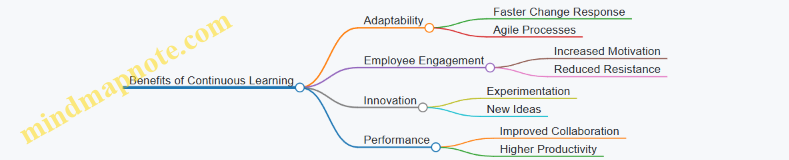
Practical Tips for Executives and HR Professionals
- Embed Learning in Daily Work: Encourage microlearning moments and quick knowledge sharing.
- Leverage Data: Use analytics to identify skill gaps and tailor learning paths.
- Promote Psychological Safety: Create an environment where employees feel safe to fail and learn.
- Align Learning Goals: Connect learning initiatives to organizational objectives and agent capabilities.
By embedding a continuous learning culture, organizations ensure their hybrid teams remain resilient, innovative, and effective in the face of ongoing change, turning disruption into opportunity.
10.4 Example: A Global Enterprise’s Strategy for Future-Proof Leadership
In the rapidly evolving landscape of hybrid human-autonomous teams, a leading global enterprise—Globex Corporation—has developed a comprehensive strategy to future-proof its leadership capabilities. This strategy focuses on continuous adaptation, fostering innovation, and integrating autonomous agents seamlessly with human teams.
Overview of Globex Corporation’s Strategy
Globex recognized early that the future of work involves a symbiotic relationship between humans and autonomous agents. Their leadership strategy is built around three core pillars:
- Adaptive Leadership Development
- Technology-Driven Collaboration
- Culture of Continuous Learning and Ethics
Mind Map: Globex’s Future-Proof Leadership Strategy
Adaptive Leadership Development
Globex invests heavily in upskilling its leaders to manage hybrid teams effectively. This includes:
-
Leadership Training Programs: Focused on emotional intelligence, AI literacy, and change management.
-
Scenario-Based Simulations: Leaders participate in simulated environments where they practice managing human-agent collaboration during crises or rapid change.
-
Cross-Functional Leadership Rotations: To build versatility, leaders rotate across departments that use different autonomous technologies.
Example:
Maria, a mid-level manager, completed a simulation where she led a team of human analysts and AI agents during a cybersecurity breach. This prepared her to make quick decisions, balancing human intuition with AI recommendations.
Technology-Driven Collaboration
Globex leverages advanced platforms to ensure seamless interaction between humans and agents:
-
AI-Augmented Decision Making: Leaders receive AI-generated insights alongside human input to make balanced decisions.
-
Integrated Communication Platforms: These platforms allow humans and agents to share updates, assign tasks, and resolve conflicts in real time.
-
Real-Time Data Dashboards: Customized dashboards display performance metrics for both human and autonomous team members.
Example:
In the product development division, the team uses an AI-powered dashboard that highlights bottlenecks and suggests resource reallocations. This helps the leader, Raj, to proactively address issues before they escalate.
Culture of Continuous Learning and Ethics
Globex fosters an environment where learning and ethical considerations are paramount:
-
Learning Management Systems (LMS): Employees and leaders access courses on AI ethics, collaboration skills, and emerging technologies.
-
Ethics Committees for AI Governance: A dedicated group reviews autonomous agent behaviors and ensures compliance with company values.
-
Feedback and Improvement Cycles: Regular feedback sessions include evaluations of agent performance and human-agent interactions.
Example:
The ethics committee recently reviewed an autonomous agent’s decision-making in customer service, identifying bias in responses. They worked with developers to retrain the AI, ensuring fairness and transparency.
Mind Map: Continuous Learning & Ethics Framework
Key Takeaways from Globex’s Strategy
-
Holistic Approach: Combining leadership development, technology, and culture ensures sustainable success.
-
Practical Training: Scenario simulations prepare leaders for real-world hybrid team challenges.
-
Ethical Vigilance: Proactive governance maintains trust in autonomous systems.
-
Data-Driven Decisions: Real-time analytics empower leaders to act swiftly and confidently.
Final Thought
Globex Corporation’s strategy exemplifies how global enterprises can future-proof leadership by embracing the evolving dynamics of human-autonomous teams. Their integrated approach offers a replicable model for executives, HR professionals, and entrepreneurs aiming to lead confidently in the age of agents.
11. Conclusion: Synthesizing Human and Agent Strengths for Optimal Leadership
11.1 Recap of Best Practices and Lessons Learned
As we conclude our exploration of leadership in the age of agents, it’s essential to revisit the core best practices and key lessons that empower executives, HR professionals, and entrepreneurs to successfully manage hybrid teams composed of humans and autonomous agents.
Mind Map: Best Practices Overview
Key Lessons Learned with Examples
-
Building Trust is Foundational
- Lesson: Trust between human team members and autonomous agents is critical for collaboration.
- Example: A marketing agency increased campaign efficiency by 30% after introducing transparent AI decision logs, enabling human marketers to understand and trust agent recommendations.
-
Communication Must Be Inclusive and Clear
- Lesson: Hybrid teams require communication protocols that integrate agent outputs seamlessly.
- Example: A financial services firm implemented AI-generated meeting summaries that helped human team members quickly grasp agent-driven insights, reducing meeting times by 20%.
-
Role Clarity Prevents Overlap and Confusion
- Lesson: Clearly defining tasks for humans and agents avoids redundancy and maximizes strengths.
- Example: A manufacturing company held role clarity workshops post-agent integration, which led to a 15% increase in production efficiency by aligning responsibilities.
-
Performance Management Should Reflect Hybrid Contributions
- Lesson: Balanced scorecards that include agent KPIs alongside human metrics provide a holistic performance view.
- Example: A retail chain monitored customer service agents and human reps together, improving customer satisfaction scores by 12%.
-
Continuous Training is Essential
- Lesson: Leaders and teams must be trained to interact effectively with autonomous agents.
- Example: An HR firm’s simulation exercises helped managers practice hybrid team leadership, resulting in smoother agent adoption and fewer operational errors.
-
Ethics and Governance Cannot Be Overlooked
- Lesson: Establishing ethical guidelines and accountability ensures responsible agent behavior.
- Example: A healthcare provider’s AI ethics committee prevented potential biases in patient data handling, safeguarding compliance and trust.
-
Data-Driven Insights Optimize Team Performance
- Lesson: Integrating human and agent data enables predictive analytics to anticipate bottlenecks.
- Example: A logistics company used combined dashboards to reduce delivery delays by 18% through proactive adjustments.
-
Effective Change Management Drives Adoption
- Lesson: Communicating vision clearly and running pilot programs build buy-in and reduce resistance.
- Example: A consulting firm’s phased rollout of agents with pilot teams resulted in a 90% adoption rate within six months.
-
Future-Proof Leadership Requires Continuous Learning
- Lesson: Leaders must cultivate a culture of ongoing education to keep pace with evolving technologies.
- Example: A global enterprise’s investment in continuous learning programs helped leaders stay ahead of emerging AI trends, maintaining competitive advantage.
Mind Map: Lessons Learned with Examples
Final Thought
Mastering leadership in hybrid human-agent teams is a dynamic journey. By embracing these best practices and learning from real-world examples, leaders can confidently navigate the evolving future of work — harnessing the complementary strengths of humans and autonomous agents to drive innovation, productivity, and ethical excellence.
11.2 Inspiring Examples of Successful Hybrid Team Leadership
In the evolving landscape of work, leaders who effectively manage hybrid teams—comprising both humans and autonomous agents—are setting new standards for productivity, innovation, and employee satisfaction. Below are several inspiring examples illustrating how diverse organizations have successfully navigated this complex dynamic.
Example 1: Tech Innovators Inc. – Seamless Integration of AI Agents in Product Development
Tech Innovators Inc., a software development company, integrated AI coding assistants alongside human developers. Leadership focused on fostering collaboration by clearly defining roles where AI agents handled routine code generation and error detection, while humans focused on creative problem-solving and design.
- Leadership Approach: Empowerment through role clarity and trust-building.
- Outcome: 30% faster development cycles and a 25% reduction in bugs.
Mind Map: Tech Innovators Inc. Leadership Strategy
Example 2: GreenField Marketing – Enhancing Creativity with Autonomous Agents
GreenField Marketing integrated AI-driven data analytics agents to support human marketers. Leaders encouraged a culture where agents provided insights and trend analysis, enabling humans to focus on creative campaign development.
- Leadership Approach: Collaborative culture emphasizing transparency and shared decision-making.
- Outcome: Campaign effectiveness increased by 40%, with higher team engagement.
Mind Map: GreenField Marketing Collaboration Model
Example 3: FinServe Solutions – Automating Routine Tasks to Elevate Human Expertise
At FinServe Solutions, leadership introduced autonomous agents to automate routine customer service inquiries, freeing human agents to handle complex cases and relationship-building.
- Leadership Approach: Strategic delegation and continuous training.
- Outcome: Customer satisfaction scores rose by 15%, and employee burnout decreased.
Mind Map: FinServe Solutions Leadership Tactics
Example 4: MedCare Providers – Ethical Governance in Hybrid Teams
MedCare Providers implemented AI diagnostic agents to assist doctors. Leadership prioritized ethical guidelines and accountability, establishing an AI oversight committee to ensure responsible agent behavior.
- Leadership Approach: Strong governance and ethical frameworks.
- Outcome: Improved diagnostic accuracy by 20%, with maintained patient trust.
Mind Map: MedCare Providers Ethical Leadership
Example 5: GlobalLogistics Corp – Data-Driven Hybrid Team Optimization
GlobalLogistics Corp utilized data dashboards combining human and agent metrics to optimize delivery operations. Leadership fostered a culture of continuous learning and adaptation.
- Leadership Approach: Data transparency and iterative improvement.
- Outcome: Delivery times improved by 18%, operational costs reduced.
Mind Map: GlobalLogistics Corp Data-Driven Leadership
Summary Mind Map: Key Leadership Themes Across Examples
These examples demonstrate that effective leadership in hybrid teams hinges on clear communication, ethical oversight, leveraging data, and fostering a culture of collaboration and continuous learning. By drawing on these real-world successes, executives, HR professionals, and entrepreneurs can confidently lead their own human + autonomous teams toward sustained success.
11.3 Actionable Steps for Executives, HR Professionals, and Entrepreneurs
Leading hybrid teams that combine human talent with autonomous agents requires deliberate, strategic actions tailored to each leadership role. Below are detailed, actionable steps with illustrative mind maps and real-world examples to guide you in this transformative journey.
For Executives: Setting Vision and Strategy
- Define a Clear Hybrid Team Vision: Articulate how autonomous agents complement human capabilities to drive business goals.
- Invest in Technology and Infrastructure: Ensure seamless integration of agents with existing systems.
- Champion a Culture of Innovation: Encourage experimentation with AI-driven workflows.
- Establish Governance and Ethical Standards: Oversee responsible AI use.
Mind Map: Executive Priorities for Hybrid Teams

Example: A global financial services CEO launched a “Digital Co-Worker” initiative, embedding autonomous agents into client onboarding processes. By setting a clear vision and investing in AI platforms, the company reduced onboarding time by 40% while maintaining compliance.
For HR Professionals: Enabling People and Process
- Redesign Job Descriptions: Reflect collaboration with autonomous agents.
- Develop Training Programs: Upskill employees on AI literacy and hybrid workflows.
- Foster Psychological Safety: Encourage openness about AI challenges and successes.
- Implement Performance Metrics: Include agent-human collaboration KPIs.
Mind Map: HR Focus Areas for Hybrid Teams

Example: An HR director at a retail chain introduced workshops teaching employees how to effectively partner with AI-powered inventory bots. This led to a 25% improvement in stock accuracy and increased employee confidence.
For Entrepreneurs: Agile Implementation and Growth
- Pilot Hybrid Team Projects: Start small to test agent-human collaboration.
- Gather Continuous Feedback: Iterate based on team input and performance data.
- Leverage Scalable AI Solutions: Choose flexible tools that grow with your business.
- Build Partnerships: Collaborate with AI vendors and consultants.
Mind Map: Entrepreneurial Steps for Hybrid Teams

Example: A startup founder piloted an AI-driven customer support chatbot alongside human agents. By rapidly iterating based on customer feedback, the startup improved response times by 50% and scaled support without proportional headcount increases.
Summary Table of Actionable Steps
| Role | Key Actions | Example Outcome |
|---|---|---|
| Executives | Define vision, invest in tech, govern AI | 40% faster onboarding in financial services |
| HR Professionals | Redesign jobs, train teams, manage culture | 25% improved inventory accuracy in retail |
| Entrepreneurs | Pilot projects, iterate, scale AI, partner | 50% faster customer support response times |
By following these tailored, actionable steps, leaders across roles can confidently navigate the complexities of managing human and autonomous teams, unlocking new levels of productivity, innovation, and employee engagement.
11.4 Final Thoughts: Embracing the Future of Work with Confidence
As we stand at the crossroads of a transformative era in leadership, the integration of autonomous agents alongside human teams is no longer a futuristic concept — it is today’s reality. Embracing this future with confidence requires a mindset shift, strategic foresight, and a commitment to continuous learning.
Mind Map: Embracing the Future of Work
Key Takeaways and Examples
-
Adopt a Growth Mindset
- Leaders must view autonomous agents not as threats but as collaborators that augment human capabilities.
- Example: A global consulting firm encouraged its leadership team to participate in AI literacy workshops, fostering curiosity and reducing resistance to agent integration.
-
Invest in Strategic Foresight
- Anticipate how emerging technologies will reshape workflows and leadership roles.
- Example: A retail company used scenario planning to prepare for AI-driven inventory management, enabling smoother transitions and proactive training.
-
Commit to Continuous Learning
- Encourage teams to upskill regularly, blending technical skills with emotional intelligence.
- Example: An HR startup implemented monthly “learning sprints” where employees and AI agents collaborated on problem-solving exercises.
-
Foster Human-Agent Collaboration
- Design workflows that leverage the strengths of both humans and agents, ensuring mutual respect and clear communication.
- Example: A financial services firm created hybrid project teams where AI agents handled data analysis while humans focused on client relationships.
-
Lead Ethically and Transparently
- Establish clear guidelines around AI use, ensuring fairness, privacy, and accountability.
- Example: A healthcare provider formed an AI ethics board to oversee agent deployment and address concerns proactively.
Mind Map: Building Confidence as a Leader in Hybrid Teams
Final Example: Leading with Confidence in Practice
Consider the case of an entrepreneurial software company that integrated autonomous coding assistants into their development teams. The CEO prioritized transparent communication, openly discussing the benefits and limitations of the agents. They organized joint workshops where developers and AI tools collaborated on coding challenges, fostering trust and shared ownership. When initial bugs occurred due to agent errors, the leadership framed these as learning opportunities rather than failures, encouraging resilience. Over time, this approach led to increased productivity, higher employee satisfaction, and a culture that confidently embraces innovation.
Closing Reflection
Leadership in the age of agents is not about replacing humans but about amplifying human potential through intelligent collaboration. By embracing change with confidence, cultivating a culture of trust and learning, and leading ethically, executives, HR professionals, and entrepreneurs can navigate the future of work successfully — turning challenges into opportunities and uncertainty into strategic advantage.